
Q
When is the Launch Date of BMW I7?
 ModelPoseJul 22, 2025, 12:13 PM
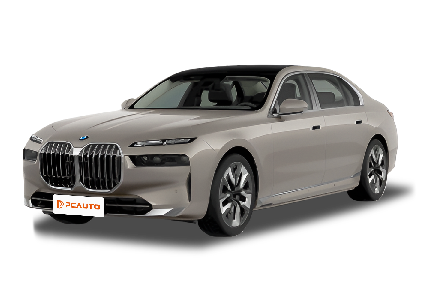
As the flagship all-electric sedan of the brand, the BMW i7 was gradually launched in the global market in December 2022. In the Malaysian market, it was officially released in the third quarter of 2023. For the specific date, you can follow the announcements on the official website of BMW Malaysia or those from authorized dealers. This vehicle is equipped with the fifth-generation eDrive electric drive system, offering a range of up to 625 kilometers (WLTP standard). It also comes with innovative technologies such as a floating curved screen and automatic doors, demonstrating BMW's integration of electrification and luxurious experience.
For Malaysian consumers, the introduction of the i7 enriches the local high - end electric vehicle options. Its fast - charging technology is also compatible with the domestic charging network, allowing the battery to be charged to 80% in 30 minutes. It's worth mentioning that the Malaysian government offers import duty exemptions and road tax incentives for electric vehicles. Buyers of all - electric models like the i7 can enjoy these policy benefits. At the same time, it is recommended that potential buyers obtain the latest test - drive and car - purchasing plans through official channels.
Special Disclaimer: This content is published by users and does not represent the views or position of PCauto.
Related Q&A
Q
What Segment is BMW I7?
The BMW i7 is positioned in the luxury segment. As a luxury electric vehicle, it seamlessly combines BMW's renowned engineering excellence with advanced electric drive technology. The car is priced at 707,250 Malaysian Ringgit and offers a range of high - end features.
The vehicle has an enormous body size, measuring 5391 mm in length, 1950 mm in width, and 1544 mm in height, along with a generous wheelbase of 3215 mm. Inside the cabin, electric seats are provided for the driver, front - row passengers, and rear - row occupants to ensure a comfortable experience. A 14.9 - inch touch - controlled audio display and 18 Bowers & Wilkins speakers together create an immersive entertainment experience.
In terms of safety features, the vehicle is equipped with a comprehensive protection system that includes 7 airbags, an anti - lock braking system, and stability control. Two high - performance electric motors can produce 544 horsepower, enabling the car to accelerate from 0 to 100 km/h in just 4.7 seconds. The official pure - electric driving range reaches 615 km, which can meet both daily commuting needs and long - distance travel requirements. All these characteristics fully demonstrate the luxury positioning of the BMW i7.
 DancerMoveGracefulJul 22, 2025
Q
What is the Reslae Value of BMW I7?
As the flagship electric model of the brand, the second-hand value of the BMW i7 in the Malaysian market is affected by multiple factors, including battery health, mileage, configuration level, and warranty period. Generally, the depreciation rate of electric vehicles is slightly higher than that of fuel-powered vehicles. However, thanks to its high-end positioning and brand premium, the i7 can still maintain a relatively stable residual value. According to industry experience, the residual value rate of luxury electric vehicles after three years is approximately 50% - 60%. However, the specific value depends on the vehicle's condition and market demand. It is recommended to obtain a more accurate valuation through the official certified pre-owned program (BMW Premium Selection). Such channels usually offer extended warranties and battery protection, which helps to enhance the second-hand value.
Malaysian consumers also need to note that tax incentives for electric vehicles (such as import tax exemptions) may indirectly affect second-hand pricing. Meanwhile, regular maintenance records and the integrity of original parts are also key evaluation factors. If you're considering reselling the vehicle, it is advisable to keep a complete service history and utilize BMW Malaysia's used car evaluation tool. The rapid iteration of electric vehicle technology may cause early versions to depreciate faster. Therefore, when holding the vehicle for a long time, you need to weigh the relationship between technological updates and value retention.
 FixerToolRepairJul 22, 2025
Q
What is the PCD Size of BMW I7?
The PCD (Pitch Circle Diameter) of the BMW i7 is 5x112, which means the five bolt holes on the wheel hub are distributed on a circle with a diameter of 112 millimeters. This specification is consistent with that of the fuel - powered version of the BMW 7 Series and is suitable for wheels with a center hole diameter of 66.6 millimeters. For Malaysian car owners, it's very important to know the PCD size as it's directly related to the wheel compatibility. If you need to replace or upgrade the wheels, you must ensure that the PCD, center hole, and offset (ET value) of the new wheels match the original factory data. Otherwise, it may affect driving safety or cause the vehicle to shake.
In addition, the climate in Malaysia is hot and rainy. It's recommended to choose wheel materials that are lightweight and have good heat dissipation, such as aluminum alloy, to improve the vehicle's range and reduce the thermal attenuation of the braking system. If you need to further confirm the specifications, you can refer to the vehicle user manual or consult a BMW - authorized dealer. They can provide original factory parts or certified modification solutions to ensure compliance with local road regulations.
 FixerToolJul 22, 2025
Q
Does BMW I7 Support Apple Carplay?
Yes, as the brand's flagship electric vehicle, the BMW i7 comes standard with Apple CarPlay across the entire lineup. It can seamlessly meet the in - car entertainment needs of iPhone users. Wireless screen mirroring can be achieved through the central curved screen or the rear - seat floating screen, supporting core applications such as navigation, music, and calls. For Malaysian users, all i7 models sold locally are compatible with this function. However, it should be noted that the in - car system needs to be updated to the latest version to ensure stability. At the same time, it is recommended to use the original data cable or keep the phone's Bluetooth/Wi - Fi connection normal.
In addition, BMW's intelligent connectivity system also integrates functions such as Android Auto, wireless charging, and voice control, which complement Apple CarPlay. In Malaysia's hot climate, when using in - car electronic devices for a long time, it is recommended to regularly check for system updates and avoid exposure to high temperatures to extend the lifespan of the hardware. If you encounter connection problems, you can go to BMW - authorized service centers in places like Kuala Lumpur or Penang for diagnosis, and the technicians will provide professional support.
 DreamyHorizonJul 22, 2025
Q
What is the Tyre Brand of BMW I7?
As the flagship electric model of the brand, the original - equipped tire brands of the BMW i7 vary according to different markets and configurations. In the Malaysian market, the commonly - paired tires include high - end brands such as Bridgestone, Michelin, or Goodyear. The electric - vehicle - specific tires provided by these brands (such as Michelin Pilot Sport EV or Bridgestone Turanza Eco series) can balance quietness, low rolling resistance, and grip, which are particularly suitable for the high - torque characteristics of electric vehicles. It's worth noting that there are design differences between electric - vehicle tires and traditional tires. Usually, the sidewall support is strengthened to bear the extra weight of the battery pack, and special rubber compounds are used to reduce energy consumption. It is recommended that car owners give priority to models with the EV logo when replacing tires. If you need to confirm the specific configuration, you can check the nameplate on the B - pillar of the vehicle or query the original - factory specifications through the official website of BMW Malaysia. Regularly checking tire pressure and wear conditions is particularly important for maintaining the cruising range. The local hot and rainy climate also makes summer tires with excellent drainage performance more suitable.
 RunnerSpeedPaceJul 22, 2025
Q
Is BMW I7 a Good Car? Learn the Pros and Cons Here!
As the flagship electric sedan of the brand, the BMW i7 has demonstrated excellent product strength in the Malaysian market. Its advantages include the advanced fifth - generation eDrive electric drive system, which offers a WLTP range of over 600 kilometers (the actual range is affected by driving habits and climate). Paired with a dual - motor all - wheel drive system, it can accelerate from 0 to 100 km/h in just 4.7 seconds, showing powerful performance. Meanwhile, it retains the luxury genes of the 7 Series, such as the crystal ambient lighting and the 31 - inch rear - seat theater screen. It is suitable for high - end Malaysian users who pursue technology and comfort.
However, it's necessary to pay attention to the battery thermal management performance of electric vehicles in tropical regions. Although BMW is equipped with an intelligent temperature control system, long - term high - temperature environments may slightly affect the charging efficiency. Compared with its competitors in the same class, the i7's fast - charging technology (it takes about 34 minutes to charge from 10% to 80% of the battery) and the adaptive energy recovery system are quite friendly for the frequent urban commuting scenario in Malaysia. But it is recommended that potential buyers experience on - site the headroom performance of the rear seats for passengers over 175 cm tall.
Overall, if you have a sufficient budget and home - charging conditions, the i7 is a high - quality choice that combines luxury and environmental protection. However, you need to weigh its relatively high price against the progress of the local electric - vehicle infrastructure.
 ToughJul 22, 2025
Q
What is the Width of BMW I7?
The width of the BMW i7 is 1,950 millimeters. This dimension significantly enhances the overall presence and interior spaciousness of the vehicle. A wider body generally means more generous space for passengers, enabling a more comfortable and luxurious cabin layout. At the same time, it also improves the vehicle's driving stability, as a wider wheelbase usually offers better balance. Moreover, this width also influences the vehicle's aesthetic performance, endowing it with a sleek and imposing visual effect. When combined with other dimensional parameters such as length and height, the width of the BMW i7 perfectly achieves a harmonious integration of functionality, comfort, and design aesthetics.
 MoonlitSerenadeJul 22, 2025
Q
What is the Road Tax Price of BMW I7? How to Calculate It?
In Malaysia, as a pure - electric luxury sedan, the Road Tax for the BMW i7 is different from that of fuel - powered vehicles. Electric vehicles currently enjoy a tax - exemption privilege provided by the government, so there's no need to pay Road Tax. This policy will remain in effect until December 31, 2025, aiming to encourage the popularization of electric vehicles. If the policy is adjusted in the future, the Road Tax calculation method might be based on the electric motor's power (kW) or the vehicle's weight. You can refer to the electric vehicle Road Tax standards announced by JPJ (Land Public Transport Agency) for the specific formula.
It's important to note that the Road Tax for fuel - powered vehicles is usually calculated based on the engine capacity (cc). For example, the tax rates are different for vehicles with an engine capacity below and above 2000cc, but this rule doesn't apply to electric vehicles.
In addition, car owners still need to renew their Road Tax and vehicle insurance on time. The insurance cost for electric vehicles may be slightly higher than that for fuel - powered vehicles because of the higher maintenance costs. It is recommended to regularly check the latest policies on the JPJ website or the official BMW Malaysia website to ensure compliance.
 SweetJul 22, 2025
Q
What is the Second Hand Price of BMW I7? Check Used Price Here
Regarding the used car prices of the BMW i7 in Malaysia, the specific value is influenced by factors such as the vehicle's age, mileage, condition, configuration version, and market demand. Generally, the price of a used i7 is about 20% to 40% lower than that of a new one. It is recommended that you check the real - time quotes through local used car platforms like Carlist or Mudah. You can also consult authorized BMW dealers for a more accurate valuation.
As the brand's flagship electric vehicle, the BMW i7 is equipped with advanced electric drive technology and luxurious features. For example, it has the fifth - generation eDrive system, a large curved screen, and advanced driving assistance functions, all of which affect its resale value. In the Malaysian market, the used prices of electric vehicles fluctuate significantly, partly due to the popularity of charging infrastructure and concerns about battery degradation. However, thanks to BMW's brand premium and solid craftsmanship, the i7 maintains a relatively stable resale performance.
If you're considering buying a used i7, make sure to check the battery health report and warranty status. Also, compare the prices and services of different sellers to ensure you get the best deal.
 QuirkyJul 22, 2025
Q
What is the Tyre Pressure of BMW I7?
As a pure-electric luxury sedan, the recommended tire pressure values for the BMW i7 are typically marked on the label of the driver's side door frame or in the vehicle's user manual. The specific values may vary depending on the vehicle configuration (such as wheel hub size) and load conditions. For example, under standard conditions, the front tires are around 2.4 - 2.5 bar, and the rear tires are around 2.6 - 2.7 bar. If the vehicle is often fully loaded, the pressure should be increased by 0.2 - 0.3 bar as recommended in the manual.
For Malaysian car owners, the tropical climate may cause the tire pressure to increase as the temperature rises. It is recommended to check the tire pressure monthly under cold tire conditions (after the vehicle has been parked for 3 hours or has traveled less than 2 kilometers), and use a digital tire pressure gauge to ensure accuracy. Also, note that overly high tire pressure will reduce grip, while overly low pressure will increase energy consumption and the risk of tire blowouts. Tire pressure management is particularly crucial for electric vehicles because the weight distribution of the battery pack is different from that of traditional fuel vehicles, and the driving range is more sensitive to rolling resistance.
If you replace the tires with silent or low-rolling-resistance ones, you still need to follow the original tire pressure standards. Any adjustments should be based on BMW's official data. The service stations or authorized dealers can provide free tire pressure testing services.
 TravelBugWanderlustJul 22, 2025
Popular Cars
Model Year
Car Compare
Car Photo
 Cars
CarsLatest Q&A
Q
Is AMT similar to automatic?
There are significant differences between AMT transmissions and automatic transmissions (AT) in terms of core structure and driving experience. AMT is essentially an electronically automated version of a manual transmission, simulating manual clutch operation and gear shifting through a computerized control system while retaining the gear set structure of manual transmissions. As a result, it offers higher transmission efficiency, with fuel consumption approximately 8%-12% lower than AT, making it particularly suitable for highway or long-distance driving. However, it may exhibit jerking similar to manual transmissions during low-speed gear shifts, especially noticeable in congested traffic conditions.
AT transmissions rely on torque converters for power transfer, delivering smooth and seamless gear shifts that appeal to comfort-oriented users. However, their complex structure (incorporating planetary gear sets, hydraulic systems, etc.) results in higher maintenance costs. A single service may cost between 800 to 1,500 ringgit, whereas AMT only requires gear oil replacement at approximately 400 ringgit.
From a market perspective, AMT is predominantly used in budget vehicles or commercial models priced below 80,000 ringgit, while AT is typically featured in mid-to-high-end vehicles. Consumers should select based on actual needs: AMT suits those prioritizing fuel efficiency and low maintenance costs, while AT better serves those valuing comfort. Notably, recent advancements in AMT electronic control technology have significantly mitigated jerking issues, though test drives should still emphasize low-speed performance evaluation.
 AriaMar 26, 2026
Q
Which is better, DCT or AT?
DCT (Dual-Clutch Transmission) and AT (Automatic Transmission) each have their own advantages and disadvantages, and the choice should be based on personal driving needs. AT transmissions transfer power through a torque converter, offering excellent shift smoothness, making them suitable for urban commuting or novice drivers. However, they tend to have higher fuel consumption, and vehicles equipped with them are usually more expensive. DCT transmissions utilize a dual-clutch structure, featuring fast shift speeds and high power transmission efficiency, which provides a more direct driving experience—particularly suitable for users seeking a sporty feel. However, they may exhibit jerking at low speeds and have relatively high maintenance costs. If durability and comfort are priorities, AT is the more reliable choice; if power responsiveness and driving pleasure are preferred, wet DCT (such as Volkswagen DSG) performs better, though dry DCT models should be avoided in prolonged stop-and-go traffic conditions. Additionally, CVT transmissions excel in smoothness and fuel efficiency, making them ideal for daily commuting, but they lack driving excitement. It is recommended to test-drive before purchasing, as tuning varies significantly across brands, and real-world experience is more important than theoretical specifications.
 FlutteringMar 26, 2026
Q
Is Amt good or bad?
AMT gearboxes have a significant cost advantage in the local market, typically being around 5,000 Ringgit cheaper than models equipped with conventional automatic transmissions. Their fuel efficiency is comparable to manual transmissions, resulting in long-term fuel savings. Featuring a straightforward design, they achieve transmission efficiency exceeding 90% with relatively low maintenance costs, making them ideal for practicality-oriented consumers. However, their shifting logic contains inherent limitations: gear changes between 1st and 2nd cause 0.3-0.5 second power interruptions, while unintended upshifts on inclines may reduce engine speed by 15%-20%, compromising driving smoothness. For urban commuters or budget-conscious buyers, AMT offers excellent value, though those prioritizing premium driving dynamics should consider alternative transmission types. Some domestic models like the Perodua Axia employ enhanced AMT systems, where optimized shift programming has reduced gearshift shock by approximately 30%.
 RainbowsMar 26, 2026
Q
Which gives better mileage, CVT or AMT?
From the perspective of fuel economy, CVT transmissions generally perform better under urban driving conditions. Their continuously variable design allows the engine to consistently operate within the optimal speed range, significantly reducing fuel consumption during frequent starts and stops. Test data shows that their fuel consumption in urban driving conditions is 10% to 15% lower than that of comparable models. AMT transmissions, on the other hand, inherit the high transmission efficiency of manual transmissions, delivering fuel efficiency close to manual transmissions during high-speed cruising. This makes them particularly suitable for long-distance driving in large-displacement vehicles. However, due to power interruption during gear shifts, their overall fuel consumption may be 5% to 8% higher than CVTs.
The difference in fuel-saving characteristics between the two transmissions stems from their technical principles: CVTs achieve continuous variability through steel belts and pulleys, eliminating the fixed gear ratio limitations of traditional transmissions; AMTs simulate manual gear changes via electronic control systems while maintaining the mechanical efficiency of gear transmission. Notably, actual fuel consumption is also influenced by driving habits. Smooth acceleration and anticipatory deceleration can maximize the transmissions' fuel-saving potential. If the vehicle budget permits and urban commuting is the primary use, CVTs offer a more economical choice. For frequent highway driving with an emphasis on cost-effectiveness, AMTs are equally worth considering.
 RubyBlazeMar 26, 2026
Q
Which is cheaper, AMT or CVT?
In terms of gearbox cost, AMT is usually more economical than CVT. Essentially, AMT is a manual transmission equipped with an electronic control unit, featuring a simple structure and low maintenance costs. The unit price ranges from approximately 5,000 to 8,000 ringgit, making it suitable for budget-conscious consumers or those who prioritize long-term operating costs. CVT incurs higher manufacturing costs due to its precision steel belt transmission system and continuous variable transmission technology, with a unit price of about 7,000 to 10,000 ringgit. However, it delivers a smoother driving experience and superior fuel efficiency. The primary differences between the two lie in technical complexity: AMT retains the gear-shifting mechanism, resulting in noticeable shift shock; CVT achieves linear power output through stepless speed variation but requires periodic belt inspection and incurs higher maintenance expenses. For those prioritizing initial cost and basic transportation needs, AMT offers better value; if comfort and long-term fuel economy are priorities, CVT represents a more worthwhile investment. Note that actual prices may vary based on vehicle model, brand, and local supply chain factors.
 ShadowProwlMar 26, 2026
Related News

The all-new BMW i5 eDrive40 M Sport Pro lands in Malaysia
LienJan 16, 2026

Audi RS6 sedan version may return to compete fully with the BMW M5
WilliamNov 21, 2025

Neue Klasse platform's first mass-produced vehicle, the all-new BMW iX3 makes its debut, looks just like a concept car
LienSep 8, 2025

BMW X5 will become BMW's first model equipped with a hydrogen fuel cell, with a range of 504 kilometers
JamesSep 8, 2025

BMW's all-new iX3 to be unveiled on September 5, built on the Neue Klasse platform
Kevin WongSep 1, 2025
View More
Pros
Cons