
Q
Who makes the BMW i4 battery?
 NomadicLifeOct 21, 2025, 01:56 PM
The BMW i4's batteries come from a lineup of the world's top battery suppliers partnered with the BMW Group, including heavyweights like CATL, Samsung SDI, and Northvolt. These guys are renowned for their high energy density, long-lasting performance, and fast-charging tech – all the good stuff that ensures the i4 meets the premium EV standards we expect in terms of performance and reliability.
For Malaysian drivers, here's the deal: the i4's battery pack has been put through some serious torture testing to handle our hot and humid tropical climate. On top of that, BMW Malaysia backs it up with an 8-year or 160,000-kilometer battery warranty, so you can drive with total peace of mind.
Cool thing is, BMW went with a modular battery design, which means future tech upgrades or replacements should be a breeze. And when it comes to juicing up, the i4 supports DC fast charging that can get you from low to 80% in around 30 minutes – perfect for Malaysia's growing charging network, including setups from local players like ChargeSini and Shell Recharge.
Got questions about battery care? Simple – make a point to swing by your authorized BMW service center regularly for health checks. It's the best way to keep that battery performing at its peak for as long as possible.
Special Disclaimer: This content is published by users and does not represent the views or position of PCauto.
Related Q&A
Q
How far can a BMW i4 go on a full charge?
The range of a fully charged BMW i4 depends on the specific model and driving conditions. According to official figures, the i4 eDrive40 can hit up to 590 kilometers on the WLTP cycle, while the high-performance i4 M50 sits around 510 km. Now, in Malaysia's hot climate, if you're cranking the AC a lot or stuck in city traffic, you might see those numbers dip a bit – totally normal. But make no mistake, it's still right up there with the top players in the luxury EV segment.
One thing to keep in mind with EVs is how battery temperature affects range. BMW's fifth-gen eDrive tech comes with a smart thermal management system, which does a solid job of mitigating those tropical heatwaves that can zap battery efficiency. For Malaysian owners, a little planning goes a long way. Take advantage of BMW Malaysia's ChargeNow network – it's spread out across all major cities. Their DC fast chargers can get you from 0 to 80% in around 30 minutes, which is pretty handy.
If you're someone who does a lot of highway driving, flicking on that Active Cruise Control can actually help squeeze out a bit more range by maintaining a steady speed. And don't forget the basics – keeping those tires properly inflated is a simple win for optimal efficiency too.
 LeafyBranchNatureLoveOct 21, 2025
Q
How many miles can a BMW i4 last?
When it comes to the BMW i4, a pure electric ride, how long it lasts boils down to two big factors: the battery pack's durability and how you drive and take care of it day in and day out. From what BMW's official figures and the industry standards tell us, under normal driving conditions, the i4's battery should hold up for roughly 150,000 to 200,000 miles (that's about 240,000 to 320,000 kilometers) before its capacity might start to dip down to 70-80% of what it was brand new. But even then, it'll still be good to roll.
Now, for our friends in Malaysia, that hot weather could potentially put a bit more strain on the battery life. But here's the thing: BMW's Battery Management System (BMS) does a solid job of keeping the temperature in check. A pro tip? Stick to regular maintenance schedules and try not to rely too much on fast charging if you want to squeeze more life out of that battery.
Another plus with EVs like the i4? Their mechanical setup is way simpler than your old-school gas guzzlers. The electric motor and drivetrain don't need anywhere near as much TLC, which is a win for keeping those long-term running costs down. And let's not forget—EV tech is moving at lightning speed. Battery tech is only getting better, so there's a good chance future advancements could boost durability even more. Who knows? Your i4 might just get better with age through software updates that tweak performance.
 RubyRedFlamePassionOct 21, 2025
Q
How often should I service my i4?
When it comes to servicing your BMW i4, you'll want to stick to BMW's official recommendations: a routine service every 12 months or 10,000 to 15,000 kilometers, whichever comes first. Since the i4 is an all-electric ride, its maintenance needs are a bit different from your typical gas-powered Bimmer. The focus shifts more towards checking the battery system, electric motor, cooling setup, and brakes. That means longer intervals between services and generally lower costs – nice, right?
Living here in Malaysia with our hot and humid weather, it’s extra important to keep an eye on the battery cooling system and high-voltage components. Trust me, that extra attention goes a long way in keeping your i4 running smoothly for the long haul. And while you won’t be changing engine oil or oil filters anymore (say goodbye to those!), you still need to regularly check things like brake fluid, coolant, and the cabin air filter – those are still wear-and-tear items.
A quick tip: your i4 will actually remind you when it’s time for service, either through the infotainment system or the My BMW app. And when that time comes, do yourself a favor and head to an authorized BMW service center. They’ll use genuine parts and have the proper diagnostic tools, which is not only best for your car but also crucial if you want to keep that warranty valid. Let’s be real, regular servicing isn’t just about avoiding breakdowns – it’s about keeping that battery healthy and helping your i4 hold onto its value down the line. Smart move all around.
 AmberGlowSunsetWarmOct 21, 2025
Q
Is it okay to charge an i4 to 100 every time?
When it comes to whether you should charge your BMW i4 to 100% every time, from a battery health standpoint, it's advisable to avoid frequent full charges in daily use, especially when using fast charging. Keeping the battery at 100% for extended periods can accelerate lithium battery degradation. The ideal approach is to maintain a charge level between 80% and 90% for your daily commute, and only fully charge it before long trips to maximize range.
For Malaysian users, the impact of the hot climate on battery life requires extra attention. When charging in high-temperature conditions, it's recommended to choose a shaded area and avoid direct sunlight. Additionally, utilize the vehicle's preset charging limit function (if available) to protect the battery.
It's worth noting that modern EV battery management systems are quite intelligent. Even when it shows 100% charge, the system typically reserves a buffer space. However, actively controlling your charging habits can still extend battery lifespan. If you frequently need to drive long distances, regular full charges are acceptable, but if you mainly use the car for short urban trips, keeping a moderate charge level is more battery-friendly.
 CoolBreezeOct 21, 2025
Q
Does I4 mean turbo?
So, you're wondering if "I4" means turbo? Let's break it down. I4 stands for Inline-4, which refers to the engine's layout – four cylinders arranged in a straight line. But here's the thing: that layout alone doesn't tell you if it's turbocharged. An I4 can be naturally aspirated (NA) or turbocharged; it all comes down to the manufacturer's design and tech choices.
In the Malaysian market, plenty of brands like Proton, Perodua, Toyota, and Honda offer models with I4 engines. Some of these do pack turbo power to boost performance and fuel efficiency – think the Proton X50's 1.5T GDI mill or the turbocharged 1.8L in the Toyota Corolla Cross. Turbos work by compressing incoming air, cranking up power output – perfect if you crave a more spirited drive. On the flip side, naturally aspirated I4s often shine with smoother power delivery and lower maintenance costs.
So which one should you pick? It boils down to your needs. Turbocharged I4s are great if you enjoy a sportier, more aggressive driving style, while NAs tend to be the reliable workhorses for daily commuting. Malaysian buyers should weigh up factors like budget, how they'll use the car, and personal preference when choosing between these two setups.
 LiaOct 21, 2025
Q
Is the I4 a good engine?
BMW's I4 engine has built a solid reputation in Malaysia as the brand's flagship powerplant in recent years, thanks to its modular design and impressive efficiency. Under the hood, it packs TwinPower Turbo technology, paired with direct fuel injection and Valvetronic variable valve timing—engineering that strikes that sweet spot between power and fuel economy in the B48/B58 engine families. It’s a setup that really shines in Malaysia’s mix of stop-and-go city traffic and open highway cruising.
Reliability? It’s proven itself in markets worldwide, and maintenance costs sit at a reasonable level for a luxury brand. Here’s the thing about Malaysia, though—our hot climate is tough on turbocharged engines, especially when it comes to cooling. But BMW’s dialed in the I4’s cooling system specifically for this kind of heat and humidity, so it stays steady even when the mercury spikes.
If you’re someone who cares about driving feel but also needs day-to-day practicality, the I4 engine checks a lot of boxes. It’s smooth, responsive, and holds its own against rivals in its class. A quick tip for anyone eyeing one: stick with factory-approved oil and keep up with regular servicing. That’s how you’ll keep that engine performing at its best for the long haul.
 LeoOct 21, 2025
Q
Can an BMW i4 beat a v8?
The question of whether the i4 can "beat" a V8 really comes down to which specific models you're comparing and, more importantly, how you plan to use the car. Take the BMW i4, for instance. As a pure electric vehicle, its instant torque delivery and acceleration can definitely outshine some naturally aspirated V8 fuel-powered vehicle, especially off the line and in short sprints. The electric motor's immediate power response translates to that gut-punching acceleration – the i4 M50, for example, hits 100km/h in just 3.9 seconds, which can absolutely hang with a fair number of V8 performance cars.
But here's the thing: a V8 engine's ability to deliver sustained power at high revs and that intoxicating exhaust note? That's something electric cars still struggle to replicate. Especially during high-speed cruising or when you're really pushing it on a track for extended periods, the character and stamina of a big-displacement, multi-cylinder engine still shine through.
For folks in Malaysia, you've also got to factor in the real-world ownership experience. Things like how widespread charging infrastructure is and your typical driving range needs – the i4's range and how quickly you can top it up might end up being limiting factors.
Technologically speaking, the i4 represents the exciting future of new energy, while the V8 stands for that timeless mechanical allure. They both have their merits. If you're someone who values environmental friendliness and cutting-edge tech, the i4 makes a strong case. But if raw, emotional driving thrills are what you're after, the V8 is still a classic choice for good reason.
It's worth noting that as motor and battery tech keep advancing, EV performance is getting closer and closer to – and sometimes even surpassing – traditional fuel-powered vehicle. But that unique charm of an internal combustion engine? I don't see that disappearing anytime soon.
 AmberGlowOct 21, 2025
Q
Is the BMW i4 electric or hybrid?
The BMW i4 isn't some hybrid stopgap – this is the real deal, a pure-electric model spearheading BMW Group's fresh electrified lineup. Built on BMW's CLAR platform, it comes in three flavors: eDrive35, eDrive40, and the punchy M50 performance variant. Depending on which one you pick, you're looking at a WLTP range of 400 to 590 kilometers – perfect for Malaysian drivers juggling city commutes and those quick weekend getaways.
Malaysia's government has been really pushing for EV adoption lately, with tax breaks and charging infrastructure popping up more and more. So, grabbing a BMW i4 isn't just about green driving bragging rights; you might score some nice local tax incentives too. BMW knows a thing or two about EV tech, and the i4 packs their fifth-gen eDrive system. That means fast charging is on tap – you can add roughly 164 km of range in just 10 minutes. And hey, it still drives like a BMW should, keeping that famous driving fun alive.
For Malaysian folks eyeing an electric car, the i4 is a solid pick that blends brand cachet with serious tech. If you're craving even more range or want to dial up the performance, keep an eye on other BMW EVs like the iX.
 ArtistBrushOct 21, 2025
Q
How far can a BMW i4 go on a battery?
The BMW i4, as an all-electric model, has a range that varies depending on configuration and driving conditions. Official figures show the i4 eDrive40 can achieve a maximum range of up to 590 kilometers under the WLTP test cycle, while the high-performance i4 M50 comes in at around 510 kilometers. For Malaysian users, real-world range might dip slightly due to the hot climate and frequent air-conditioning use, but it should still comfortably handle daily commutes and even intercity trips. It's worth keeping in mind that EV range is influenced by several factors, including driving style, road conditions, and charging habits. We recommend owners plan their journeys thoughtfully and make use of BMW Malaysia's charging network, such as the BMW i Charging stations dotted across major cities. What's more, the i4 supports fast charging up to 200kW, which can take the battery from 10% to 80% in roughly 30 minutes, significantly cutting down on refueling time. For Malaysian consumers considering an EV, beyond just range, it's also worth paying attention to the local government's EV import tax exemption policies and the continuous improvement of charging infrastructure – these factors will further enhance the practicality of electric vehicles.
 FrostyWhisperOct 21, 2025
Q
Where is the BMW i4 built?
The BMW i4 is currently produced primarily at the BMW Group's headquarters plant in Munich, Germany – a key production hub for the brand's electrification strategy. Renowned for its high level of automation and sustainable manufacturing practices, this facility builds both combustion-engine and electric vehicles side by side, embodying BMW's flexible "one production line, multiple drive systems" manufacturing philosophy.
For Malaysian customers, while the i4 arrives as an imported model, BMW Malaysia's official dealership network provides a comprehensive aftersales support system. This includes specialized EV services such as high-voltage battery warranties. It's worth noting that BMW operates multiple EV production facilities worldwide – China's Shenyang plant, for instance, manufactures several electric models. However, as a flagship electric coupe, the i4's German heritage guarantees that authentic premium quality and driving dynamics remain intact. Malaysian buyers can inquire about specific configurations and place orders through official channels, gaining access to the same cutting-edge electric mobility technology available globally.
 BreezySunshineOct 21, 2025
Popular Cars
Model Year
Car Compare
Car Photo
Related Models

 Cars
CarsLatest Q&A
Q
Is AMT similar to automatic?
There are significant differences between AMT transmissions and automatic transmissions (AT) in terms of core structure and driving experience. AMT is essentially an electronically automated version of a manual transmission, simulating manual clutch operation and gear shifting through a computerized control system while retaining the gear set structure of manual transmissions. As a result, it offers higher transmission efficiency, with fuel consumption approximately 8%-12% lower than AT, making it particularly suitable for highway or long-distance driving. However, it may exhibit jerking similar to manual transmissions during low-speed gear shifts, especially noticeable in congested traffic conditions.
AT transmissions rely on torque converters for power transfer, delivering smooth and seamless gear shifts that appeal to comfort-oriented users. However, their complex structure (incorporating planetary gear sets, hydraulic systems, etc.) results in higher maintenance costs. A single service may cost between 800 to 1,500 ringgit, whereas AMT only requires gear oil replacement at approximately 400 ringgit.
From a market perspective, AMT is predominantly used in budget vehicles or commercial models priced below 80,000 ringgit, while AT is typically featured in mid-to-high-end vehicles. Consumers should select based on actual needs: AMT suits those prioritizing fuel efficiency and low maintenance costs, while AT better serves those valuing comfort. Notably, recent advancements in AMT electronic control technology have significantly mitigated jerking issues, though test drives should still emphasize low-speed performance evaluation.
 AriaMar 26, 2026
Q
Which is better, DCT or AT?
DCT (Dual-Clutch Transmission) and AT (Automatic Transmission) each have their own advantages and disadvantages, and the choice should be based on personal driving needs. AT transmissions transfer power through a torque converter, offering excellent shift smoothness, making them suitable for urban commuting or novice drivers. However, they tend to have higher fuel consumption, and vehicles equipped with them are usually more expensive. DCT transmissions utilize a dual-clutch structure, featuring fast shift speeds and high power transmission efficiency, which provides a more direct driving experience—particularly suitable for users seeking a sporty feel. However, they may exhibit jerking at low speeds and have relatively high maintenance costs. If durability and comfort are priorities, AT is the more reliable choice; if power responsiveness and driving pleasure are preferred, wet DCT (such as Volkswagen DSG) performs better, though dry DCT models should be avoided in prolonged stop-and-go traffic conditions. Additionally, CVT transmissions excel in smoothness and fuel efficiency, making them ideal for daily commuting, but they lack driving excitement. It is recommended to test-drive before purchasing, as tuning varies significantly across brands, and real-world experience is more important than theoretical specifications.
 FlutteringMar 26, 2026
Q
Is Amt good or bad?
AMT gearboxes have a significant cost advantage in the local market, typically being around 5,000 Ringgit cheaper than models equipped with conventional automatic transmissions. Their fuel efficiency is comparable to manual transmissions, resulting in long-term fuel savings. Featuring a straightforward design, they achieve transmission efficiency exceeding 90% with relatively low maintenance costs, making them ideal for practicality-oriented consumers. However, their shifting logic contains inherent limitations: gear changes between 1st and 2nd cause 0.3-0.5 second power interruptions, while unintended upshifts on inclines may reduce engine speed by 15%-20%, compromising driving smoothness. For urban commuters or budget-conscious buyers, AMT offers excellent value, though those prioritizing premium driving dynamics should consider alternative transmission types. Some domestic models like the Perodua Axia employ enhanced AMT systems, where optimized shift programming has reduced gearshift shock by approximately 30%.
 RainbowsMar 26, 2026
Q
Which gives better mileage, CVT or AMT?
From the perspective of fuel economy, CVT transmissions generally perform better under urban driving conditions. Their continuously variable design allows the engine to consistently operate within the optimal speed range, significantly reducing fuel consumption during frequent starts and stops. Test data shows that their fuel consumption in urban driving conditions is 10% to 15% lower than that of comparable models. AMT transmissions, on the other hand, inherit the high transmission efficiency of manual transmissions, delivering fuel efficiency close to manual transmissions during high-speed cruising. This makes them particularly suitable for long-distance driving in large-displacement vehicles. However, due to power interruption during gear shifts, their overall fuel consumption may be 5% to 8% higher than CVTs.
The difference in fuel-saving characteristics between the two transmissions stems from their technical principles: CVTs achieve continuous variability through steel belts and pulleys, eliminating the fixed gear ratio limitations of traditional transmissions; AMTs simulate manual gear changes via electronic control systems while maintaining the mechanical efficiency of gear transmission. Notably, actual fuel consumption is also influenced by driving habits. Smooth acceleration and anticipatory deceleration can maximize the transmissions' fuel-saving potential. If the vehicle budget permits and urban commuting is the primary use, CVTs offer a more economical choice. For frequent highway driving with an emphasis on cost-effectiveness, AMTs are equally worth considering.
 RubyBlazeMar 26, 2026
Q
Which is cheaper, AMT or CVT?
In terms of gearbox cost, AMT is usually more economical than CVT. Essentially, AMT is a manual transmission equipped with an electronic control unit, featuring a simple structure and low maintenance costs. The unit price ranges from approximately 5,000 to 8,000 ringgit, making it suitable for budget-conscious consumers or those who prioritize long-term operating costs. CVT incurs higher manufacturing costs due to its precision steel belt transmission system and continuous variable transmission technology, with a unit price of about 7,000 to 10,000 ringgit. However, it delivers a smoother driving experience and superior fuel efficiency. The primary differences between the two lie in technical complexity: AMT retains the gear-shifting mechanism, resulting in noticeable shift shock; CVT achieves linear power output through stepless speed variation but requires periodic belt inspection and incurs higher maintenance expenses. For those prioritizing initial cost and basic transportation needs, AMT offers better value; if comfort and long-term fuel economy are priorities, CVT represents a more worthwhile investment. Note that actual prices may vary based on vehicle model, brand, and local supply chain factors.
 ShadowProwlMar 26, 2026
Related News
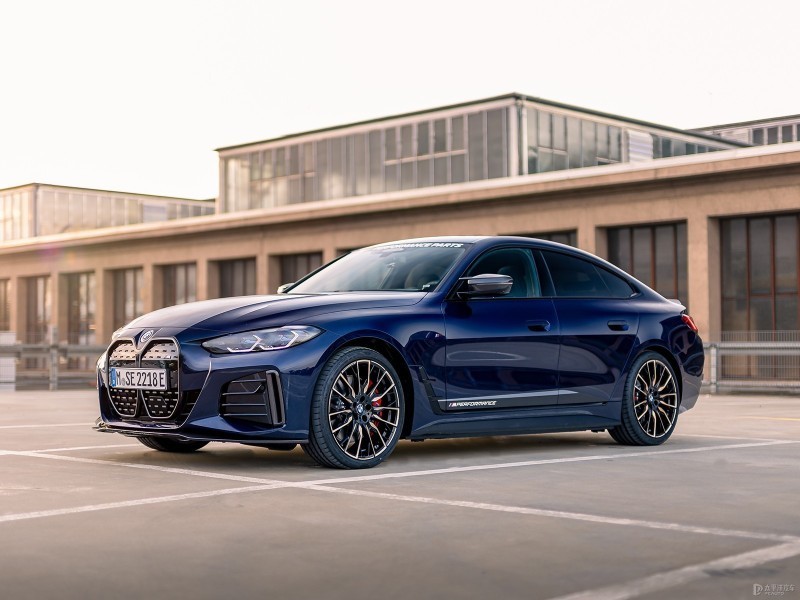
The Brand-new BMW i4 and MINI ACEMAN will Make their Global Debut at the Beijing Auto Show
Kevin WongApr 9, 2024

The all-new BMW i5 eDrive40 M Sport Pro lands in Malaysia
LienJan 16, 2026

Audi RS6 sedan version may return to compete fully with the BMW M5
WilliamNov 21, 2025

Neue Klasse platform's first mass-produced vehicle, the all-new BMW iX3 makes its debut, looks just like a concept car
LienSep 8, 2025

BMW X5 will become BMW's first model equipped with a hydrogen fuel cell, with a range of 504 kilometers
JamesSep 8, 2025
View More
Pros
Cons