
New Peugeot 208 equipped with a brand new 1.2T engine, switching to a timing chain.
 LienMar 18, 2026, 05:38 PM
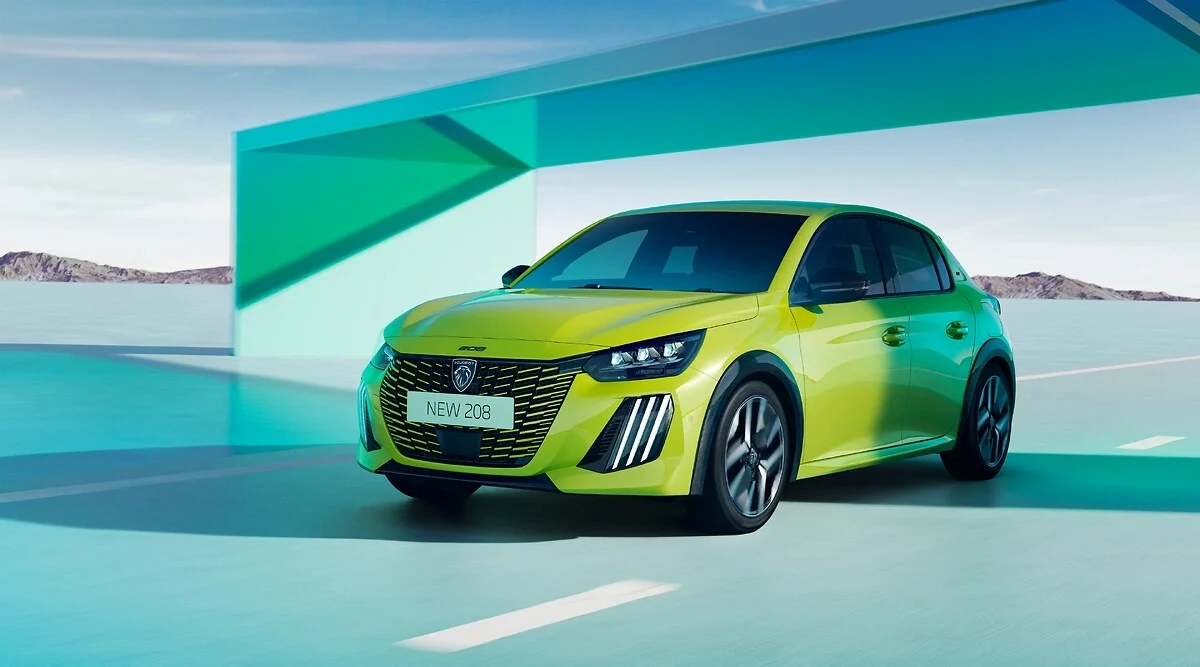
[PCauto] Within the PEUGEOT brand under the Stellantis Group, the 1.2 L PureTech engine has always inspired mixed feelings.
It has earned market recognition with its excellent torque output and lightweight advantage.
However, its wet belt system has become a lingering concern for owners. Over time, it can degrade, shed debris into the oil, clog the oil pump strainer, and in severe cases, lead to engine failure.
New Engine Replaces Timing Belt with Timing Chain
Facing pressure from 208's sales performance in the small car market, PEUGEOT recently announced that its main B-segment hatchback, the new PEUGEOT 208, will be equipped with an entirely new powertrain named "Turbo 100."
Although this engine retains the 1.2 L three-cylinder layout, the company has explicitly stated that it is a “third-generation” product that has undergone extensive redesign.
In fact, ccording to technical specifications, while the code for this Turbo 100 engine overlaps somewhat with previous models, 70% of its internal components are brand new.
Most notably for an industry watching closely, the new engine marks a return to a traditional timing system, replacing the problematic oil-immersed belt with a metal timing chain.
This modification directly addresses previous reliability issues and is theoretically expected to significantly reduce maintenance pressure for users during long mileage operations.
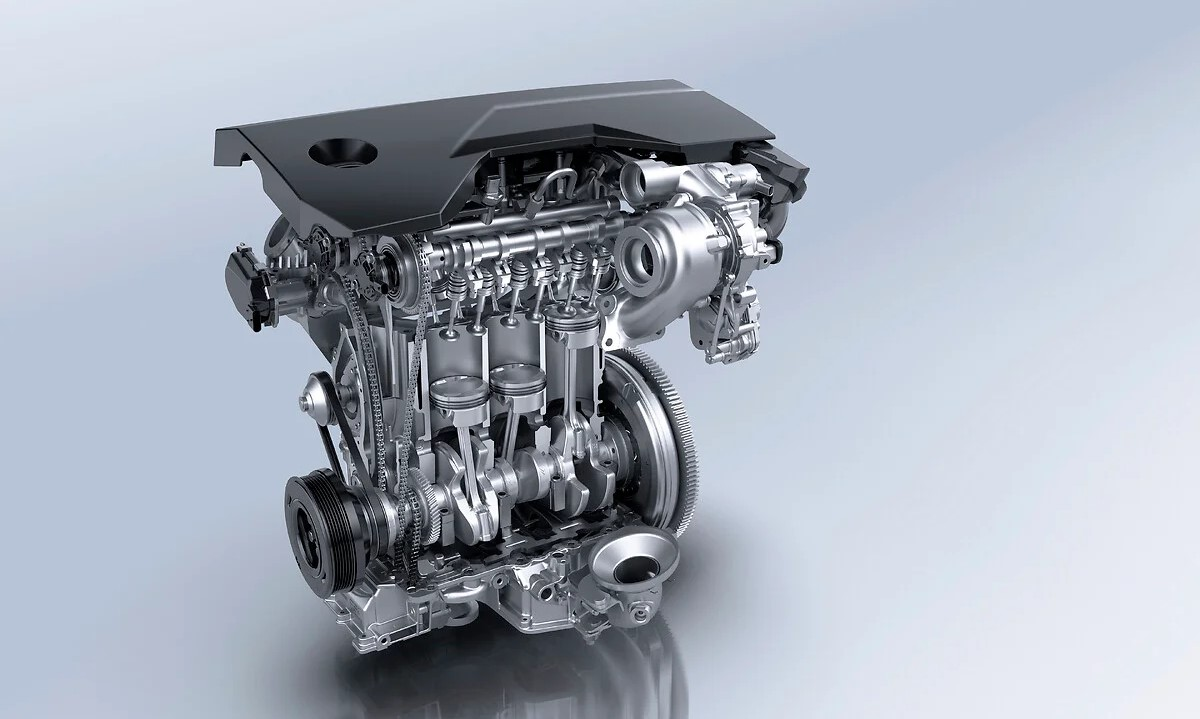
In addition to the timing chain, Turbo 100 also incorporates a series of technologies that were previously seen only in diesel engines or higher-class engines.
For example, it is equipped with a VGT variable geometry turbocharger, which allows it to deliver a peak torque of 205 Nm at a low speed of 1,750 rpm, while maintaining a maximum power output of 101 hp.
With a 350 bar high-pressure direct injection system and the more thermally efficient Miller cycle technology, this engine not only ensures a more nimble urban commuting experience but also improves fuel economy and complies with more stringent emission standards.
Over 30,000 Hours of Bench Testing
To demonstrate the reliability of this engine, PEUGEOT has disclosed a set of testing data.
This engine has run for over 30,000 hours on the test bench, simulating various extreme driving conditions. In actual road testing, the total mileage of prototype vehicles has exceeded 3 million kilometers.
This exceptional level of testing clearly indicates that PEUGEOT is attempting to send a strong message to the market: the shadow of engine belt failures is now a thing of the past.
Based on this confidence, PEUGEOT has significantly optimized the maintenance schedule.
The regular maintenance interval for the new PEUGEOT 208 Turbo 100 is now set at every two years or 25,000 kilometers, compared to the previous one-year or 20,000-kilometer requirement for older versions. This not only means fewer workshop visits but is also a direct reflection of the enhanced engine durability.
The New 208 Will Launch in Europe This Month
In the European market, the PEUGEOT 208 equipped with the all-new Turbo 100 engine has officially launched this month. Based on the base price in Europe, it is estimated to be approximately 107,350 MYR.
Notably, the PEUGEOT 2008 model is also scheduled to adopt this powertrain in May 2026.
For buyers who have always been fond of French car design but have concerns about reliability, the release of the Turbo 100 is undoubtedly great news.
If any infringement occurs, please contact us for deletion










Popular Cars
Model Year
Car Compare
Car Photo