
Tesla internal meeting reveals, 4680 battery production cost is already lower than external suppliers
 JohnApr 07, 2025, 11:12 AM
【PCauto】As a core technological innovation for electric vehicles, the Tesla 4680 battery, with its cylindrical design of 46mm in diameter and 80mm in height, achieves a revolutionary balance between energy density and production cost.

Compared to the 21700 battery, the single-cell energy density of the 4680 battery is increased by 5 times. Combined with CTC (Cell-to-Structure) technology, the weight and number of parts in the battery pack are greatly reduced, directly reducing the manufacturing cost of the vehicle. In terms of material technology, the use of silicon-based anodes mixed with graphite solves the problem of silicon material expansion. At the same time, PVDF coatings and aluminum foil/copper foil optimization extend the battery cycle life and improve the battery safety.
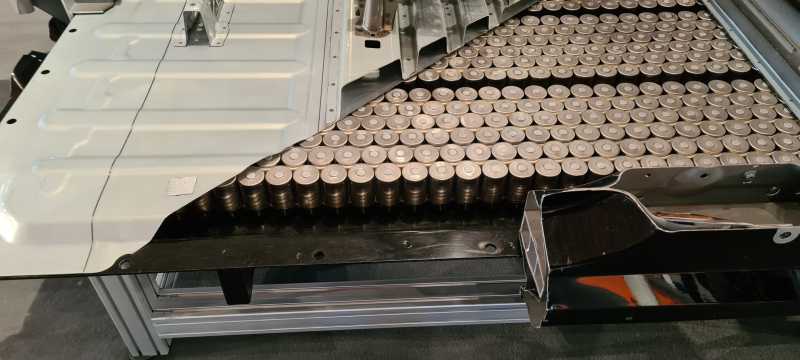
In addition, the tabless design eliminates the traditional cell's tab structure, boosting charging and discharging efficiency up to 6 times, and reducing internal resistance and heat accumulation, providing more stable performance guarantee for applications in high temperature environments (such as in Southeast Asia).

Tesla plans to achieve mass production of the 4680 battery in the second quarter of this year and aims to increase the production yield to 90% by the end of 2024. The combination of high yield and scaled effect is expected to reduce battery pack production costs by 54% and increase driving range by 16%, which will significantly enhance Tesla's market competitiveness.
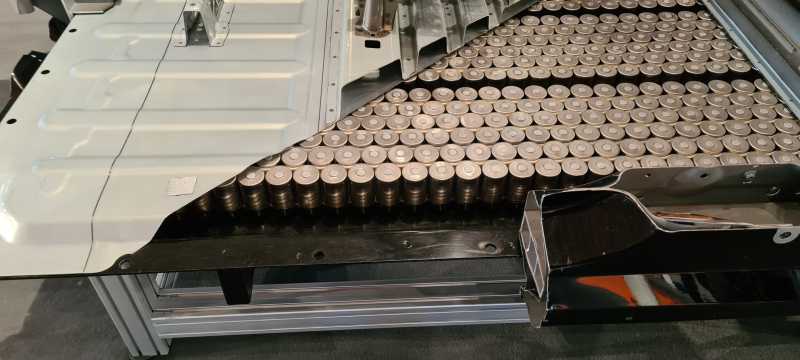
The cost advantage of Tesla's 4680 battery mass production (predicted to be less than $70/kWh) matches well with the demand of the mid-end consumer market in Southeast Asia, in line with Tesla's plans for affordable models such as $25,000 electric vehicles. Taking Malaysia as an example, the rapid development of its charging infrastructure and Tesla's supercharging network layout can form a synergistic effect, while the high energy density and fast charging capability of the 4680 battery (benefiting from the tabless design) will alleviate users' concerns about range and charging efficiency.
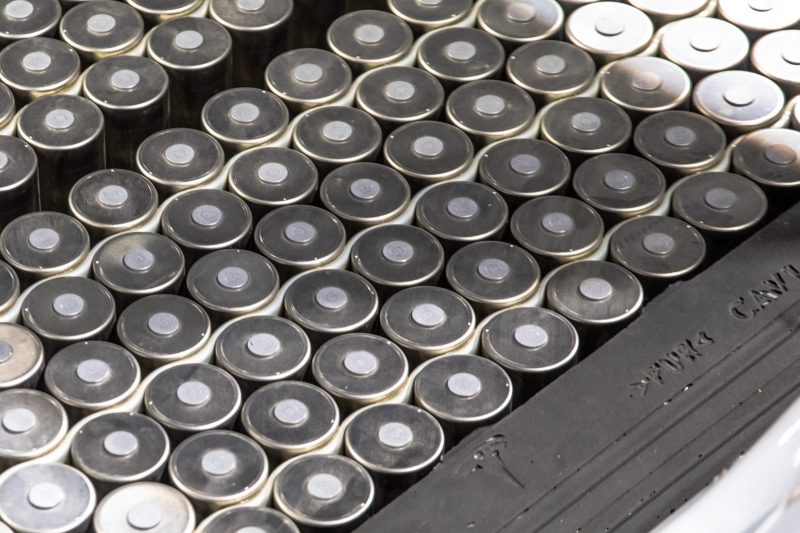
Despite the significant technical advantages, the 4680 battery still faces challenges in mass production stability and heat dissipation design, especially in the humid and high-temperature environment of Southeast Asia, further verification is needed. However, Tesla's self-developed battery technology reduces its dependence on suppliers such as Panasonic and CATL, allowing for more flexible supply chain strategy adjustments.
If any infringement occurs, please contact us for deletion









Popular Cars
Model Year
Car Compare
Car Photo