
Toyota Unveils New EV C-HR+ in Europe, Signaling a Significant Shift in its EV Strategy
 JamesMar 18, 2025, 09:52 AM
【PCauto】Recently, Toyota unveiled a brand-new electric vehicle, the C-HR+, in Europe. However, what many may not know is that Toyota previously launched the C-HR EV in China, which was also a battery electric vehicle (BEV). The introduction of the C-HR+ clearly illustrates Toyota's evolving attitude towards automotive electrification.
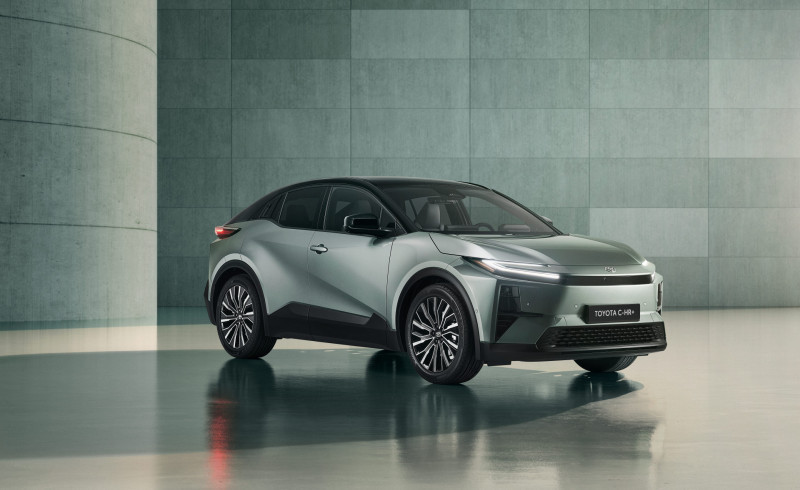
The C-HR+ is built on the all-new e-TNGA platform and offers two battery capacity versions. The 57.7 kWh version is powered by a motor with a peak output of 167 hp (123 kW), while the 77 kWh version delivers a peak power of 224 hp (165 kW). The all-wheel-drive (AWD) variant boasts a combined power output of 343 hp (252 kW) and can accelerate from 0 to 100 km/h in just 5.2 seconds.
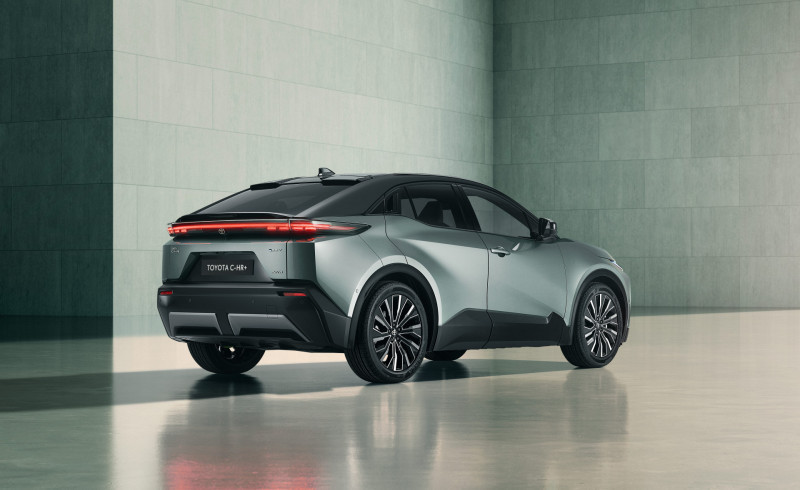
Although Toyota has not disclosed the specific range for the C-HR+, estimates suggest it could reach a maximum range of up to 600 kilometers. Furthermore, all variants of the C-HR+ will come equipped with an 11 kW charger as standard, while higher-end models feature a 22 kW charger, supporting fast charging of up to 150 kW.
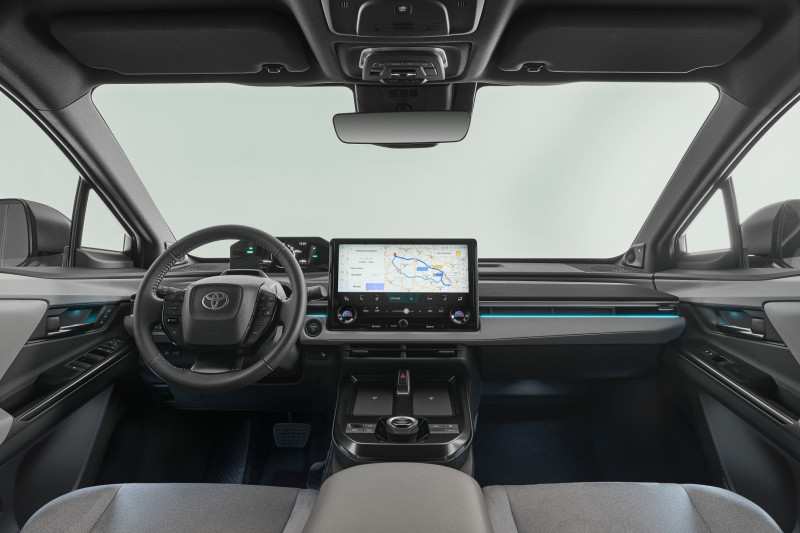
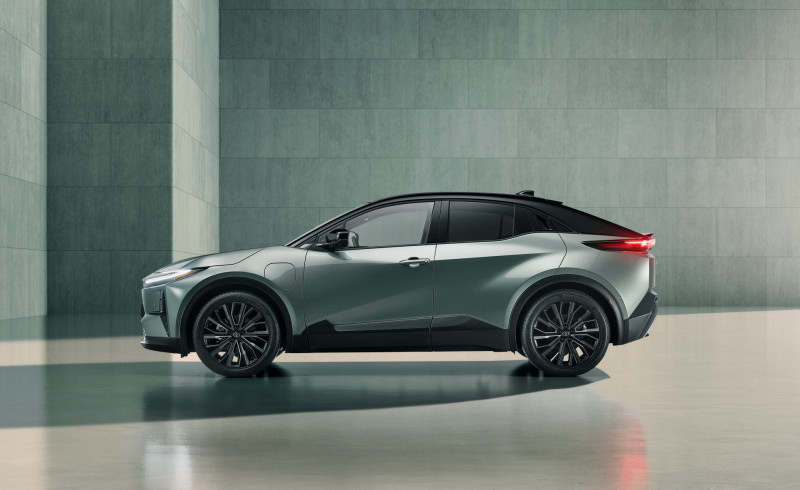
The design of the C-HR+ is markedly different from that of the previous C-HR, retaining the look of the 2022 concept car. The vehicle features a smooth, sloping roofline and large LED taillights, giving it a highly recognizable profile. Measuring 4,520 mm in length with a wheelbase of 2,750 mm, the C-HR+ includes significant updates to its interior configurations, such as a large 14-inch central display and two wireless smartphone charging pads. Rear passengers can also control their own climate settings, and the vehicle is equipped with ambient lighting and a panoramic sunroof. In terms of safety, all models come standard with Advanced Driver Assistance Systems (ADAS), such as blind-spot monitoring and adaptive high beams, while top-tier models also offer parking assistance and panoramic view monitoring.
Overall, the C-HR+ feels like a true representation of Toyota's commitment to electric vehicles, especially when compared with the earlier C-HR EV launched in China. In 2020, Toyota introduced the C-HR EV, a basic conversion of the gasoline-powered C-HR, merely removing the engine and adding an electric motor and battery pack. At the time, Toyota was less optimistic about electric vehicles, leading to a somewhat casual development approach for the C-HR EV, which featured a peak power of 150 kW and an NEDC-rated range of 400 km. These specifications rendered the C-HR EV less competitive in the Chinese market, especially as companies like XPENG and BYD began to demonstrate their strength in the electric vehicle sector. Consequently, the C-HR EV sold less than 100 units per month in China, to the point where Toyota was reluctant to disclose sales figures. As a result, the C-HR EV has been discontinued, marking a less than successful venture for Toyota in China's electrification journey.
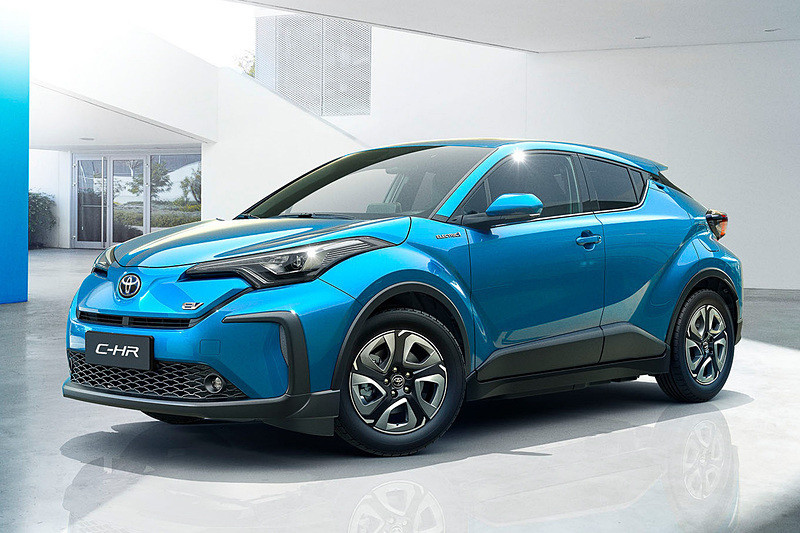
The transition from the lackluster sales of the C-HR EV in China to the impressive debut of the C-HR+ in Europe starkly highlights Toyota's shift in attitude towards electric vehicle electrification. In the European market, Toyota plans to launch nine pure electric models by 2025 and 2026, with the C-HR+ being one of the earliest releases. This indicates that Toyota is accelerating its electrification efforts to meet evolving market demands.
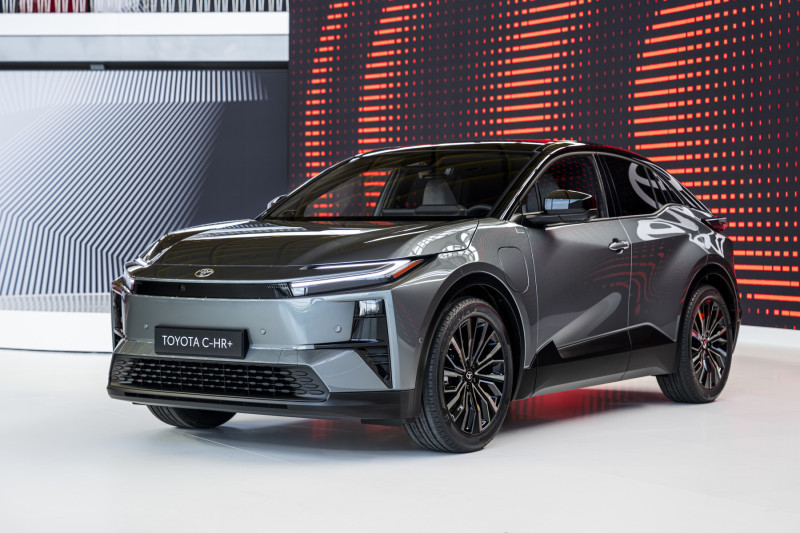
Toyota's Chief Brand Officer Simon Humphries emphasized that providing consumers with more choices and opportunities is key to building great cars. Behind this strategy, Toyota has re-evaluated the market needs of different regions and adapted accordingly. In Europe, where environmental policies are accelerating the growth of the electric vehicle market, Toyota is launching multiple electric models to capture market share. In contrast, in South America, where electric vehicle sales are lower, Toyota is focusing on the development of hybrid vehicles.
If any infringement occurs, please contact us for deletion










Popular Cars
Model Year
Car Compare
Car Photo