
2017 Ford Everest 3.2 Titanium AT AWD Review

 Share
Share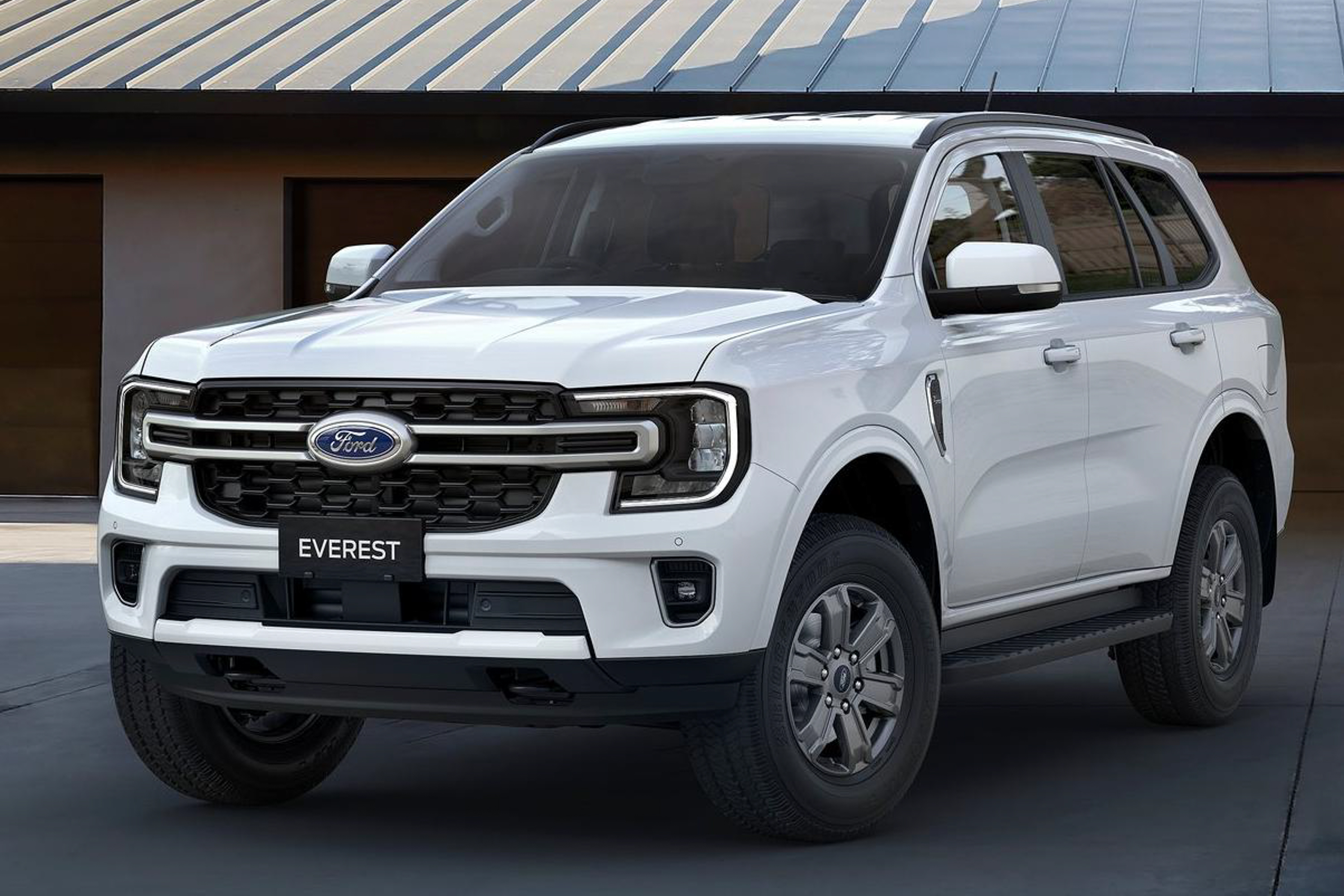
 Segment
 Body Type
 Capacity(L)
 Engine Power(PS)
 Transmission
 Driven Wheels
In Malaysia's mid-size SUV market, 7-seater configurations have always been a key consideration for family users and consumers who often travel with multiple passengers — they need to cater to daily commuting comfort while providing space flexibility for occasional long-distance driving, and also ensure a certain level of off-road capability. The 2017 Ford Everest 3.2 Titanium AT AWD, as a popular contender in this segment, features a 3.2L turbocharged diesel engine, full-time four-wheel drive system, and abundant intelligent configurations as its core selling points. In this comprehensive test drive, we'll verify whether it truly balances both "family practicality" and "driving quality."
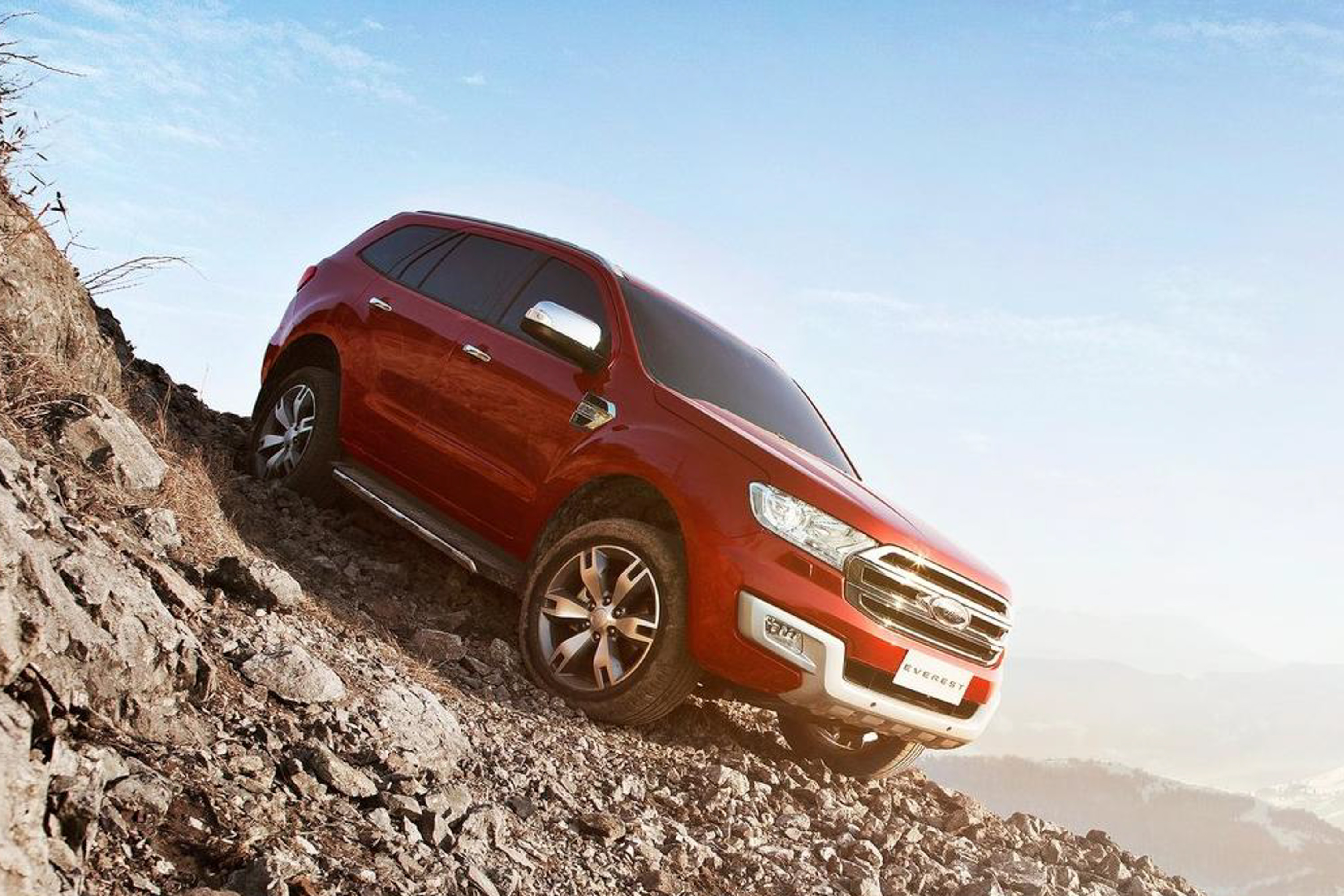
At first glance, the exterior leaves a strong impression of robustness mixed with a sense of refinement. The vehicle's dimensions measure 4893mm×1862mm×1836mm, with a wheelbase of 2850mm. The overall silhouette retains the square and sturdy feel of a traditional SUV, while the large front grille with chrome accents, combined with the xenon headlights and LED daytime running lights on each side, creates a distinct and recognizable look. The side profile features a character line running from front to rear, while the 20-inch 265/50 R20 tires enhance the visual stability. At the rear, horizontally designed LED taillights echo the front lighting system, and the silver skid plate below the rear bumper reinforces the SUV's attributes.
Sitting inside the car, the interior layout leans toward practicality. The dashboard is wrapped in soft-touch materials and accented by silver trims, giving it a texture that matches its price range. The instrument cluster combines digital and analog displays, clearly showing key information such as speed, RPM, and fuel consumption. Although the central touchscreen is not as large as those on newer models, its operational logic is clear, and the physical buttons make it easier for users to operate without looking. In terms of features, keyless entry and push-button start are standard. The front seats offer power adjustment, the second-row seats can slide forward and backward as well as recline manually, and the third-row seats support electric folding — a very user-friendly feature for those who need to switch between cargo and passenger modes frequently. The air conditioning system is dual-zone automatic, and the rear cabin has independent air vents, ensuring that even with seven people on board, the cabin temperature can be adjusted quickly.
Space is one of Everest's strengths. A 175cm-tall passenger sitting in the front row has a headroom clearance of about a fist with two fingers. When switching to the second row, there's two fists' worth of legroom and about a fist of headroom. Even if the second-row seats are moved slightly forward, adults in the third row will not feel overly cramped — although long rides could still be tiring, it’s perfectly adequate for short trips. The trunk offers a standard capacity of 450L, which can be expanded significantly by folding down the third-row seats, making it very convenient for transporting luggage or bulky items. Additionally, there are multiple storage compartments in the car, providing suitable spaces for storing small items like phones and water bottles.
In terms of performance, the 3.2L turbocharged diesel engine delivers a maximum horsepower of 200PS, with peak torque kicking in as early as 1750rpm, paired with a 6-speed automatic transmission. During everyday driving, the power response during initial acceleration feels quite lively, and even when fully loaded, the acceleration doesn't feel sluggish. At highway speeds, pressing harder on the accelerator produces a continuous thrust, making overtaking smooth and easy. The transmission's shifting logic is well-calibrated, with minimal jerk during gear changes, resulting in a smooth overall performance. The four-wheel-drive system provides good traction on muddy roads or light off-road terrains, making it suitable for occasional trips to the countryside on unpaved roads.
The handling and chassis performance lean toward comfort. The steering wheel has moderate resistance, with fairly precise directionality, making daily city driving not tiring. The combination of the front double-wishbone independent suspension and rear multi-link independent suspension effectively filters road bumps. When driving over speed bumps or uneven roads, the body does not sway significantly, ensuring comfort for rear passengers. At high speeds, the body stability is excellent, and even when encountering crosswinds, there is no noticeable swaying sensation.
In terms of fuel economy, the diesel engine shows significant advantages. During our test drive under mixed driving conditions, the fuel consumption was approximately 8.5 to 9 liters per 100 kilometers, while on highways, it dropped to about 7.5 liters per 100 kilometers. For a 7-seater SUV weighing 2,495kg, this fuel consumption performance can be considered quite good. The noise control is commendable as well; at idle, the engine noise is almost inaudible from inside the car. At high speeds, wind and road noise are also well suppressed, so conversations inside the car are not greatly affected.
Regarding braking performance, the combination of front ventilated discs and rear ventilated discs ensures responsive braking and sufficient stopping power. During sudden braking, the body maintains a stable posture, providing ample confidence to the driver.
In summary, the core advantages of the 2017 Ford Everest 3.2 Titanium AT AWD lie in: its 7-seater spacious interior, practical features, stable power output, and decent fuel economy. Compared to vehicles in the same class, its four-wheel-drive system and electric folding third-row seats are noteworthy features, making it suitable for users who prioritize family practicality and occasionally need light off-road capabilities—for example, homemakers who frequently travel with family, professionals needing to balance work and life, or consumers who enjoy weekend getaways to the suburbs.
Overall, this vehicle is a "well-rounded contender" with no notable shortcomings. It performs stably in all aspects, making it a worthy consideration if you are in the market for a 7-seater SUV that can meet various usage scenarios.
Ford Everest Car Compare
Ford Everest Loan Calculator
Cars With Similar Price And Features
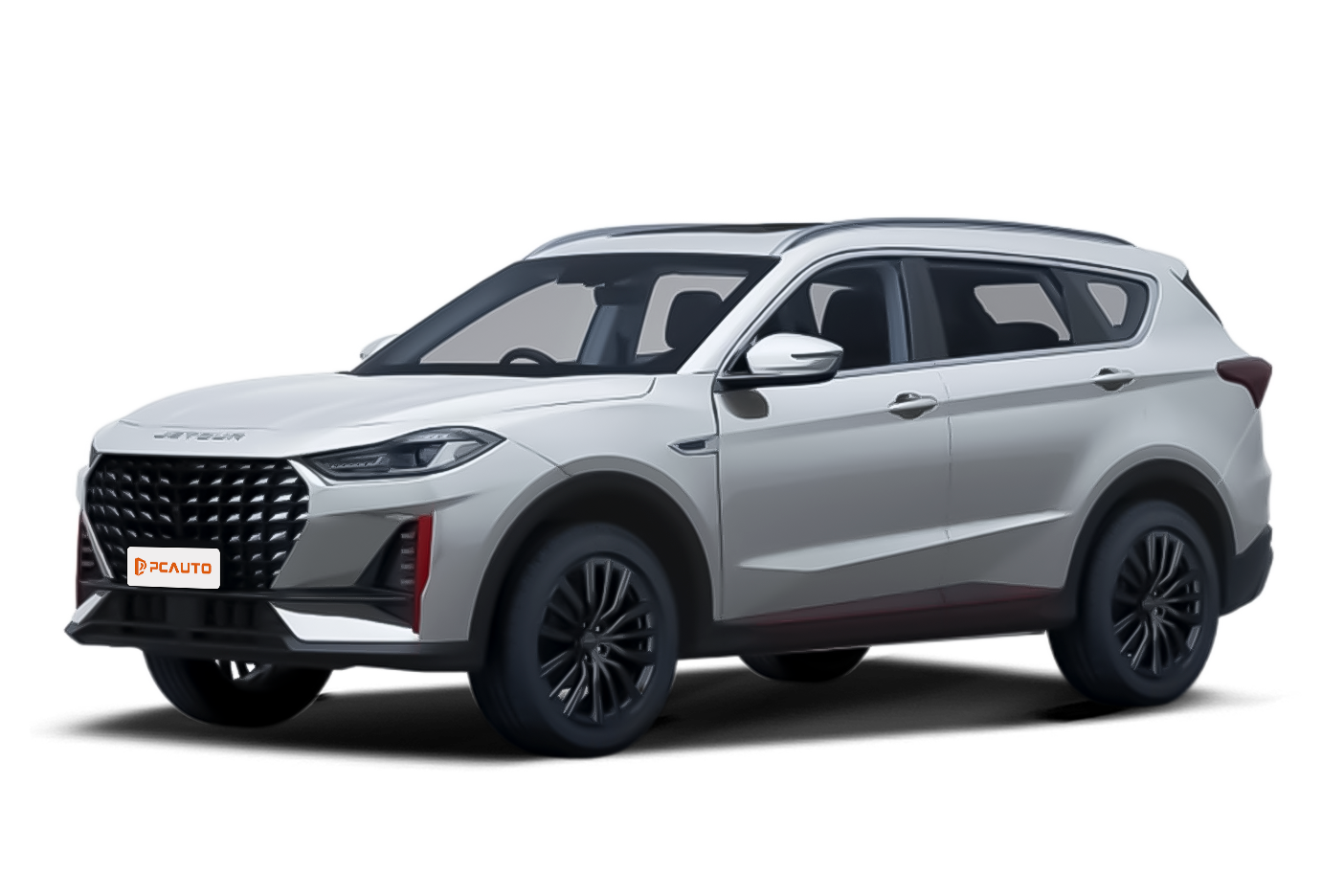
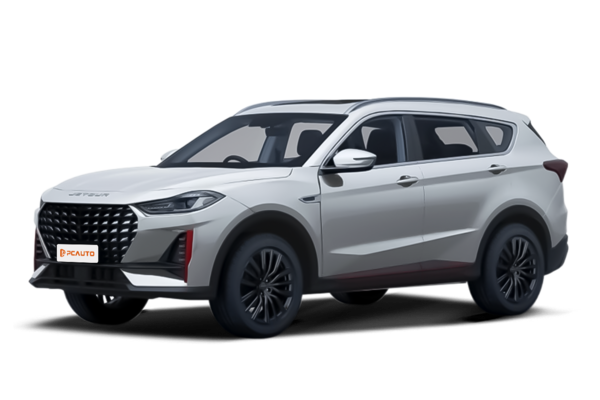
2025 Jetour VT 9 Comfort is a highly cost-effective 7-seater family SUV, featuring practical space, rich configurations, and balanced power, precisely meeting the needs of family short-distance travel.

11
Rank in SUV
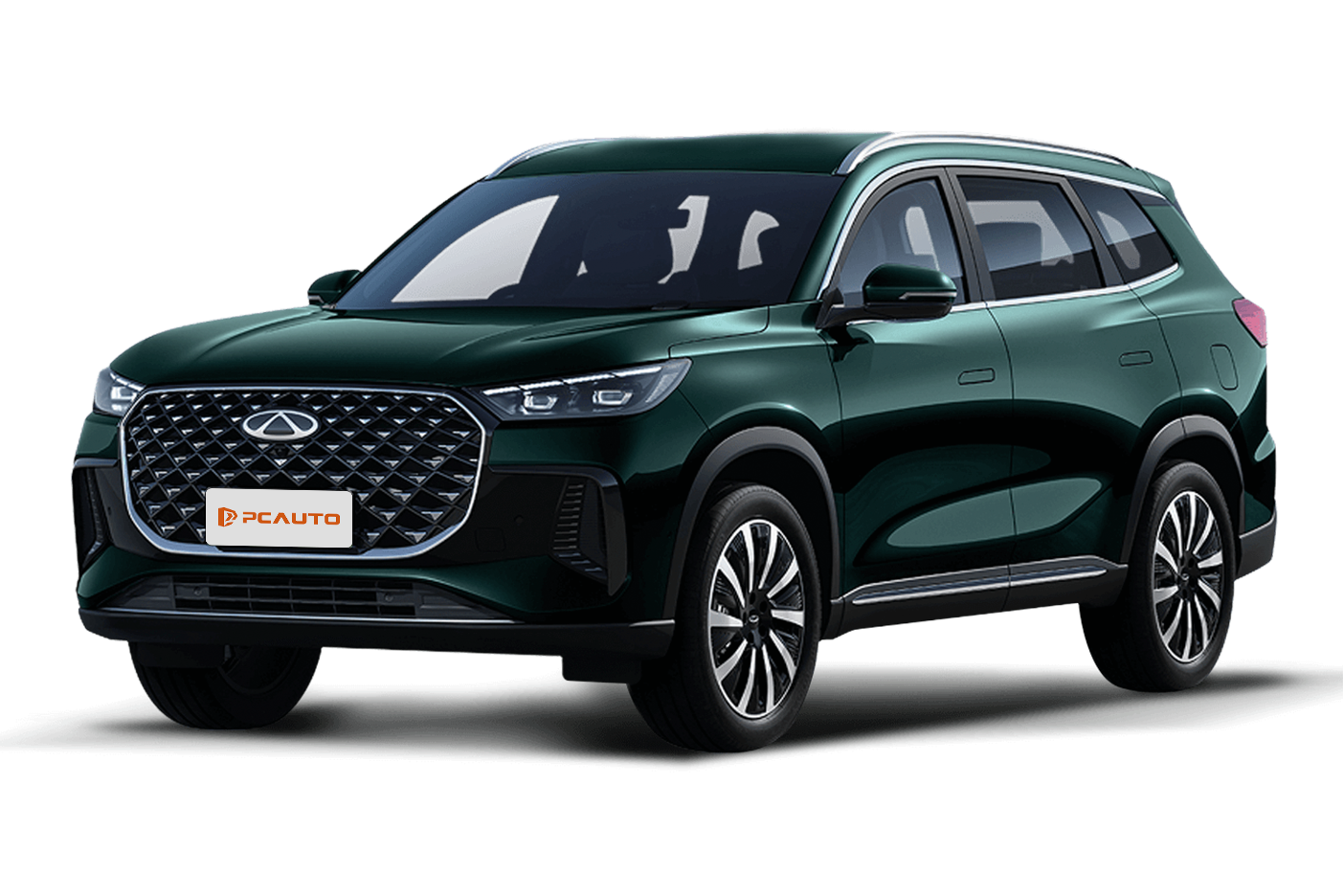
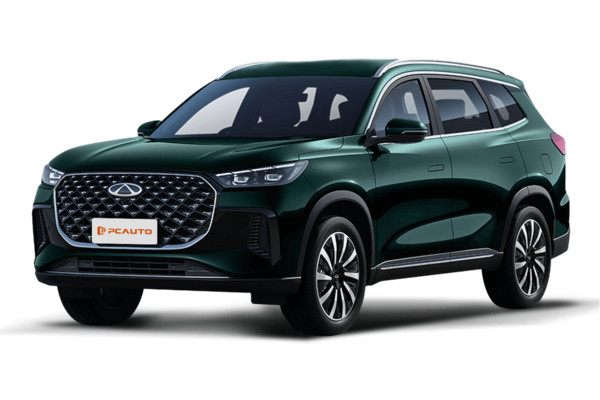
2026 Chery Tiggo 8 is a D-Segment SUV aimed at family users, offering superior configurations, practical space, and smooth power at a high cost-performance ratio, meeting both commuting and light off-road needs.
16
Rank in SUV

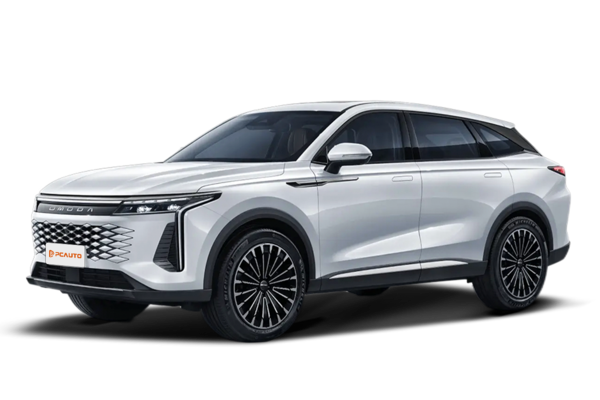
2024 Chery OMODA C9 2WD with 2.0T+8AT powertrain, L2 level assistance, and dual 12.3-inch screens, breaking the stalemate in the D-Segment market and becoming a high-value disruptor.
29
Rank in SUV
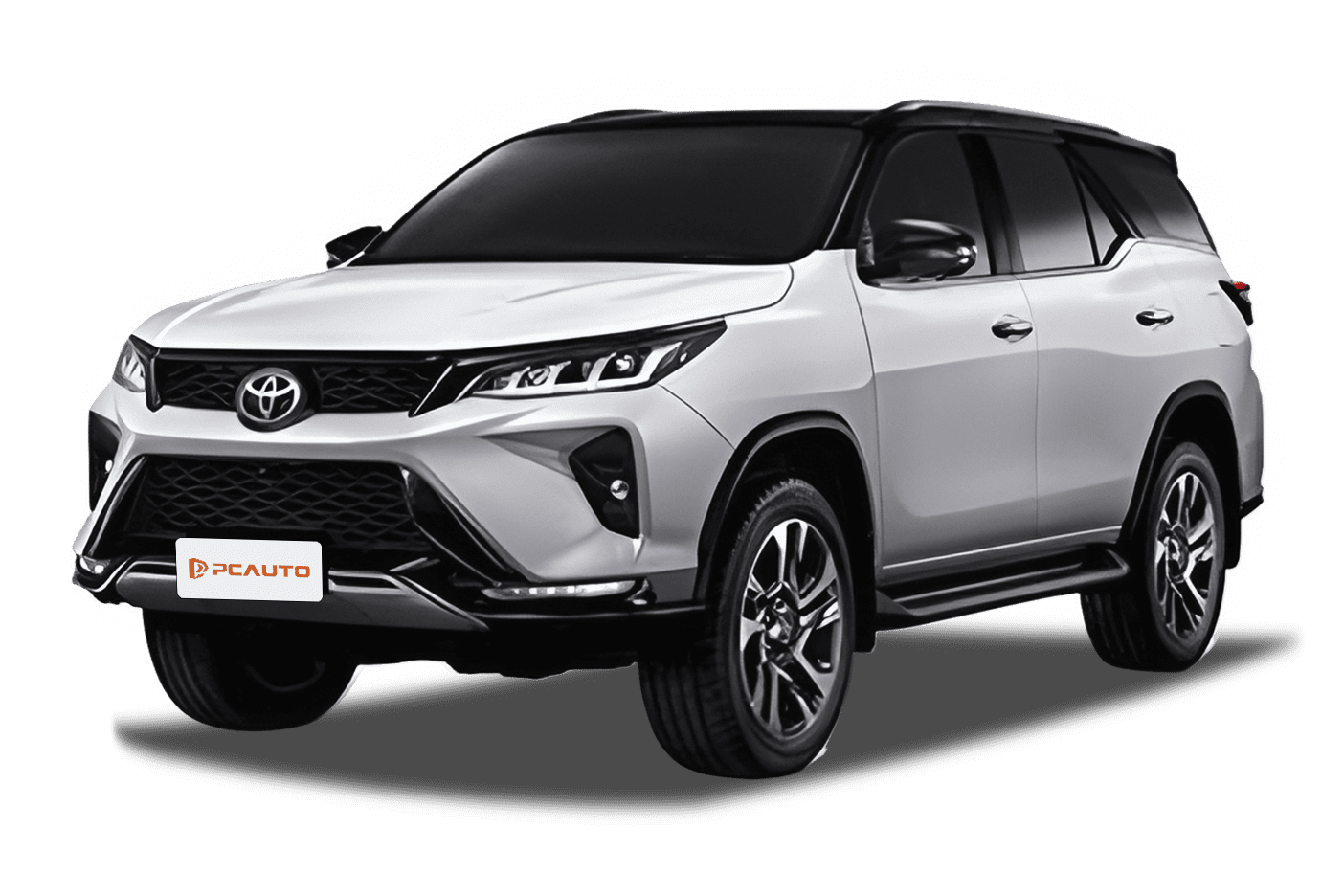
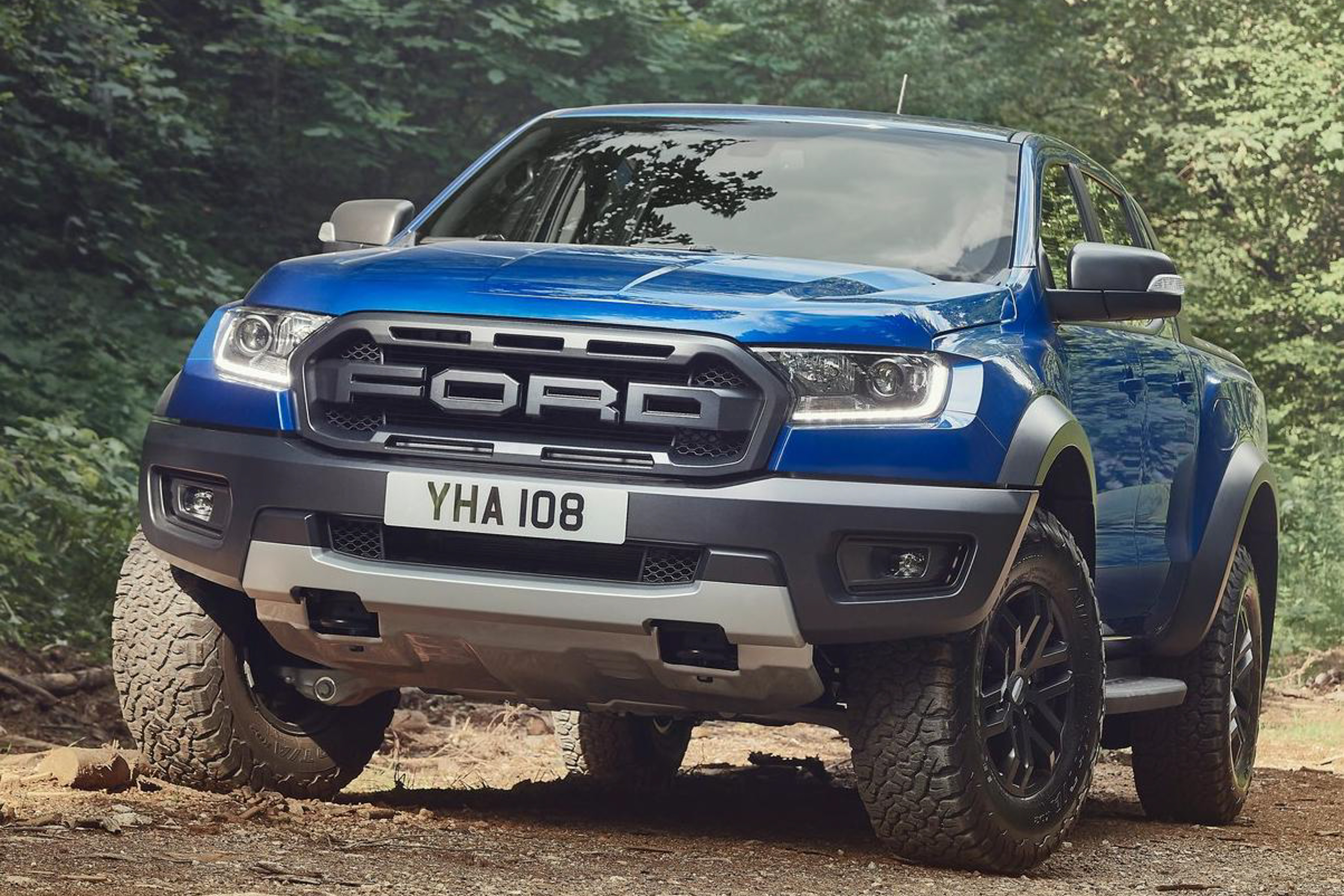
2021 Toyota Fortuner 2.7 SRZ AT 4x4 is a 7-seat SUV that balances family comfort and mild off-road capabilities, with smooth gasoline power and a practical 4x4 system, offering low maintenance requirements suitable for various family scenarios.