

2017 Infiniti Q50 2.0T GT Premium Review

 Share
Share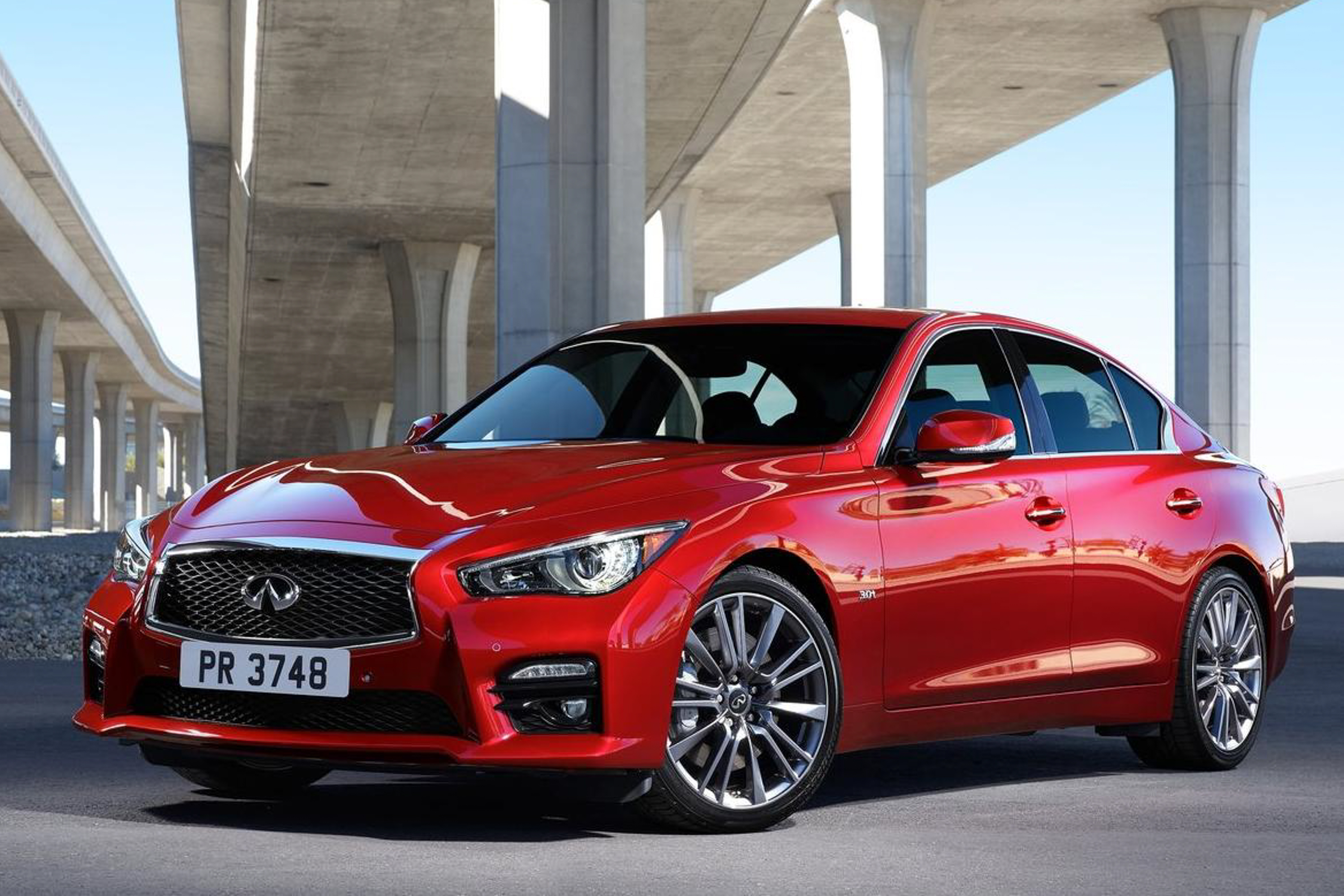
 Segment
 Body Type
 Capacity(L)
 Engine Power(PS)
 Transmission
 Driven Wheels
In Malaysia's luxury mid-size car market, German brands have long dominated the mainstream, but many consumers are starting to seek more cost-effective luxury options — the 2017 Infiniti Q50 2.0T GT Premium aims to meet this demand. As a core D-Segment model under the Infiniti brand, it highlights its sporty design, rear-wheel-drive layout, and rich configurations as its main selling points, striving to stand out in a highly homogenized market. In this test drive, we will focus on verifying whether its luxurious sense meets expectations, whether its sporty performance lives up to its name, and how practical it is for daily use, providing references for potential buyers.
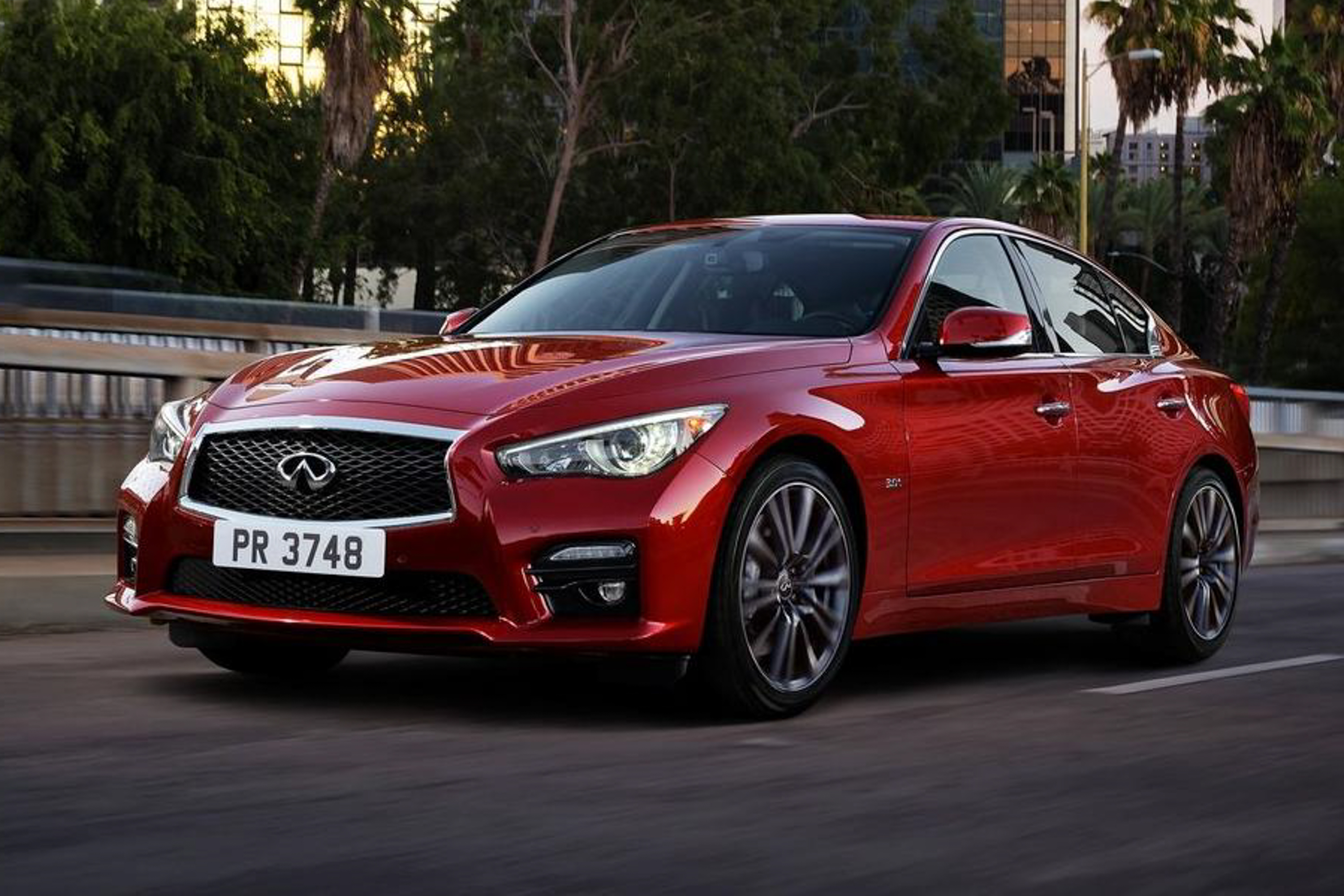
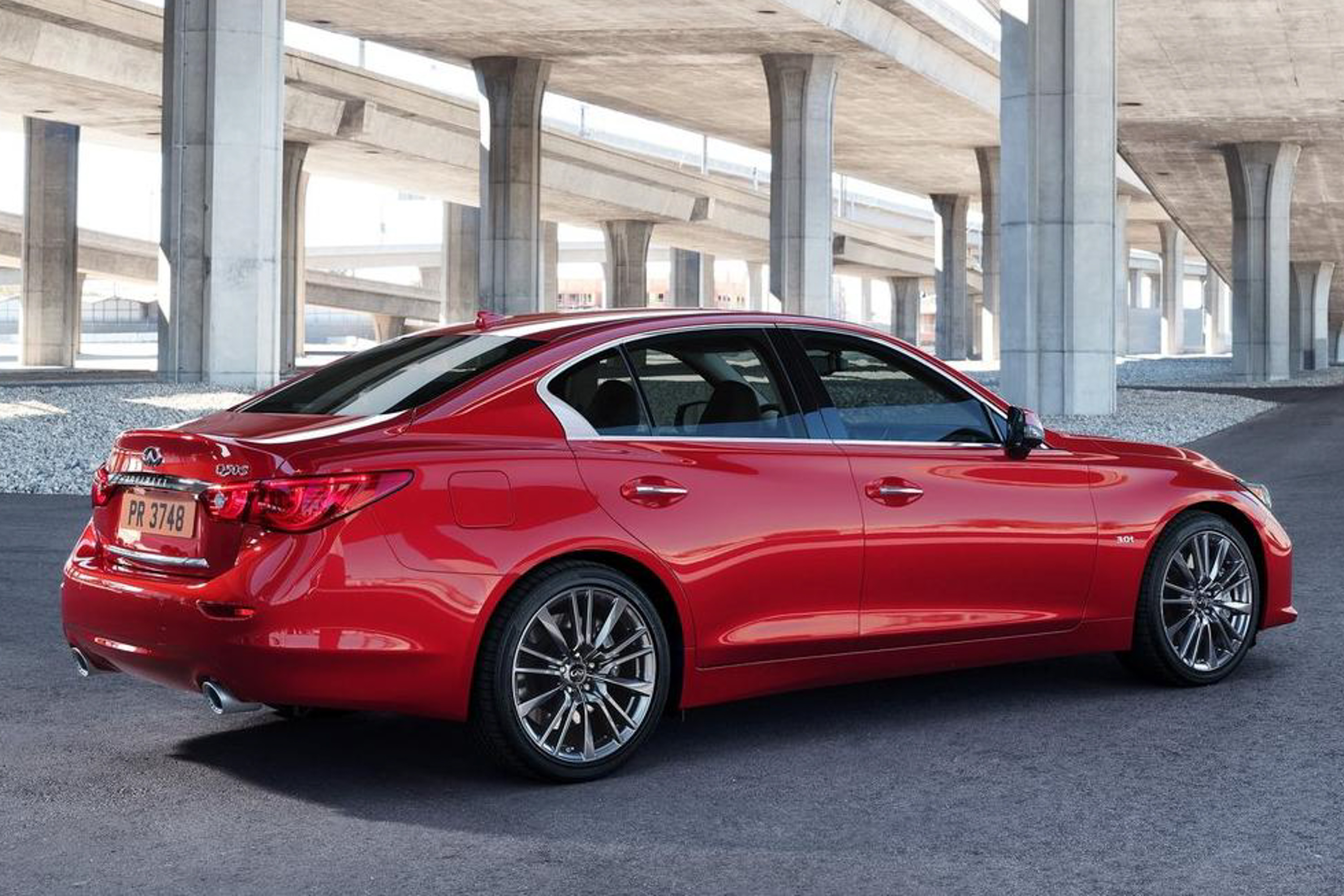
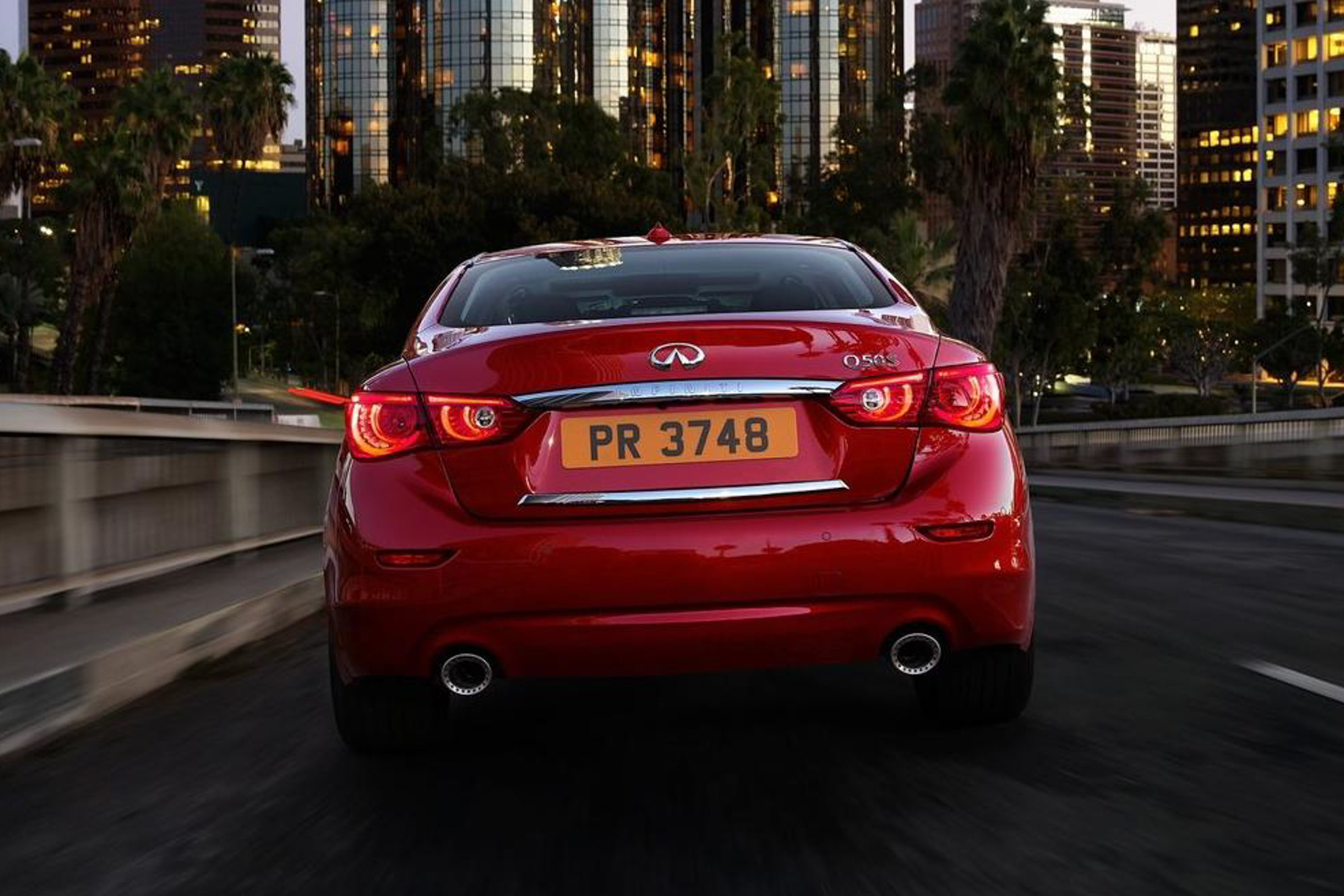
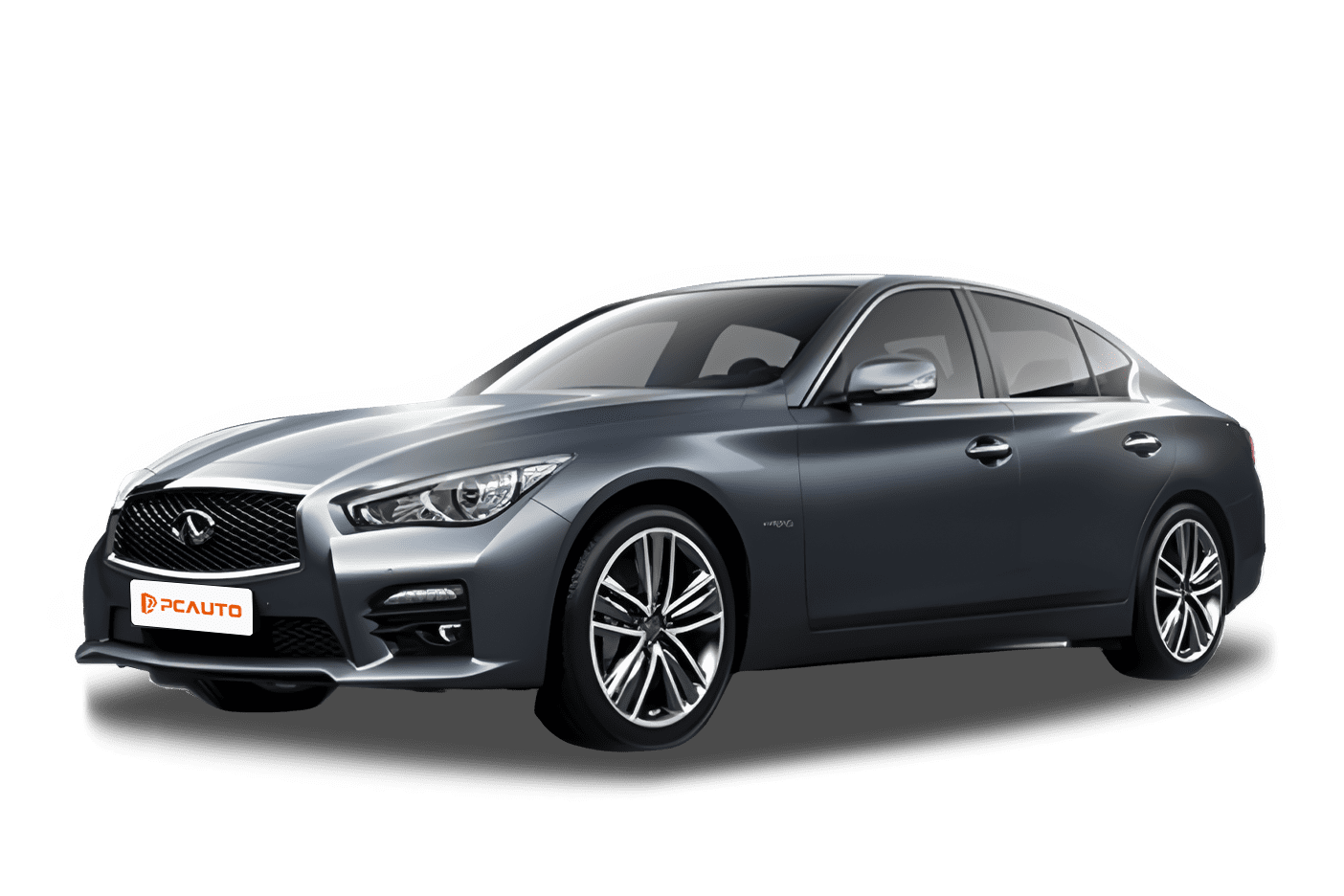
From the exterior perspective, the design of the Q50 2.0T GT Premium is highly recognizable. The front end adopts Infiniti's signature double-arch grille, paired with prominent creases on the hood, giving it a strong and powerful look. The side lines of the body are smooth, with a waistline running through the body from the fender to the rear. The 18-inch wheels (with tire specifications of 225/50R18 for both the front and rear) have a sporty design, and the coupe-style sloping rear design enhances the sporty feel. At the rear, the LED tail lights feature the iconic "double-arch" light strip design, which is highly identifiable when lit at night; the dual exhaust outlets on each side of the rear bumper further emphasize its sporty attributes. As for the lighting system, all models are equipped with standard LED headlights, daytime running lights, and automatic headlights, providing clear illumination. It also features front and rear fog lamps, which are practical for Malaysia's ever-changing weather.
Upon entering the cabin, the sense of luxury is primarily reflected in the materials and configurations. The dashboard uses soft-touch plastic materials and leather wrapping, which feel refined to the touch. The center armrest and the inner sides of the doors are also covered in leather, enhancing the overall quality. The center console layout leans toward the driver, and the 8-inch touchscreen (supporting Apple CarPlay and Android Auto) is positioned ergonomically so you don’t need to lower your head significantly while operating it. In terms of configurations, the performance of the front seats stands out: the driver's seat supports 10-way electric adjustment with memory function, while the front passenger seat supports 8-way electric adjustment. The leather seats offer good wrapping and support, ensuring comfort even during long rides. The rear seats are equipped with air conditioning vents and power outlets, and the backrests can be folded down in a split ratio, making it convenient to expand trunk space — with a trunk capacity of 500 liters, fitting three suitcases is not an issue, meeting the needs of family trips. Additionally, keyless entry/start, dual-zone automatic air conditioning, and rain-sensing wipers are all standard configurations, greatly enhancing the convenience of everyday use.
In terms of space, the Q50's dimensions are 4790mm × 1820mm × 1455mm, with a wheelbase of 2850mm, which falls in the medium-to-upper range for its class. The front row offers ample space; a 180cm-tall passenger can adjust the seat and still have a fist's worth of headroom. As for the rear row, a passenger of the same height sitting in the back will have about two fists of legroom. The headroom, slightly compressed due to the sloping design, offers about four fingers' worth of space, which does not feel overly restrictive. Regarding storage space, the door storage bins, central armrest compartment, and front cup holders all have considerable capacity, easily storing items such as phones, wallets, and water bottles for everyday use.
Powertrain-wise, the Q50 2.0T GT Premium is equipped with a 2.0T turbocharged engine, delivering a maximum power of 214PS and a peak torque of 350N·m (available from as low as 1250rpm). It is paired with a 7-speed automatic transmission and features rear-wheel drive. In actual driving scenarios, the low-end torque performs exceptionally well, with a responsive throttle that provides good acceleration with gentle application. Acceleration in the mid-to-high speed range is also strong; when speeding up to overtake at 80km/h, the gearbox downshifts quickly and the power delivery is smooth. The official 0-100 km/h acceleration time is 7.2 seconds, which is above average among peers in the 2.0T segment. In terms of driving modes, it offers Standard, Sport, and Eco modes: in Sport mode, the gearbox delays shifting, the steering feel becomes heavier, and power response is more direct, making it suitable for drivers who enjoy performance. In Eco mode, throttle response becomes milder, more suitable for daily commuting.
Handling performance is one of the highlights of the Q50. As a rear-wheel-drive model, it offers precise steering with minimal slack, and the vehicle responds well during cornering. The suspension system employs a double-wishbone setup at the front and multi-link independent suspension at the rear, with tuning leaning towards sporty dynamics yet maintaining a balance to avoid excessive stiffness – when encountering common speed bumps or potholes in Malaysia, the suspension can filter out most minor vibrations and keep the vehicle stable. During cornering, the suspension provides excellent support, effectively controlling body roll and giving the driver ample confidence. However, with its rear-wheel-drive layout, extra caution with throttle control is advised on slippery surfaces (such as during the rainy season in Malaysia) to avoid wheel slip during take-off.
Comfort during daily driving is also worth mentioning. In terms of noise control, during high-speed travel (at 120 km/h), both wind and tire noise are relatively low. Engine noise can be heard during hard acceleration, but it is robust and not unpleasant. Fuel consumption is relatively average, with an official combined fuel consumption of 10.5L/100km. In real-world test drives, fuel consumption was about 12L/100km on urban roads (with heavy traffic) and around 8.5L/100km on highways. Overall, it aligns with the typical performance of 2.0T rear-wheel-drive models. Regarding safety features, the car comes standard with six airbags, lane-change assist, front and rear parking sensors, a 360-degree surround view camera, hill-start assist, and more. The vehicle also includes a 5-year/unlimited mileage warranty, which surpasses the 3-year warranty commonly offered by many German competitors, providing peace of mind in post-purchase usage.
In summary, the 2017 Infiniti Q50 2.0T GT Premium has clear advantages: Firstly, its sporty rear-wheel-drive layout and handling performance make it ideal for drivers who prioritize driving experience. Secondly, it offers a wealth of features and a sense of luxury at a price that is 50,000–80,000 MYR lower than comparable German models, making it a more cost-effective choice for luxury-seeking but budget-conscious consumers. And thirdly, its long warranty policy lowers long-term usage costs. Compared to competitors like the BMW 3 Series and Mercedes-Benz C-Class, the Q50 comes with more comprehensive features at a lower price point, making it a pragmatic option.
As for the target demographic, the Q50 2.0T GT Premium caters to two groups of consumers: the first are younger users who value handling and a sporty driving feel, as its rear-wheel-drive layout and precise steering meet their driving needs. The second group consists of users who need to balance between personal use and family needs, as its spacious interior, rich safety features, and practical trunk space can accommodate daily family outings. However, if fuel efficiency is a top priority, it may lag behind hybrid models, but considering its luxury orientation and sporty performance, this trade-off is acceptable.
Overall, the 2017 Infiniti Q50 2.0T GT Premium is a "well-balanced luxury sports sedan"—it combines the quality and features of a luxury car with the driving enjoyment of a rear-wheel-drive vehicle while also offering practicality. For consumers looking to avoid the premium pricing of German brands and seeking individuality and value for money, it is worth a try.
Infiniti Q50 Car Compare
Infiniti Q50 Loan Calculator
More Infiniti Reviews
Cars With Similar Price And Features
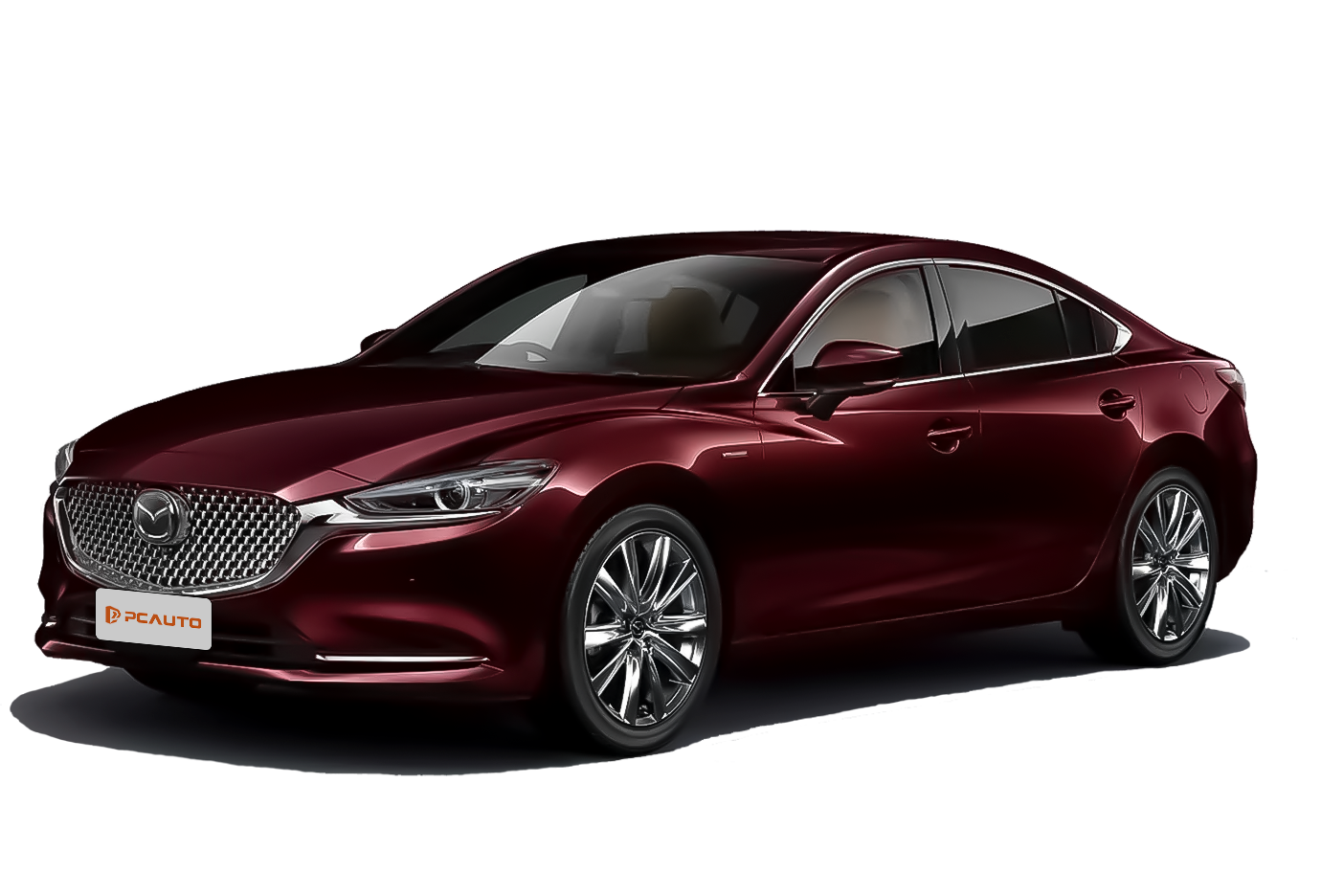
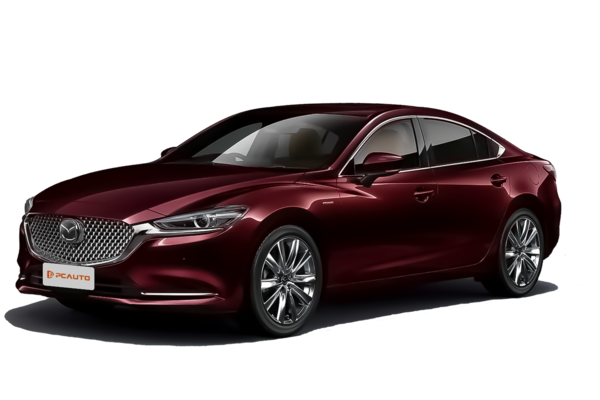
2023 Mazda 6 Sedan 2.0 SkyActiv-G meets the rational needs of family users for joint-venture quality, comfortable configurations, and fuel economy with its KODO design, practical space, and balanced driving control.

2022 Volkswagen Passat 2.0 TSI R-Line combines business elegance with sporty personality, featuring 220PS power, 14-way massage seats, and Harman Kardon audio system to meet the diverse needs of families and young professionals.
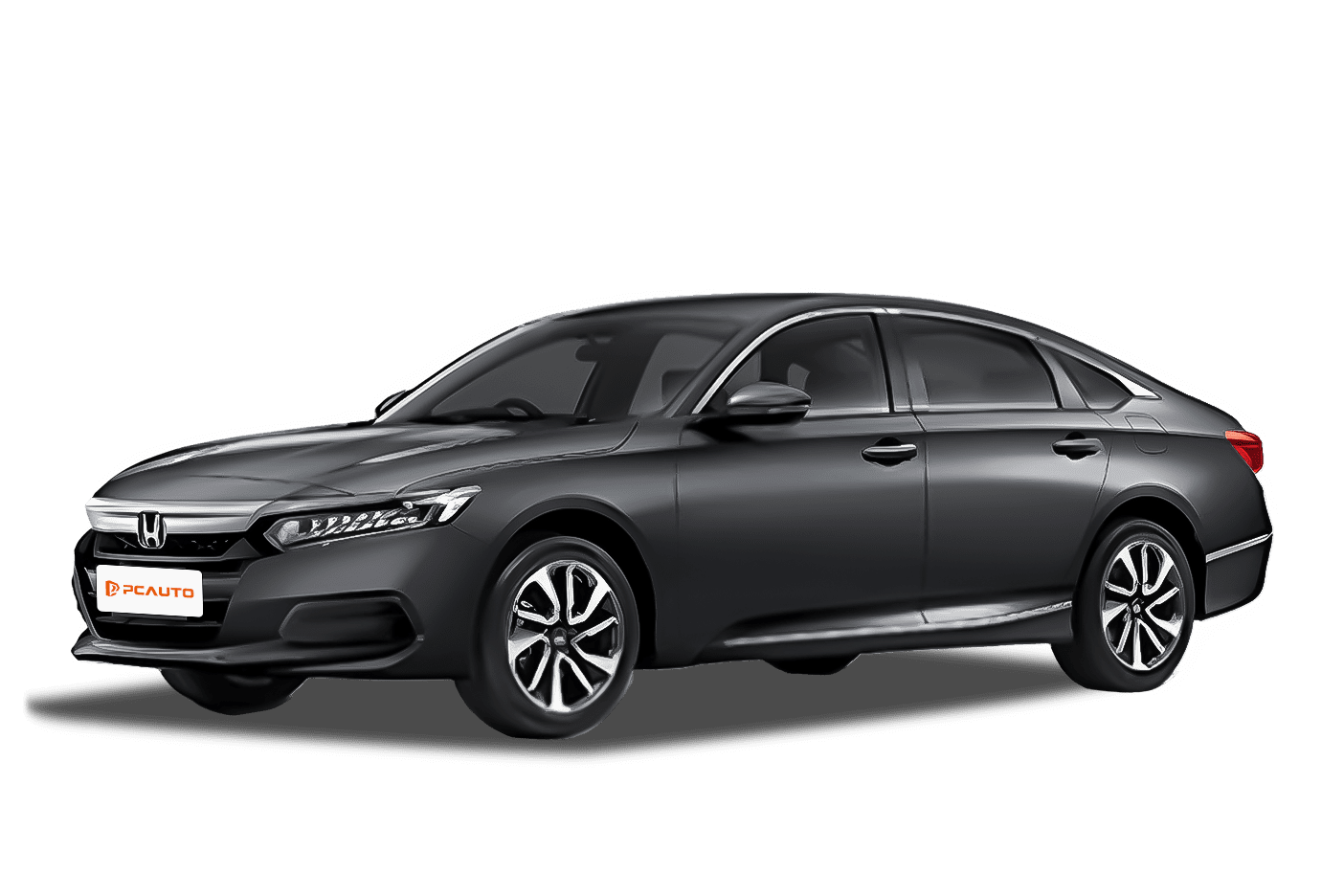
The 2023 Honda Accord 1.5 TC is a D-segment sedan that balances both business and family use, with core selling points of spacious interior, comfortable driving, and efficient performance, making it suitable for practical family users.
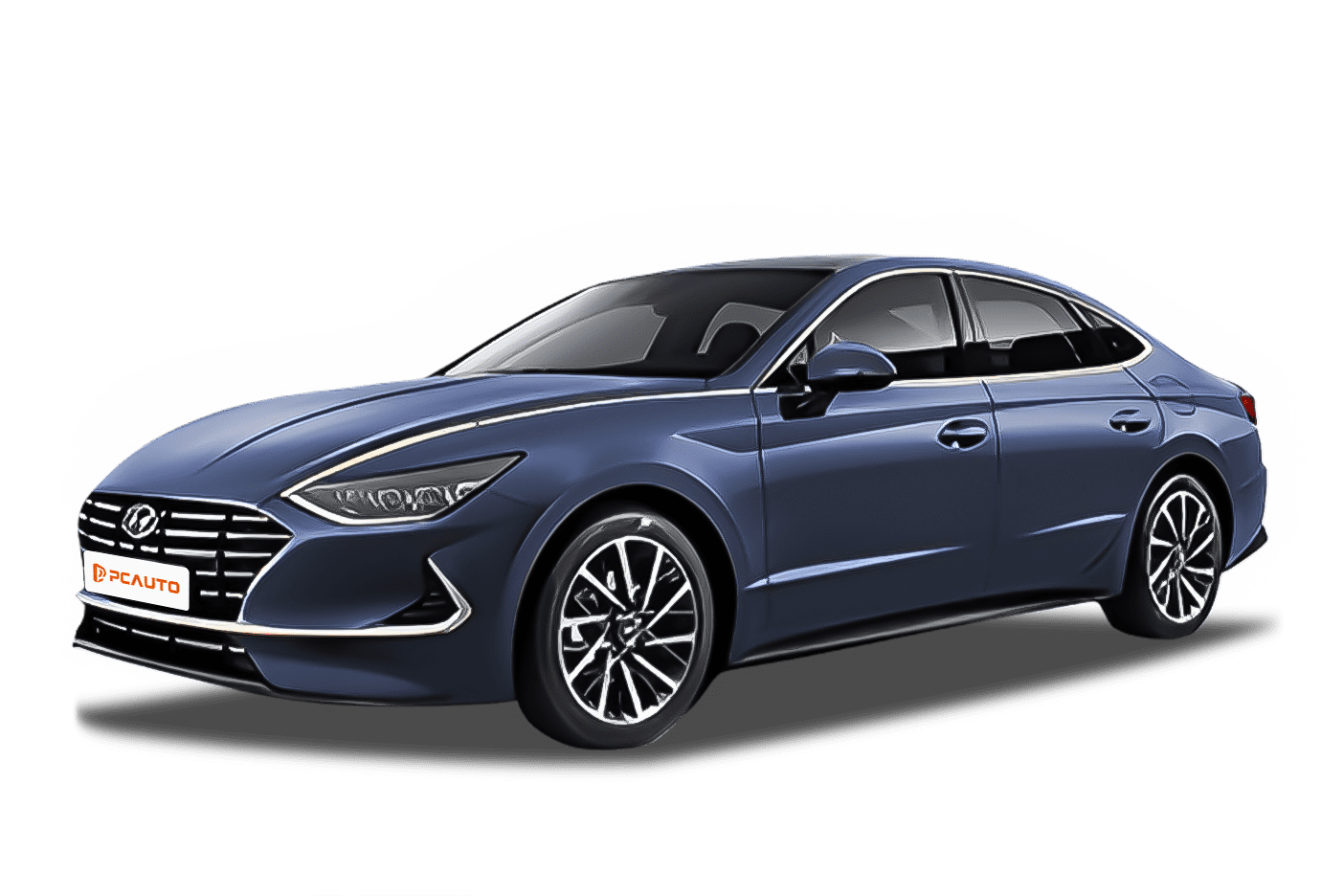
2024 Hyundai Sonata public is positioned as a D-Segment family and business sedan, combining dynamic design, practical configurations, and spacious space, balancing power and fuel consumption, safe and reliable.