

Infiniti Q50 2017 Review

 Share
Share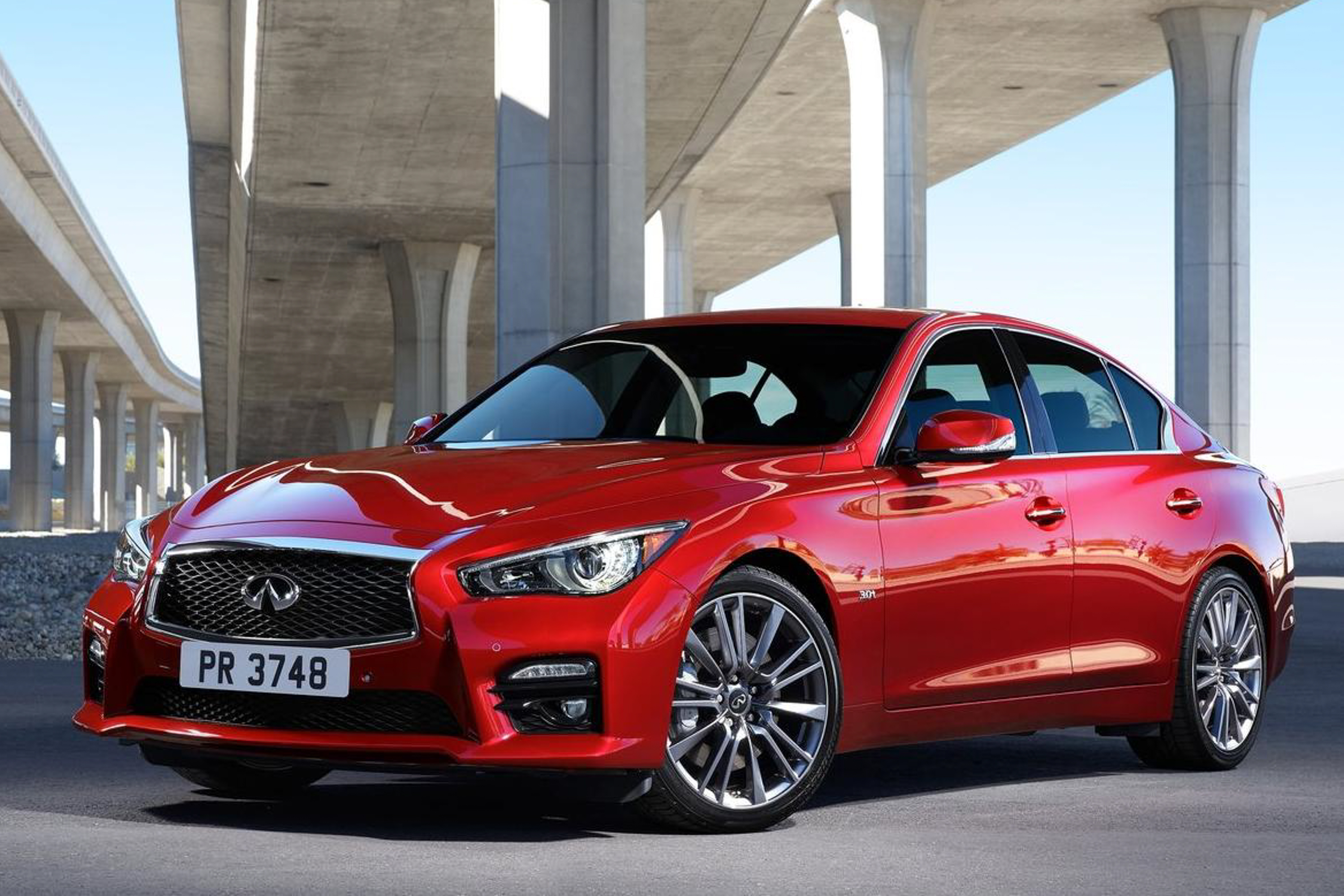
 Segment
 Body Type
 Capacity(L)
 Engine Power(PS)
 Transmission
 Driven Wheels
In the Malaysian luxury D-segment sedan market, consumers value both brand prestige and a balance of features and driving experience. As a luxury sub-brand under Nissan, the 2017 Infiniti Q50 2.0T GT Premium, priced slightly higher than the standard GT version, focuses on providing a more comprehensive feature experience. In this test drive, we will focus on verifying whether the upgrades compared to the base model are worth investing in, as well as its overall competitiveness as a luxury midsize sedan.
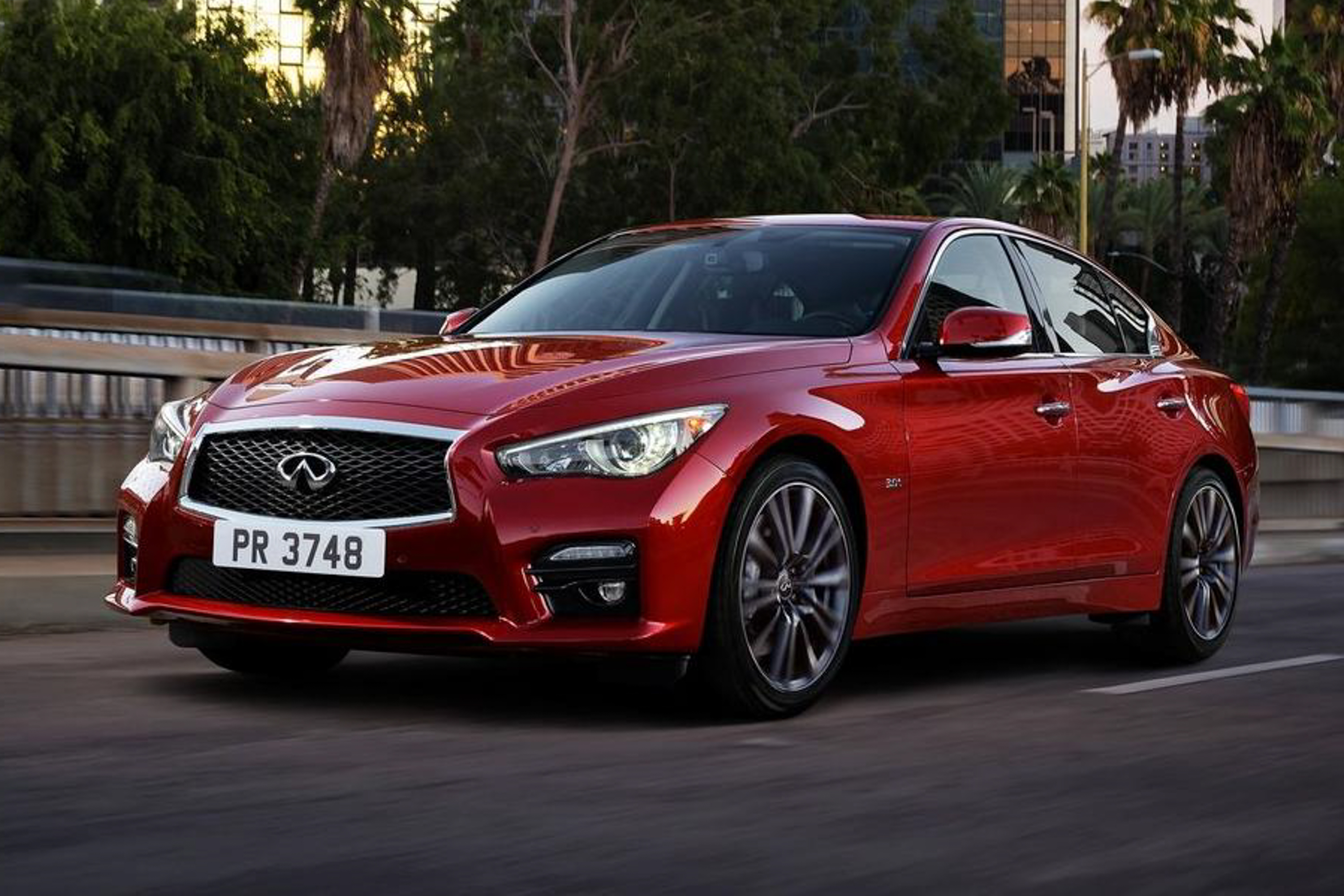
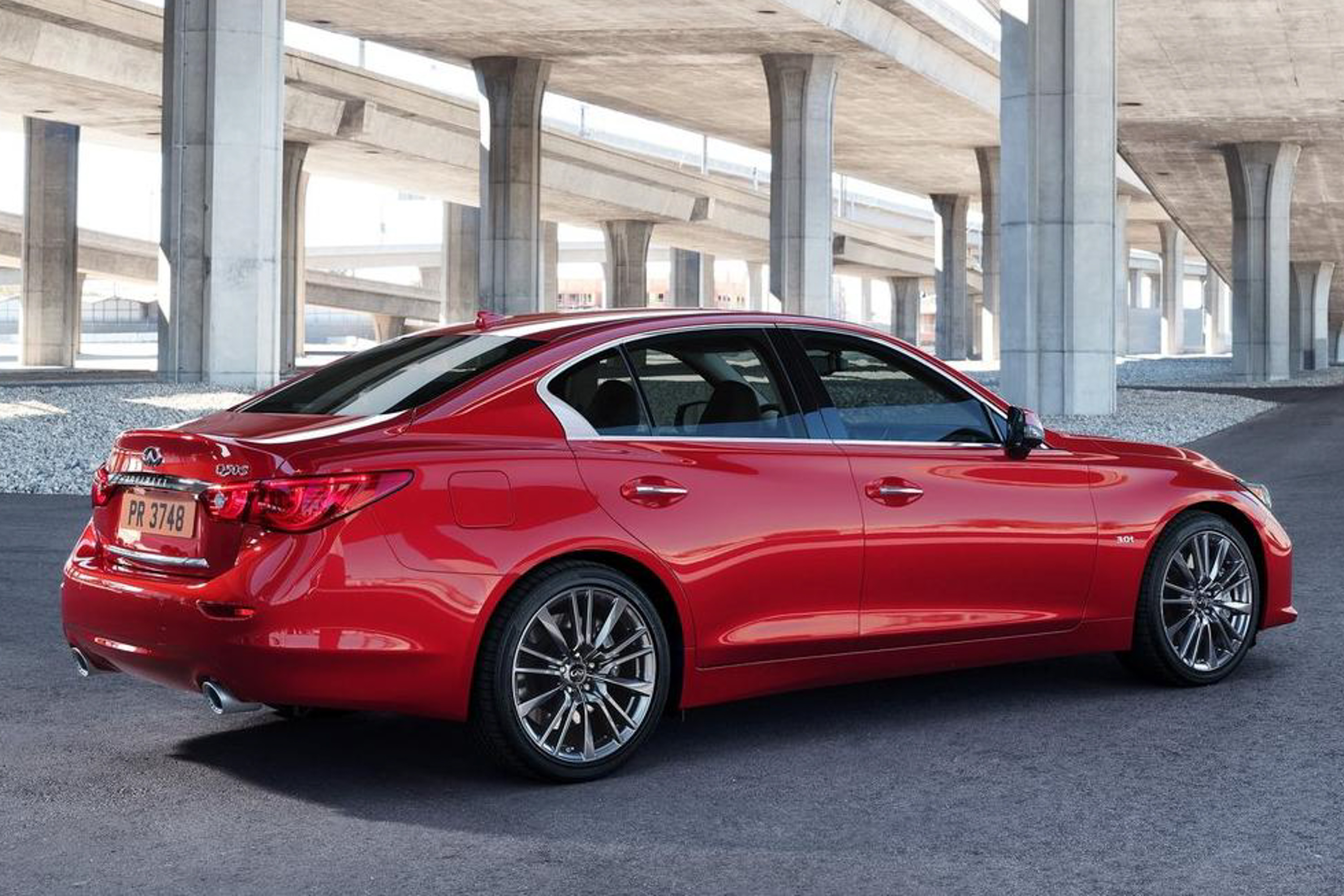
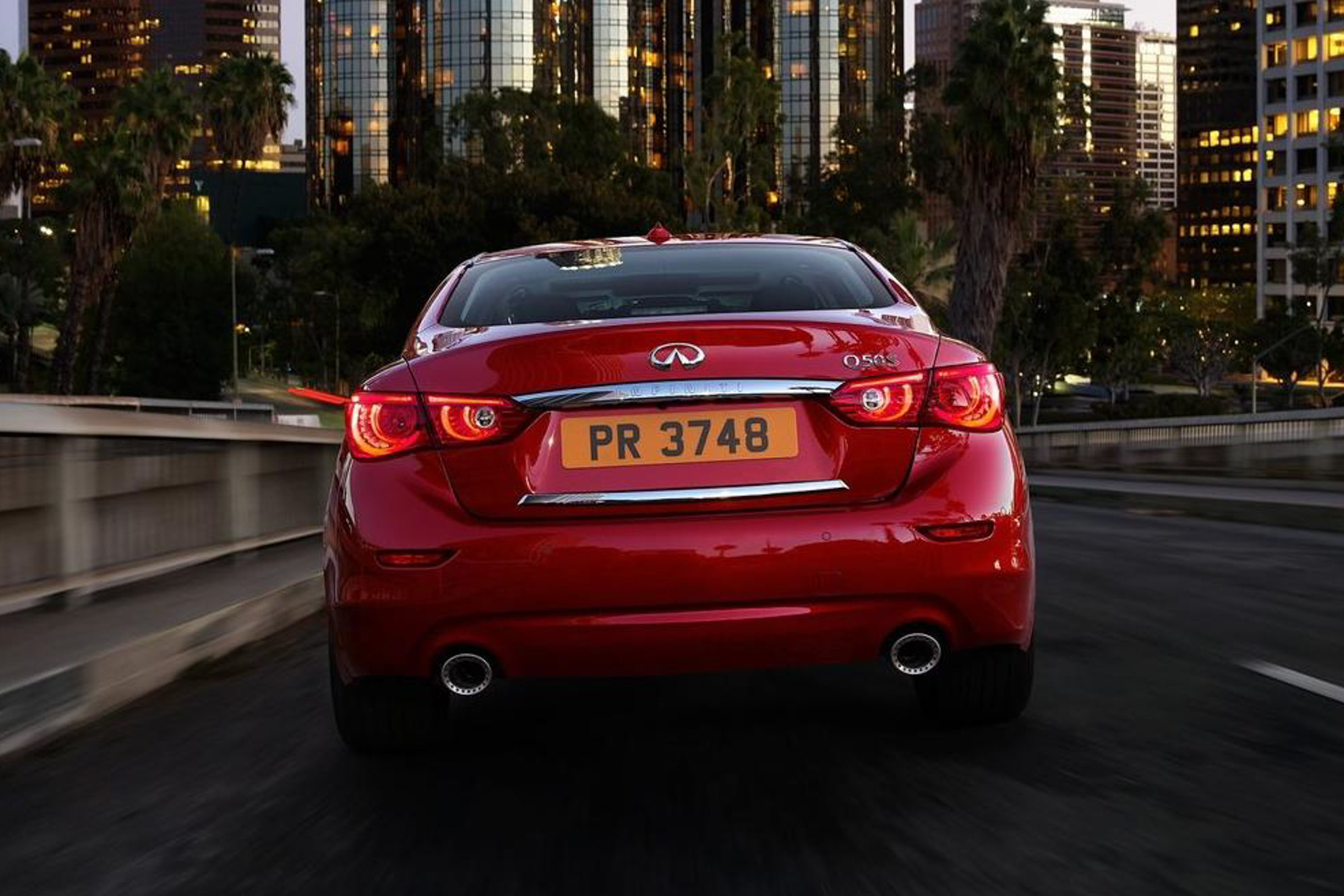
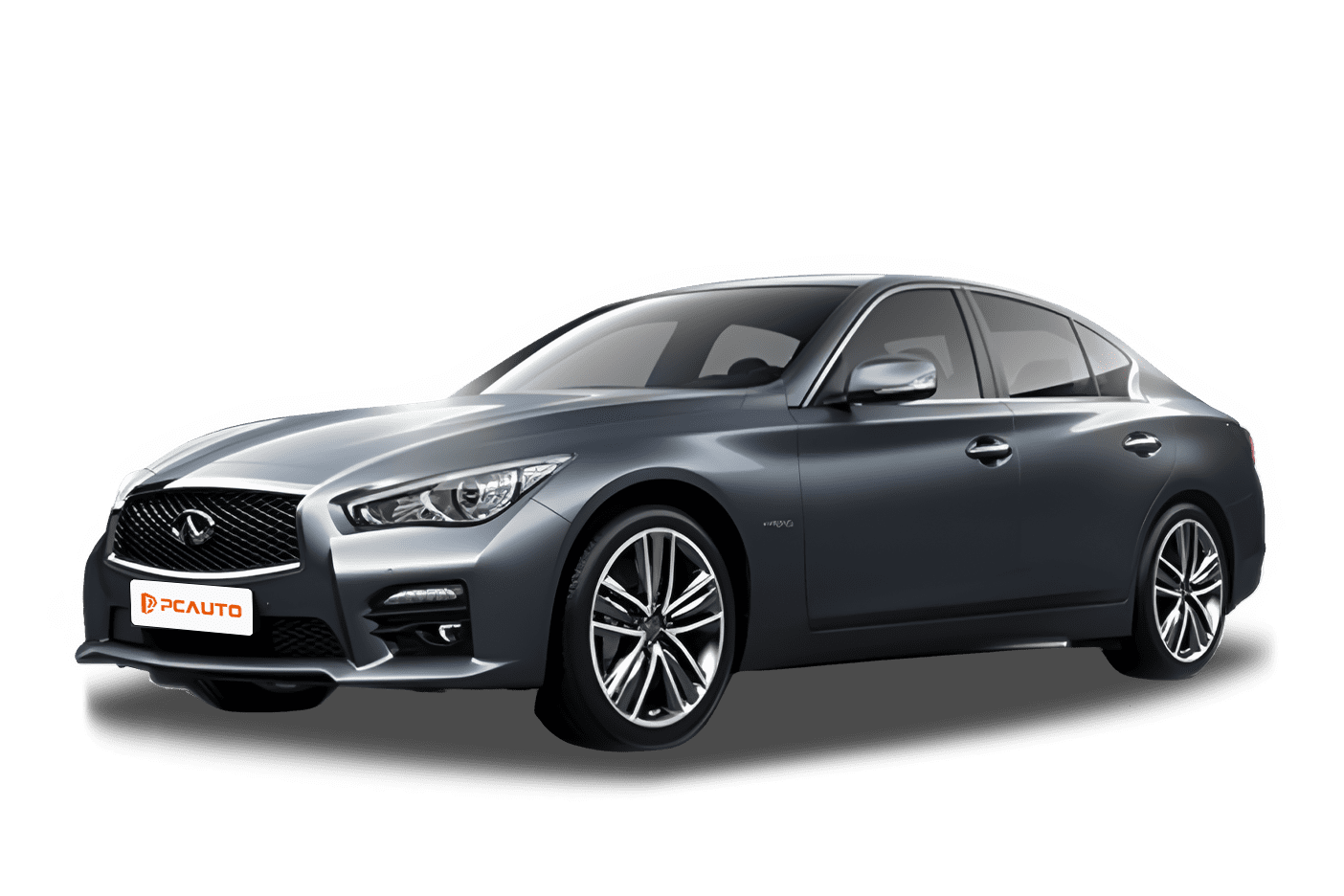
In terms of appearance, the 2017 Q50 2.0T GT Premium continues the brand's iconic double-arch front grille design, complemented by sharp LED headlamps and daytime running lights, giving the car a dynamic and distinctive look. The side body profile is smooth, with a muscular waistline extending from the front fender to the rear. The 225/50 R18 tires provide a more majestic visual effect compared to the 17-inch wheels of the GT version. At the rear, the LED taillight design echoes the front styling, while the dual-exhaust layout further emphasizes its sporty vibe. Overall, the design strikes a good balance between luxury and sportiness.
Inside the cabin, the interior adopts a predominantly dark color tone with soft-touch materials. The key highlight is the configuration upgrade compared to the GT version: a 10-way electrically adjustable driver seat with memory function and an 8-way adjustable passenger seat allow for multi-angle adjustments, making it easy to find a comfortable sitting position. The dual-zone automatic climate control allows independent temperature settings for the front and rear passengers, providing comfort for everyone. The standard 220V/230V power outlet is convenient for rear passengers to use electronic devices. Additionally, features like keyless entry/start, rain-sensing wipers, and power-folding side mirrors are all standard, significantly enhancing daily convenience.
In terms of space, the car's dimensions stand at 4790mm in length, 1820mm in width, and 1455mm in height, with a wheelbase of 2850mm. Rear legroom is spacious enough for passengers around 175cm tall, and headroom does not feel restrictive either. The trunk offers 500L of storage capacity, sufficient for daily use or short trips, and the rear seats can be folded down to accommodate larger items. Thoughtful features like the front central armrest storage box and door panel pockets make efficient use of space, aligning with the expectations of a D-segment vehicle.
In terms of driving dynamics, the 2.0T turbocharged engine delivers a maximum output of 214PS, with peak torque available as early as 1250rpm. Paired with an AT transmission, the power response is proactive. At launch, the throttle calibration is sensitive—gentle input delivers commendable acceleration. Though mid-to-high-speed acceleration isn't as intense as larger displacement models, it is more than adequate for city commuting and highway overtaking. The rear-wheel-drive layout offers precise steering with minimal play in the steering wheel. During cornering, body posture remains stable while the double-wishbone front suspension and multi-link rear suspension combination effectively filters out road bumps while retaining some road feel, balancing comfort and handling.
In terms of fuel consumption, the official combined figure is 10.5L/100km. During the test drive, urban fuel consumption came in at about 12L/100km, while highway consumption dropped to around 9L/100km, in line with expectations for a 2.0T engine. Breaking performance remains stable, with ventilated disc brakes at the front and rear delivering linear brake feedback. During emergency braking, the car maintains good body control. As for noise control, wind and tire noise are well suppressed during high-speed driving, allowing in-car conversations to remain undisturbed. Overall, the ride comfort is excellent.
In terms of safety configuration, 6 airbags, ABS anti-lock braking system, vehicle stability control, lane change assist, front and rear parking sensors, and a 360-degree parking camera system are all standard features. The 5-year unlimited mileage warranty policy also provides consumers with peace of mind. Compared to competitors in the same segment, the Q50 2.0T GT Premium offers greater advantages in terms of rich features and cost-effectiveness. Especially when compared to the entry-level GT model, with 18-inch wheels and more comprehensive comfort configurations, the upgrade value is significant for just about 34,000 MYR more.
Overall, the 2017 Infiniti Q50 2.0T GT Premium is an outstandingly balanced luxury mid-size sedan suitable for families or young consumers who value configuration experience, driving comfort, and brand style. Its core strengths lie in its rich standard configurations, reliable powertrain, and the driving pleasure brought by rear-wheel drive. Compared to German rivals in the same segment, it offers higher cost-effectiveness, making it a worthwhile choice in the luxury D-Segment market.
Infiniti Q50 Car Compare
Infiniti Q50 Loan Calculator
More Infiniti Reviews
Cars With Similar Price And Features
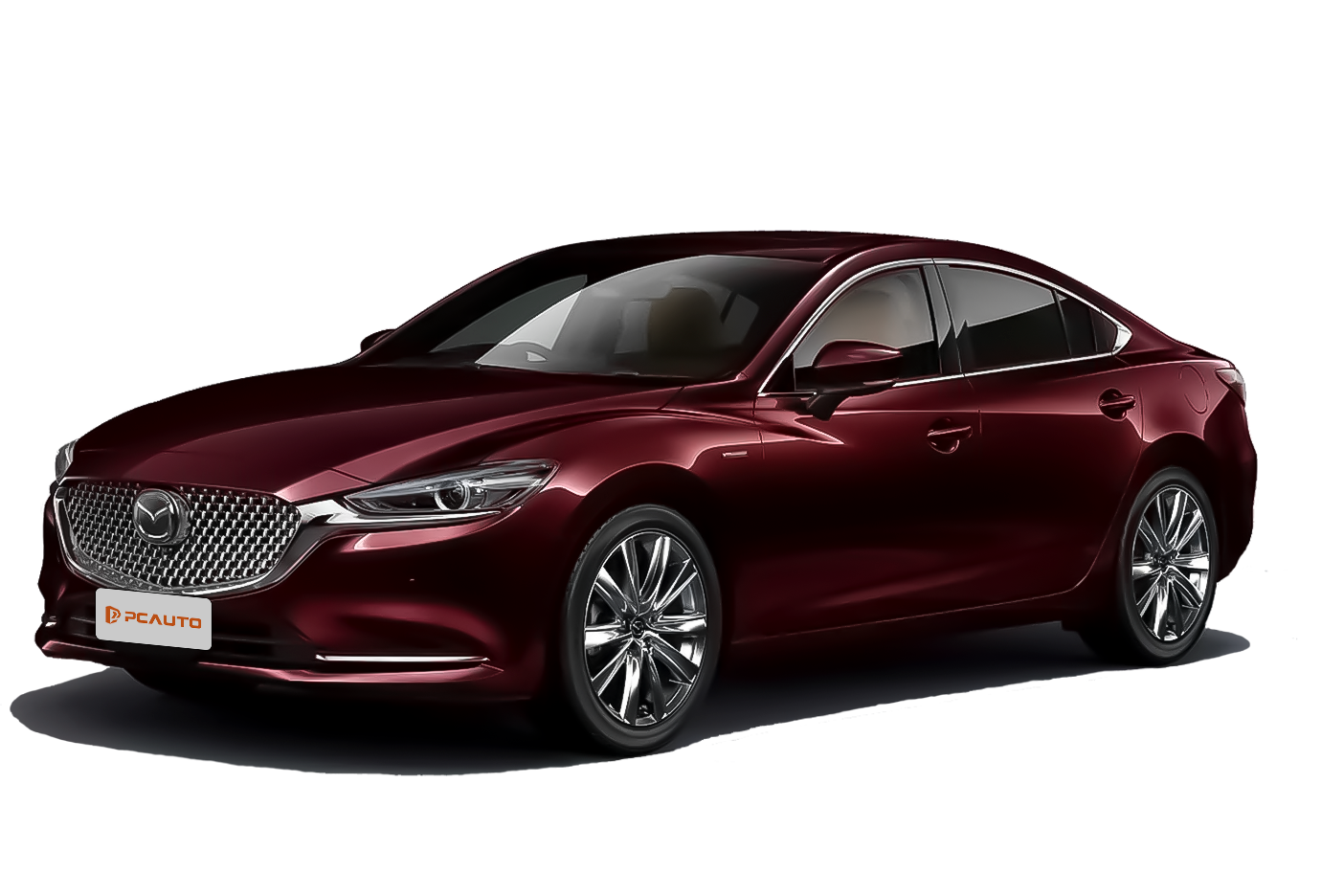
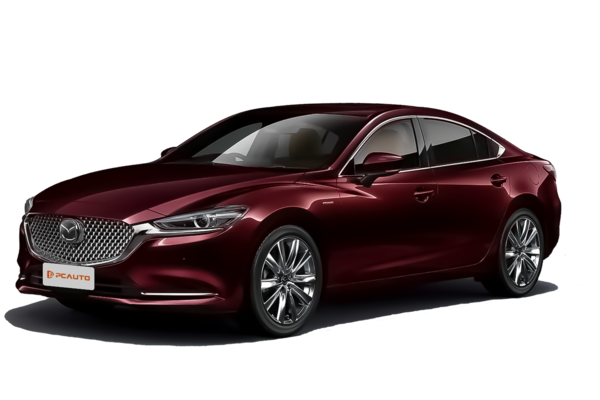
2023 Mazda 6 Sedan 2.0 SkyActiv-G meets the rational needs of family users for joint-venture quality, comfortable configurations, and fuel economy with its KODO design, practical space, and balanced driving control.

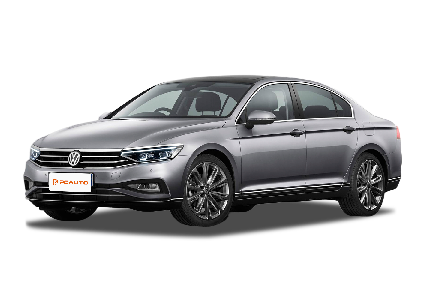
2022 Volkswagen Passat 2.0 TSI R-Line combines business elegance with sporty personality, featuring 220PS power, 14-way massage seats, and Harman Kardon audio system to meet the diverse needs of families and young professionals.
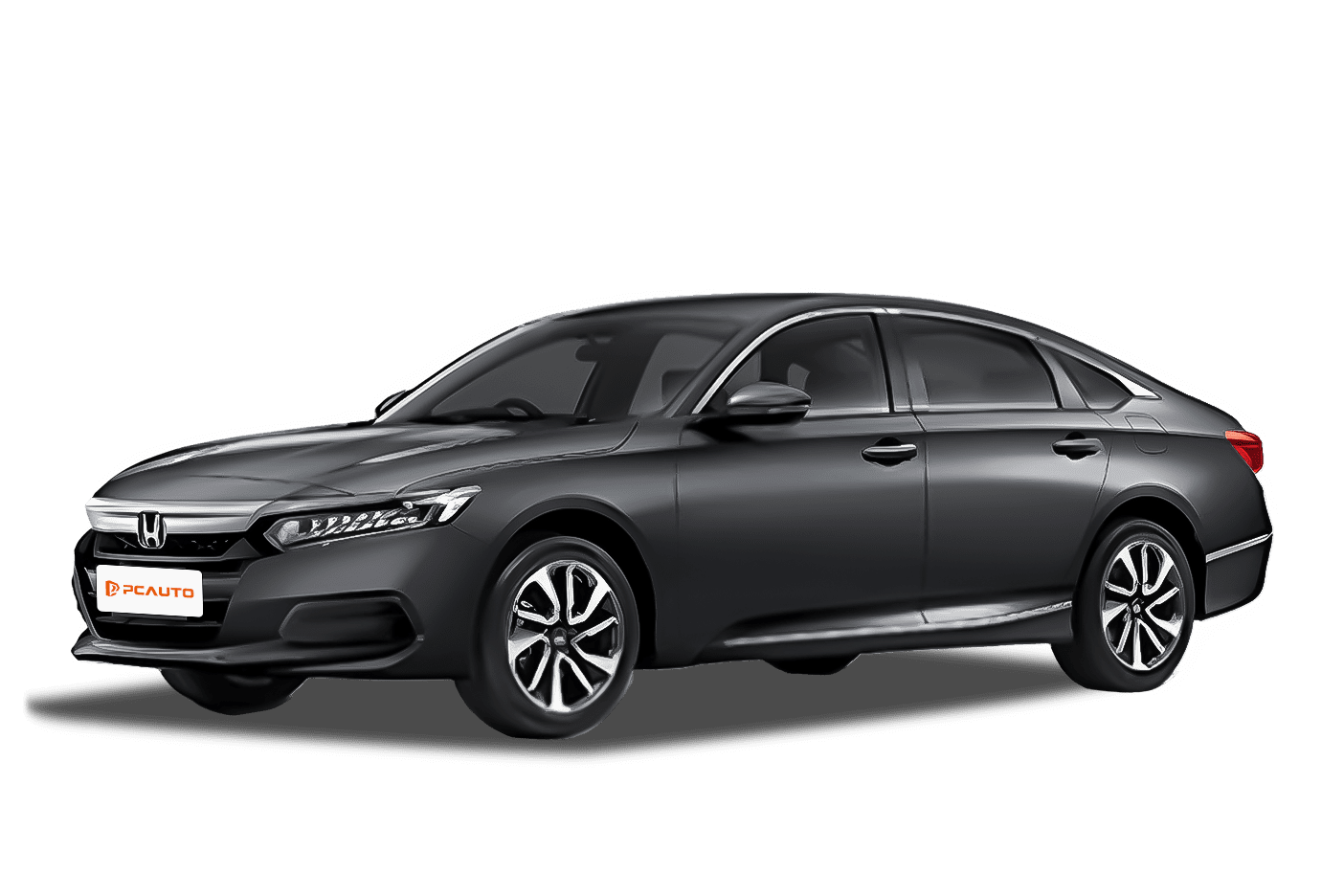
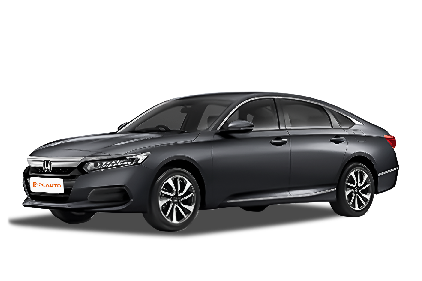
The 2023 Honda Accord 1.5 TC is a D-segment sedan that balances both business and family use, with core selling points of spacious interior, comfortable driving, and efficient performance, making it suitable for practical family users.
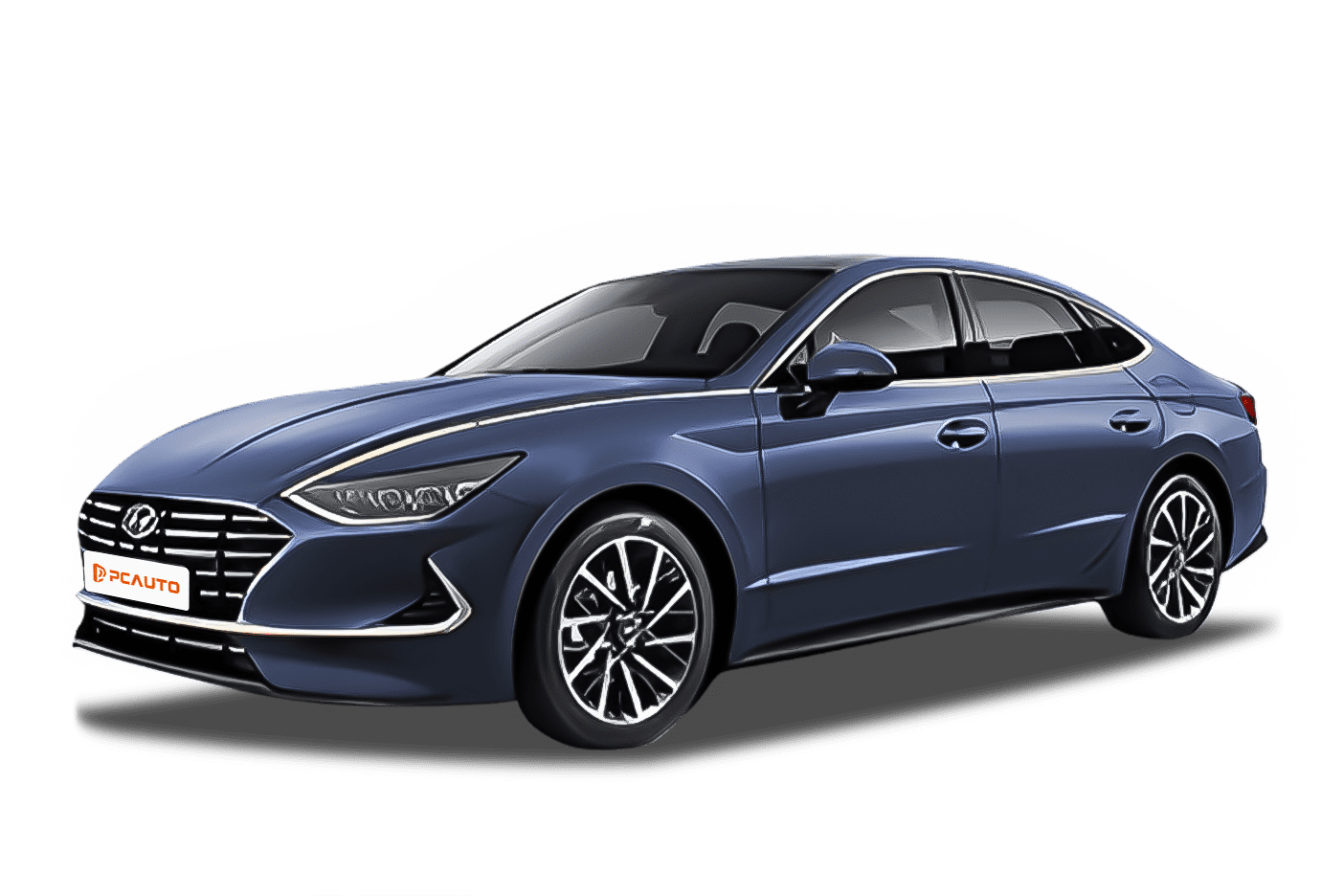
2024 Hyundai Sonata public is positioned as a D-Segment family and business sedan, combining dynamic design, practical configurations, and spacious space, balancing power and fuel consumption, safe and reliable.