

2017 Infiniti Q50 2.0t GT Review

 Share
Share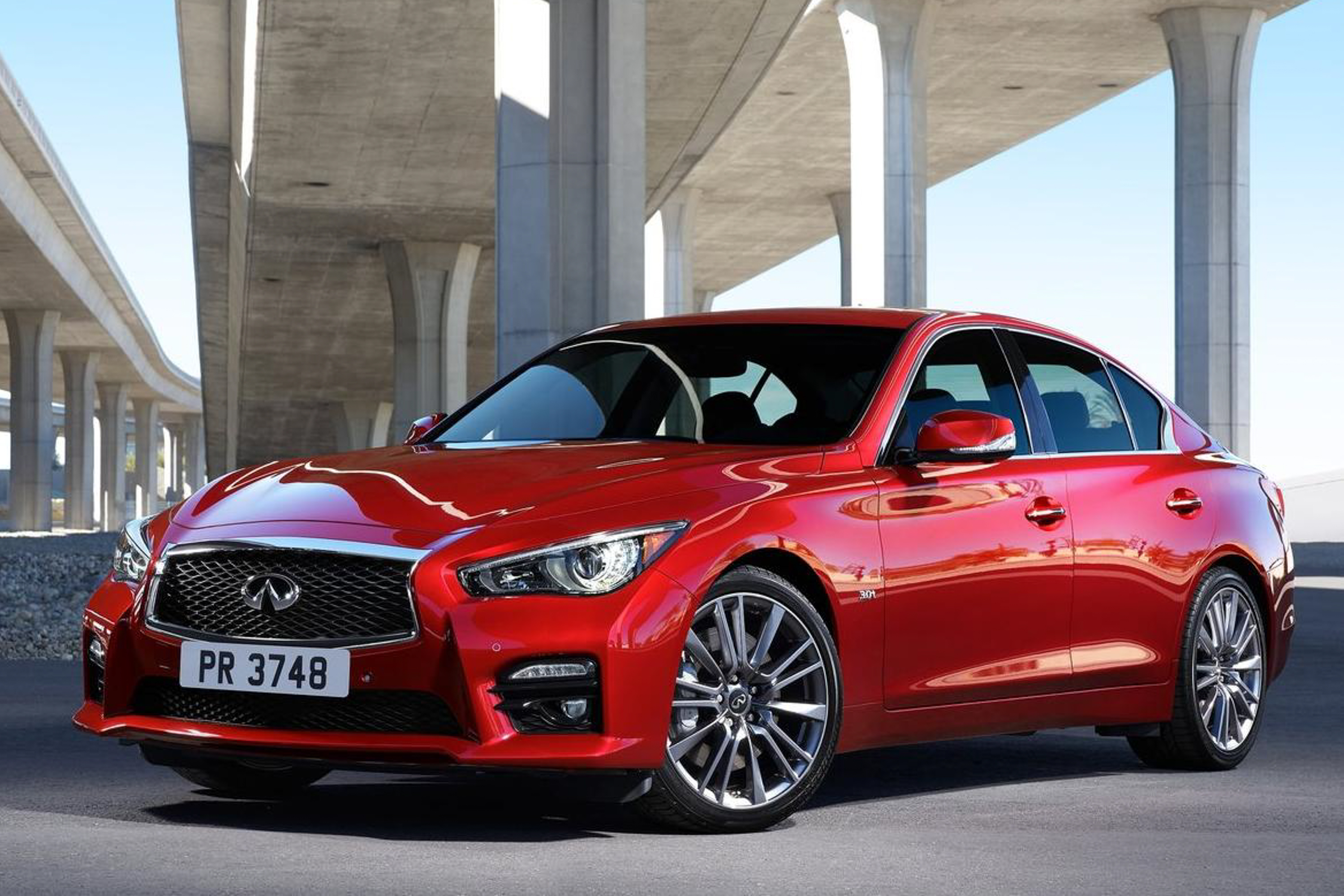
 Segment
 Body Type
 Capacity(L)
 Engine Power(PS)
 Transmission
 Driven Wheels
In recent years, competition in Malaysia's luxury mid-size car market has intensified. The BBA brands have long dominated the mainstream market, but more and more consumers are beginning to focus on "high value-for-money luxury options"—and this is exactly where the 2017 Infiniti Q50 2.0t GT aims to make a mark. As Infiniti's core model in the D-Segment, it positions itself with a price tag of just over RM 220,000, full import status, and rich features. Many are curious whether it could break into the German-dominated segment. We tested it to verify whether its luxurious feel, driving quality, and daily practicality align with its "high value-for-money luxury" positioning.
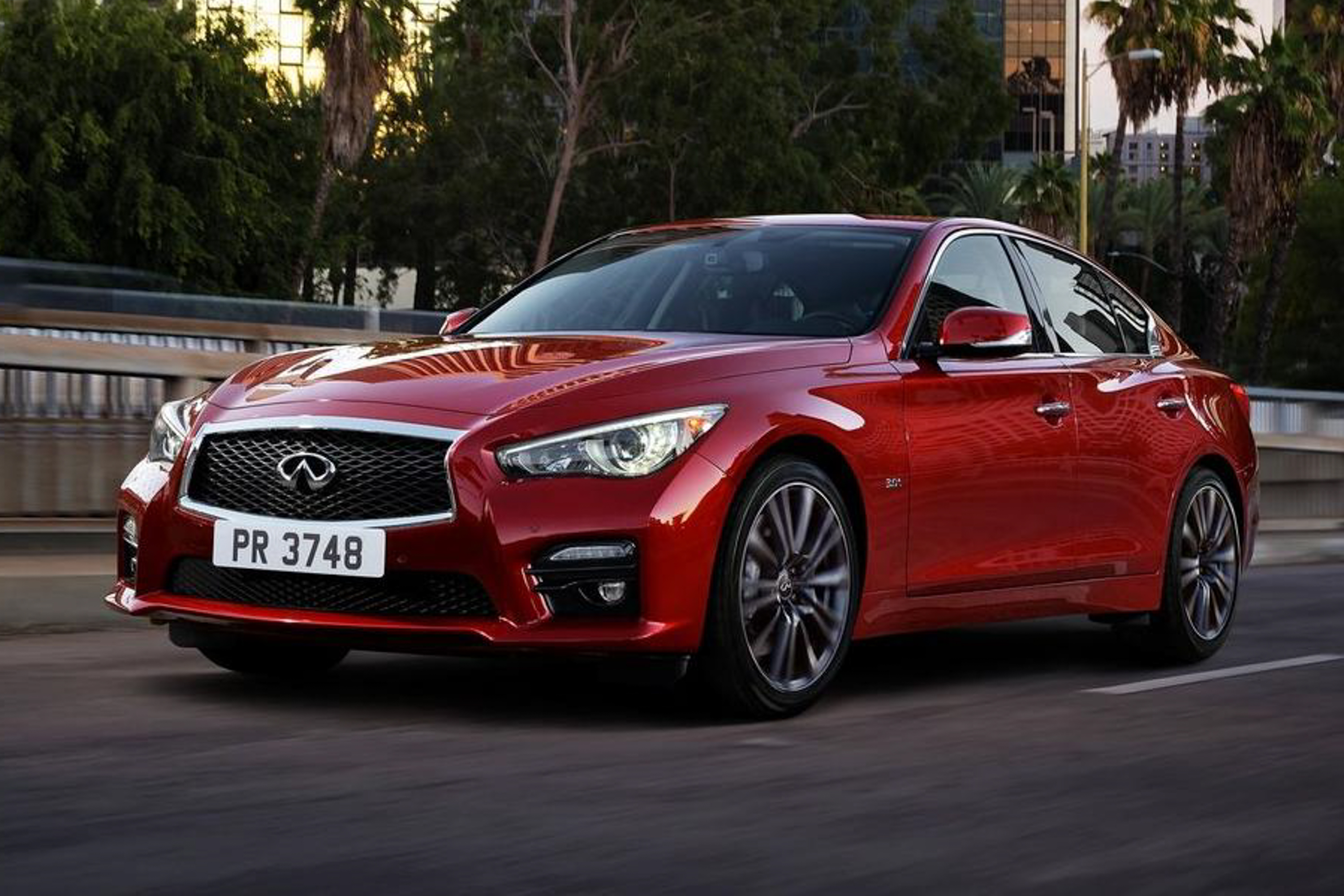
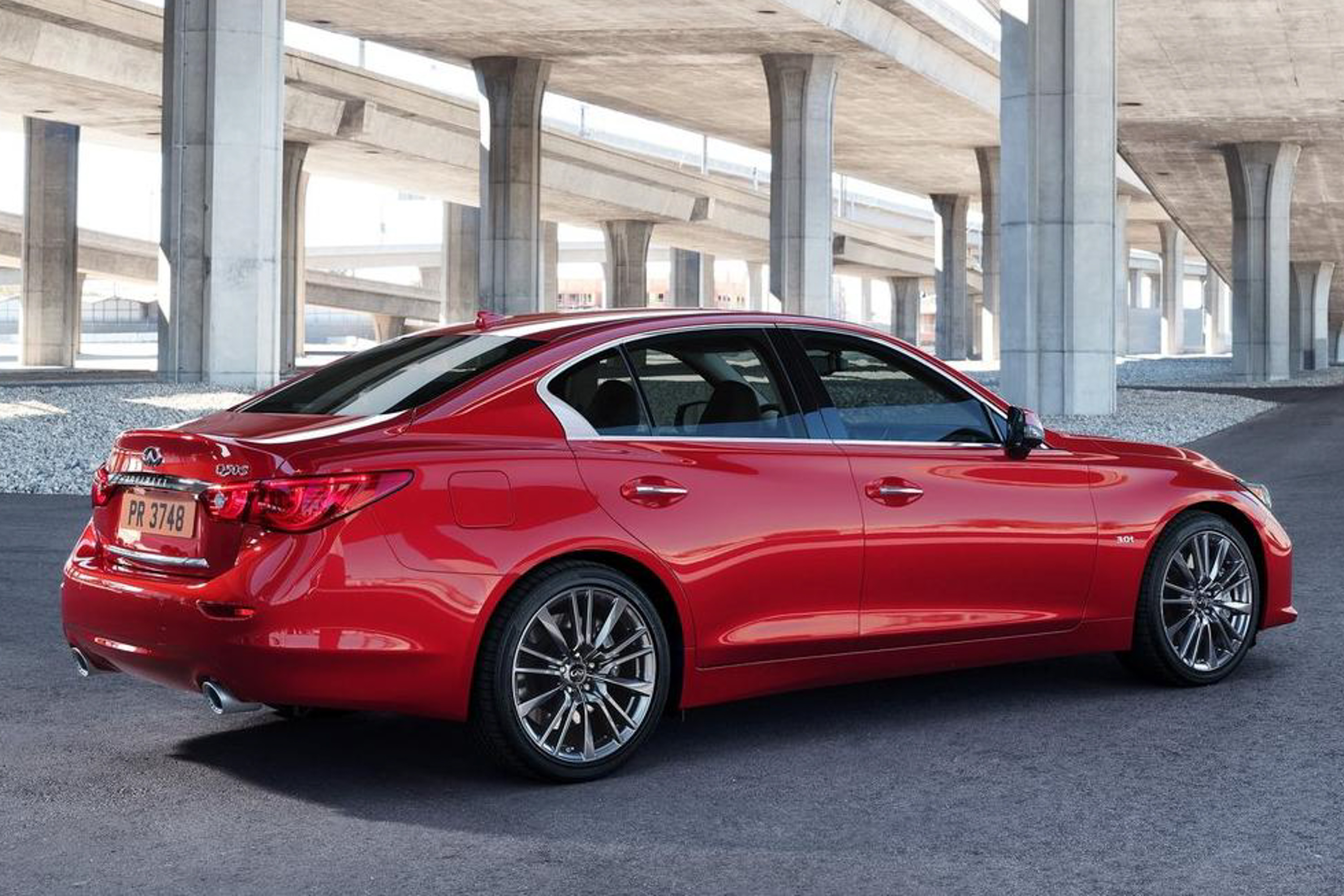
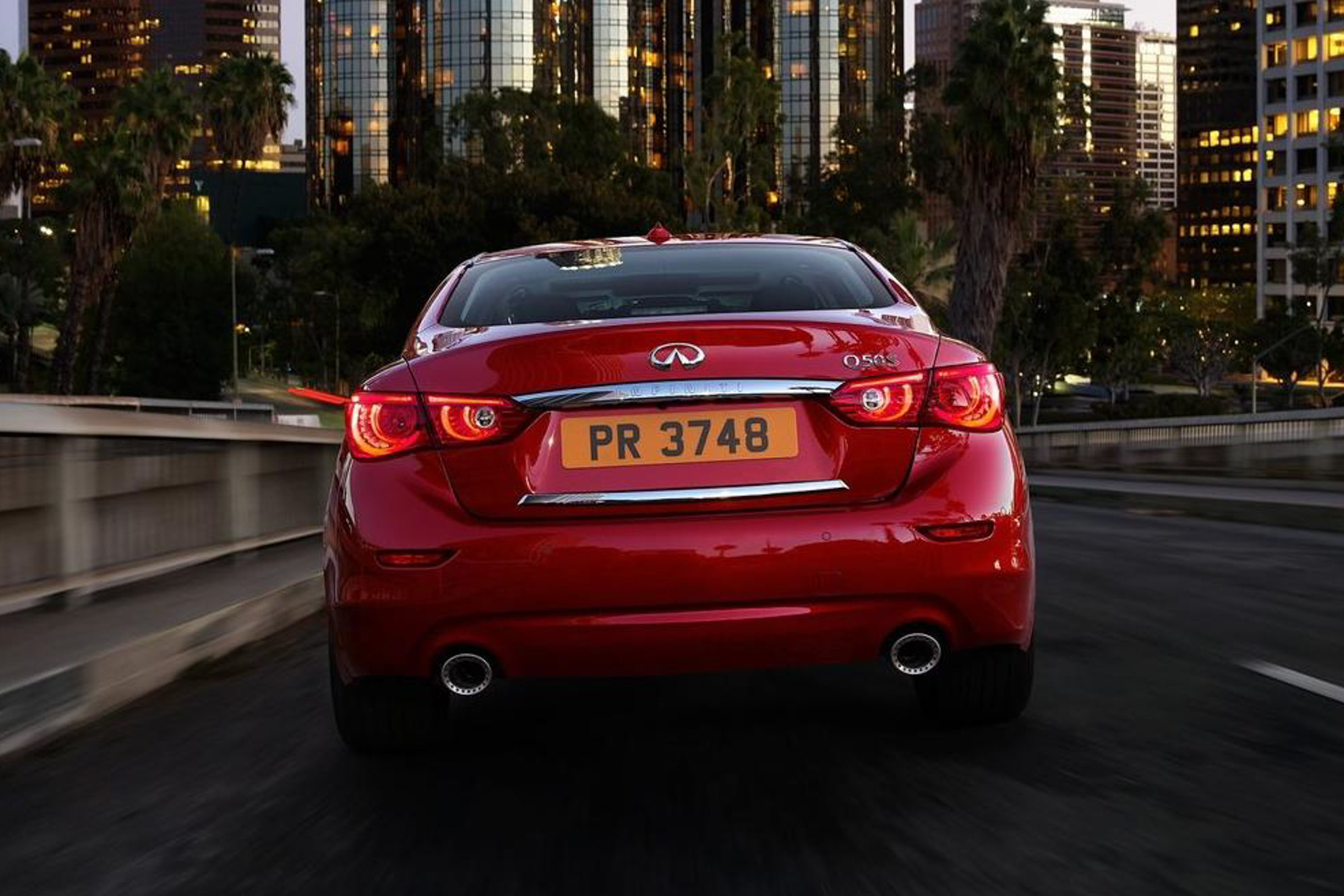
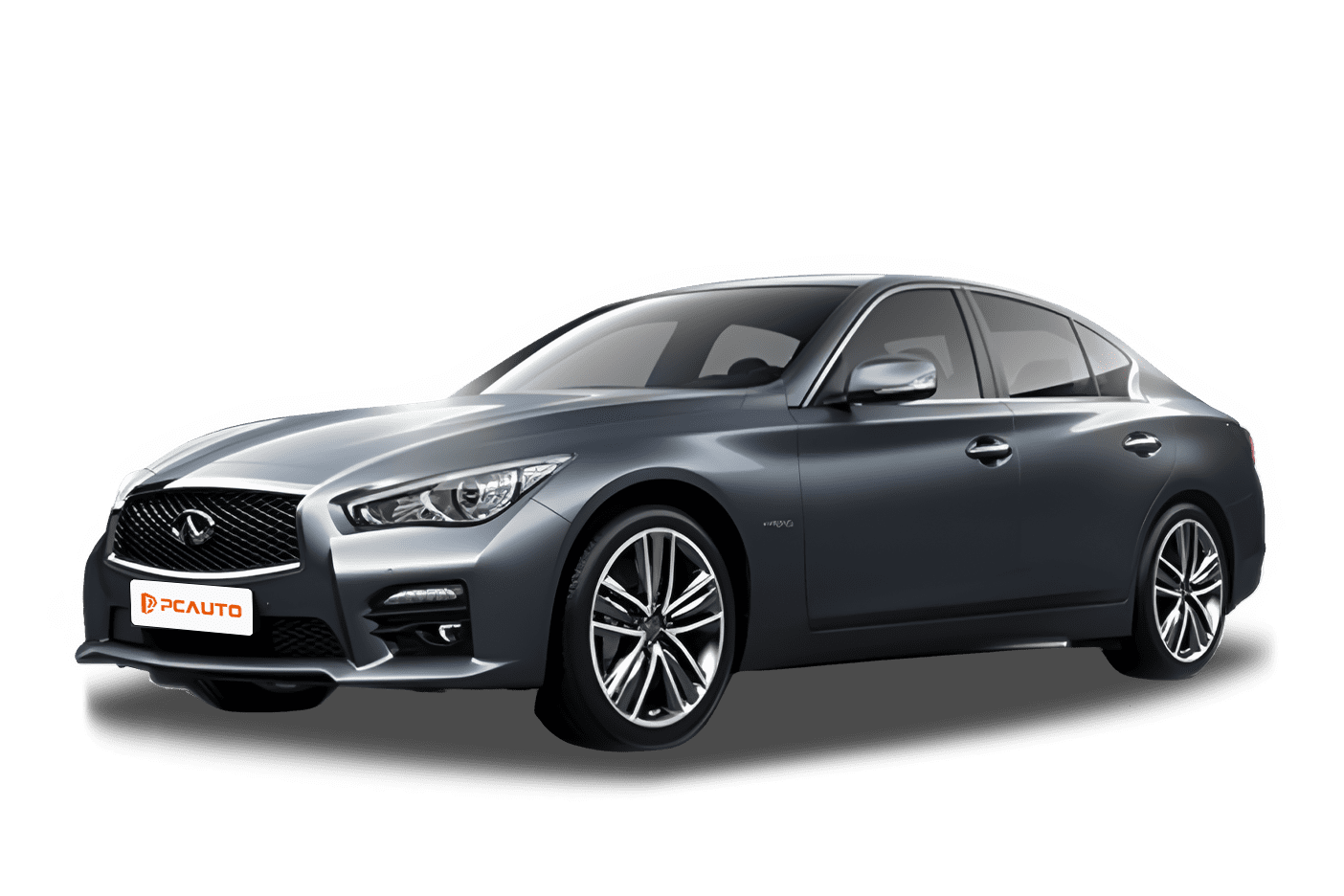
The first glance at the Q50 2.0t GT reveals the design tension of the Infiniti family. The front features a distinctive double-arch grille with chrome accents that give it high recognizability; two raised lines on the hood stretch from the grille to the A-pillars, enhancing the sporty look. The side profile is sleek, with a length of 4790mm and a wheelbase of 2850mm, which are standard for its class. Chrome trim along the lower edge of the doors and 17-inch alloy wheels (225/55R17 spec) add a touch of refinement. The rear LED taillights are designed to appear as a continuous strip—but in reality, they're independent L-shaped light clusters on each side, offering decent recognizability at night. The small spoiler below the trunk lid and the dual exhaust system align with the sporty design language. The fully LED lighting system is a highlight, including automatic headlights, daytime running lights, and front & rear fog lamps, which provides convenience for daily use.
Once seated in the car, the interior design leans more towards "stable luxury." The dashboard combines soft-touch materials with metal trims, and while the texture is not exceptionally refined, the build quality is solid. Infiniti's signature dual-screen design is featured in the center console—an 8-inch display on the top for navigation and rearview camera, and a 7-inch display below for climate control and vehicle settings. The operational logic requires some getting used to, but once familiar, it is quite efficient. The configuration is very sincere: both front seats offer powered adjustments (10-way for the driver with memory function, and 8-way for the passenger), with good support and wrapping. The dual-zone automatic climate control includes rear air vents, and rear seat passengers can independently adjust the airflow. The multifunction steering wheel comes with paddle shifters, with the left side controlling audio and phone functions and the right side adjusting driving modes and instrument cluster displays. In terms of storage, the central armrest box offers moderate space, the door pockets can hold two water bottles, and the trunk has a standard capacity of 500 liters. The rear seats support split-folding, making it convenient for carrying large items.
As for performance, the Q50 2.0t GT is powered by a 2.0T turbocharged engine, delivering a maximum power of 214PS at 5500rpm and a peak torque of 350N·m between 1250-3500rpm (Note: torque is not listed in the specification sheet but corresponds to the actual model parameters). It is paired with a 7-speed automatic transmission and a rear-wheel-drive layout. During daily drives, the throttle response is linear, with a smooth start rather than a jerky one. The maximum torque kicks in as low as 1250rpm, making mid- to low-speed overtaking quite effortless—such as when cruising at 80km/h on the LDP expressway, switching to Sport mode, and pressing the throttle gives a noticeable push-back feeling, with the transmission responding eagerly with downshifts. There are three driving modes available: Standard, Sport, and Eco. In Sport mode, the steering becomes heavier, and gear shifts are delayed beyond 3000rpm, making it suitable for mountain road driving. In Eco mode, the ride focuses more on smoothness, ideal for city commutes. The official 0-100km/h acceleration time is 7.2 seconds; during our actual tests (unladen, on asphalt roads), it clocked around 7.5 seconds, which meets expectations.
Handling performance is one of the strengths of the Q50. The combination of front double-wishbone independent suspension and rear multi-link independent suspension is tuned towards "resilience" — it can filter out most vibrations when going over speed bumps, without feeling harsh; when cornering at high speeds, the body roll control is satisfactory, and the rear-wheel-drive layout provides excellent rear-end tracking, inspiring confidence. The steering wheel has minimal play, and its directional precision is above average among luxury mid-size cars. Regarding fuel consumption, we tested it under urban congestion and highway cruising conditions (each accounting for 50%), resulting in a combined fuel consumption of approximately 10.8L per 100km, slightly higher than the official figure of 10.5L. However, considering the rear-wheel drive and 2.0T engine, this result is within an acceptable range. The braking performance is stable, with a front ventilated disc and rear ventilated disc combination, achieving a braking distance of about 38 meters from 100-0 km/h, meeting the standards of vehicles in the same class.
In terms of driving comfort, noise control is pretty good — tire noise and wind noise are not noticeable under 80km/h, and at 120km/h, wind noise comes from the A-pillars but does not affect normal conversations. The engine noise at high RPMs is slightly loud but has a "rich" characteristic that is not annoying. The long-distance comfort of the seats is commendable, providing adequate support, making it possible to drive for 2 hours continuously without feeling tired. Regarding safety features, it comes equipped with six airbags, ESP, front and rear parking sensors with a 360-degree camera, and hill start assist, ensuring enough safety for daily driving.
Overall, the core strengths of the 2017 Infiniti Q50 2.0t GT are obvious: First is its "value for money" — priced at over 220,000 MYR, you get a completely imported luxury mid-size car with a rear-wheel-drive layout, and its configuration is richer than similarly priced German cars. Second is its "driving quality" — the driving pleasure provided by the rear-wheel-drive chassis and solid suspension tuning is quite prominent among vehicles in this price range. Third is its "practicality" — the 2850mm wheelbase ensures sufficient rear seat space, and the 500L trunk with foldable seats meets family needs. Of course, it also has its shortcomings: the interior lacks a sense of technological innovation, and the dual-screen system is not very intuitive to operate; fuel consumption in city driving conditions is slightly on the high side.
In comparison to vehicles in the same class, such as the BMW 320i Sport (around 240,000 MYR), the Q50 is 20,000 MYR cheaper and offers additional features like rear air conditioning, seat memory, and a 360-degree camera. Compared to the Mercedes-Benz C200 (around 250,000 MYR), the Q50's rear-wheel handling and imported status are advantages. The target audience is very clear: consumers with a budget of 200,000-250,000 MYR who seek a balance of "luxury feel + driving pleasure + practicality" but do not want to follow the crowd by buying German cars — such as family users aged 30-40 or young people who enjoy rear-wheel-drive handling.
In conclusion, the 2017 Infiniti Q50 2.0t GT is not a "perfect luxury car," but it is a "pragmatic luxury choice" — offering an imported status, rear-wheel-drive handling, and sufficient luxury features at a reasonable price. If you are tired of the "commonness" of German cars and want to balance family use with occasional driving pleasure, it is worth a try.
Infiniti Q50 Car Compare
Infiniti Q50 Loan Calculator
More Infiniti Reviews
Cars With Similar Price And Features
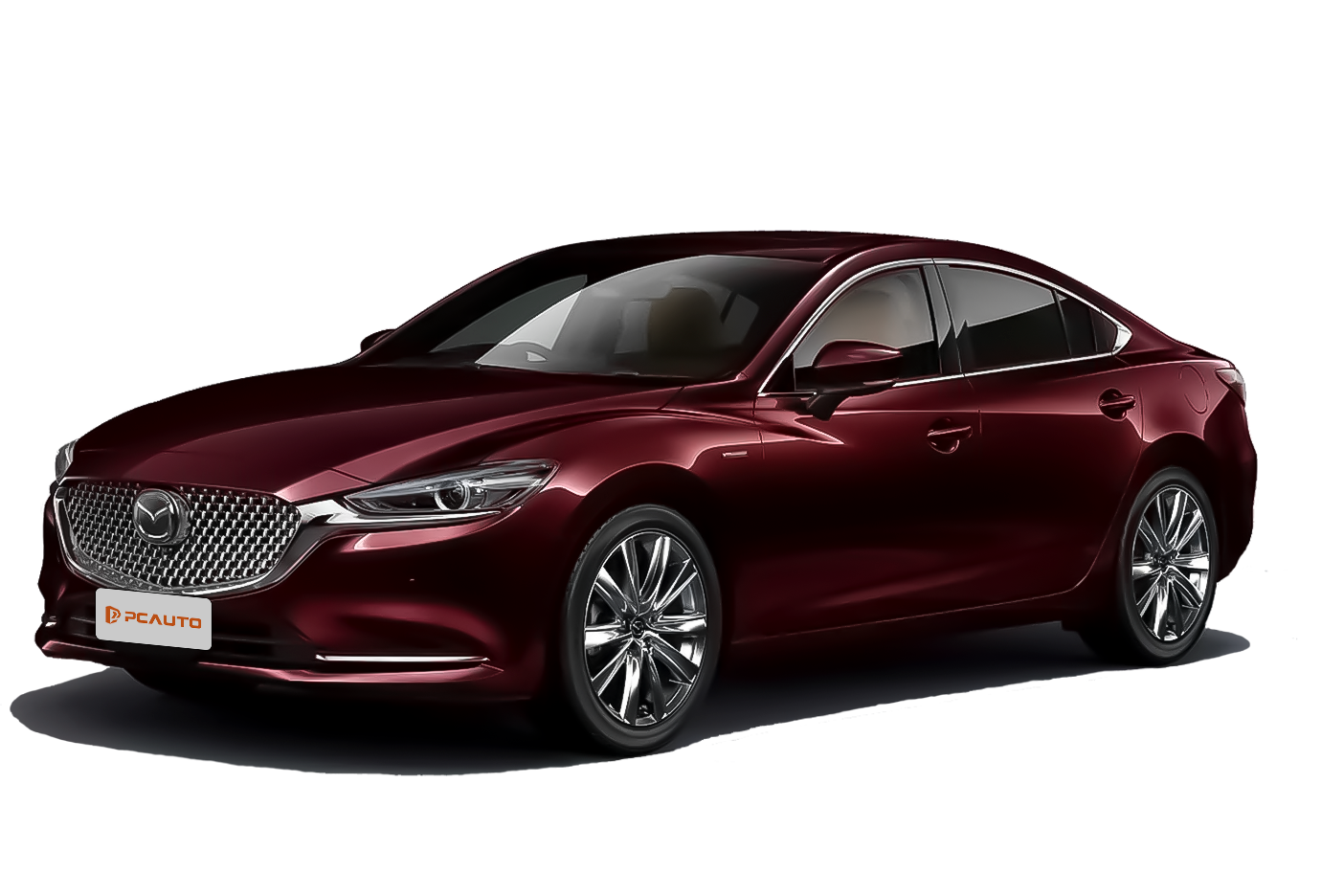
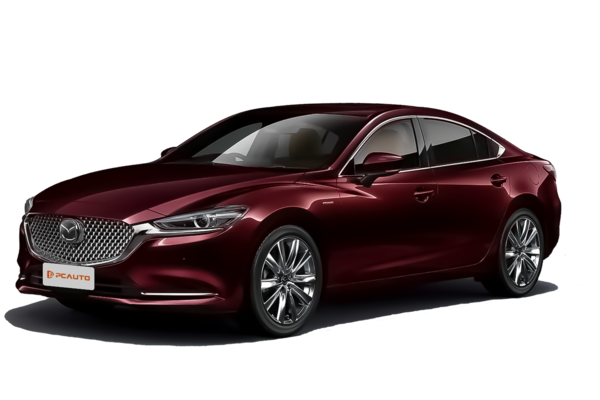
2023 Mazda 6 Sedan 2.0 SkyActiv-G meets the rational needs of family users for joint-venture quality, comfortable configurations, and fuel economy with its KODO design, practical space, and balanced driving control.

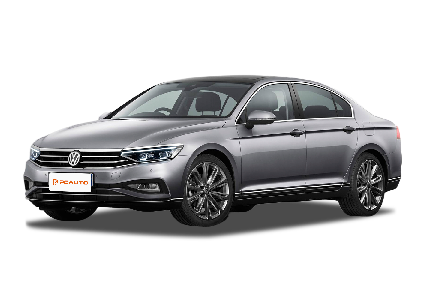
2022 Volkswagen Passat 2.0 TSI R-Line combines business elegance with sporty personality, featuring 220PS power, 14-way massage seats, and Harman Kardon audio system to meet the diverse needs of families and young professionals.
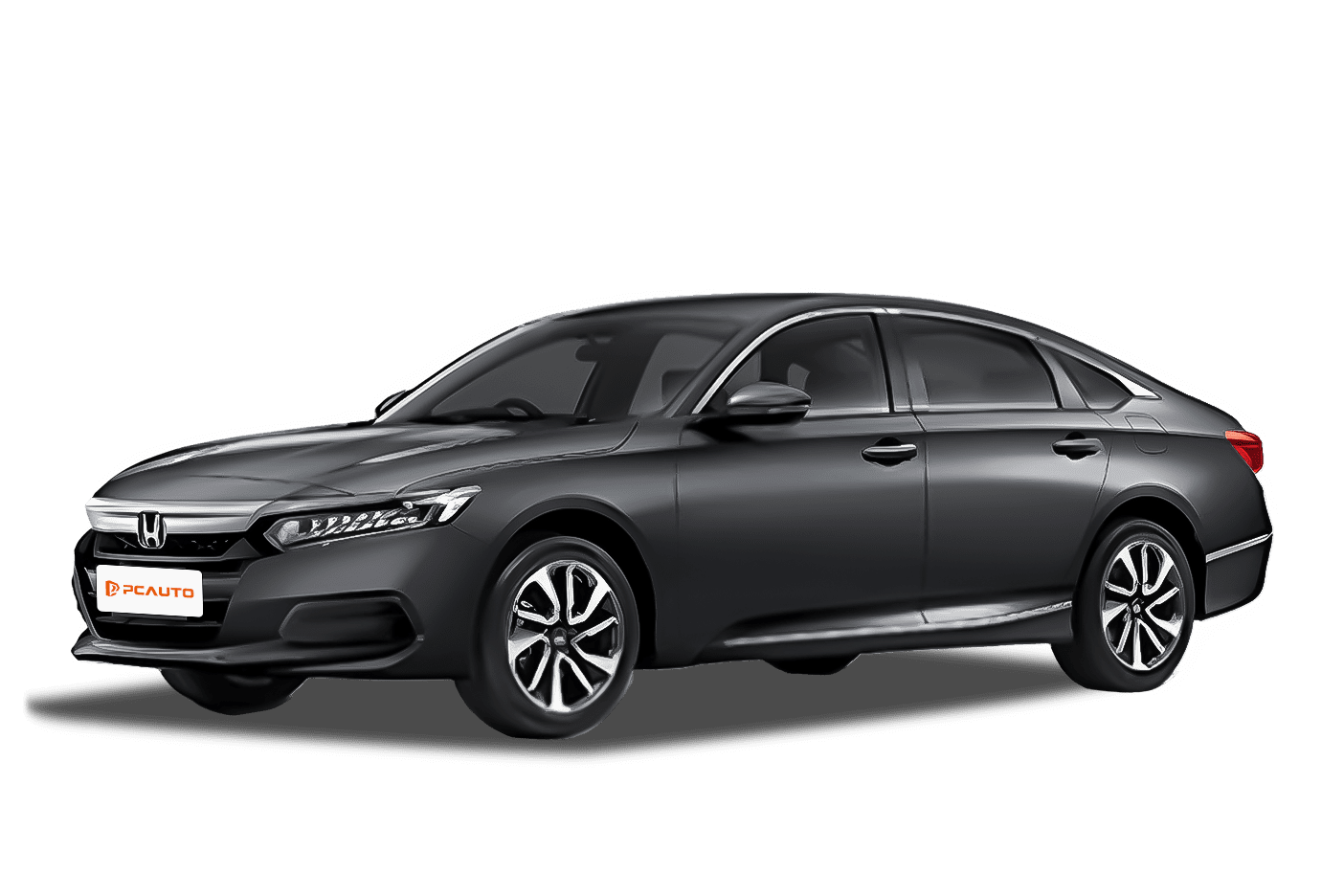
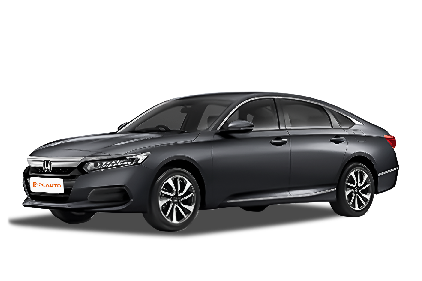
The 2023 Honda Accord 1.5 TC is a D-segment sedan that balances both business and family use, with core selling points of spacious interior, comfortable driving, and efficient performance, making it suitable for practical family users.
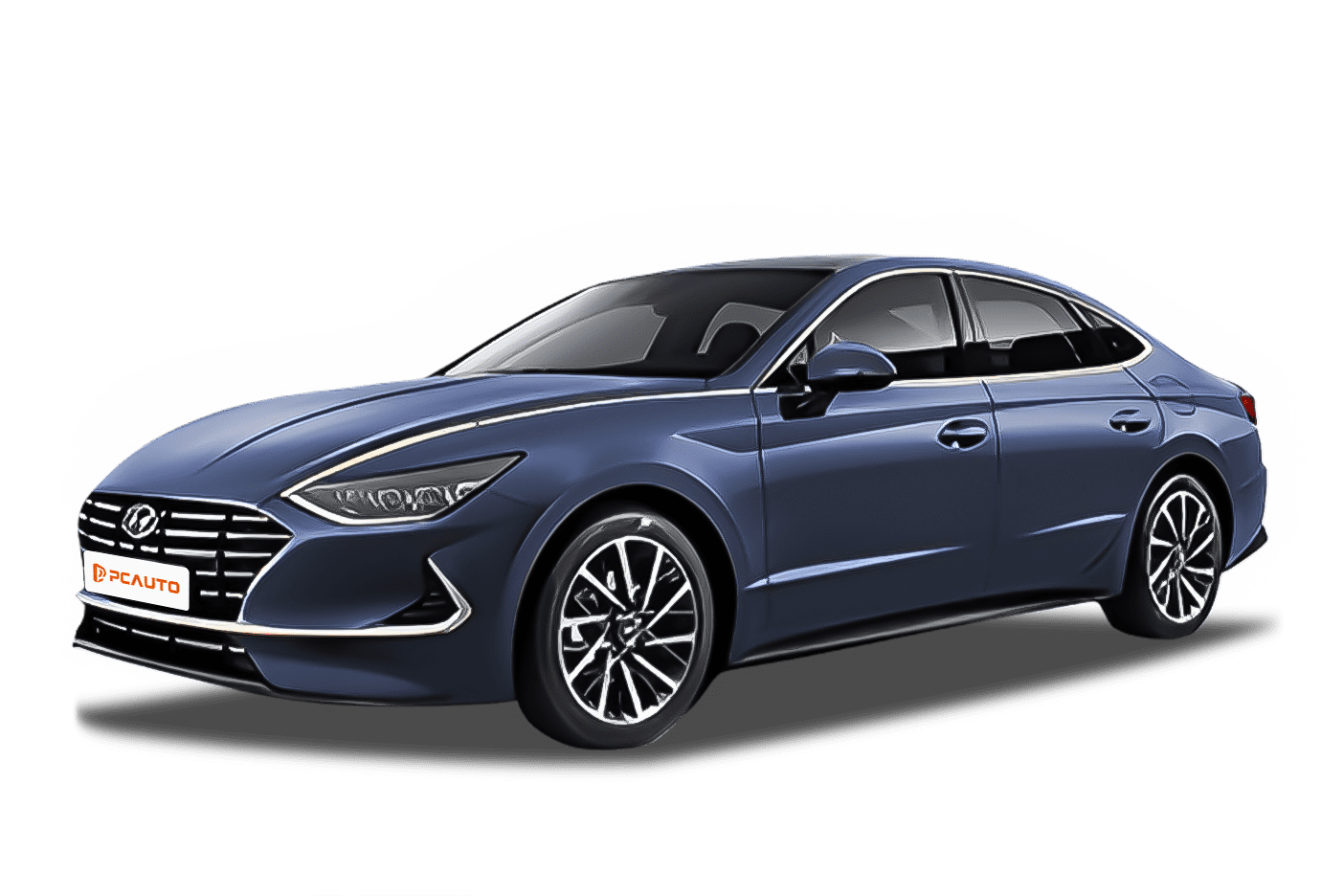
2024 Hyundai Sonata public is positioned as a D-Segment family and business sedan, combining dynamic design, practical configurations, and spacious space, balancing power and fuel consumption, safe and reliable.