
2018 Ford Everest 2.0L Trend AWD AT Review

 Share
Share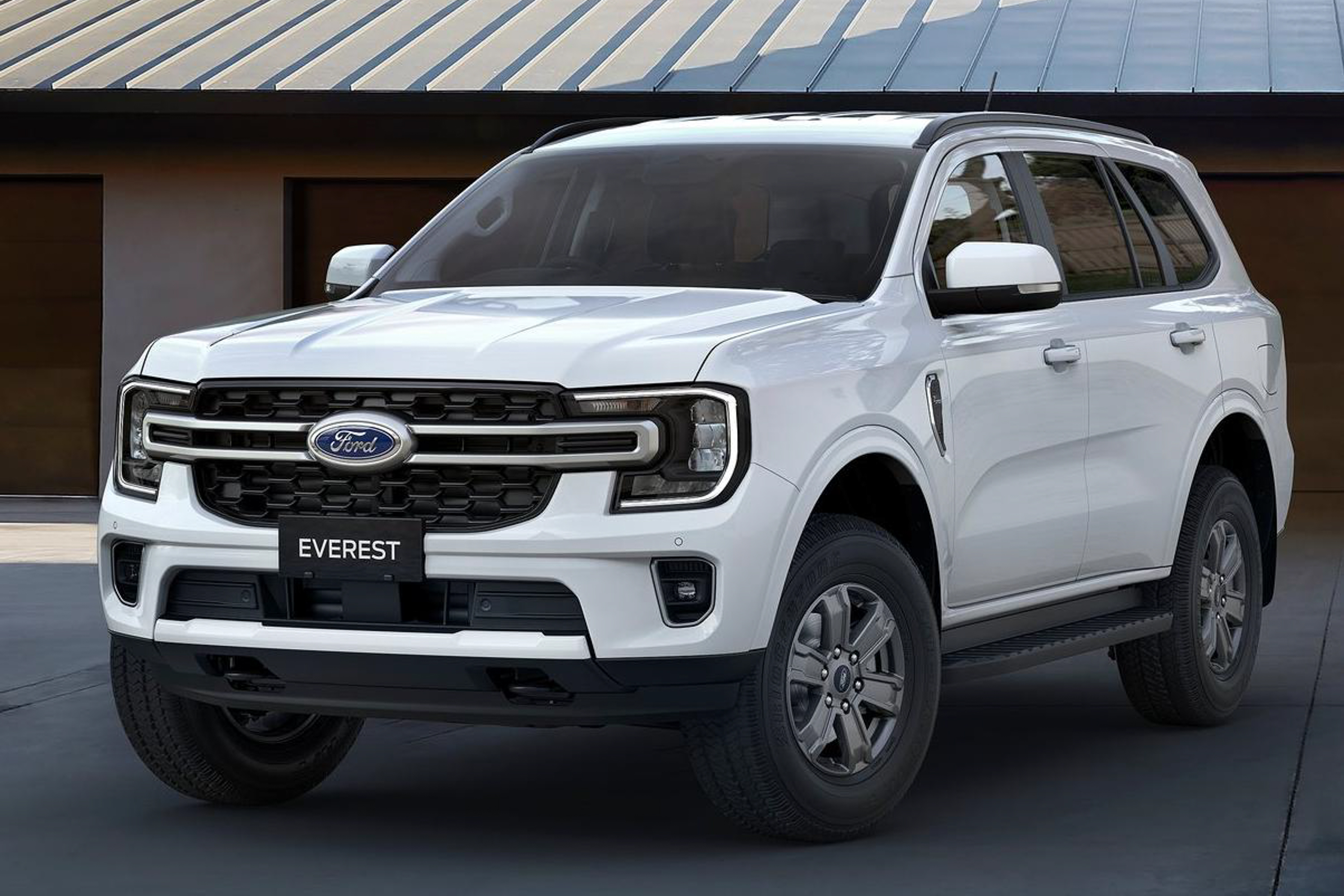
 Segment
 Body Type
 Capacity(L)
 Engine Power(PS)
 Transmission
 Driven Wheels
The D-segment SUV market has always been the intersection of household and off-road needs. The 2018 Ford Everest 2.0L Trend AWD AT, as a popular choice in this segment, has attracted considerable attention from family users with its balanced configuration and rugged characteristics. This time, we got a test vehicle and primarily assessed its spatial practicality, power performance, and daily driving comfort to see whether it can meet the demands of diverse scenarios.
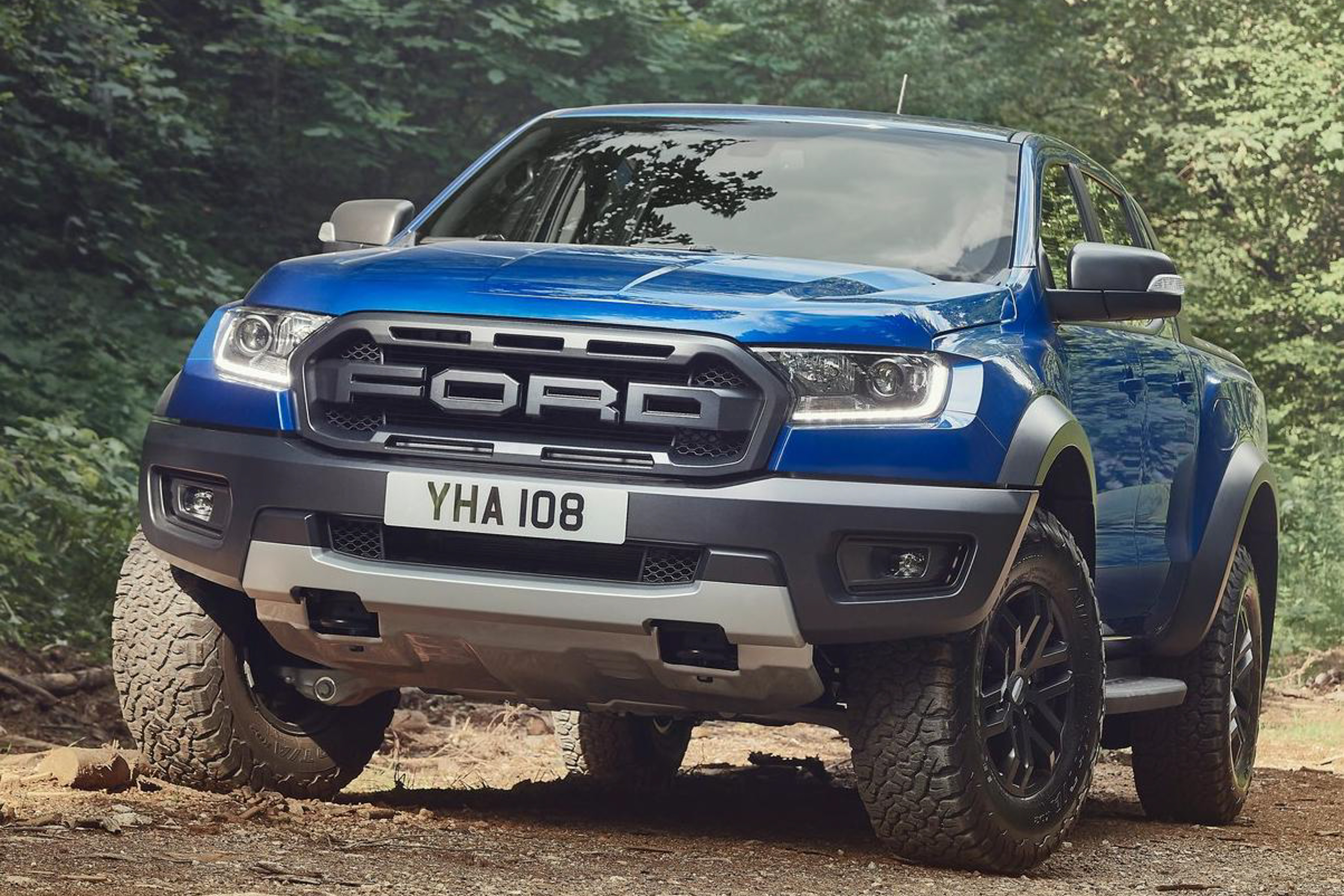
From the exterior, the design of the Everest maintains the tough style of a rugged SUV. The front features a large chrome grille paired with a combination of LED and xenon headlights, giving it a highly recognizable look; the side profile has straight lines, with roof rails and 18-inch wheels enhancing its off-road vibe; the rear LED tail lights connect seamlessly with chrome strips, while the layout of the rear fog lights and parking sensors also caters to practicality. The overall design avoids excessive flamboyance, making it understated yet fitting for its positioning.
Inside the vehicle, the interior primarily employs a dark tone, complemented with silver trims to enhance the texture. The 8-inch central touchscreen operates smoothly and supports the Sound Plus functionality, with the 10-speaker audio system delivering above-average sound quality in its class. The instrument cluster features a 4-inch dual TFT display, clearly showing information like speed and fuel consumption. The steering wheel comes with multifunction buttons and paddle shifters, making it very user-friendly. On the seating side, both the driver and front passenger seats support 6-way electric adjustment with medium firmness for cushioning, ensuring comfort over long periods. The second-row seats offer a 60:40 split, while the third-row seats fold 50:50, expanding the trunk space from 450L to an even larger capacity, providing flexible storage options. Additionally, the vehicle comes with dual-zone automatic climate control, independent air vents for the rear seats, and a 220V power outlet, reflecting its attention to detail.
Space performance is one of Everest's strong suits, with the vehicle's dimensions standing at 4903mm in length, 1869mm in width, and 1837mm in height, along with a wheelbase of 2850mm. The legroom in the second row is generous — a 175cm passenger would have about two fist-widths of space between their knees and the front seats. Although the third row isn't as spacious as the first two, it's still adequate for short trips with adults, making it suitable for family outings with elderly or children. The interior has a good number of storage compartments, including door pockets, a central console box, and front cupholders, all capable of accommodating daily essentials, which enhances its practicality.
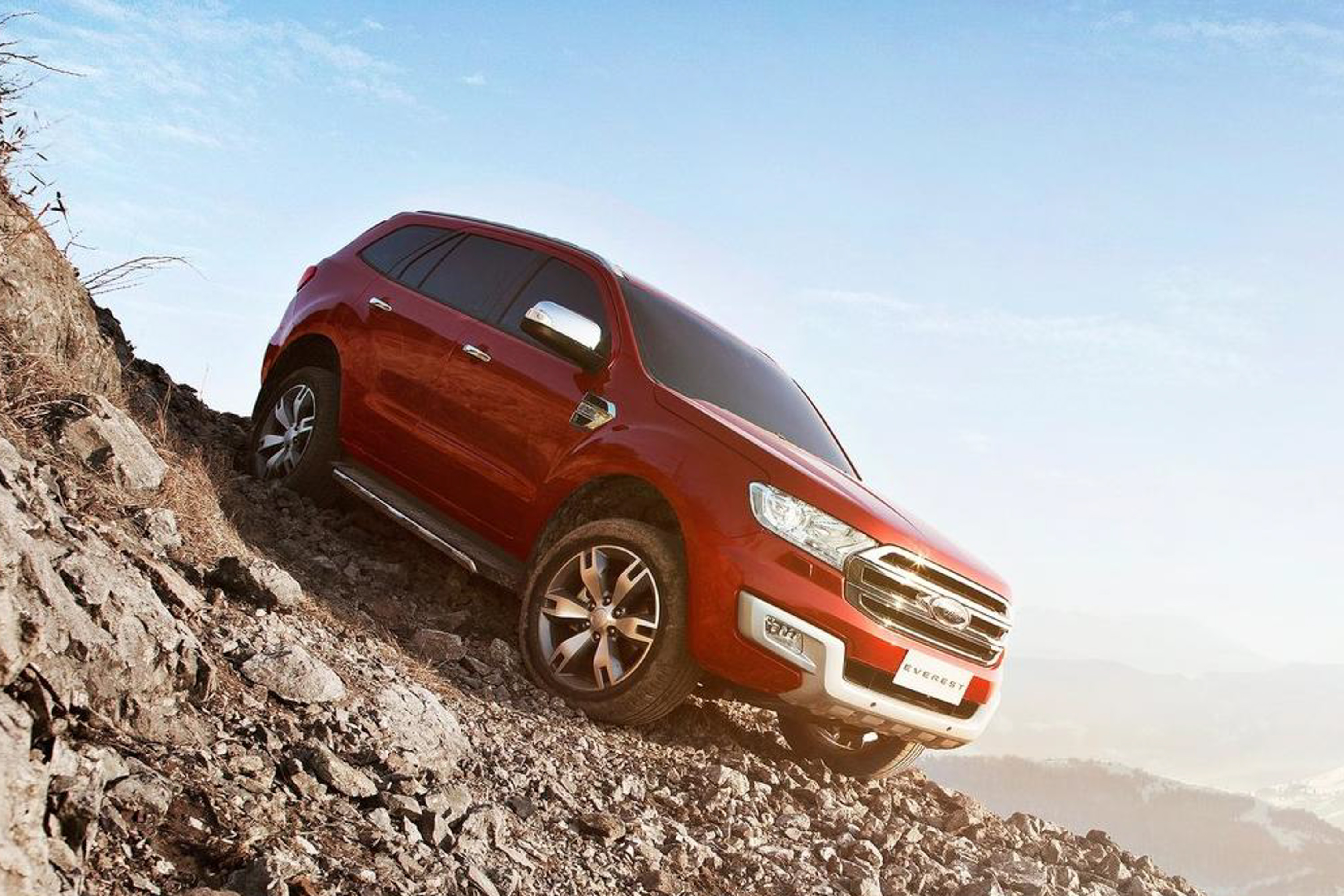
In terms of performance, the 2.0L turbocharged diesel engine produces a maximum power of 213 PS, with maximum torque available from 1750-2500rpm. Paired with an automatic transmission, gear shifting is smooth. During everyday driving, the power response is prompt at startup, acceleration is linear, and pressing the accelerator hard during overtaking gives a noticeable sense of thrust. When switched to sport mode, the transmission's shifting logic becomes more aggressive, and power output feels more direct. The suspension system adopts a front double-wishbone independent setup, effectively absorbing vibrations on bumpy roads so that the body remains stable with minimal wobbling. When cornering, its lateral stability is sufficient, with good stability. As an AWD model, its four-wheel-drive system performs reliably in mild off-road scenarios, such as muddy roads or gentle slopes, ensuring it can handle occasional outdoor adventures.
In terms of fuel consumption, we drove 100km in both urban congested areas and on highways, with an average fuel consumption of about 8.5L/100km. For a mid-to-large SUV, this performance is considered relatively economical. The braking performance is stable, the brake pedal feedback is linear, and the body posture is well controlled during emergency braking without noticeable nose dive. Regarding noise control, wind noise and tire noise are within an acceptable range during high-speed driving. The diesel engine noise is slightly noticeable at idle but barely affects in-car conversations when driving.
Overall, the core advantage of the 2018 Ford Everest 2.0L Trend AWD AT lies in its balance — spacious interior, rich features, adequate power, and a four-wheel-drive system capable of handling light off-roading. Compared to its counterparts like the Toyota Fortuner or Mitsubishi Pajero Sport, the Everest offers a more luxurious interior configuration. Features such as the 10-speaker system and electric seat adjustment are definite highlights, and its price also offers better value for money.
This vehicle is suitable for practical family users, especially those who frequently carry multiple passengers or occasionally require light off-road capabilities. It can meet the demands of daily urban commuting as well as weekend outdoor camping or outings, showcasing an all-around performance. If you are looking for an SUV with spacious interiors, extensive features, and a balance between family and light off-road use, the Everest 2.0L Trend AWD AT would be a great choice.
Ford Everest Car Compare
Ford Everest Loan Calculator
Cars With Similar Price And Features
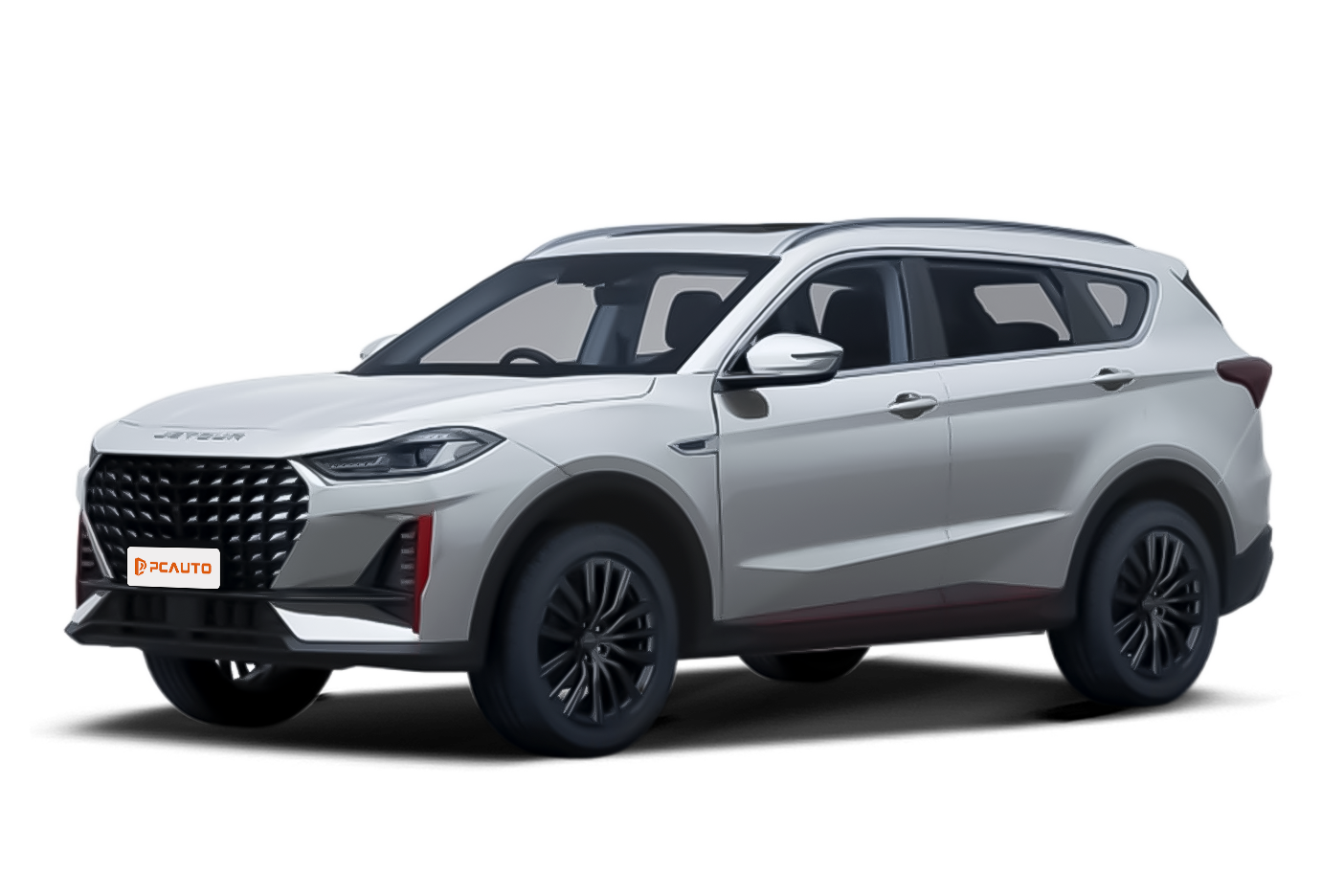
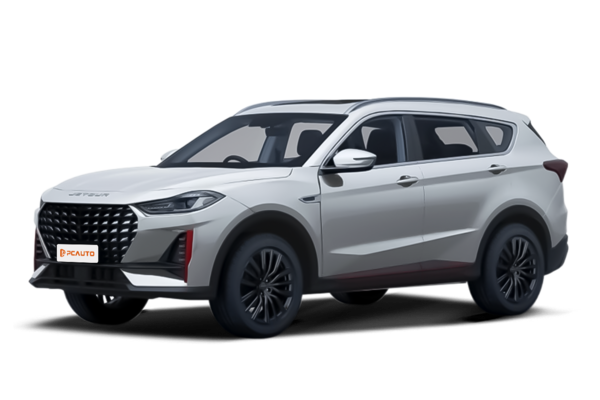
2025 Jetour VT 9 Comfort is a highly cost-effective 7-seater family SUV, featuring practical space, rich configurations, and balanced power, precisely meeting the needs of family short-distance travel.

11
Rank in SUV
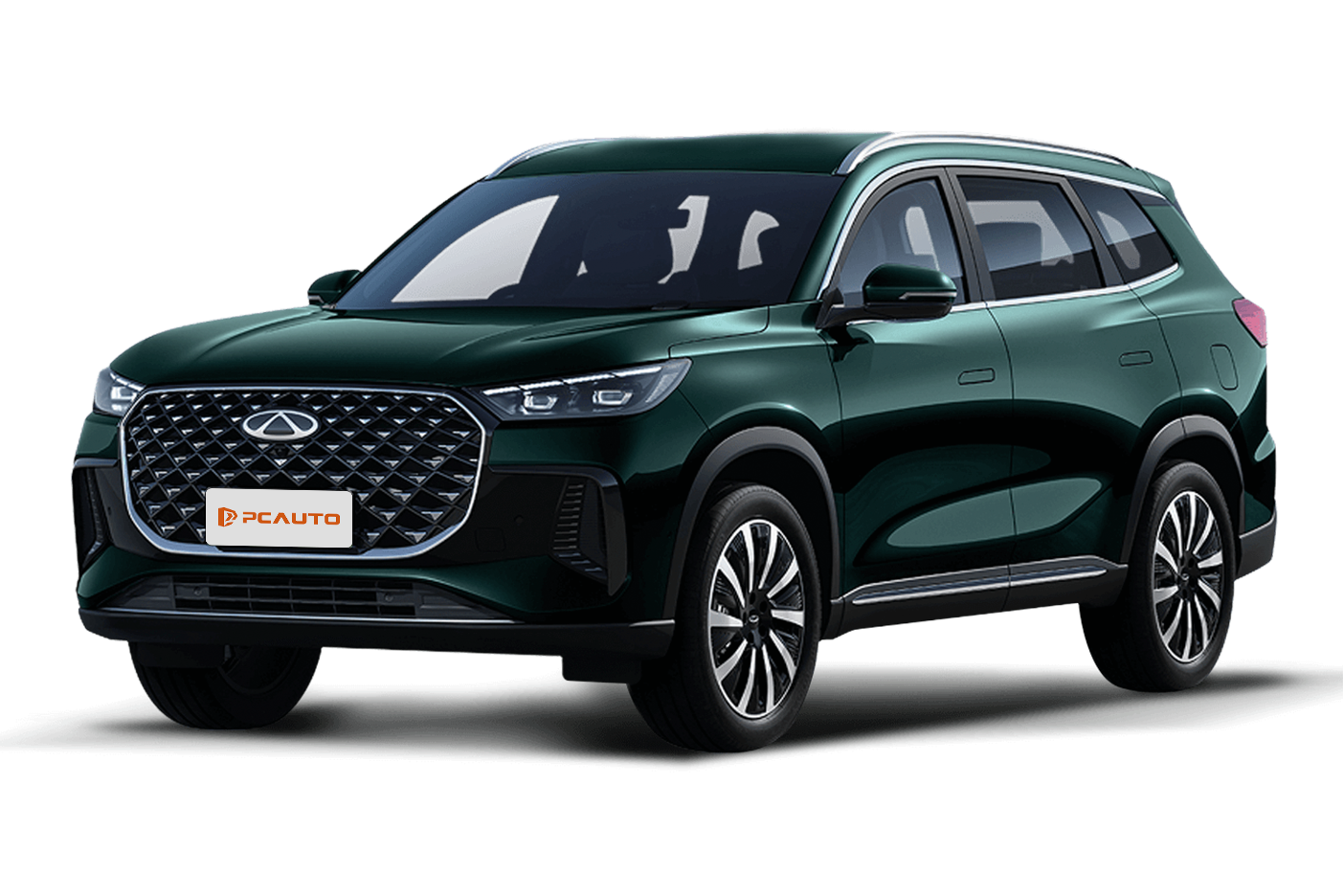
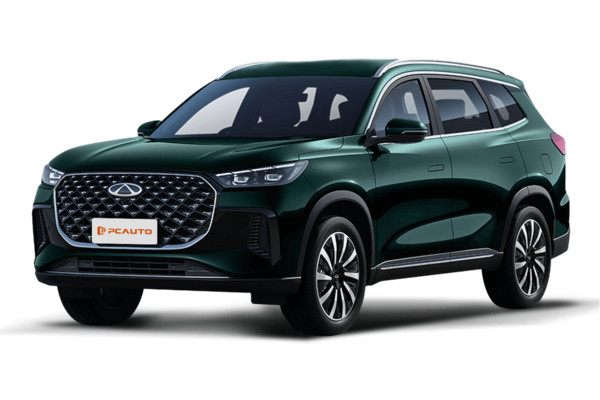
2026 Chery Tiggo 8 is a D-Segment SUV aimed at family users, offering superior configurations, practical space, and smooth power at a high cost-performance ratio, meeting both commuting and light off-road needs.
16
Rank in SUV

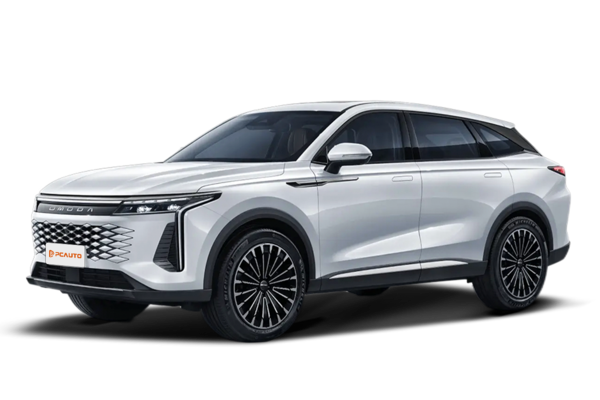
2024 Chery OMODA C9 2WD with 2.0T+8AT powertrain, L2 level assistance, and dual 12.3-inch screens, breaking the stalemate in the D-Segment market and becoming a high-value disruptor.
29
Rank in SUV
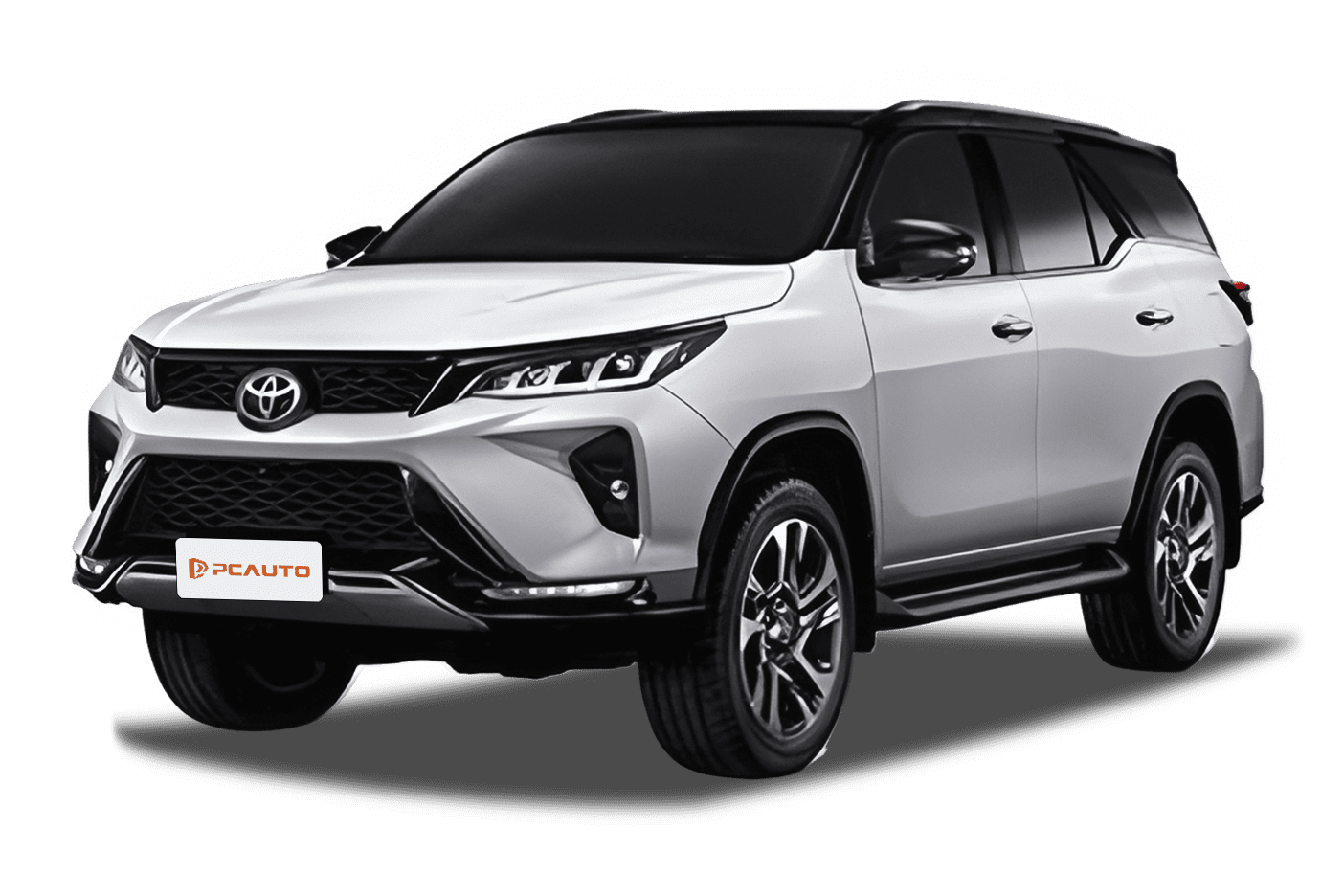
2021 Toyota Fortuner 2.7 SRZ AT 4x4 is a 7-seat SUV that balances family comfort and mild off-road capabilities, with smooth gasoline power and a practical 4x4 system, offering low maintenance requirements suitable for various family scenarios.