

2018 Honda Accord 2.0 VTi-L Review

 Share
Share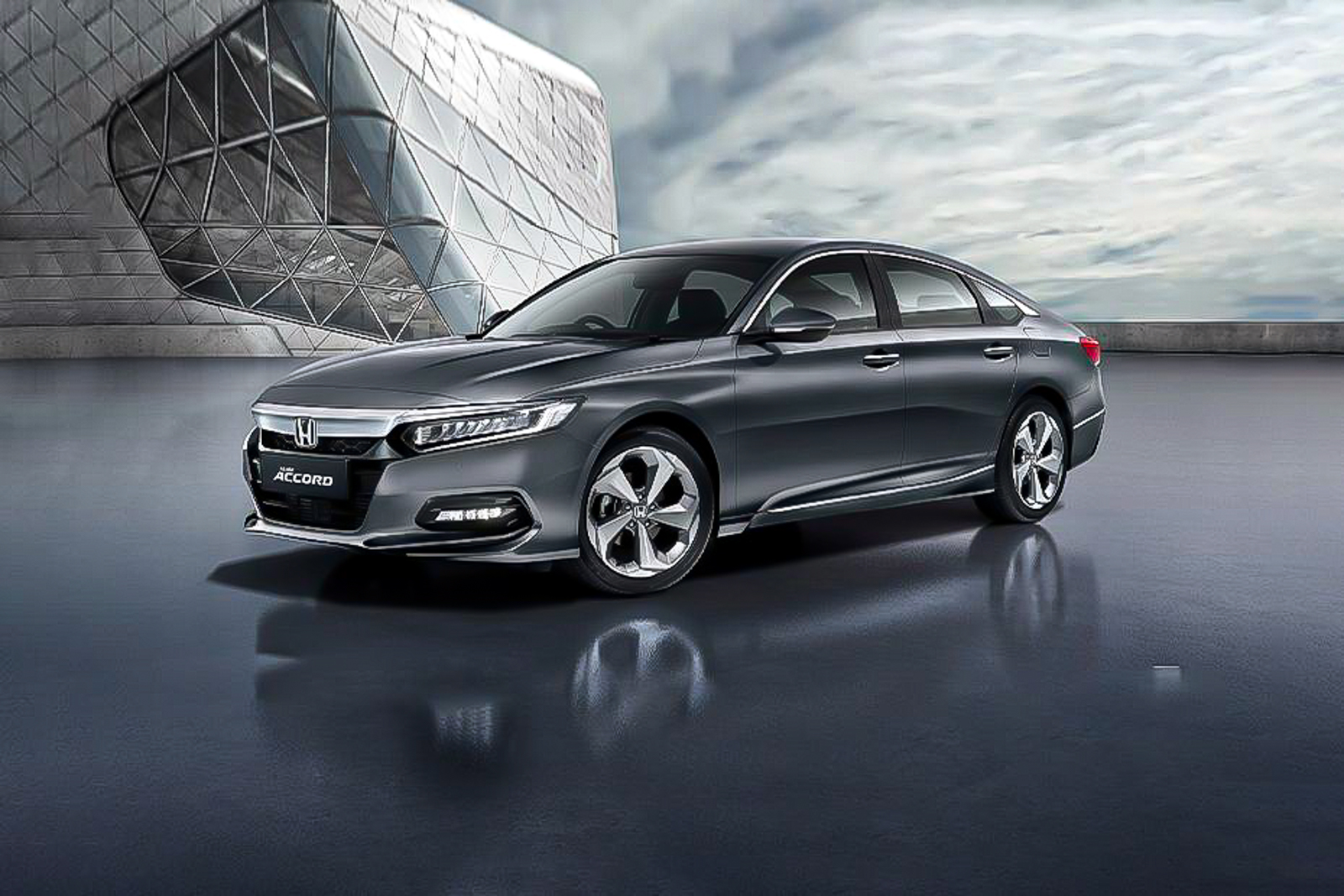
 Segment
 Body Type
 Capacity(L)
 Engine Power(PS)
 Transmission
 Driven Wheels
In Malaysia's D-segment sedan market, consumers' demand for "balance" has never diminished — spacious enough for family trips while not compromising on features and driving quality. The 2018 Honda Accord 2.0 VTi-L, as a popular contender in this segment, presents its core selling point as dual-scenario adaptability for both "family use + business" while offering noteworthy safety features that are rare in this class. This review will dissect everything from static experience to dynamic performance to evaluate whether this car can truly meet the core needs of most family users.
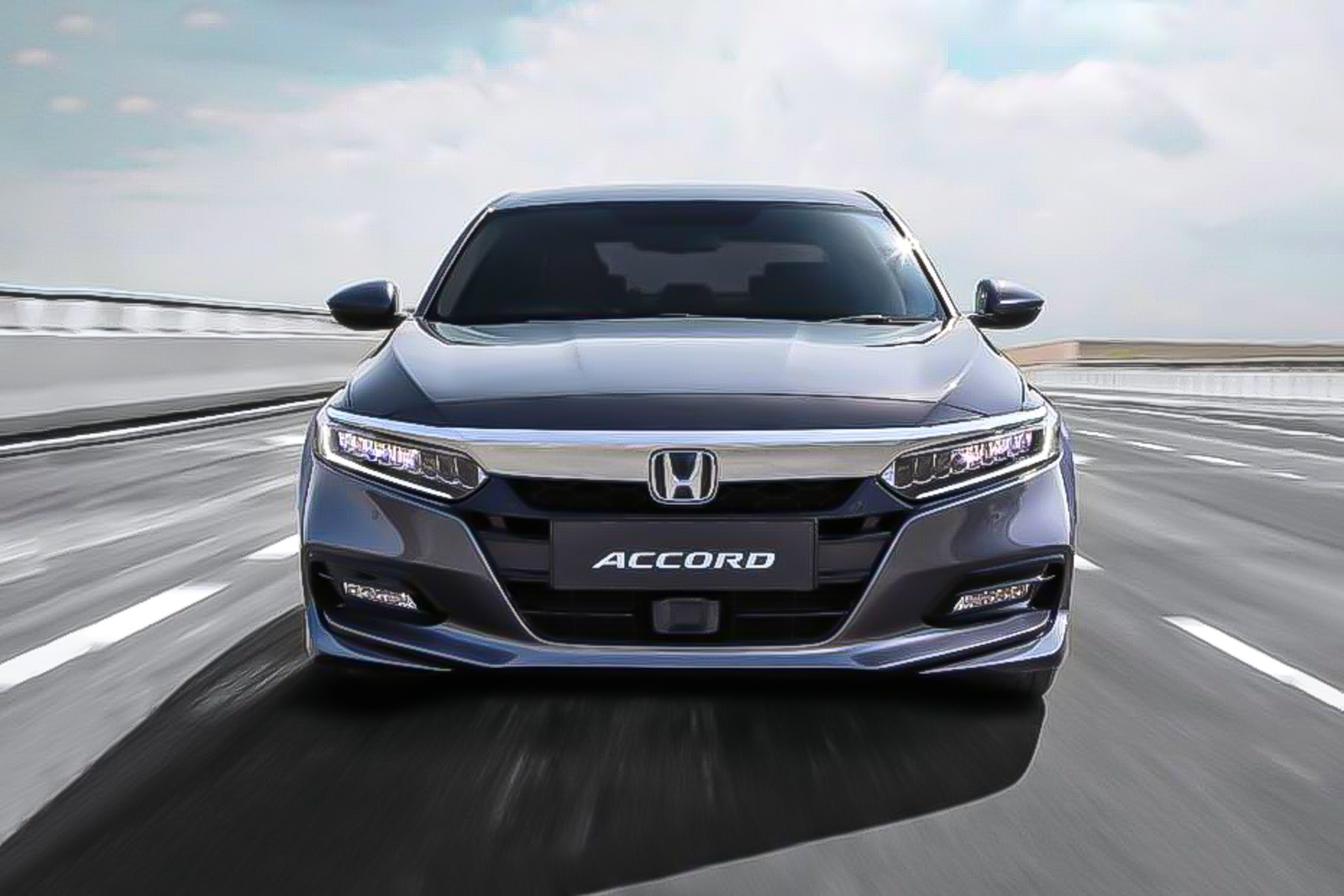
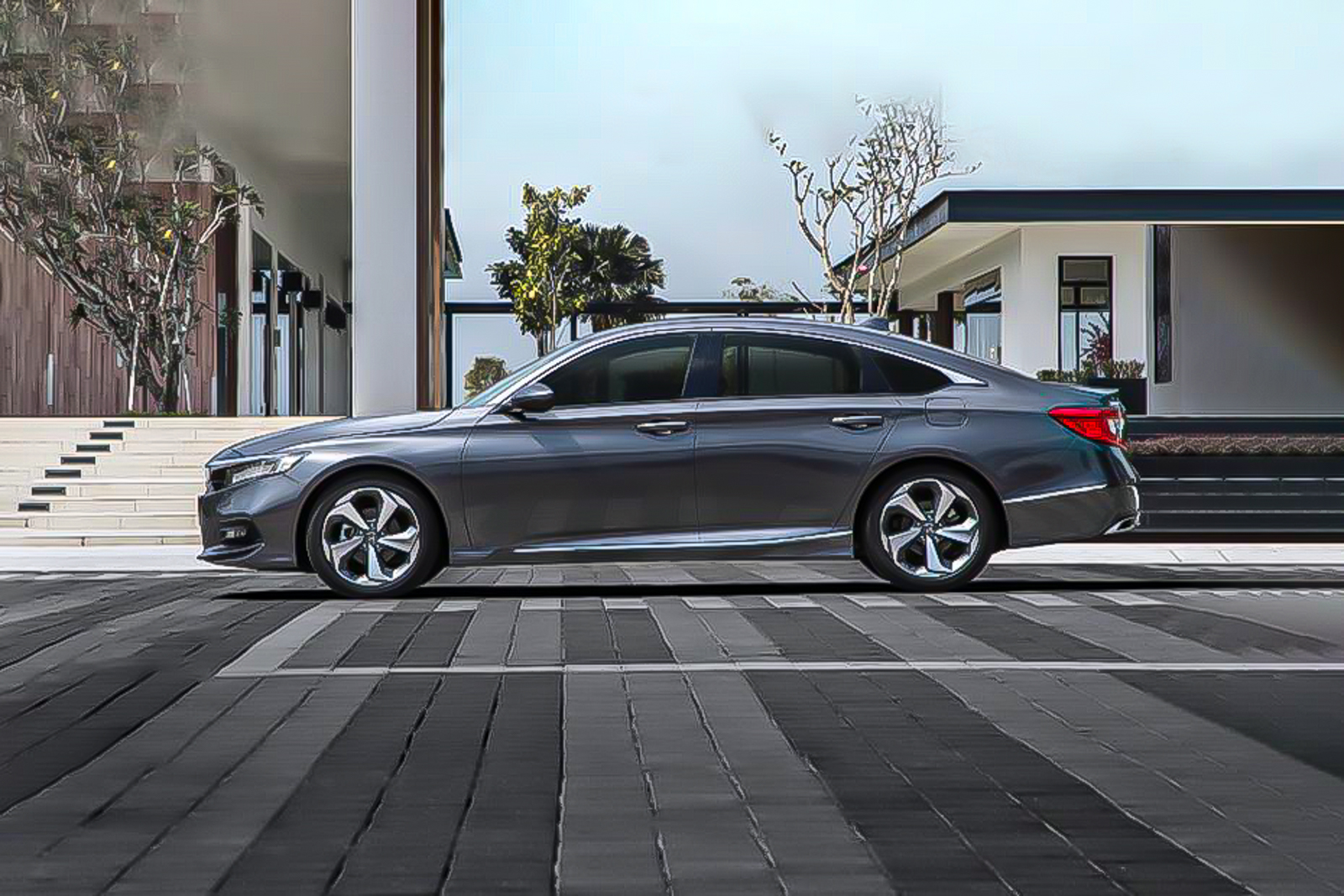
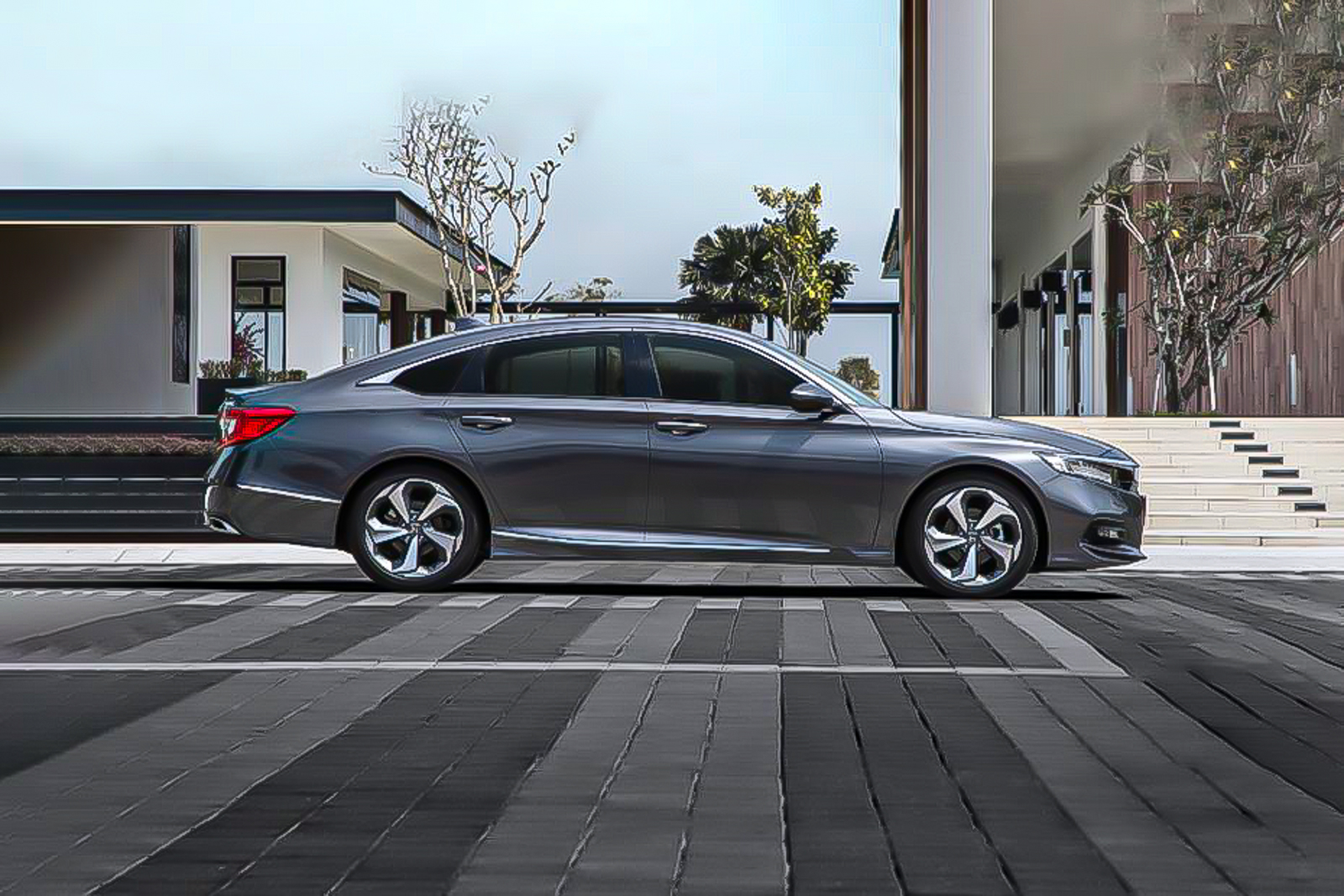
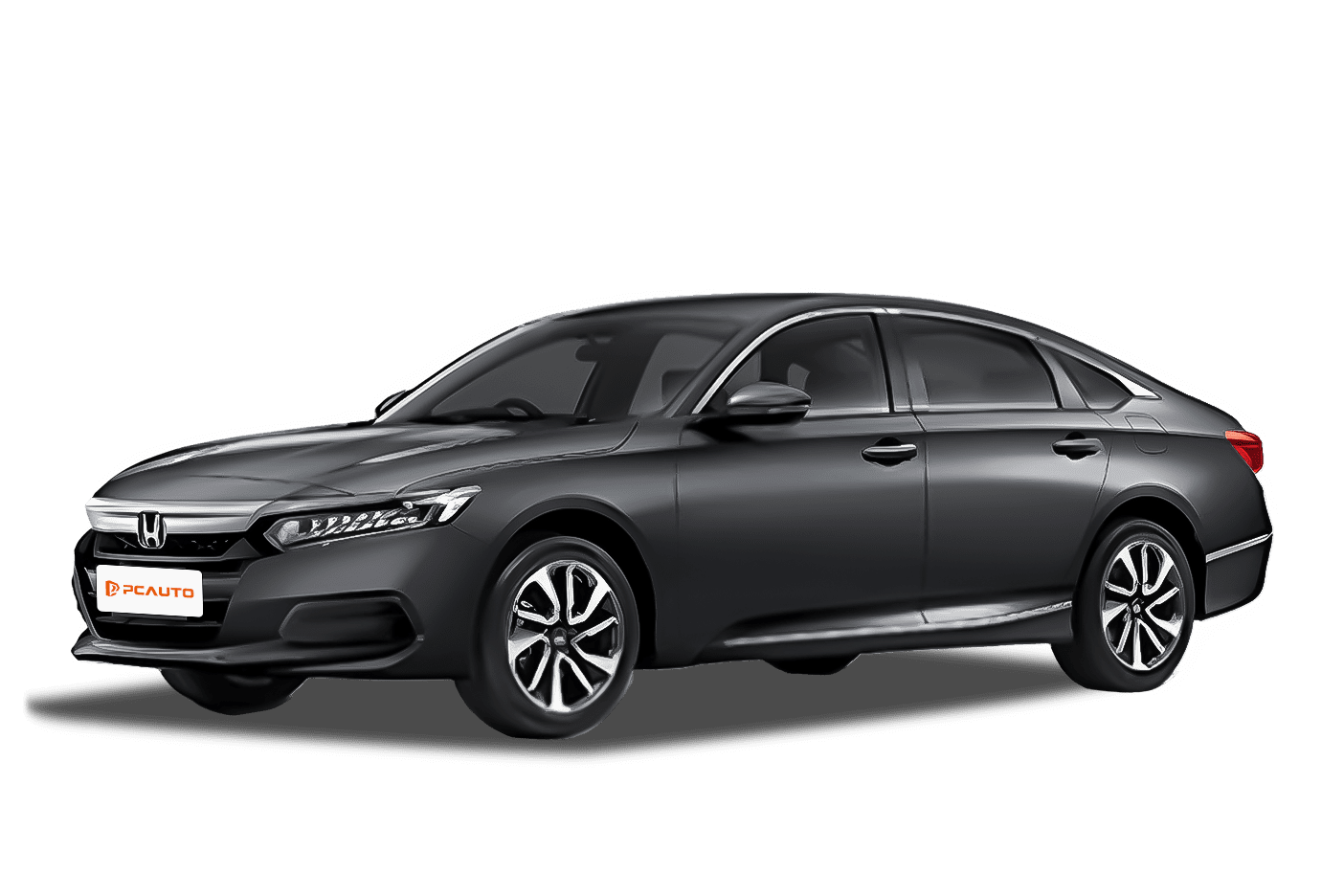
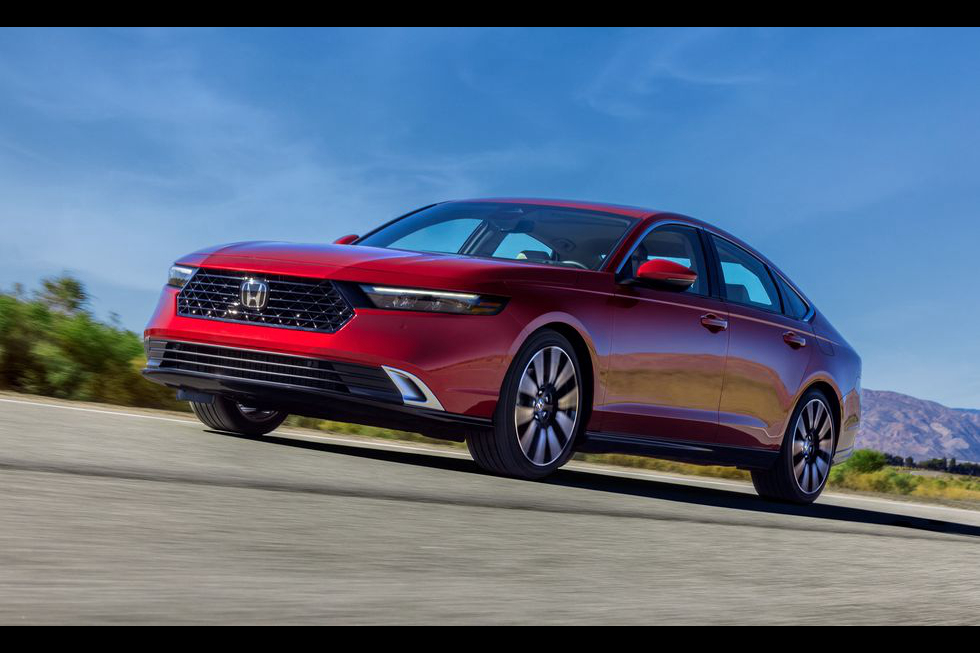
From the front, the design of the 2018 Accord looks much younger compared to the previous generation: a horizontal chrome grille paired with sharp LED daytime running lights gives it a simple yet recognizable styling. The side of the car adopts a fastback design, with a waistline extending from the front fender to the rear, making the body appear more elongated. The 17-inch wheels are proportionate to the body. At the rear, the LED tail lights showcase an early interpretation of the through-type design (the tail lights on both sides are connected by a chrome trim), and the rear bumper has a clean shape with no excessive decorative elements. In terms of lighting, the headlights feature a halogen + LED combination, but automatic headlights and front fog lights are standard, which is practical enough for daily use.
Sitting inside the car, the first impression is the orderly layout of the interior — the dashboard is designed with a layered structure, with the upper part wrapped in soft materials and the lower part made of hard plastics, though the workmanship feels solid, with uniform gaps. The 8-inch central touchscreen (not listed separately in the specification sheet but available as standard on the VTi-L) has a clear interface and supports Bluetooth connection and a reverse camera. The instrument panel features self-illuminated analog dials that provide clear information display, avoiding excessive digitization while being practical. There are many highlights in terms of features: the front seats support 8-way (driver) and 4-way (passenger) electric adjustments, dual-zone automatic air conditioning with rear vents, 220V power outlet, keyless entry/start, electrically folding side mirrors, and rain-sensing wipers are all standard. Overall, the configuration is in line with the expected level at this price point.
Space has always been an advantage of the Accord, with a wheelbase of 2775mm which ranks mid-to-high in the same class. For the front row, a 175cm tall occupant has a headroom of one fist and two fingers, with ample legroom; the rear row feels even more spacious, providing two fists of legroom for passengers of the same height, while headroom is one fist. Even with three people sitting in the rear, it doesn’t feel crowded. As for storage, the trunk has a capacity of 461L, and the rear seats support split-folding to create more cargo space. The door panel storage compartments and the central armrest box offer sufficient capacity for daily use, providing convenient locations for storing small items like phones and water bottles.
For the powertrain, the 2.0L naturally aspirated engine delivers a maximum power of 155PS/6500rpm and a maximum torque of 190N·m/4300rpm (note: the specification sheet does not list torque; the value here is based on standard figures for this engine), paired with a CVT transmission. During actual driving, the power output is smooth during start-up without the abruptness of turbocharged vehicles, making it suitable for daily commutes. During low- to mid-speed acceleration, the transmission's response is fairly responsive, and pressing the accelerator firmly reveals a linear power delivery. However, overtaking at high speeds (such as above 100km/h) feels slightly weak, requiring drivers to plan and reserve sufficient distance for acceleration. Two driving modes, Normal and Eco, are available. In Eco mode, the throttle response is milder, catering to users seeking fuel efficiency.
In terms of handling performance, the Accord's steering wheel offers moderate resistance with minimal play. It feels light during daily driving but becomes stable at high speeds, providing adequate confidence. The chassis uses front MacPherson struts and rear multi-link independent suspension tuned for comfort—when passing over speed bumps or uneven roads, the suspension effectively filters out most bumps without obvious stiffness. When cornering, body roll is kept within a reasonable range without a noticeable "boat-like" feeling, balancing the needs of family users for comfort and occasional driving pleasure. In terms of braking, the combination of front ventilated discs and rear ventilated discs delivers linear braking performance, with a clear feedback from the brake pedal, making it reassuring for daily use.
As for fuel consumption, the performance is average. Under mixed driving conditions, real-world fuel consumption is about 7.5-8.0L/100km, and on highways, it can drop to around 6.5L. For a mid-size car with a 2.0L engine, this is within an acceptable range. In terms of comfort, the cabin's noise insulation is quite good. At speeds below 60km/h, tire and wind noise are relatively minimal, while at higher speeds, wind noise increases slightly but does not hinder conversations. The seats are soft yet supportive, allowing for long periods of sitting without discomfort.
As a mid-to-high-end model of the 2018 range, the Accord 2.0 VTi-L's core strength lies in its "lack of shortcomings"—spacious interior, practical features, balanced driving dynamics, and Honda's reliable reputation in the Malaysian market. Compared with the Toyota Camry 2.0G in the same class, the Accord offers advantages in safety features (such as 6 airbags, a 360-degree panoramic camera) and some comfort features (such as electric seats and rain-sensing wipers) while being more economically priced (with a guide price of RM148,512 compared to the Camry 2.0G's RM159,900, offering better cost performance).
Overall, this car is suitable for family users who value "well-roundedness"—it's fuel-efficient and easy to drive for daily commutes, offers ample space and comfort for family outings on weekends, and doesn’t lose face in occasional business settings. If your requirement is "a mid-size family car that needs no compromise," then the 2018 Honda Accord 2.0 VTi-L is a worthwhile choice. It might not have standout features, but it also doesn’t have significant weaknesses. This "all-rounder" nature is precisely what enables it to maintain its competitiveness in the D-segment market.
Honda Accord Car Compare
Honda Accord Loan Calculator
Cars With Similar Price And Features
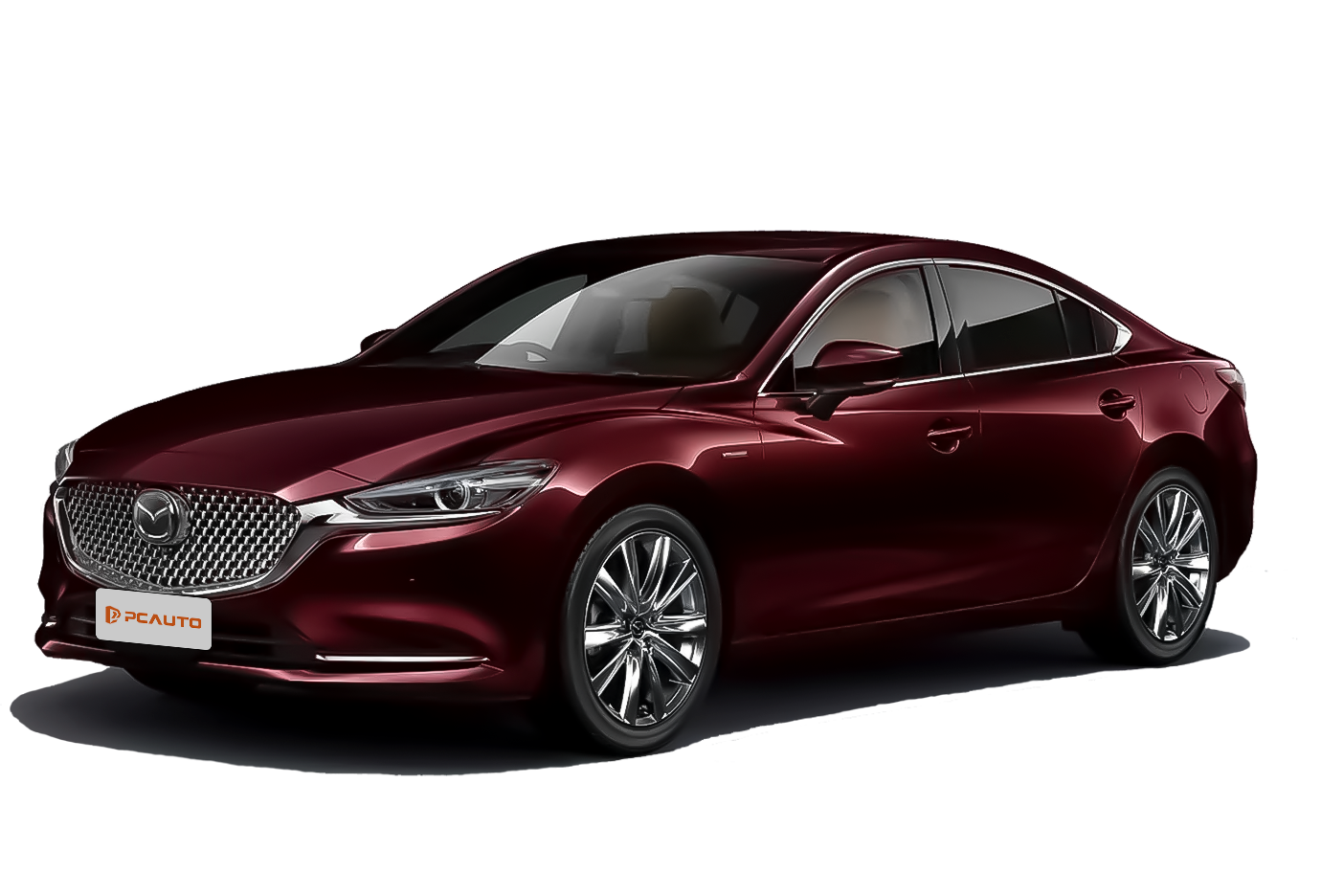
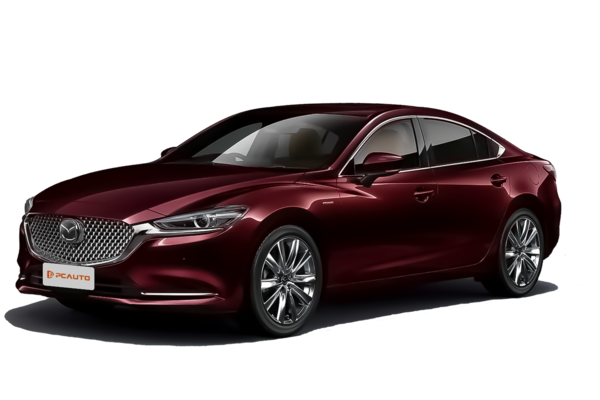
2023 Mazda 6 Sedan 2.0 SkyActiv-G meets the rational needs of family users for joint-venture quality, comfortable configurations, and fuel economy with its KODO design, practical space, and balanced driving control.

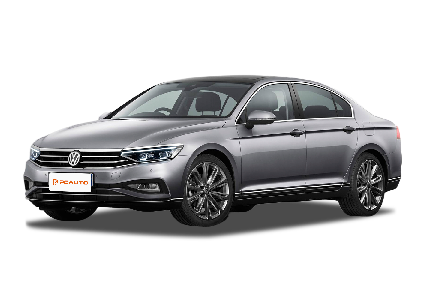
2022 Volkswagen Passat 2.0 TSI R-Line combines business elegance with sporty personality, featuring 220PS power, 14-way massage seats, and Harman Kardon audio system to meet the diverse needs of families and young professionals.
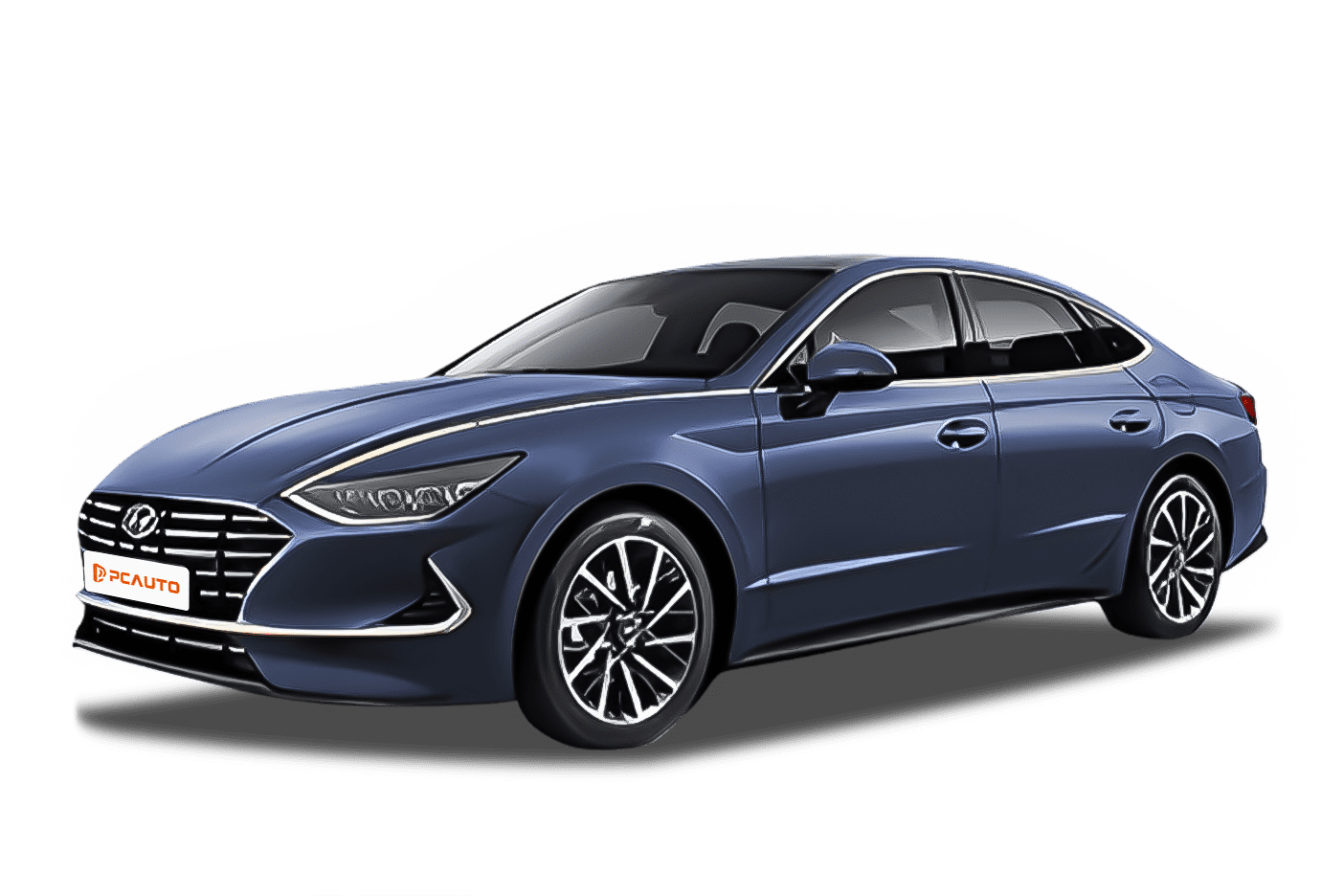
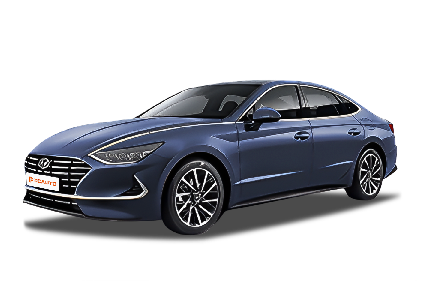
2024 Hyundai Sonata public is positioned as a D-Segment family and business sedan, combining dynamic design, practical configurations, and spacious space, balancing power and fuel consumption, safe and reliable.
23
Rank in Sedan
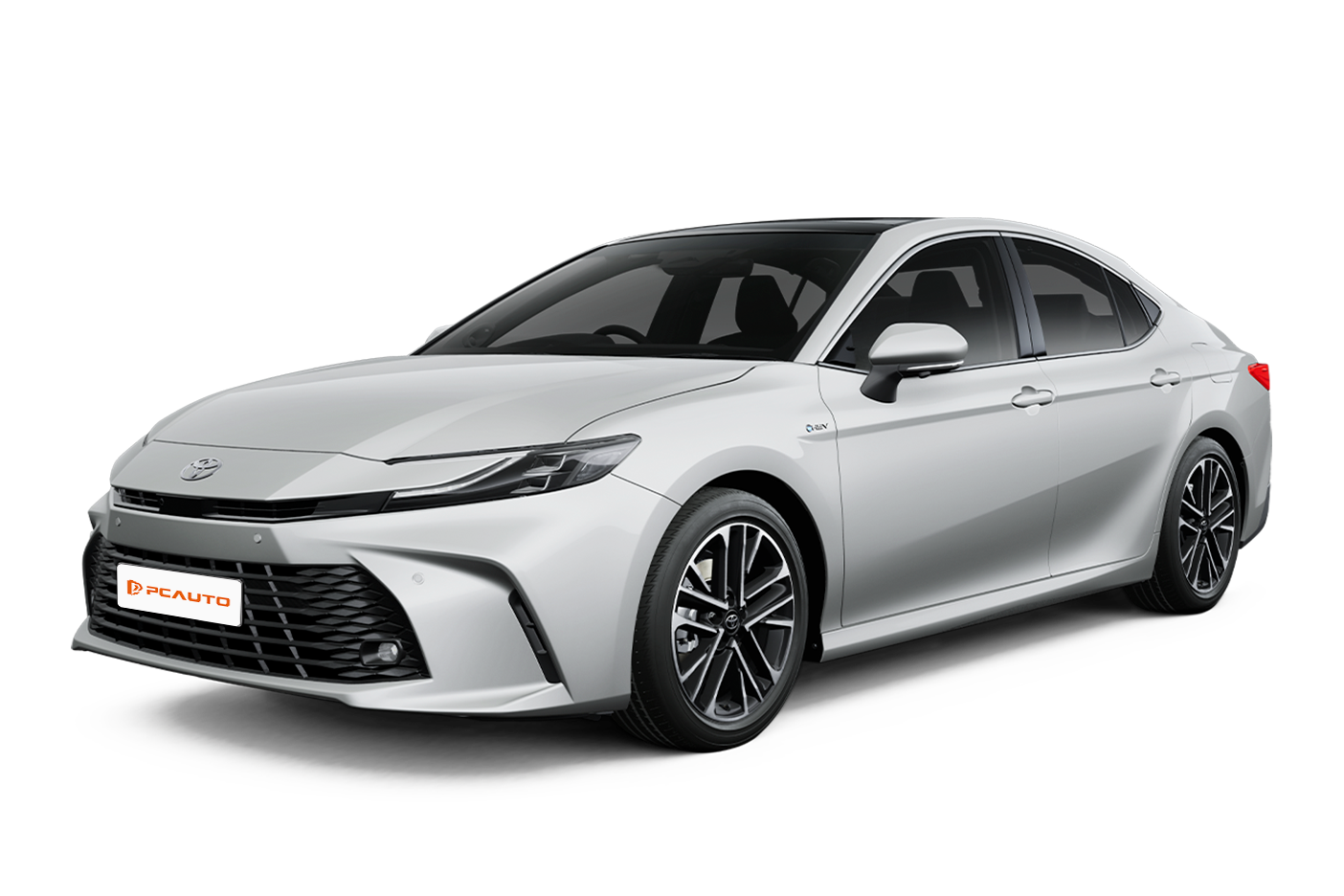
2025 Toyota Camry 2.5 V features an extended body, upgraded large-screen interior to enhance household comfort, 2.5L+8AT smooth power with more comprehensive intelligent driving, precisely meeting the reliable household needs of the D-segment.