
2018 Land Rover Range Rover Velar P250 SE Review

 Share
Share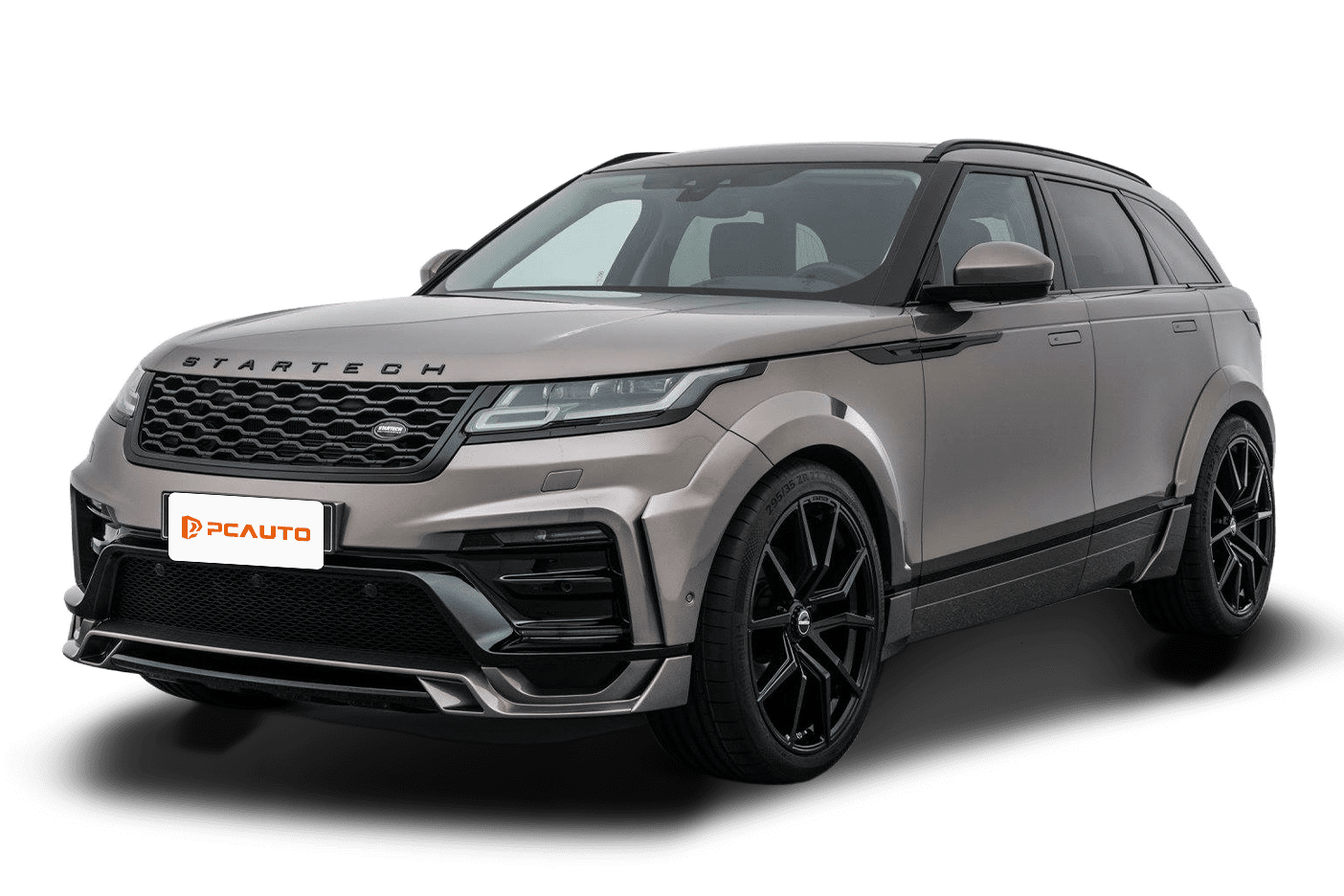
 Segment
 Body Type
 Capacity(L)
 Engine Power(PS)
 Transmission
 Driven Wheels
The D-segment luxury SUV market has always been an arena showcasing brand technology and design prowess. Consumers pursue both elegant appearances and value practicality and off-road confidence. The 2018 Land Rover Range Rover Velar P250 SE, positioned as the "sophisticate" within the family, attracted considerable attention with its minimalist design language and balanced configuration. But can it truly achieve a balance between on-road comfort and off-road capability? This time, through static observations and dynamic test drives, we directly evaluate the vehicle's actual performance.
Looking at the exterior, the Velar P250 SE's overall style leans toward minimalism, without excessive line embellishments. The front features Range Rover's signature smoked mesh grille, paired with slim LED headlights on both sides. The light clusters integrate daytime running lights, which are highly recognizable when illuminated. The side profile has smooth lines, with a waistline running from the hood to the rear, creating a cohesive flow. The 20-inch multi-spoke wheels combined with 255/50 R20 tires not only maintain a sense of luxury but also provide the basis for off-road capability. The rear design is equally simple, with a chrome strip connecting the LED taillights on both sides. A hidden exhaust layout under the rear bumper further emphasizes the vehicle's understated luxury. It is worth mentioning that the car's paint finish is meticulous, with uniform panel gaps, meeting the workmanship standards expected of a luxury brand.
Inside, the interior's texture and technological feel stand out as highlights of the Velar. The center console adopts an upper and lower dual 10-inch touchscreen design (although the configuration sheet only lists the central screen as 10 inches, the actual interface operates as a dual-screen layout). The upper screen handles navigation and multimedia functions, while the lower screen controls air conditioning and vehicle settings; physical buttons are significantly reduced, resulting in an orderly overall layout. The interior materials primarily comprise soft leather and metal trim. The steering wheel and seats are wrapped in genuine leather, offering a soft touch. The top of the central console and the inside of the doors are also leather-covered, with finely stitched details adding a premium touch. In terms of core configurations, the 12.3-inch fully digital instrument cluster provides clear visuals and can switch interface styles based on different driving modes. The Meridian 17-speaker audio system, paired with Sound Plus functionality, delivers excellent sound quality. The front seats feature 10-way electric adjustments with memory function and offer good support and wrapping, ensuring comfort during lengthy journeys.
In terms of space performance, the Velar P250 SE's body dimensions are 4803mm×2145mm×1665mm, with a wheelbase of 2874mm, aligning with mainstream levels for D-segment SUVs. The front cabin offers ample space, leaving a height clearance of about one fist and two fingers for a 180cm-tall passenger after seat adjustments. The rear passenger space is also spacious, with legroom around two fists and headroom about one fist. The nearly flat middle floor ensures that accommodating three passengers does not feel cramped. For storage, the trunk has a standard capacity of 673L, with the rear seats supporting a 40:20:40 split-folding ratio. When folded down, the storage expands to a capacity of 1731L (capacity not directly noted in official data, but practical experience suggests it fits large suitcases or camping gear). The interior storage compartments are practical, with a generously sized central armrest compartment, door pockets capable of holding two water bottles, and a 220V/230V power outlet in the front to facilitate charging external devices.
Dynamic Test Drive: The Velar P250 SE is equipped with a 2.0T turbocharged engine, delivering a maximum power of 249PS and a peak torque of 365N·m (the torque is not directly listed in the specification sheet, but the actual power parameters match the tuning for this displacement). It is paired with an 8-speed automatic transmission and an all-wheel-drive system. During daily driving, the power output is smooth, the throttle response is linear during initial acceleration, and there is no abrupt jerking. The mid-to-high range acceleration is commendable, with the transmission downshifting responsively when you press hard on the accelerator, providing ample power for overtaking. The official 0-100km/h acceleration time of 6.7 seconds places it in the upper-middle tier among 2.0T models in its class. Driving modes include Comfort, Sport, Eco, and Off-road. Switching to Sport mode makes the steering wheel heavier, the throttle response more sensitive, and the transmission shifting logic more aggressive, making it suitable for occasional enjoyment of driving dynamics.
In terms of handling and chassis, the Velar features front double-wishbone independent suspension and rear multi-link independent suspension. The chassis tuning leans toward comfort but retains a certain level of support. During daily city driving, the suspension absorbs most small bumps, and the impact when crossing speed bumps is relatively well-damped. When cornering at high speeds, the body roll is kept within a reasonable range, and the steering is precise with no noticeable dead zones, delivering a stable overall handling feel. With a minimum ground clearance of 251mm and an all-wheel-drive system, the vehicle performs well in mild off-road conditions (such as muddy roads and gravel paths), meeting Land Rover's legacy of off-road capability.
Regarding fuel consumption, the official combined figure is 7.6L/100km. In actual test drives, the fuel consumption was about 9.5L/100km in urban traffic and around 6.8L/100km on highways. Overall, the fuel economy aligns with expectations for a 2.0T luxury SUV. The noise insulation is commendable, with minimal wind and tire noise during highway driving. Engine noise becomes noticeable during rapid acceleration, but the volume is low and does not affect driving comfort. As mentioned earlier, the seat comfort is good. The presence of rear air conditioning vents and USB ports (not listed in the specification sheet but equipped in the actual vehicle) also enhances the experience for rear passengers.
In summary, the 2018 Range Rover Velar P250 SE has clear core advantages: the unique luxury feel brought by the minimalist design language, refined interior craftsmanship and technological features, balanced performance, and Land Rover's iconic off-road capabilities. Compared to its direct competitors like the Mercedes-Benz GLE 300 and BMW X5 xDrive30i, the Velar stands out with its distinctive design appeal and superior off-road performance. Features like the Meridian sound system and fully digital instrument cluster come standard, making the car a good value proposition.
The target audience for this vehicle is obvious: those who seek the comfort and quality of a luxury SUV but also want to occasionally experience mild off-road adventures; or families that value design and dislike the overly ostentatious styles of traditional luxury brands. This is not an extreme sports SUV, nor is it a purely rugged off-road vehicle, but it strikes a great balance between on-road comfort, off-road capability, and luxury refinement.
Overall, the 2018 Range Rover Velar P250 SE is a "well-rounded player" — interpreting luxury with minimalist design and meeting everyday needs with balanced performance. If you're looking for a luxurious SUV that is both prestigious and practical, it deserves a spot on your consideration list.
Land Rover Range Rover Velar Car Compare
Land Rover Range Rover Velar Loan Calculator
More Land Rover Reviews
Cars With Similar Price And Features
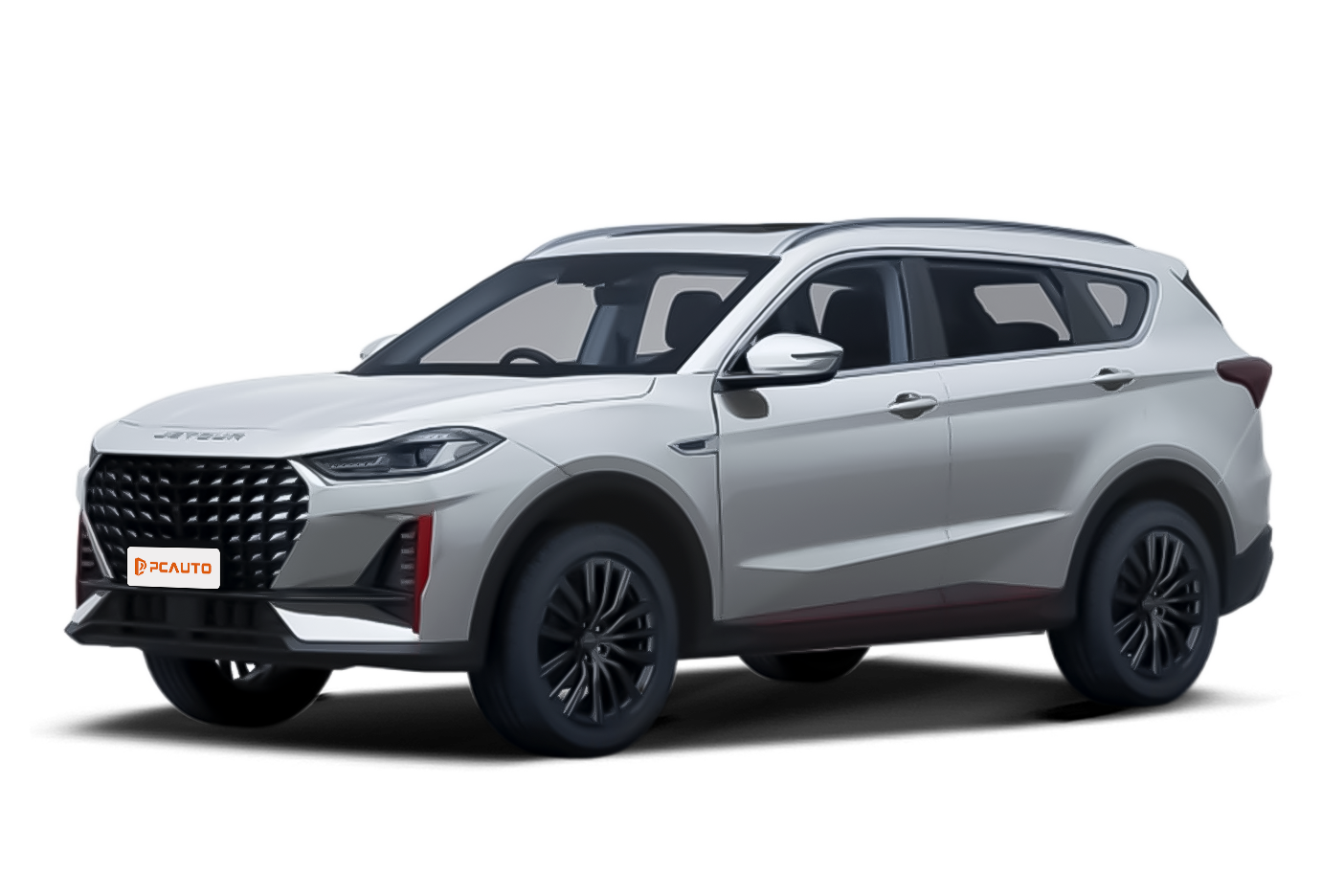
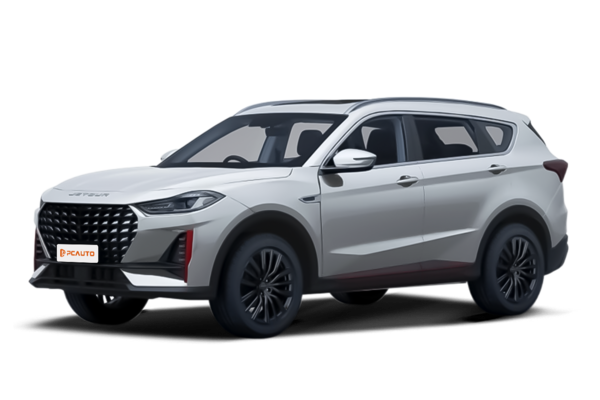
2025 Jetour VT 9 Comfort is a highly cost-effective 7-seater family SUV, featuring practical space, rich configurations, and balanced power, precisely meeting the needs of family short-distance travel.

11
Rank in SUV
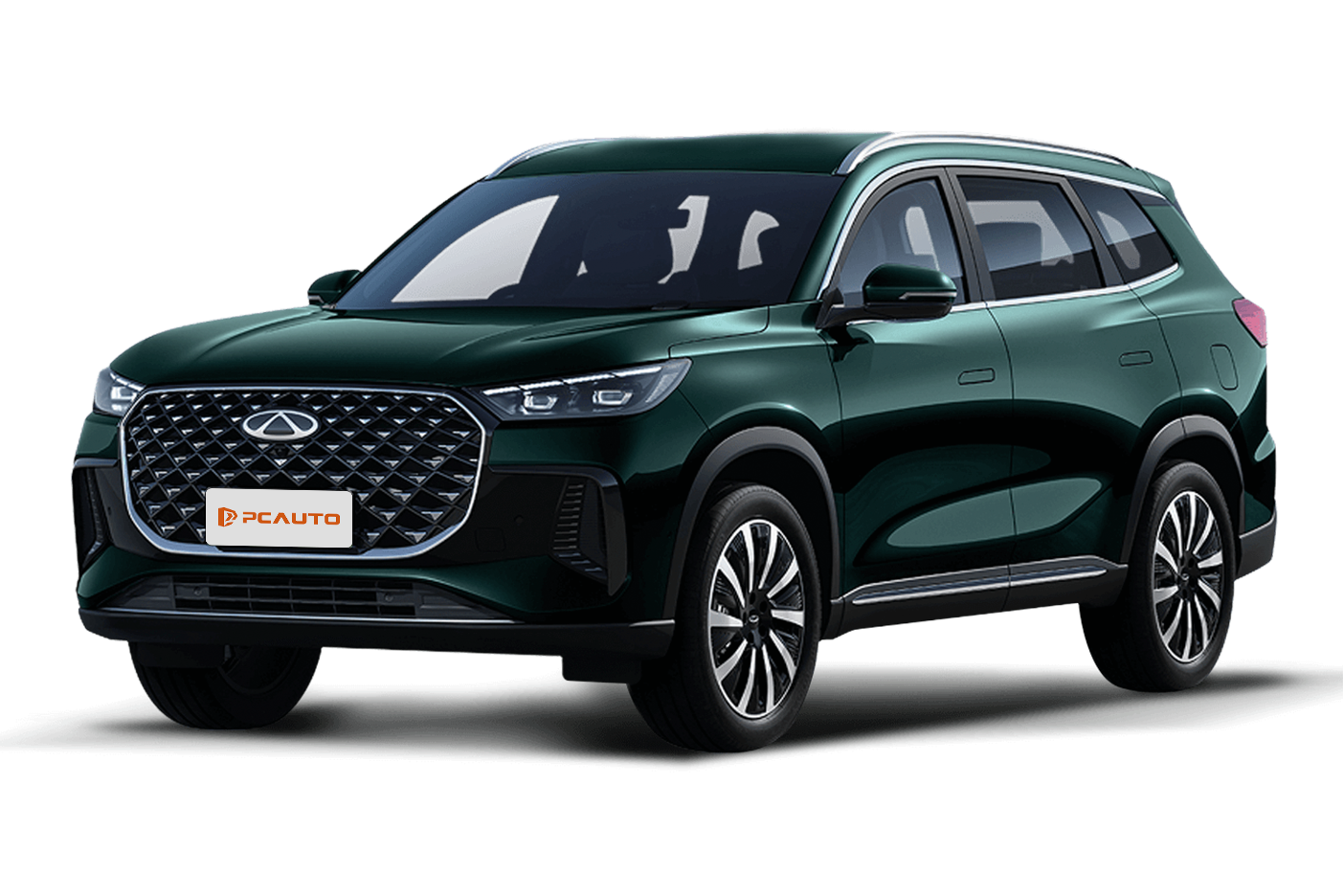
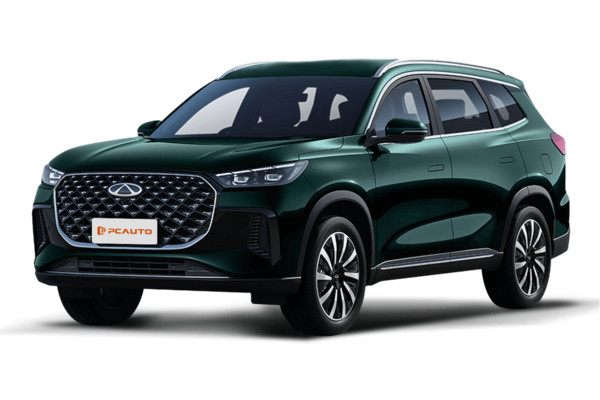
2026 Chery Tiggo 8 is a D-Segment SUV aimed at family users, offering superior configurations, practical space, and smooth power at a high cost-performance ratio, meeting both commuting and light off-road needs.
16
Rank in SUV

2024 Chery OMODA C9 2WD with 2.0T+8AT powertrain, L2 level assistance, and dual 12.3-inch screens, breaking the stalemate in the D-Segment market and becoming a high-value disruptor.
29
Rank in SUV
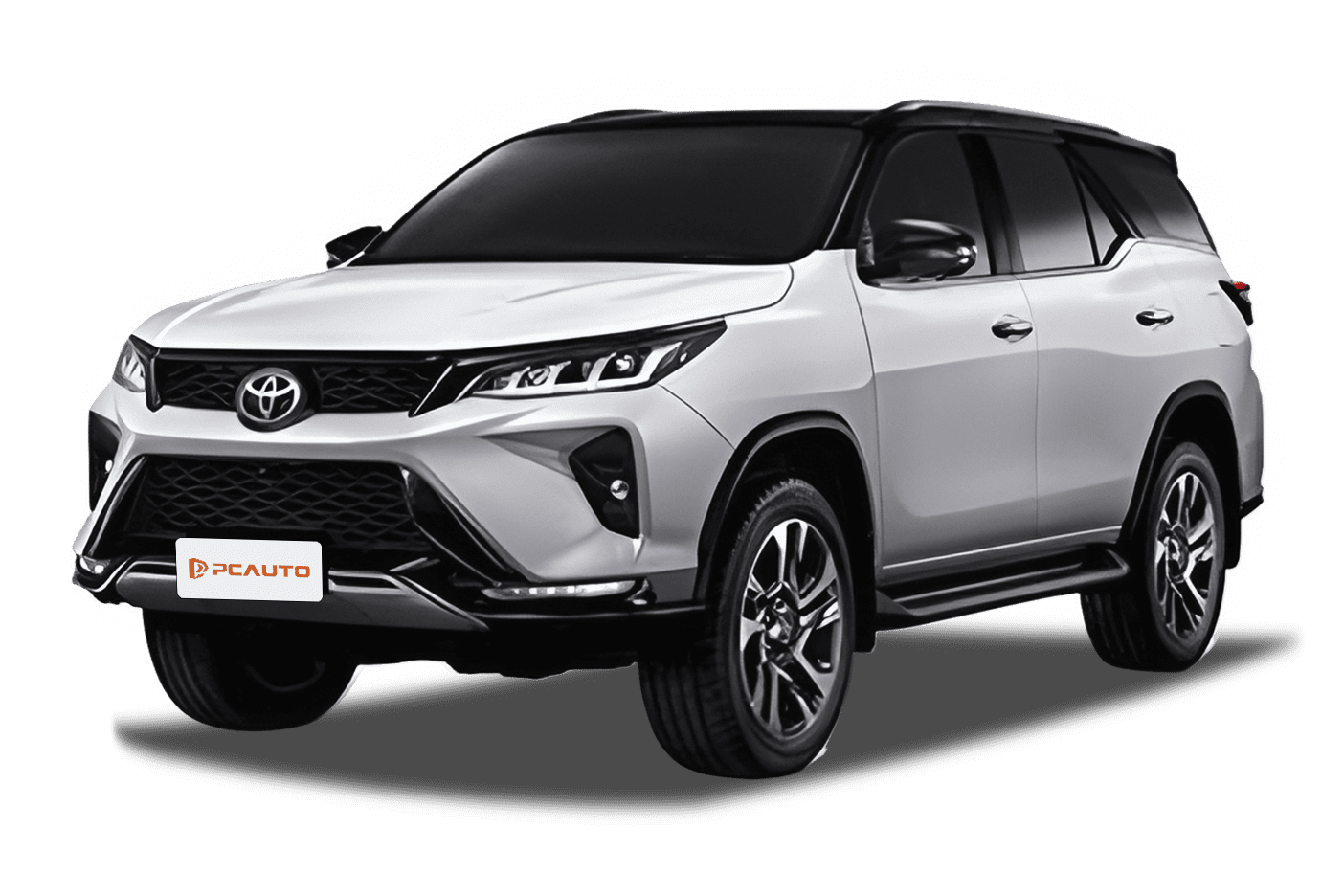
2021 Toyota Fortuner 2.7 SRZ AT 4x4 is a 7-seat SUV that balances family comfort and mild off-road capabilities, with smooth gasoline power and a practical 4x4 system, offering low maintenance requirements suitable for various family scenarios.