

2018 Maserati Quattroporte Diesel Review

 Share
Share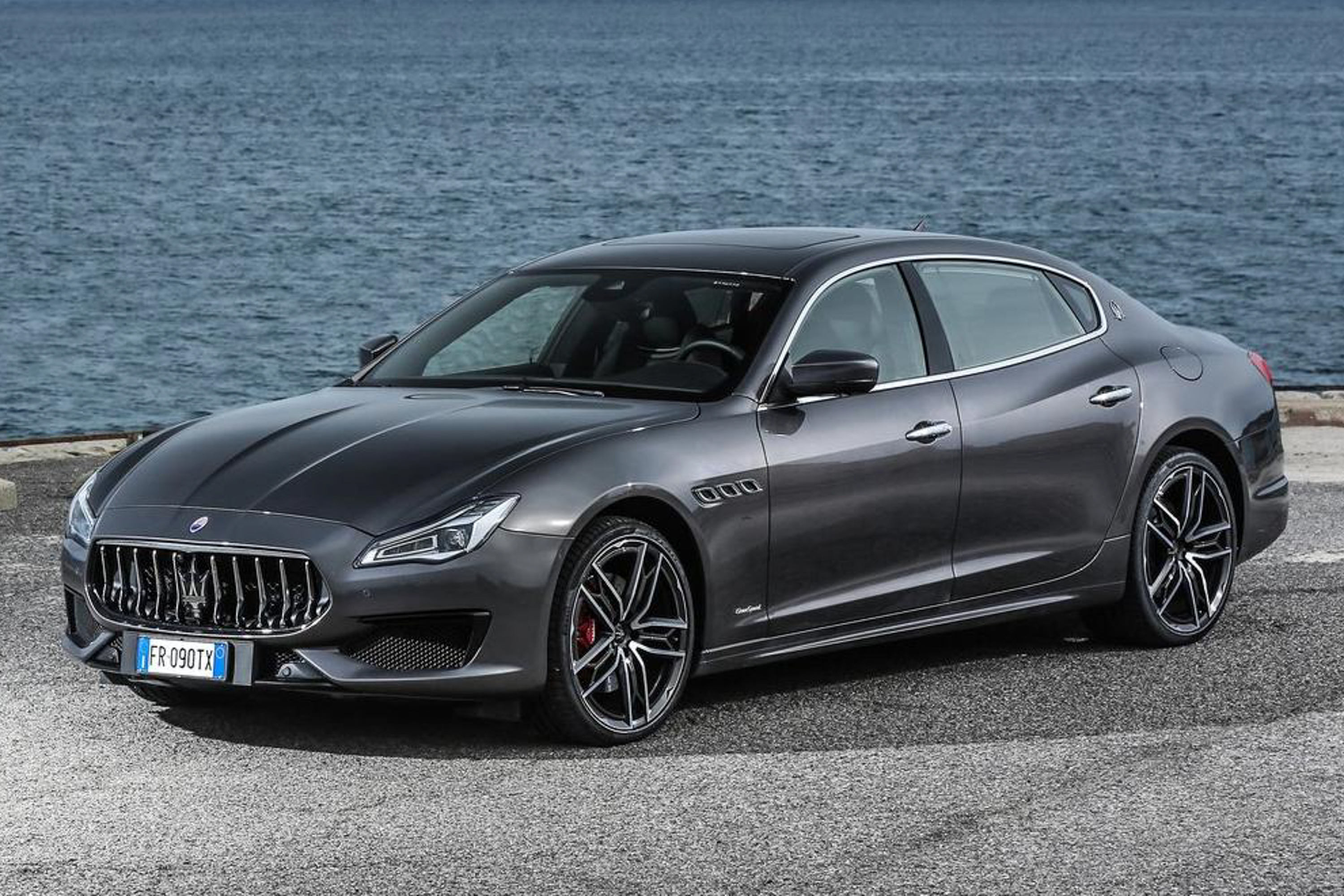
 Segment
 Body Type
 Capacity(L)
 Engine Power(PS)
 Engine Torque(Nm)
 Transmission
Malaysia's luxury sedan market has long been dominated by German brands, but the allure of the trident emblem has never waned—especially for buyers who desire Italian design DNA while placing importance on everyday practicality. The 2018 Maserati Quattroporte Diesel positions "luxury + efficiency" as its core selling points, balancing performance and fuel economy with its 3.0T diesel engine, while maintaining the essence of an Italian flagship. We got our hands on the actual car to focus on testing its daily driving experience and evaluating the suitability of diesel power in a luxury sedan.
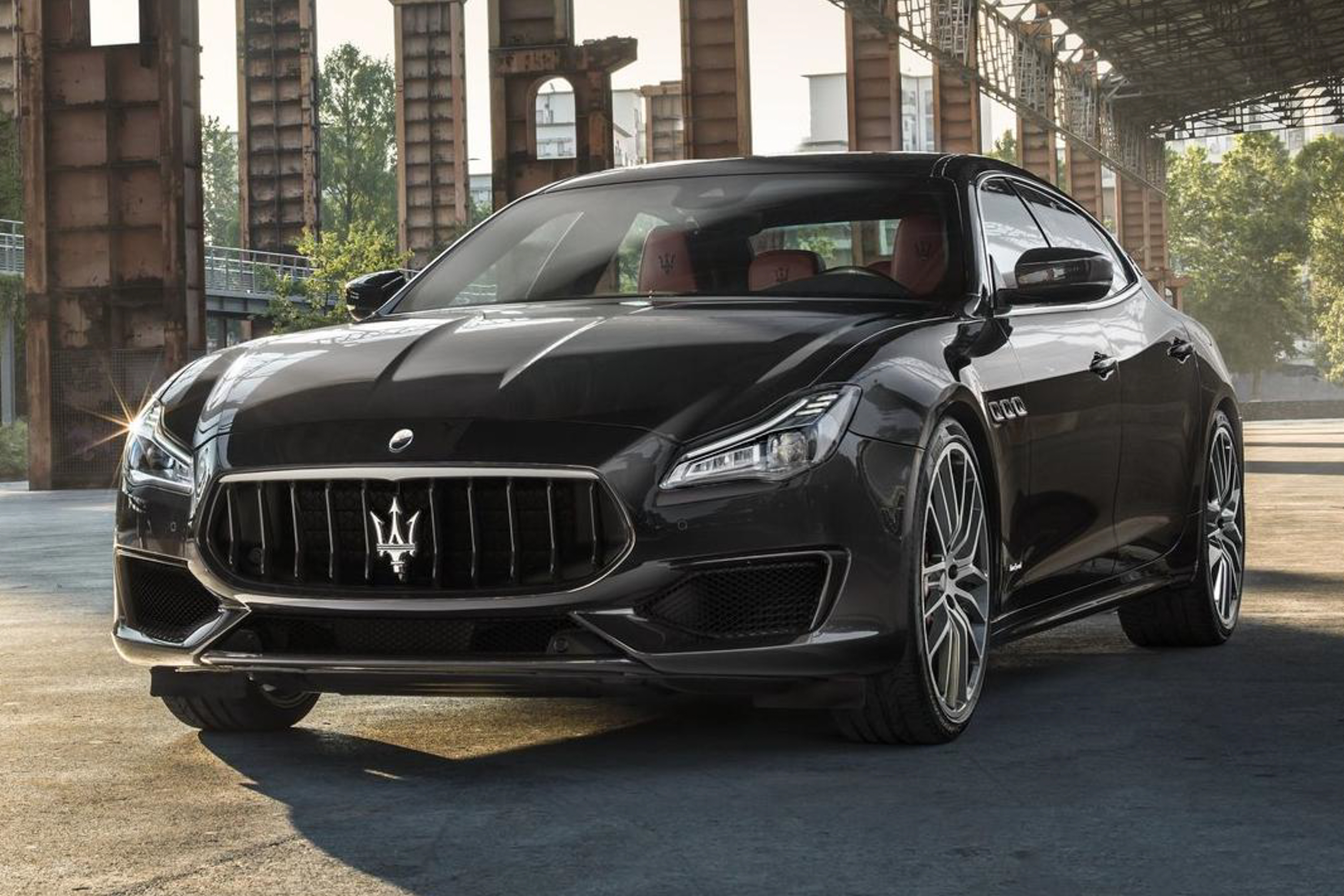
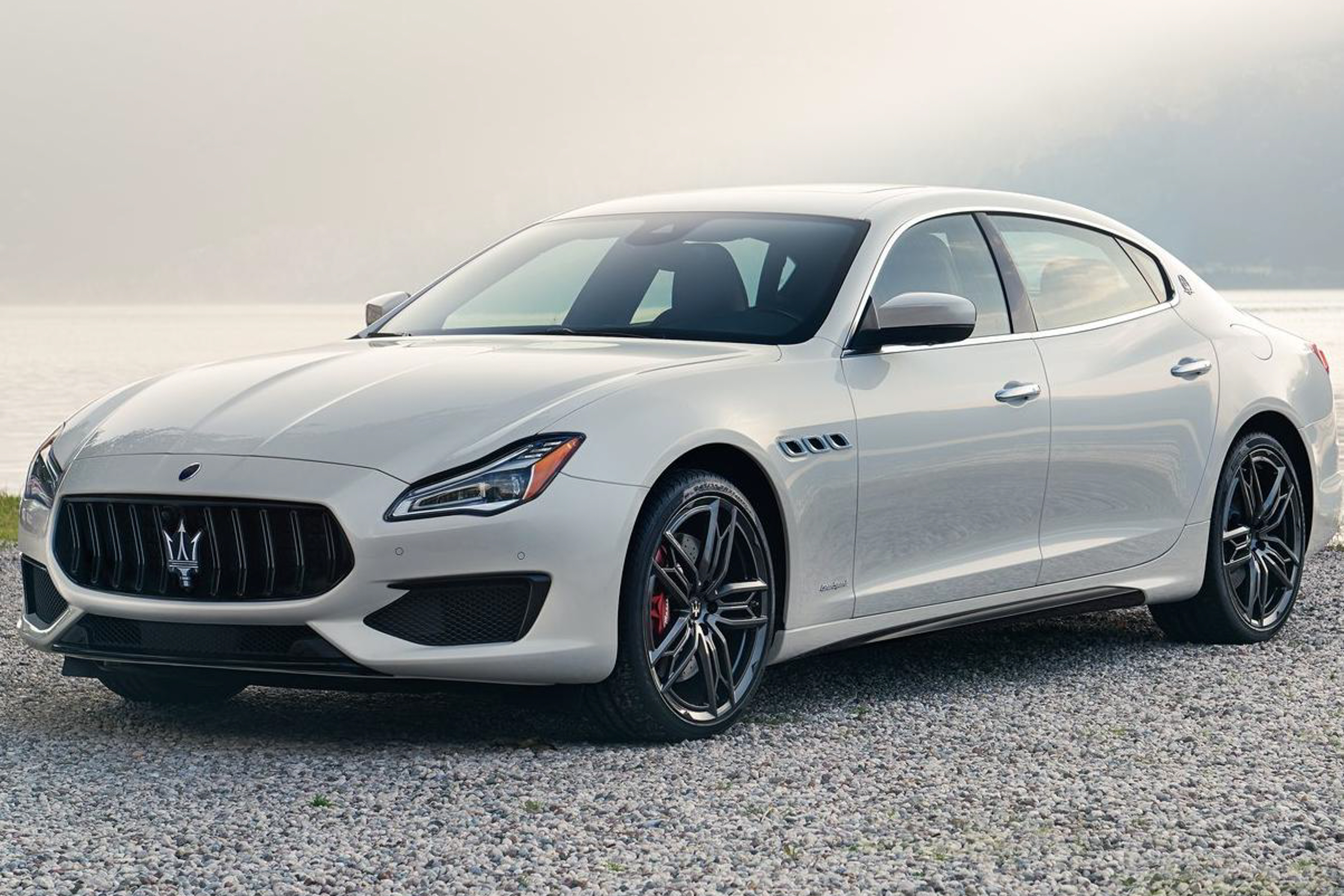
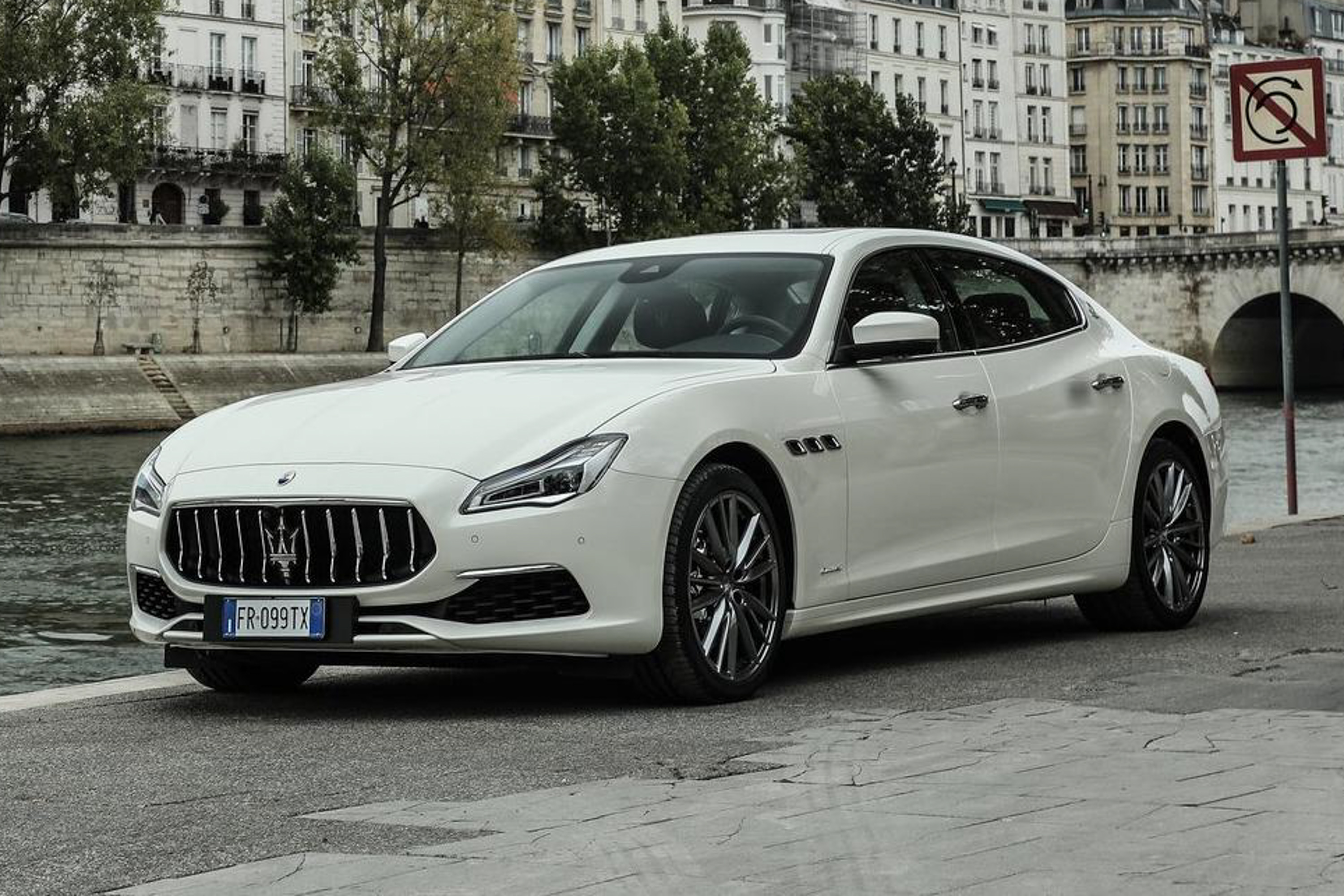
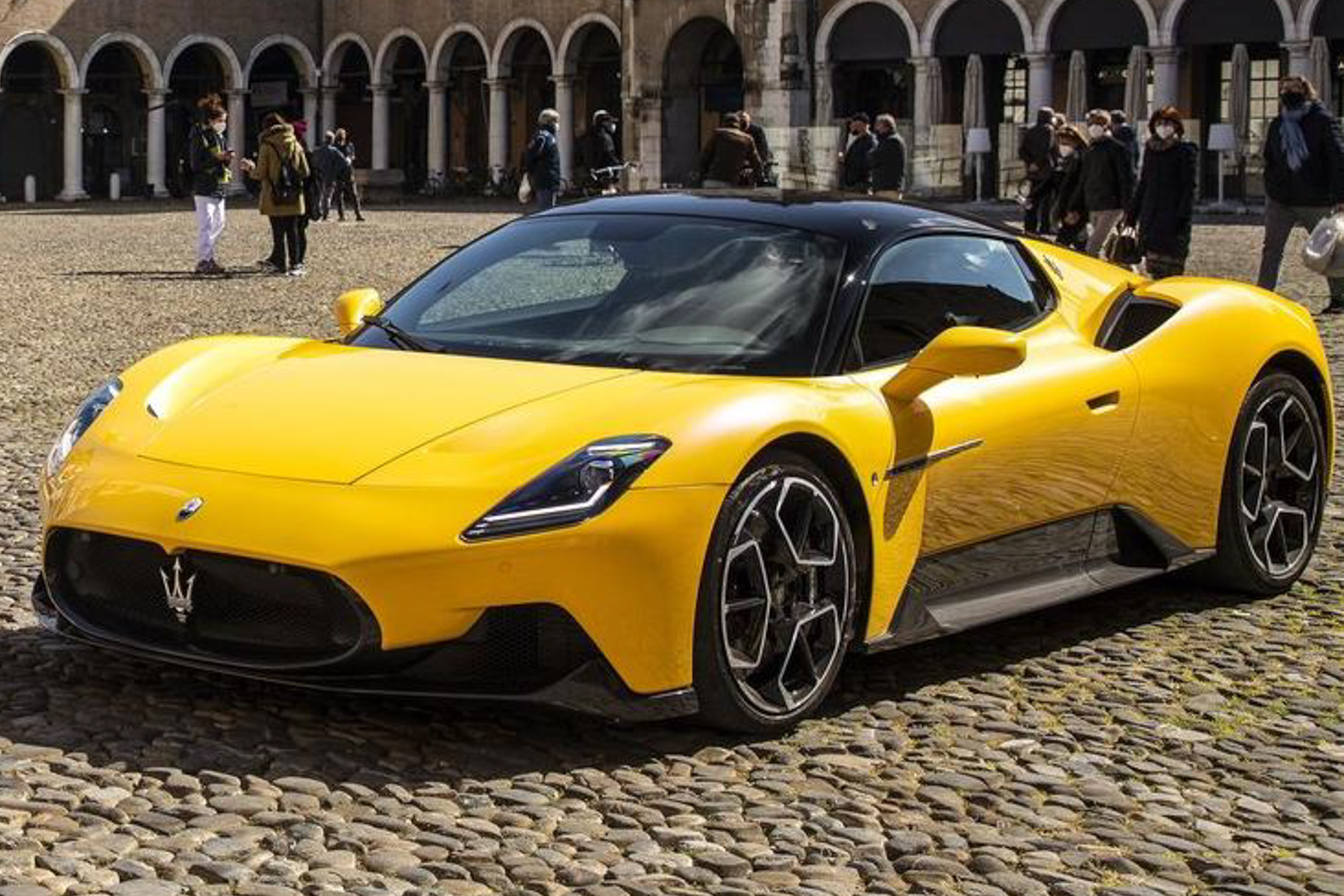
From a distance, the silhouette of the 2018 Quattroporte Diesel retains the classic flagship sports sedan proportions: a long hood, a short front overhang, and body lines running seamlessly from the fender to the rear, giving it a low-slung and sleek stance. The front features a large vertical-slat grille coupled with the trident emblem, ensuring high recognition; the irregularly shaped LED headlights have a clear lens structure inside, with focused illumination when lit. The side of the body is adorned with Maserati's signature "shark gill" air vents, paired with 19-inch multi-spoke alloy wheels. The overall look is not overly ostentatious but sufficiently refined. The rear features dual round exhaust tips integrated into a layout that matches the car's style, while dotted LED taillights enhance its nighttime distinctiveness. However, the rear diffuser design is relatively understated, without overemphasizing the sporty aspect.
Sitting inside, the first impression is one of Italian luxury, thanks to the materials used—the top of the dashboard is covered in soft-touch leather, while the inner door panels and seats are wrapped in Nappa leather with a delicate texture. Matte-finished wooden trim eliminates glare while enhancing interior sophistication. The center console layout is driver-centric, with an 8.4-inch touchscreen serving as the core interactive area. The interface is logically designed and supports Apple CarPlay and Android Auto, but the system's response speed is average and doesn't have an advantage compared to German competitors. The instrument cluster maintains a traditional mechanical needle design, with a 7-inch color display in the middle showing information like fuel consumption and speed, which is easy to read. In terms of features, the front seats offer 12-way power adjustment with heating functions, and the driver’s seat comes with a memory mode. The rear seats are equipped with independent air conditioning vents and two USB charging ports, but lack heating or ventilation functions, which is somewhat disappointing for a car at this price point.
Regarding body dimensions, the 2018 Quattroporte Diesel measures 5262mm/1948mm/1481mm in length, width, and height, with a wheelbase of 3171mm, putting it directly in competition with long-wheelbase luxury sedans. In terms of actual seating experience, a passenger measuring 180cm sitting in the front finds about a fist of headroom; rear legroom exceeds two fists, with about four fingers of headroom, ensuring comfort even during long-duration rides. For storage space, the front center armrest provides ample capacity, accommodating two phones and a wallet, while the door panel storage slots can hold bottle water and folders. The trunk has a standard capacity of 530L with a neat opening, allowing it to fit three 20-inch suitcases without issues. However, the rear seats do not fold down, which limits expandability.
Powertrain-wise, this car is equipped with a 3.0T V6 diesel engine, delivering a maximum horsepower of 275PS and peak torque of 600N·m, paired with an 8-speed automatic transmission. During daily driving, the engine can reach its maximum torque output at just 1500rpm, offering immediate power response during start-up, ensuring no lag even while following traffic in congested areas. Switching to Sport mode alters the transmission's shift logic, making it more aggressive, with faster downshifts and heightened throttle sensitivity. When accelerating for overtaking by pressing the accelerator pedal deeply, a noticeable push-back sensation can be felt. However, the diesel engine noise becomes more pronounced at high RPMs, with more sound transmitted into the cabin compared to the gasoline version. The chassis features a front double-wishbone and rear multi-link independent suspension structure, which is tuned for comfort while retaining a certain level of support — it filters out most fine vibrations when passing over speed bumps or uneven roads, although rear-seat passengers might experience slight residual vibrations. In corners, the body roll is kept within a reasonable range, and the steering is precise with minimal play, inspiring sufficient driving confidence.
For specialized tests, we evaluated the fuel consumption performance under mixed driving conditions (city congestion + highway cruising): the fuel consumption in city driving is approximately 10.2L/100km, while on highways it is about 7.8L/100km. The overall fuel consumption is 9.0L/100km, slightly lower than the official figure of 9.6L/100km, highlighting the fuel economy advantage of diesel engines. In braking performance tests, the braking distance from 100km/h to 0 was about 38 meters, which is an average level in its class, and the brake pedal provides a linear feel with no play. In terms of noise control, wind and tire noise are well-managed during highway cruising (120km/h), but low-frequency noise from the diesel engine can still be heard in the cabin, creating a noticeable difference compared to the gasoline version. The seat comfort is commendable, with adequate side support, ensuring that the lower back doesn’t feel fatigued even during long drives. However, the rear seat cushioning is somewhat firm, making long-distance seating comfort less than ideal.
In summary, the core advantages of the 2018 Maserati Quattroporte Diesel are its low fuel consumption performance, class-leading rear space, and the luxurious Italian interior design aesthetics. Compared to the BMW 7 Series diesel version in the same class, its price is lower by about 100,000 RM. While it does not offer as many features as the latter, its brand appeal is more unique. Compared to the Mercedes-Benz S-Class diesel version, it offers better handling, though the comfort-related features are slightly lacking. This car is better suited for users who value fuel economy and a distinctive brand identity—for example, business people who frequently travel long distances or families who appreciate Italian design but do not prioritize cutting-edge technology features. If you are looking for a flagship sedan that combines luxury and practicality but stands out from the homogeneity of German brands, the Quattroporte Diesel could be a worthwhile choice.
Maserati Quattroporte Car Compare

Maserati Quattroporte Loan Calculator
More Maserati Reviews
Cars With Similar Price And Features

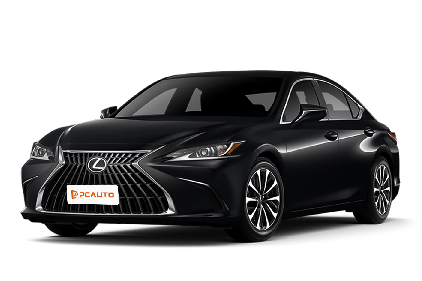
2024 Lexus ES as a practical choice in the luxury mid-size sedan market, with a balanced and comfortable driving experience, rich safety features, and a reliable brand reputation, precisely catering to the needs of family users and young elites.
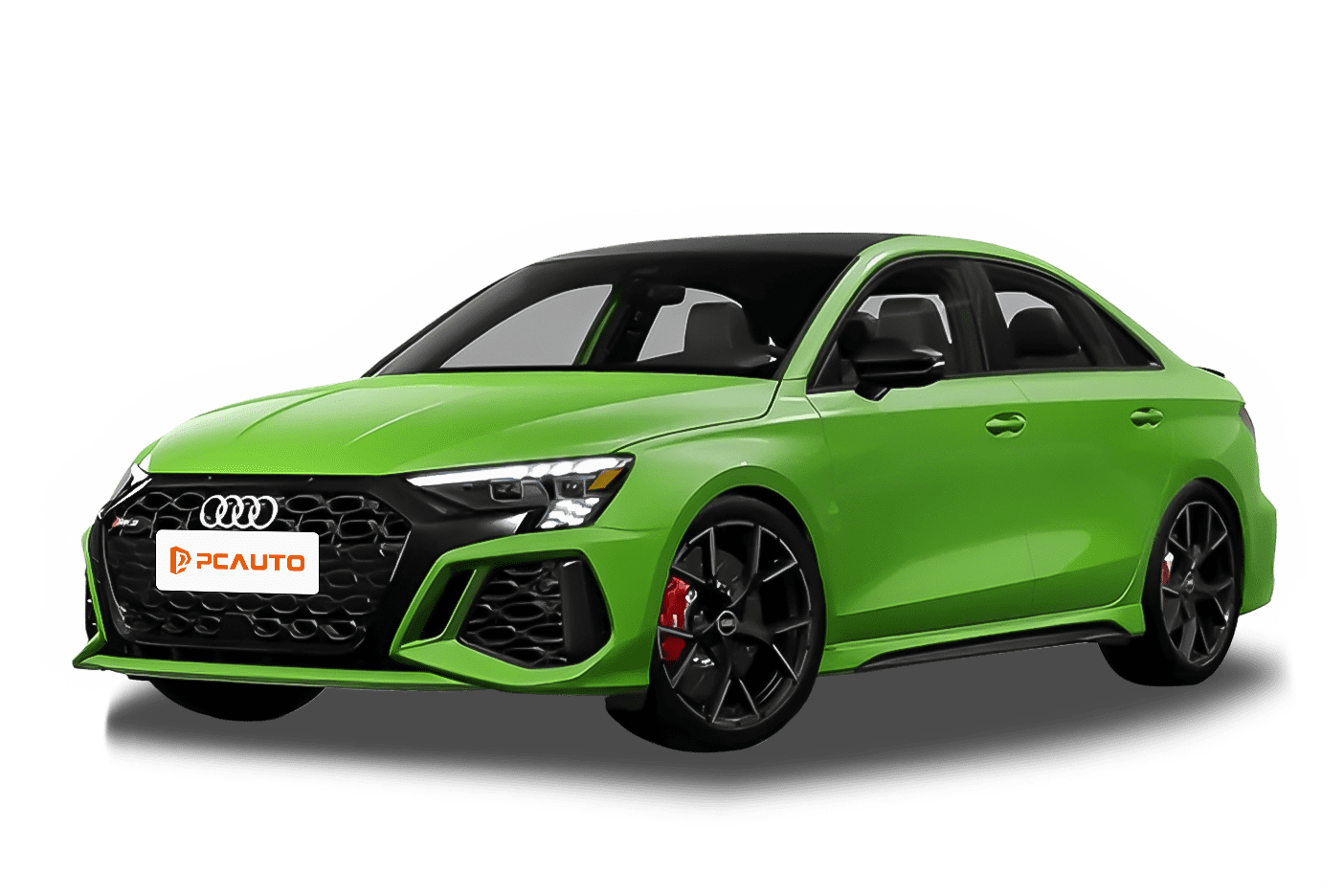
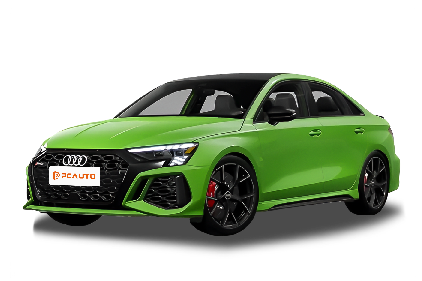
Audi RS3 Sportback is a luxurious and compact "pocket rocket" that balances 400PS five-cylinder performance, Quattro control, and practicality for family use, with a sporty design and a full sense of technology.

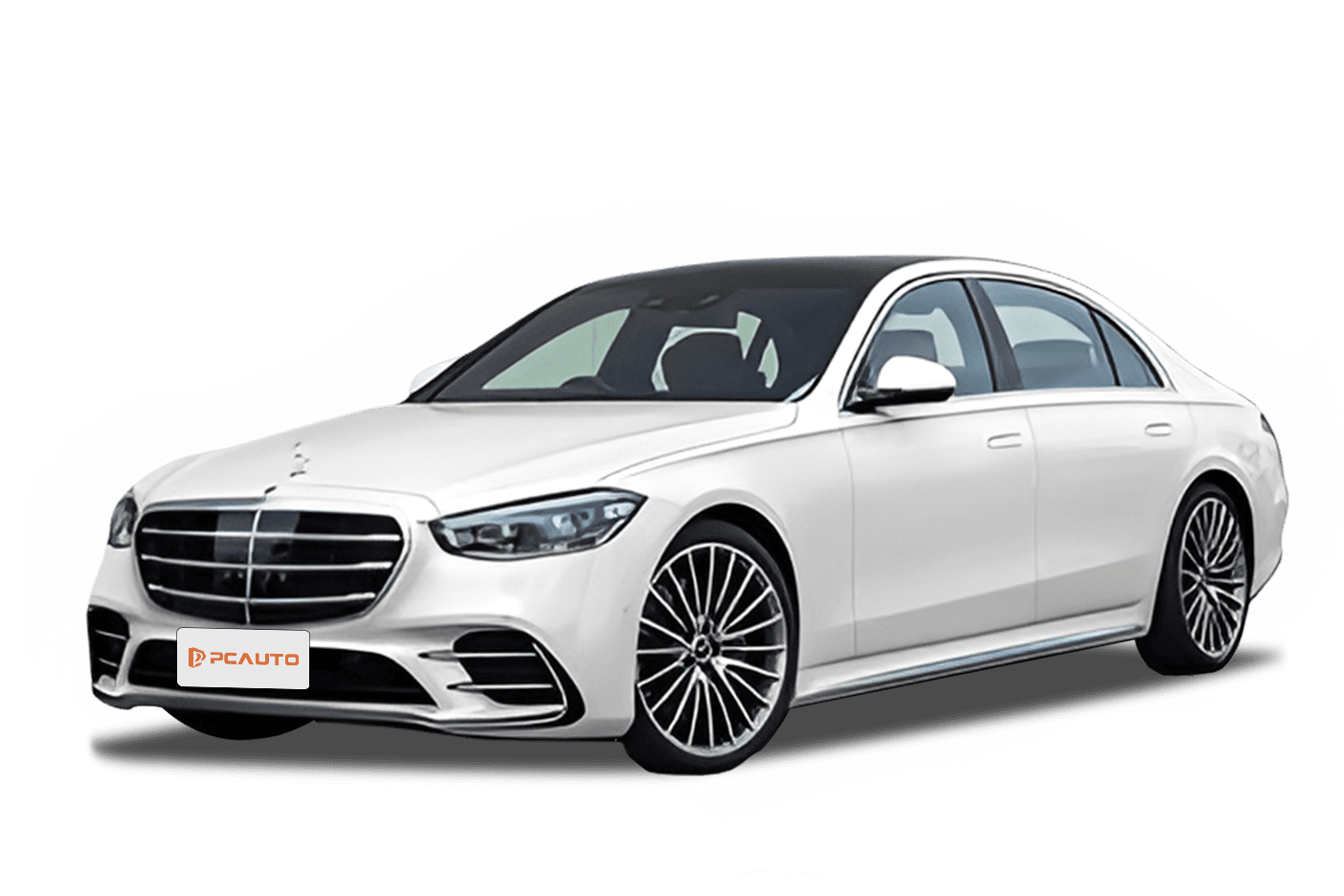
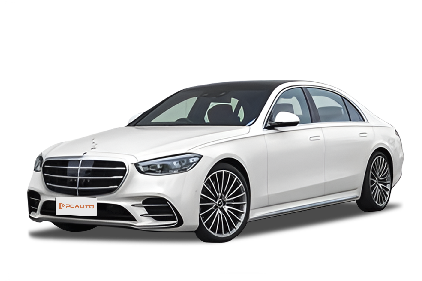
2022 Mercedes-Benz S-Class S 580 e, as the flagship plug-in hybrid model, offers a luxurious rear-seat experience with its extended wheelbase, a practical 100km pure electric range, and advanced intelligent features, balancing luxury and the practicality of new energy.
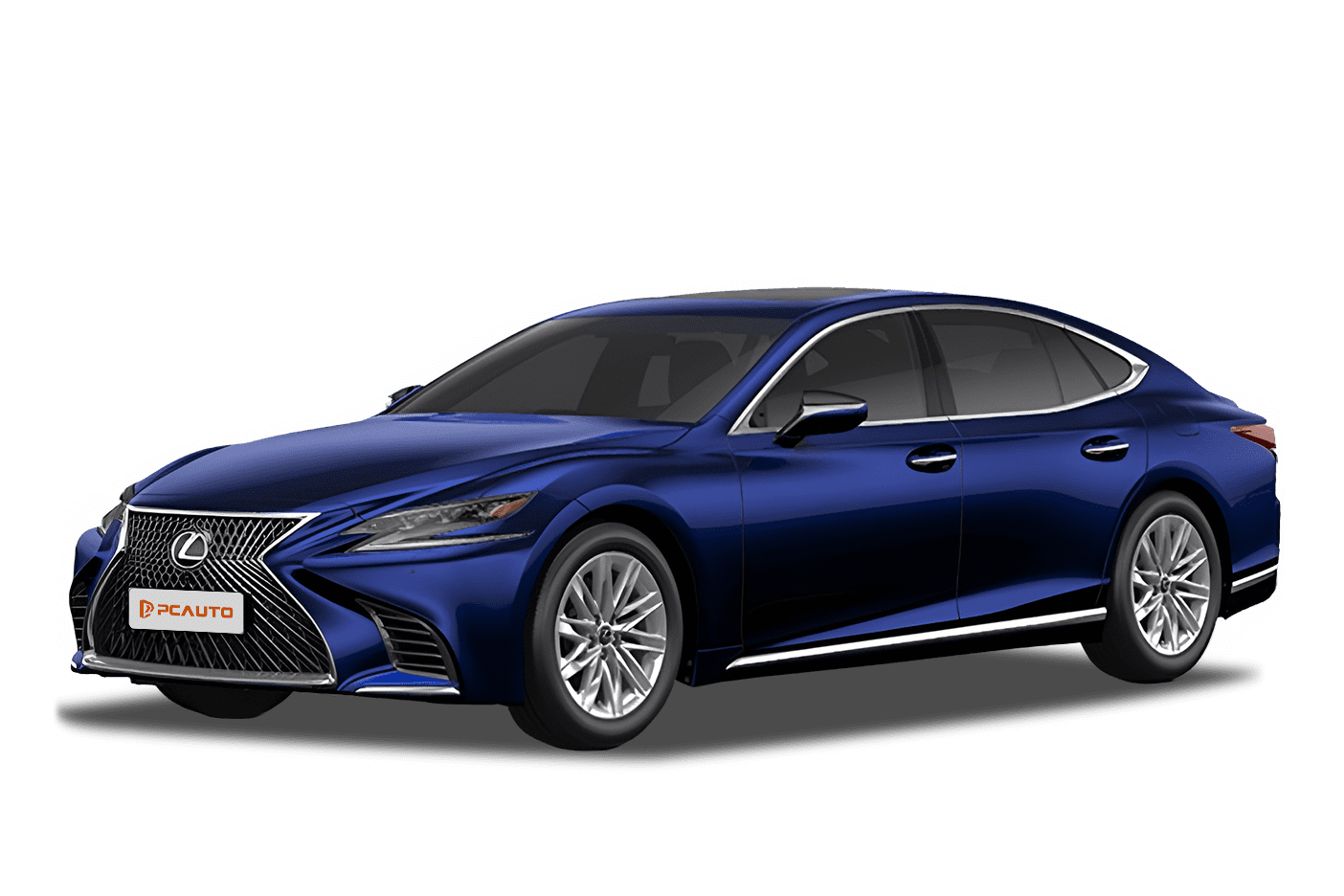
2021 Lexus LS 500 Luxury built with the concept of Oriental luxury, 28-way power-adjustable massage seats + 3.4T powerful performance, high cost-effectiveness competing with German counterparts.