

2018 Mercedes-Benz C-Class C 300 AMG Line Review

 Share
Share
 Body Type
 Capacity(L)
 Driven Wheels
 Segment
 Combined System Output(PS)
 Combined System Torque(Nm)
In recent years, the competition in Malaysia's luxury mid-size car market has become increasingly intense. Consumers demand not only brand prestige but also higher requirements for configuration and driving experience. The 2018 Mercedes-Benz C-Class C 300 AMG Line aims to be the main model for this segment. As a mid-to-high specification version in the C-Class family, it is equipped with a high-power 2.0T engine, standard AMG sports package, and a wealth of intelligent safety configurations. Do these highlights enable it to stand out in its class? This article will comprehensively analyze the actual performance of this car through static experience and dynamic testing, providing references for potential buyers.
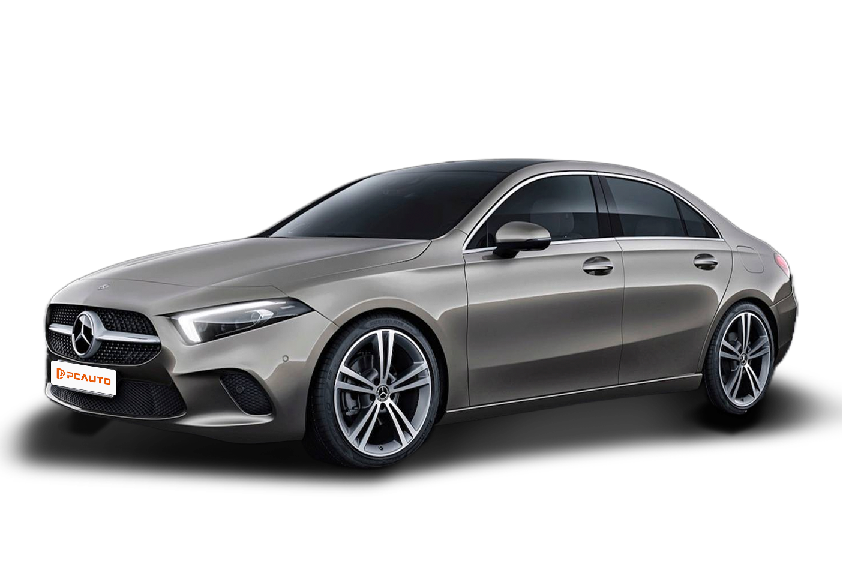
In terms of appearance, the 2018 C 300 AMG Line features a sporty luxury style. The front end adopts a large star-studded grille, paired with sharp LED headlights on both sides, offering high recognition. The AMG sports front bumper incorporates a blackened air intake design, further enhancing the sporty feel. The side profile has smooth lines, with 19-inch multi-spoke wheels and a combination of 225/40 R19 front tires and 255/35 R19 rear tires, which not only increase visual tension but also lay the groundwork for improved handling. At the rear, the AMG rear spoiler and dual exhaust pipes complement the car's sporty positioning, while the LED taillights provide clear recognition when lit at night.
Opening the door, the interior continues Mercedes-Benz's consistent sense of luxury. The dashboard is wrapped in soft materials and complemented by metal trim, offering excellent tactile and visual effects. The 10.25-inch touch display is located at the top of the console, is responsive to operation, and supports CarPlay connectivity. The fully digital instrument cluster can switch between multiple display modes, showing real-time information such as navigation and power output, which is highly practical. In terms of configurations, the front seats support electric adjustment and memory functions, with moderate support and comfortable for long-duration sitting. The rear seats support a 60:40 split-folding mechanism, which can expand the trunk space when folded down, making it more flexible for carrying large items. Regarding space performance, the 2840mm wheelbase provides ample rear legroom; a 175cm tall passenger still has two fists' worth of space between the knees and the front seat. The 480L trunk capacity is sufficient for daily luggage needs like carrying a few suitcases without any problem.
Once the vehicle starts, the 2.0T turbocharged engine (262PS/370N·m) combined with the 9AT transmission delivers a 0-100km/h official acceleration time of 5.9 seconds. In real-world experience, the power response is active during the initial phase, and a light press on the accelerator provides a noticeable push-back feeling. Mid-to-high-end acceleration remains strong; when overtaking and pressing the accelerator deeply, the transmission downshifts quickly and delivers smooth power output. When switching to Sport mode, the throttle sensitivity is further enhanced, with more aggressive shifting logic, suitable for those who enjoy driving. In terms of handling, the steering is accurate with minimal play; it feels light at low speeds and heavier at higher speeds, inspiring enough confidence. The multi-link independent rear suspension is tuned towards a sporty feel but retains a certain level of comfort. When passing speed bumps or rough roads, the suspension effectively filters out vibrations with no noticeable reverberation. During cornering, the body roll is well-controlled, the tire grip is strong, and the overall stability is commendable.
During the fuel consumption test, we drove 100km each on congested urban roads and highways, with a combined fuel consumption of approximately 7.5L/100km, slightly higher than the official 6.9L/100km. However, considering frequent starts and stops as well as sudden accelerations in real driving scenarios, this result ranks moderately high among 2.0T models in the same class. The braking performance is stable, with a 100-0km/h braking distance of about 38 meters, and there was no significant thermal decay after consecutive braking. In terms of noise control, wind and tire noise are slightly noticeable at high speeds, but remain within an acceptable range and will not affect normal conversations inside the car.
Overall, the core advantage of the 2018 C 300 AMG Line lies in its well-balanced product strengths: the sporty exterior design appeals to the aesthetic preferences of young consumers, the luxurious and practical interior features surpass some competitors, and the power and handling balance accommodate both daily commuting and driving pleasure. Its abundant safety configurations (such as active braking and lane departure warning) also enhance driving safety. Compared to the BMW 330i M Sport Package in the same class, it offers more luxurious features; compared to the Audi A4L 45 TFSI quattro, its rear-wheel-drive layout provides a purer driving experience.
This car is suitable for two types of consumers: first, young family users who value brand prestige and feature-rich experiences—the spacious cabin and practical configurations meet family needs, while the sporty exterior adds a touch of individuality; second, luxury car enthusiasts who pursue driving pleasure—the high-power 2.0T engine and sporty tuning deliver an excellent handling experience. In sum, the 2018 Mercedes-Benz C-Class C 300 AMG Line is a "no obvious shortcomings" luxury midsize car that can handle both daily commuting and occasional spirited driving with ease.
Mercedes-Benz C-Class Car Compare
Mercedes-Benz C-Class Loan Calculator
More Mercedes-Benz Reviews
Cars With Similar Price And Features
23
Rank in Sedan
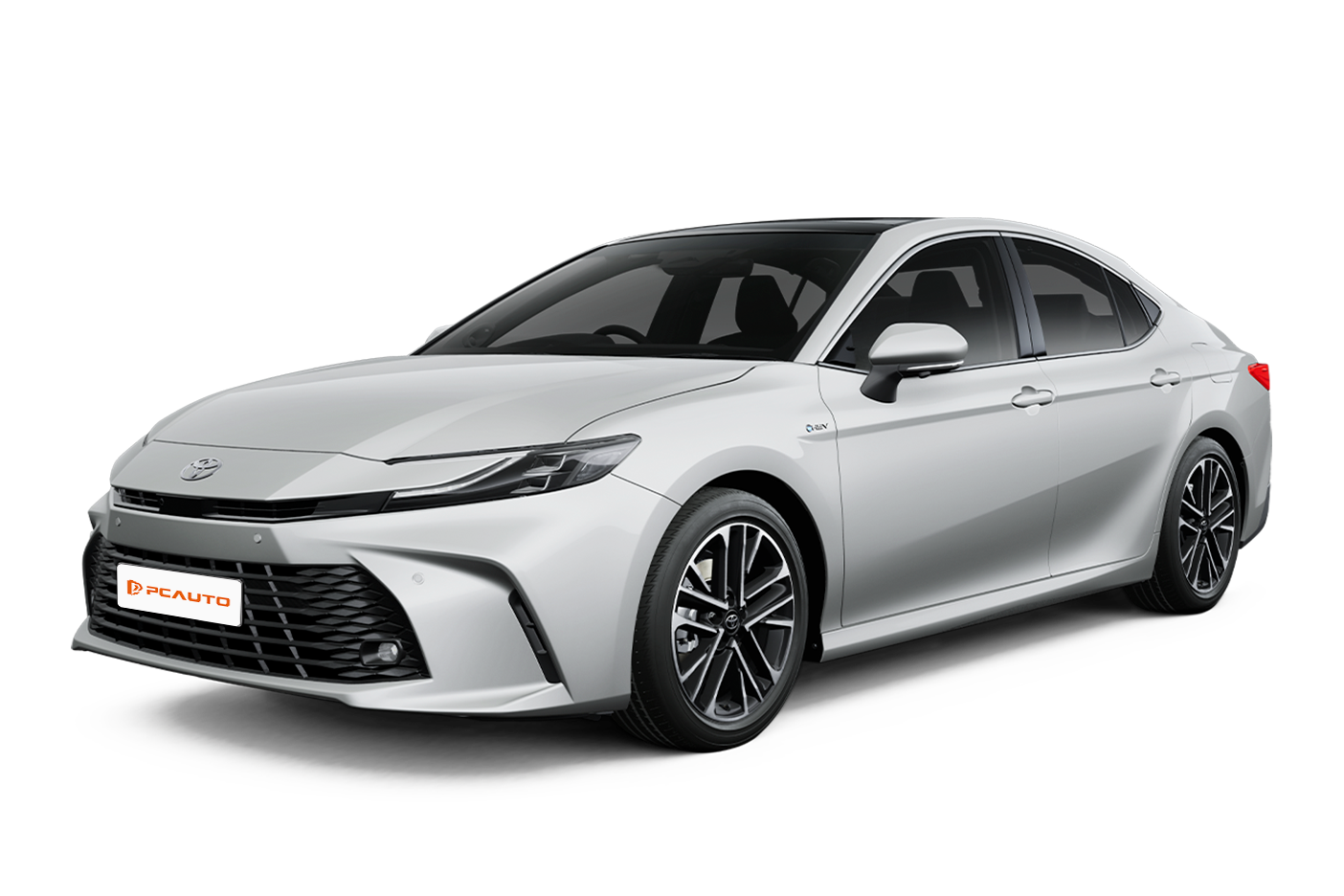
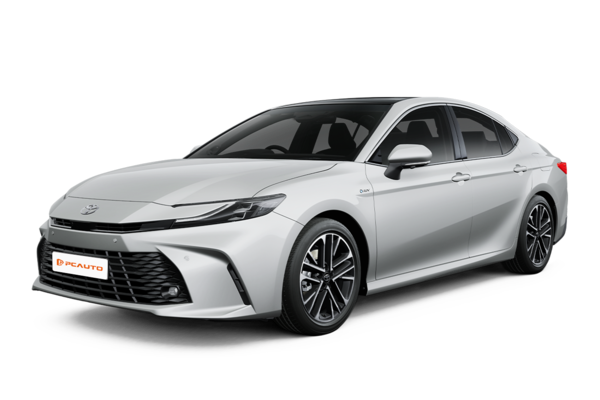
2025 Toyota Camry 2.5 V features an extended body, upgraded large-screen interior to enhance household comfort, 2.5L+8AT smooth power with more comprehensive intelligent driving, precisely meeting the reliable household needs of the D-segment.
9
Rank in Sedan
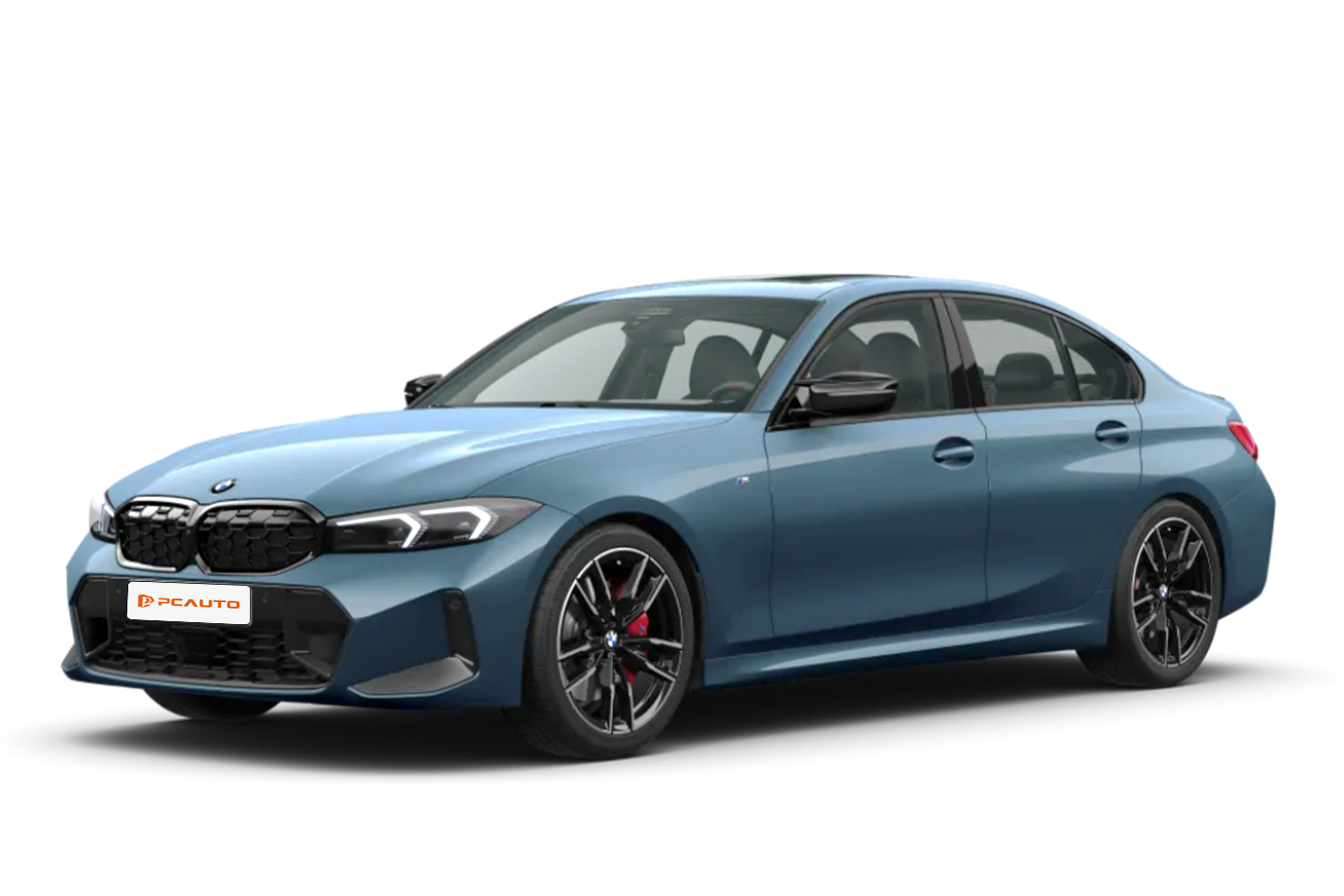
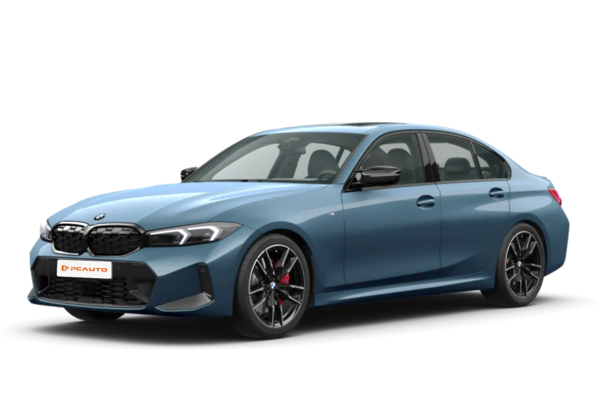
2025 BMW 320i Sport serves as the mainstay of luxury entry-level cars, offering classic rear-wheel-drive handling, upgraded intelligent configurations, and practical space to set a benchmark for cost performance, balancing sportiness and daily practicality.

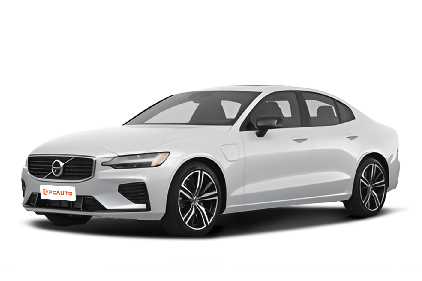
2020 Volvo S60 T8 PHEV R-Design is a luxury D-segment car that balances performance and efficiency, with core selling points of plug-in hybrid system, sports package, high cost-effectiveness, and comprehensive safety features.