

BMW 3 Series Review

 Share
Share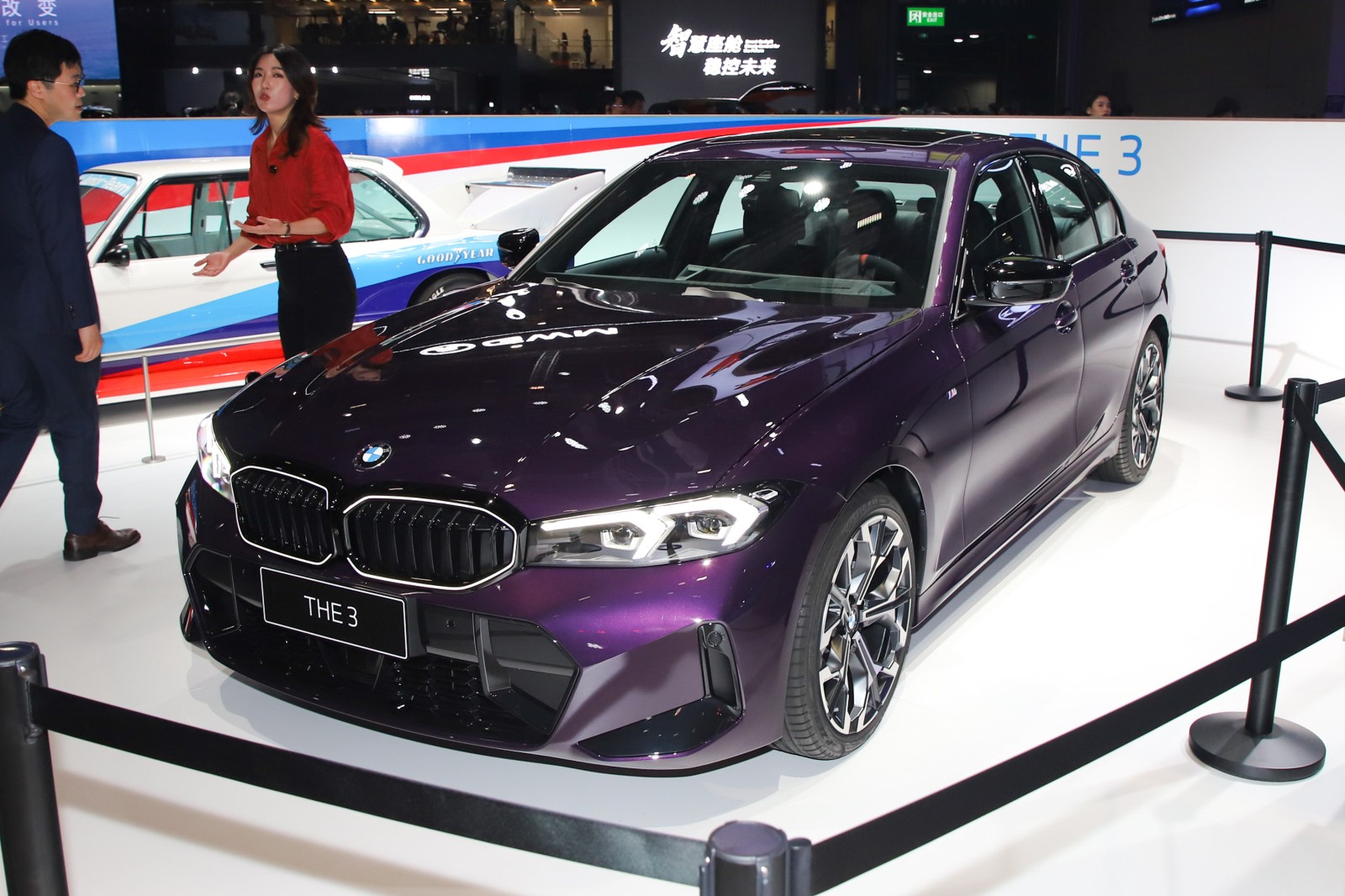
 Segment
 Body Type
 Capacity(L)
 Engine Power(PS)
 Engine Torque(Nm)
 Transmission
The D-segment luxury sedan market has always been a battleground of brand technology and reputation. Consumers pursue the quality of traditional luxury brands while also valuing the practicality of features and the balance of driving pleasure. The 2025 BMW 320i Sport, as the mainstream entry-level model of the series, enters the market with a price of RM 265,800, comprehensively upgraded intelligent features, and classic rear-wheel drive layout. Its core selling point is positioned as the "value benchmark for entry-level luxury." This test drive will focus on verifying whether its static experience meets luxury standards, whether its dynamic performance continues the driving DNA of the 3 Series, and whether the configuration upgrades truly enhance daily practicality.
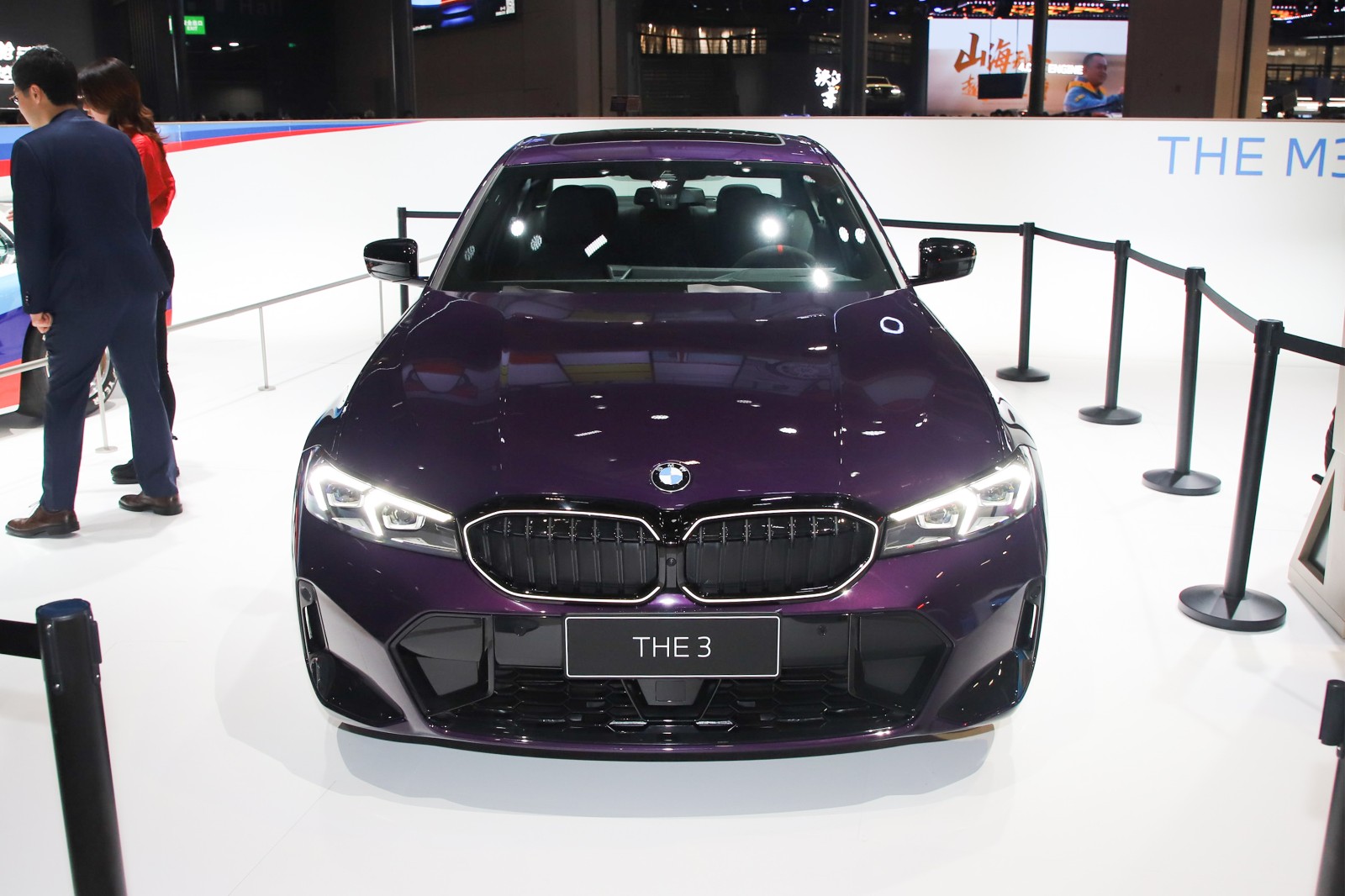
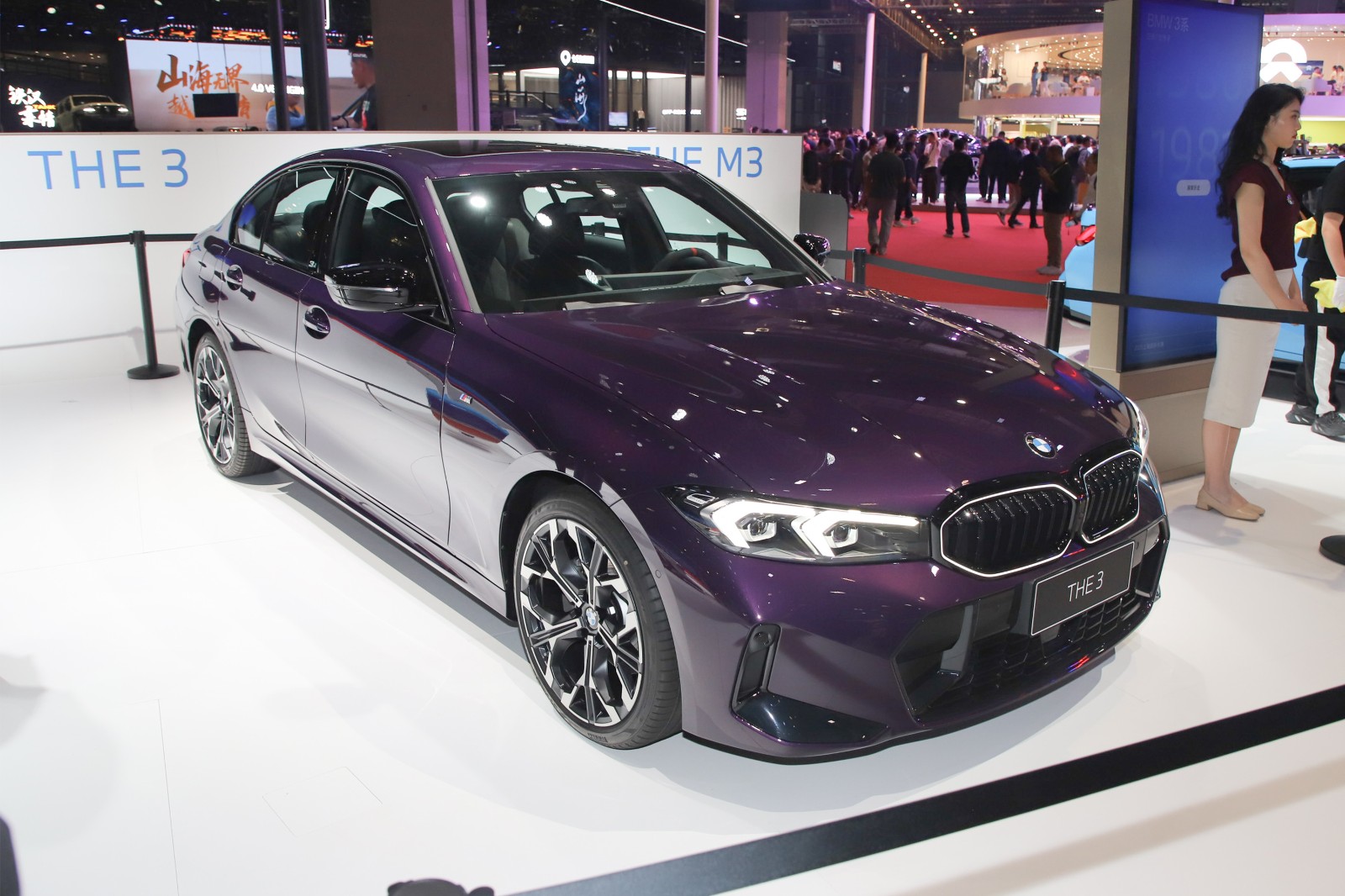
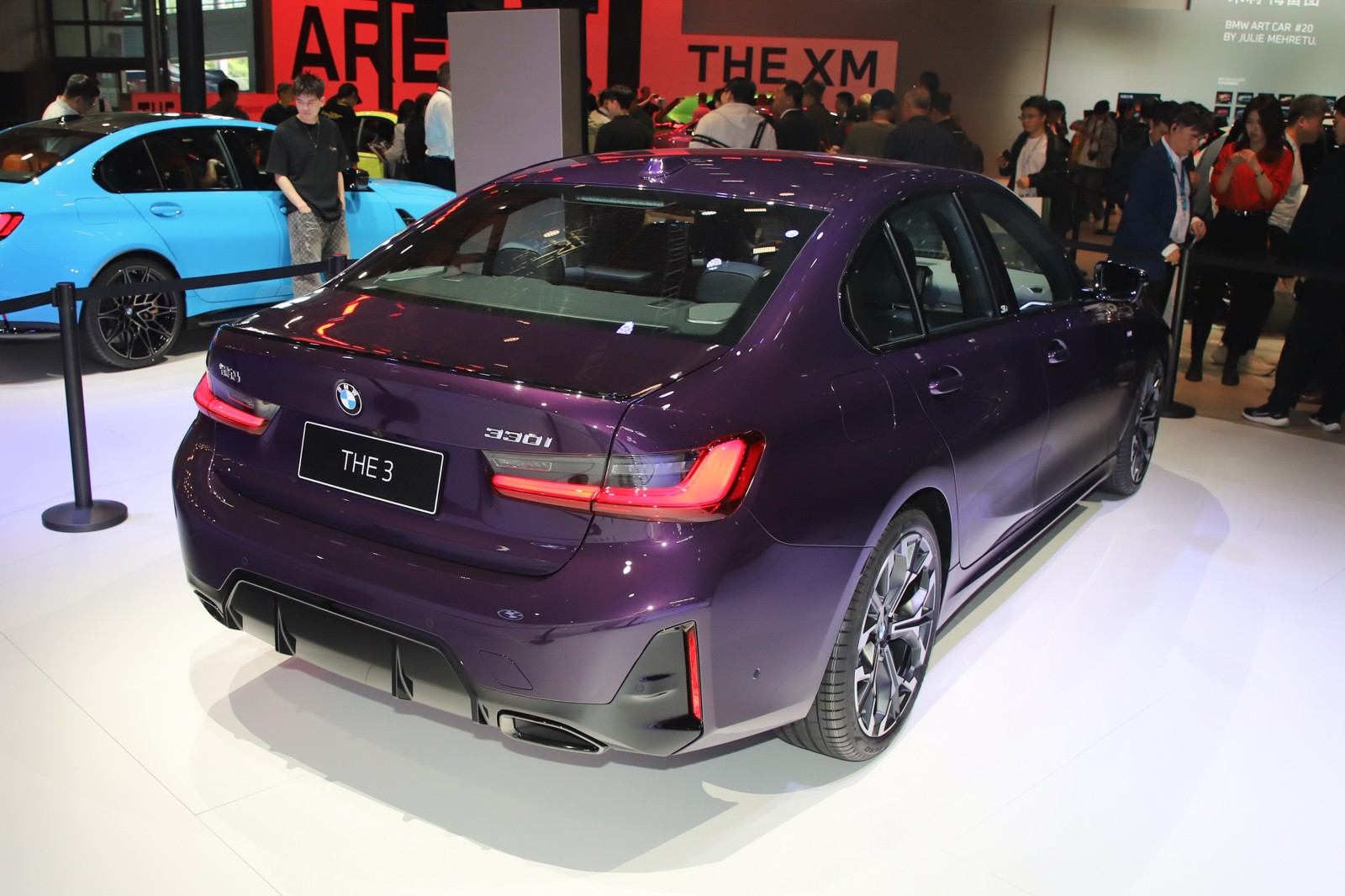
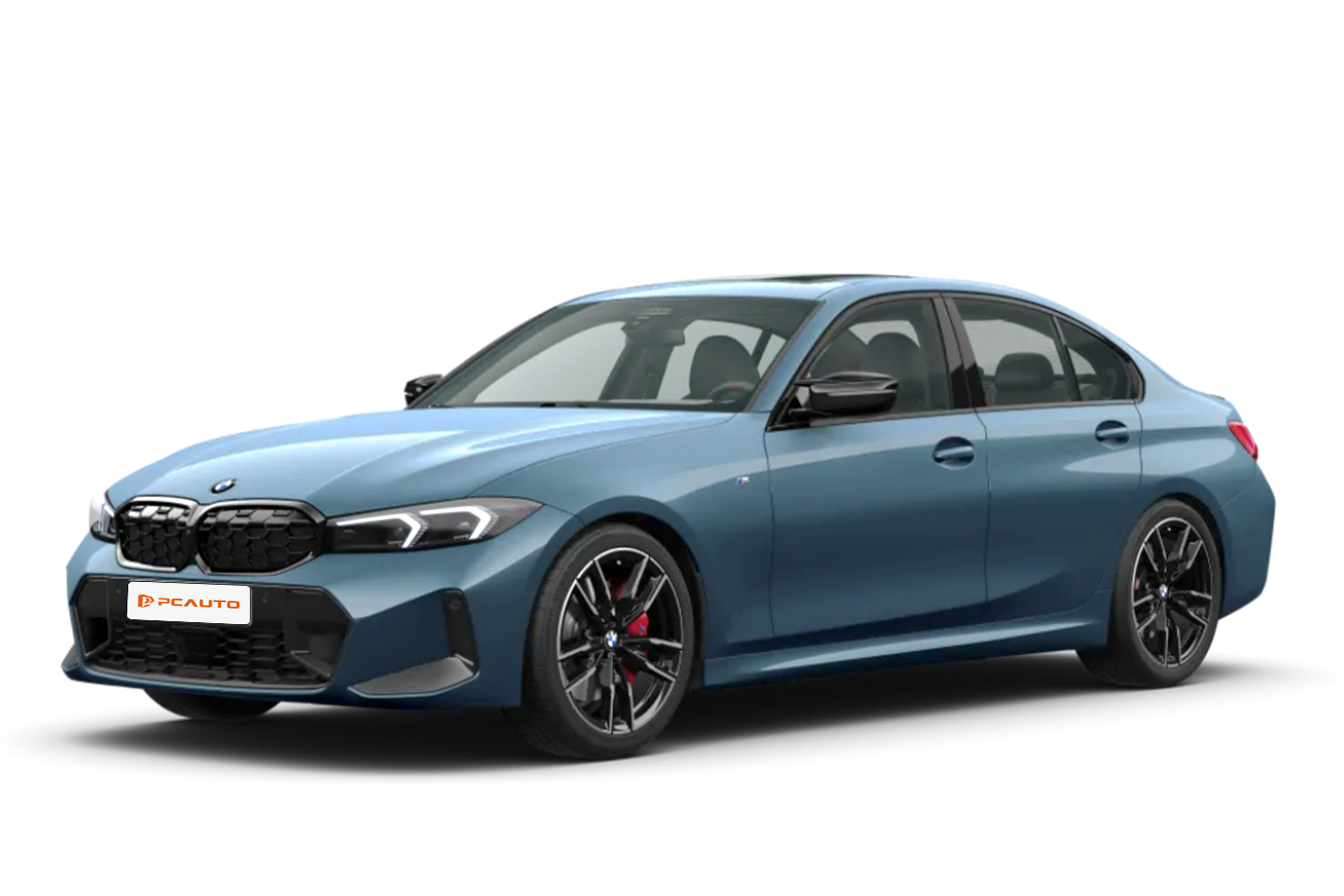
Approaching the 2025 320i Sport, the first impression is a blend of classic and modern. With dimensions of 4709mm×1827mm×1435mm and a wheelbase of 2851mm, it retains the sleek and compact proportions of the 3 Series. The front features a blacked-out double kidney grille combined with sharply defined LED headlamps. The daytime running lights maintain the iconic "angel eye" contour, offering high recognition when illuminated. The side profile has smooth lines, with a waistline that flows from the front fender to the rear, creating a crouched stance. The 18-inch dual-tone multi-spoke wheels paired with a staggered tire setup—front 225/45 R18 and rear 255/45 R18—enhance the sporty attributes. The rear design is simplistic, with optimized internal structures in the L-shaped LED tail lamps that create a three-dimensional lighting effect when lit. The chrome strip on the lower rear bumper and the dual exhaust layout strike a balance between luxury and a restrained sporty character.
Opening the door, the technological feel of the interior is noticeably improved compared to the previous model. The center console tilts towards the driver, with the main highlight being the connected screen system consisting of a 12.3-inch fully digital instrument cluster and a 14.9-inch curved touchscreen. The screen has high resolution, and the operational smoothness aligns with mainstream standards. In terms of materials, the upper part of the dashboard uses soft-touch plastic, while the door handle area is covered with leatherette. Although extensive use of genuine leather is absent, gaps are uniform, and attention to details illustrates the standards of a luxury brand. Features like keyless entry, electrically adjustable front seats, head-up display (HUD), and a 360-degree panoramic camera are all standard, ensuring that frequently used functions for daily usage are not lacking. The multi-function steering wheel is equipped with paddle shifters. Although the manual adjustment is less convenient than electric adjustment, the range of adjustment accommodates the sitting posture needs of most drivers.
The space performance aligns with the standards of a D-segment sedan. The front seats provide good support, and the electric adjustment feature allows precise customization of a comfortable sitting position. A 175cm tall driver has a fist-width headroom after adjusting to a proper position. The rear legroom spans two fists, with a headroom of one fist, ensuring no sense of crowding even with three passengers. The rear comes with independent air-conditioning vents, and the 40:20:40 split-folding seats can expand storage space. The trunk has a standard capacity of 480 liters, enough to fit two 28-inch suitcases with room to spare, meeting the storage needs of long family trips. Various storage compartments throughout the vehicle are practical, with a deep center armrest box that can hold elongated items, and front and rear door pockets that can accommodate water bottles and folding umbrellas.
Starting the vehicle, the noise from the 2.0T turbocharged engine is minimal. This engine delivers a maximum power of 135kW (184PS) and a maximum torque of 300N·m, paired with an 8-speed automatic transmission. The official 0-100km/h acceleration time is 7.4 seconds. During daily driving, the throttle response is linear, and the torque output in the low RPM range is sufficient, reaching maximum torque at just 1350rpm. Starting and low-speed following feel smooth without sluggishness. Switching to Sport mode makes the transmission shift logic more aggressive, with quicker downshifts. Pressing the accelerator hard provides a palpable thrust, ensuring confidence when overtaking. The handling advantages of the rear-wheel drive layout remain evident, with precise steering, minimal play, and good body responsiveness in turns, making it manageable even for novice drivers.
The chassis suspension adopts a front double-wishbone and rear multi-link independent structure, tuned for a balance between comfort and sportiness. When driving on urban roads, the suspension effectively filters out small bumps. When passing over speed bumps or rough roads, it absorbs impacts smoothly, ensuring rear passengers do not feel noticeable jolts. During high-speed cornering, the suspension provides sufficient support, keeping the body roll within a reasonable range without any loose feeling. The braking system performs steadily, with a moderate pedal travel and linear braking force output, providing confidence during everyday driving.
Fuel consumption meets expectations, with the test drive covering city traffic, highway cruising, and suburban roads. The combined fuel consumption is approximately 7.2L/100km, close to the official figures. The fuel tank has a capacity of 59L, offering a driving range of about 800km on a full tank, meeting the needs for long-distance travel. In terms of noise control, wind and tire noise are within an acceptable range at high speeds. Engine noise only penetrates the cabin at high RPMs, while during normal cruising, the cabin remains quiet, ensuring passenger conversations are not affected. The seats offer good support, making long periods of seating comfortable and suitable for daily commuting or long drives.
Overall, the core advantage of the 2025 BMW 320i Sport lies in its "balance." Compared to competitors in its class, it is approximately 48,000 MYR cheaper than the 330i M Sport. As for features, it only lacks non-essential functions like the Harman Kardon audio system and electric steering wheel adjustment. However, its core powertrain, chassis tuning, and safety features are consistent with the high-end model. Compared to the 2023 320i M Sport, the new model is 18,000 MYR cheaper and comes with upgrades like a curved display and 360-degree surround-view camera, significantly enhancing its value for money.
This car is suitable for two types of users: first, families who value a balance between brand and practicality; its space and features meet daily needs, while the rear-wheel-drive handling adds enjoyment during weekend drives. Second, young consumers pursuing a luxurious feel; the 3 Series’ brand value and sleek, sporty design suit the aesthetics of the younger generation, and the standard tech features meet the demand for smart functionality.
In summary, the 2025 BMW 320i Sport has no obvious shortcomings. It continues the 3 Series’ driving dynamics while optimizing its features and overall value, making it a worthwhile choice among entry-level luxury brand models.
BMW 3 Series Car Compare
BMW 3 Series Loan Calculator
More BMW Reviews
Cars With Similar Price And Features
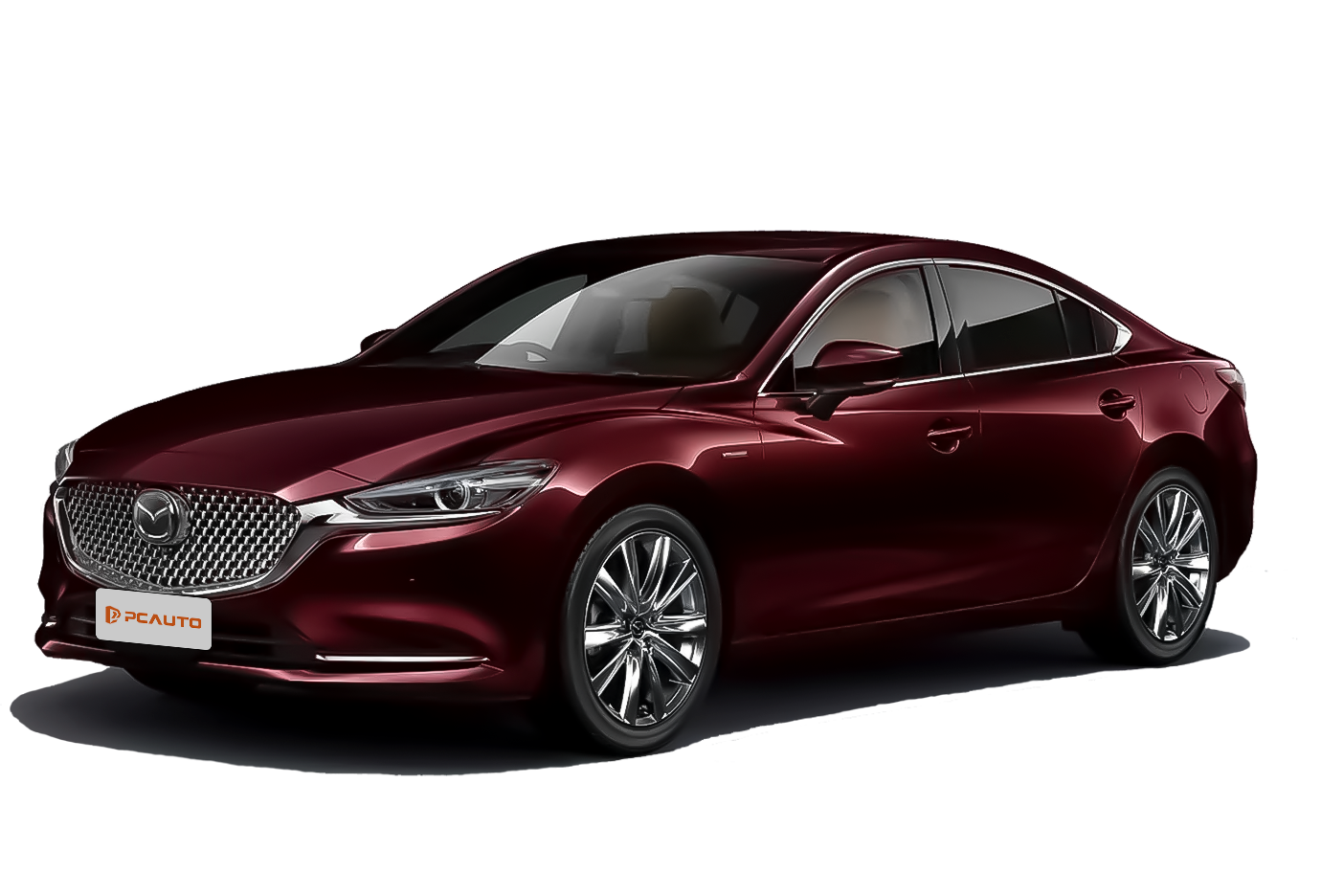
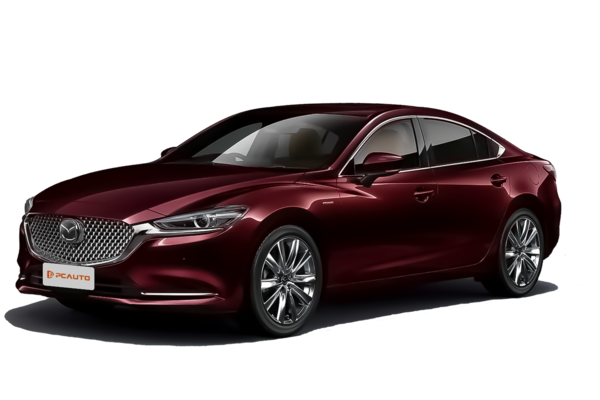
2023 Mazda 6 Sedan 2.0 SkyActiv-G meets the rational needs of family users for joint-venture quality, comfortable configurations, and fuel economy with its KODO design, practical space, and balanced driving control.

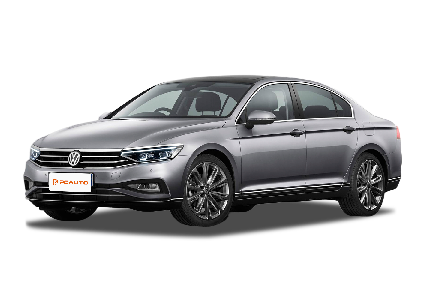
2022 Volkswagen Passat 2.0 TSI R-Line combines business elegance with sporty personality, featuring 220PS power, 14-way massage seats, and Harman Kardon audio system to meet the diverse needs of families and young professionals.
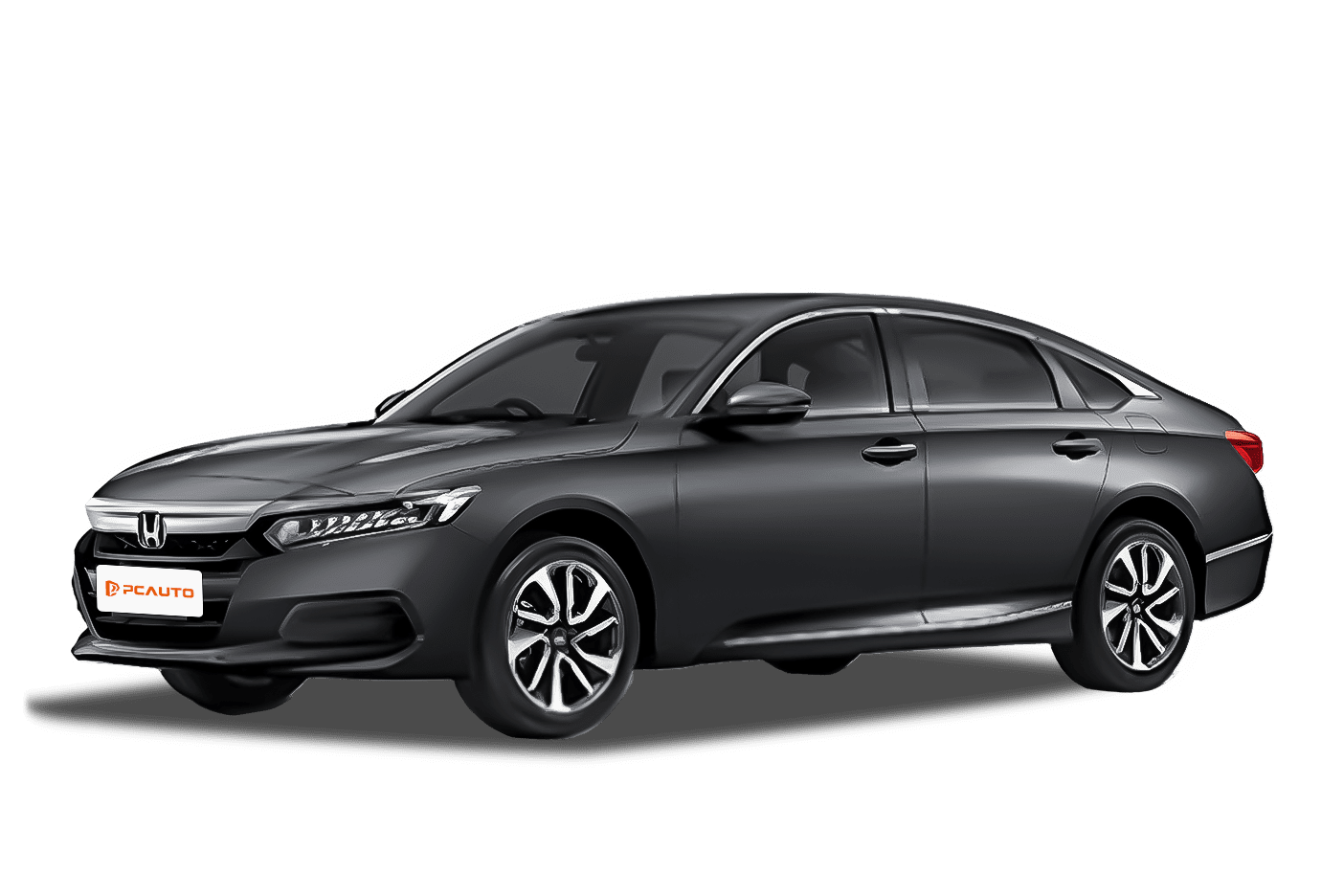
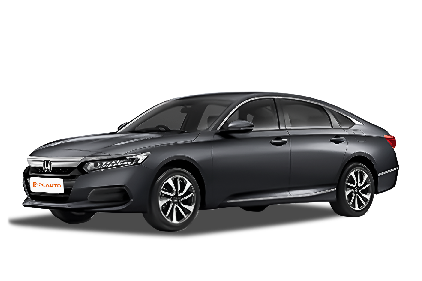
The 2023 Honda Accord 1.5 TC is a D-segment sedan that balances both business and family use, with core selling points of spacious interior, comfortable driving, and efficient performance, making it suitable for practical family users.
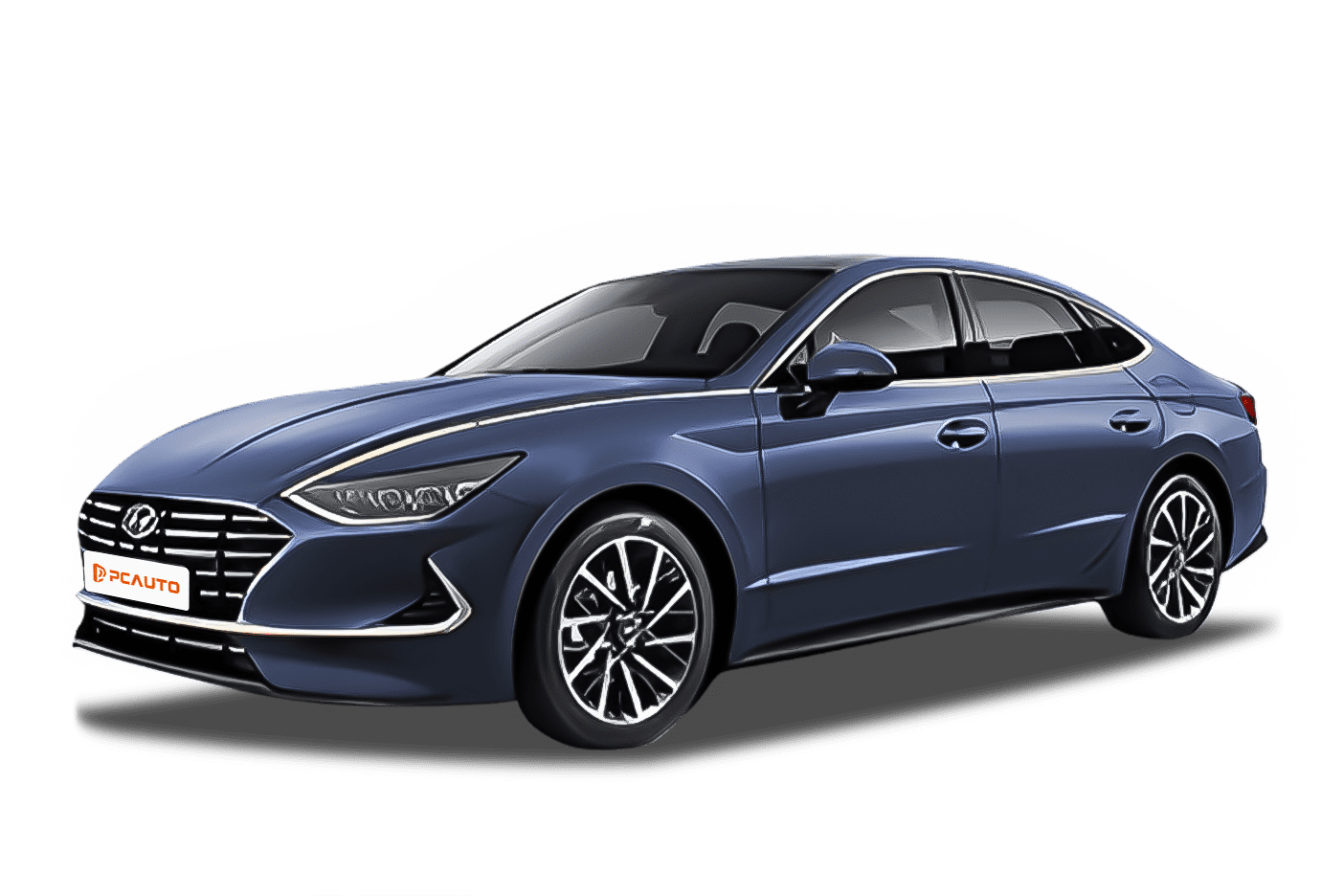
2024 Hyundai Sonata public is positioned as a D-Segment family and business sedan, combining dynamic design, practical configurations, and spacious space, balancing power and fuel consumption, safe and reliable.