

2018 MINI Countryman John Cooper Works Review

 Share
Share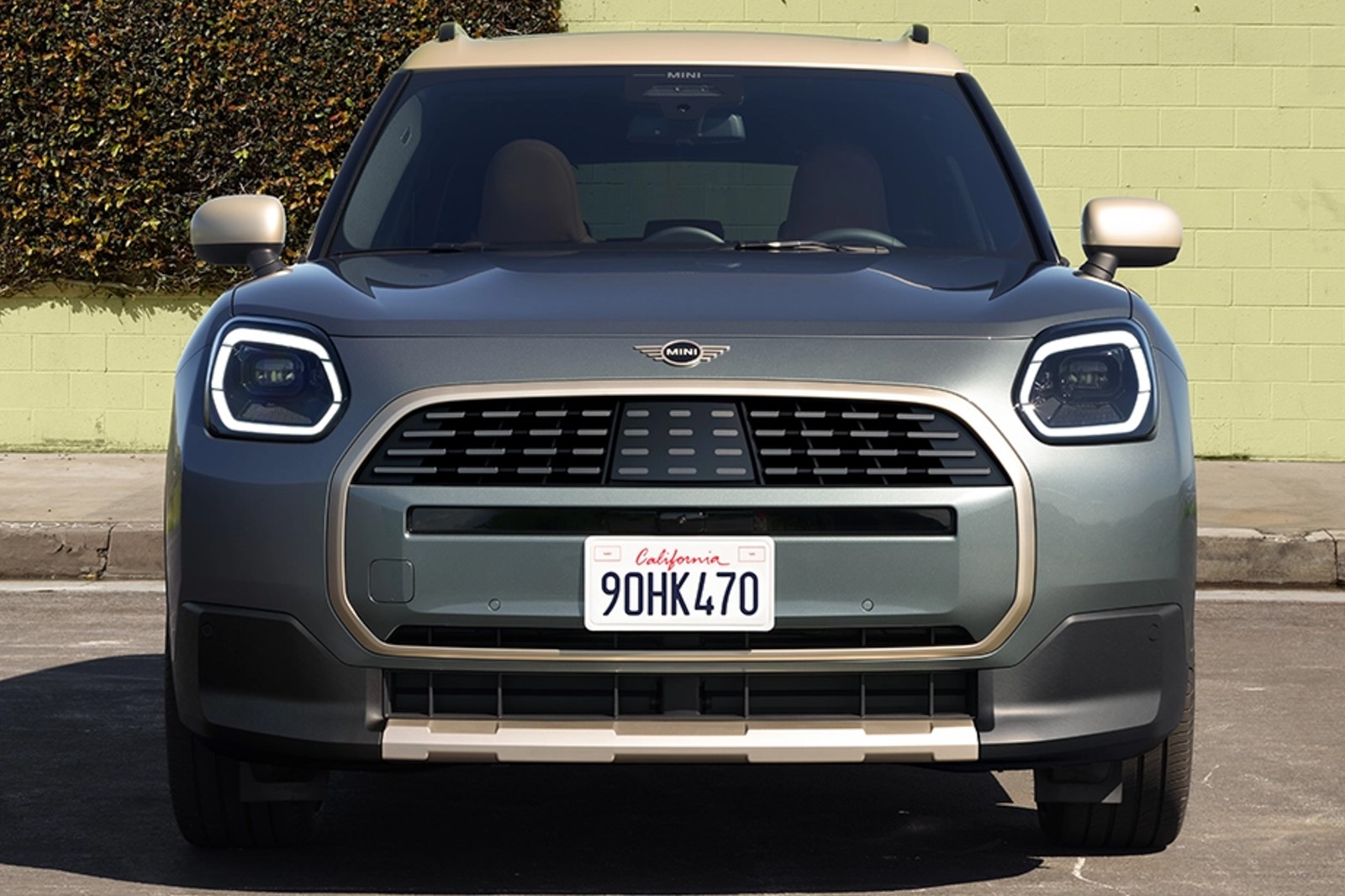
 Segment
 Body Type
 Driven Wheels
 Motor Output(kW)
 Motor Torque(Nm)
 EV Range(km)
In Malaysia's C-Segment SUV market, models that balance driving pleasure and practicality have always been popular choices for families and young consumers—not only fulfilling daily commuting comfort but also providing a touch of handling fun during weekend outings. The 2018 MINI Countryman John Cooper Works (hereinafter referred to as the JCW version) targets precisely this demand. With a 2.0T engine delivering 234PS, a sport-tuned chassis, and MINI's iconic design, it aims to differentiate itself in a homogenized market. In this test drive, we focus on verifying whether its "performance feel" genuinely fits daily use, while also assessing whether its space and configurations as a 5-seater SUV can meet the actual needs of Malaysian users.
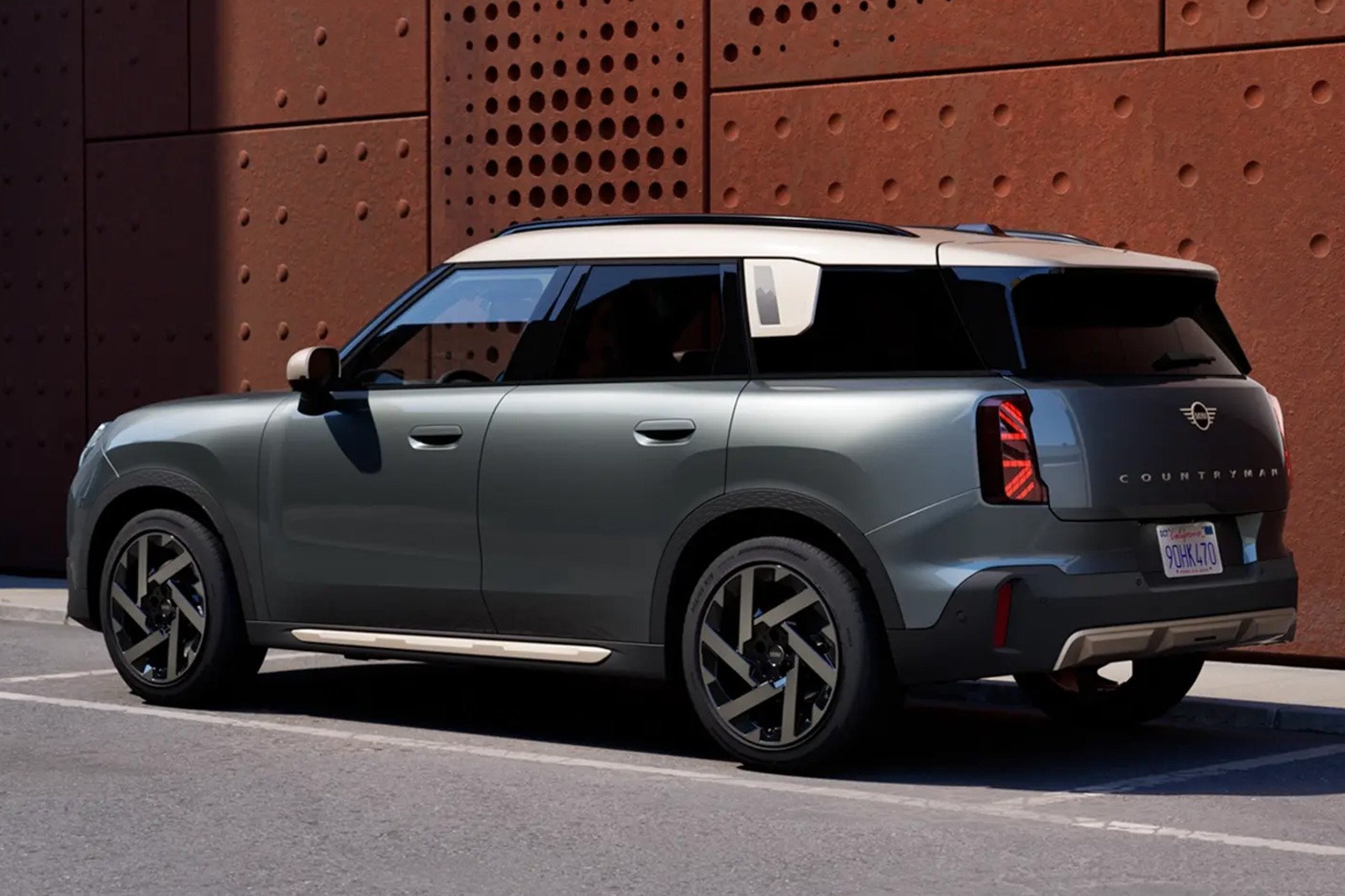
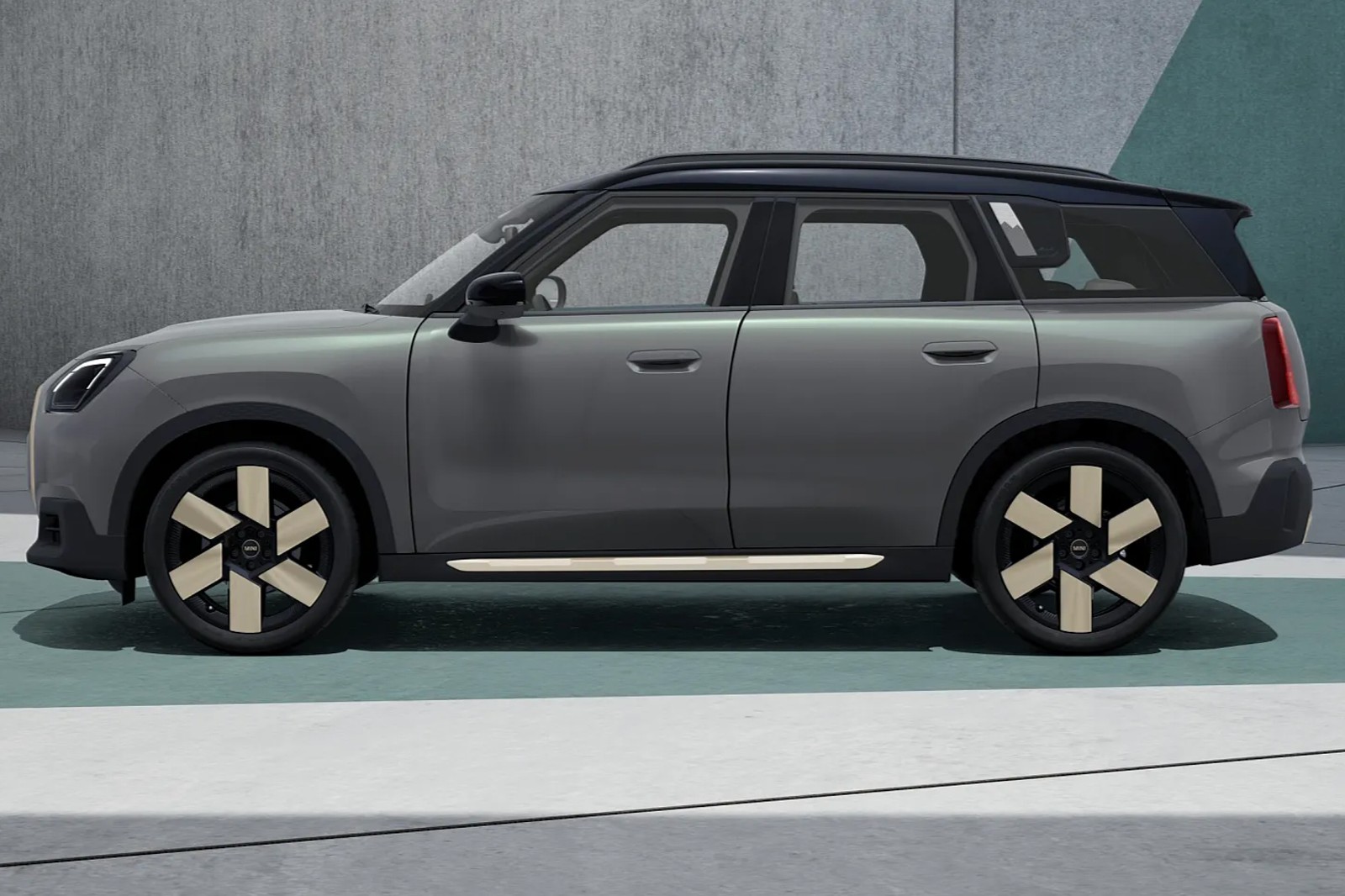
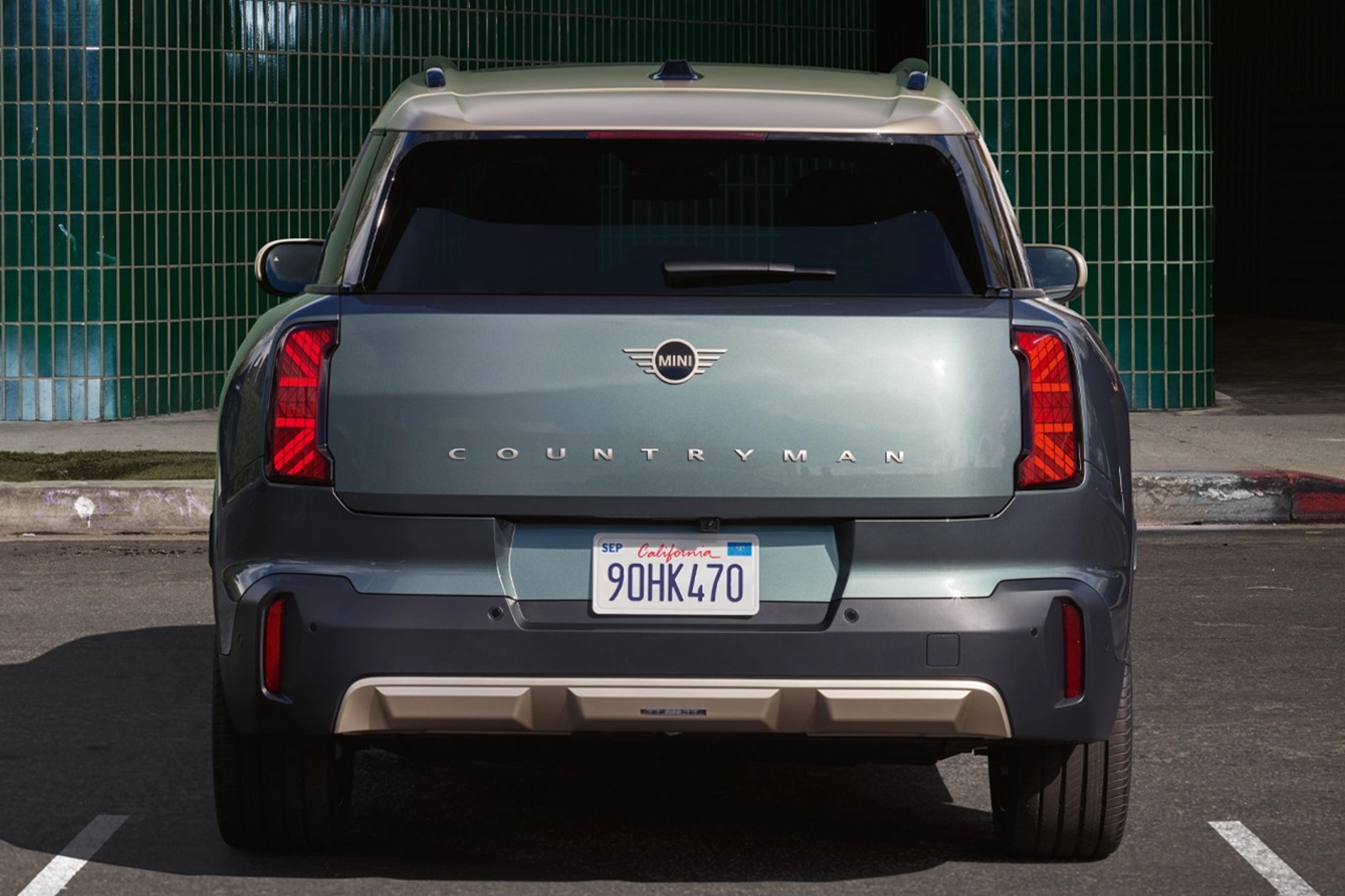
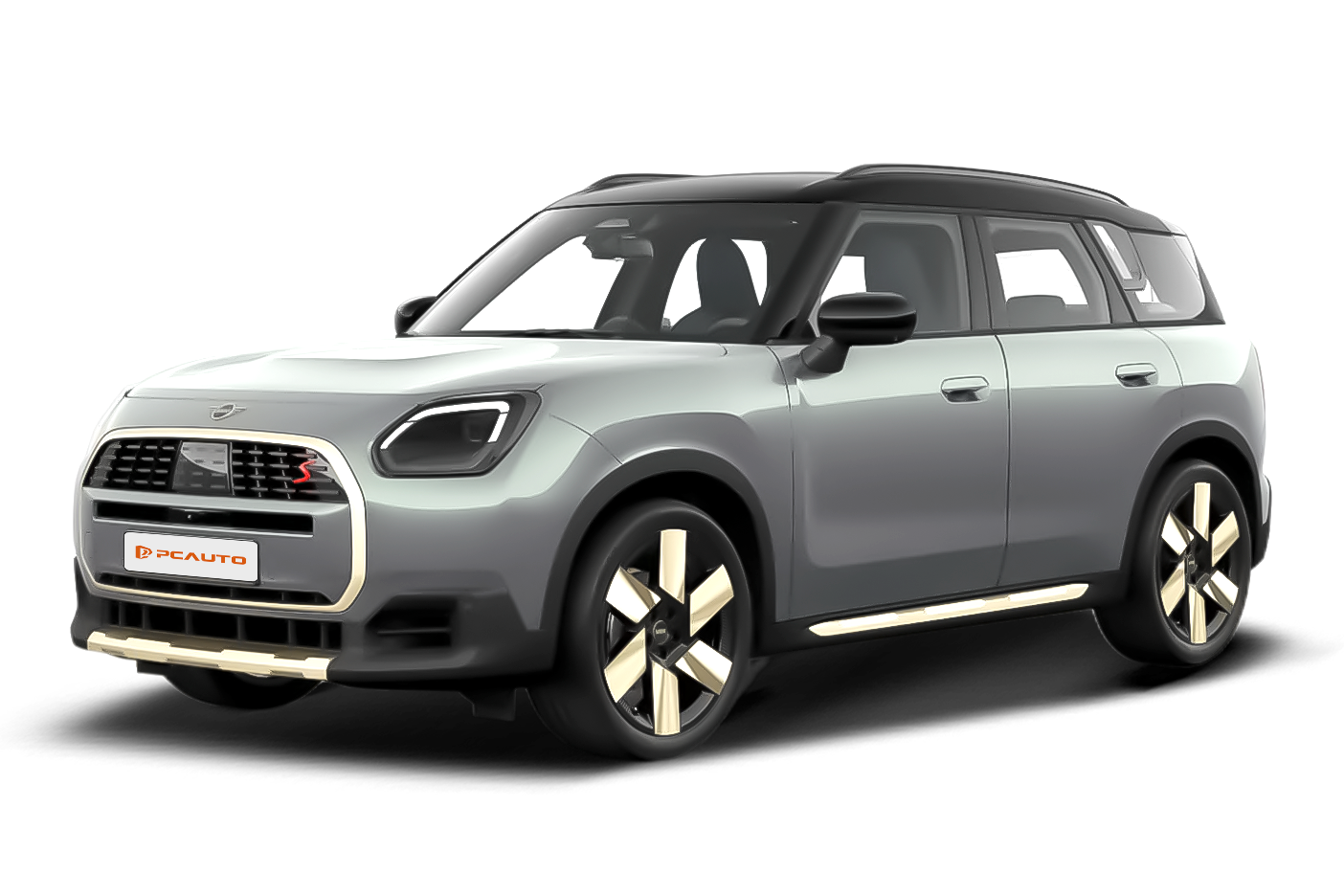
From the exterior, the JCW version of the Countryman retains the rounded silhouette of the MINI family while incorporating ample sporty details. The honeycomb-style front grille paired with the red "John Cooper Works" badge offers high recognizability; the enlarged air intakes on both sides of the front bumper, combined with the diffuser design below, create a low-profile visual effect. The vehicle’s side lines are compact, the 19-inch dual-tone wheels (front tire specifications 225/45 R19) and the black side skirt trim strengthen its sporty appeal, and the 2670mm wheelbase gives the body balanced proportions without appearing bulky. Highlights at the rear include dual round exhaust outlets (a signature JCW design) and the spoiler, with the LED taillights featuring a wrap-around design that ensures clear recognizability when lit. Overall, it retains the lovable genes of a MINI but emphasizes its performance identity through sporty kits, making it easy to distinguish from the standard Countryman on the road.
Sitting inside, the interior layout continues MINI’s retro style, but the materials and configurations lean toward home comfort. The center console is dominated by circular elements, with a 6.5-inch central control screen at the top that operates smoothly, supporting Bluetooth and basic car-system functions. Below, the physical buttons are neatly arranged, and the air conditioning control area uses knob designs for convenient blind operation. As for materials, the steering wheel and seats are wrapped in leather, offering a refined touch, while the front seats come with electric adjustment and memory functions, providing good support and making long drives less tiring. In terms of configurations, HUD head-up display, keyless entry/start, dual-zone automatic air conditioning, and rear air vents come as standard, while the 220V power outlet proves very practical for users who need outdoor electricity. Notably, the rear seats support 40:20:40 split-folding, sliding forward and backward, and angle adjustment, making its flexibility stand out among competitors in the same class.
Space performance is one of the core advantages of the Countryman JCW as a 5-seater SUV. With dimensions of 4299mm/1822mm/1557mm (L/W/H) and a wheelbase of 2670mm, a 175cm passenger in the rear seat still has two fists of legroom after the front seat is adjusted to a comfortable position, with about a fist of headroom remaining, ensuring no sense of oppression. The trunk offers a standard volume of 450L, which can be expanded by folding down the rear seats, making it sufficient for carrying strollers or weekend shopping items. The door panel storage compartments and the central armrest box provide ample capacity for everyday use, thoughtfully catering to the needs of family users.
Dynamic driving is the highlight of the JCW version. It is equipped with a 2.0T turbocharged engine, with a maximum horsepower of 234PS and peak torque that bursts out at 1450rpm, paired with an 8AT transmission (the number of gears is not explicitly marked on the configuration sheet, but the actual test drive confirms it to be 8AT). The power response is active during startup, and with a light press on the accelerator, the intervention of the turbo can be felt with a sense of thrust. The official 0-100 km/h acceleration is 6.5 seconds, making overtaking in the city or cruising on the highway effortless. The transmission shift logic is clear, with noticeably faster shifting speeds in sport mode; combined with the paddle shifters, it brings considerable driving enjoyment. However, in economy mode, shifting is more geared towards smoothness, making it suitable for daily commuting.
In terms of handling, the JCW version's chassis has undergone sports-oriented tuning. The combination of front MacPherson struts and rear multi-link independent suspension effectively filters out road bumps, crossing speed bumps without excessive bouncing. While taking high-speed corners, the body roll is well-controlled, and the steering is precise with minimal play, inspiring confidence in the driver. However, the firm suspension setup does transfer some vibrations to the cabin on continuously uneven road surfaces. Comfort is thus slightly compromised, but this is a common trade-off for performance-oriented models. The front-engine, front-wheel-drive layout, although lacking an all-wheel-drive system, is capable of handling most urban and suburban roads in Malaysia and can even manage occasional unpaved roads, though in-depth off-roading is not recommended.
Fuel efficiency performance is average. The official combined fuel consumption is 7.4L/100km, while actual test drives showed about 9L/100km in urban conditions (half congested and half smooth traffic) and about 6.8L/100km on highways. This aligns with the standards for a 2.0T SUV. With a 51-liter fuel tank capacity, the range is approximately 550km, meeting the needs of daily commuting and short trips. As for braking, the ventilated disc brakes at the front and rear provide stable braking performance; the brake pedal feel is linear, and the vehicle's posture is well-controlled during emergency braking.
In terms of ride comfort details, the noise control is relatively well-handled. At a highway speed of 120km/h, both wind noise and tire noise are within an acceptable range, and they do not interfere with in-car conversations. The seats balance wrapping and support well, while rear passengers have sufficient legroom and headroom, making long-distance travel less tiring. However, the sport-oriented suspension tuning will cause rear passengers to feel some vibration on bumpy roads, which should be noted.
In summary, the 2018 MINI Countryman JCW has explicit core advantages: First, the unique design of the MINI brand and the high recognition brought by its sporty package; second, the driving pleasure brought by the 2.0T powertrain and sports chassis, positioning it in the top tier for handling among SUVs in the same class; third, the flexible space and practical configurations that meet the daily needs of family users. Compared to competitors in the same class (such as the BMW X1 2.0T and Mercedes-Benz GLA 200), its price (RM 355,888) is slightly lower, the configurations are richer, and it retains MINI's personalized DNA. However, the lack of an all-wheel-drive system and the relatively firm suspension are minor drawbacks.
This car is suitable for two groups of people: firstly, young families pursuing driving pleasure, who need the practicality of a 5-seater SUV but don't want to give up the occasional weekend "thrill"; and secondly, those who love the MINI brand and want a car that can handle both daily commuting and showcase individuality. If you can accept its firm suspension and do not require deep off-roading, the Countryman JCW will be a balanced choice that combines personality and practicality—it is not purely a performance car, nor is it just a boring family SUV, but rather a balancer between the two.
MINI Countryman Car Compare
MINI Countryman Loan Calculator
Cars With Similar Price And Features
8
Rank in SUV
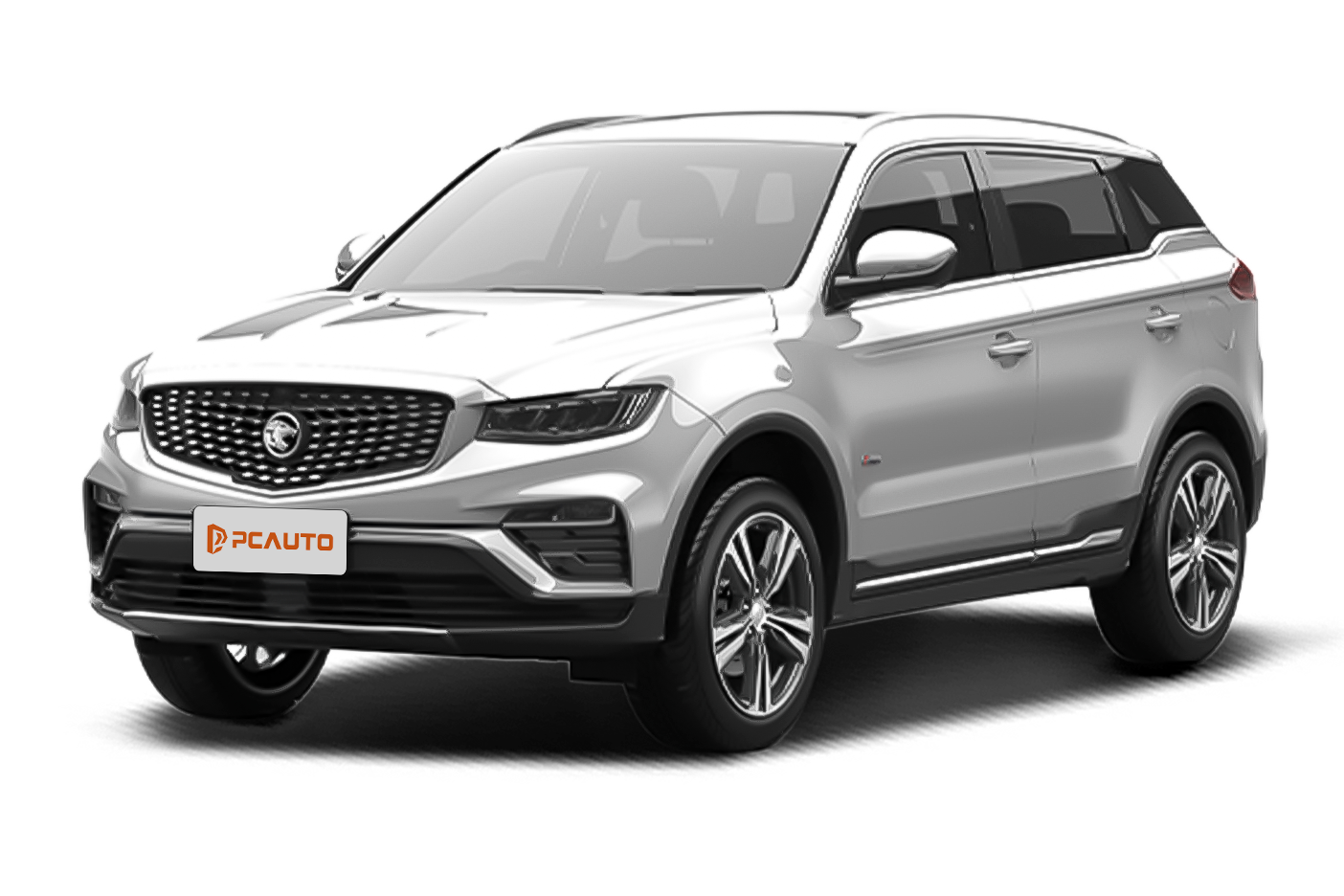
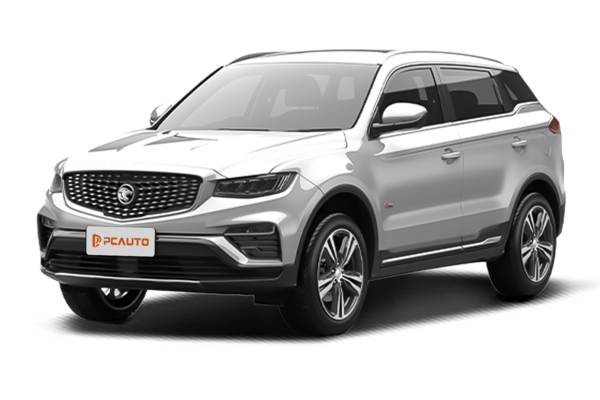
2026 Proton X70 1.5 TGDi Executive focuses on upgrading to a four-cylinder engine, practical configurations, and affordable pricing. It balances family commute practicality with value for money, making it a sensible choice among similarly priced C-segment SUVs.
10
Rank in SUV
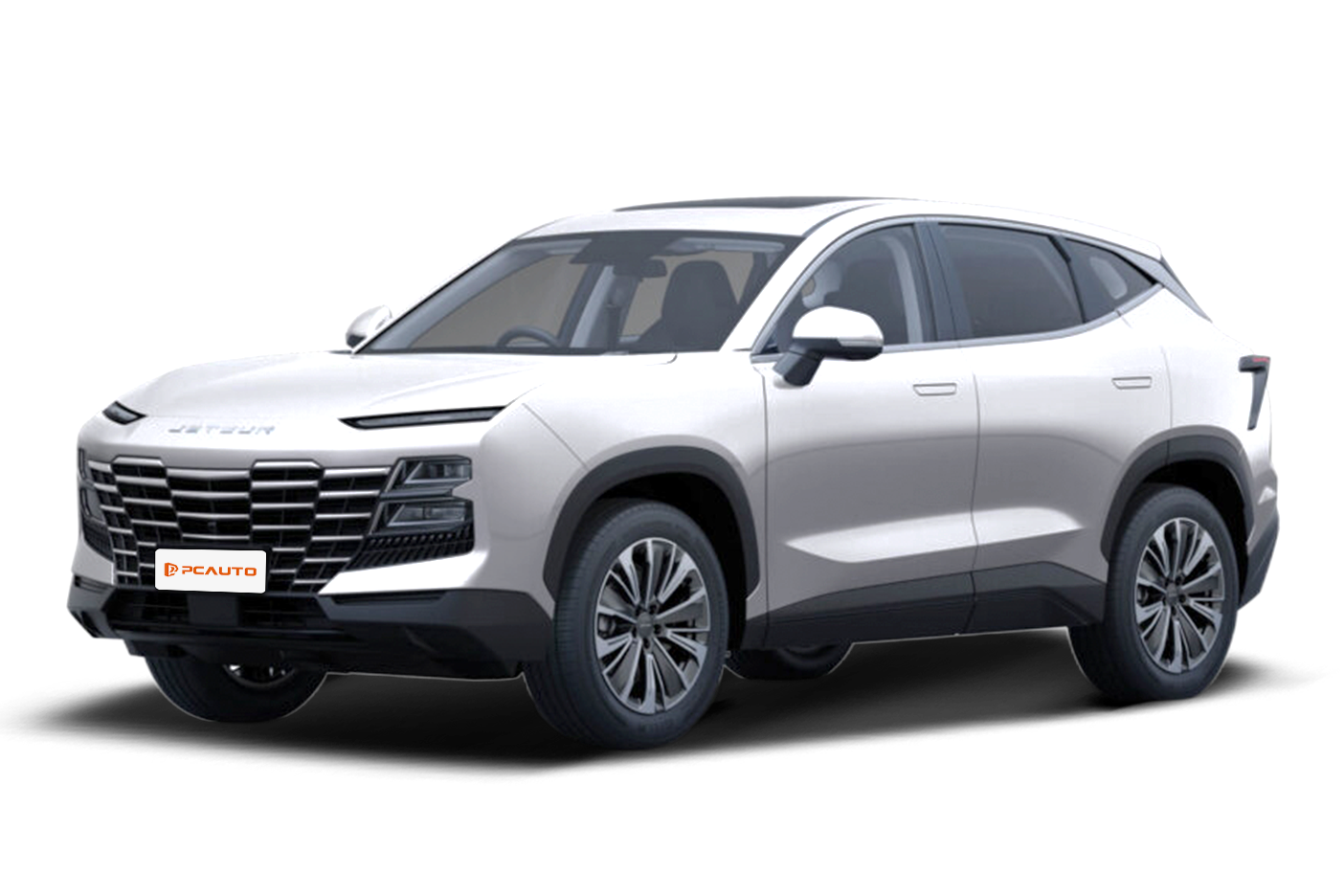
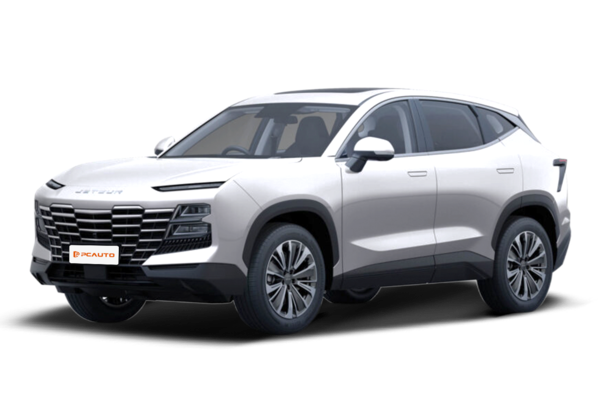
Jetour Dashing 1.5 TCI Comfort 2025 features a 2720mm long wheelbase and a 10.25-inch dual screen as its core, focusing on balanced cost performance to meet family practical needs.
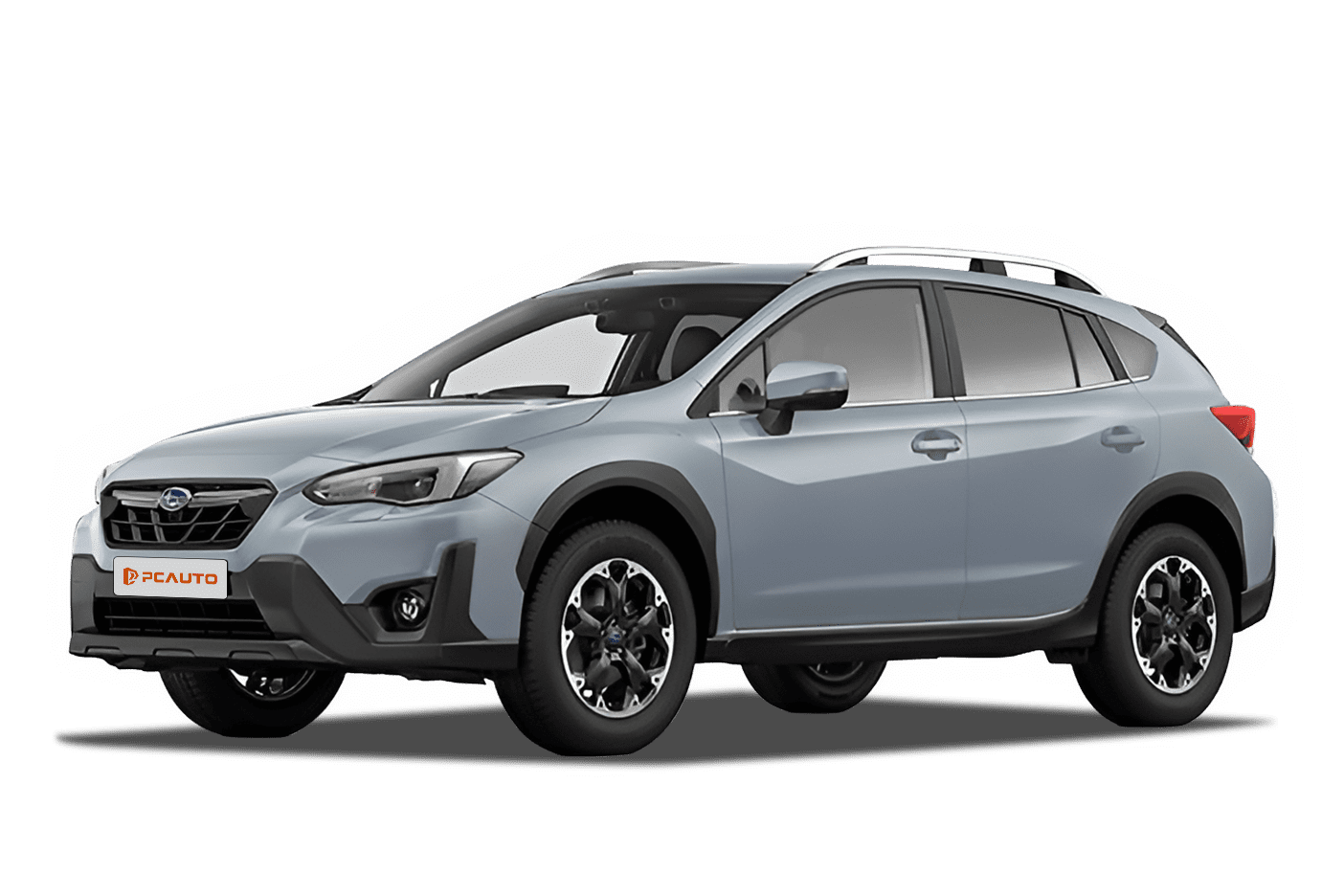
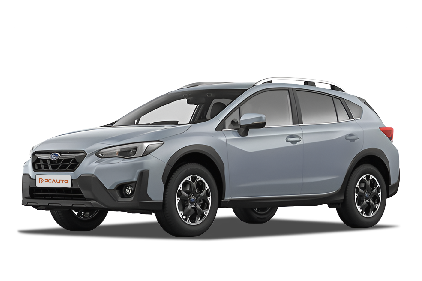
The 2021 Subaru XV 2.0i is a model targeting the C-segment crossover market, equipped with standard all-wheel drive and high safety features, balancing off-road capability and handling, with practical space.

2021 Hyundai Kona 2.0 Standard, as a high-value entry-level compact SUV, retains essential safety and practical features with an affordable price, meeting the daily commuting and loading needs of families.