

Hyundai Kona Review

 Share
Share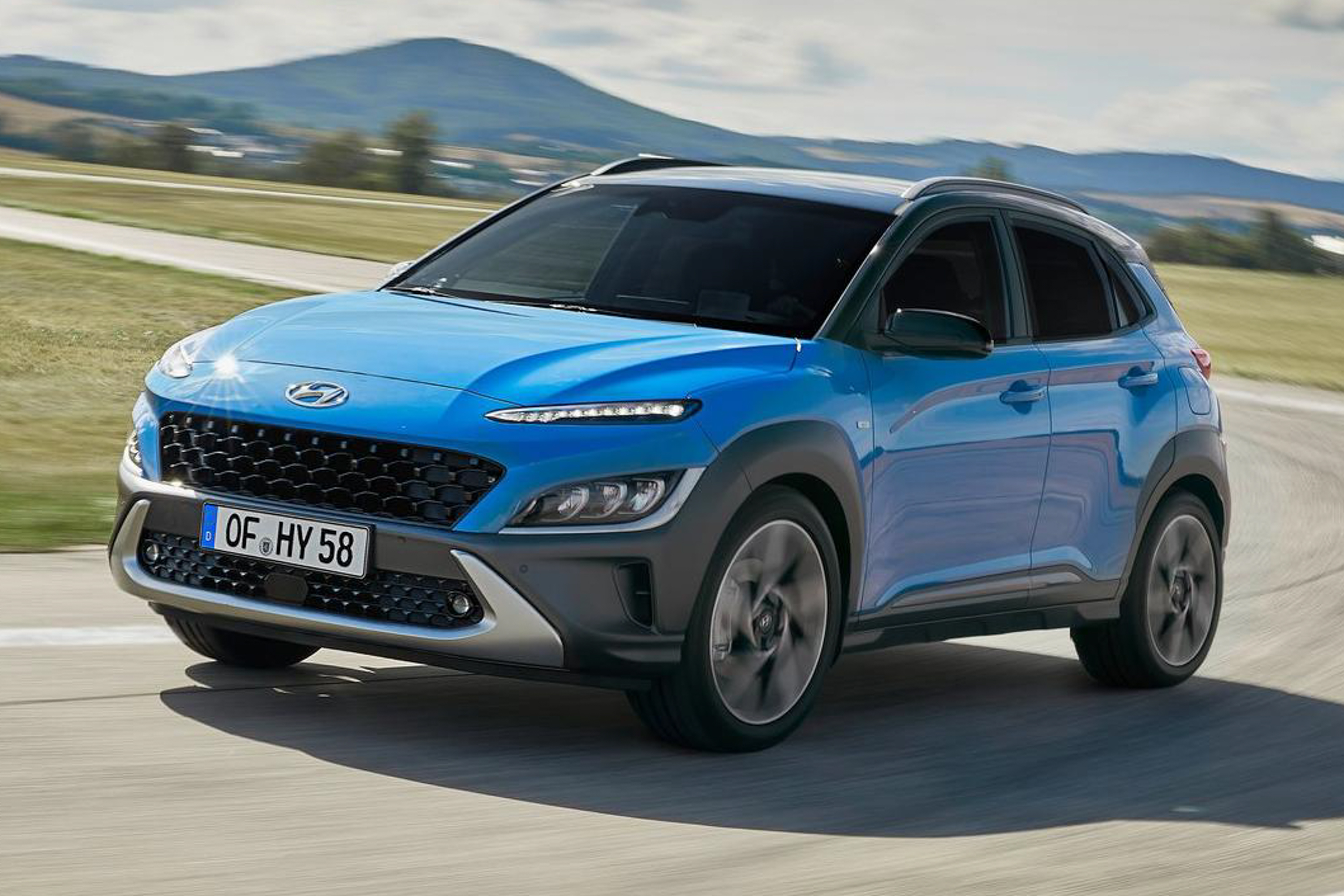
 Segment
 Body Type
 Capacity(L)
 Engine Power(PS)
 Transmission
 Driven Wheels
The compact SUV market in Malaysia is currently highly competitive. Most brands either focus on high-end features with higher prices or attract consumers with low prices but compromise on basic experience. The 2021 Hyundai Kona 2.0 Standard, as the entry-level model in the series, is priced at RM 119,888, nearly RM 17,000 cheaper than the Active version, yet retains key features like 6 airbags and keyless entry. This has sparked curiosity among many family users who value cost-effectiveness: can it strike the right balance between price and practicality? In this test drive, we focus on this point to see if its static performance, power output, and daily usability can meet mainstream needs.
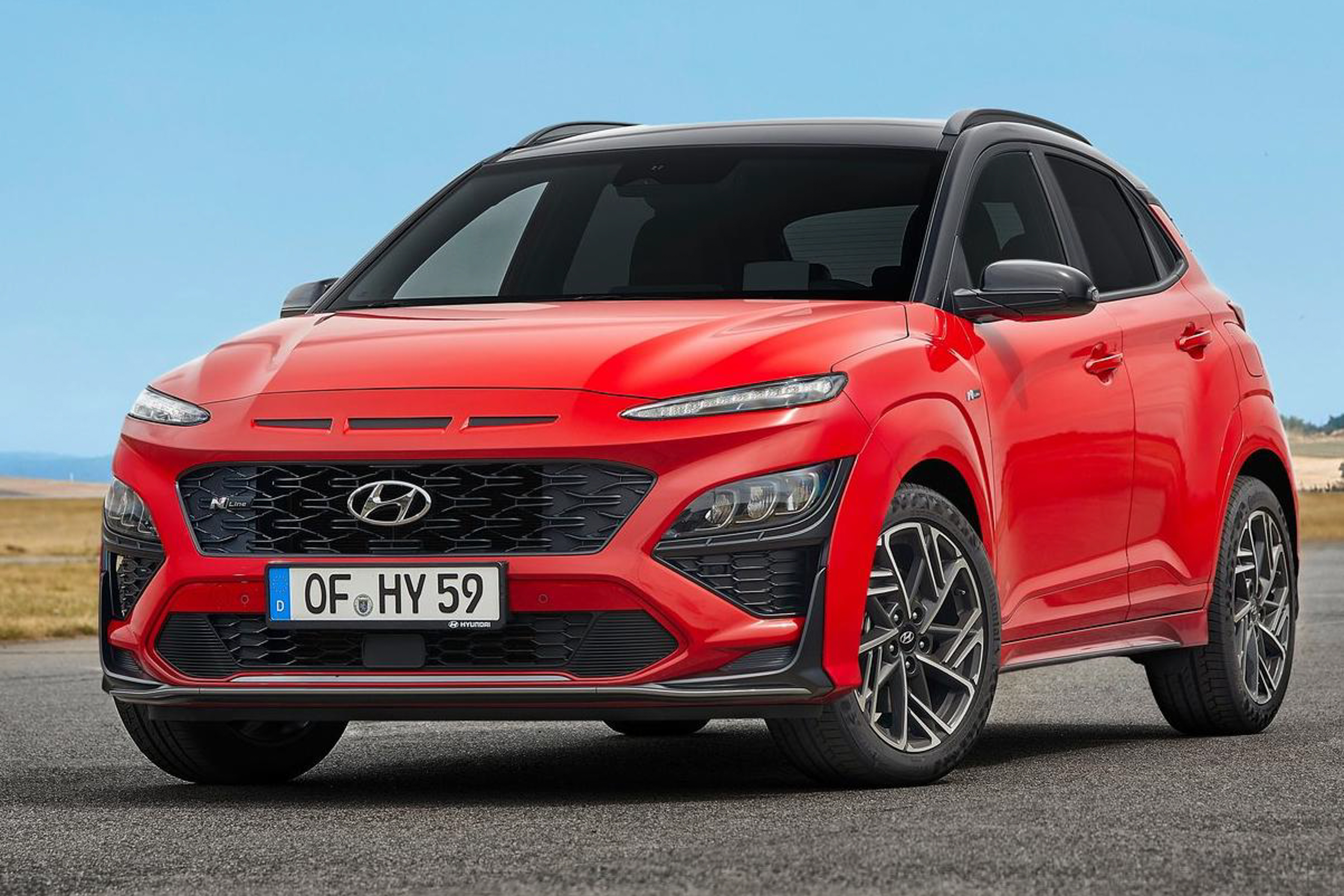
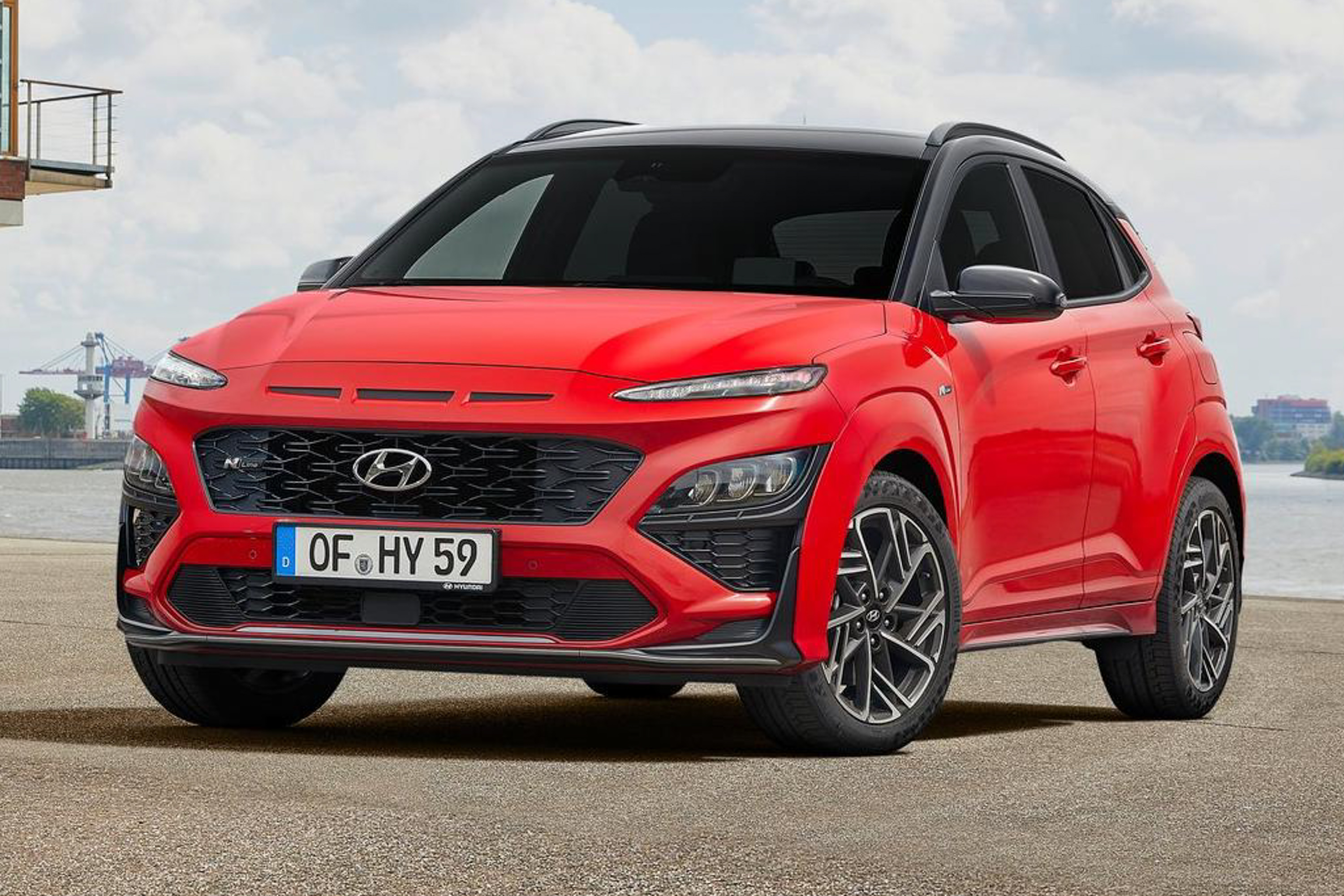
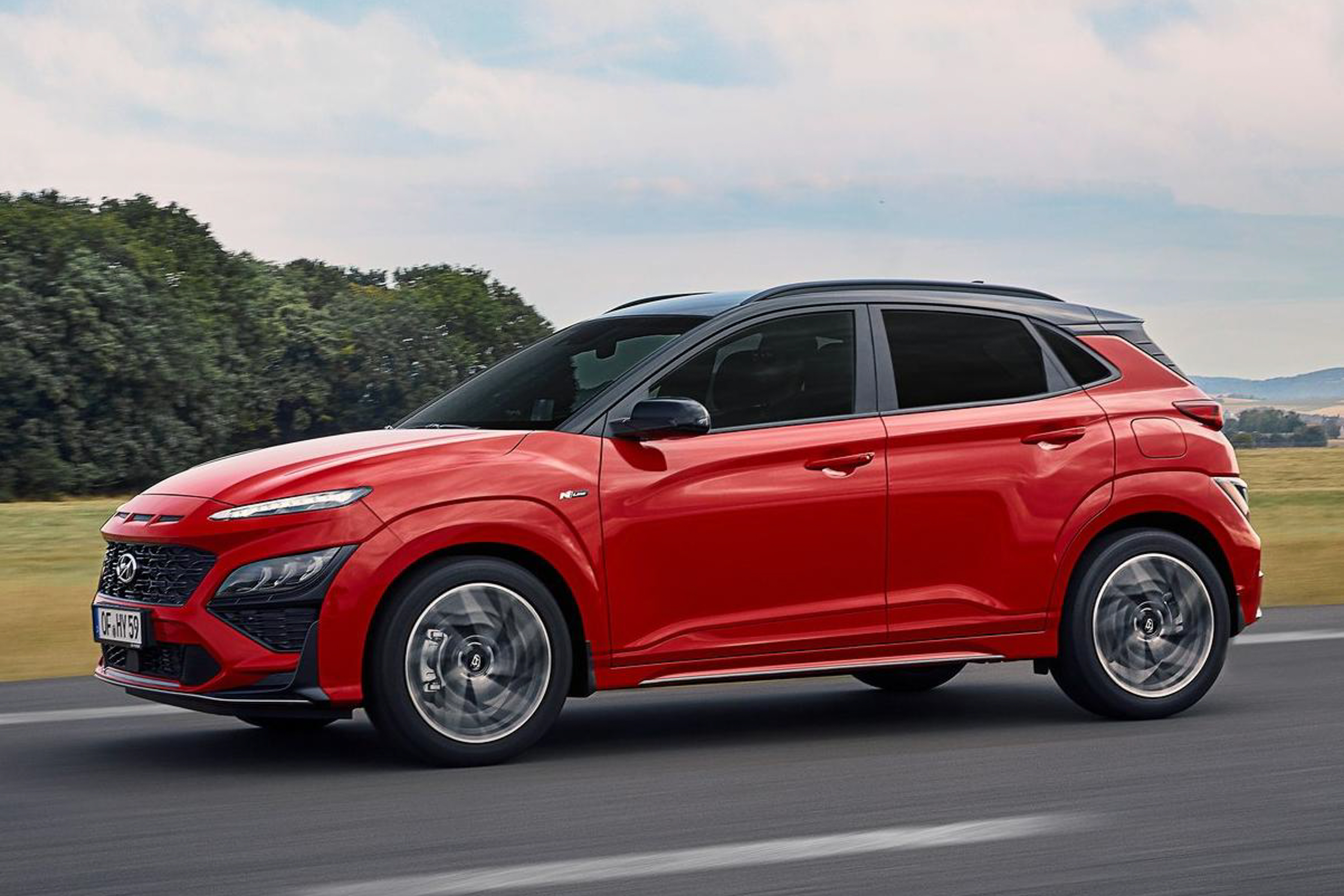
The exterior of the Kona 2.0 Standard continues the series' distinctive split headlight design. The upper grille connects to the slim daytime running lights on both sides, while the lower area features recessed halogen headlights. Combined with the trapezoidal front bumper, the overall style is simple yet distinctive. The side profile of the body features straight lines, with a waistline running from the front to the rear, adding a sense of depth, and paired with 215/55 R17 tires, the proportions appear well-balanced. At the rear, the horizontal taillight group echoes the black skid plate at the lower section of the rear bumper. While it lacks the LED headlights and 18-inch wheels of the Active version, the design is visually pleasing and aligns with its entry-level positioning as a family car.
Sitting inside the car, the interior primarily features a black color scheme with a clearly arranged center console. The 8-inch touch infotainment screen at the center supports the Sound Plus functionality and is paired with 6 speakers, offering decent audio quality for daily music listening. The instrument cluster features a 4.2-inch TFT LCD display, showing basic information such as speed and fuel consumption in a straightforward way. In terms of materials, the top of the center console is made of hard plastic, but the armrest and inner door panels are covered with soft materials, providing a pleasant tactile feel. As for the equipment, keyless entry/start, electrically folding side mirrors, and a 220V power socket for the front row are all included, fulfilling daily usage needs. Although the manually adjustable front seats are less convenient than powered ones, the adjustment range is sufficient, and a comfortable driving position can be easily found.
In terms of space, the Kona 2.0 Standard has a wheelbase of 2600mm. When a 175cm-tall passenger adjusts the front seat, there is a fist's worth of headroom remaining. A 175cm passenger in the rear will have around two fists of legroom and one fist of headroom, which is adequate for a compact SUV. The rear seats can be folded in a 60:40 split, increasing the trunk capacity from 361L, making it more adaptable for transporting large items such as strollers or suitcases. For storage options, the door pockets can fit two bottles of water, and the central armrest box and glove compartment have ample room to store small items. The front cup holders are equipped with securing features, showing attention to detail.
For performance, the 2.0L naturally aspirated engine delivers a maximum power of 149PS, with peak torque available at 4500rpm, paired with a CVT gearbox. Power delivery at start-up is smooth without the abruptness of a turbocharger, and the throttle response is linear, making low-speed city driving easy to control. When accelerating to 60km/h and pressing the throttle further, the power continues to deliver steadily, although it lacks a strong push-back sensation. High-speed overtaking requires planning ahead. The transmission operates smoothly, and gear changes are almost imperceptible during daily driving, adhering to the logic of a family-oriented vehicle. There is only a standard driving mode available, and while it lacks the aggressiveness of a sports mode, it is completely adequate for daily commuting and weekend outings.
In terms of handling, the steering wheel offers moderate resistance, and its precision is at a mid-level standard among the same class. The body lean is well-controlled when cornering, without any noticeable swaying. The front MacPherson independent suspension system effectively absorbs most of the small bumps on urban roads, ensuring good comfort for rear passengers. When going over speed bumps or large potholes, some vibrations are transmitted into the cabin, but it does not feel overly stiff. The brake pedal has a linear feel, and the braking force is evenly distributed, giving confidence during daily driving.
During our fuel consumption test, we drove approximately 50km each on congested city roads and highways with the air conditioning on the entire time. The final displayed combined fuel consumption was 9.2L/100km, which is close to the official figure of 9L/100km. For a 2.0L naturally aspirated engine, this level of fuel efficiency is considered normal. Regarding noise control, tire and engine noise are not significant when driving in the city. On highways, wind noise gradually increases after reaching 110km/h, but it remains within an acceptable range and does not affect conversations among passengers inside the car.
Overall, the core advantage of the 2021 Hyundai Kona 2.0 Standard lies in its cost-effectiveness. Compared to competitors in the same class like the Honda HR-V 1.5 S (priced around RM 114,800), it offers additional features such as 6 airbags, electrically folding side mirrors, and rear head curtain airbags. Compared to its own Active variant, while it lacks features such as LED headlights and a HUD head-up display, it is nearly RM 17,000 cheaper. For budget-conscious consumers, this trade-off in features is reasonable. Its static performance is balanced, space is sufficient for family use, and its power delivery is smooth with moderate fuel consumption. It is highly suitable for family users who prioritize practicality and affordability, especially those who need a reliable daily driver while also seeking safety and basic features.
If you are a family user with a budget of around RM 120,000 and do not require too many fancy features, but simply want a safe, easy-to-drive, and spacious compact SUV, the 2021 Hyundai Kona 2.0 Standard is a good choice. It does not have any particularly outstanding highlights, but it also has no obvious shortcomings. It is a balanced option that can meet all daily needs.
Hyundai Kona Car Compare

Hyundai Kona Loan Calculator
More Hyundai Reviews
Cars With Similar Price And Features
8
Rank in SUV
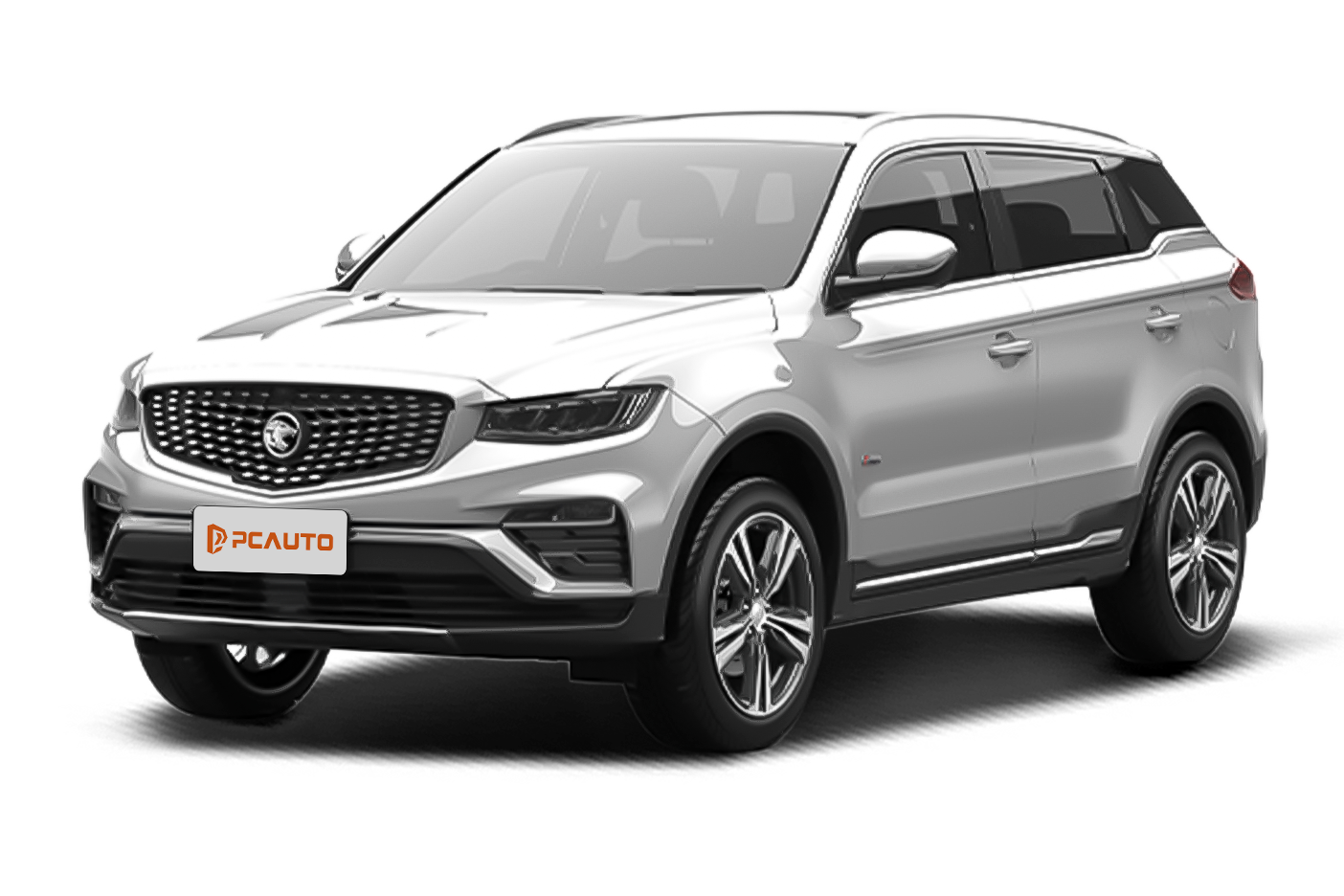
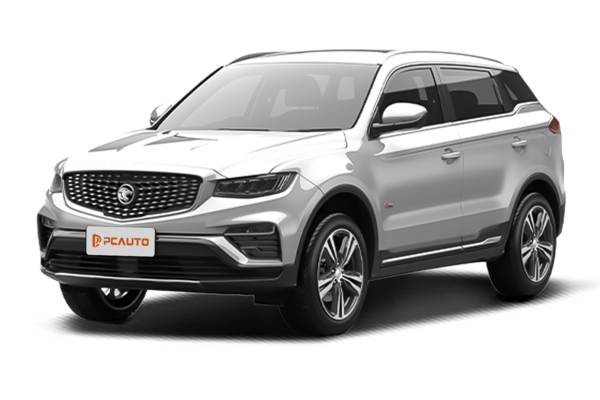
2026 Proton X70 1.5 TGDi Executive focuses on upgrading to a four-cylinder engine, practical configurations, and affordable pricing. It balances family commute practicality with value for money, making it a sensible choice among similarly priced C-segment SUVs.
10
Rank in SUV
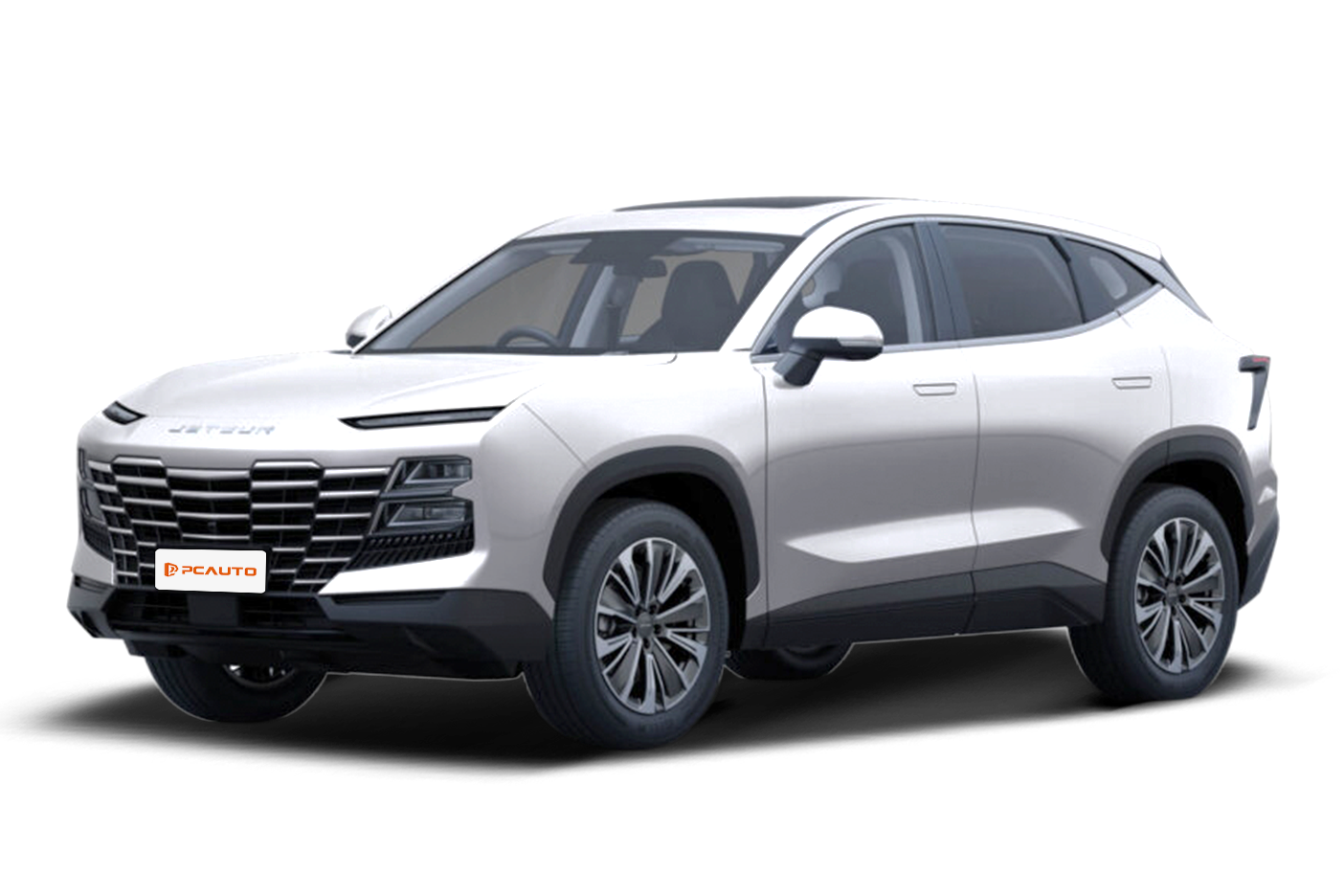
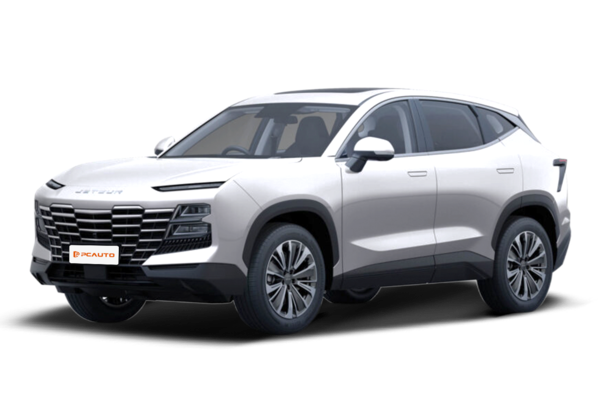
Jetour Dashing 1.5 TCI Comfort 2025 features a 2720mm long wheelbase and a 10.25-inch dual screen as its core, focusing on balanced cost performance to meet family practical needs.
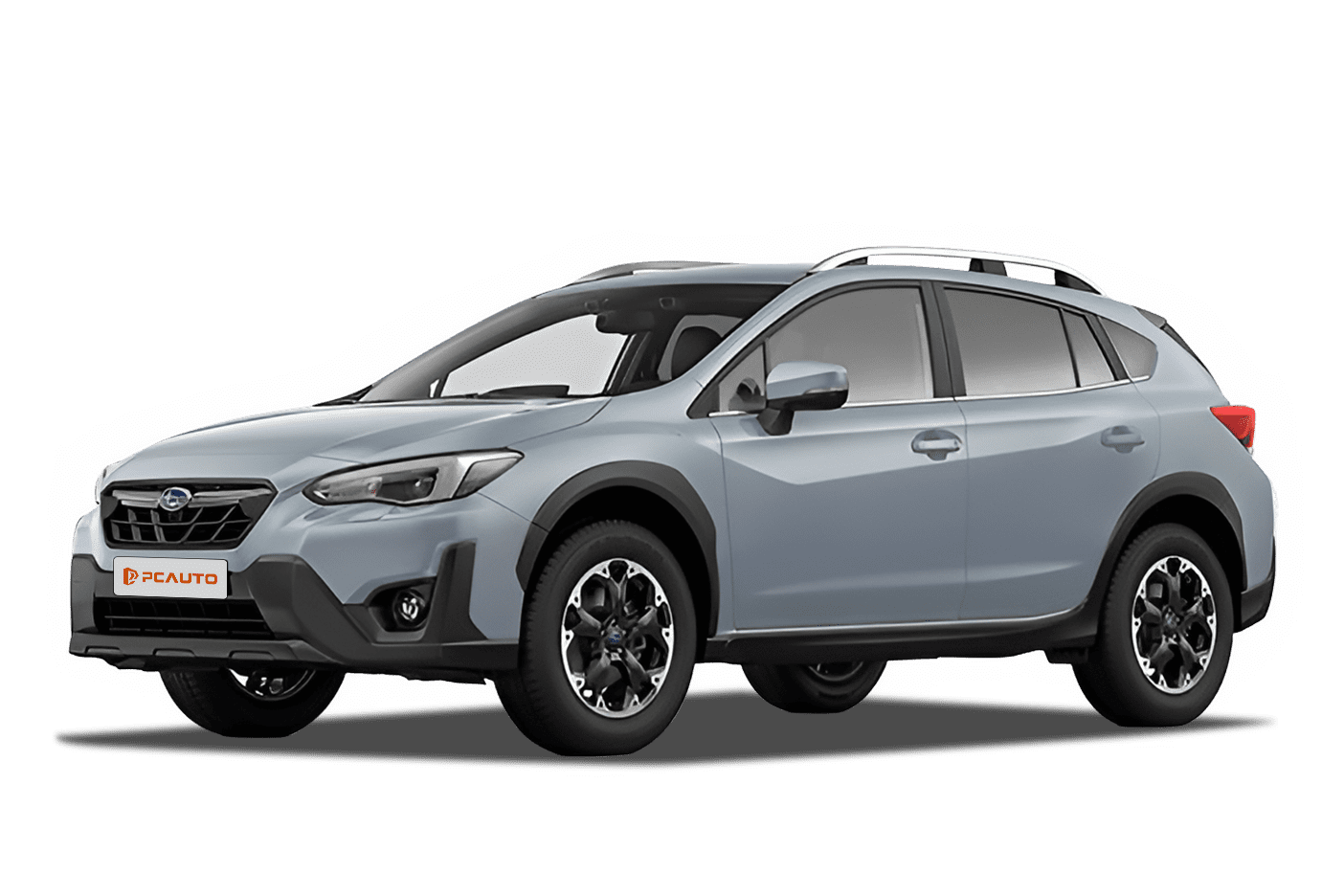
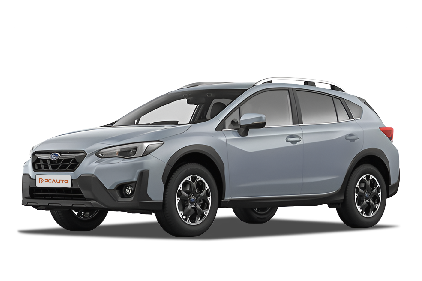
The 2021 Subaru XV 2.0i is a model targeting the C-segment crossover market, equipped with standard all-wheel drive and high safety features, balancing off-road capability and handling, with practical space.
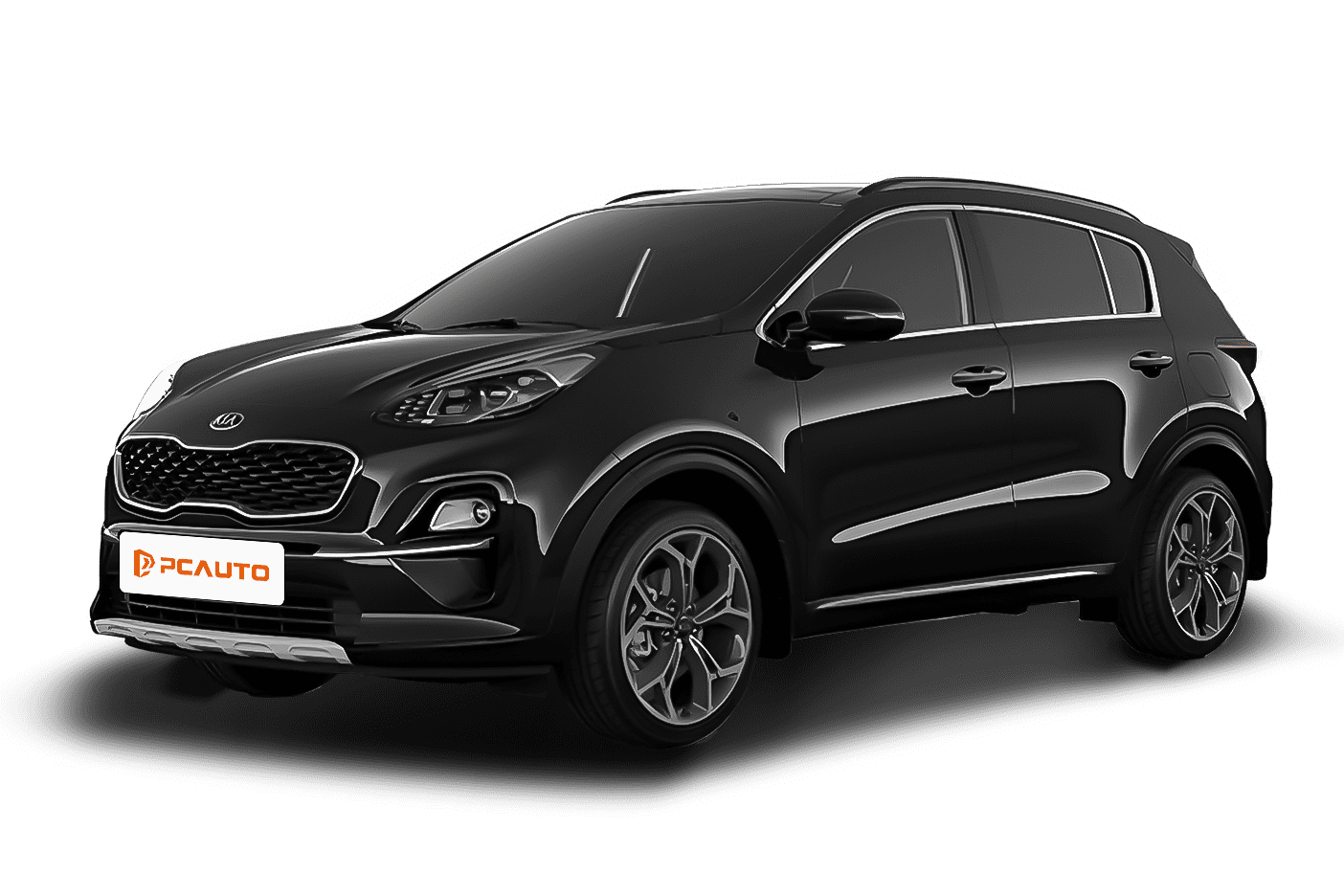
2024 Kia Sportage 2.0G 2WD, as the entry-level fuel version, with avant-garde design, 12.3-inch full LCD instrument panel, practical space, and economical fuel consumption, precisely meets the needs of family and cost-effectiveness-focused users.