

Jetour Dashing Review

 Share
Share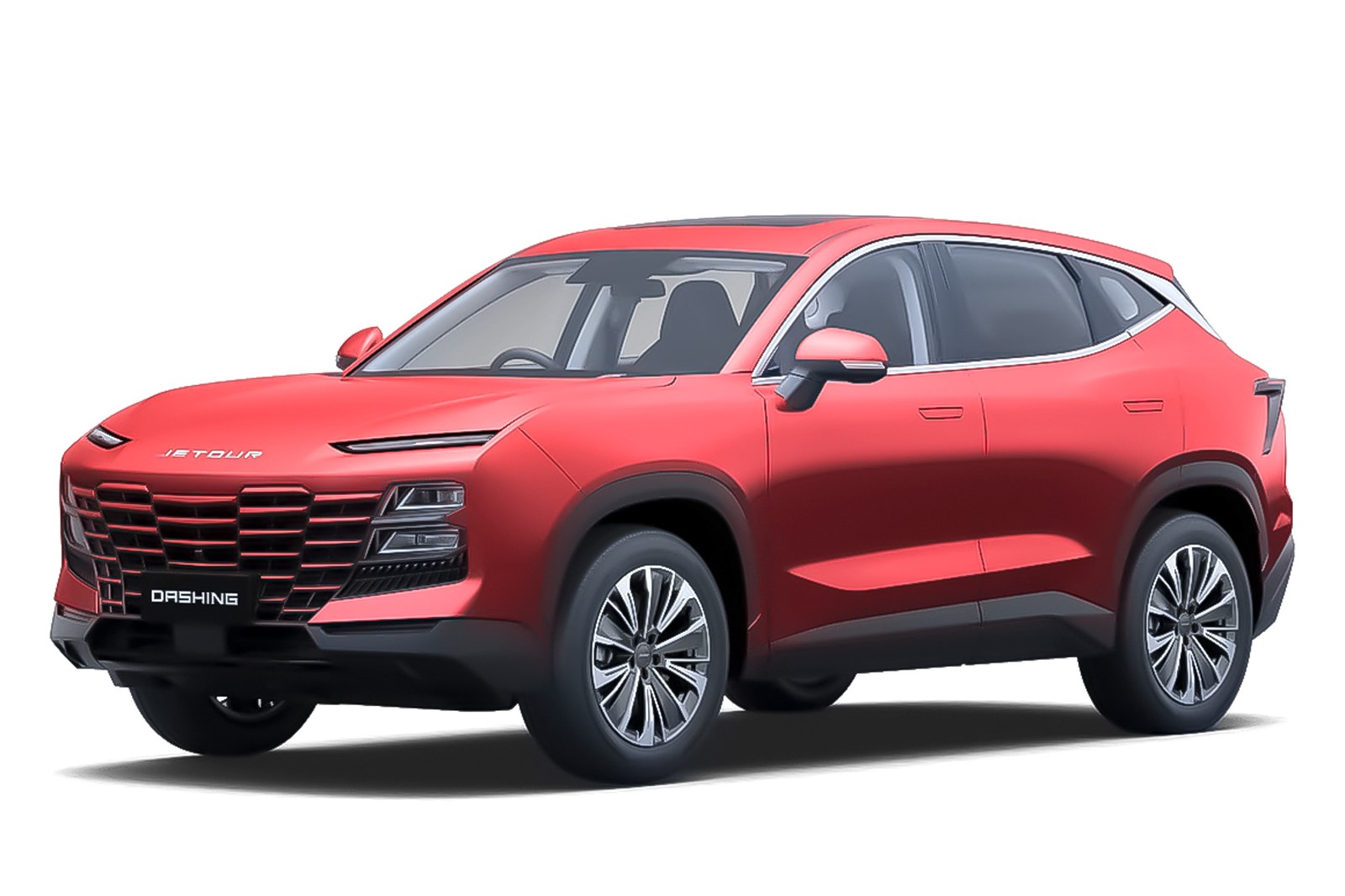
 Segment
 Body Type
 Capacity(L)
 Engine Power(PS)
 Engine Torque(Nm)
 Transmission
As competition in Malaysia's C-segment SUV market becomes increasingly intense, consumers no longer confine their expectations for models priced at RM 110,000 to just basic transportation – practicality of space, intelligent configurations, and smooth power delivery have become core considerations. As one of the brand's key models introduced after entering the Chinese market, the Jetour Dashing 1.5 TCI Comfort 2025 attempts to establish its "balanced cost-effectiveness" label in the same segment with a core selling point of a 2720mm long wheelbase and dual 10.25-inch screens. This review will focus on whether its design aesthetics meet local preferences, assess if its dynamic performance can satisfy daily commuting and family travel needs, and determine if the configurations are truly "sufficient and practical."
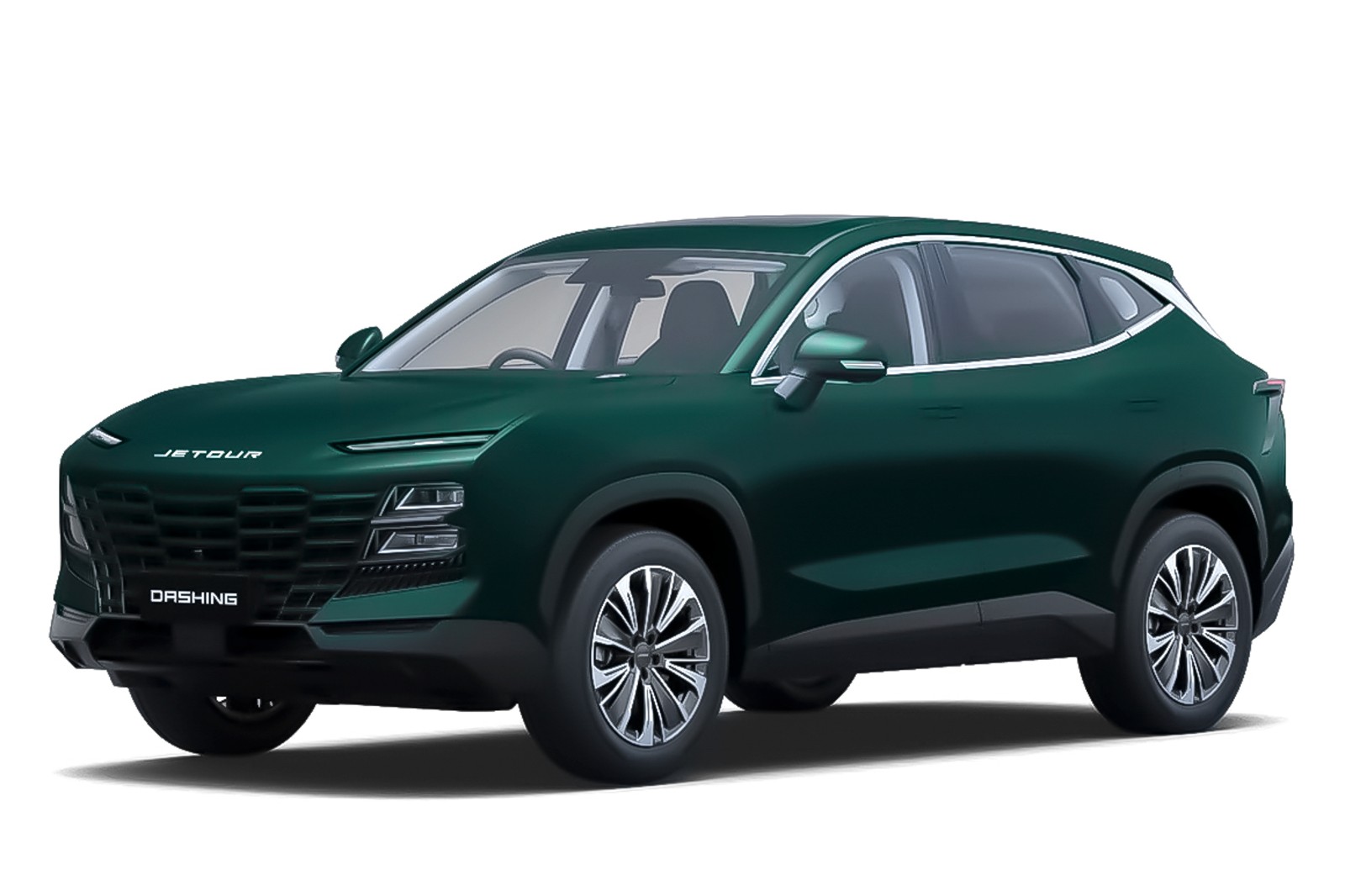
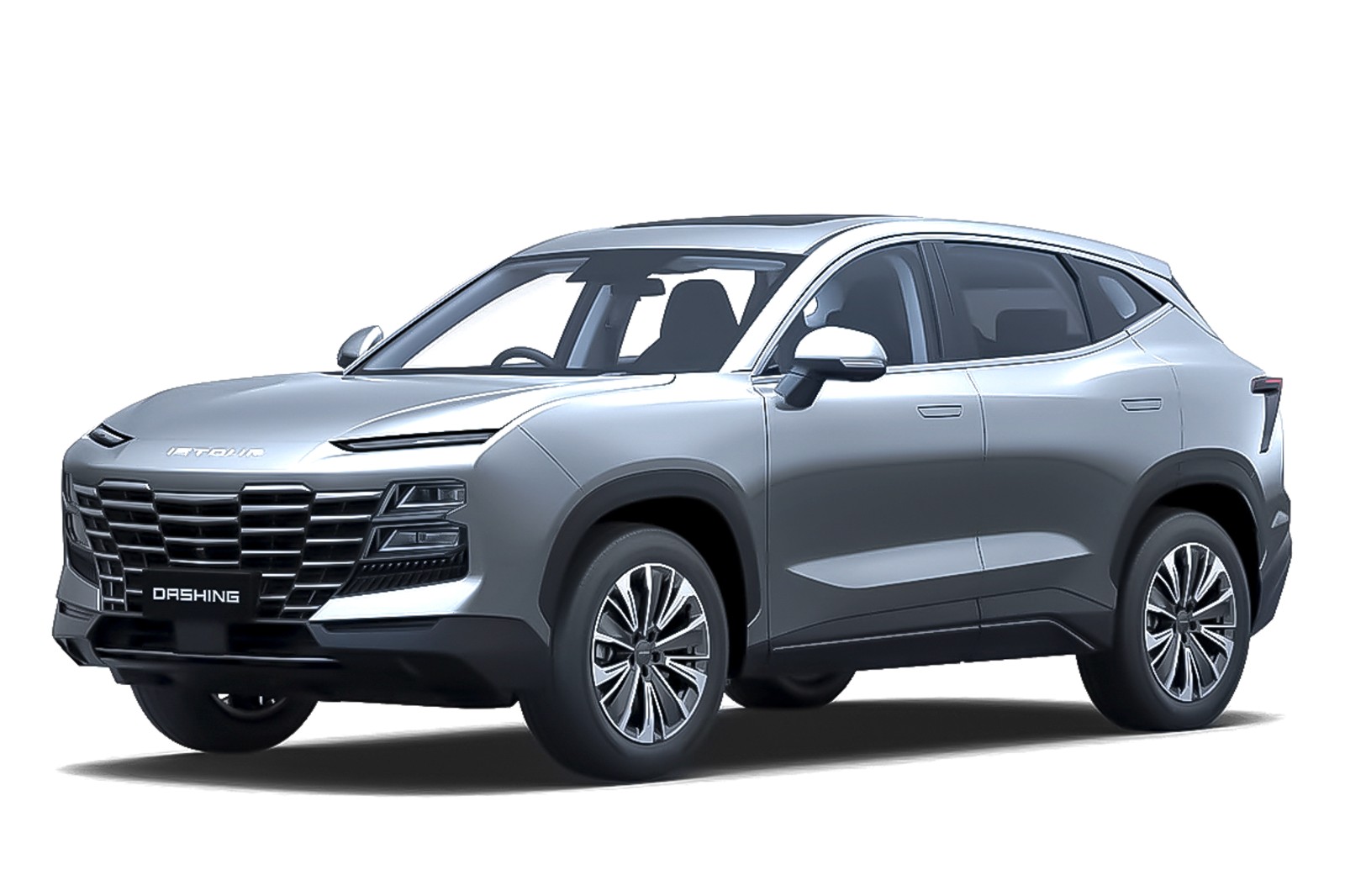
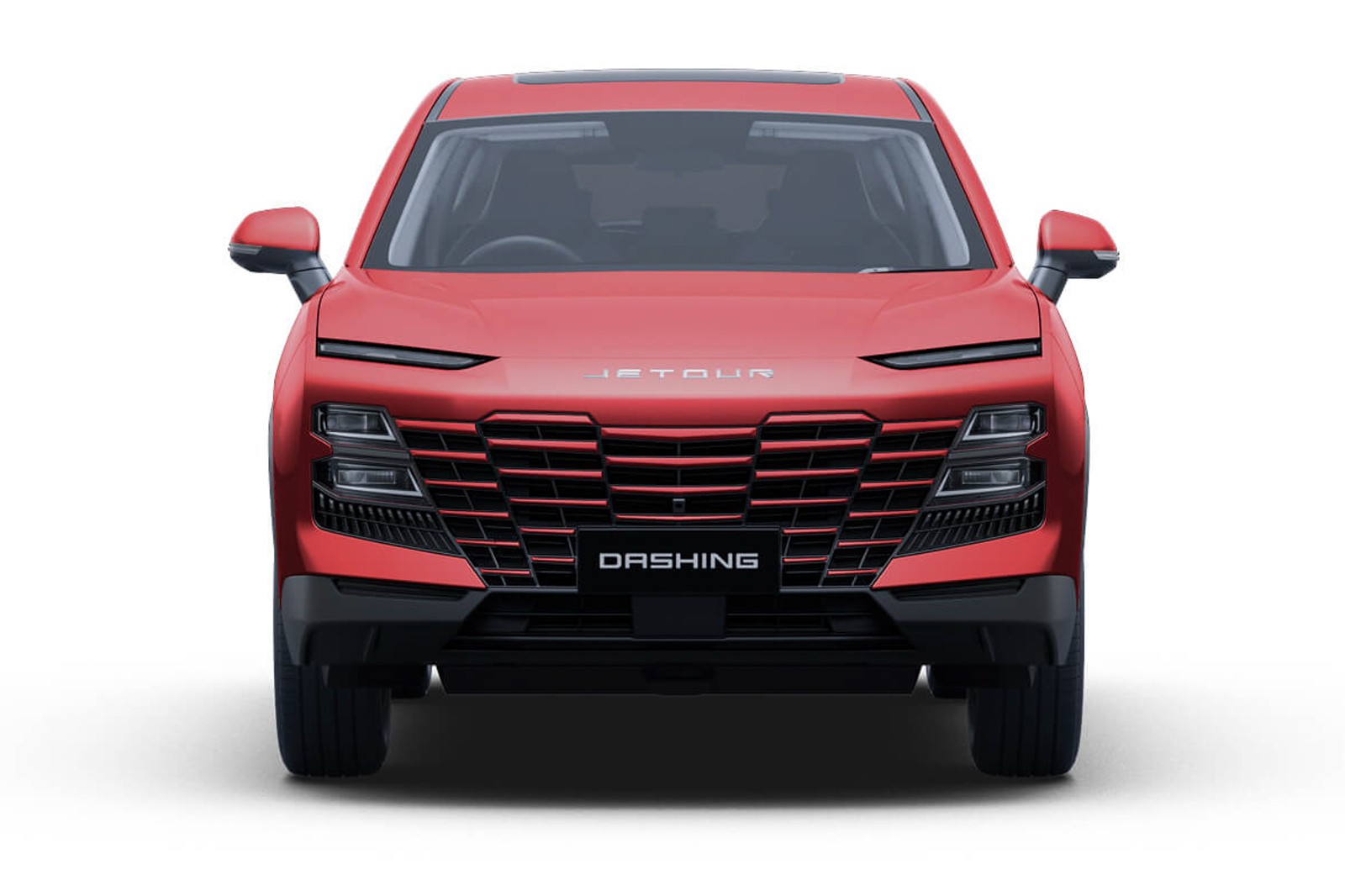
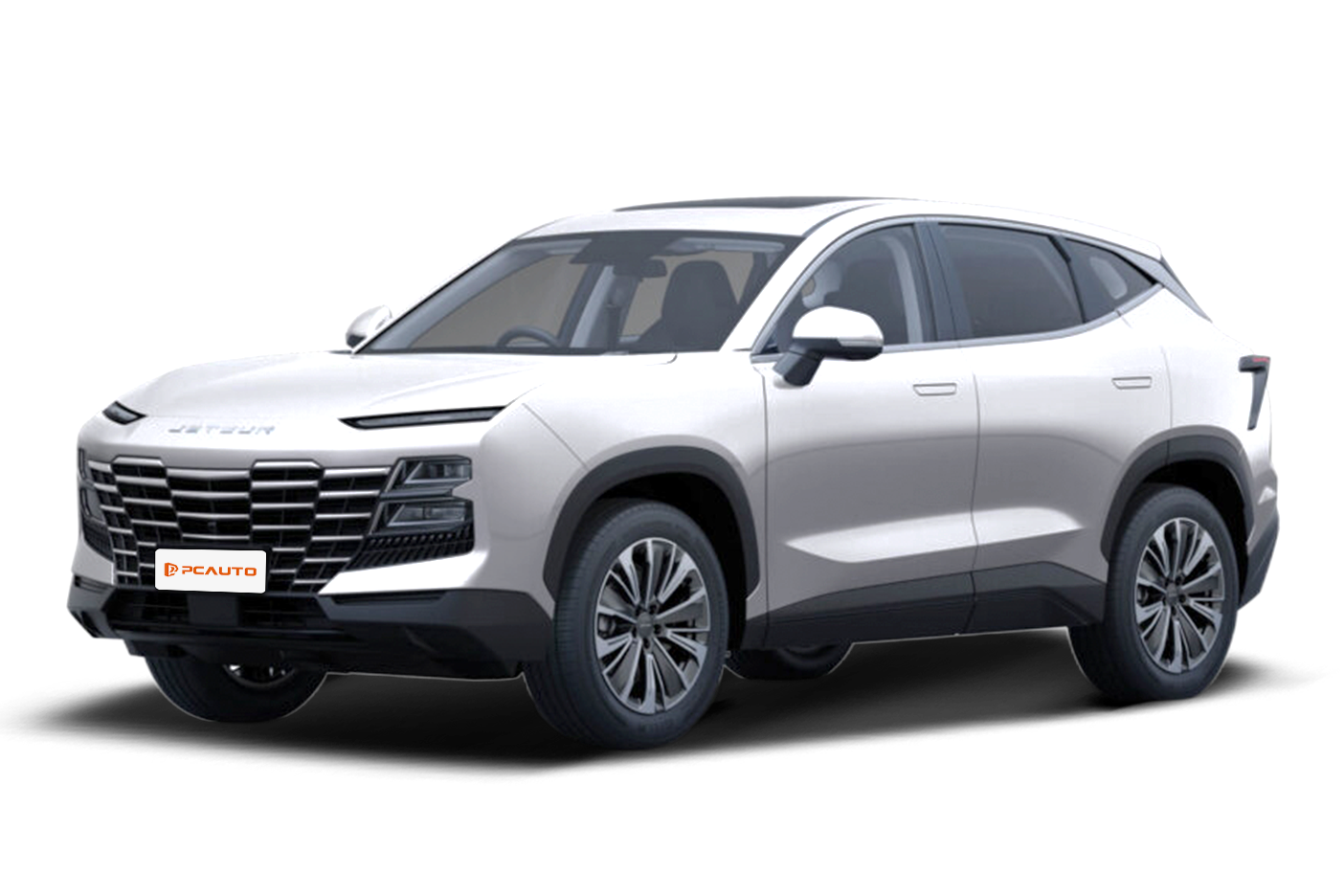
From a distance, the exterior of the Dashing Comfort maintains the ruggedness of a compact SUV, with overall rounded lines that do not lose a sense of strength. The front features a large hexagonal grille with a black honeycomb design inside, paired with sharp LED daytime running lights on both sides, making it highly recognizable. The side profile showcases a waistline that runs from the front fender to the taillight, with 18-inch multi-spoke wheels (tire specification 235/60 R18) filling the wheel arches moderately, ensuring visual harmony. The rear design is relatively simple, with LED taillights adopting a through-type design that is clearly visible when lit, while the silver skid plate below the rear bumper adds a hint of off-road flair. However, compared to the Prime version's 19-inch wheels, the Comfort version's wheel size appears slightly understated, which might fail to meet the expectations of users seeking a sportier look.
Inside the cabin, the Comfort version adopts a minimalist interior style. The dashboard is wrapped in soft-touch materials, complemented by silver decorative trims, offering a sense of quality that is mid-level within this price range. The 10.25-inch dual-screen (instrument cluster + infotainment) setup is the centerpiece of the interior, featuring high resolution and decent operational smoothness. It supports Bluetooth connectivity and basic navigation, but does not yet support wireless CarPlay or Android Auto. The multifunctional steering wheel is leather-wrapped and offers a comfortable grip; the left side integrates buttons for volume adjustment and call answering, while the right side hosts buttons for cruise control, all of which provide clear feedback. As for the seats, the driver's seat features 6-way electric adjustment, while the front passenger seat has 4-way manual adjustment. The seat cushioning is relatively firm but provides good support, making long rides less tiring. The rear seats offer a 60:40 split-folding feature, allowing the trunk volume to expand from 486L to a larger capacity to meet family storage needs. However, the slight floor hump in the rear reduces legroom for the middle passenger to some extent.
In terms of space performance, the 2720mm wheelbase of the Dashing Comfort indeed offers ample legroom for rear passengers – a passenger with a height of 175cm seated in the rear has about two fist-widths of space between their knees and the front seats, with an additional fist-width of headroom. Even with five passengers on board, it does not feel overly crowded. As for storage space, the front center armrest box is moderately sized, door panel storage pockets can accommodate two bottles of water, and storage bags are provided at the back of the front seats, showing thoughtful attention to detail. In its standard state, the trunk can hold two 20-inch suitcases along with some miscellaneous items, fulfilling daily shopping or short-trip needs.
The powertrain of the Comfort version is equipped with a 1.5T turbocharged engine, delivering a maximum power of 115kW (156PS) and a maximum torque of 230N·m, paired with a 6-speed wet dual-clutch transmission. During actual driving, the power response is slightly delayed during the initial acceleration phase, with the turbo kicking in at around 1750rpm. Once engaged, the power delivery is smooth, and its mid-range acceleration (40-80km/h) performance is decent. Deep pressing the accelerator during overtaking provides a certain degree of push-back feeling, but the high-speed range (above 100km/h) acceleration capability is limited. The transmission's shift logic is relatively conservative, with quick upshifts but hesitant downshifts, especially during rapid acceleration, taking 1-2 seconds to respond. Three driving modes are available: Eco, Standard, and Sport. In Sport mode, throttle sensitivity is improved, shift delay is introduced, and the power performance becomes more direct.
In terms of handling and suspension, the combination of front MacPherson struts and rear multi-link independent suspension is relatively rare in this price range, and it is tuned towards comfort. While driving on urban tarmac roads, the suspension can filter out most fine bumps, and handling vibrations when crossing speed bumps is relatively smooth without obvious stiffness. The steering system uses electric power assistance, with minimal steering wheel dead zone and decent directional control, but the feedback is relatively light, lacking a certain sense of road feel. The overall rigidity of the chassis is good, body roll is controlled within a reasonable range during cornering, and stability at high speeds is commendable without any noticeable sensation of floating.
Fuel consumption is a key concern for family users. In this evaluation, during a combined test involving urban congested roads (about 30%) and highways (about 70%), the Comfort version achieved an average fuel consumption of approximately 7.8L per 100km. For a 1.5T model, this is considered moderate. With a full 57L fuel tank, the range is around 700km, meeting daily commuting needs. Regarding noise control, at high speeds (120km/h), wind noise and tire noise are more noticeable, especially tire noise, which may be related to the tire brand, but it is within an acceptable range. Engine noise becomes apparent during rapid acceleration but does not hinder normal conversations inside the cabin.
In terms of safety features, the Comfort version comes standard with 4 airbags (driver, passenger, and front side airbags), ABS anti-lock braking, vehicle stability control, rear parking sensors, and a reversing camera, satisfying basic safety needs. However, compared to the Prime version, it lacks blind-spot assist and lane departure warning systems, which may be somewhat inadequate for users who prioritize active safety features.
In summary, the Jetour Dashing 1.5 TCI Comfort 2025's core strengths lie in its space practicality provided by the long wheelbase, the high-tech feel of the 10.25-inch dual-screen setup, and the comfort-oriented suspension tuning. Compared to competitors in the same class (such as the Proton X50 1.5T Standard), the Dashing Comfort has a longer wheelbase and a more spacious rear cabin, but it falls slightly behind in terms of smart features (such as active safety) and power parameters.
This car is more suitable for families who prioritize space and practicality. The 2720mm wheelbase meets the needs of rear passengers, and the trunk capacity is sufficient for carrying strollers or suitcases. Additionally, with a price under 110,000 MYR, a reliable powertrain, and basic smart features, it also meets the daily commuting needs of young professionals. However, if you are looking for richer configurations (such as a panoramic sunroof or 6 airbags), it is recommended to consider the Prime version.
Overall, the Jetour Dashing 1.5 TCI Comfort 2025 is a "sufficient and practical" compact SUV. While it doesn't have any particularly outstanding features, it also has no obvious shortcomings, making it suitable for budget-conscious users who prioritize space and value for money.
Jetour Dashing Car Compare
Jetour Dashing Loan Calculator
More Jetour Reviews
Cars With Similar Price And Features
8
Rank in SUV
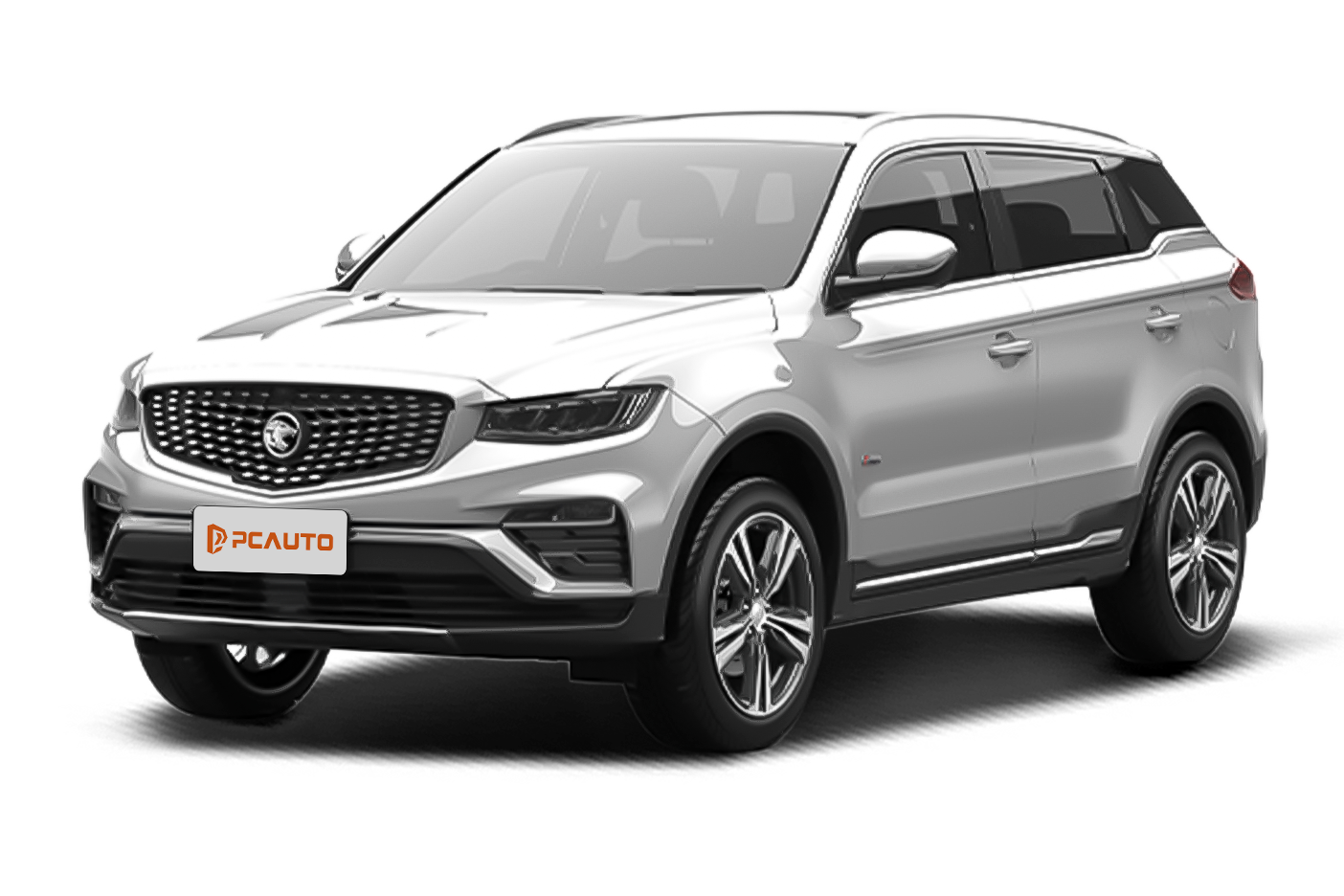
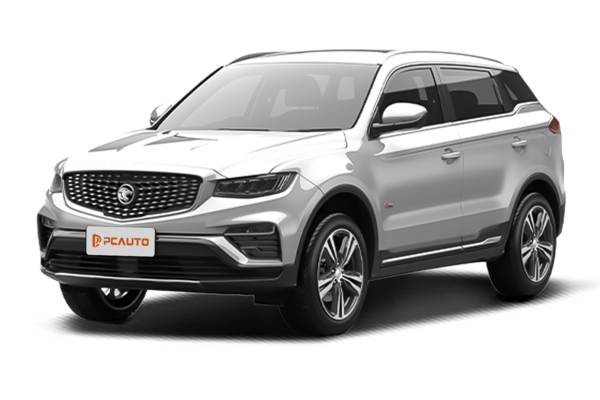
2026 Proton X70 1.5 TGDi Executive focuses on upgrading to a four-cylinder engine, practical configurations, and affordable pricing. It balances family commute practicality with value for money, making it a sensible choice among similarly priced C-segment SUVs.
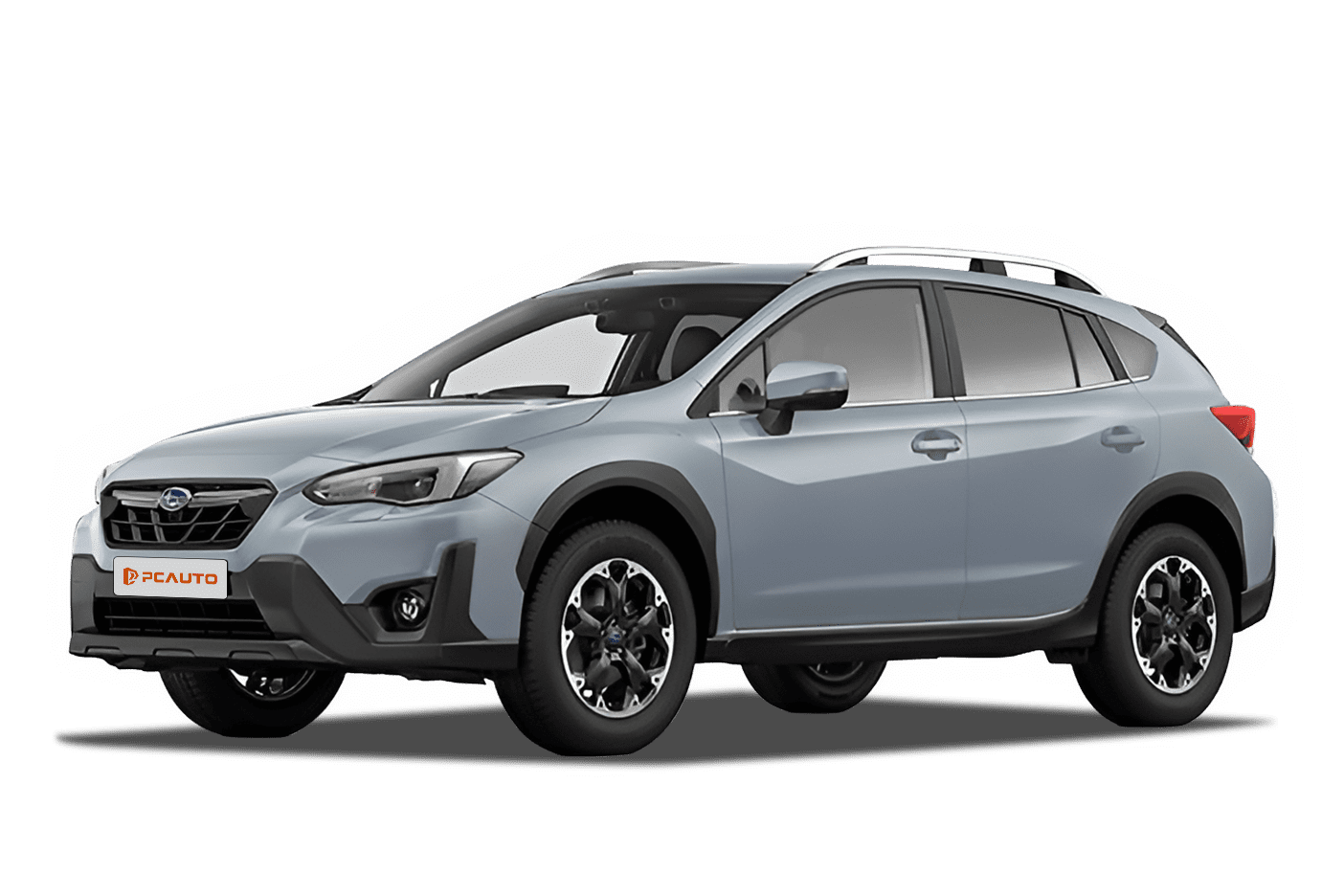
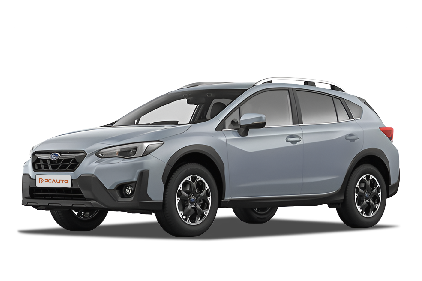
The 2021 Subaru XV 2.0i is a model targeting the C-segment crossover market, equipped with standard all-wheel drive and high safety features, balancing off-road capability and handling, with practical space.

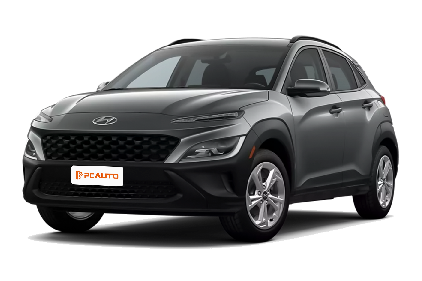
2021 Hyundai Kona 2.0 Standard, as a high-value entry-level compact SUV, retains essential safety and practical features with an affordable price, meeting the daily commuting and loading needs of families.
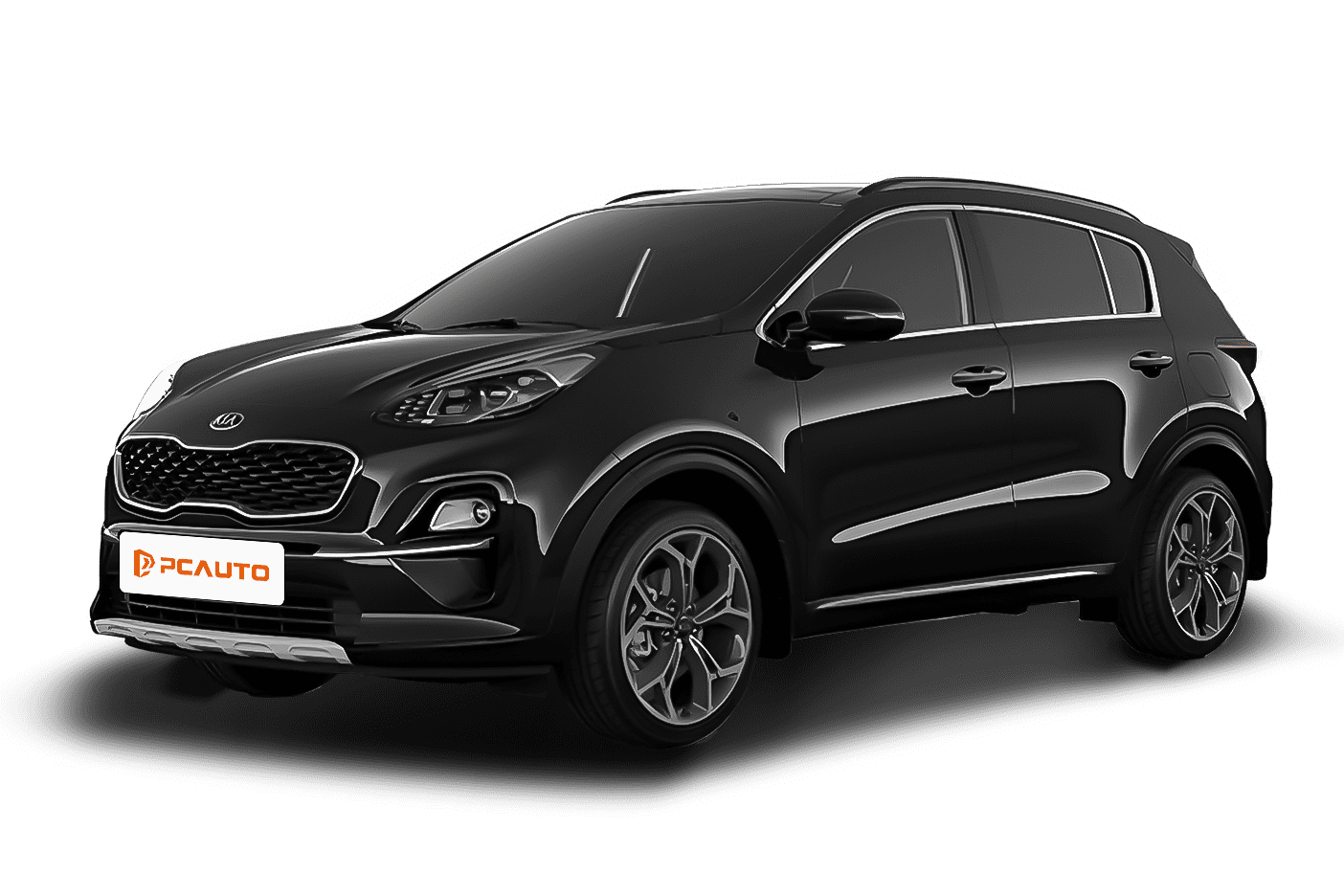
2024 Kia Sportage 2.0G 2WD, as the entry-level fuel version, with avant-garde design, 12.3-inch full LCD instrument panel, practical space, and economical fuel consumption, precisely meets the needs of family and cost-effectiveness-focused users.