

Proton X70 Review

 Share
Share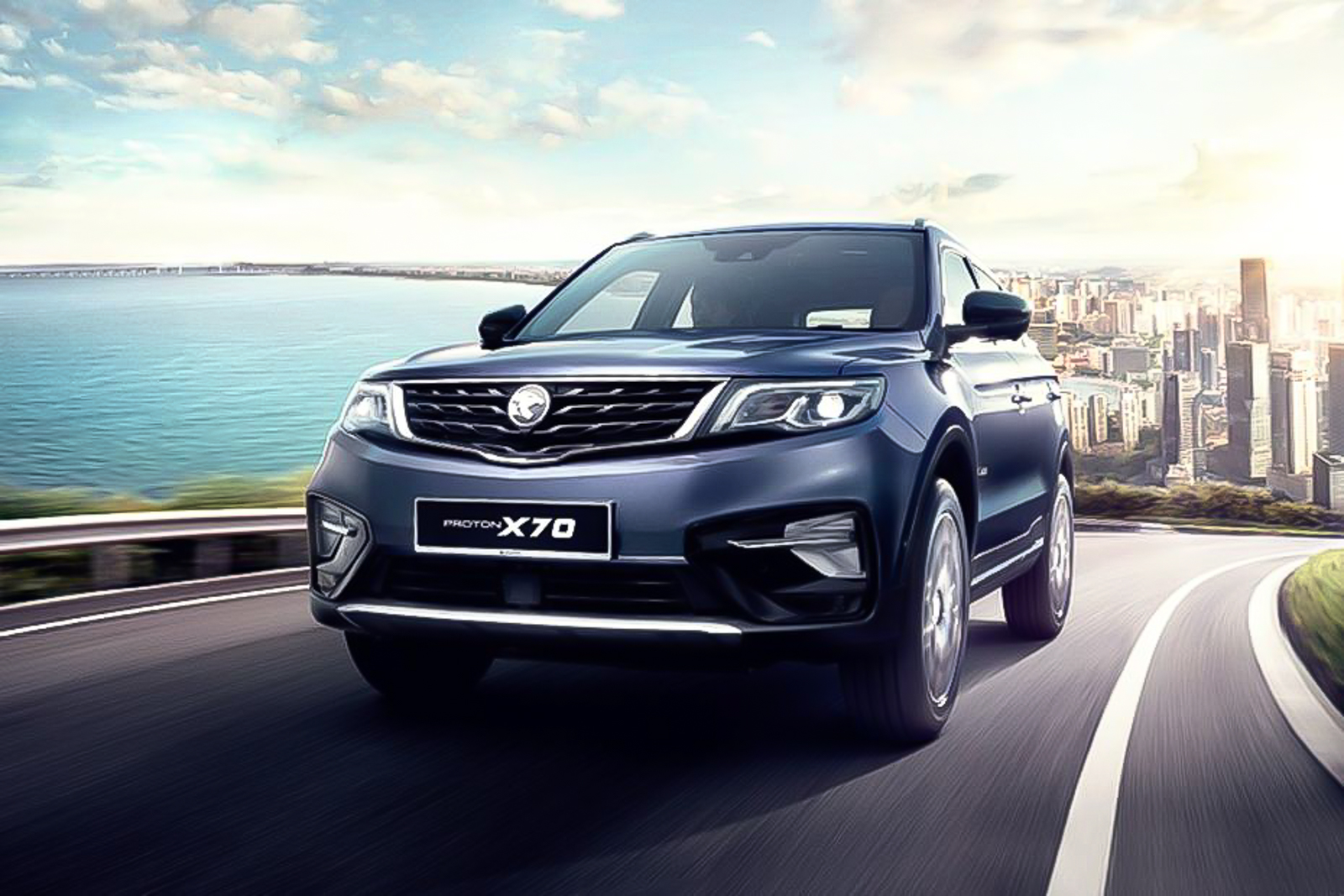
 Segment
 Body Type
 Capacity(L)
 Engine Power(PS)
 Engine Torque(Nm)
 Transmission
In today's C-segment SUV market, consumers have increasingly higher demands for power, configuration, and cost-effectiveness. They not only require economic efficiency for daily commuting but also practical functionality for family outings. The 2026 Proton X70 1.5 TGDi Executive, as a yearly facelift model, not only continues the positive reputation of the X70 series but also features targeted upgrades in power and configuration. For example, the old three-cylinder 1.5T engine is replaced with a four-cylinder version, increasing horsepower to 181PS while maintaining an affordable price of RM 99,800. The primary purpose of this test drive is to verify whether these upgrades genuinely improve the user experience and whether it is competitive enough among vehicles in the same price range.
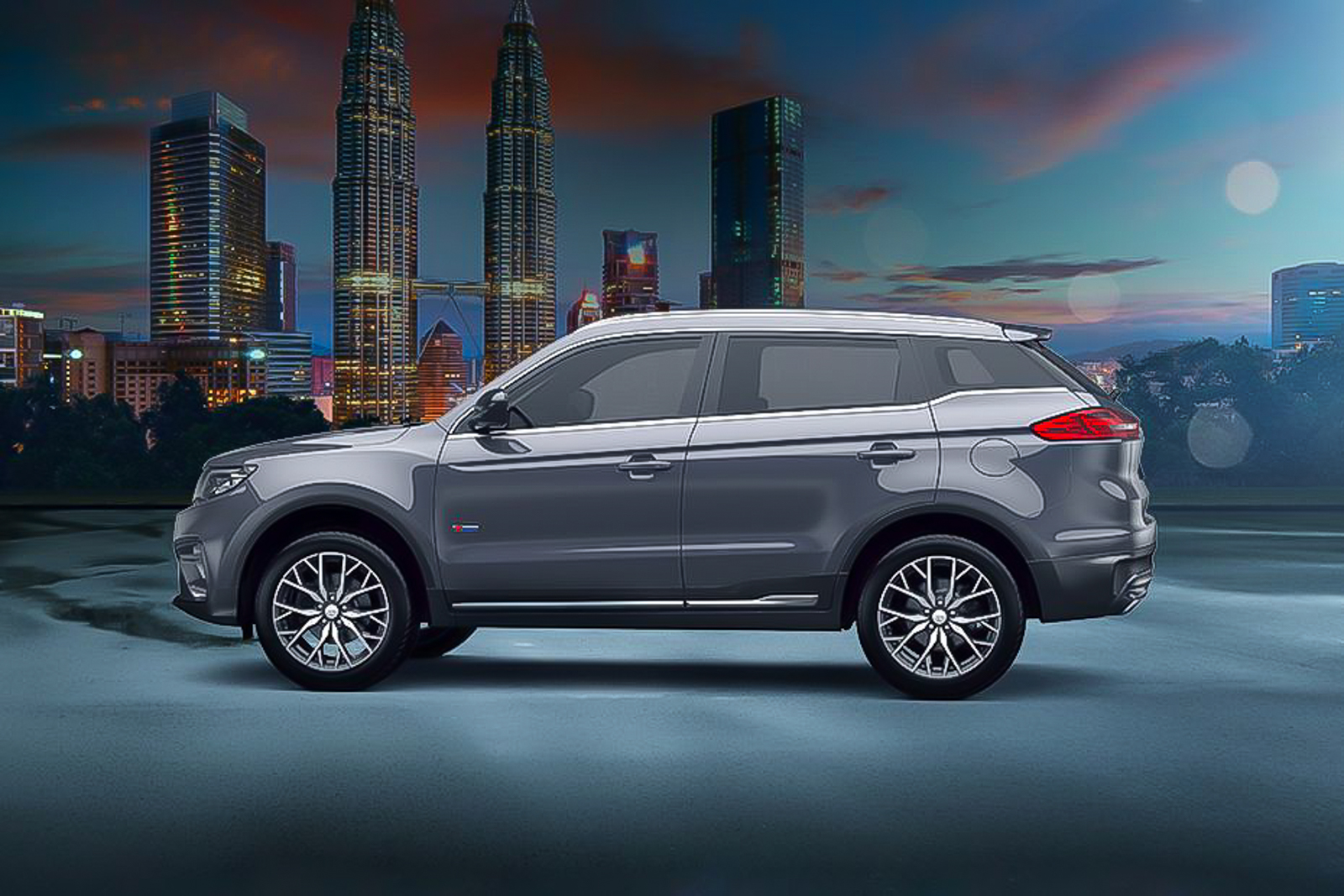
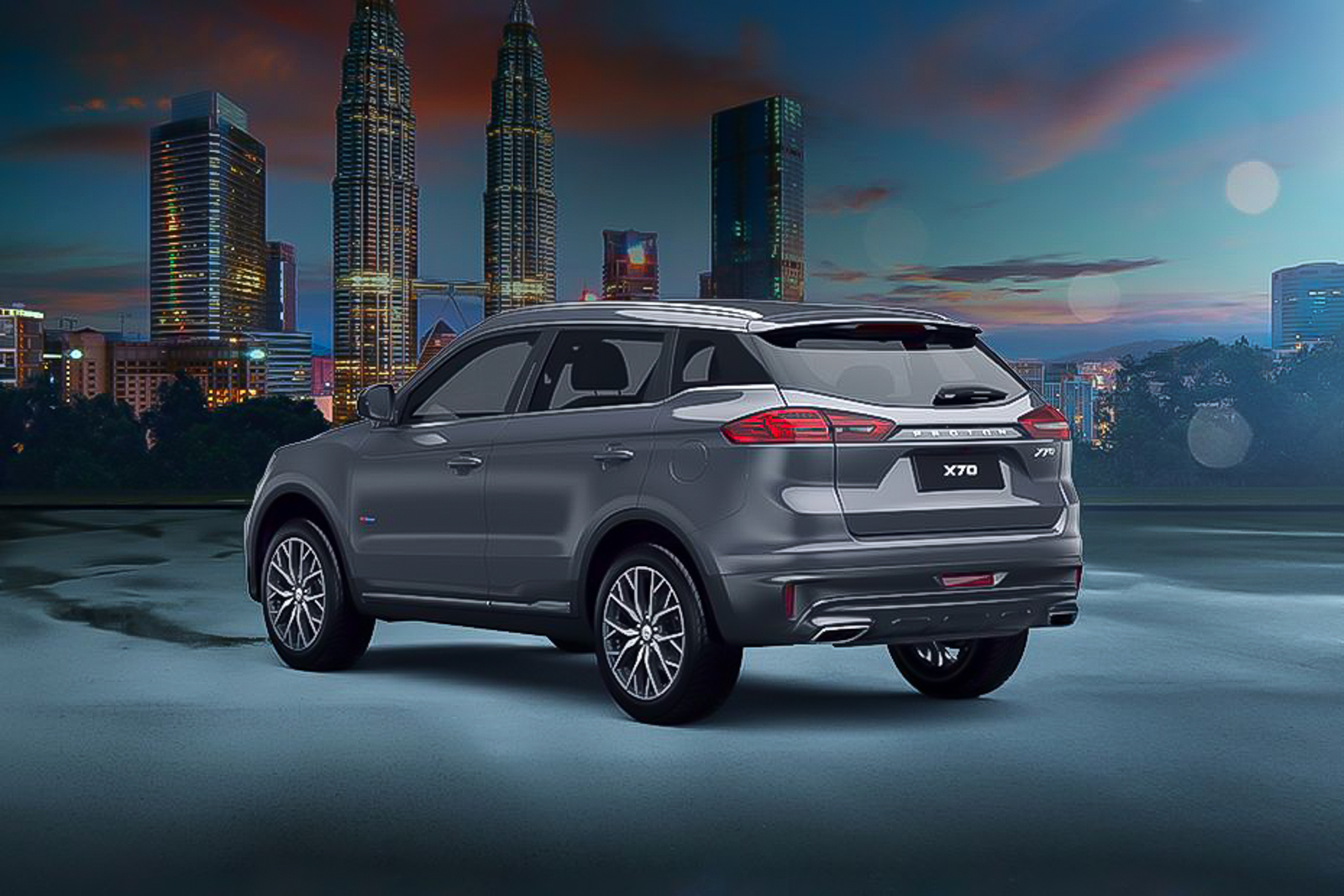
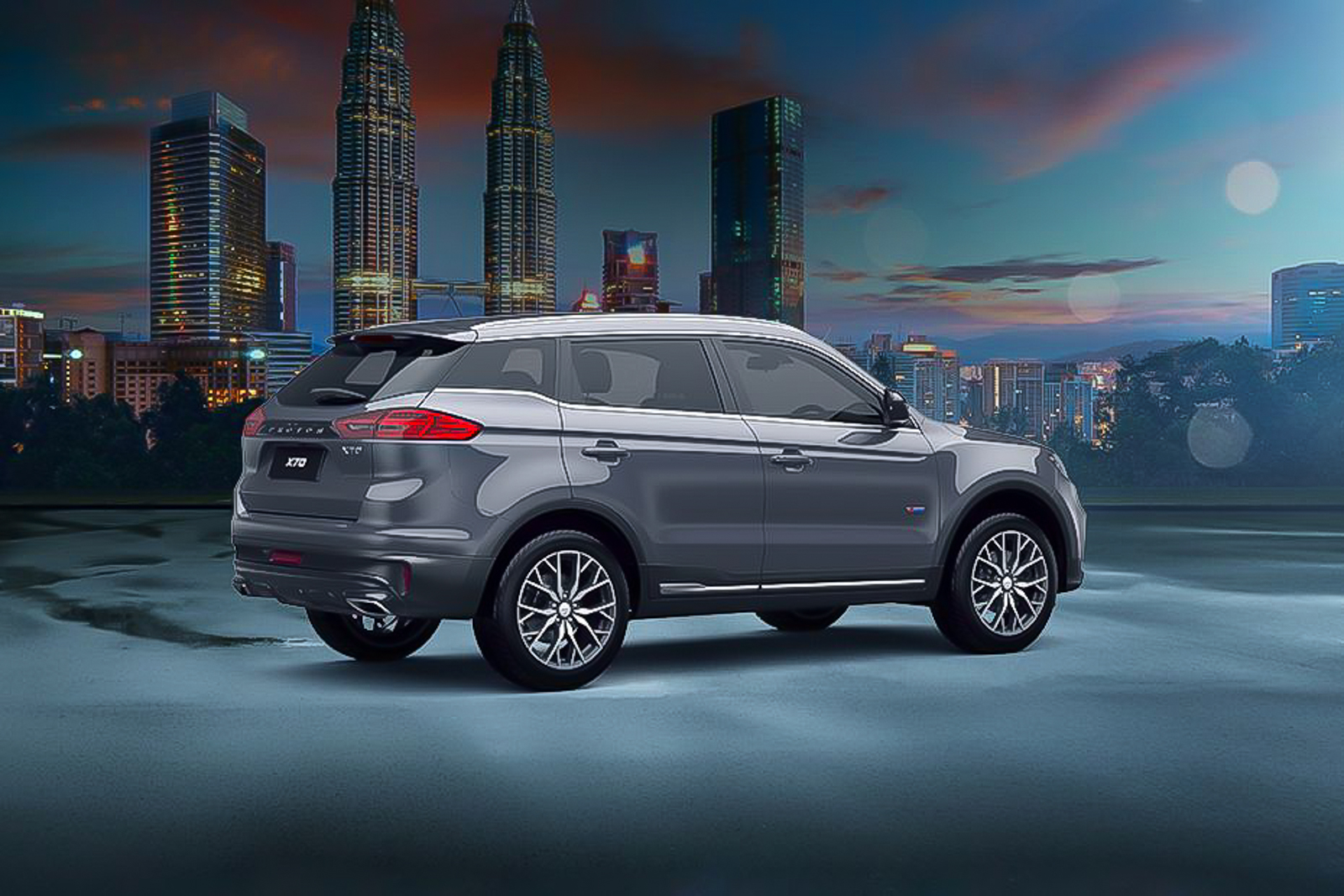
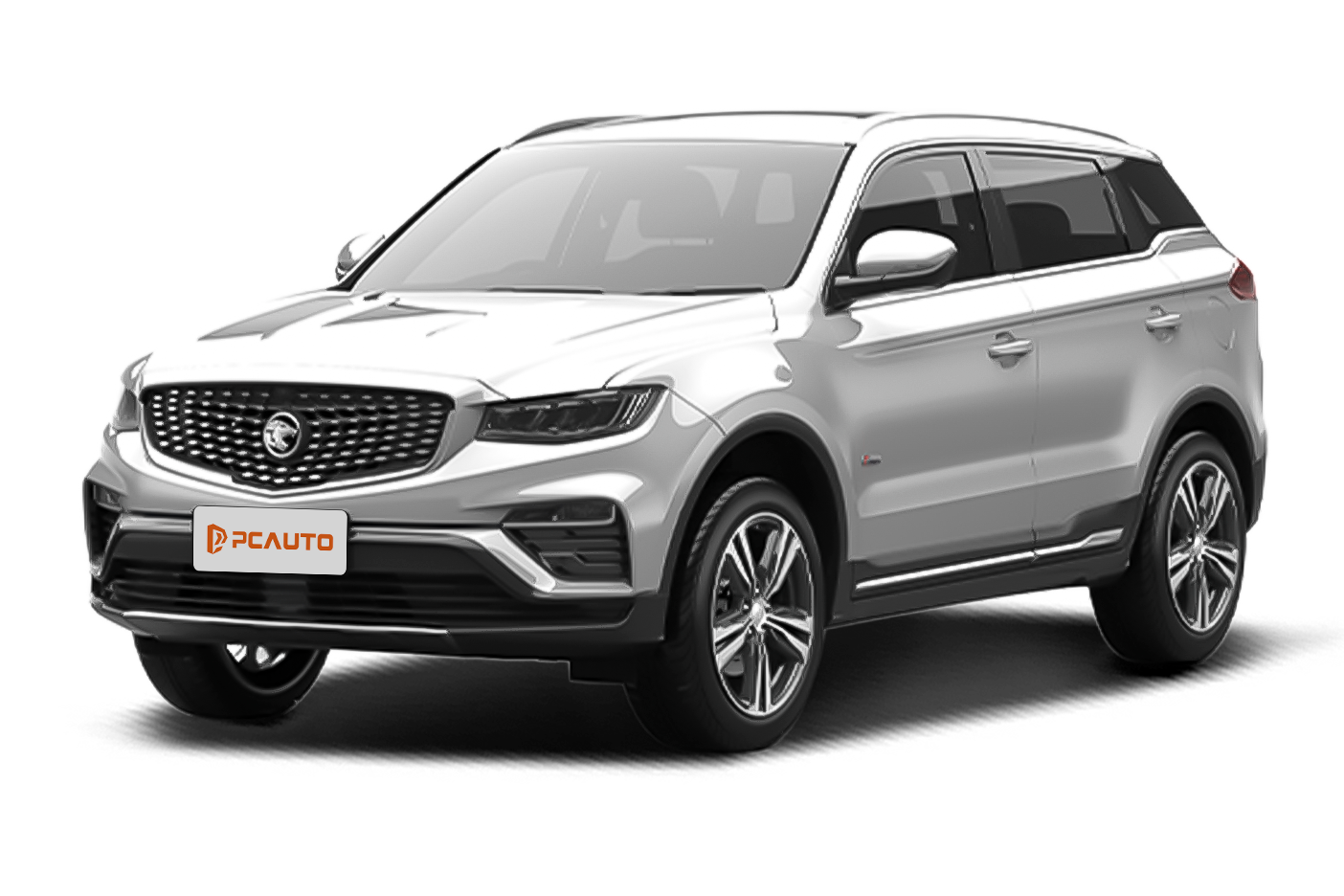
At first glance, the most noticeable change in the 2026 X70 Executive is the slightly increased body length, which has reached 4532mm—6mm longer than the 2024 model—making it appear more streamlined visually. The front still features a signature large-sized grille, adorned with chrome strips and LED headlights, giving it high recognizability. The slim daytime running lights align naturally with the upper edge of the grille, presenting a clear visual effect when lit. The side profile showcases smooth lines, with a waistline extending from the front fender to the rear, enhancing its muscular feel. The 225/65 R18 tires are proportionally balanced with the body and do not appear too thin. At the rear, the LED taillights adopt a horizontal layout, with simple internal light strips that have good recognizability when illuminated. The silver skid plate on the lower rear bumper adds a touch of SUV ruggedness. The overall exterior design is not overly aggressive, making it timeless and appealing to the general public.
Opening the door, the interior layout retains Proton's consistently practical style, with the center console adopting a T-shaped design that is well-layered. In terms of materials, the door panels and upper part of the center console are wrapped in soft-touch materials, with a decent tactile feel. While not as refined as luxury models, it is reasonable for this price range. The upgrades to key configurations are quite evident. The 12.3-inch central infotainment screen is sufficiently large, clear in display, and operates smoothly, supporting common multimedia and Bluetooth functions. The fully digital instrument cluster displays real-time vehicle information, including RPM, speed, and fuel consumption, with a clean and easy-to-read interface. The multi-functional steering wheel is wrapped in leather and has a comfortable grip. The left-side buttons control multimedia and phone functions, while the right-side buttons control the instrument cluster menu, featuring clear logic and easy operation even without looking. For seat configurations, the driver's seat is equipped with 6-way electric adjustments, with enough range to accommodate drivers of different heights, making it easy to find a comfortable seating position. However, the front passenger and rear seats are manually adjustable, slightly less convenient but still sufficient for daily use.
In terms of space, the 2670mm wheelbase remains consistent with the previous model, ensuring adequate space for both front and rear passengers. After adjusting the front seat to a comfortable position, a 175cm tall passenger has approximately a fist and two fingers of headroom and ample legroom. Similarly, a 175cm passenger in the rear gets a fist of headroom and two fists of legroom. Although the middle floor has a slight bulge, it doesn't significantly affect a temporary middle passenger's comfort. The rear row is equipped with air conditioning vents, enabling rear passengers to quickly enjoy cool air, which is quite practical. As for storage capacity, the front central armrest box is moderately sized, able to accommodate items like a phone or wallet. The door storage compartments can hold bottled water or umbrellas. While there is no official data on the standard trunk volume, it appears to easily fit two 28-inch suitcases, meeting the needs of short family trips. The rear seats support split-folding and can be folded down to create larger storage space, which is useful for carrying oversized items.
The powertrain is a key upgrade for the 2026 X70 Executive. Its 1.5T four-cylinder turbocharged engine delivers a maximum power of 133kW (181PS) and a peak torque of 290N·m, which is an increase of 4PS and 35N·m compared to the 1.5T three-cylinder engine of the 2024 model, showcasing significant improvement in performance. During actual driving, the power response is quite active in the initial phase, and a light press on the accelerator provides a noticeable power output without feeling underpowered. Once the engine reaches 2000rpm, the turbocharged power surge becomes evident, instilling confidence during acceleration and overtaking. With an official 0-100km/h acceleration time of 9.8 seconds, the performance is more than adequate for daily use. The 7-speed DCT gearbox performs decently, shifting smoothly during normal driving without noticeable jerks. During rapid acceleration, its downshift speed is acceptable, though occasionally there may be slight lag, but it doesn’t hinder the overall driving experience.
In terms of handling and chassis, the combination of front MacPherson struts and rear multi-link independent suspension is tuned for comfort. On flat roads, the chassis feels stable and handles minor bumps well. When encountering speed bumps or uneven roads, the suspension effectively absorbs impacts, although there may be slight residual vibrations transmitted to the cabin from the rear suspension, which remain within an acceptable range. Steering effort is moderate, with relatively precise handling, making lane changes or turns during daily driving easy. During high-speed driving, the steering wheel becomes slightly heavier, enhancing stability. This car adopts a front-wheel-drive layout, and while it lacks an all-wheel-drive system, it is perfectly capable of handling daily city roads and light unpaved surfaces; however, it is not recommended for complex off-road conditions.
The fuel consumption performance meets expectations, with an official combined fuel economy of 7.3L/100km. During the test drive, the fuel consumption was about 8.5L/100km in congested urban roads and around 6.8L/100km on highways, with an overall average of approximately 7.5L/100km. For a 1.5T SUV, these figures are above average in the same class. With a fuel tank capacity of 60L, a full tank can provide a range of about 800km, meeting the demands of long-distance trips.
In terms of driving comfort, the noise control is commendable, with wind and tire noise remaining within acceptable levels during high-speed driving, ensuring that it does not disrupt normal conversations inside the car. Engine noise is slightly more noticeable during rapid acceleration but is not overly harsh. The seat comfort is decent, with good support from the front seats that reduces fatigue during long drives. The rear seats have a moderate recline angle, offering a relaxed sitting posture. The addition of rain-sensing wipers and automatic headlights enhances convenience in daily use, especially when dealing with changing weather conditions without the need for frequent manual adjustments.
In summary, the core advantages of the 2026 Proton X70 1.5 TGDi Executive lie in its power upgrades and well-rounded features. Compared to the previous three-cylinder model, the four-cylinder engine significantly improves power output and operational smoothness. Additionally, features like the 12.3-inch central control screen and fully digital instrument panel add a modern touch of technology. Compared to rivals in the same price range, its power parameters are superior, and the equipment is relatively comprehensive, offering excellent value for money. This car is suitable for families that prioritize practicality and cost-effectiveness. It is fuel-efficient for daily commuting, has ample space for family outings, and delivers sufficient power for occasional overtaking. For consumers with a limited budget but looking to purchase a C-segment SUV, this is also a good choice.
Overall, the 2026 Proton X70 1.5 TGDi Executive is a balanced and practical model with no particularly obvious shortcomings. The upgraded power and practical features make it more competitive in the same price market, making it a reliable choice for family cars.
Proton X70 Car Compare
Proton X70 Loan Calculator
More Proton Reviews
Cars With Similar Price And Features
10
Rank in SUV
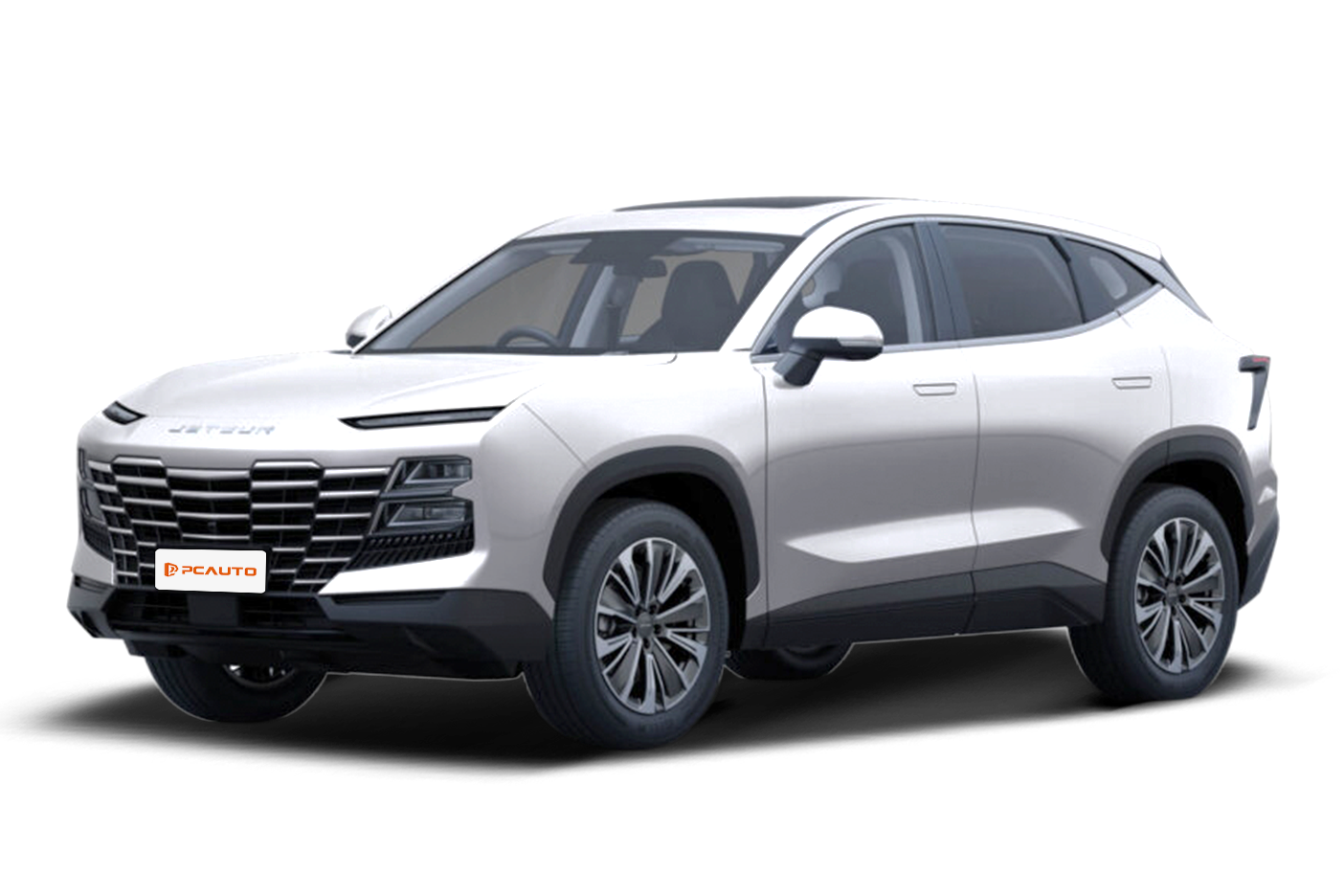
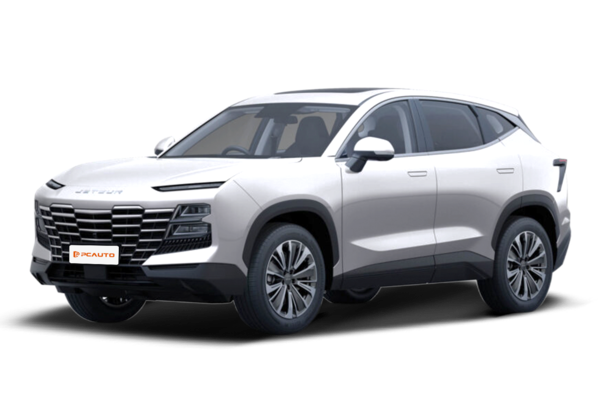
Jetour Dashing 1.5 TCI Comfort 2025 features a 2720mm long wheelbase and a 10.25-inch dual screen as its core, focusing on balanced cost performance to meet family practical needs.
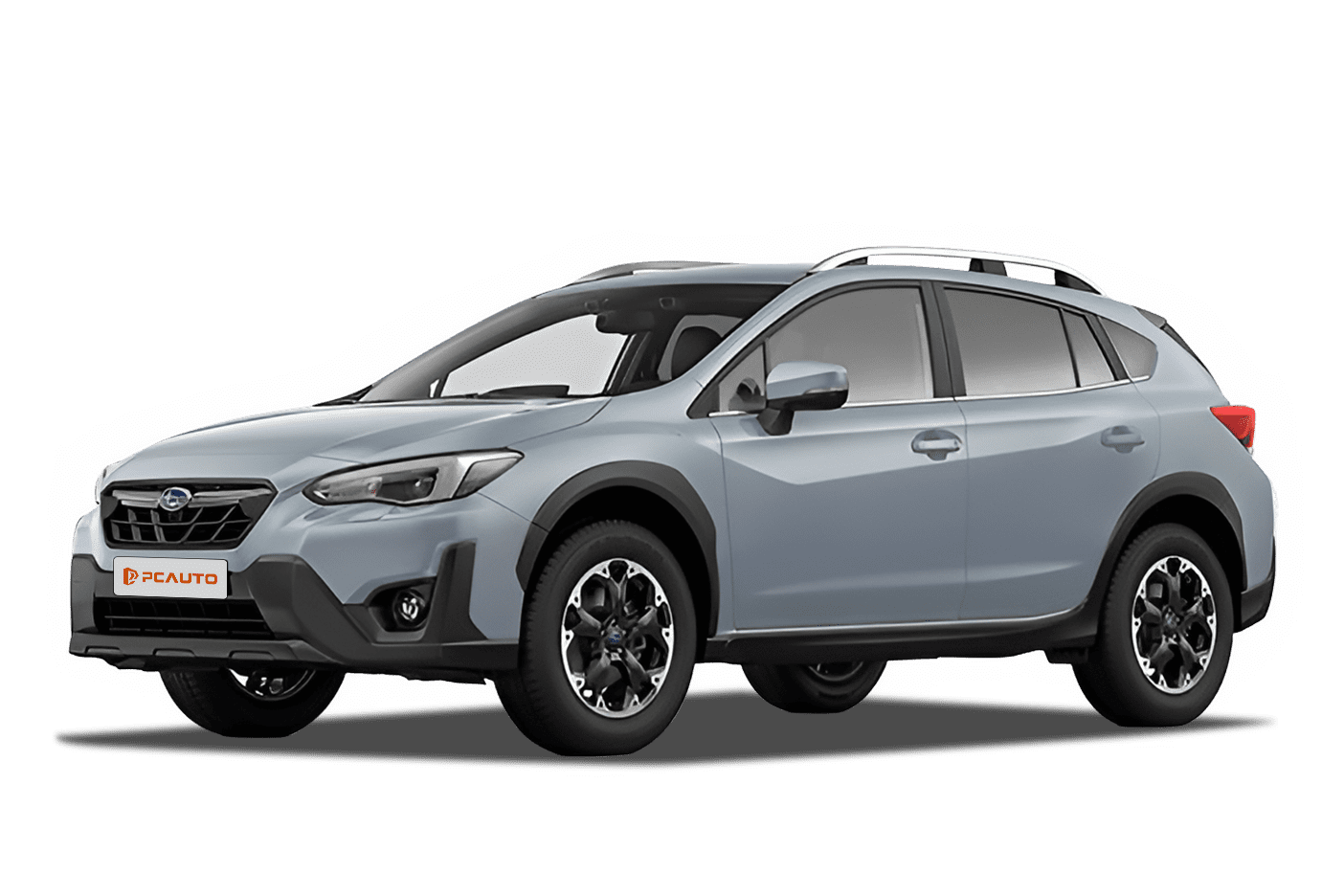
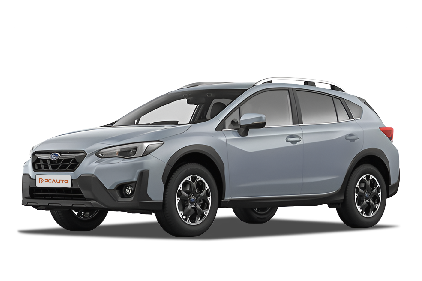
The 2021 Subaru XV 2.0i is a model targeting the C-segment crossover market, equipped with standard all-wheel drive and high safety features, balancing off-road capability and handling, with practical space.

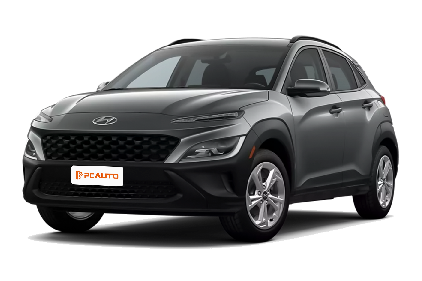
2021 Hyundai Kona 2.0 Standard, as a high-value entry-level compact SUV, retains essential safety and practical features with an affordable price, meeting the daily commuting and loading needs of families.
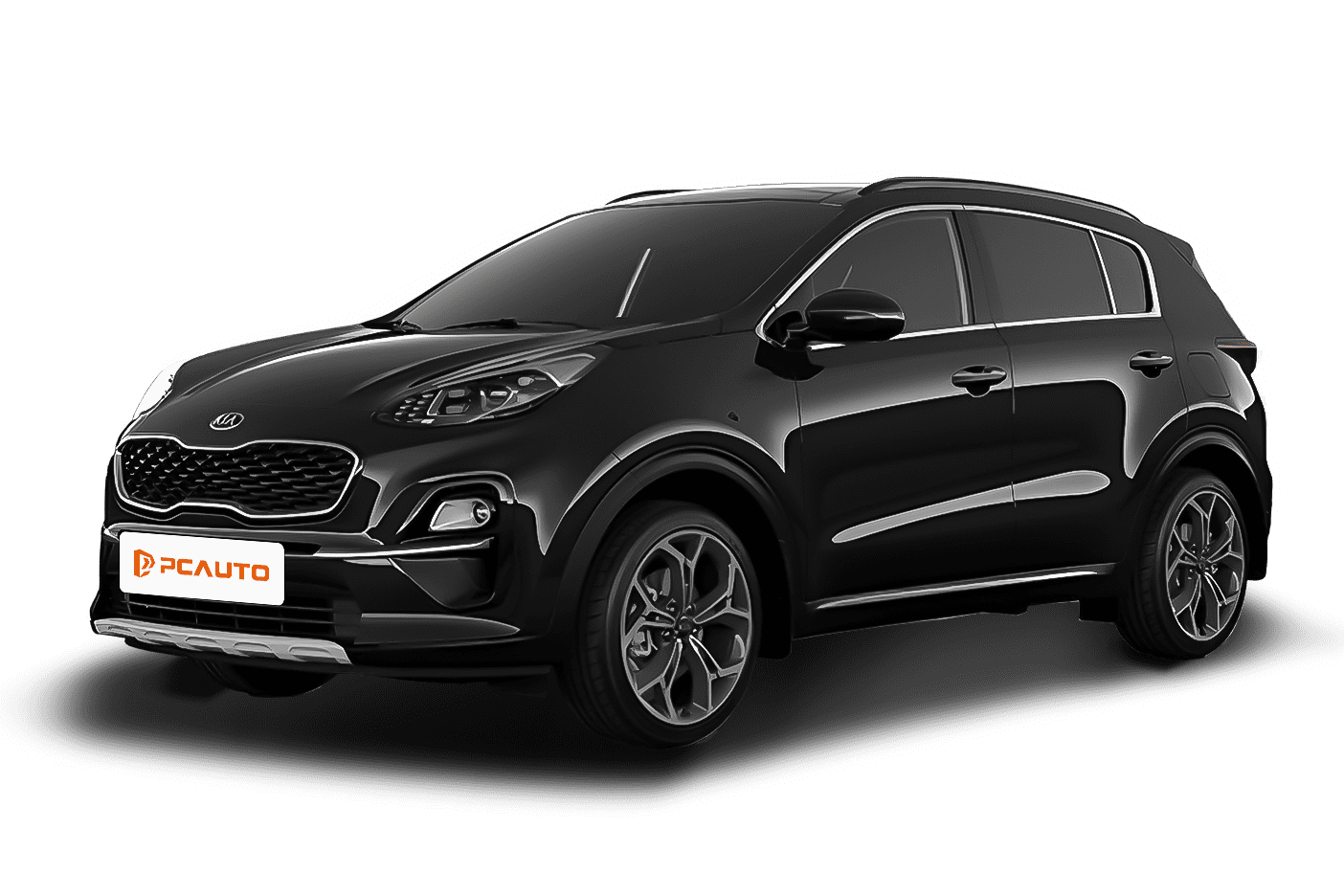
2024 Kia Sportage 2.0G 2WD, as the entry-level fuel version, with avant-garde design, 12.3-inch full LCD instrument panel, practical space, and economical fuel consumption, precisely meets the needs of family and cost-effectiveness-focused users.