

2018 Nissan Serena S-Hybrid Highway Star 2.0 Review

 Share
Share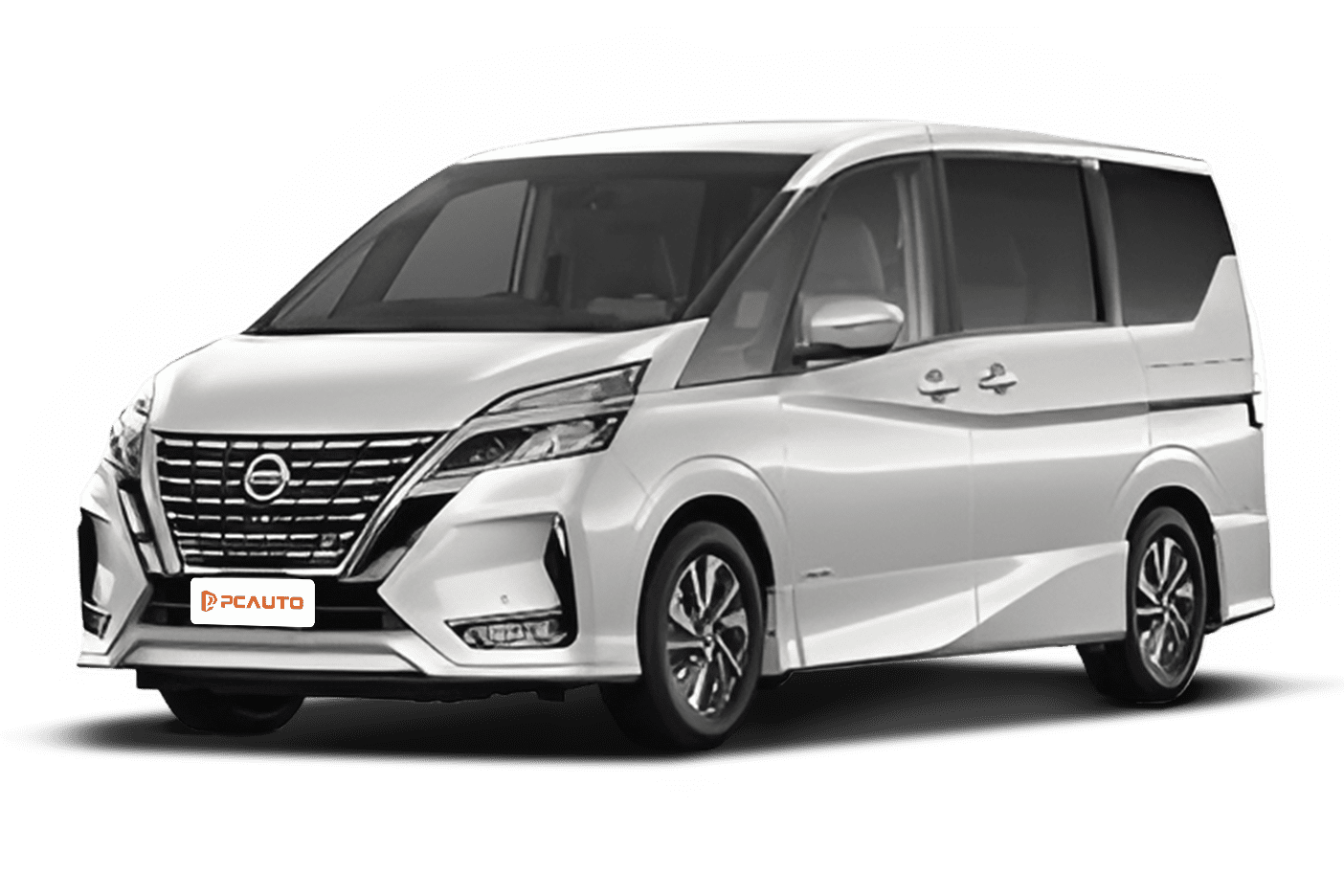
 Segment
 Body Type
 Capacity(L)
 Engine Power(PS)
 Transmission
 Driven Wheels
The seven-seater MPV market has been gaining traction among family users in recent years, with consumers seeking sufficient space for multi-person travel while also hoping for reasonable fuel efficiency and practical configurations that meet daily needs. The Nissan Serena S-Hybrid Highway Star 2.0, a popular contender in this segment, has drawn a lot of attention due to its hybrid powertrain, flexible interior layout, and practical features. This time, we got our hands on the actual vehicle to see if it can truly fulfill the core needs of family users in terms of daily driving, space utilization, and configuration experience.
In terms of exterior design, the Serena adopts a steady and practical approach without many flashy elements but still offers a recognizable appearance. The front features a large chrome-plated grille complemented by LED automatic headlights on both sides, giving it a relatively upscale look. The body has straight side lines that maximize interior space, and the chrome trim at the bottom of the doors and 15-inch tires (195/65R15) ensure the side doesn't look too plain. The LED taillights are arranged horizontally on the rear, complementing the chrome trim on the rear bumper for a neat and orderly look. As for the lighting system, the LED headlights are sufficiently bright, and the automatic lighting function is practical when entering tunnels or during dusk. Front and rear fog lights are also standard, providing more assurance in adverse weather conditions.
Sitting inside, the interior design leans towards simplicity, with materials dominated by hard plastics, although the workmanship is relatively tidy with no obvious loose parts. The center console layout is clear, and the 6.75-inch central control screen, while not large, operates smoothly. Paired with six speakers, it’s adequate for daily music listening. The instrument panel is fully digital, displaying information such as the hybrid system’s working status and fuel consumption, making it intuitive and convenient. In terms of features, keyless entry and start are standard, allowing the door to unlock and the engine to start without taking out the key—a very handy feature. The front row is equipped with single-zone automatic air conditioning, the rear row has independent air conditioning, and the third row even includes sunshades, ensuring rear passengers won’t feel too hot during summer. For the seats, the front seats are manually adjustable, the second row consists of two independent captain’s chairs that support manual reclining and sliding, offering good support and ample legroom. The third row features 50:50 split-folding seats, which can be folded up when not in use to expand trunk space. In terms of storage space, the door panels include compartments that can hold two bottles of water, and there’s a storage slot under the center console, which is convenient for placing a phone or wallet. When the third-row seats are folded, the trunk can accommodate a stroller or several suitcases, meeting a family’s travel storage needs. Regarding the dimensions, the vehicle is 4,770mm in length, 1,740mm in width, 1,865mm in height, and has a wheelbase of 2,860mm, which ranks it moderately high in its class and ensures ample seating space in both the front and rear rows.
As for the powertrain, the Serena uses a 2.0L naturally aspirated engine combined with a motor in a hybrid system, delivering a maximum horsepower of 150PS, a maximum power output at 6,000rpm, and a peak torque output at 4,400rpm, paired with a CVT gearbox. In daily driving, during the initial start, the motor provides assistance, making the response quick and not sluggish. When accelerating above 60km/h and the engine engages, the power delivery remains smooth. During overtaking, pressing down on the accelerator prompts the gearbox to adjust its gear ratios seamlessly. While it doesn’t deliver a strong push-back sensation, it’s sufficient for daily commuting and highway cruising. There are two driving modes: normal and eco. In eco mode, throttle response feels softer, making it ideal for congested urban roads. For handling, the steering wheel feels light, ensuring that even female drivers won’t find it tiring, and the steering is fairly precise. The suspension system consists of MacPherson struts in the front, providing good shock absorption over minor bumps and rebounding cleanly over speed bumps or larger potholes, without excessive shaking. Even when taking corners at high speeds, the body roll is reasonably controlled and doesn’t feel exaggerated. Overall, it delivers a stable ride.
The fuel consumption performance is a strength of hybrid models. The official combined fuel consumption is 7L/100km. In our actual tests, it was about 8L in congested urban areas and could drop to around 6L during highway cruising. This result is considered fuel-efficient for a 7-seater MPV. In terms of braking, both the front and rear use ventilated disc brakes, the brake pedal feels linear, and the braking distance is moderate, giving confidence in daily driving. In terms of riding comfort, the noise control inside the vehicle is well done, with wind noise and tire noise not being too noticeable at high speeds. The captain seats in the second row provide good support, making long periods of sitting not tiring. Although the space in the third row is not as spacious as in the second row, it can accommodate two adults for short trips without feeling too cramped.
In summary, the core strengths of the Nissan Serena S-Hybrid Highway Star 2.0 lie in the low fuel consumption brought by its hybrid system, the flexible 7-seater layout, and practical features (such as a full LCD dashboard, 360-degree panoramic view, and rear air conditioning). Compared to other models in the same class, its fuel consumption performance has more advantages, and its space flexibility is on par with competitors. The price of RM 127,524 offers decent value in the C-segment MPV category. However, it does have minor drawbacks, such as a small central control screen and manual adjustment for the front seats. Overall, this car is very suitable for families who prioritize fuel efficiency and require 7-seat space. Whether it’s for daily school runs, weekend family outings, or occasionally carrying goods, it can handle it all. If you’re looking for a practical, fuel-efficient 7-seater MPV, the Serena S-Hybrid Highway Star 2.0 is worth considering.
Nissan Serena S-Hybrid Loan Calculator
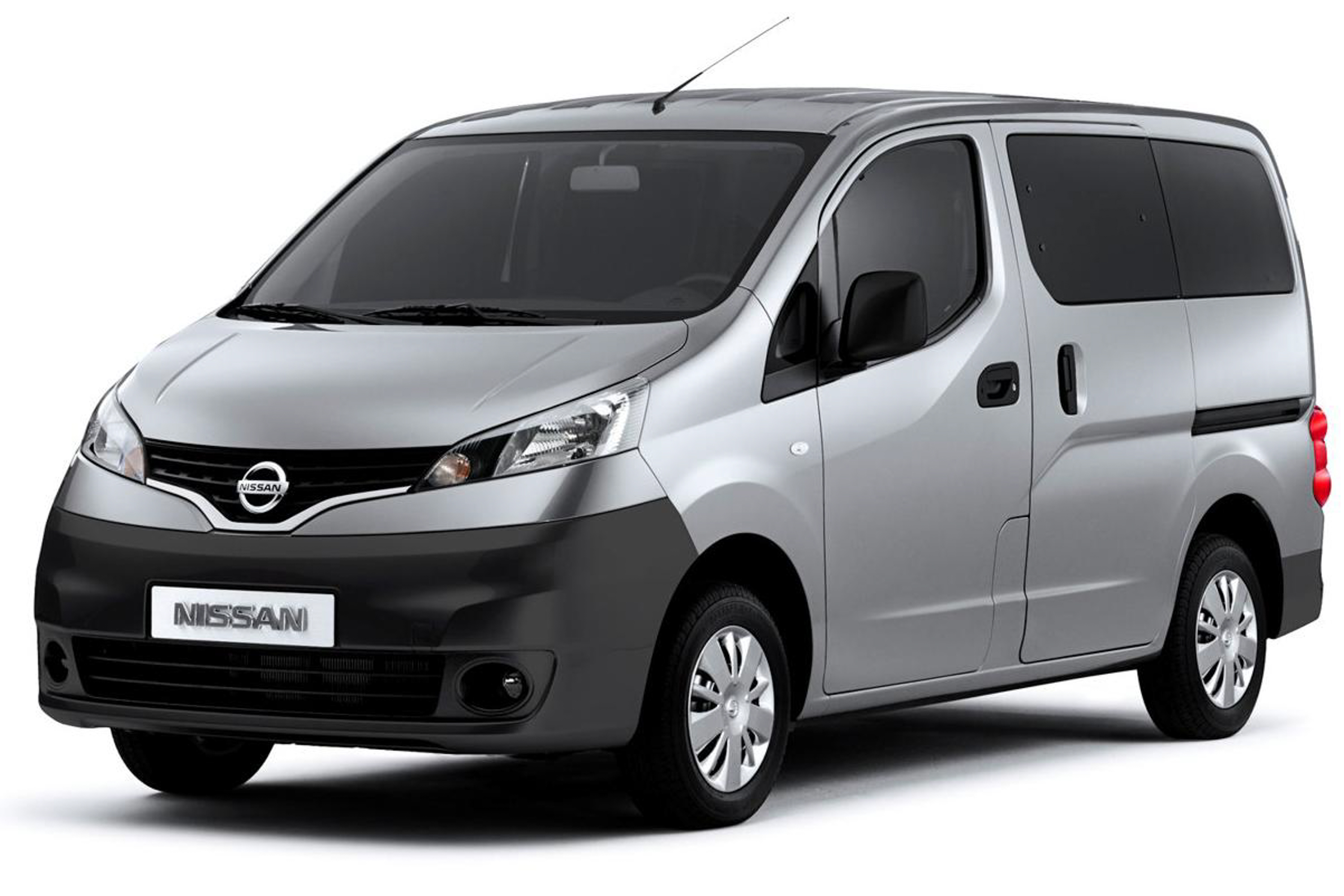
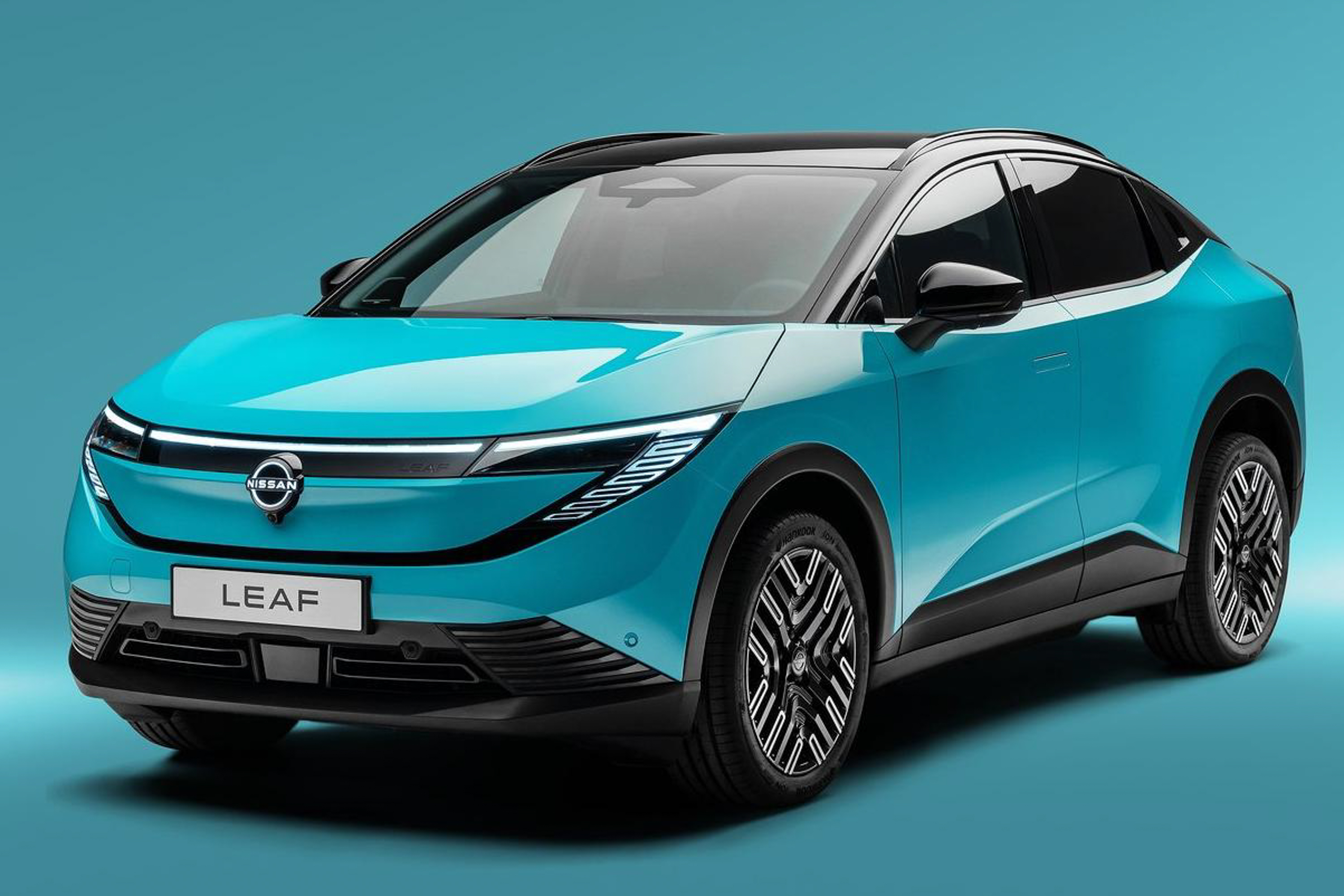
More Nissan Reviews
Cars With Similar Price And Features
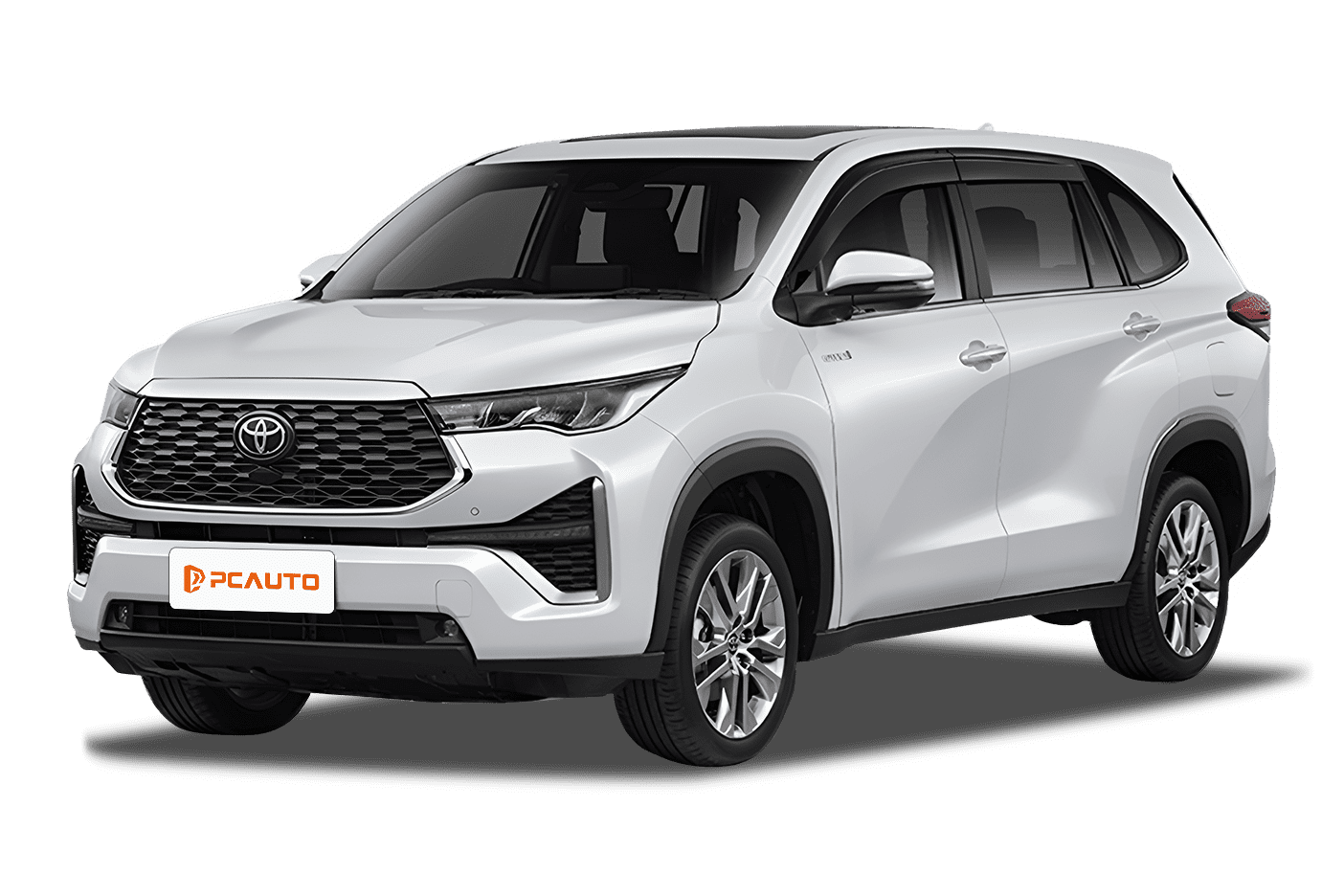
2023 Toyota Innova Zenix 2.0 V (Dynamic Force engine) is a spacious, practical, fuel-efficient, and cost-effective 7-seater family MPV, suitable for family users who value comfort and durability.