

2018 Nissan Serena S-Hybrid Premium Highway Star 2.0 Review

 Share
Share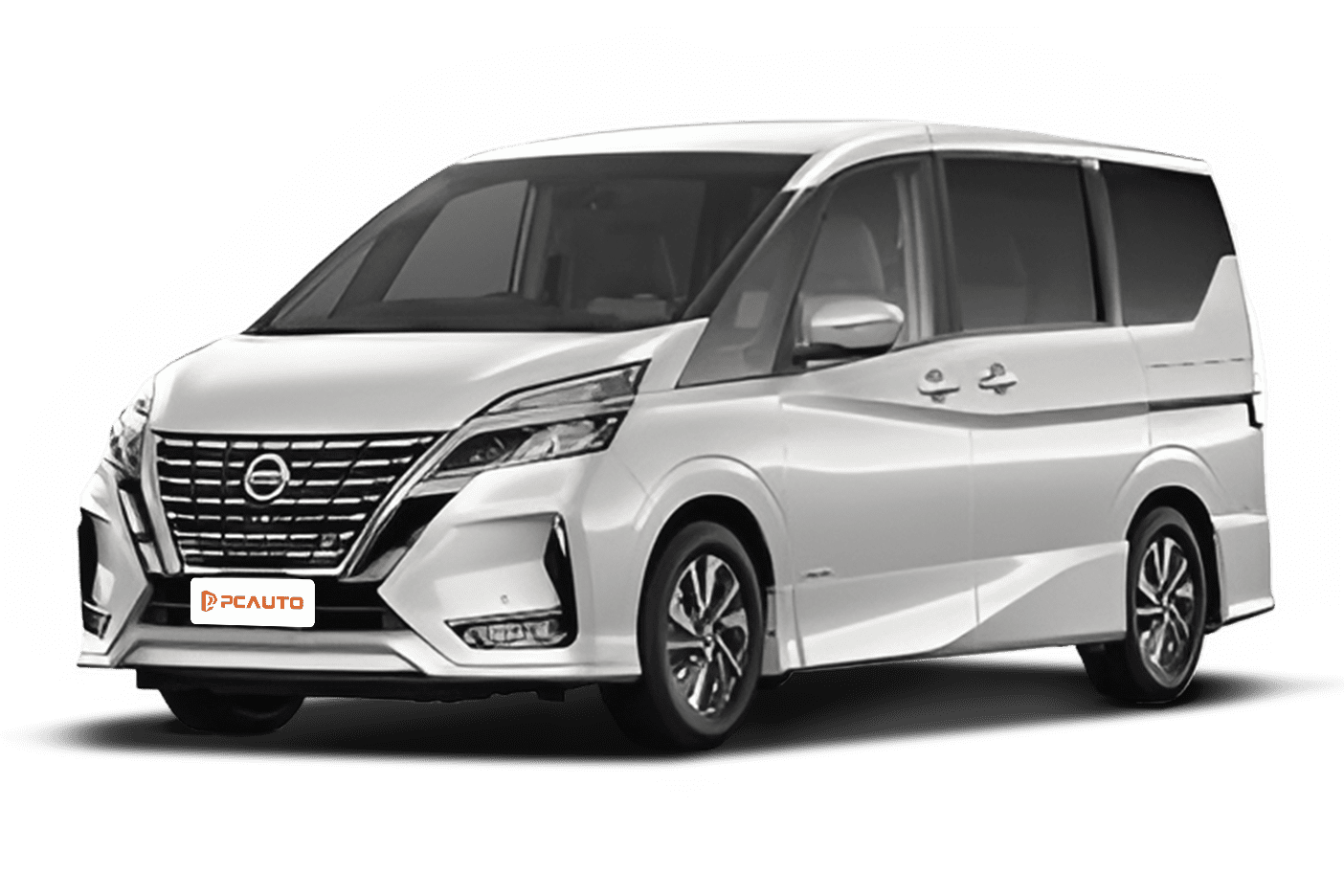
 Segment
 Body Type
 Capacity(L)
 Engine Power(PS)
 Transmission
 Driven Wheels
The seven-seater MPV market has always been a core choice area for Malaysian family users. It needs to balance the economy of daily commuting while meeting the spatial needs for multiple passengers. The 2018 Nissan Serena S-Hybrid Premium Highway Star 2.0 is a model precisely aimed at this pain point. Its "fuel efficiency + flexible 7-seater space" combination, coupled with Nissan's consistent reputation for reliability, has made it a contender on many consumers' shopping lists. This time, we got our hands on the actual vehicle to see if its static performance is practical, whether its dynamic driving fits family needs, and just how much fuel this S-Hybrid system can save.
First, let's look at the exterior, which follows a stable, family-oriented design route without being overly aggressive. The front end uses Nissan's signature V-Motion grille, paired with a smoked finish. The LED headlights on both sides are directly connected to the edges of the grille, visually widening the appearance with decent recognition. The side profile features a straight line extending from the front to the rear, with a not-so-pronounced waistline, ensuring sufficient headroom for rear passengers. The 16-inch wheels wrapped with 205/55 R16 tires lean toward a comfort-oriented setup, suitable for family use. The rear design is relatively simple, with horizontally arranged LED taillights echoing the headlight design. A chrome strip on the lower rear bumper adds just the right touch of detail without appearing cheap. Overall, this design set is not stunning but is visually pleasing over time and fully meets family users' needs for an MPV that is "unassuming but decent."
Sitting inside, the interior leans towards practicality, without too many flamboyant elements. The dashboard layout is clear, with most physical buttons concentrated below the 8-inch central control screen. Functions like air conditioning toggle and multimedia controls can be operated blindly, which is very friendly for families frequently distracted by rear passengers. In terms of materials, areas within touch range utilize soft-touch plastic materials, such as the door armrests and the top of the center console. Although there is no leather wrapping, the texture is decent for MPVs in the same price segment. As for core configurations, the fully digital instrument panel is a highlight, displaying information such as fuel consumption, power flow, and navigation with good clarity. The seat layout showcases its core advantage. The second row features individual captain chairs, supporting manual front-and-back adjustments as well as reclining, leaving a wide passage in the middle for third-row passengers to enter and exit easily. The third-row seats support a 50:50 folding split, which can form a flat trunk space when folded, making it practical for carrying large items. In terms of space, the body measures 4770×1740×1865mm, with a wheelbase of 2860mm. The second-row legroom can reach over two fist distances, while the third-row is comfortable enough for adults, though headroom may feel slightly cramped. Storage compartments are thoughtfully designed. The front door panels can hold two large bottles of water, there is a hidden storage box under the center console, and cup holders are available on both sides of the rear seats, making it convenient to store baby bottles or snacks for family outings.
In terms of dynamic driving performance, the combination of the 2.0L naturally aspirated engine and S-Hybrid mild hybrid system provides a maximum power of 150PS/6000rpm and a peak torque of 200N·m/4400rpm, paired with a CVT gearbox. During startup, the mild hybrid system assists with power output, and the throttle response feels light and nimble, making it easy to follow traffic in urban areas without feeling sluggish. Once accelerating past 60km/h, the engine takes over as the primary power source. When pressing the throttle deeply, the CVT simulates gear shifts. While it lacks the explosive power of a turbocharged engine, the linear acceleration is well-suited for family use. For overtaking, as long as you prepare to step on the throttle in advance, the power reserve is satisfactory. The suspension setup consists of front MacPherson independent suspension and rear torsion beam non-independent suspension, clearly tuned for comfort. When going over speed bumps or uneven roads, the suspension filters out most bumps, and rear-seat passengers won’t feel too jolted. Stability at high speeds is decent, with no noticeable play in the steering wheel when cruising at 120km/h, and body roll is well-controlled within reasonable MPV limits when changing lanes. The fuel consumption performance is a pleasant surprise. Our test drive included 30% city traffic and 70% highway cruising, resulting in a measured combined fuel consumption of about 6.8L/100km, slightly lower than the official 7L/100km figure. For a 1.7-ton 7-seater MPV, this result is highly competitive. In terms of noise control, at low speeds in urban areas, engine noise is almost imperceptible. At highway speeds of 120km/h, wind and road noise become slightly more noticeable but do not interfere with normal conversations inside the cabin.
In terms of configuration, its safety configuration is relatively comprehensive for its price range: 6 airbags, vehicle stability control system, hill-start assist, and 360-degree panoramic cameras are all included. The ISO FIX interface for child seats, which is highly valued by family users, is also a standard feature. For comfort features, the tri-zone automatic air conditioning is very practical, and there are independent air vents for the third row, ensuring the rear seats do not get too hot in summer. The rear row is also equipped with 220V power outlets, making it convenient to charge laptops or vacuum cleaners during long trips. Keyless entry/start, electrically folding side mirrors, and other detailed configurations are all included, fully enhancing everyday convenience.
Overall, the core advantages of the 2018 Nissan Serena S-Hybrid Premium Highway Star 2.0 are very clear: First, it’s fuel-efficient, with the mild hybrid system indeed reducing daily usage costs. Second, its space is flexible, with independent second-row seats and a foldable third row that can accommodate multiple passengers while also catering to cargo needs. Third, its features are practical, with safety and comfort configurations directly addressing the pain points of family users. Compared to the Toyota Innova Crysta at the same price range, it offers lower fuel consumption and richer configurations. Compared to the Honda Odyssey, its price is more affordable.
If you are a consumer who needs a "versatile family car" — one that is fuel-efficient for daily commuting, spacious for short trips with the family on weekends, and capable of carrying large items occasionally — then this Serena is definitely worth considering. It has no obvious shortcomings and is designed as a "practical choice" tailored for family users.
In conclusion, the 2018 Nissan Serena S-Hybrid Premium Highway Star 2.0 is a "no surprises but thoughtful everywhere" family MPV. It uses its three core advantages — fuel efficiency, space, and features — to perfectly meet the needs of Malaysian family users. It is a reliable option in the 7-seater MPV market at around 150,000 MYR.
Nissan Serena S-Hybrid Loan Calculator
More Nissan Reviews
Cars With Similar Price And Features
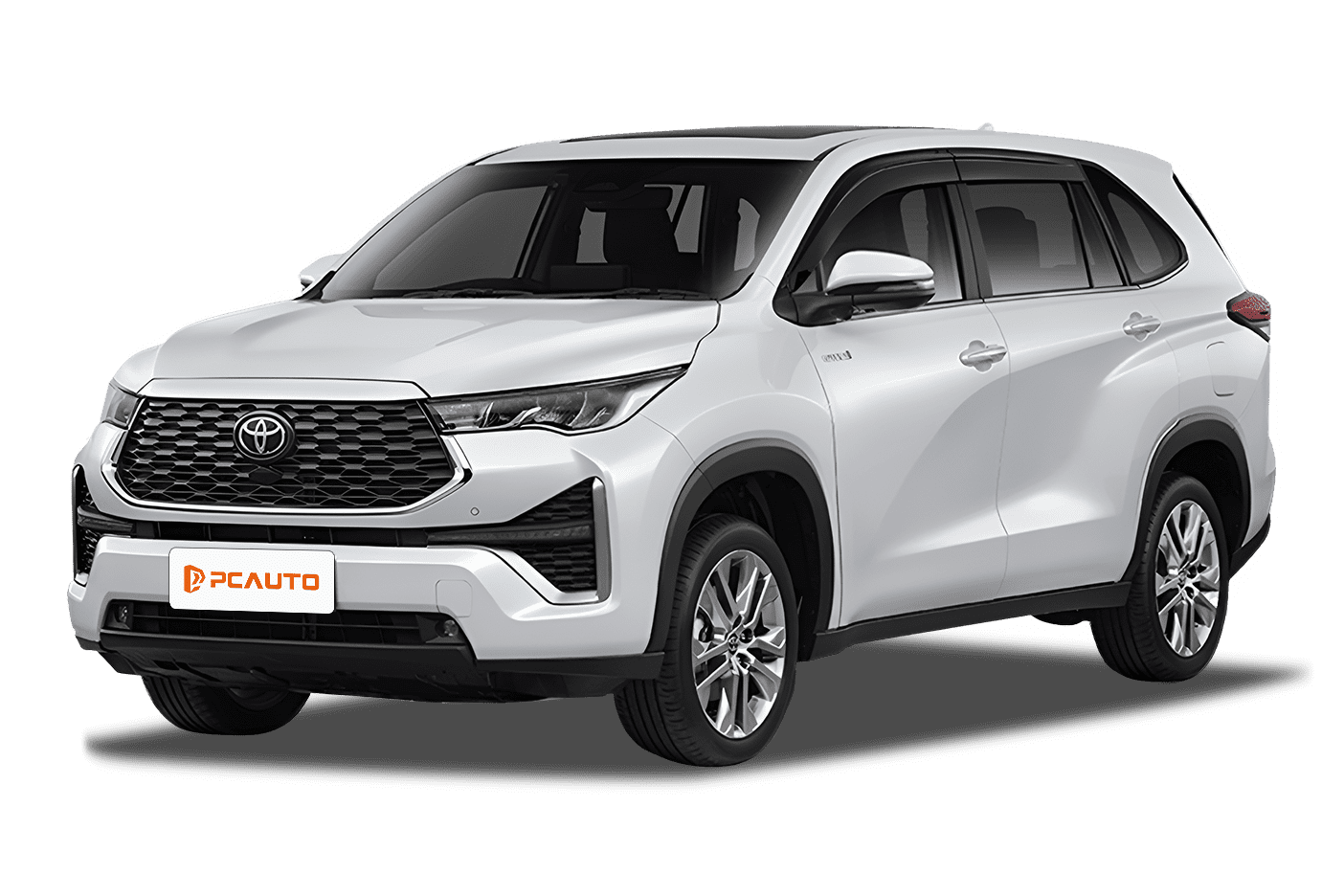
2023 Toyota Innova Zenix 2.0 V (Dynamic Force engine) is a spacious, practical, fuel-efficient, and cost-effective 7-seater family MPV, suitable for family users who value comfort and durability.