

2019 Audi Q2 sport 1.4 TFSI Review

 Share
Share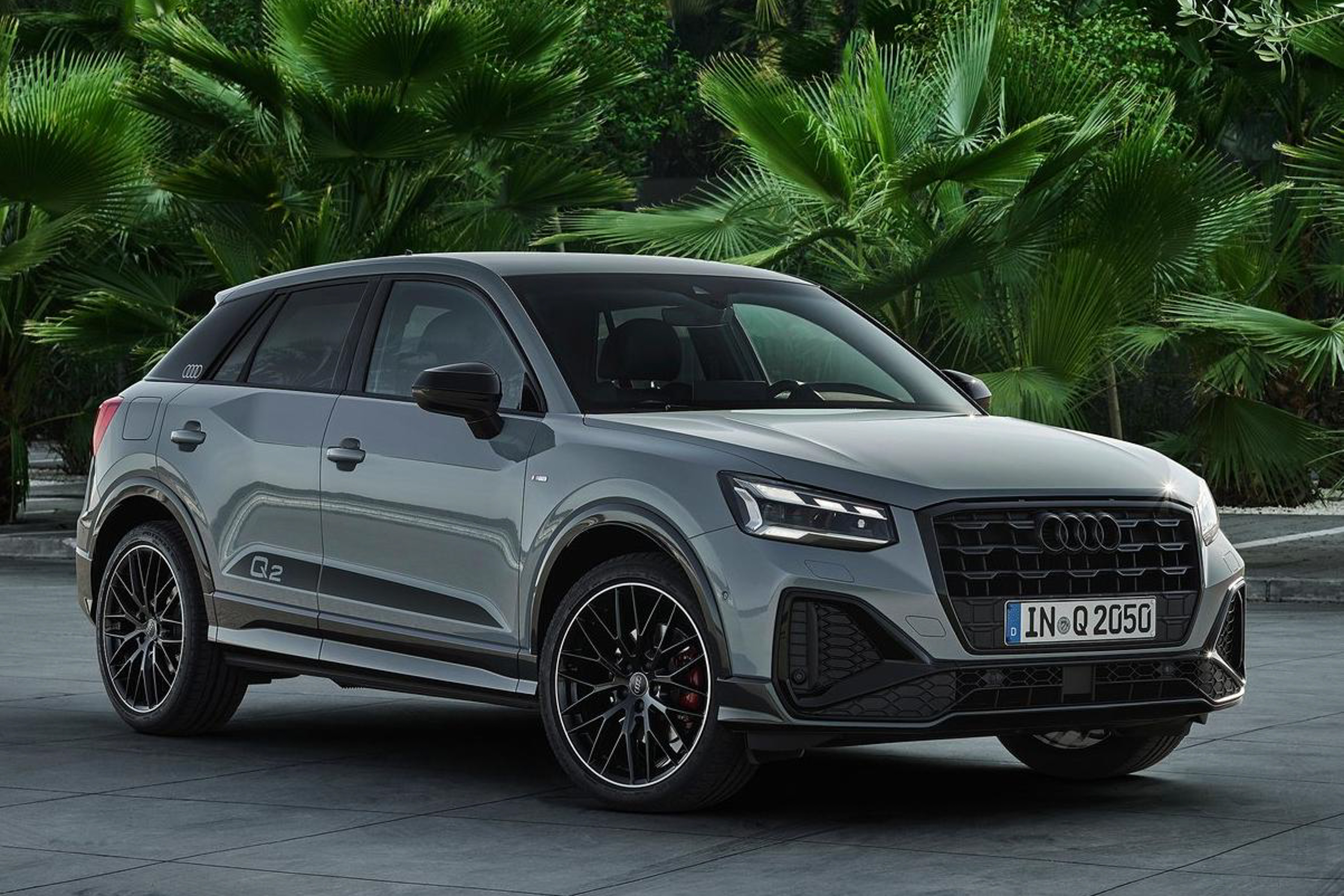
 Segment
 Body Type
 Capacity(L)
 Engine Power(PS)
 Transmission
 Driven Wheels
In the current C-Segment SUV market, family users and young consumers tend to look for a "well-rounded and uncompromising" model — one that combines brand appeal with practical space and solid performance. The 2019 Audi Q2 sport 1.4 TFSI is designed to meet this demand, carrying Audi's luxury DNA while making targeted optimizations in features and space. In this test drive, we'll focus on whether its actual performance meets market expectations and if it truly balances daily commuting with occasional weekend outings.
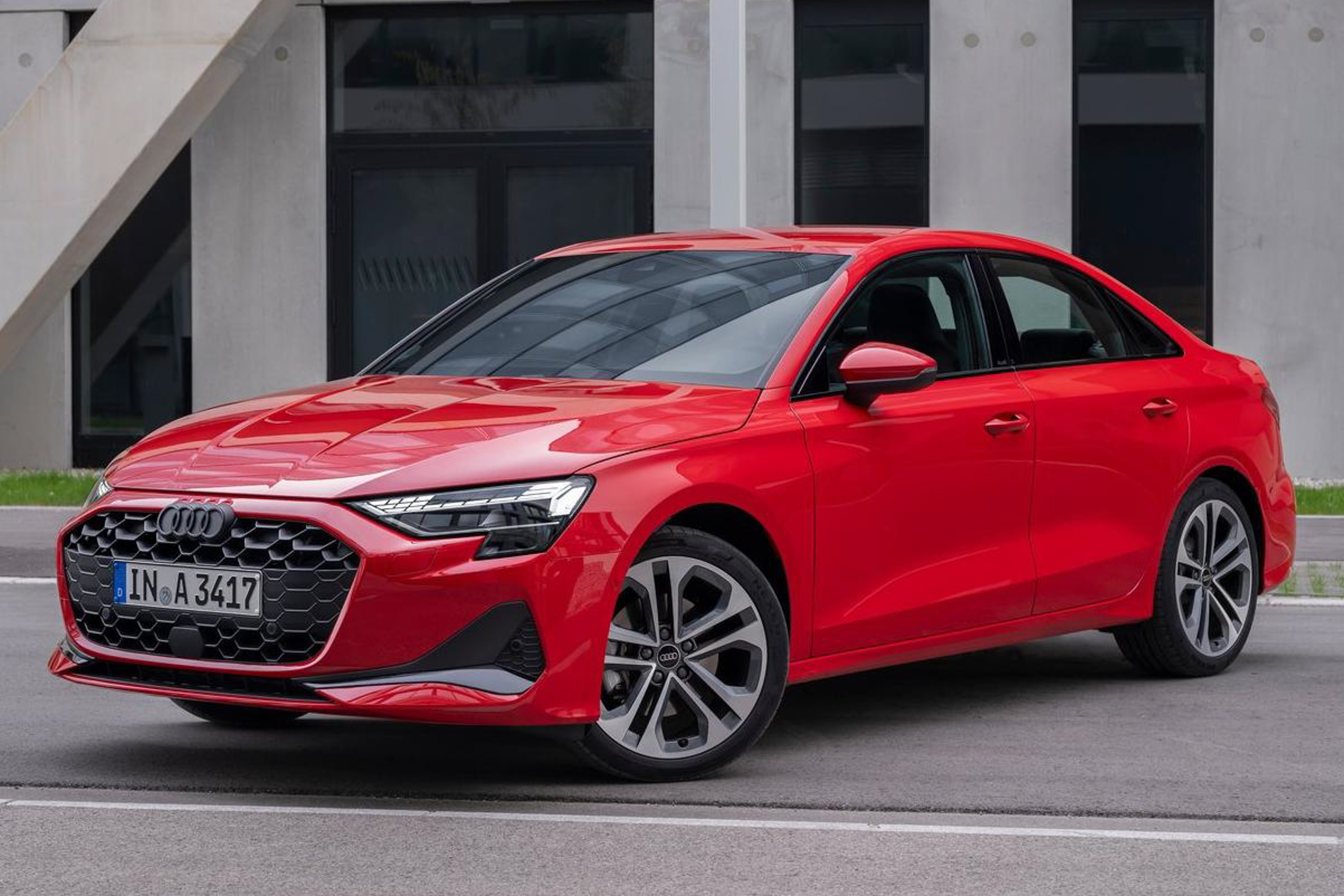
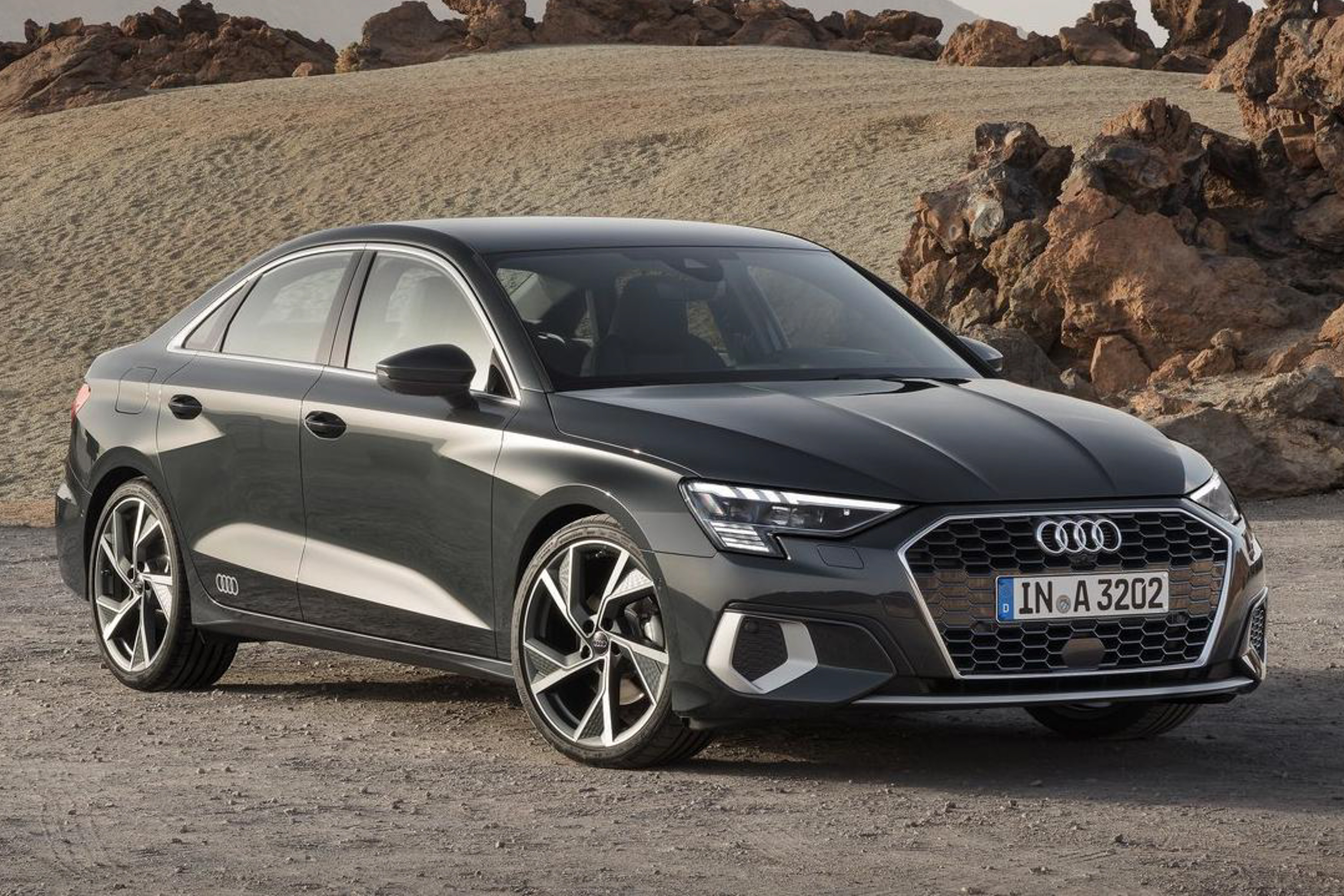
At first glance, the Q2 sport looks more "spirited" compared to many SUVs in the same class. It features a compact and robust overall design, with a hexagonal front grille that uses a black honeycomb pattern surrounded by chrome trims, giving it high recognition; the LED headlights are sharply styled and connected to the grille, emphasizing the apparent width, while the arrow-shaped daytime running lights, characteristic of Audi, make it recognizable even during the day. The body side lines are clean, with a single waistline running from the front to the rear, paired with 17-inch alloy wheels, creating a well-proportioned side profile; the rear LED taillights also feature an arrow-shaped design echoing the headlights, while the black skid plate under the rear bumper and the dual exhaust layout add a touch of sportiness.
Opening the car door, the interior quality reflects Audi's usual standards. The dashboard is covered in large areas of soft-touch materials, giving it a fine texture, complemented by silver trims for added detail without looking monotonous. The instrument cluster is a 12.3-inch fully digital display that can switch between different viewing modes, clearly showing information such as navigation, speed, and fuel consumption; the 8.3-inch center touchscreen is positioned high, so you don't need to look down excessively to operate it, and the system responds quite smoothly, supporting both CarPlay and Android Auto. There are many highlights in terms of features: keyless entry and start come as standard, so you don't need to take out your key to open the door or start the car; the front seats feature dual-zone automatic climate control while the rear seats also have independent air vents and USB ports, taking care of rear passengers' needs; the seats are made of a combination of fabric and leather, with manually adjustable front seats that, although not as convenient as electric adjustments, offer good support and remain comfortable for long durations. The rear seats can be folded down in a 40:20:40 split, expanding the trunk space from 405L to 1050L, which is enough to fit a stroller or suitcases without any issues.
Sitting in the driver's seat, the 1.4 TFSI engine produces 150PS power and 250N·m of torque, paired with a 7-speed dual-clutch transmission. The initial power response is very brisk, and pressing the accelerator provides an obvious push-back feeling, especially in the 1500-3580rpm torque band, where acceleration is smooth and linear. When overtaking, pushing the accelerator harder prompts the transmission to downshift actively, bringing the speed up quickly. Switching to sport mode enhances throttle sensitivity and delays the shifting timing, offering a more direct power output — suitable for occasional "spirited" driving. In economy mode, the transmission keeps the gears as high as possible, which reduces fuel consumption. The steering offers moderate resistance, is precise, and has no slack, providing a clear sense of the car's direction when cornering; the chassis uses front MacPherson independent suspension, and the tuning leans towards being firm yet flexible. When going over speed bumps or uneven roads, the suspension quickly absorbs vibrations without excessive rebound, providing a very stable ride.
This time during the test drive, we specifically tested the fuel consumption. Combining city commuting with a stretch of highway driving, the comprehensive fuel consumption was approximately 6.5L per 100 kilometers, which is not far from the official 6.1L figure. For a 1.4T SUV, this performance is quite decent. Regarding the brakes, the pedal provides a linear feeling, neither too sensitive nor too sluggish in the initial stages. During emergency braking, the body remains very stable without any significant dipping at the front. Noise control is also commendable; below 60km/h in urban areas, tire noise and wind noise are minimal. At 120km/h on the highway, wind noise becomes slightly noticeable but does not affect interior conversations.
Overall, the core advantages of the 2019 Audi Q2 sport 1.4 TFSI are clear: Audi's brand influence, solid interior quality, rich standard configurations, and a balanced performance in terms of power and fuel consumption. Compared to competitors in the same class, such as the BMW X1 sDrive18i, the Q2 has more comprehensive configurations (such as the fully digital instrument cluster and standard front and rear radar + cameras), yet it is more affordable. Compared to the Mercedes-Benz GLA 180, the Q2 has better space utilization and a more practical trunk. It is particularly suitable for a specific group—young families who value brand appeal or young professionals who have just started their careers and want to own their first luxury SUV. It is sufficient for daily commutes and can also meet the needs of family weekend outings.
If you are looking for a compact luxury SUV with "no obvious shortcomings," the 2019 Audi Q2 sport 1.4 TFSI is worth considering. It does not overly pursue sportiness or extreme space but instead strikes a great balance among brand appeal, features, power, and practicality. It is a choice that allows you to "use it comfortably and drive it with peace of mind."
Audi Q2 Car Compare
Audi Q2 Loan Calculator
Cars With Similar Price And Features
8
Rank in SUV
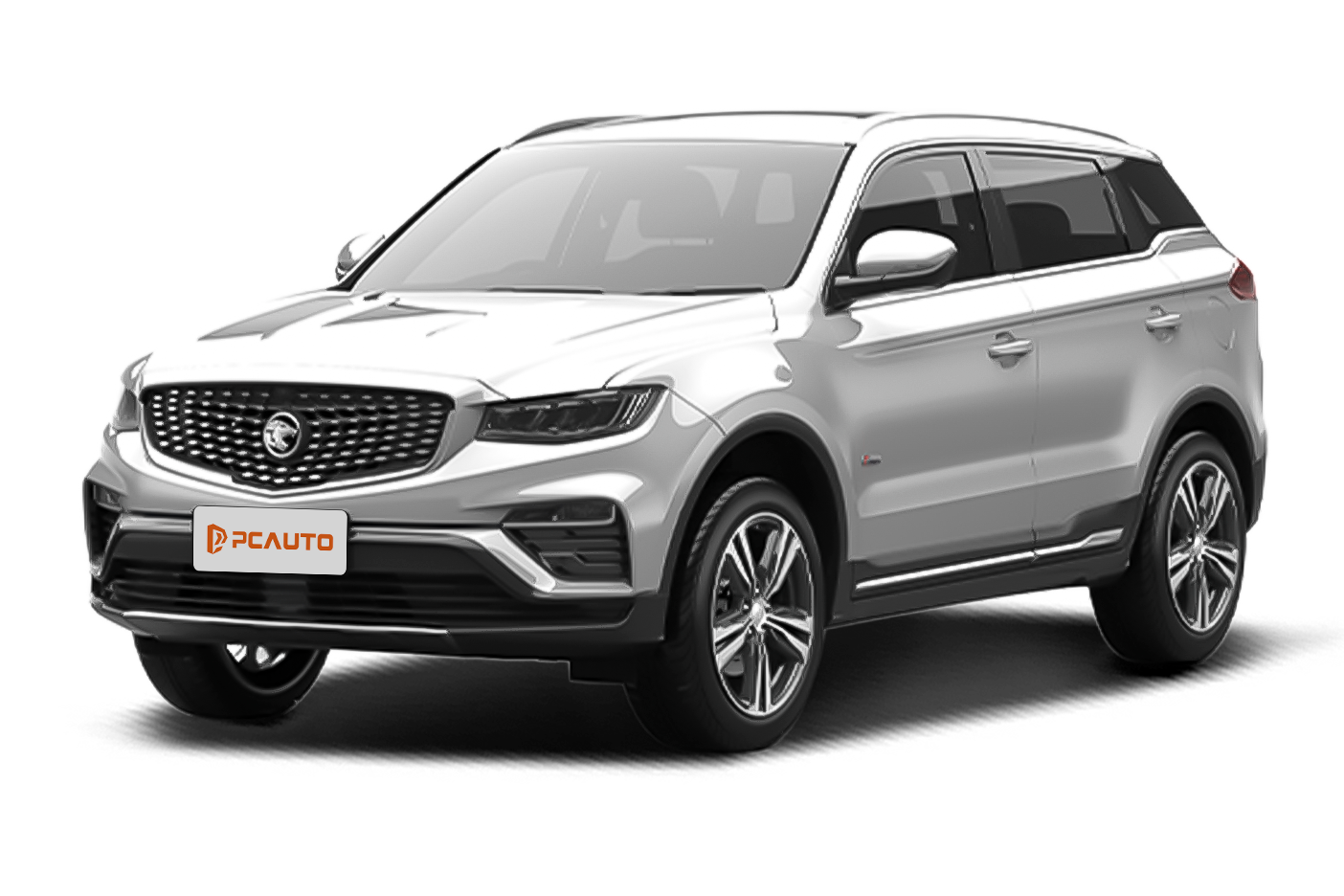
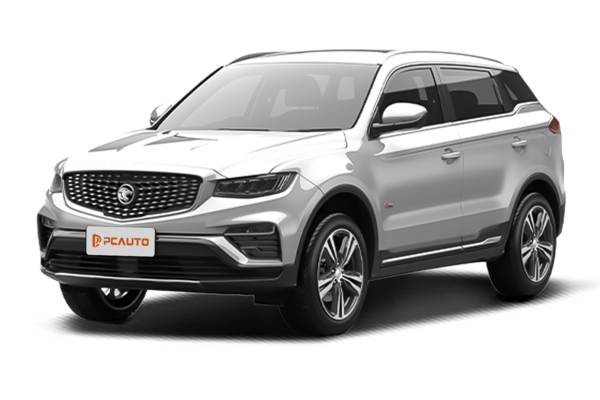
2026 Proton X70 1.5 TGDi Executive focuses on upgrading to a four-cylinder engine, practical configurations, and affordable pricing. It balances family commute practicality with value for money, making it a sensible choice among similarly priced C-segment SUVs.
10
Rank in SUV
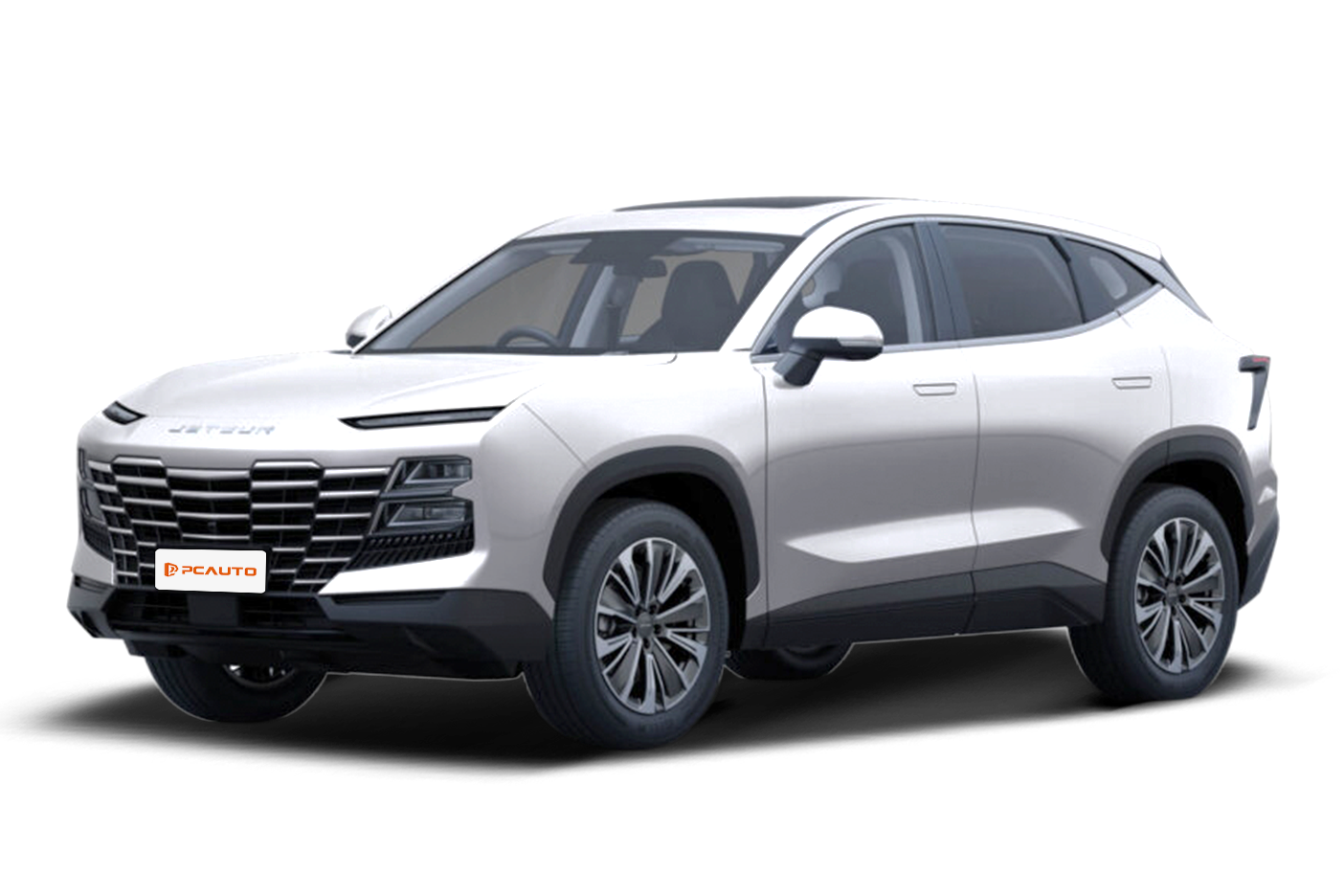
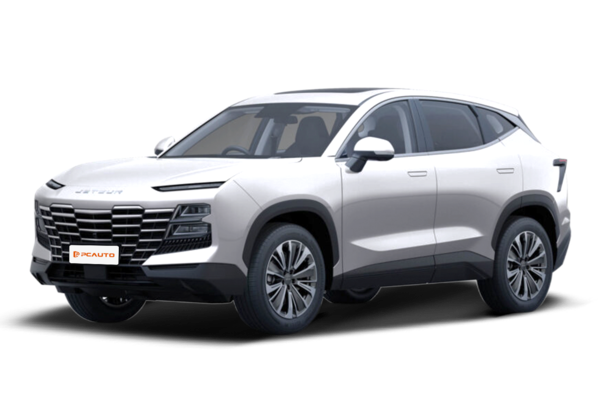
Jetour Dashing 1.5 TCI Comfort 2025 features a 2720mm long wheelbase and a 10.25-inch dual screen as its core, focusing on balanced cost performance to meet family practical needs.
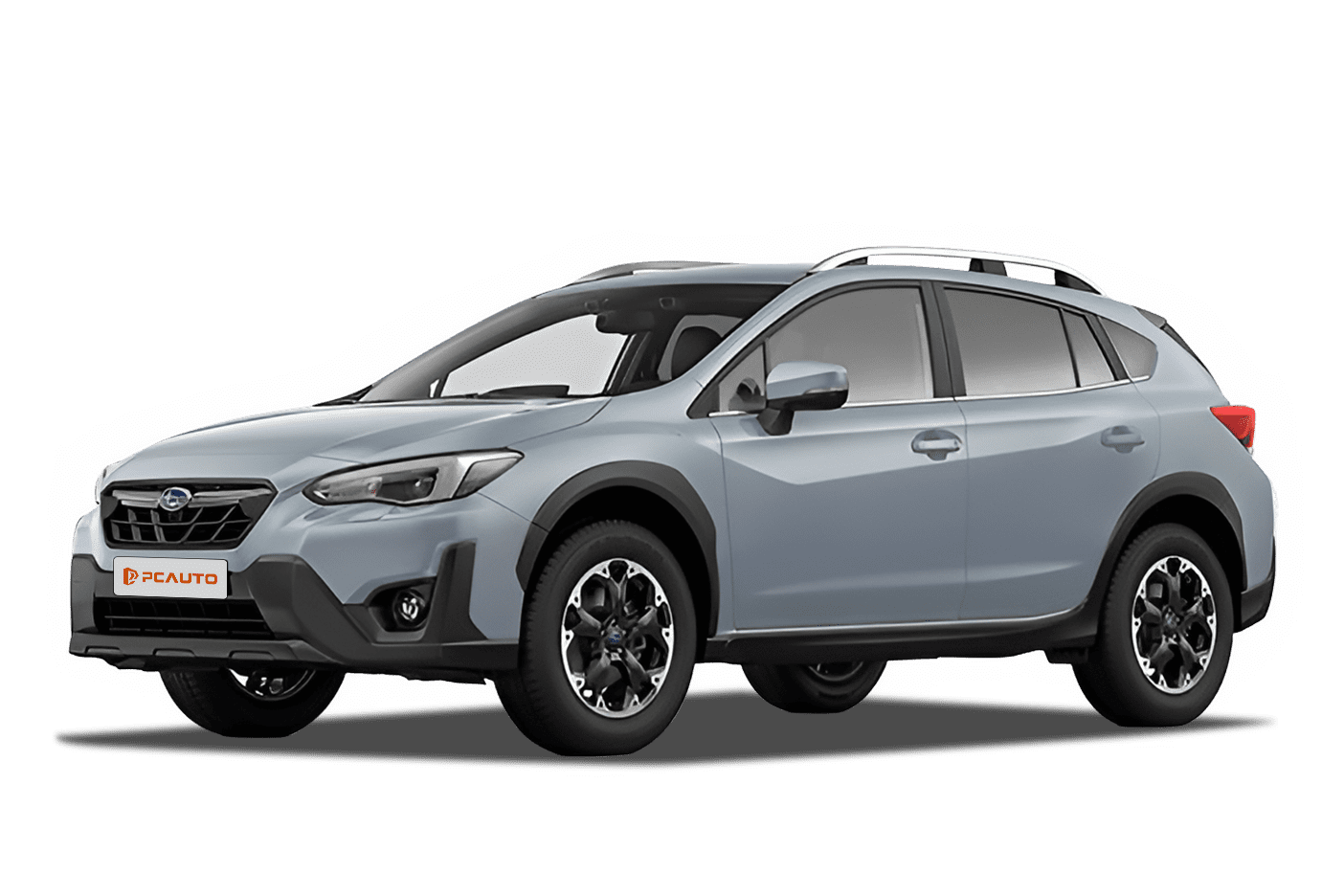
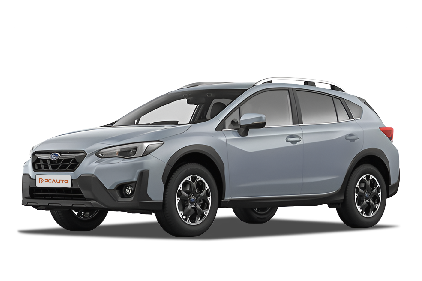
The 2021 Subaru XV 2.0i is a model targeting the C-segment crossover market, equipped with standard all-wheel drive and high safety features, balancing off-road capability and handling, with practical space.

2021 Hyundai Kona 2.0 Standard, as a high-value entry-level compact SUV, retains essential safety and practical features with an affordable price, meeting the daily commuting and loading needs of families.