

2019 Honda HR-V 1.8 E Review

 Share
Share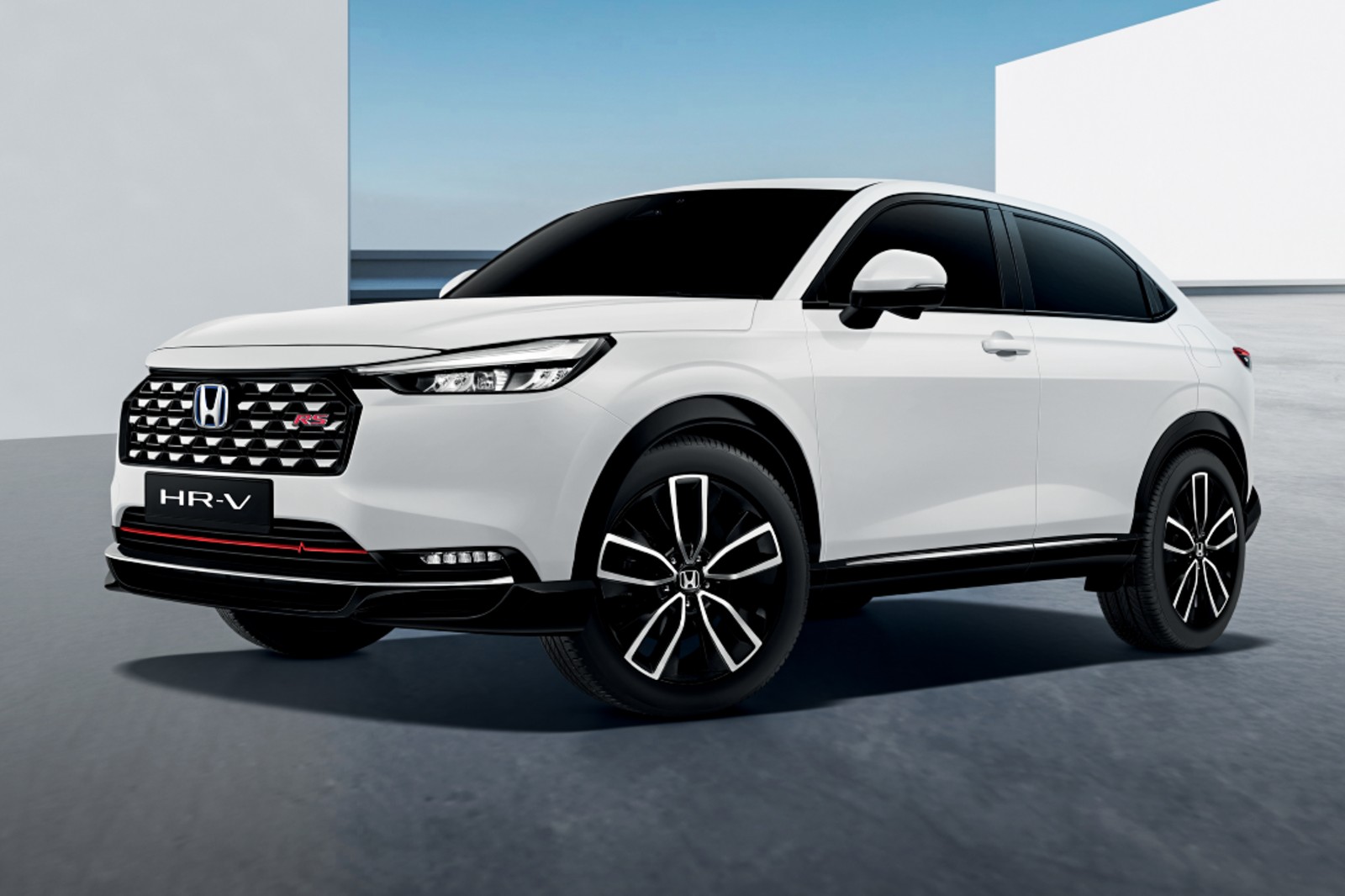
 Segment
 Body Type
 Capacity(L)
 Engine Power(PS)
 Transmission
 Driven Wheels
The competition in Malaysia's B-segment SUV market has always been fierce. Consumers value the practicality of daily commuting while also hoping for a balance between features and cost performance — the 2019 Honda HR-V 1.8 E is a popular choice in this segment. Its core selling points are clear: Honda's signature flexible space utilization, balanced power output, and safety features that are not stingy within this price range. In this test drive, we focus on its static experience, driving performance, and real-life usage scenarios to see if it truly meets the needs of family users and young buyers.
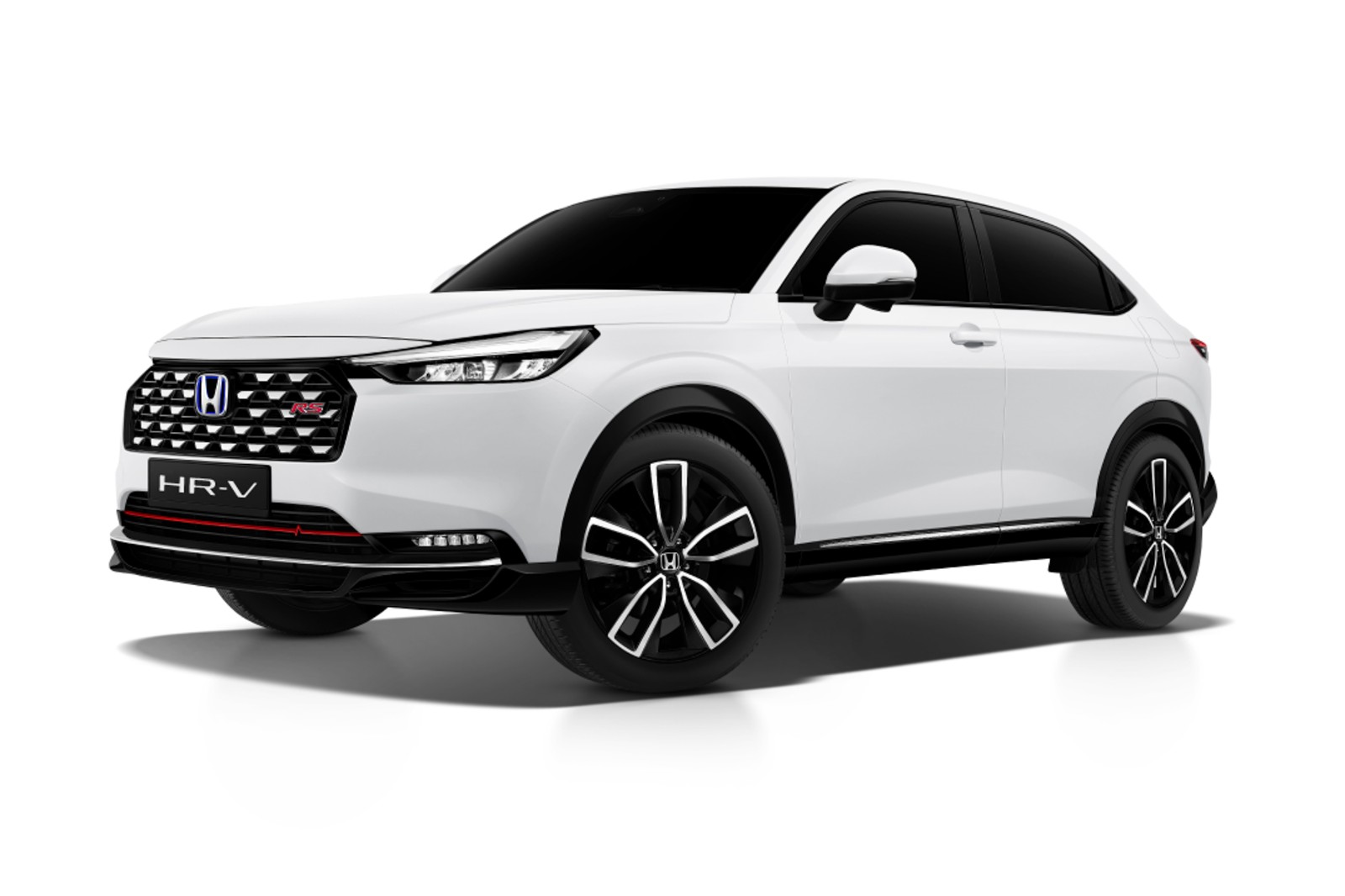
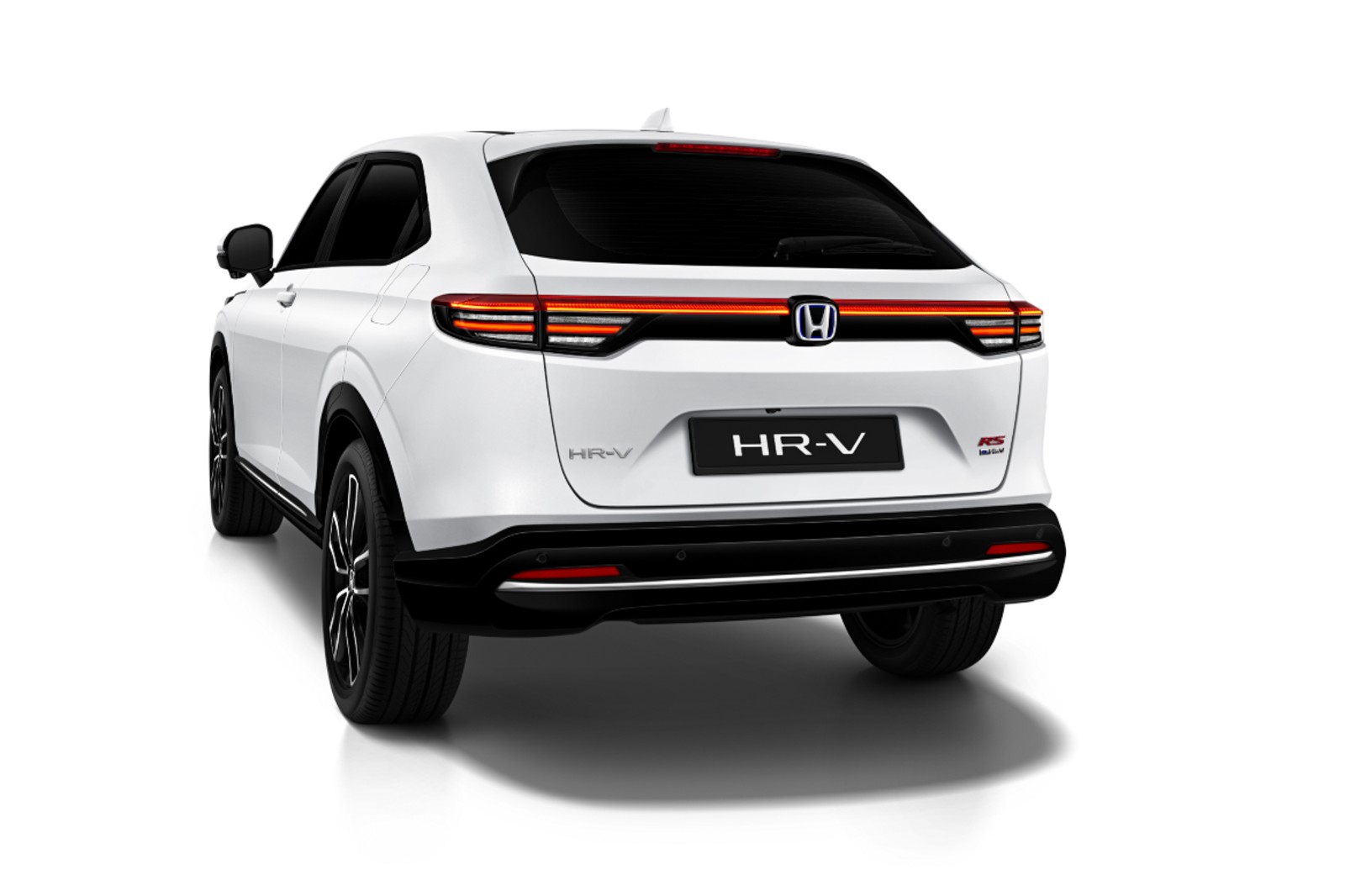
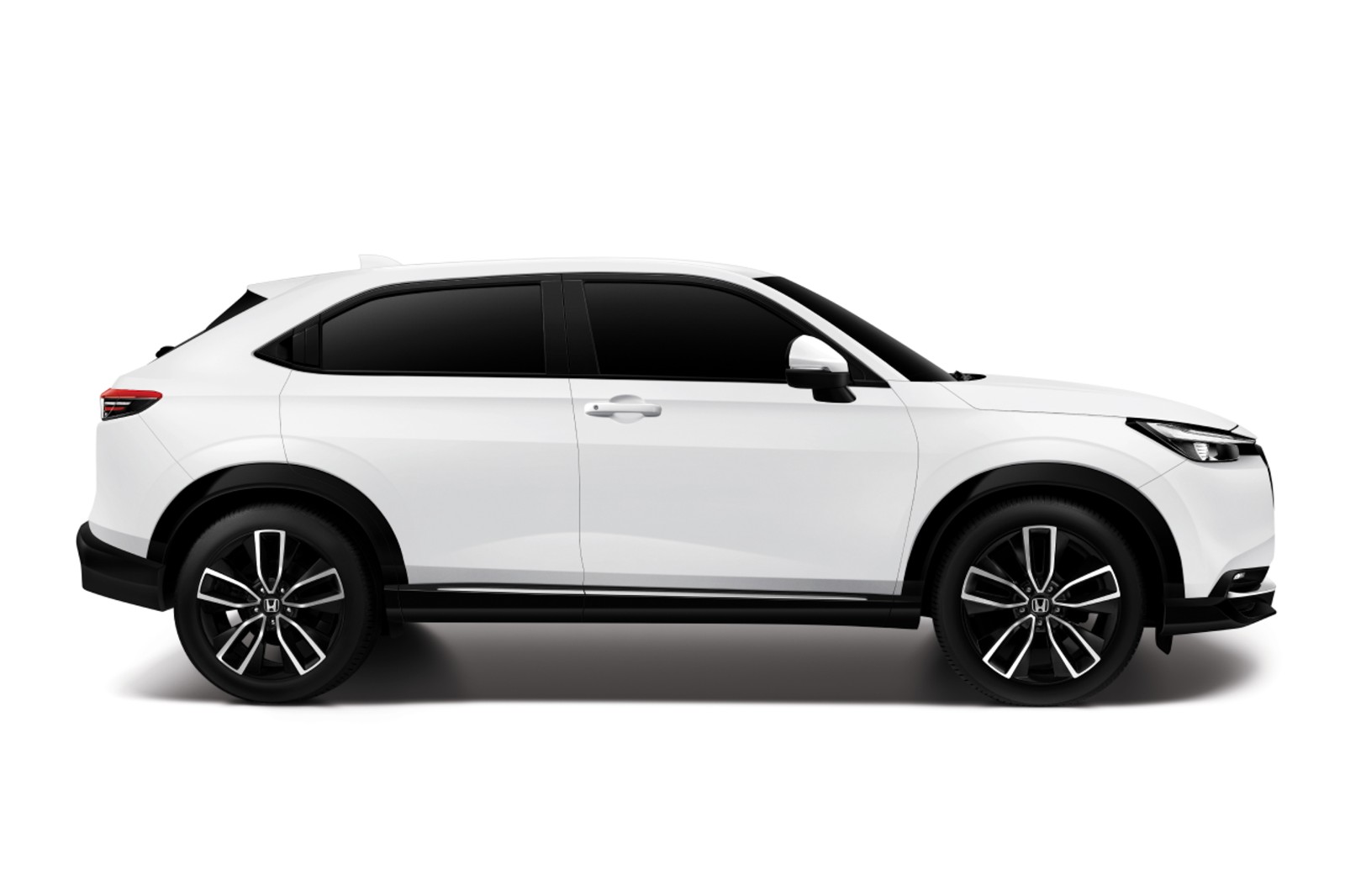
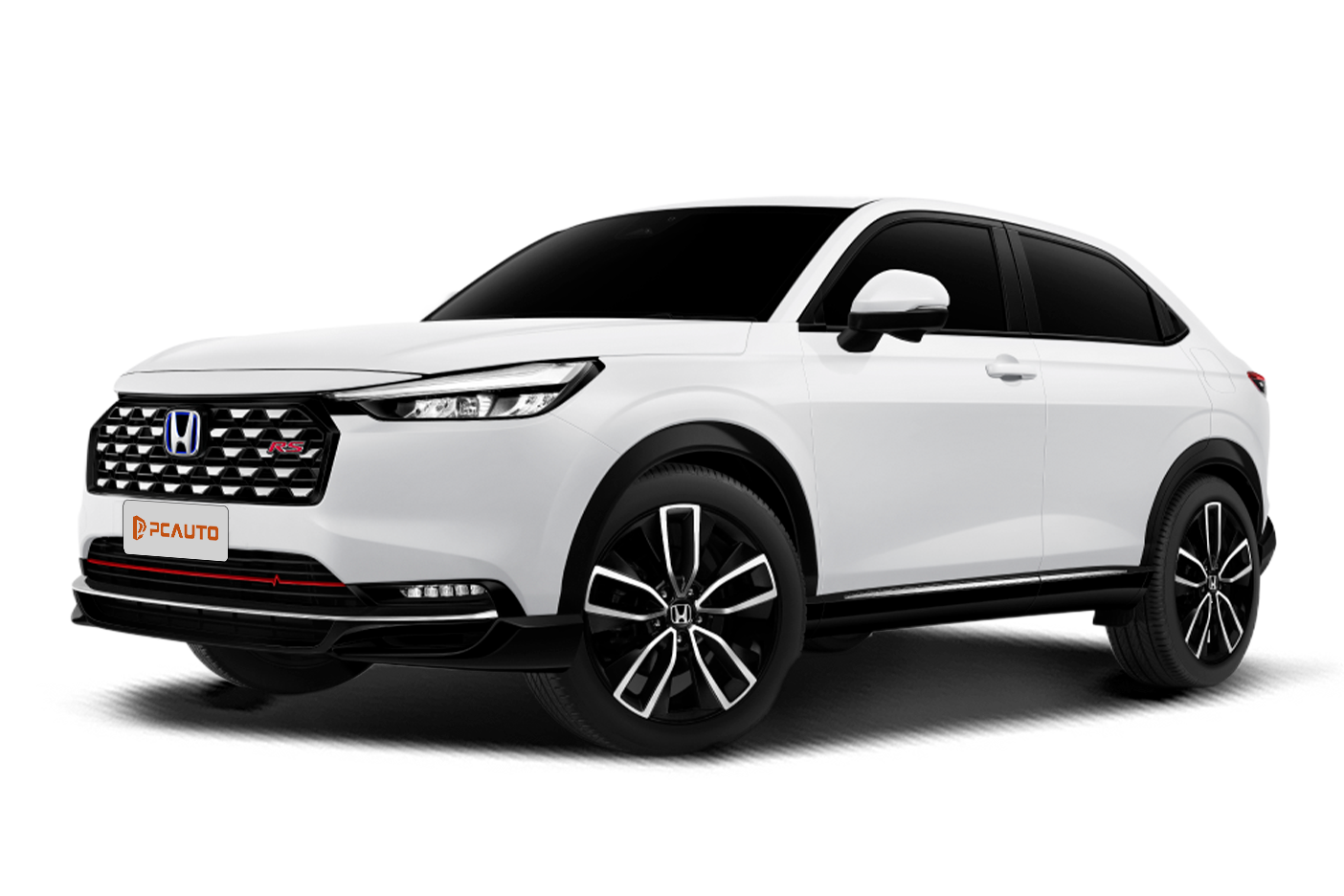
Starting with the exterior, the overall design of the 2019 HR-V 1.8 E follows Honda's youthful family styling. The large chrome strip connecting the headlights on both sides of the front adds high recognition. The headlight combination features halogen and LED lights, with standard LED daytime running lights that are eye-catching when lit. The automatic headlight function is also convenient for daily use. The side profile of the car exhibits smooth lines, with a waistline extending from the front fender to the rear, keeping the side design from looking overly simple. The 17-inch wheels are well-proportioned for a B-segment SUV, neither too abrupt nor appearing undersized. At the rear, the taillight design complements the headlights, and there is a standard rear fog light. Overall, the design is clean and neat, providing a timeless aesthetic that won't quickly go out of style due to excessive radical designs.
Stepping inside, the interior arrangement is well-organized, with the center console tilted towards the driver for easier operation. In terms of materials, while there is a significant amount of hard plastic, key areas such as the door armrests and steering wheel grips are wrapped in soft materials, making them feel less cheap to the touch. The 7-inch touchscreen center display serves as the visual centerpiece, with a decent operational smoothness. It comes with the Sound Plus function, paired with four speakers, offering adequate audio quality for daily music listening. In terms of features, keyless entry and start are standard, eliminating the hassle of searching for keys. The steering wheel features multifunction buttons and paddle shifters, making it convenient to adjust the volume, change tracks, or shift gears while driving. The instrument panel is an electronically illuminated analog display, showing information clearly, including RPM, speed, and fuel consumption at a glance. The front row features a single-zone automatic air conditioning system for easy adjustment, and rear air conditioning vents are also included to cater to rear passengers' needs.
Space utilization is where the HR-V truly shines. With a 2610mm wheelbase, it ranks as standard among B-segment SUVs. After adjusting the front seats to a comfortable position, the rear seats still offer around two fists of legroom, allowing 175cm tall passengers to sit without feeling cramped. The highlight feature is the rear ULTRA seats, which offer a 60:40 split-folding functionality, adjustable backrest angles, and even the ability to flip the seat bases upwards. This design is particularly useful for transporting large items, such as a bicycle or long luggage, offering far better versatility than standard SUVs. The trunk capacity is 437L under normal conditions, and it can be further expanded by folding down the seats, making it adequate for everyday shopping or weekend getaways. There are also ample storage compartments inside the cabin, with spacious door pockets, a central armrest box, and a glovebox. The front row even features a 220V power socket, which is handy for occasionally charging a laptop.
In terms of power, the 1.8L naturally aspirated engine produces a maximum horsepower of 142PS and peaks at 4300 RPM, paired with a CVT transmission. During daily driving, the acceleration is smooth, and while the response isn't particularly swift, it meets the needs of urban commuting — for example, following traffic in congested areas or overtaking on expressways. Pressing the accelerator deeply provides linear power output without any jolting. The steering wheel strikes a balance in weight and offers good precision, making it very easy to handle, especially for new drivers. The suspension system features a front MacPherson independent setup capable of absorbing most small vibrations when dealing with uneven road surfaces. When crossing speed bumps or driving on bumpy roads, the car maintains a stable ride without excessive body sway, ensuring decent comfort. The cornering performance is moderate, with body roll kept within an acceptable range, ensuring stable handling during daily driving.
For the fuel consumption test, we chose a mix of urban and highway roads, covering approximately 150 kilometers. The indicated fuel consumption was around 7.2L/100km, not far from the official figure of 6.6L/100km. Considering real-world driving conditions such as traffic congestion and air conditioning use, this fuel efficiency is quite economical. In terms of braking, the car is equipped with ventilated disc brakes both front and rear. The brake pedal feel is linear, with controlled pressure that’s easy to manage, and the vehicle maintains stability during emergency braking. Noise control is well-handled, with barely noticeable wind and tire noise under 60km/h. Once the speed increases to over 100km/h, wind noise does become slightly more noticeable but does not interfere with normal conversations. The seat comfort is good, with adequate support, so even long drives won't feel tiring.
In summary, the core advantages of the 2019 Honda HR-V 1.8 E are quite clear: flexible interior design, balanced performance and fuel efficiency, and adequate safety features—6 airbags, rear parking radar, reverse camera, and vehicle stability control are all standard. Compared to some competitors in the same price range, it stands out with its expandable space and practical features. While its power isn’t the strongest, it’s smooth and easy to drive.
This car is very suitable for families who value practicality, such as buyers who need a car for daily commuting and occasionally taking the family on short trips. It is also a good choice for young professionals who like Honda's design and need an easy-to-drive, reliable SUV. Overall, the 2019 HR-V 1.8 E is a well-balanced SUV with no obvious weaknesses. Describing it as “practicality is king” fits it perfectly—it doesn’t rely on excessive or flashy features, yet it takes care of every detail for daily use.
Honda HR-V Car Compare
Honda HR-V Loan Calculator
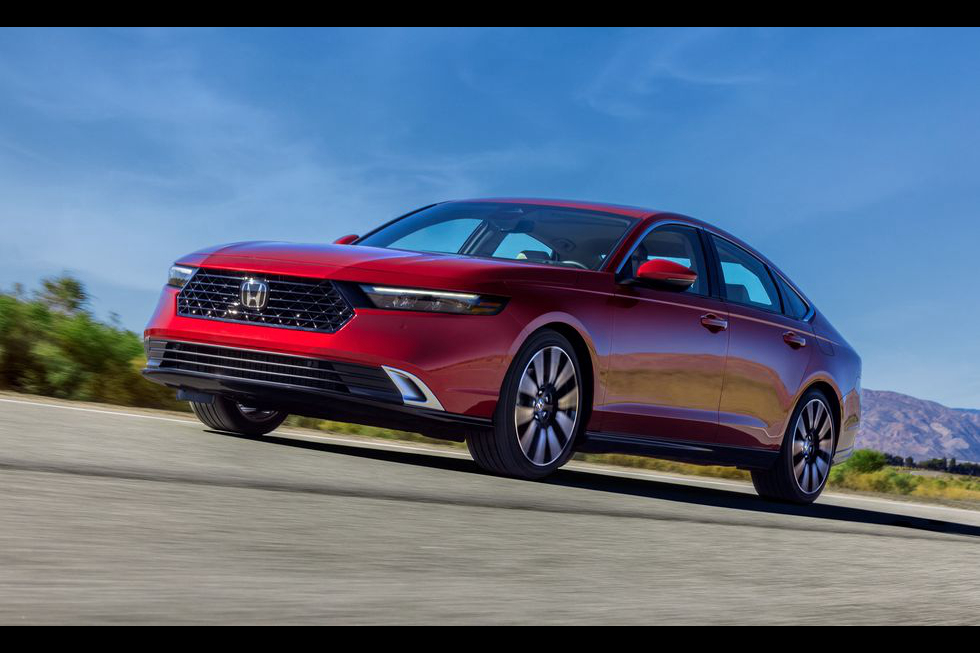
Cars With Similar Price And Features
4
Rank in SUV
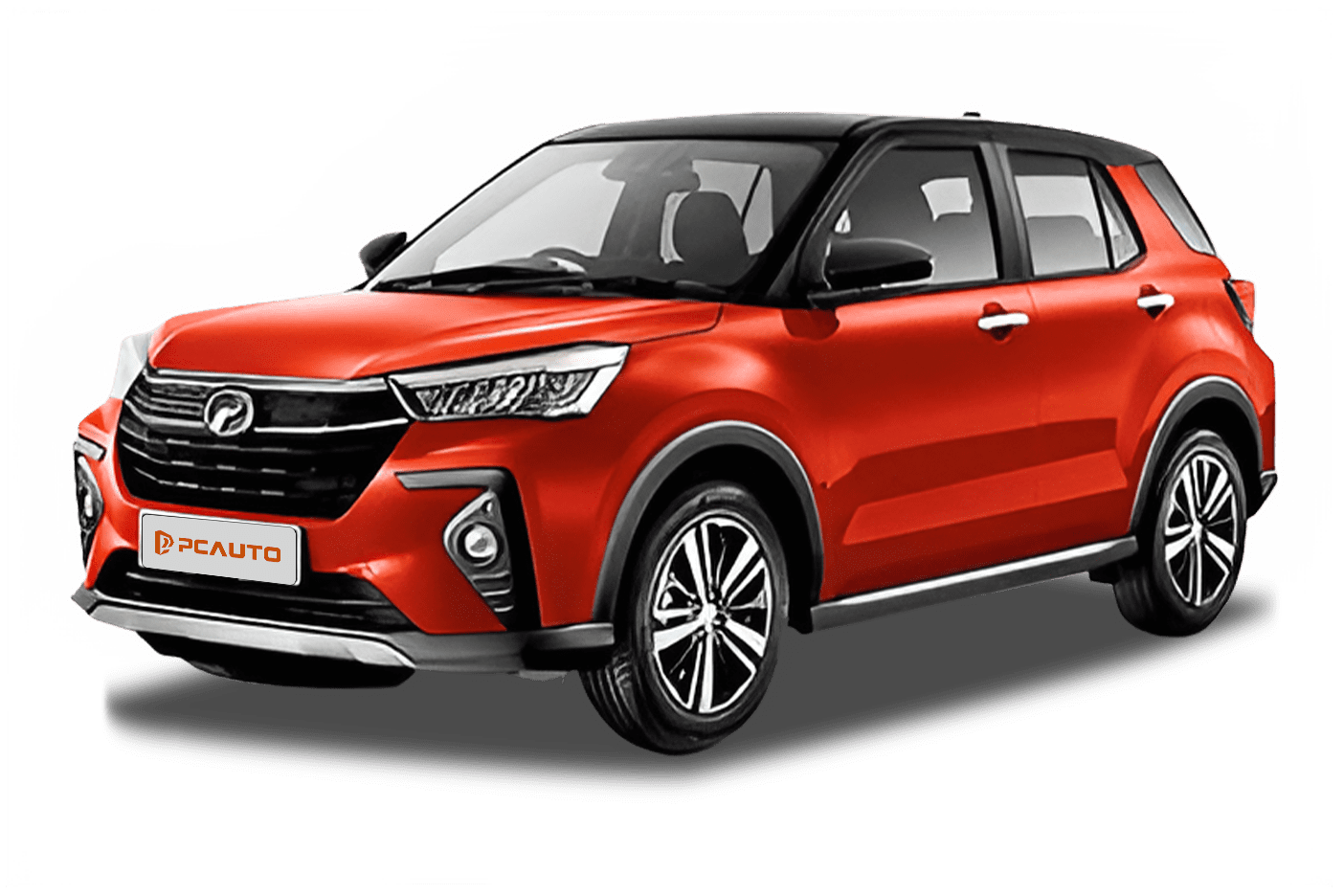
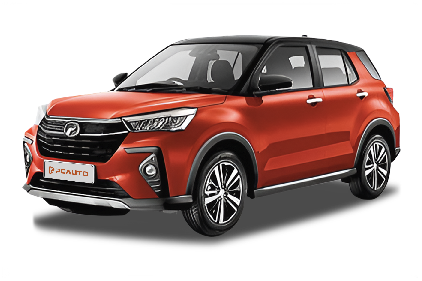
2023 Perodua Ativa 1.0L Turbo X, as a high-value-for-money entry-level B-SUV, meets the commuting and short-distance travel needs of family users with advanced safety features, practical space, and economical fuel consumption.
15
Rank in SUV
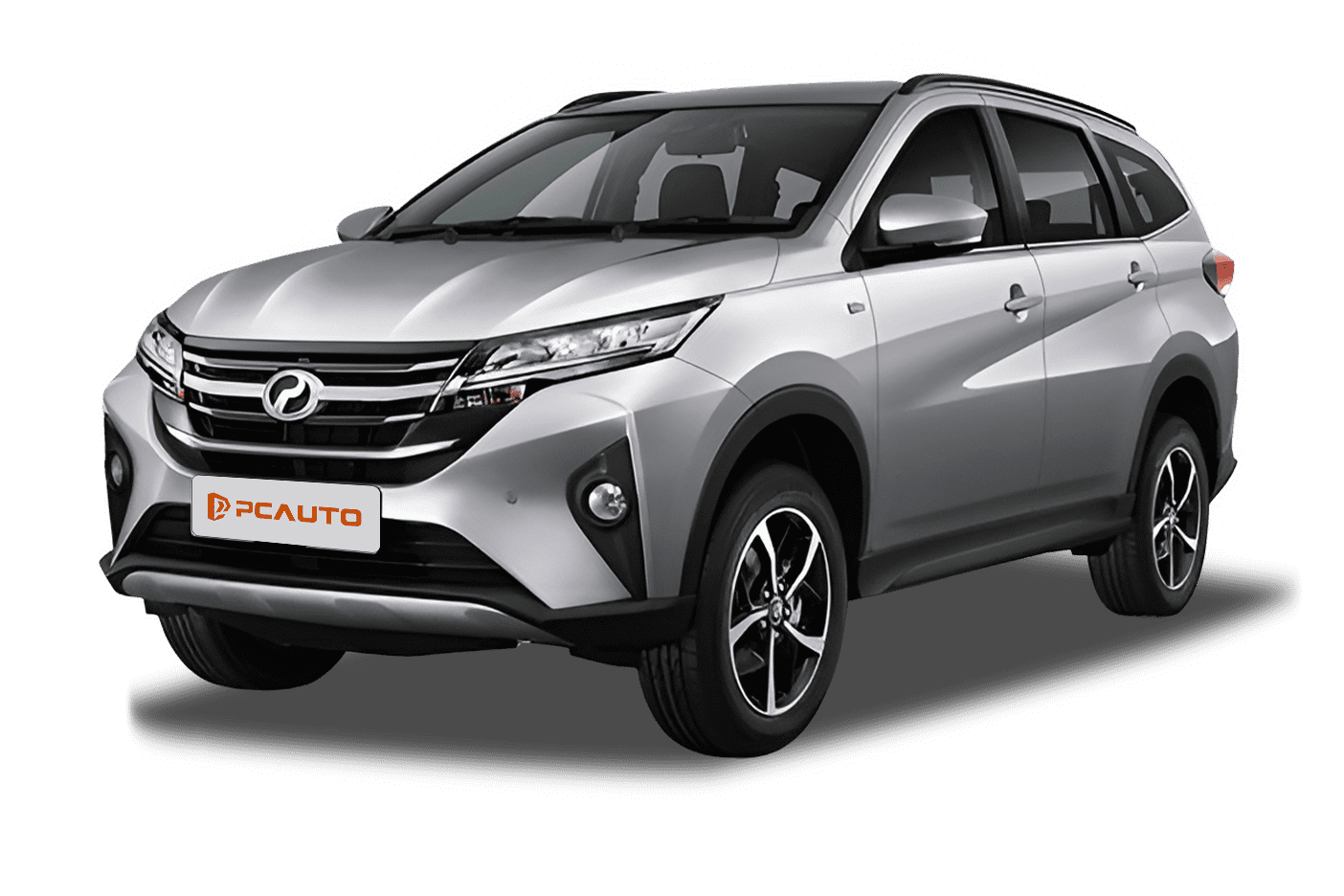
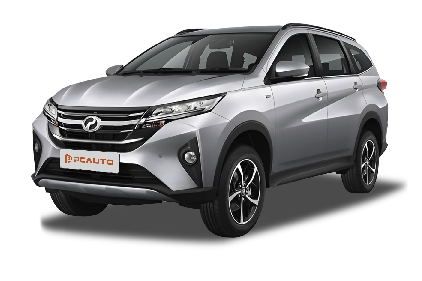
The 2023 Perodua Aruz 1.5L X is a high-value-for-money B-segment 7-seater SUV, offering 6 airbags and active safety systems as standard equipment for under RM63k. It balances practical space and daily commuting needs, making it a pragmatic choice for budget-conscious families.
3
Rank in SUV
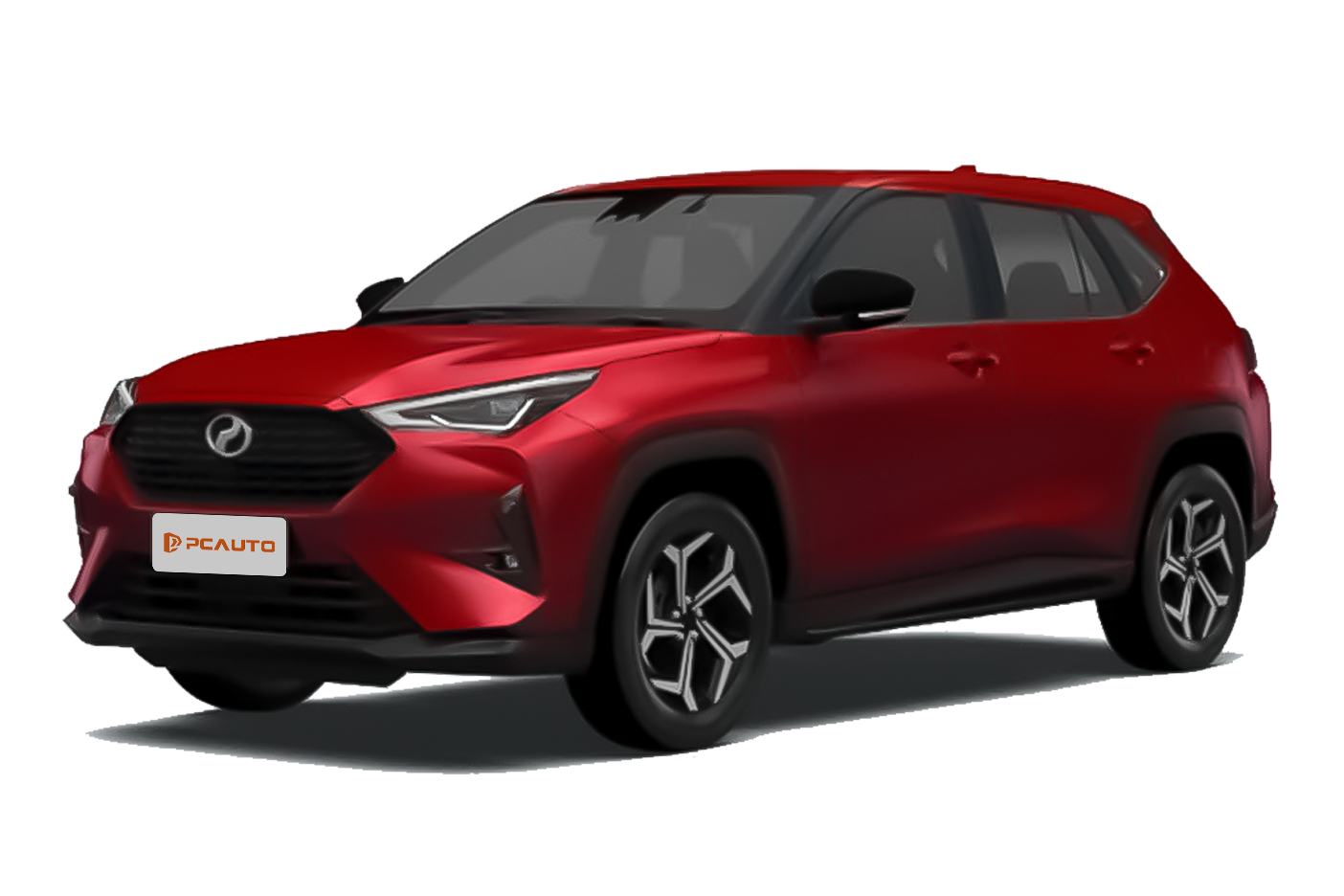
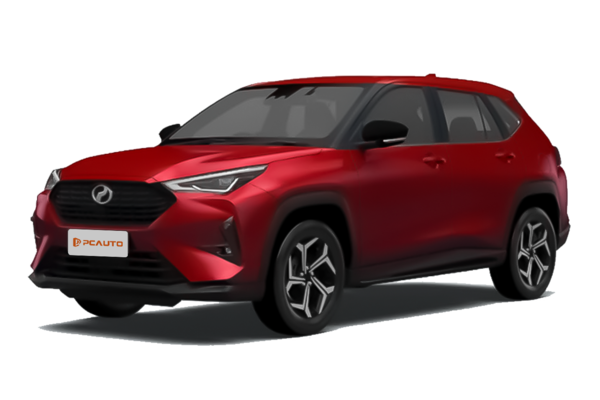
2025 Perodua Traz X, positioned as a B-segment SUV for family users, highlights advanced safety features, 210mm high ground clearance, and practical spaciousness as its main selling points, balancing flexibility and practicality.
2
Rank in SUV
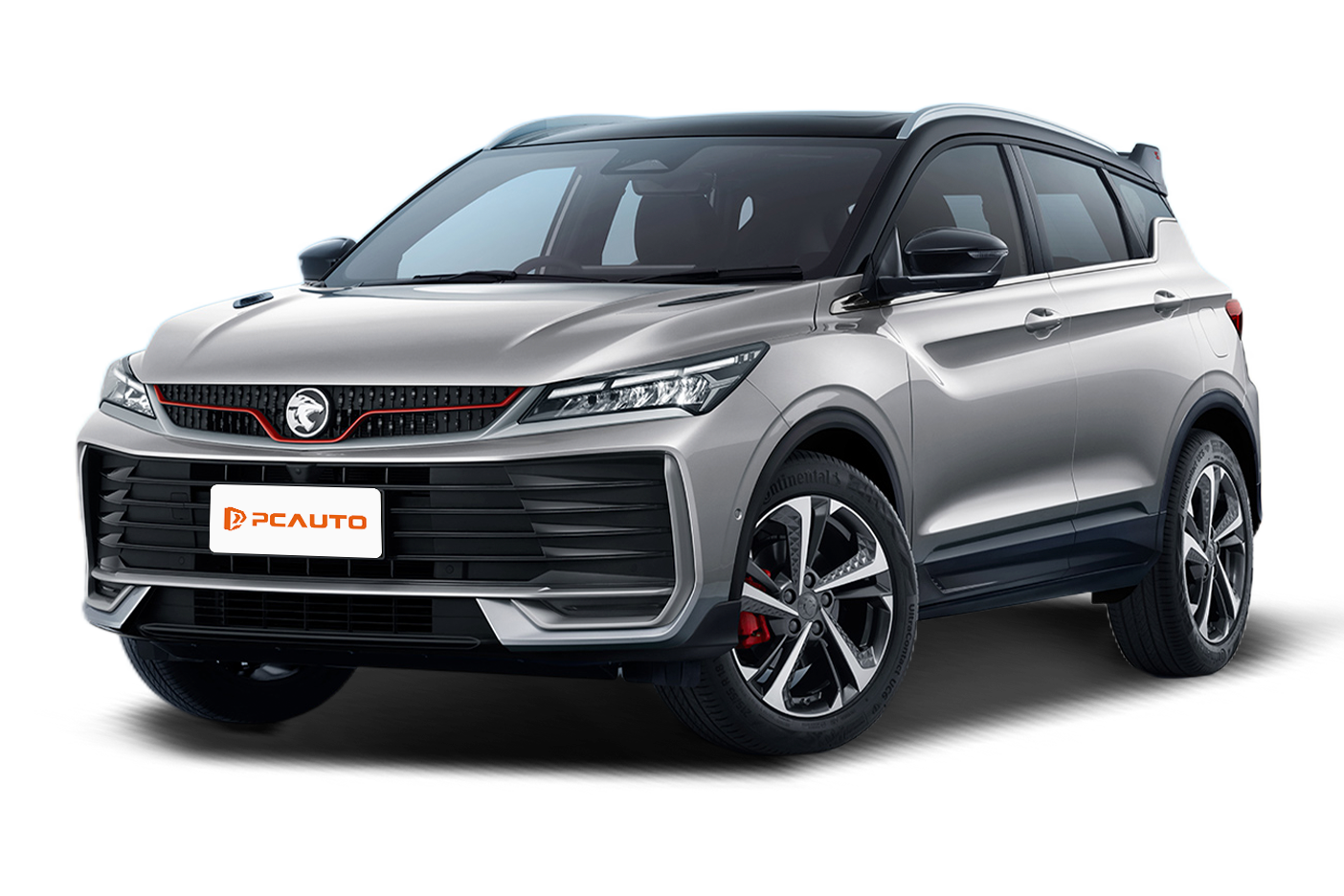
2025 Proton X50 Executive is an upgraded and price-reduced mid-size SUV that combines refined exterior, tech-savvy interior, powerful performance, and practical space, offering exceptional value for money.