

2019 Honda HR-V 1.8 RS Review

 Share
 Segment
 Body Type
 Capacity(L)
 Engine Power(PS)
 Transmission
 Driven Wheels
As a popular choice in the B-segment SUV market, the 2019 Honda HR-V 1.8 RS has long captured users' attention with its sport-tuned configuration and balanced features. Recently, we had the opportunity to test drive this car, aiming to evaluate its actual performance in daily commuting and family outing scenarios to see if it can uphold Honda's reputation.
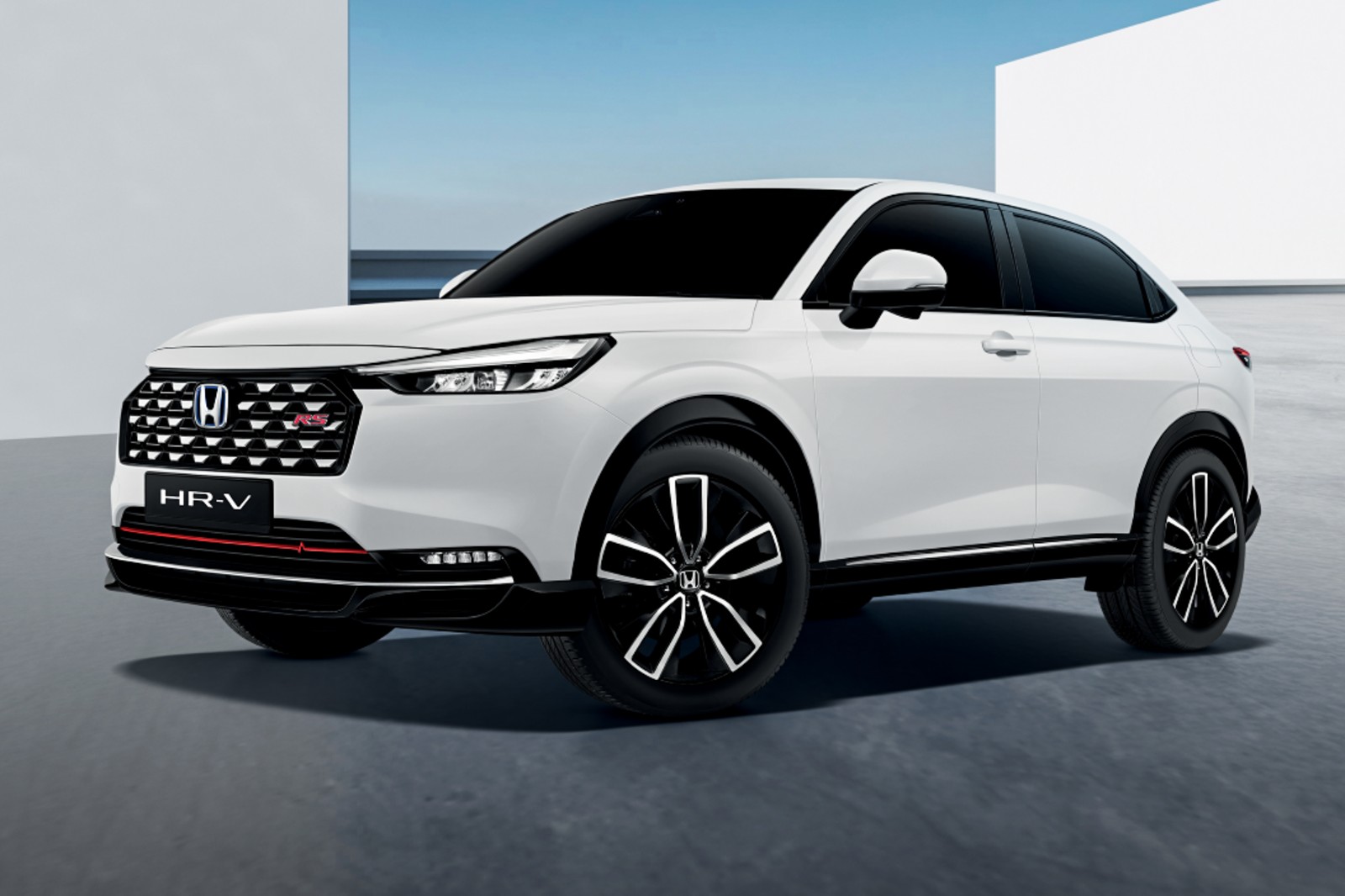
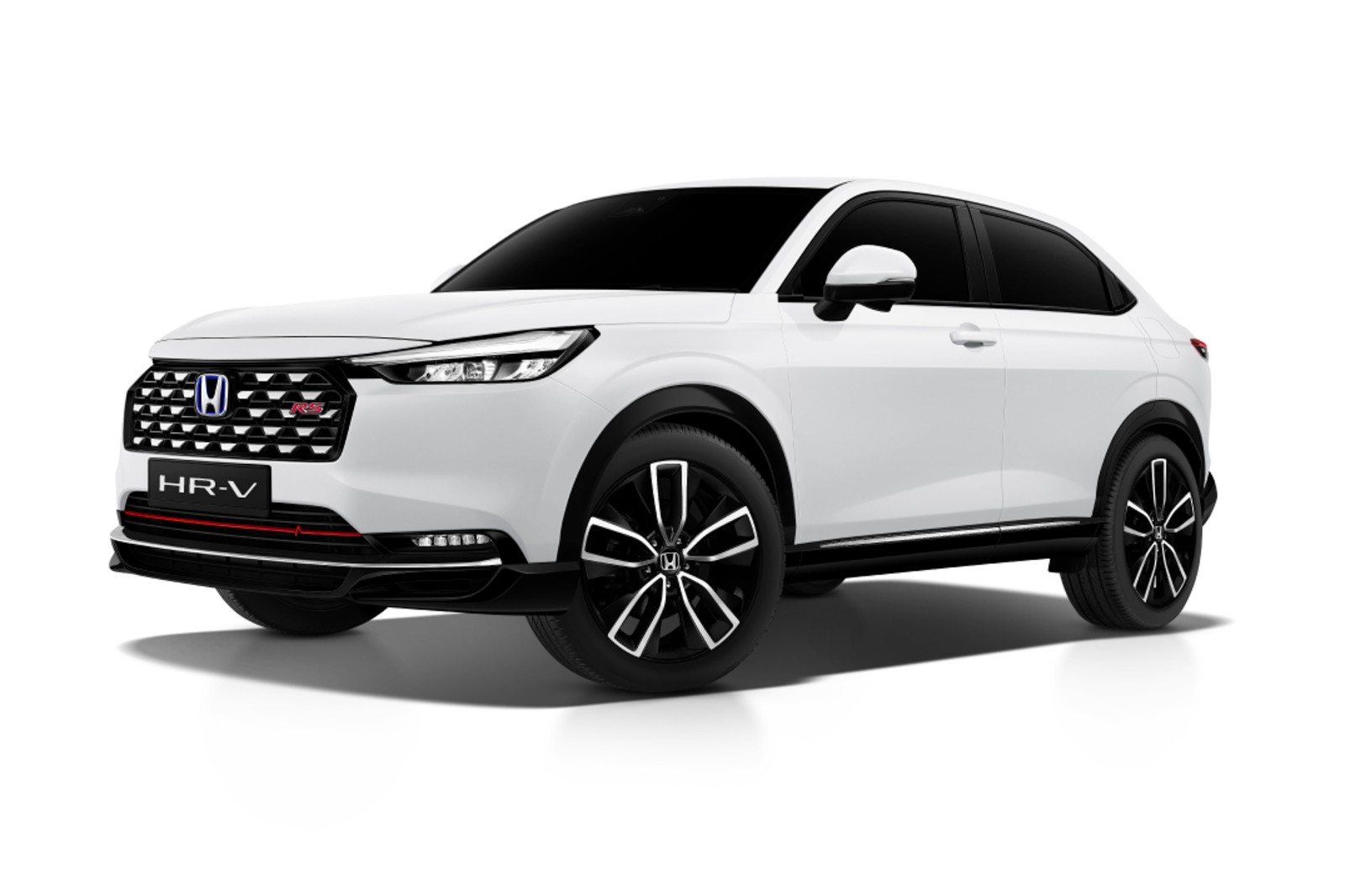
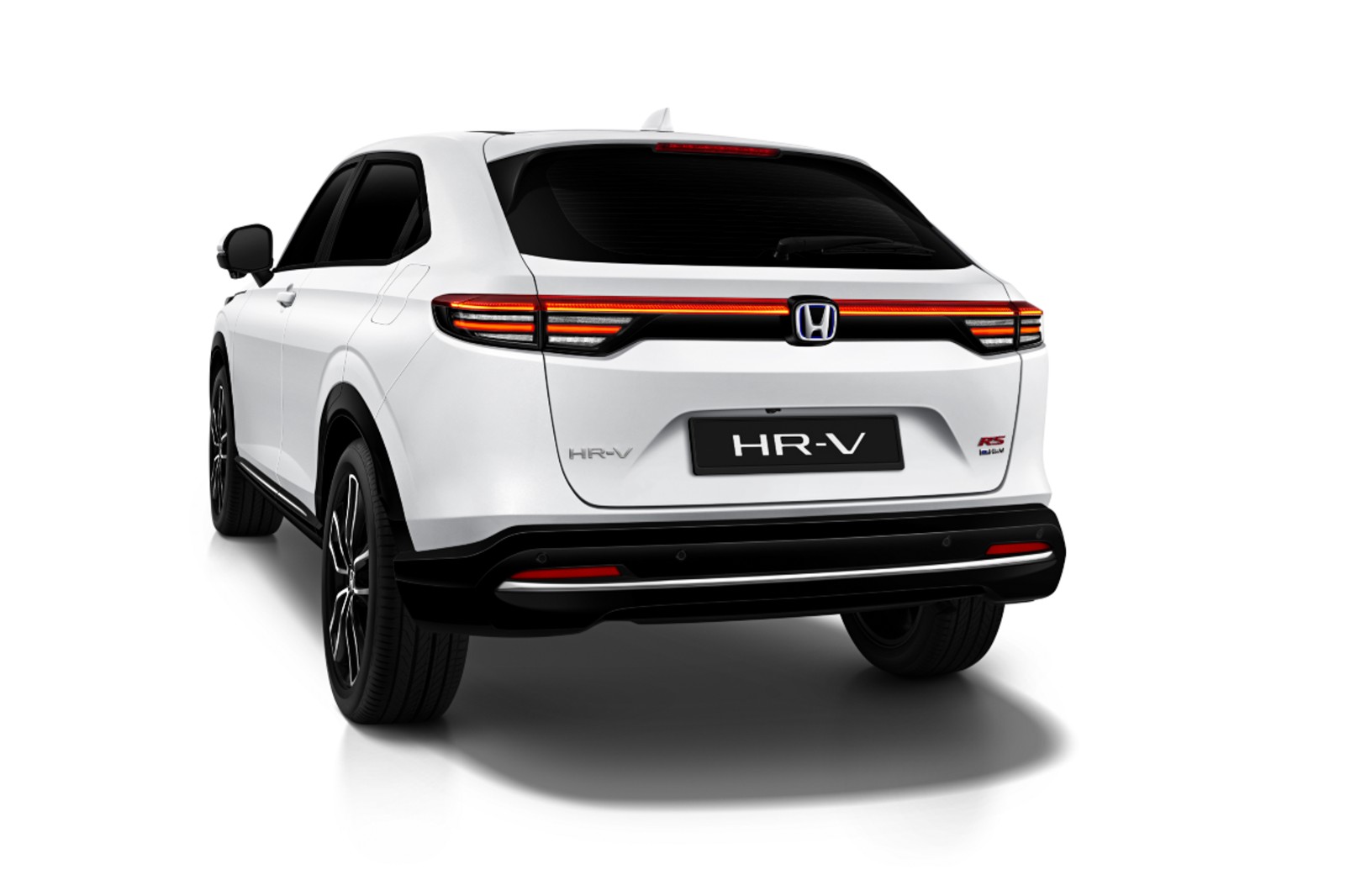
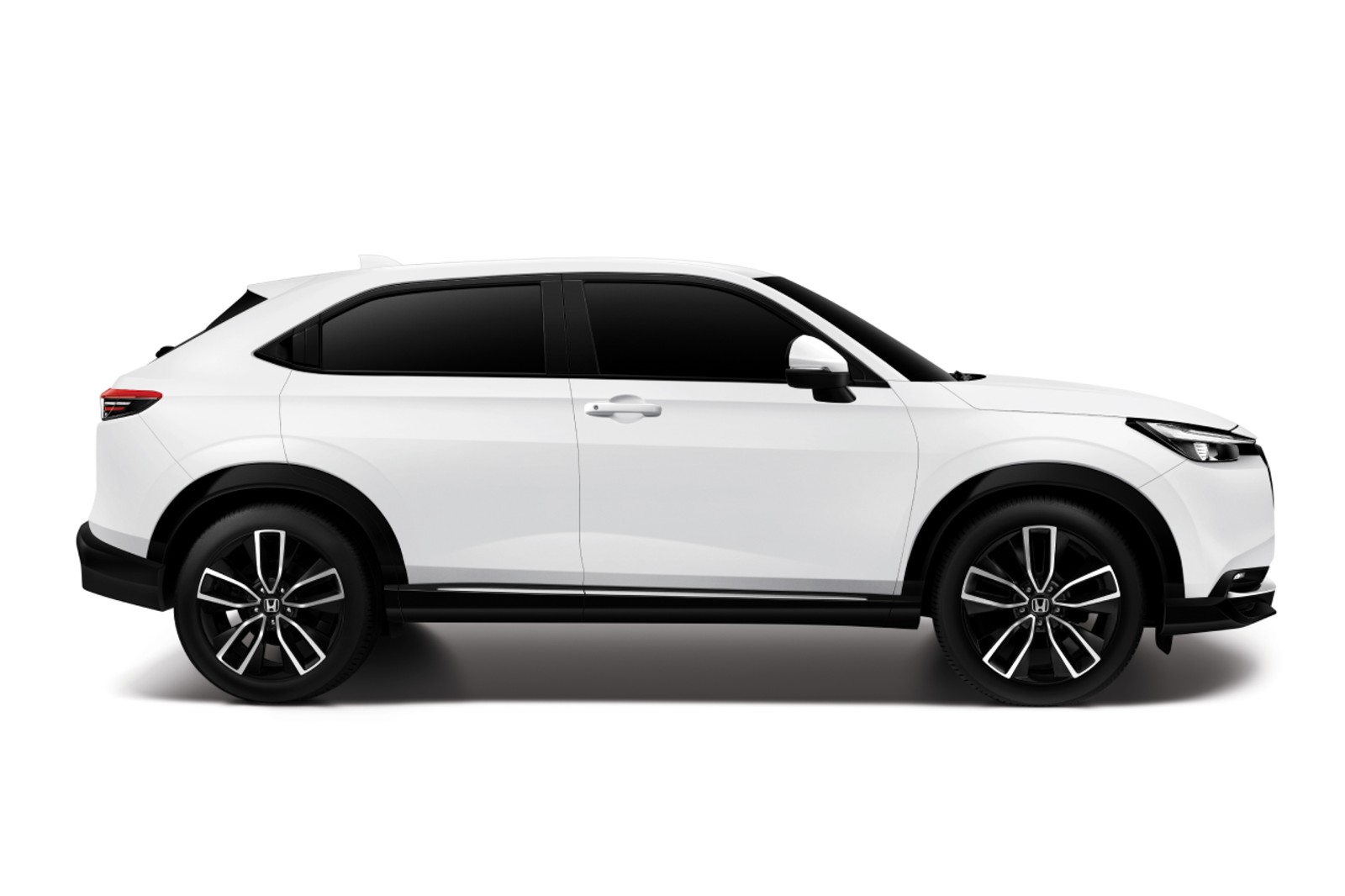
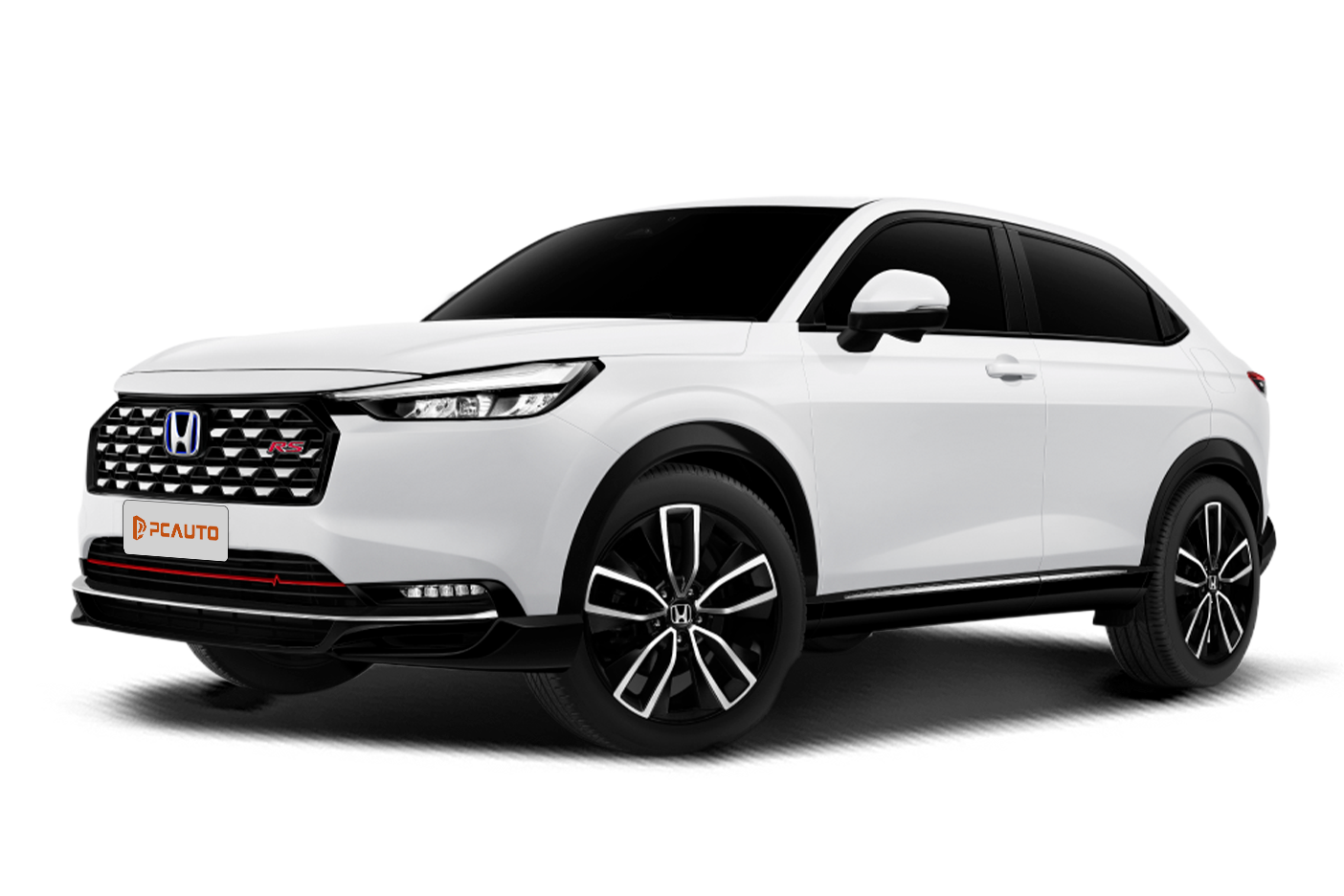
In terms of appearance, the HR-V 1.8 RS adopts a youthful and sporty design. The front features a black honeycomb grille, complemented by chrome trim and the RS-exclusive emblem, providing strong recognizability. Two creases on the hood extend from the A-pillar to the grille, enhancing its muscular feel. The side profile displays smooth lines, with 18-inch dual-tone alloy wheels standing out as highlights of the RS version, paired with 225/50 R18 tires, creating a fuller visual effect compared to the standard version. At the rear, the LED taillights are smoked and correspond with the black rear bumper surround, maintaining a cohesive overall style. The lighting system is entirely LED, with standard automatic headlights and daytime running lights adding to practicality; front fog lamps are also included, ensuring more confidence in adverse weather conditions.
Upon opening the door, the interior primarily features a black color theme, with red stitching on the steering wheel and seats, in line with the sporty RS orientation. The dashboard layout is simple, with a 7-inch touchscreen in the center that supports the Sound Plus feature, and the operating fluency is quite good; physical buttons are retained below for easier blind operation. In terms of materials, the upper part of the dashboard uses soft-touch plastics, and the door armrests are wrapped in leather, providing decent tactile feedback. For features, keyless entry and ignition come as standard, while the 8-way electrically adjustable driver’s seat and electrically adjustable passenger seat help quickly find a comfortable seating position. The rear ULTRA seats support 60:40 split, manual recline, and tip-up base, offering great flexibility. Space performance meets the standard for B-segment SUVs, with a wheelbase of 2610mm ensuring adequate rear legroom; a 175cm passenger sitting in the rear has about two fists of leg space. The trunk has a standard capacity of 437L, which can be expanded by folding the rear seats, easily accommodating a baby stroller or luggage for everyday needs.
In the performance section, the 1.8L naturally aspirated engine delivers a maximum output of 142PS (6500rpm) and a peak torque of 172N·m (4300rpm), paired with a CVT transmission. The power response is smooth during take-off, avoiding the abruptness typical of turbocharged cars. When accelerating hard and reaching over 4000rpm, the torque release becomes more evident. When overtaking, it's necessary to preemptively accelerate, and during high-speed cruising (110km/h), the engine speed remains around 2000rpm, with good noise control. Two driving modes are available: normal and sport. In sport mode, the transmission maintains higher revs, and throttle sensitivity is heightened, but overall power output remains geared toward smoothness. The suspension uses a front MacPherson independent setup and rear torsion beam non-independent setup, tuned toward firmness. While vibrations are not fully filtered when passing speed bumps, the stability in corners is quite good. Steering is precise with minimal play, making handling among the top in its class.
In fuel consumption testing, we covered 150km under mixed conditions of urban traffic (30%) and highway cruising (70%), with an indicated fuel consumption of 6.8L/100km, close to the official figure of 6.6L/100km, reflecting satisfactory fuel efficiency. On braking, the front and rear ventilated disc brakes offer linear response, and during emergency stops, the car maintains stable posture without noticeable dipping. In terms of ride comfort, the seats offer good support, making long-duration rides less tiring. NVH control is commendable, with wind and tire noise barely audible below 60km/h. At higher speeds, wind noise mainly comes from the A-pillars but remains within acceptable limits. Notably, the rear is equipped with air vents and USB ports, catering to the needs of passengers in the back.
One of the advantages of the HR-V 1.8 RS is its safety configuration, which comes standard with 6 airbags across all variants (front dual airbags, side airbags, front and rear curtain airbags), ESP body stability system, lane change assist, and a reversing camera, offering a full sense of security. Compared to competitors in the same segment, such as the Toyota C-HR, the HR-V has a superior rear space flexibility and richer configurations, especially the practicality of the ULTRA seats, which are almost unparalleled. In terms of price, the RM 118,581 guide price is in the mid-to-upper range among B-segment SUVs, but considering its performance, features, and brand reputation, its value for money still stands out.
Overall, the 2019 Honda HR-V 1.8 RS is suitable for family users who value space flexibility, smooth performance, and safety features, while also meeting young consumers' demand for a sporty appearance. It has no significant drawbacks and is a highly balanced city SUV. If you need a car that caters to both daily commuting and family trips, the HR-V 1.8 RS is worth including on your shortlist.
Honda HR-V Car Compare
Honda HR-V Loan Calculator
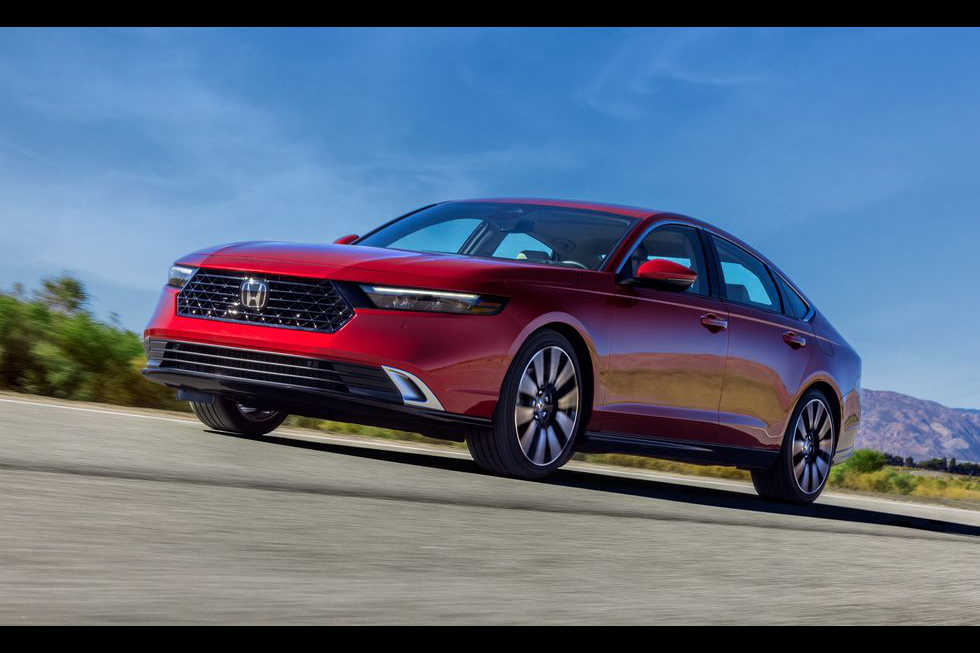
Cars With Similar Price And Features
15
Rank in SUV
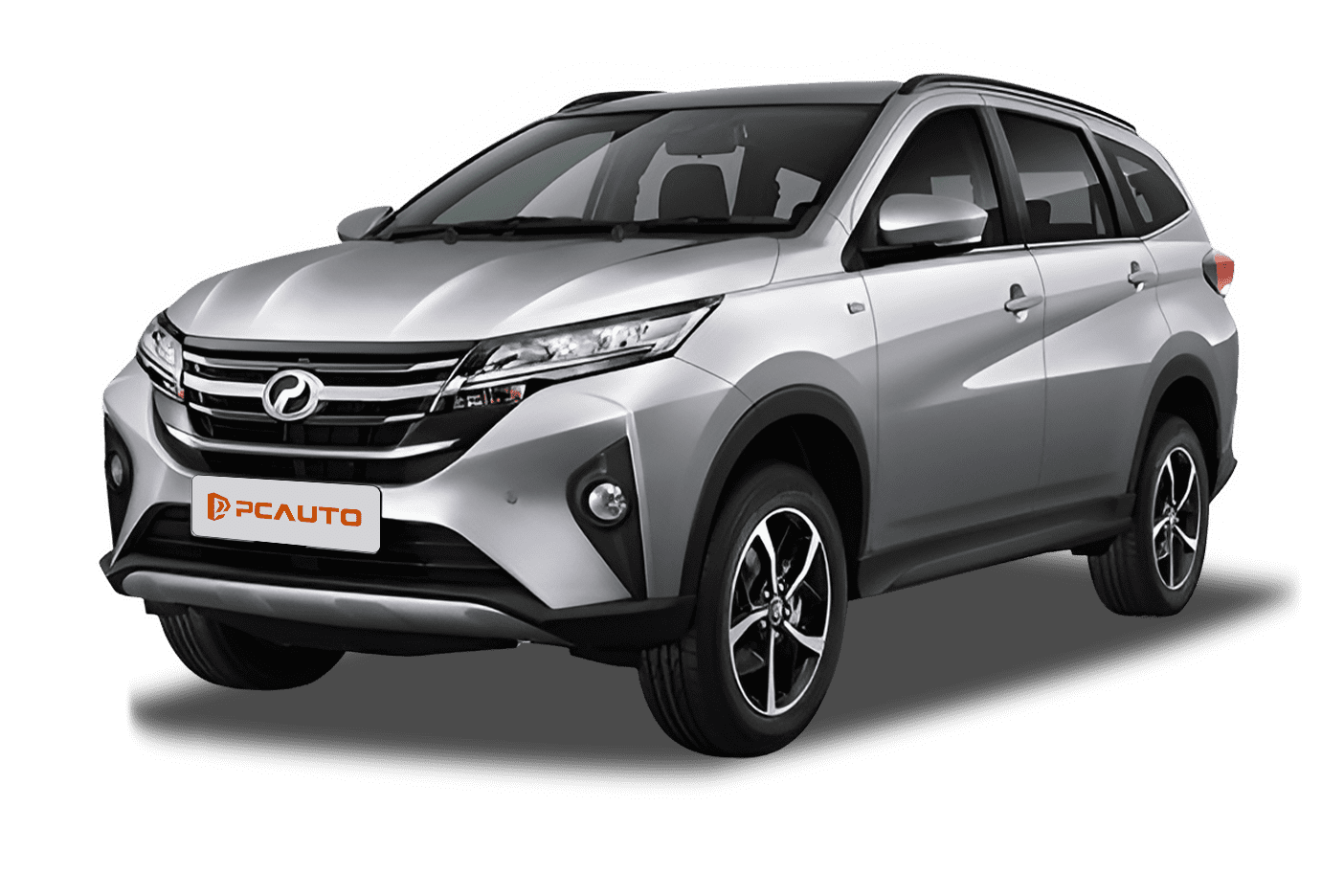
The 2023 Perodua Aruz 1.5L X is a high-value-for-money B-segment 7-seater SUV, offering 6 airbags and active safety systems as standard equipment for under RM63k. It balances practical space and daily commuting needs, making it a pragmatic choice for budget-conscious families.
4
Rank in SUV
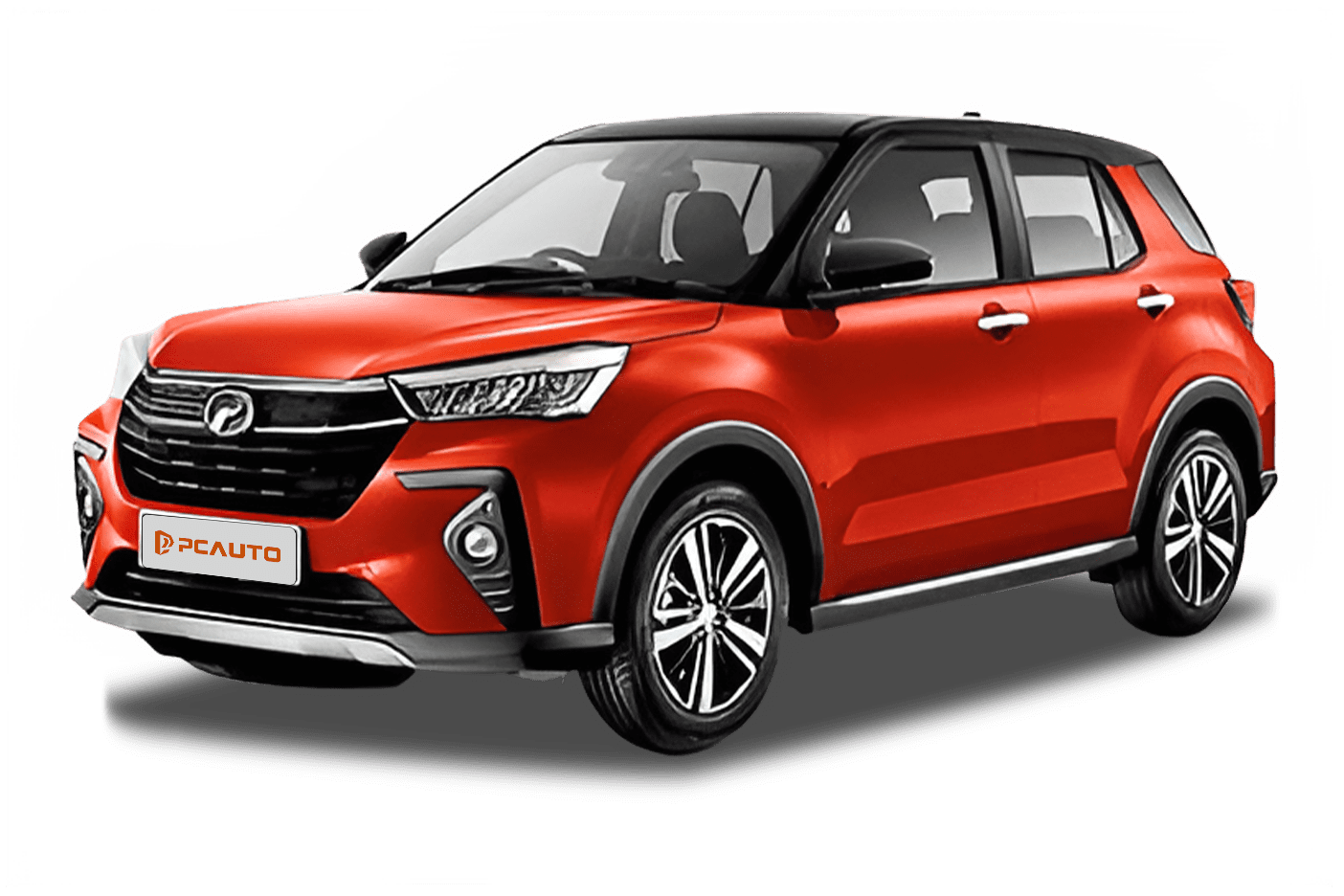
2023 Perodua Ativa 1.0L Turbo X, as a high-value-for-money entry-level B-SUV, meets the commuting and short-distance travel needs of family users with advanced safety features, practical space, and economical fuel consumption.
3
Rank in SUV
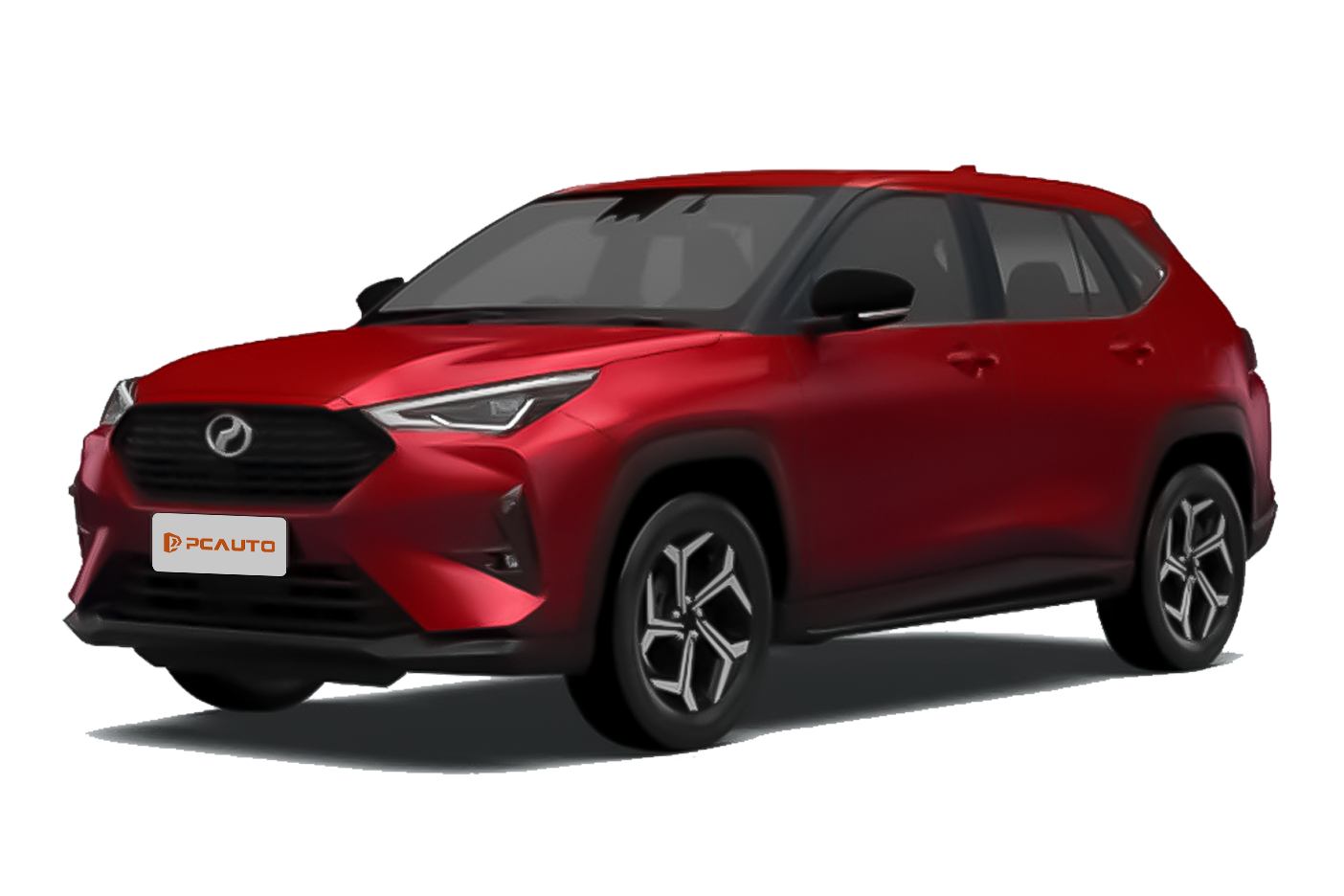
2025 Perodua Traz X, positioned as a B-segment SUV for family users, highlights advanced safety features, 210mm high ground clearance, and practical spaciousness as its main selling points, balancing flexibility and practicality.
2
Rank in SUV
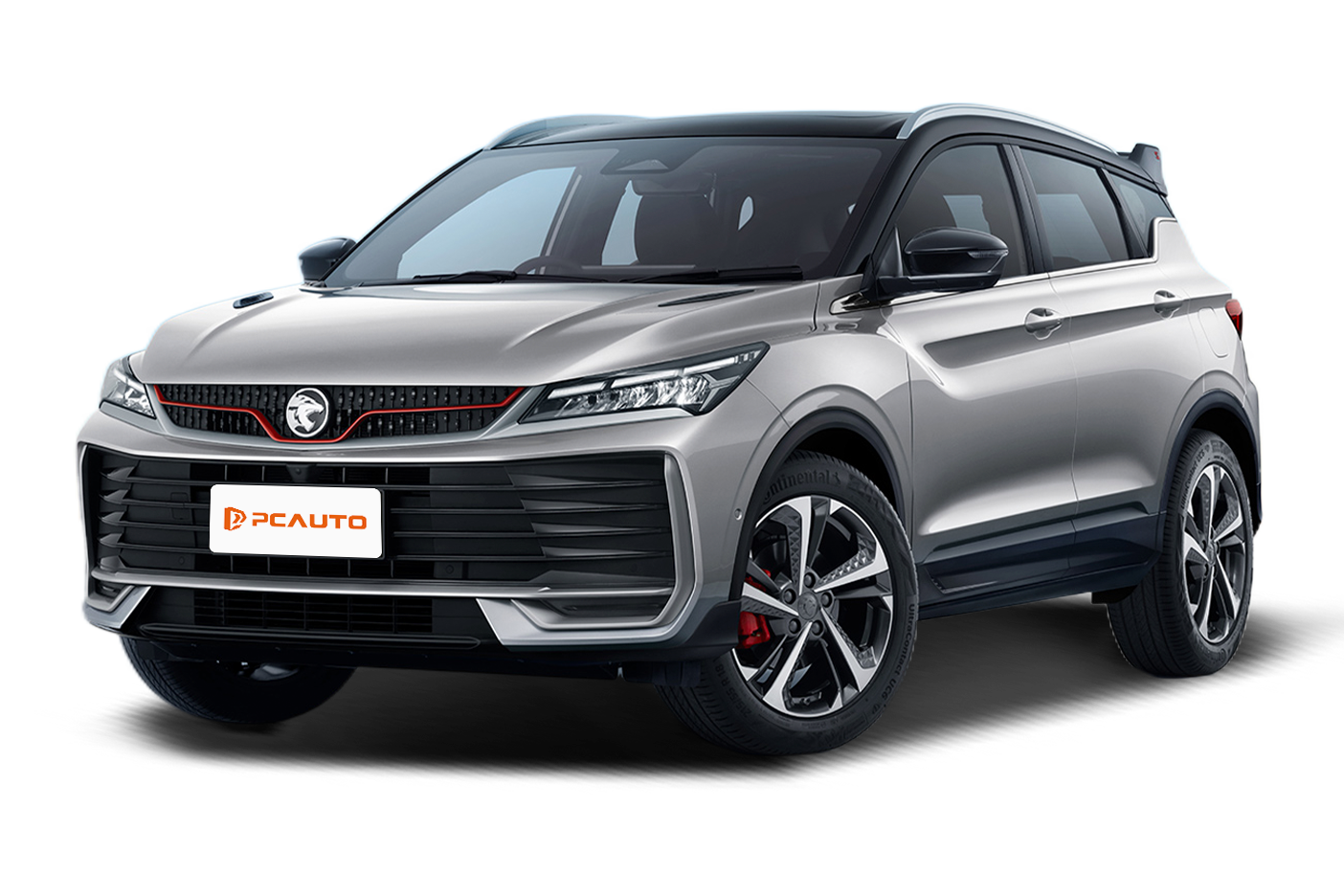
2025 Proton X50 Executive is an upgraded and price-reduced mid-size SUV that combines refined exterior, tech-savvy interior, powerful performance, and practical space, offering exceptional value for money.