
2019 Porsche 718 718 Spyder Review

 Share
Share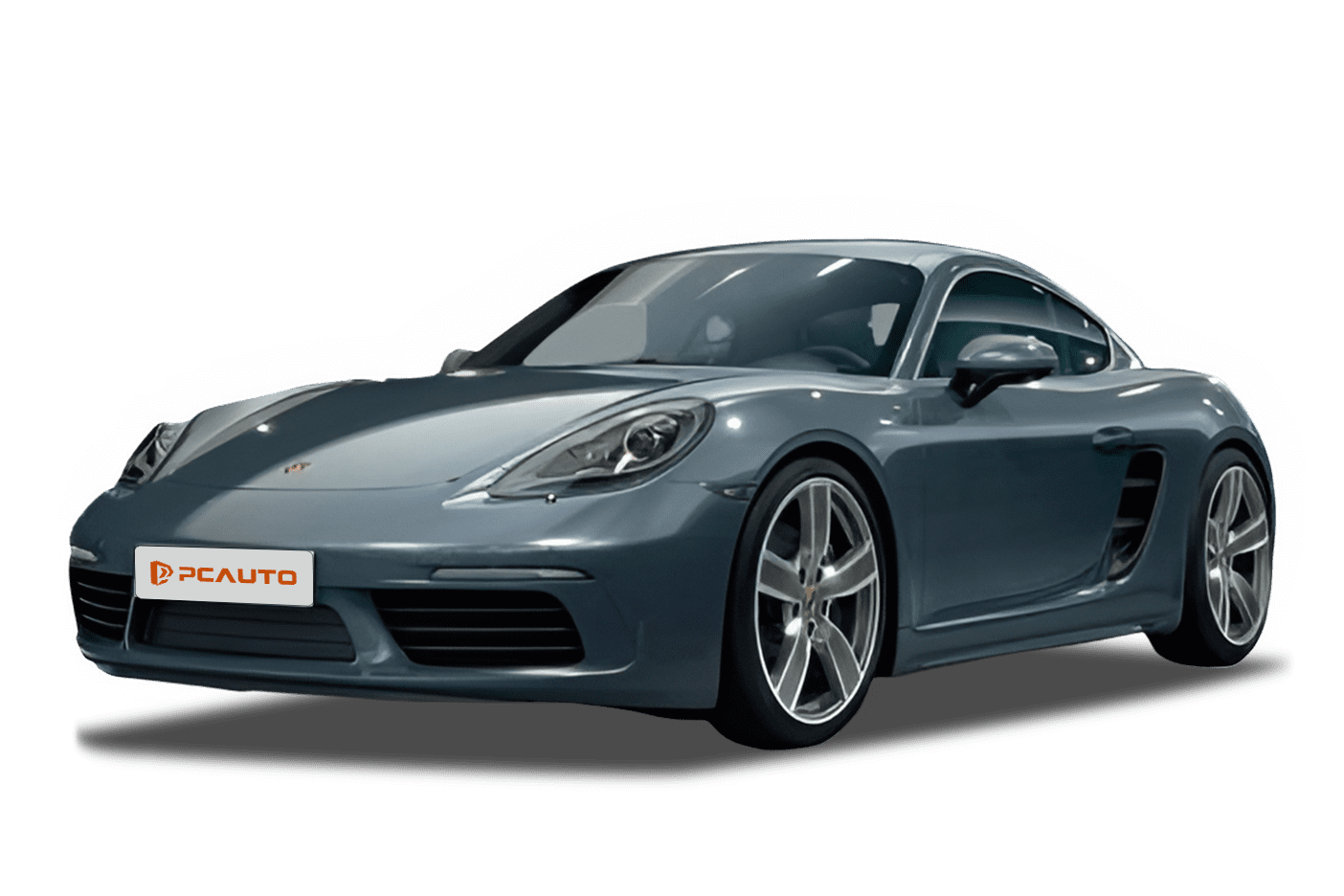
 Segment
 Body Type
 Capacity(L)
 Engine Power(PS)
 Engine Torque(Nm)
 Transmission
In recent years, the demand for naturally aspirated models in the Malaysian sports car market has gradually rebounded. Many enthusiasts have begun to miss the linear power output without turbo lag—the 2019 Porsche 718 Spyder is a model that targets this niche market. As the high-performance convertible version of the 718 series, it not only features Porsche's iconic naturally aspirated flat-six engine but also includes optimizations in handling and lightweight design, making it highly anticipated by consumers pursuing pure driving pleasure. This review will focus on the car's static design and dynamic performance to see if it truly satisfies sports car enthusiasts' pursuit of the "essence of driving."
In terms of appearance, the overall style of the 2019 718 Spyder leans towards minimalist sportiness, without overly exaggerated aerodynamic kits, yet its detailed designs are highly recognizable. The front continues the family-style design of the 718 series, with flat headlamp clusters paired with four-point LED daytime running lights, offering high identification when illuminated. The air intake at the bottom of the front bumper is moderately sized, ensuring cooling needs without appearing overly ostentatious. The side profile is one of the highlights of this car; when the soft-top convertible mechanism is fully retracted, the roofline forms a smooth fastback silhouette, complemented by 19-inch five-spoke sporty wheels, giving the vehicle a very low-slung posture. The rear design is relatively simple, featuring Porsche’s classic through-type LED light strip, while the diffuser and twin exhaust outlets on both sides imply its performance-oriented identity. It is worth mentioning that the soft-top convertible can be manually opened or closed at speeds below 50km/h, with the operation taking approximately 10 seconds, offering good convenience for daily use.
Inside the cabin, the interior style of the 718 Spyder is driver-focused, with an overall layout that is simple and practical. The center console is wrapped extensively in Alcantara material, complemented by carbon fiber trim, which not only enhances the sporty atmosphere of the interior but also provides a refined tactile experience. The instrument cluster features Porsche's traditional five-round mechanical gauges, with the center tachometer being the largest in size. The displays on both sides incorporate LCD screens that can show information such as speed, fuel level, and water temperature, providing clear and intuitive readings. The central display screen measures 7 inches and is equipped with the Porsche Communication Management System (PCM), supporting Apple CarPlay and Bluetooth connectivity. The interface is simple to grasp, although the system's response speed is average. One of the highlights of this car is its carbon fiber bucket seats, offering excellent wrap-around support with well-designed lumbar and thigh support. The seatbacks and positions can be manually adjusted. However, the rear seat space is extremely limited and can only be used for placing small items, with minimal practicality. Regarding storage space, the front trunk offers a capacity of 150 liters, while the rear trunk has a capacity of 125 liters. It is suitable for short trips, accommodating two carry-on suitcases, but storage capacity might be tight for long journeys.
In terms of performance, the 2019 718 Spyder is powered by a 4.0L naturally aspirated flat-six engine, delivering a maximum output of 414 horsepower and a peak torque of 420 N·m, paired with a 6-speed manual transmission. During actual driving, the power delivery of this engine is very linear. From 2000 rpm, a noticeable thrust can be felt, with power peaking beyond 5000 rpm and remaining strong all the way up to the 8000 rpm redline. At launch, as long as the clutch and accelerator coordination is managed well, the vehicle can start smoothly. During acceleration, there is no turbo lag, and the power response is very direct. In Sport mode, the throttle pedal becomes more sensitive, and the gear shifting of the transmission feels precise, with a strong sense of engagement. Each gear shift delivers a satisfying mechanical feedback.
The core advantage of the 718 Spyder lies in its handling performance. The steering precision of the steering wheel is very high, with almost negligible play. While turning, the feel is relatively heavy, but the damping is consistent, providing the driver with ample confidence. The chassis features a front MacPherson independent suspension and a rear multi-link independent suspension, along with the Porsche Active Suspension Management System (PASM). The suspension is tuned on the firmer side, which effectively suppresses body roll. When cornering, the vehicle demonstrates excellent tracking capability and stable body posture. Even at relatively high speeds through curves, the tires offer plenty of grip. However, the firm suspension can feel notably sensitive when dealing with uneven road surfaces, transmitting even minor road vibrations into the cabin, which can slightly impact comfort.
In terms of fuel consumption, we tested around 200 kilometers under mixed road conditions, with city roads accounting for 60% and highways for 40%. The final measured fuel consumption was 11.8L/100km, which is within an acceptable range for a 4.0L naturally aspirated six-cylinder sports car. Regarding braking performance, the 718 Spyder is equipped with the Porsche Ceramic Composite Brake System (PCCB). The brake pedal offers a linear feel, and the braking force output is stable, with a stopping distance from 100km/h to stationary at approximately 32 meters, which is excellent.
As for driving comfort, due to the firm suspension tuning, the shock absorption during daily driving is moderate, and crossing speed bumps or uneven roads results in noticeable jolts inside the cabin. Regarding noise control, wind noise and tire noise become more apparent at high speeds, especially when the convertible top is open, where noise levels further increase. However, for a sports car focused on driving enjoyment, this noise actually enhances the driving atmosphere. Although the seats offer good comfort, they may cause fatigue during long drives, making them more suitable for short trips.
Overall, the core strengths of the 2019 Porsche 718 Spyder lie in its pure driving pleasure and linear power output. The exhaust sound of the naturally aspirated engine and the mechanical texture of the manual transmission are irreplaceable compared to turbocharged models in the same segment. Compared to its competitor, the BMW M4 Convertible, the 718 Spyder has a smaller engine displacement, but the characteristics of natural aspiration provide more direct power response and more agile handling. However, in terms of features and comfort, the 718 Spyder falls slightly short. This car is suitable for sports car aficionados who pursue the essence of driving and do not mind sacrificing some comfort, especially those who enjoy manual transmissions and convertible driving experiences. If you are a household user who values practicality for daily use, the 718 Spyder may not be the best choice. However, if you want a toy to enjoy driving fun on weekends, it is definitely worth considering.
Porsche 718 Car Compare

Porsche 718 Loan Calculator
More Porsche Reviews
Cars With Similar Price And Features

30
Rank in Sedan
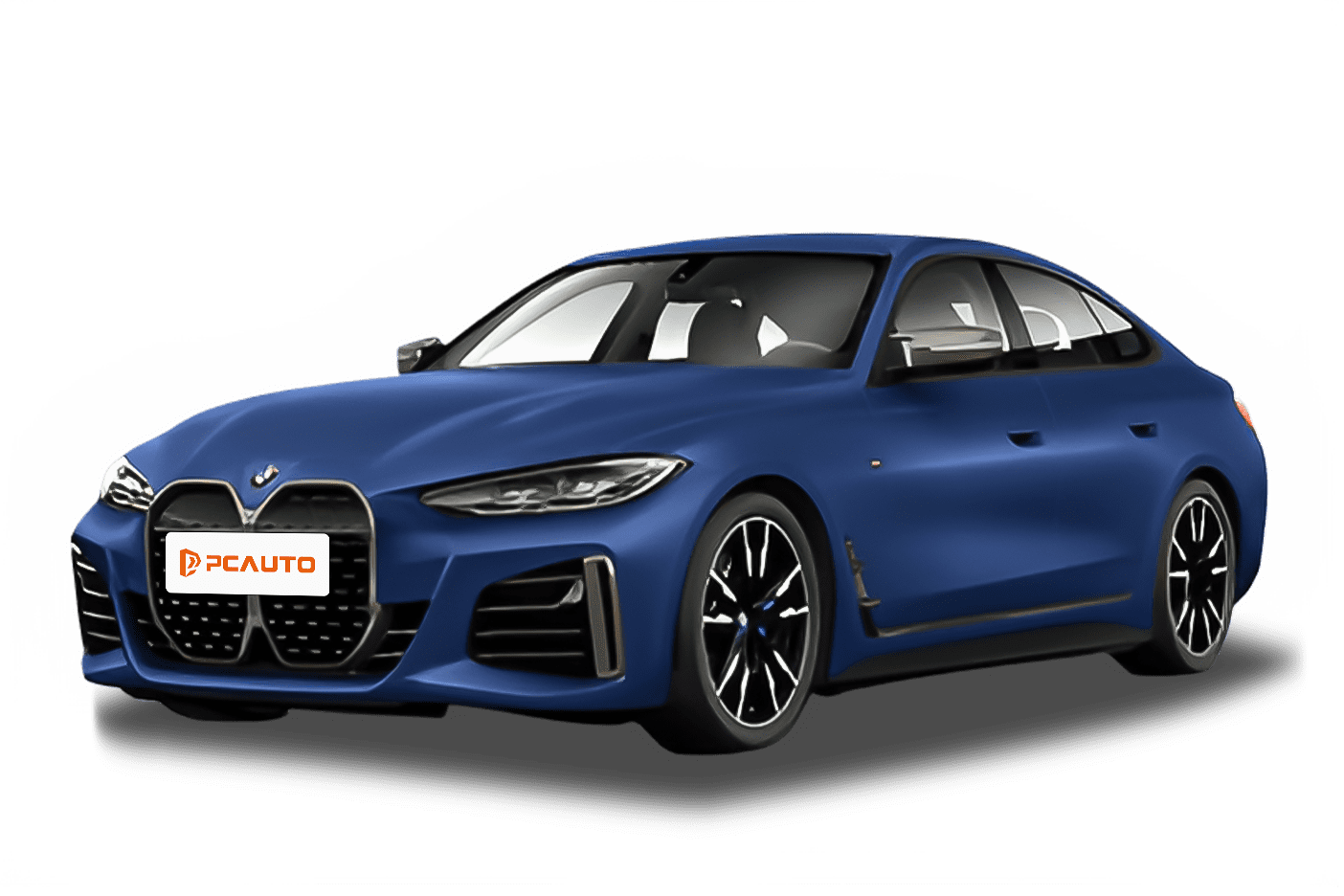
2025 BMW i4 eDrive 35 M Sport is a D-segment luxury electric coupe balancing BMW's sporty DNA with practical range, upgraded lithium battery/wide tires, excellent driving dynamics, and practical space.
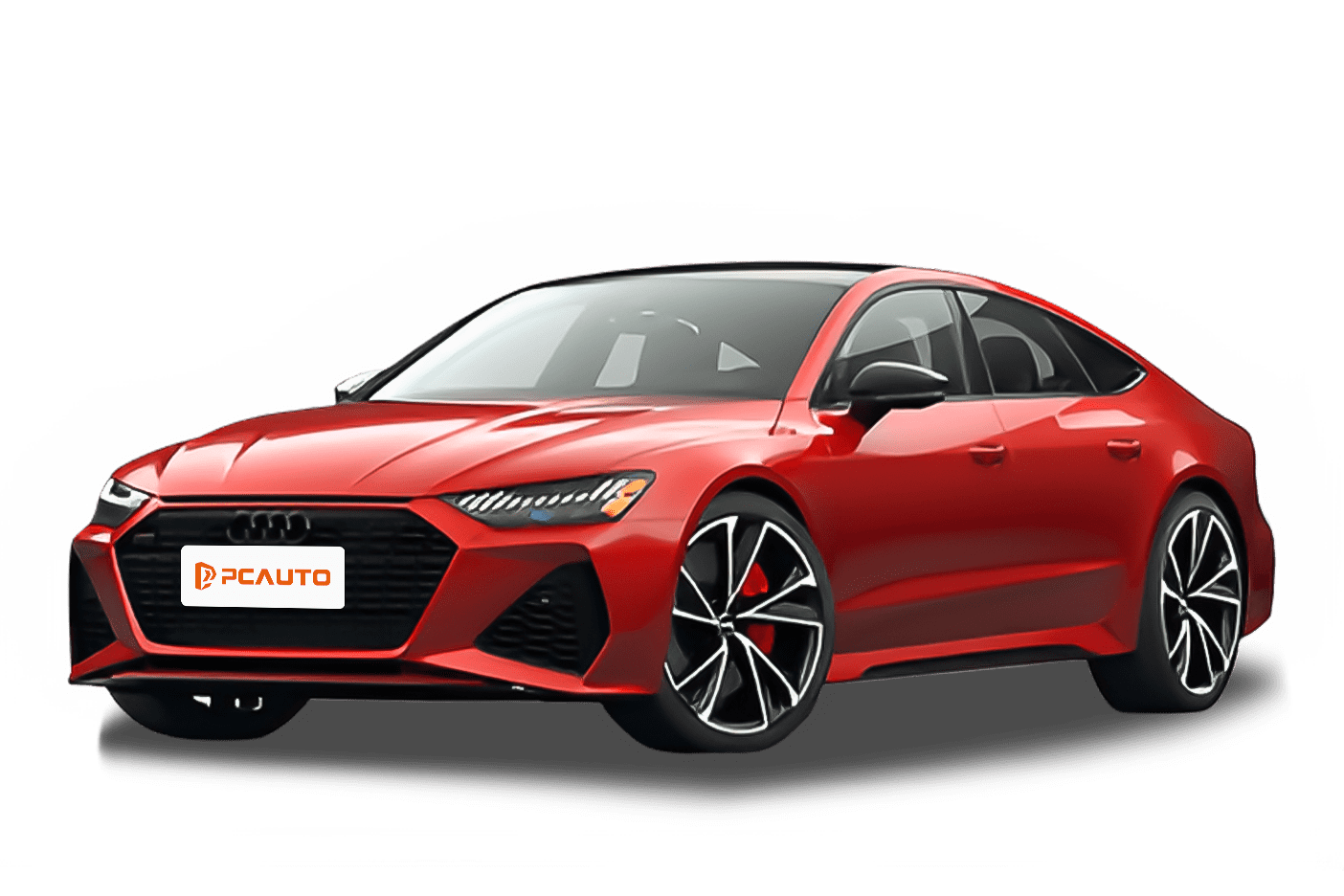
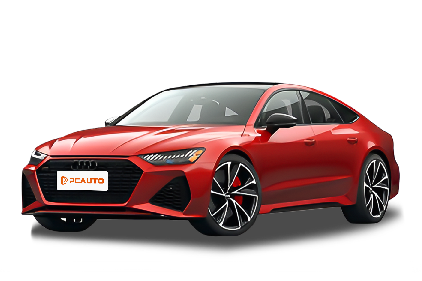
2020 Audi RS7 Sportback is an all-around high-performance coupe that combines 600PS supercar performance with five-seater practicality, luxurious technological interiors, and is designed to balance the needs of family and driving passion.
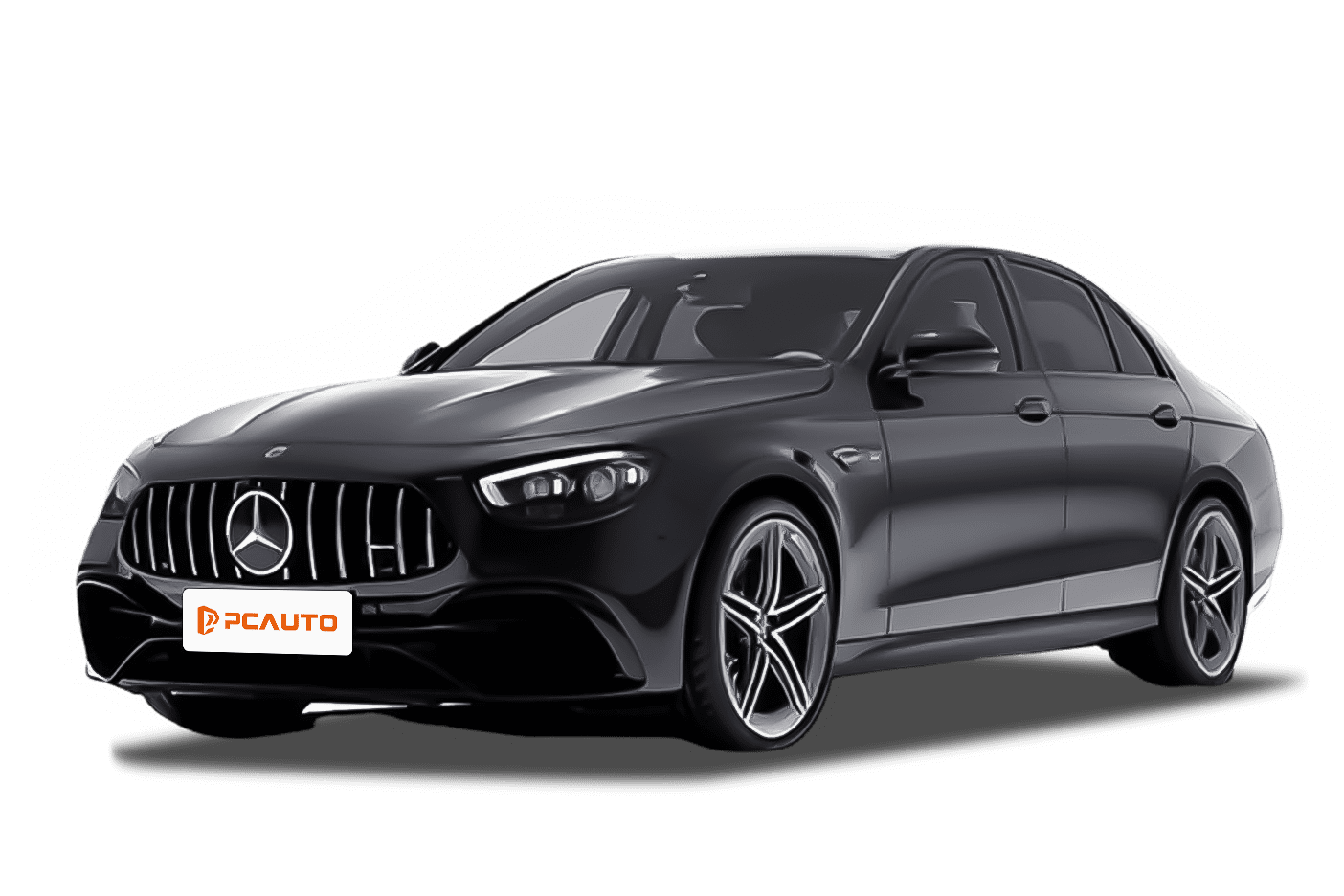
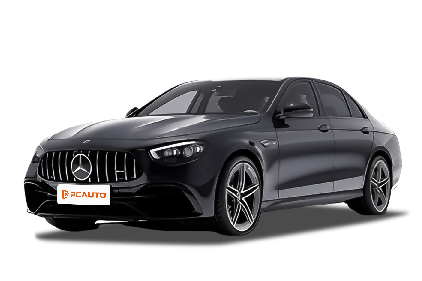
2021 Mercedes-Benz AMG E-Class E63S 4Matic+ is a high-performance four-door benchmark sedan that combines 612PS V8 violent performance with luxurious household practicality.
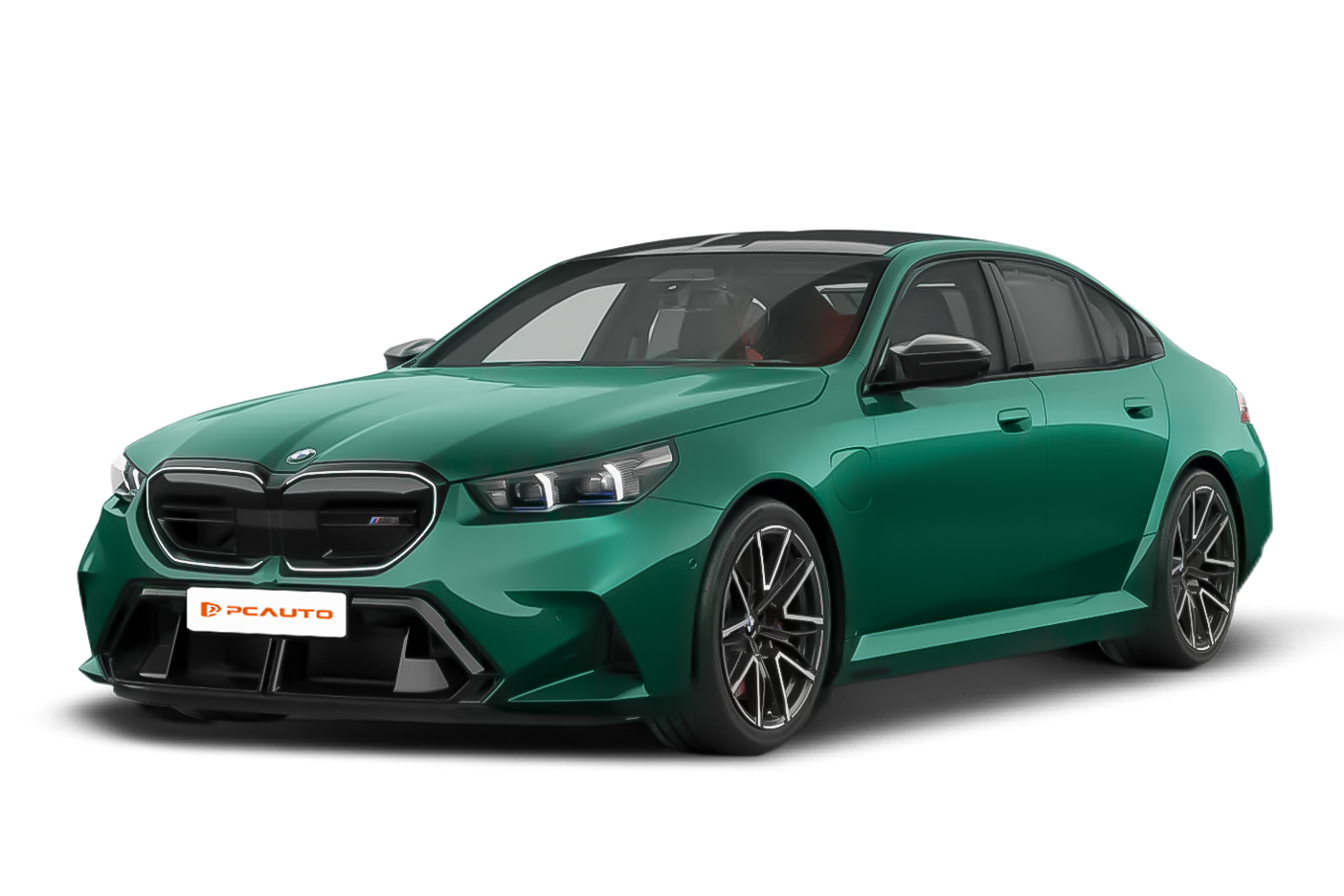
2025 BMW M5 is the first luxury executive performance sedan equipped with a plug-in hybrid system, combining 727PS of total power for extreme performance and fuel efficiency, with upgraded practicality and configuration.