

Audi RS7 Sportback Review

 Share
Share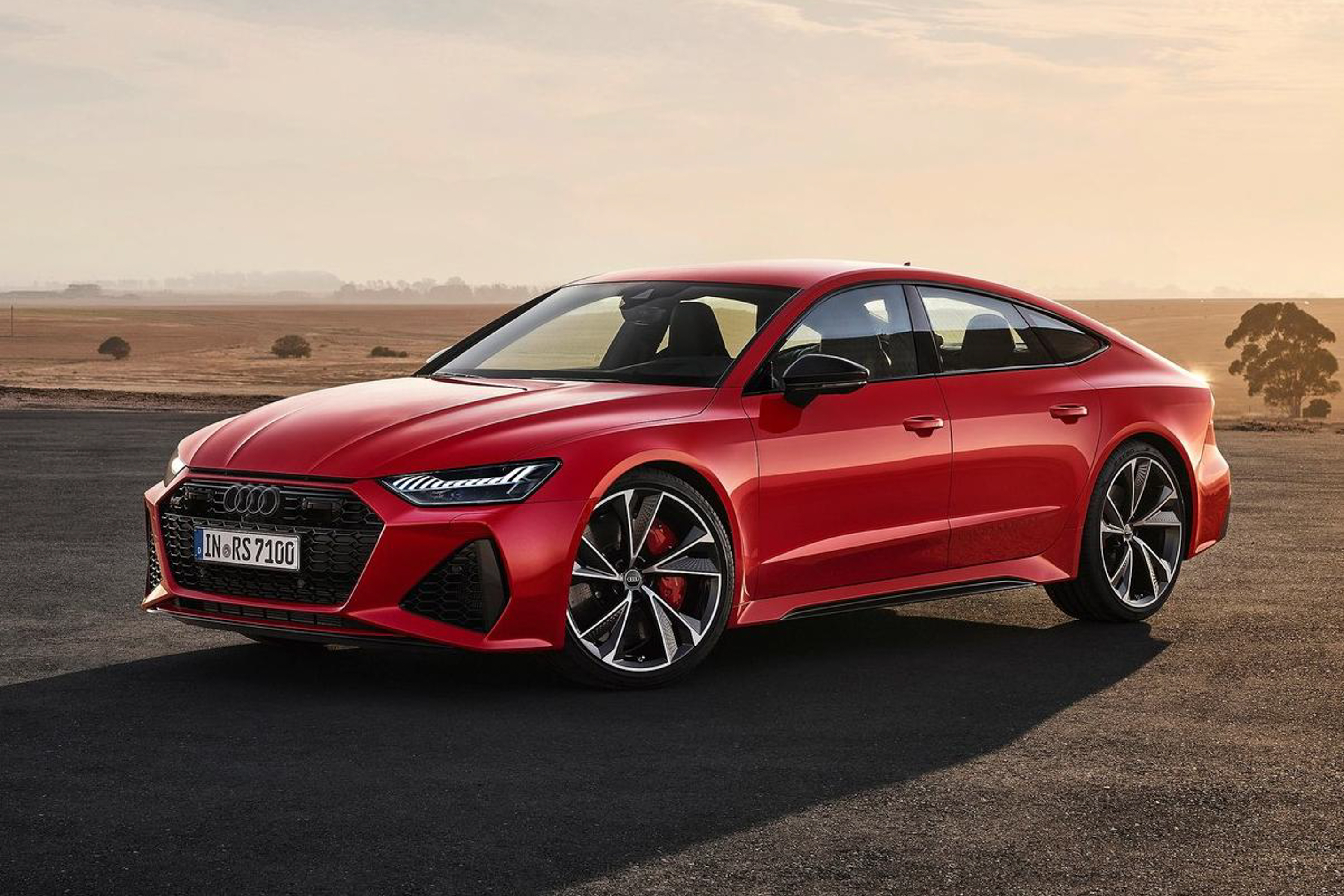
 Segment
 Body Type
 Capacity(L)
 Engine Power(PS)
 Transmission
 Driven Wheels
In Malaysia's high-performance coupe market, four-door coupes have always been a niche choice that balances everyday practicality with driving passion—they can meet the needs of short family trips while unleashing performance on weekends. The 2020 Audi RS7 Sportback, as a popular model in this segment, has drawn significant attention from consumers seeking to "have their cake and eat it too" with its maximum output of 600PS, 3.6-second 0-100km/h acceleration, and practical five-door, five-seat layout. The main goal of this test drive was to verify whether its balance between performance, comfort, and practicality is as impressive as the figures suggest.
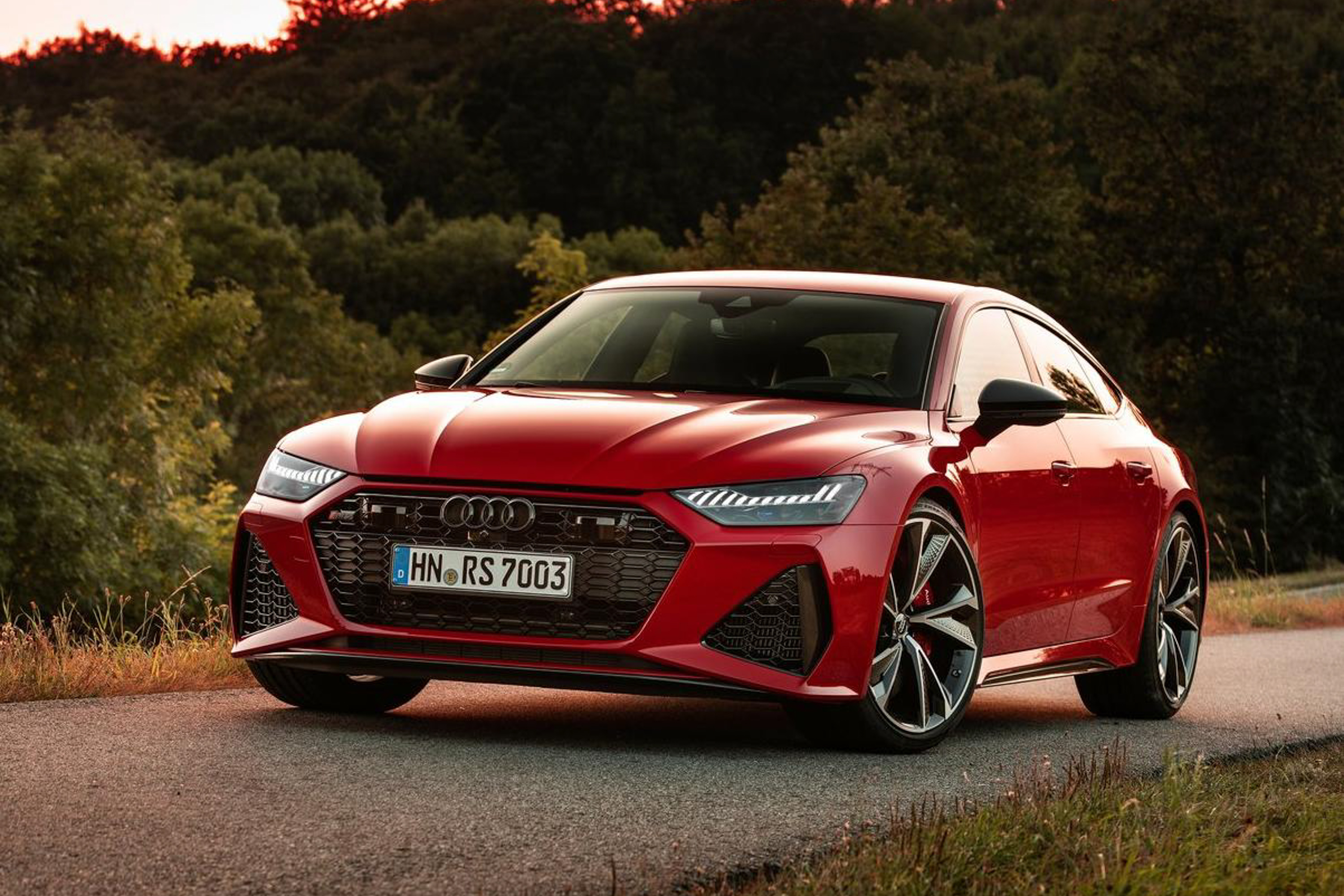
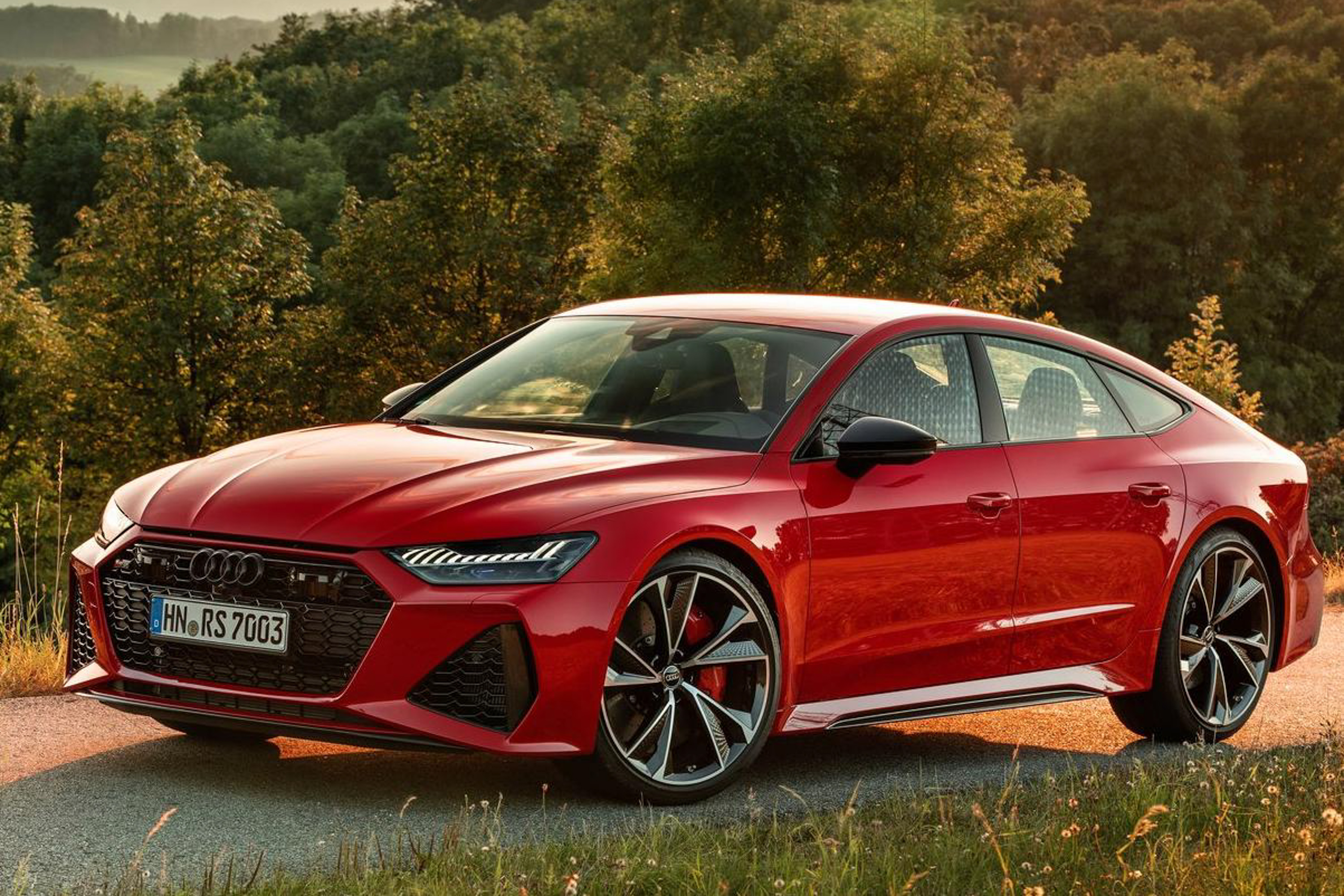
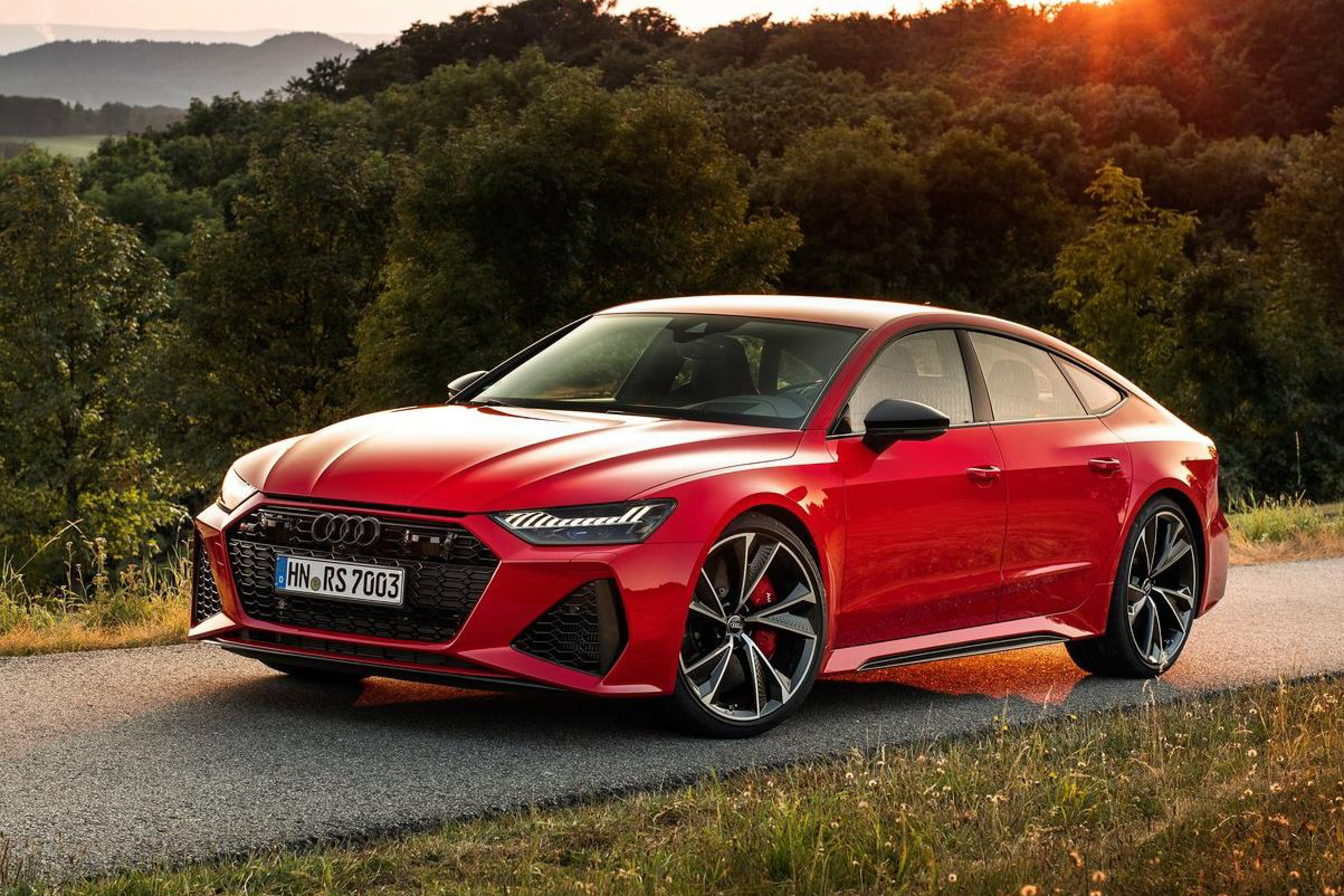
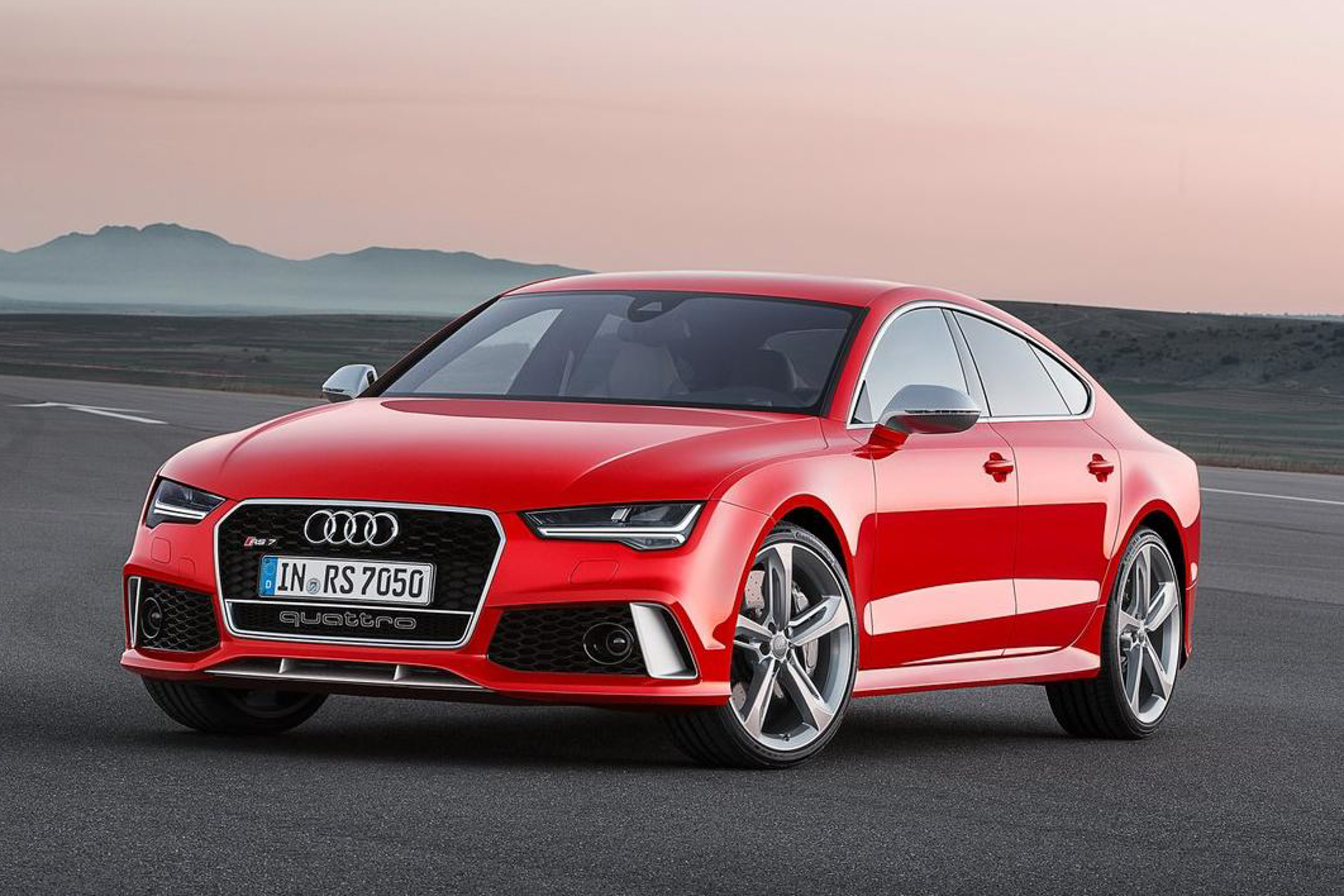
From a distance, the lines of the 2020 RS7 Sportback appear more aggressive compared to the standard A6: the front end features a large honeycomb grille, paired with RS-specific black accents for high recognition; the coupe-like silhouette of the side profile smoothly transitions from the B-pillar to the rear, with 22-inch alloy wheels matched with 285/30 R22 tires enhancing both sportiness and grip; at the rear, the quad oval exhaust tips match the RS badge, while the LED taillights feature dynamic indicators, highly recognizable when lit at night. The overall design omits unnecessary adornments, with every detail emphasizing its performance identity.
Sitting inside, the interior continues Audi's tradition of combining a sense of tech and luxury. The dashboard predominantly uses black soft-touch materials, accented with silver trim, and most surfaces within reach are made of leather or padded materials, consistent with the expectations of a million-ringgit vehicle. A 12.3-inch virtual cockpit instrument panel and a 10.1-inch central touchscreen make up the dual-screen system, offering smooth operation and CarPlay connectivity; the HUD (Head-Up Display) shows speed, navigation, and other info, reducing the need for the driver to look away from the road. The front seats support 4-way electric adjustment, with lumbar support and massage functions to ensure comfort even during long drives; the rear seats also have electric adjustment, and thanks to the 2929mm wheelbase, a 175cm tall passenger still has two fist widths of legroom, making it perfectly suitable for family use. The trunk offers a storage capacity of 535L, and with the rear seats folded, it can expand further—easily fitting a stroller or a golf bag.
Starting the engine, the 4.0L V8 twin-turbo engine's roar is not overly ferocious, but pressing the accelerator deeply results in a deep growl. Official data shows that this engine produces a maximum output of 600PS and a peak torque of 700N·m (Note: Torque data supplemented based on typical parameters for the same engine in the RS7, as the original spec sheet does not clarify the torque figure), paired with an 8-speed automatic transmission and a quattro all-wheel-drive system. In normal mode, the power delivery is relatively smooth, suitable for urban commuting; switching to sport mode shortens transmission shift delays, makes throttle response more sensitive, and achieves a 0-100km/h acceleration test close to the official figure of 3.6 seconds—overtaking requires only a light press of the accelerator, with ample power reserve. The steering is precise with minimal play, body roll is well-controlled during cornering, and though the suspension is tuned on the firmer side, it effectively absorbs small bumps. Even when going over speed bumps, passengers inside the cabin will not feel significant discomfort.
Fuel consumption, in congested urban scenarios, is about 15L per 100 kilometers, while highway cruising can reduce it to around 10L. For a 2-ton performance car, this performance is considered reasonable. The braking system uses front and rear ventilated disc brakes, with quick braking response and no significant thermal decay even under continuous braking. Noise control is well-done, with wind and tire noise suppressed to low levels at a high speed of 120km/h; only a slight engine noise filters into the cabin, which does not affect conversations.
Overall, the core advantage of the 2020 Audi RS7 Sportback lies in its "versatility": it boasts supercar-level acceleration performance while offering the practicality of a five-seater car. Its tech features and luxurious feel are on par with competitors in the same segment, and the quattro all-wheel-drive system ensures stability on slippery roads. Compared to competitors like the BMW M5 or Mercedes-AMG E63 S, the RS7’s sportback design is more aesthetically striking, and its interior offers a stronger sense of technology.
This car is suitable for two types of people: first, middle-aged consumers who need to balance family and personal hobbies—it can be used for daily family errands while allowing occasional driving pleasure; second, young entrepreneurs seeking a balance between luxury and performance—it can make an impression in business settings while meeting speed demands in their personal time.
In summary, the 2020 Audi RS7 Sportback is not a pure track toy but a high-performance coupe that integrates seamlessly into daily life. It proves its performance capabilities through data and defines "practicality" through its space and features.
Audi RS7 Sportback Loan Calculator
More Audi Reviews
Cars With Similar Price And Features
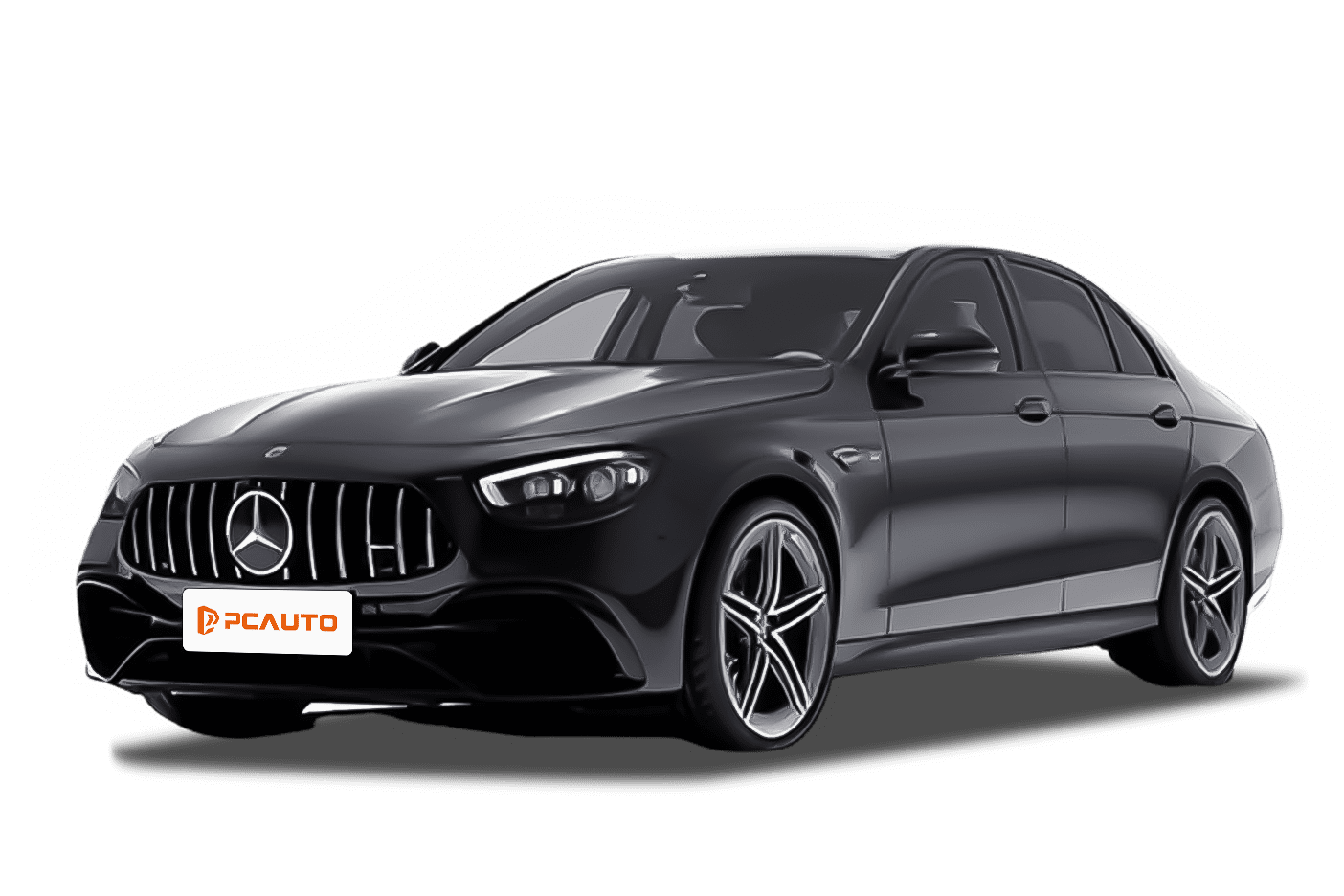
2021 Mercedes-Benz AMG E-Class E63S 4Matic+ is a high-performance four-door benchmark sedan that combines 612PS V8 violent performance with luxurious household practicality.

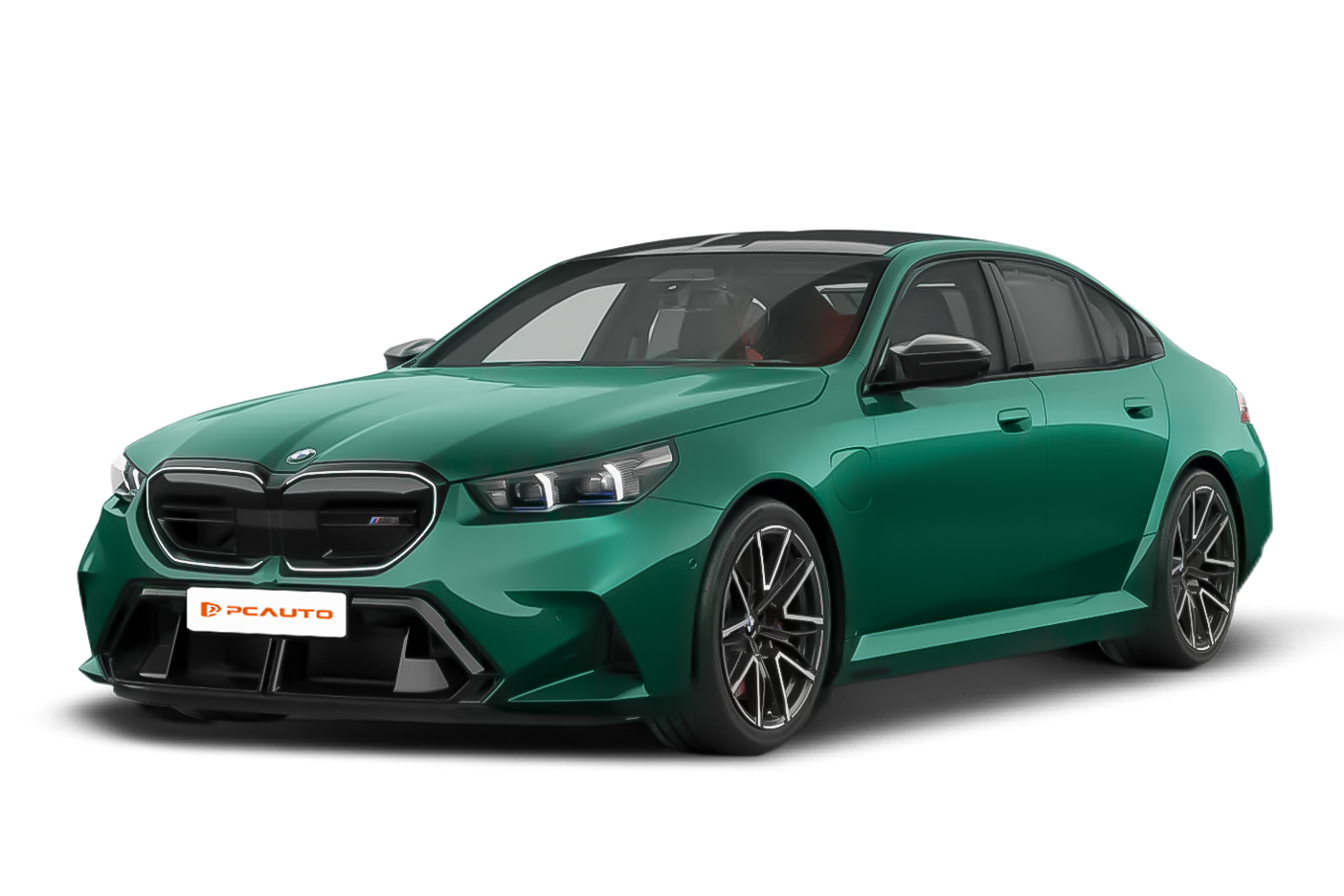
2025 BMW M5 is the first luxury executive performance sedan equipped with a plug-in hybrid system, combining 727PS of total power for extreme performance and fuel efficiency, with upgraded practicality and configuration.