

2019 Subaru Forester 2.0i-S EyeSight Review

 Share
Share
 Segment
 Body Type
 Capacity(L)
 Engine Power(PS)
 Transmission
 Driven Wheels
In Malaysia's C-Segment SUV market, family users prioritize space, safety, and practicality. Many models focus on cost-effectiveness but overlook detailed configurations. The 2019 Subaru Forester 2.0i-S EyeSight, as a veteran in this segment, highlights the EyeSight active safety system and 10 airbags as core selling points. Combined with a horizontally opposed engine and all-wheel drive, many consumers are curious whether its comprehensive performance can meet local demands. This test drive will thoroughly evaluate the vehicle's capabilities in daily commuting and weekend family outing scenarios, from static experience to dynamic performance.
In terms of exterior design, the 2019 Forester 2.0i-S EyeSight continues the family-style design, with a generally steady aesthetic but distinguishable details. The front features a large hexagonal grille paired with black trim details and the Subaru emblem, giving it a bold look. The sharp-shaped LED headlights are integrated with the grille and come standard with automatic headlamps and daytime running lights, offering strong practicality. The sides have smooth lines, with waistlines extending from the front fenders to the rear that add a sense of layering. The 18-inch multi-spoke wheels paired with 225/55 R18 tires fit the SUV's positioning. With a minimum ground clearance of 220mm, the vehicle is suitable for navigating local potholes or light off-road conditions. The rear design is simple, with LED taillights arranged horizontally, providing high recognition when illuminated. The silver skid plate under the rear bumper enhances the off-road vibe, while the standard rear fog lights and parking sensors improve daily convenience.
Sitting inside, the interior design prioritizes practicality, with an asymmetrical center console tilted towards the driver for ease of use. In terms of materials, the upper part of the dashboard uses soft-touch plastic with stitching details, providing a decent tactile feel. The inner door panels have leather padding, adding a touch of premium quality. For core features, the 8-inch touchscreen display has decent clarity and supports Bluetooth connectivity and phone mirroring (although CarPlay/Android Auto is not mentioned, the basic functionalities are sufficient). The multifunctional steering wheel comes standard with paddle shifters, while the left side integrates EyeSight system controls for intuitive operation. The seating configuration is worth mentioning: both front seats are 8-way electrically adjustable, with leather upholstery offering moderate support and cushioning, ensuring comfort during long rides. The rear seats support a 60:40 split-folding function, and after being folded, the boot space can expand from 520L to a more spacious capacity, making it no problem to load large items such as baby strollers or camping equipment. In terms of space performance, with a wheelbase of 2670mm, a front-row passenger with a height of 175cm enjoys headroom of a fist and two fingers, while the rear row provides legroom of about two fists and headroom of one fist, meeting the seating needs of family users. Storage space is plentiful, with door pockets, a center armrest box, and front cup holders that can accommodate daily items. The rear row also comes with independent air conditioning vents and power outlets, catering to rear passengers.
Regarding performance, the vehicle is equipped with a 2.0L naturally aspirated horizontally opposed four-cylinder engine, delivering a maximum power of 156PS/6000rpm and maximum torque of 196N·m/4000rpm, paired with a CVT gearbox and an all-wheel-drive system. During actual driving, the power output is smooth during startup, without the abruptness found in turbocharged vehicles, making it suitable for daily commutes. During acceleration, the CVT gearbox simulates gear shifts; while it lacks a strong burst of acceleration, speed increases linearly. When overtaking, stepping hard on the accelerator increases engine speed to over 4000rpm, offering adequate power reserves for highway driving. There are two driving modes: Normal and Sport. In Sport mode, throttle response is more sensitive, and engine speed is maintained at higher levels, suitable for scenarios requiring rapid acceleration. In terms of handling, the steering wheel is precise with minimal play. Body roll is well-controlled during cornering, while the suspension system (front MacPherson struts and rear double-wishbone independent suspension) is tuned for comfort. It absorbs most bumps when passing over speed bumps or rough roads while preserving some road feedback. The all-wheel-drive system enhances vehicle stability on slippery roads or during light off-road driving. For instance, on muddy roads after rain, wheel slippage is rarely encountered.
In terms of special tests, the official comprehensive fuel consumption is 7.4L/100km. During actual test drives, the fuel consumption in urban conditions (half congested and half smooth) is about 8.5L/100km, and about 6.8L/100km on highways, which meets expectations. The braking performance is stable, with good body posture control during full braking, and the braking distance is at an upper-middle level among vehicles in the same class. In terms of driving comfort, noise control is commendable, with minimal wind and tire noise during high-speed driving. Engine noise can be heard inside the cabin when the rev exceeds 3000rpm, but it is not disturbing. The seat comfort, as mentioned earlier, provides good support, and rear passengers can sit for extended periods without feeling too tired. The dual-zone automatic air conditioning with a dust filter is practical for local smoggy or dusty weather conditions.
The EyeSight system is the core highlight of the 2019 Forester 2.0i-S EyeSight, including functions such as forward collision warning, automatic braking, and adaptive cruise control. In actual use, the adaptive cruise control performs steadily on highways, maintaining a safe distance from the vehicle in front and reducing driver fatigue. The automatic braking system, when driving at low speeds in the city, will provide early warnings and automatically brake if the distance to the car ahead is too close, improving safety. However, it should be noted that the EyeSight system relies on cameras, which may experience temporary functional limitations in heavy rain or strong light conditions, a common issue with camera-based systems.
In summary, the core advantages of the 2019 Subaru Forester 2.0i-S EyeSight lie in its comprehensive safety features (EyeSight + 10 airbags), practical space performance, and reliable all-wheel-drive system. Compared with similar models like the CR-V or RAV4, while its power parameters are not advantageous, its safety features and all-wheel-drive system make it a standout. In terms of price, the guide price of RM 159,788 is mid-range among C-Segment SUVs. Considering its safety features and imported status, the value for money is acceptable. This car is suitable for families prioritizing safety and requiring occasional handling of mild off-road or complex road conditions. In particular, families with children will appreciate the EyeSight system and spacious interior, which can meet the needs of daily commuting and weekend outings. If you are not pursuing extreme power and value safety and practicality more, the Forester 2.0i-S EyeSight is a good choice.
Subaru Forester Car Compare
Subaru Forester Loan Calculator
More Subaru Reviews
Cars With Similar Price And Features
8
Rank in SUV
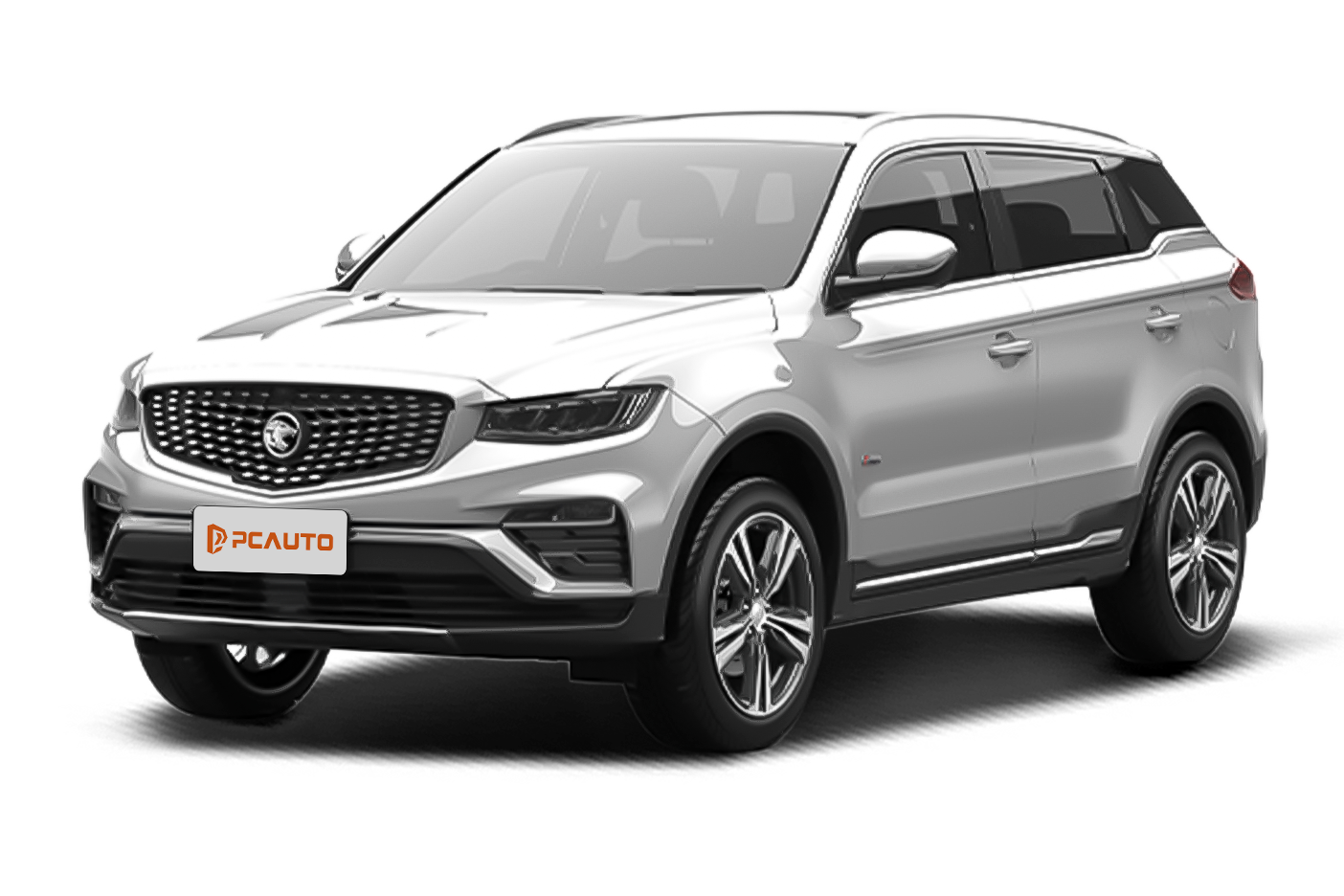
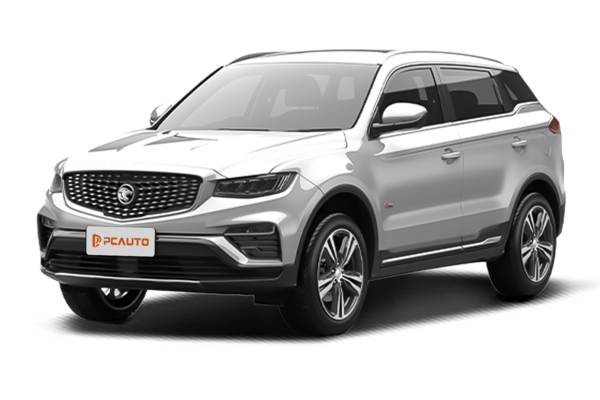
2026 Proton X70 1.5 TGDi Executive focuses on upgrading to a four-cylinder engine, practical configurations, and affordable pricing. It balances family commute practicality with value for money, making it a sensible choice among similarly priced C-segment SUVs.
10
Rank in SUV
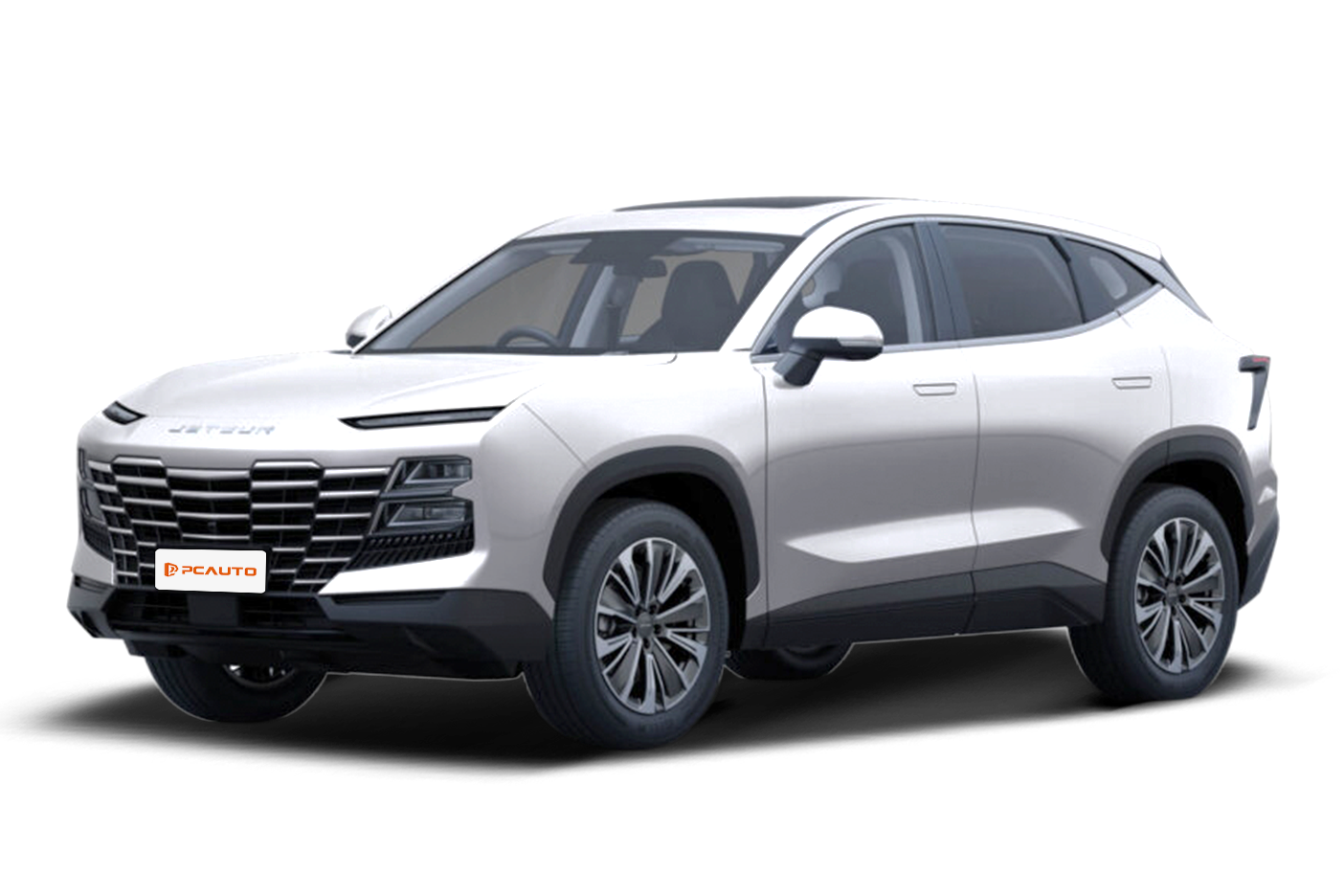
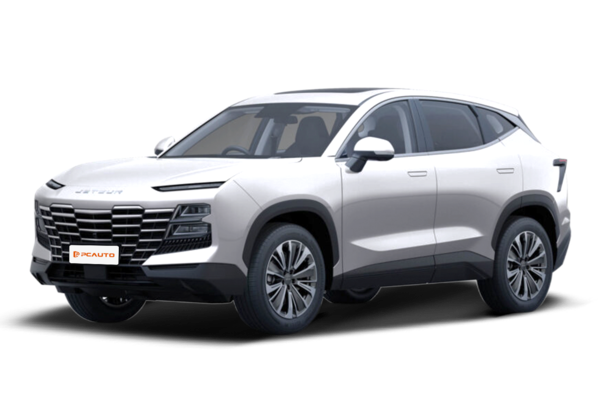
Jetour Dashing 1.5 TCI Comfort 2025 features a 2720mm long wheelbase and a 10.25-inch dual screen as its core, focusing on balanced cost performance to meet family practical needs.
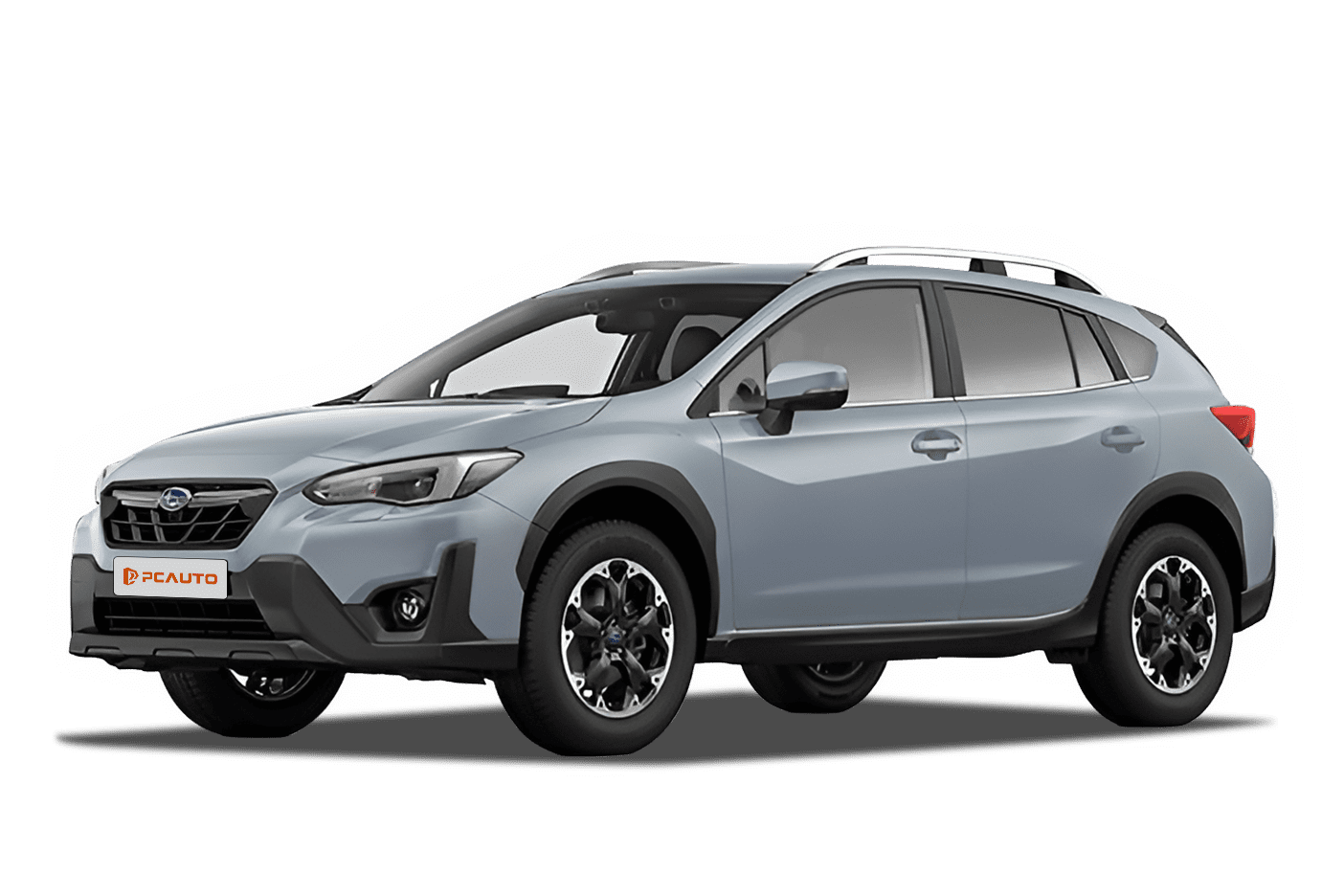
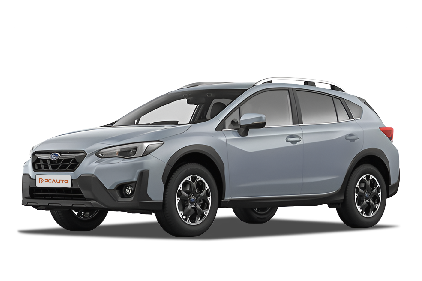
The 2021 Subaru XV 2.0i is a model targeting the C-segment crossover market, equipped with standard all-wheel drive and high safety features, balancing off-road capability and handling, with practical space.

2021 Hyundai Kona 2.0 Standard, as a high-value entry-level compact SUV, retains essential safety and practical features with an affordable price, meeting the daily commuting and loading needs of families.