

2019 Toyota Vios 1.5J Review

 Share
Share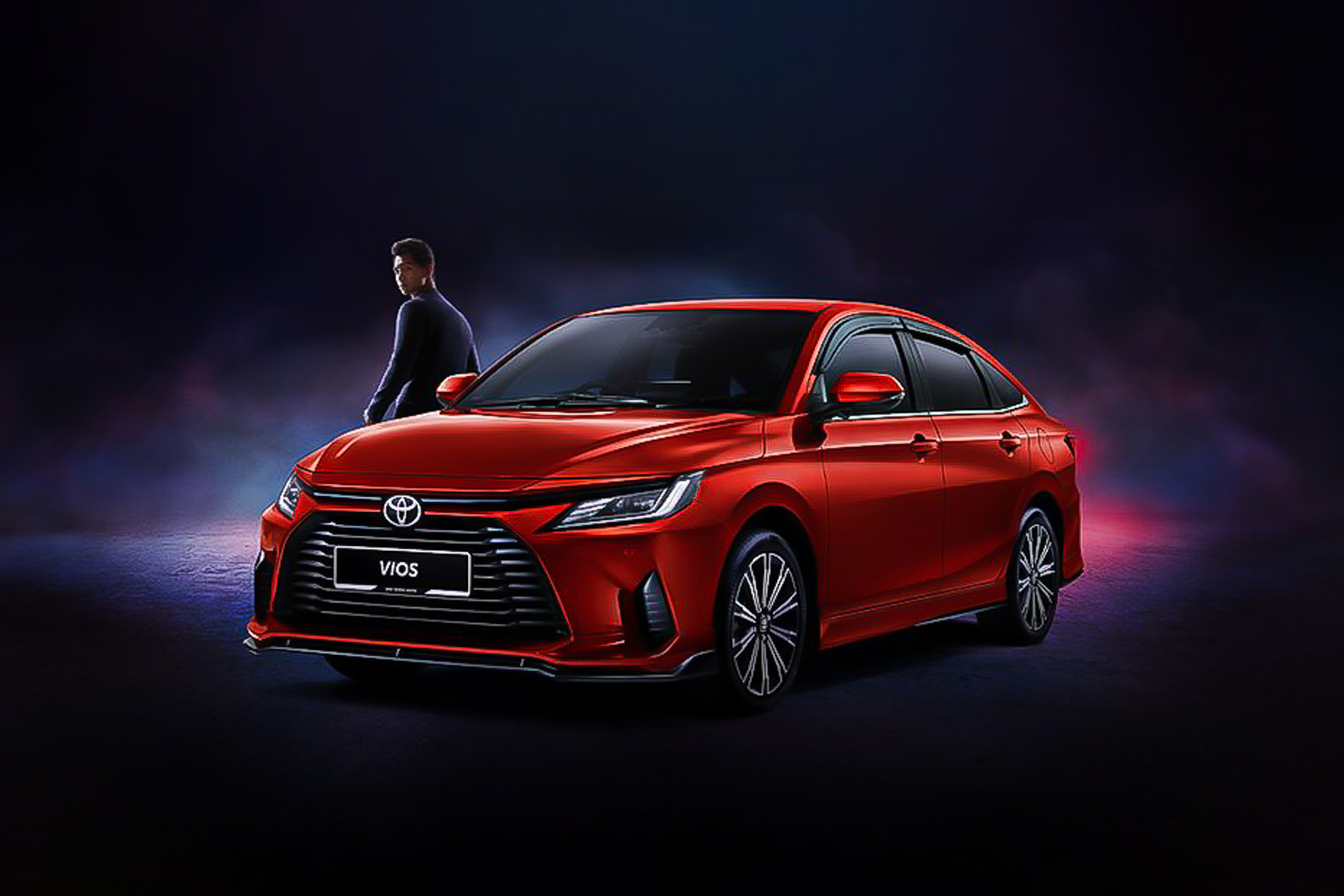
 Segment
 Body Type
 Capacity(L)
 Engine Power(PS)
 Transmission
 Driven Wheels
The B-segment car market in Malaysia has always been the preferred choice for families and young professionals. This type of vehicle needs to meet the economic requirements of daily commuting while also providing space and practicality for family use. The 2019 Toyota Vios 1.5J, as a popular model in this segment, highlights advanced safety features such as 7 airbags, 360-degree parking camera, and an official fuel consumption of 5.8L/100km as its core selling points. In this test drive, we focus on its static experience and dynamic performance to see if it truly meets market demands.
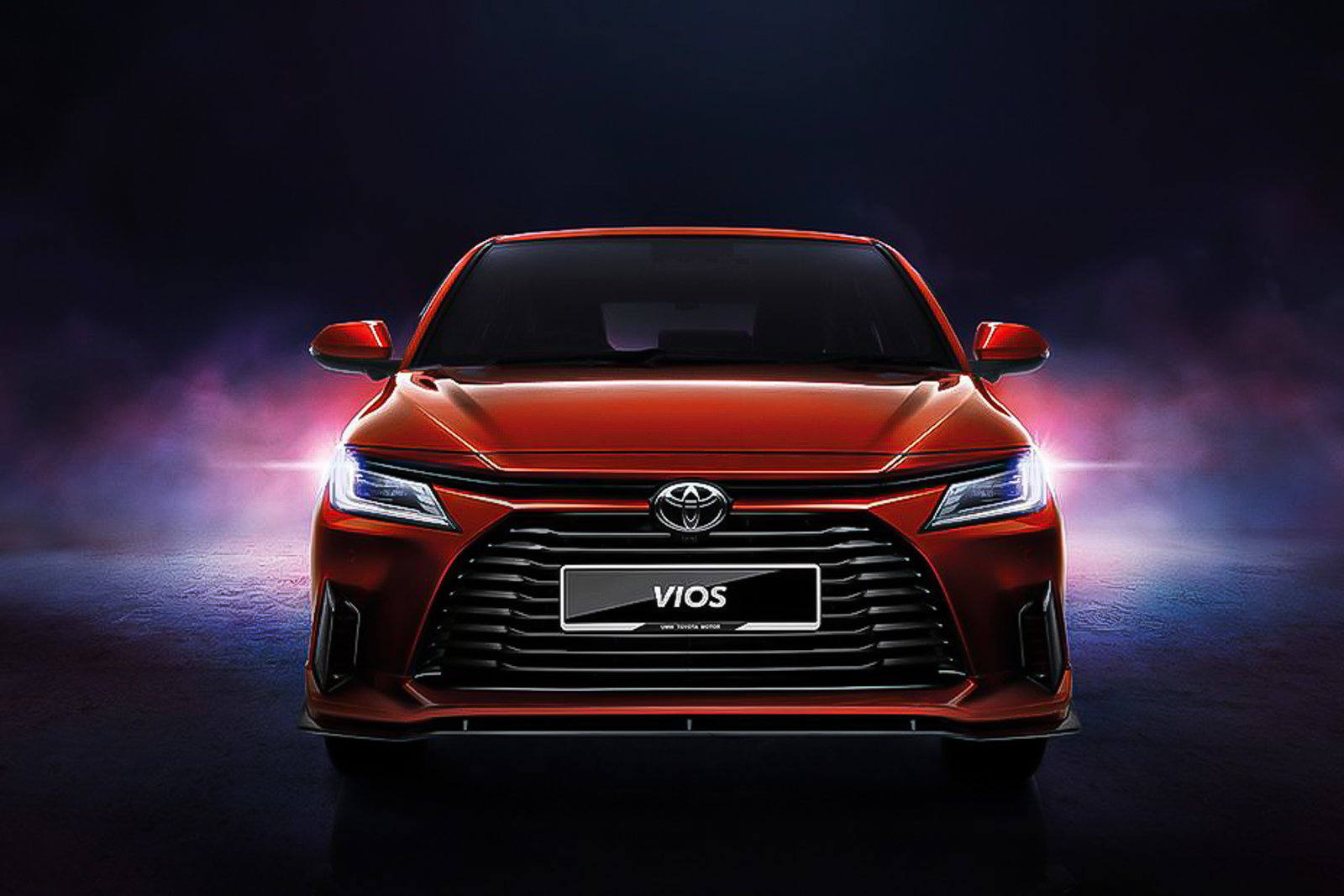
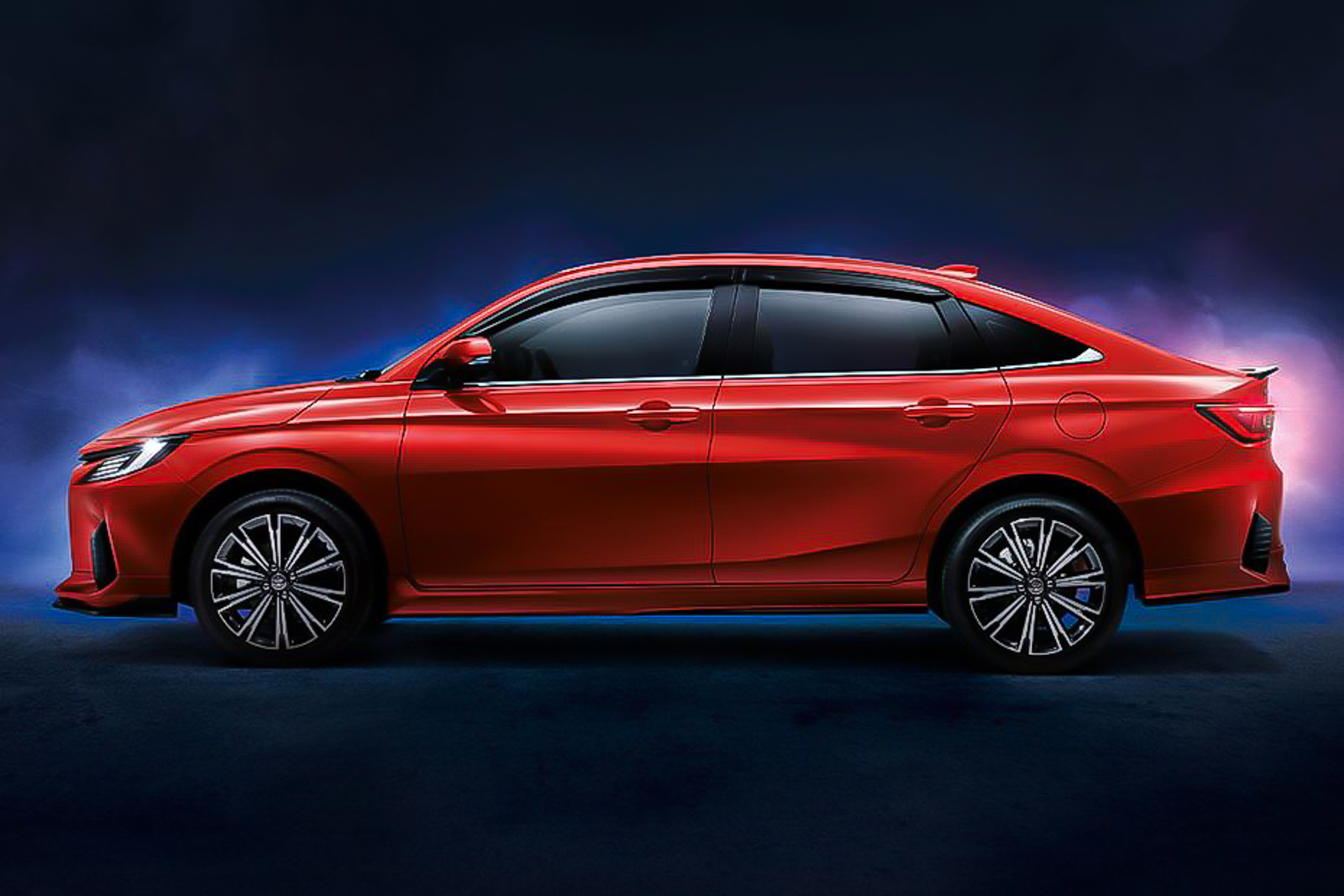
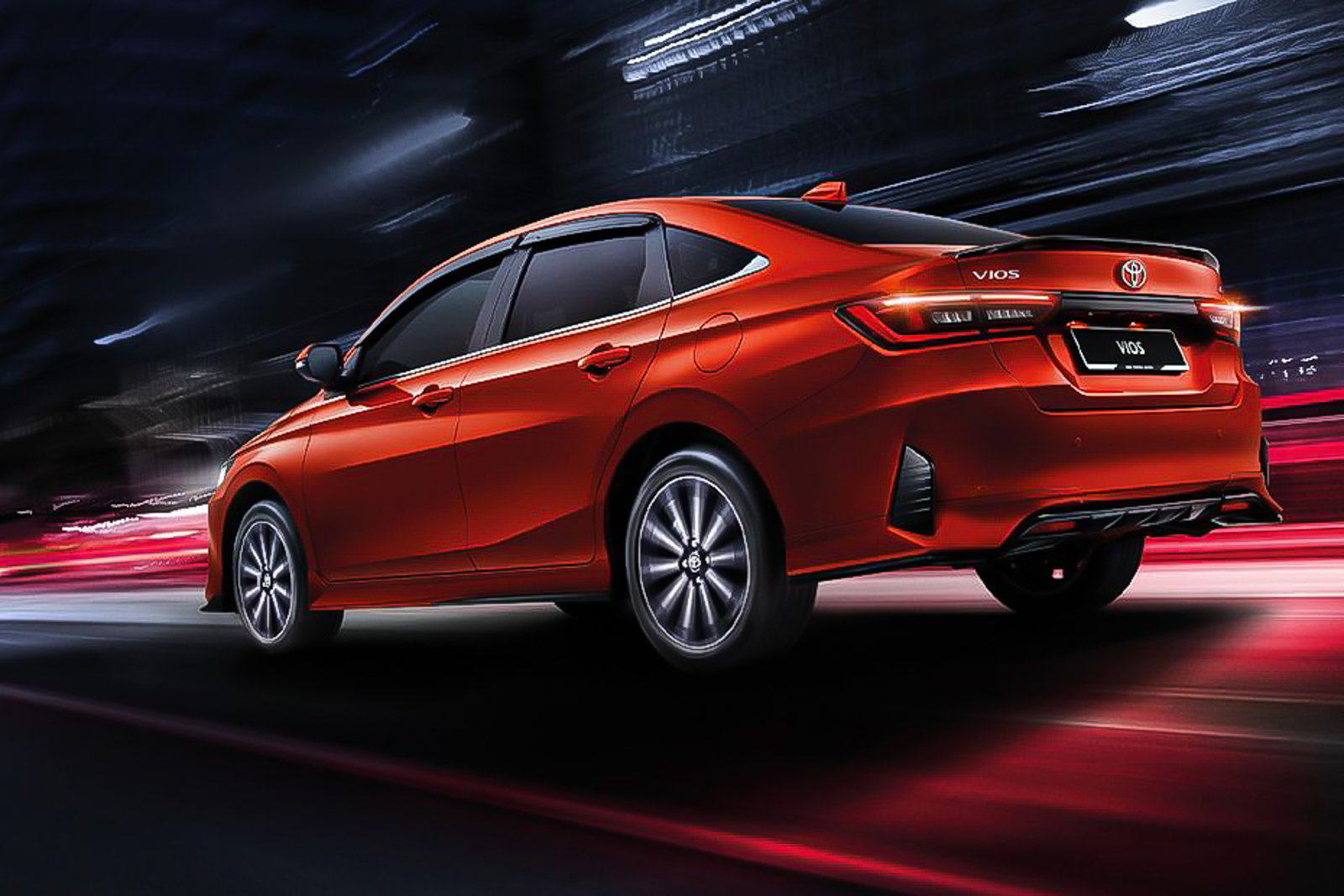
In terms of appearance, the 2019 Vios 1.5J continues Toyota's family design language, with an overall style leaning towards stability with youthful details. The front features a large trapezoidal lower grille with chrome accents for a more visually spacious effect; the upper grille connects to the halogen headlights on both sides, extending the horizontal visual width. The side profile has smooth lines, with a clean and crisp waistline extending from the front fender to the rear. The 15-inch wheels paired with 185/60R15 tires, while not sporty, harmonize well with the car's overall style. At the rear, the smoked taillight clusters are connected by a slim chrome strip, enhancing recognition; the black plastic cladding under the rear bumper and the hidden exhaust layout maintain a low-key family car feel. It is worth mentioning that it comes standard with daytime running lights and automatic headlights, which are quite convenient for daily use.
Sitting inside, the interior adopts a dark primary color tone, paired with small silver accents to enhance the texture. The dashboard layout is clear, with a 6.8-inch touch screen in the center that supports basic multimedia functions and operates relatively smoothly. In terms of materials, although most areas are hard plastic, the seam gaps are fairly uniform, meeting the standards of this price range. As for features, the 1.5J version is well-equipped: keyless start, single-zone automatic air conditioning, and rear air conditioning vents are all provided, with the 220V power outlet being especially practical for users who need to charge devices in the car. The seats are fabric-covered, with manual adjustment for the front seats. Lumbar support isn't particularly prominent but they're comfortable enough for long rides. The rear seats are fixed, without a middle headrest, but the legroom offers about two fist-widths of space for a passenger with a height of 175 cm, which is sufficient for daily family use.
In terms of performance, the 1.5L naturally aspirated engine produces a maximum power of 107PS and a peak torque of 140N·m, paired with a CVT gearbox. This powertrain combination is very smooth for city driving, with decent initial acceleration, a linear throttle response, and quick acceleration up to 80 km/h, making it suitable for daily commutes. On highways, however, the acceleration feels slightly lacking, especially when traveling above 100 km/h. Planning is necessary when overtaking, as you will need to step on the gas pedal harder, prompting the transmission to increase the engine revs to deliver more power, which results in more engine noise being transmitted into the cabin. The vehicle only offers a standard driving mode, with no sport mode available. Overall, the tuning leans toward a comfort-oriented setup.
As for the chassis, it features a front MacPherson independent suspension and a rear torsion beam semi-independent suspension, tuned to be relatively firm. When driving over speed bumps or uneven roads, the vibrations are not entirely filtered out, and rear-seat passengers may feel noticeable bumps. However, there isn't excessive swaying, and the overall stability is quite good. When cornering, body roll is controlled moderately well. While not particularly aggressive, it is sufficient for a family car. The braking performance is fairly linear: the initial phase may feel slightly soft, but braking force gradually builds up with deeper pedal pressure, avoiding any abrupt sensations. During our test drive, which consisted of an even mix of urban and highway driving, the fuel consumption averaged around 6.2L/100km, slightly higher than the official 5.8L/100km figure, but considering real-world road conditions, this result is still acceptable.
In terms of noise reduction, when driving at low speeds in the city, the engine noise and tire noise are well controlled. However, at high speeds, tire noise and wind noise become more noticeable, especially wind noise, with a slight whistling sound near the A-pillar. As mentioned earlier, the seat comfort is good, and the fabric seats are quite breathable and not too stuffy in summer.
Overall, the biggest advantage of the 2019 Toyota Vios 1.5J is its balance: adequate space, practical features, fuel economy, and Toyota's strong reputation for reliability in the Malaysian market. Additionally, its maintenance costs are relatively low. Compared to the same-class Honda City 1.5S, the Vios 1.5J has an edge in safety features (7 airbags vs. 6 airbags in the City) and is more affordable. While it may not stand out in terms of power and space, it has no significant shortcomings.
This car is very suitable for families who value practicality and reliability, especially young couples who are newly married or have small children. It's adequate for daily commutes and weekend family outings. If you’re looking for a worry-free, fuel-efficient, and well-equipped family sedan, the Vios 1.5J is definitely worth considering.
Toyota Vios Loan Calculator
More Toyota Reviews
Cars With Similar Price And Features
4
Rank in Sedan

2023 Honda City 1.5 S, as an entry-level B-segment sedan, offers advanced L2 driving assistance and 6 airbags at an affordable price. With practical space and excellent fuel efficiency, it is a high-value choice for family users.