

2022 Toyota Avanza Upcoming Version Review

 Share
Share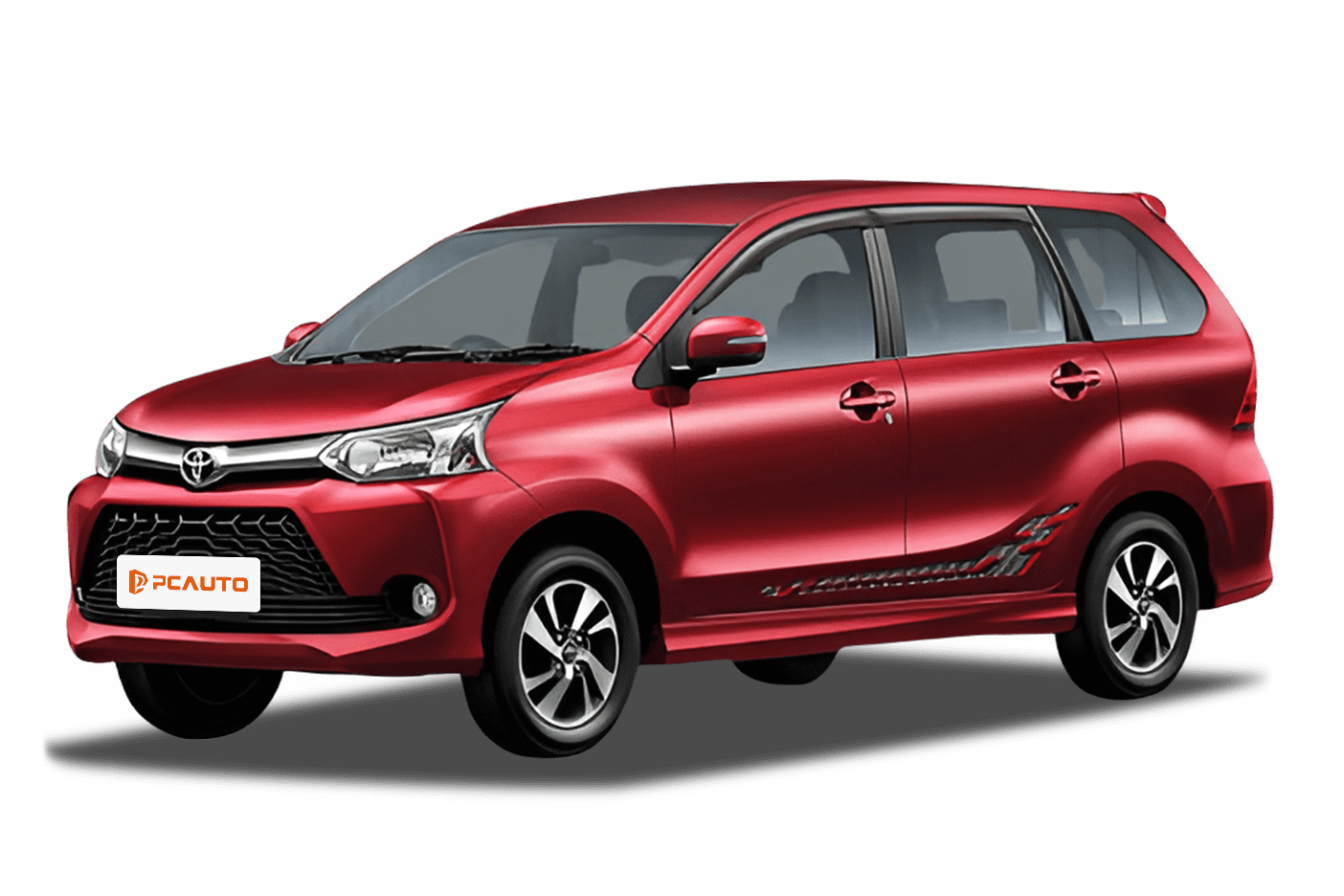
 Segment
 Body Type
 Capacity(L)
 Engine Power(PS)
 Engine Torque(Nm)
 Transmission
In Malaysia's B-segment MPV market, the Toyota Avanza has always been a popular choice for family users, known for its reliable performance and practical space. The focus of this test drive is the 2022 Upcoming Version, which features a comprehensive upgrade to its interior configuration and minor optimizations to its power system. The goal is clear—to enhance the sense of technology and driving comfort while maintaining practicality. Our test primarily focuses on whether these upgrades genuinely improve day-to-day usability and whether its competitiveness among vehicles in the same class has been enhanced.
In terms of exterior, the 2022 Avanza Upcoming Version maintains the previous silhouette but has made adjustments in the details. The front now features a larger trapezoidal grille, filled with black honeycomb accents, paired with newly designed LED headlight clusters on both sides, giving it a younger overall visual appeal. The side profile of the vehicle remains simple, with a beltline extending from the front fender to the rear, and the new addition of 16-inch multi-spoke alloy wheels provides a more sophisticated touch compared to the steel wheels of the older model. The changes to the rear focus mainly on the taillights, which now adopt a horizontal through-type design connected by a chrome strip in the middle, offering decent recognition when illuminated. It is worth noting that the new model offers a richer choice of paint options, including metallic blue and pearl white, catering to different users' aesthetic preferences.
Sitting inside, the first impression is a significantly enhanced sense of interior quality. The dashboard is wrapped in soft materials and accented with silver trim, no longer giving off the overly plastic feel of the previous model. The most noticeable feature in the center console is a 10.1-inch floating touchscreen, which supports Apple CarPlay and Android Auto connectivity, with an operating smoothness far superior to the older 7-inch screen. The instrument panel still consists of traditional mechanical dials and a monochrome LCD screen, but it now provides more information, including fuel consumption, range, and driving modes. The seats are wrapped in leather material, with the front seats offering manual adjustments. The backrest and cushions are relatively thick, making long periods of sitting more comfortable. The rear seat space is a traditional advantage of the Avanza, with a wheelbase of 2750mm ensuring ample legroom for second-row passengers. Even a passenger with a height of 175cm will have about two fist lengths of space between their knees and the front seats. In terms of storage space, the storage pockets on the doors can hold two bottles of water, the central armrest box's capacity has been increased to accommodate small items, and the trunk offers a standard capacity of 585 liters, which can be expanded to 1609 liters when the second-row seats are folded, fully meeting the storage needs of family trips.
In terms of power, the new car is equipped with a 1.5L naturally aspirated engine delivering a maximum output of 97 horsepower and a peak torque of 138Nm, paired with a CVT transmission. Compared to the previous model, the engine tuning places more emphasis on low-end torque, making throttle response relatively brisk at start-up without feeling sluggish. When driving on urban roads, the CVT transmission provides excellent smoothness, with virtually no noticeable shift jerks, and the acceleration process to 60 km/h is very linear. However, when overtaking on highways, it requires a deep press on the accelerator to get enough power, with engine speed climbing above 4000 RPM, which also increases noise. There are three driving modes available: Eco, Standard, and Sport. In Eco mode, throttle response slows down, making it suitable for daily fuel-efficient commuting, while in Sport mode, power output becomes more direct, ideal for situations requiring quick acceleration.
In terms of handling, the steering wheel has a moderate steering effort and minimal play, making daily driving relatively easy. The suspension system adopts a front MacPherson strut and rear torsion beam combination, tuned for comfort. When passing over speed bumps or bumpy roads, the suspension can filter out most vibrations, avoiding an obvious jolting sensation. However, when cornering, the body has a noticeable tilt, which is a common issue for MPV models, making them unsuitable for aggressive driving. In fuel consumption tests, we drove 100km on urban roads, and the combined fuel consumption was 6.8L/100km. On highways, the fuel consumption was 5.5L/100km, which is average among vehicles in the same class.
Regarding ride comfort, the noise control of the new car is quite good. When driving below 60km/h, wind and tire noise are not noticeable; however, as the speed exceeds 80km/h, wind noise gradually increases but remains within an acceptable range. Although the seat wrapping isn't very strong, the support is adequate, and long-term sitting does not cause back or waist discomfort. The air conditioning system performs well, capable of quickly cooling down the cabin even in the hot climate of Malaysia. The rear also features independent air vents to accommodate the needs of rear passengers.
Overall, the upgrades in the 2022 Toyota Avanza Upcoming Version are well-targeted, addressing the shortcomings of the old model by improving interior quality and technological features, while maintaining the advantages of space and reliability. Compared to competitors in the same class, such as the Perodua Alza, the Avanza offers more space and richer features, although the price might be slightly higher. Compared to the Honda BR-V, it has lower fuel consumption and cheaper maintenance costs. This car is well-suited for families who value practicality and reliability, especially for those who frequently travel with family members. If you are looking for an MPV with ample space, sufficient features, and smooth driving, the 2022 Avanza Upcoming Version is worth considering.
Toyota Avanza Car Compare
More Toyota Reviews
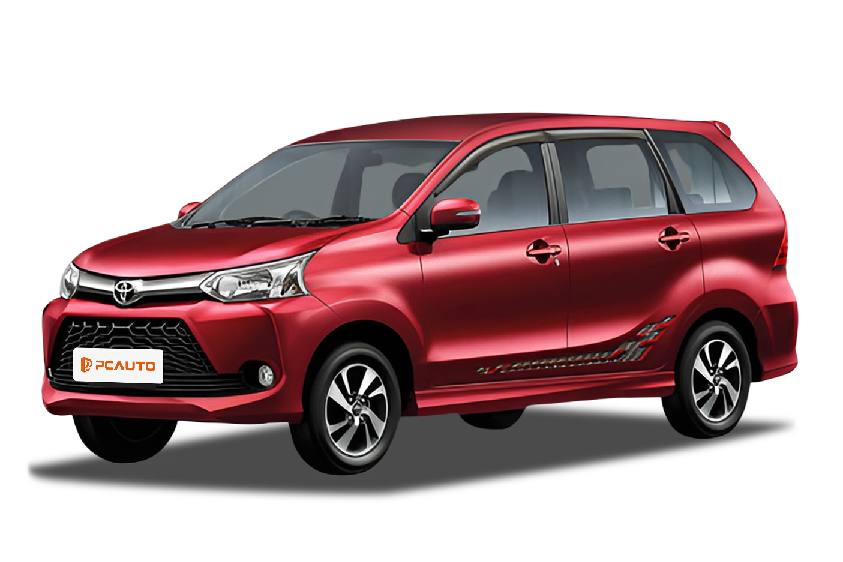
Cars With Similar Price And Features
1
Rank in MPV
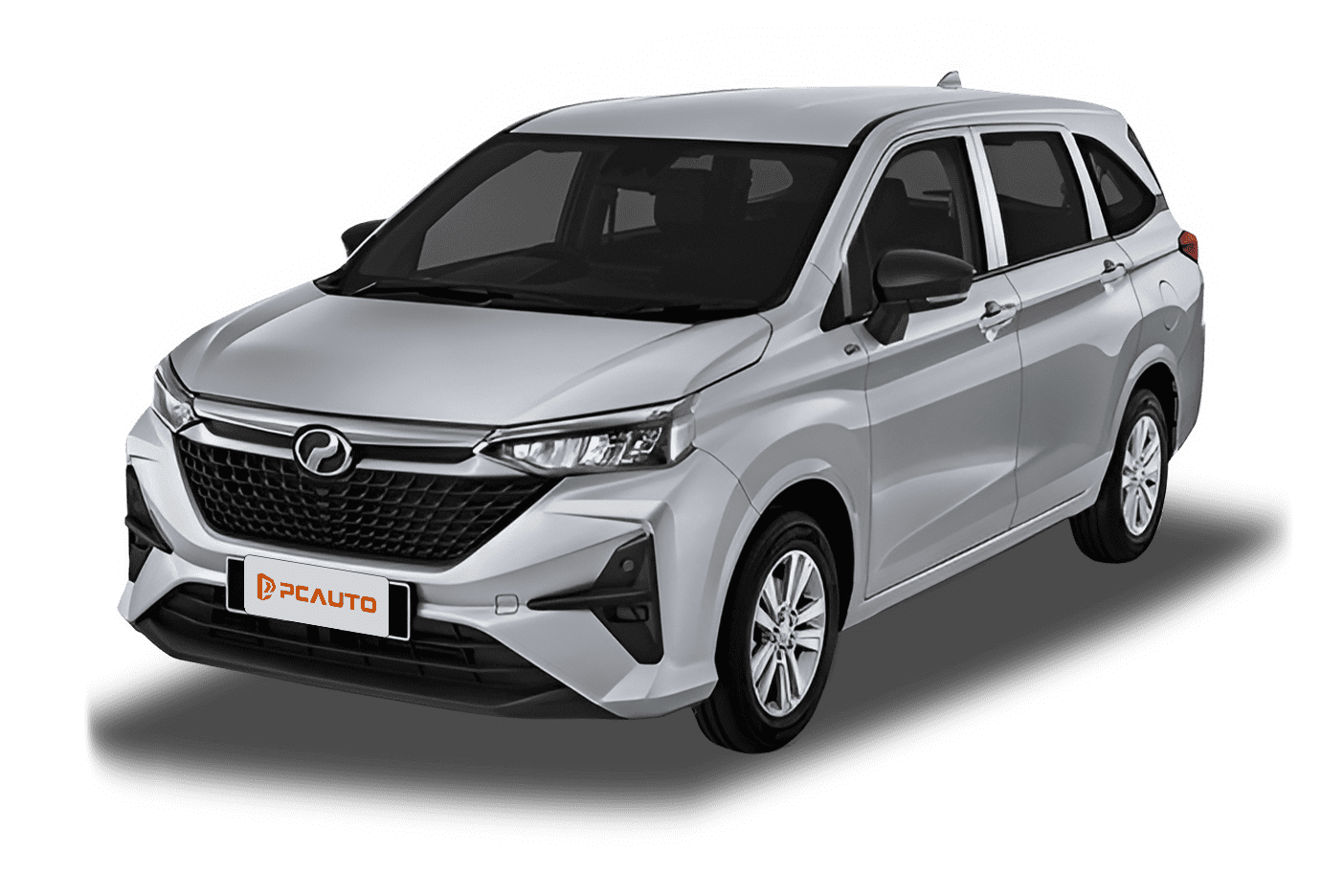
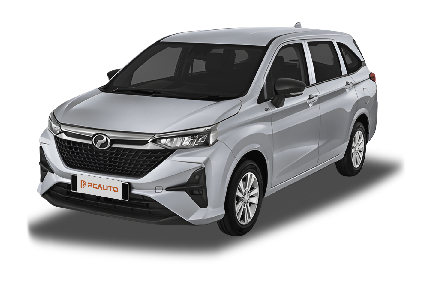
2023 Perodua Alza 1.5 AV, as a top-tier B-segment MPV, offers spacious space, low fuel consumption of up to 4.6L/100km, upgraded safety and intelligent features, making it a practical choice for families.
4
Rank in MPV
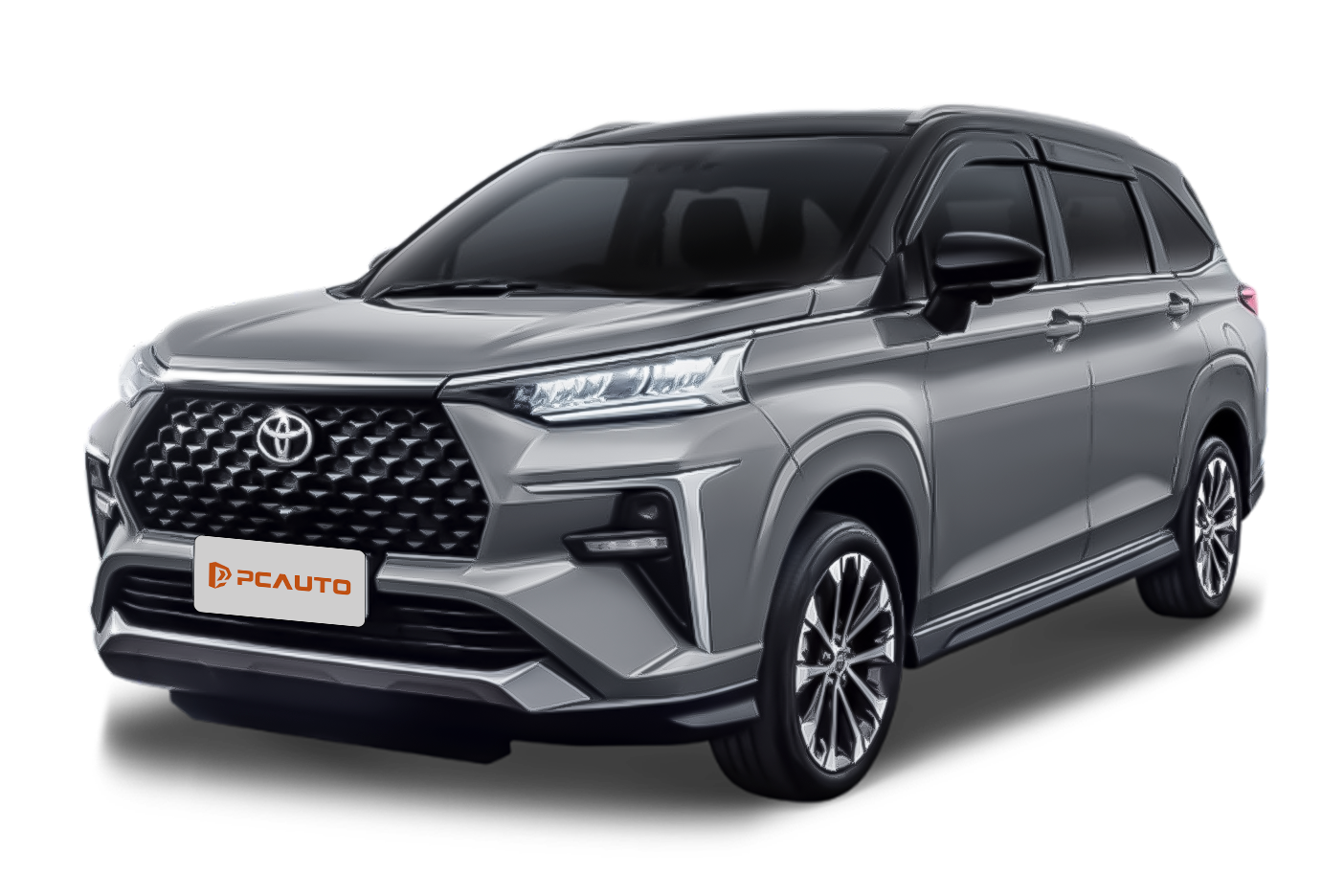
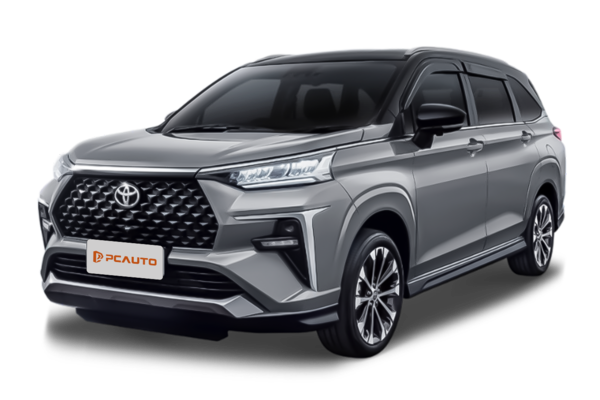
2023 Toyota Veloz 1.5 AT is a high-value family MPV that offers comprehensive safety features, flexible 7-seat space, and economical fuel consumption, making it suitable for practical and safety-conscious family users.
3
Rank in MPV
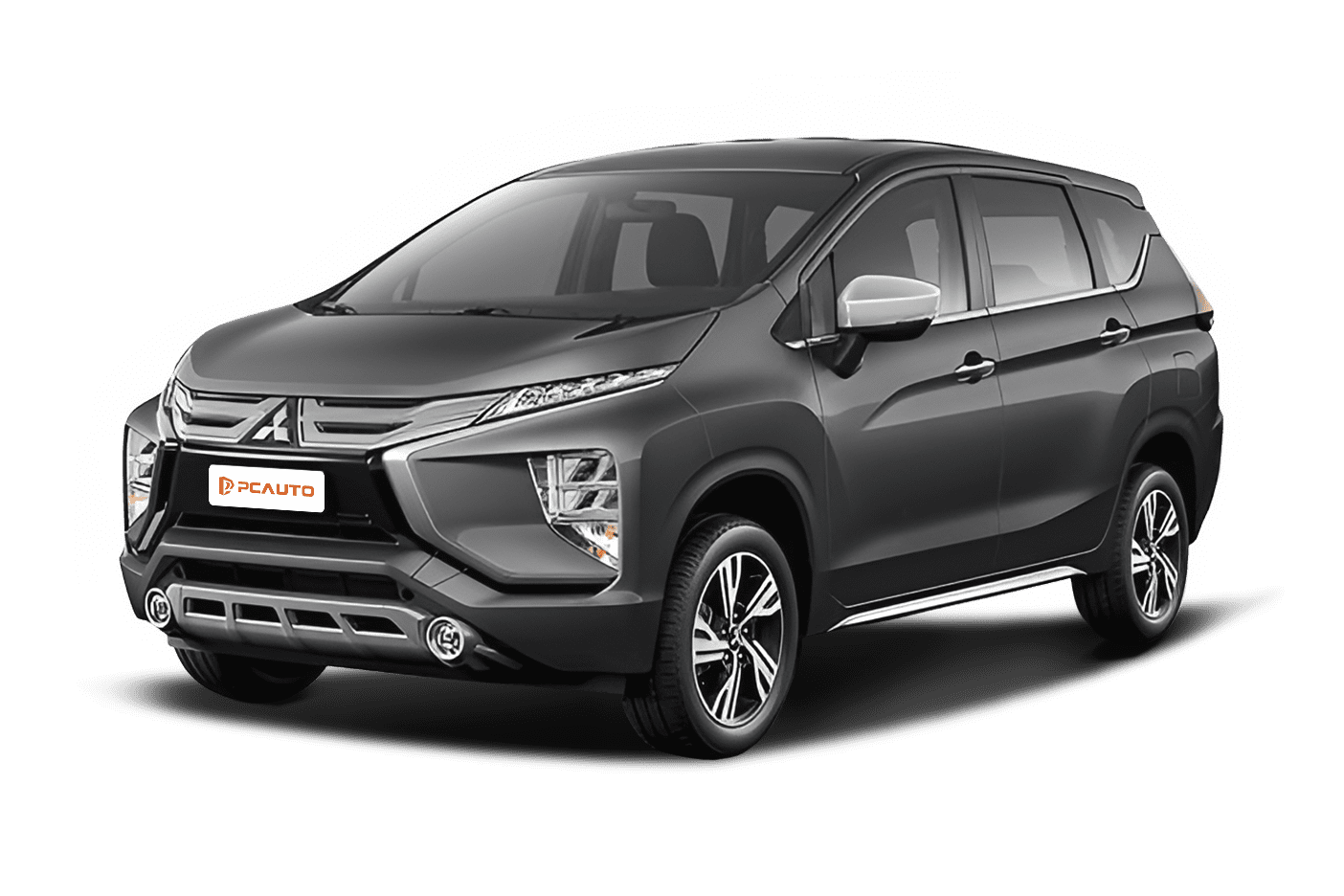
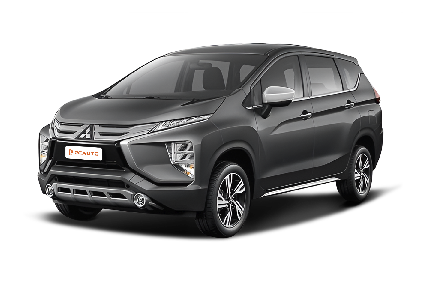
The 2024 Mitsubishi Xpander is a B-Segment MPV targeted at family users, featuring flexible space, upgraded practical configurations, and a comfortable driving experience as its core selling points, while balancing off-road capability and cost-effectiveness.