

2020 Mercedes-Benz GLB 200 Progressive Line Review

 Share
Share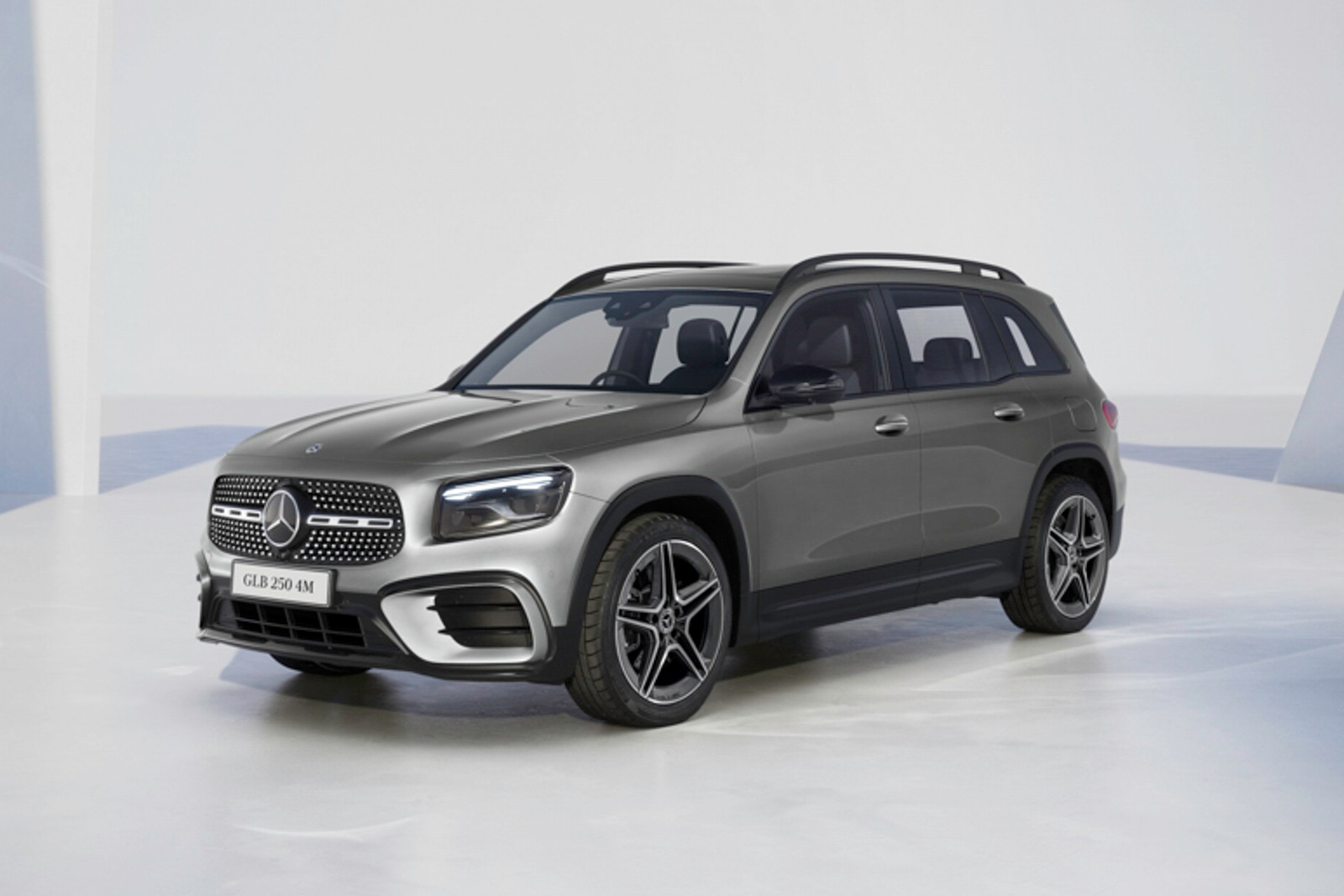
 Segment
 Body Type
 Capacity(L)
 Engine Power(PS)
 Transmission
 Engine Torque(Nm)
Recently, the competition in Malaysia's C-Segment SUV market has become increasingly intense. Many family users have started turning their attention to vehicles with flexible space and balanced configurations. The 2020 Mercedes-Benz GLB 200 Progressive Line is one of the popular choices. Its most attractive features include its "small body with big space" design, the luxurious texture consistent with Mercedes-Benz, and the 1.3T+7DCT power combination. Many are curious whether it can balance practicality for family use and maintain the brand's status. In this test drive, I mainly wanted to see if its actual space performance is as impressive as the specifications suggest, whether the power is sufficient for daily use, and if the configuration lives up to the price expectations.
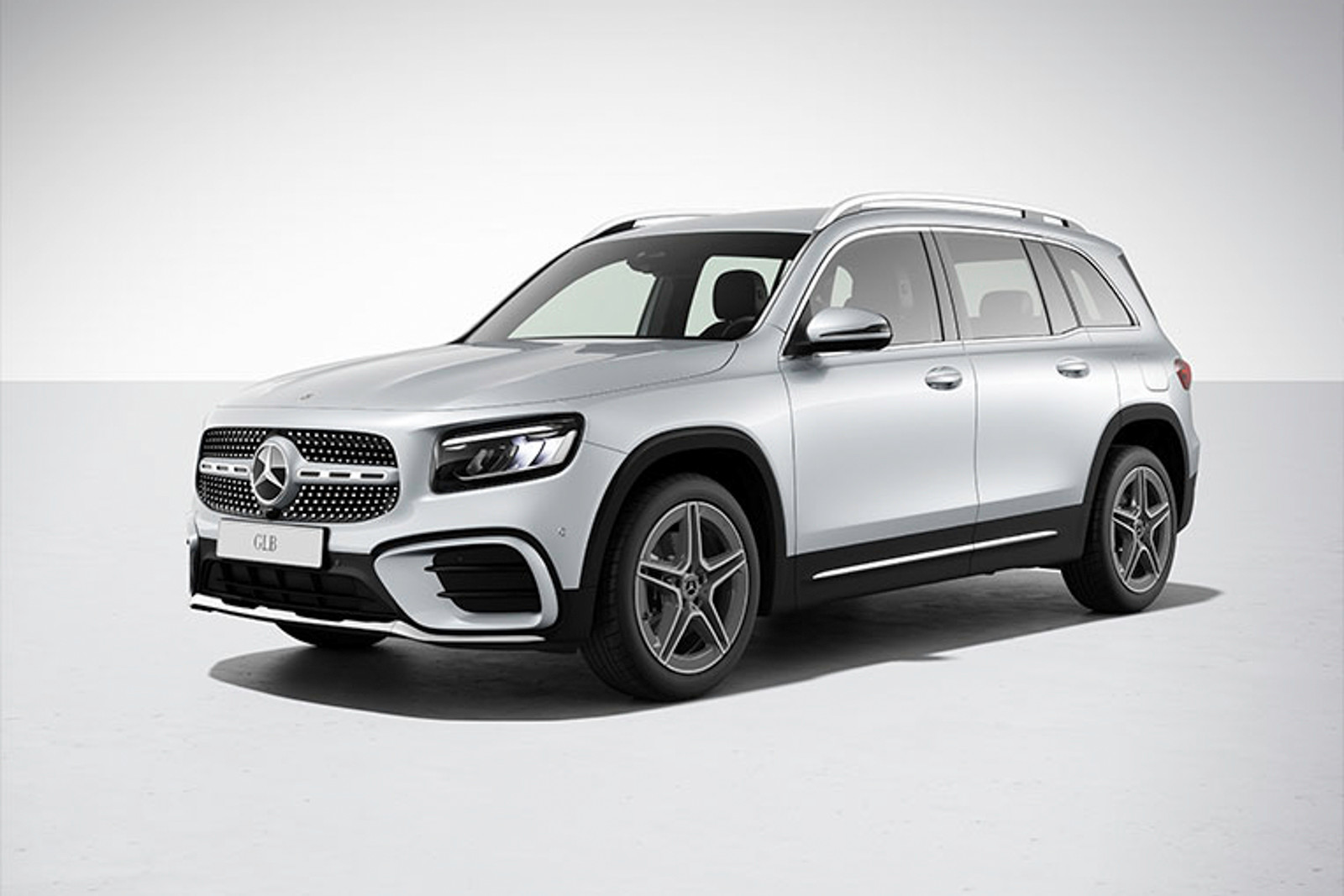
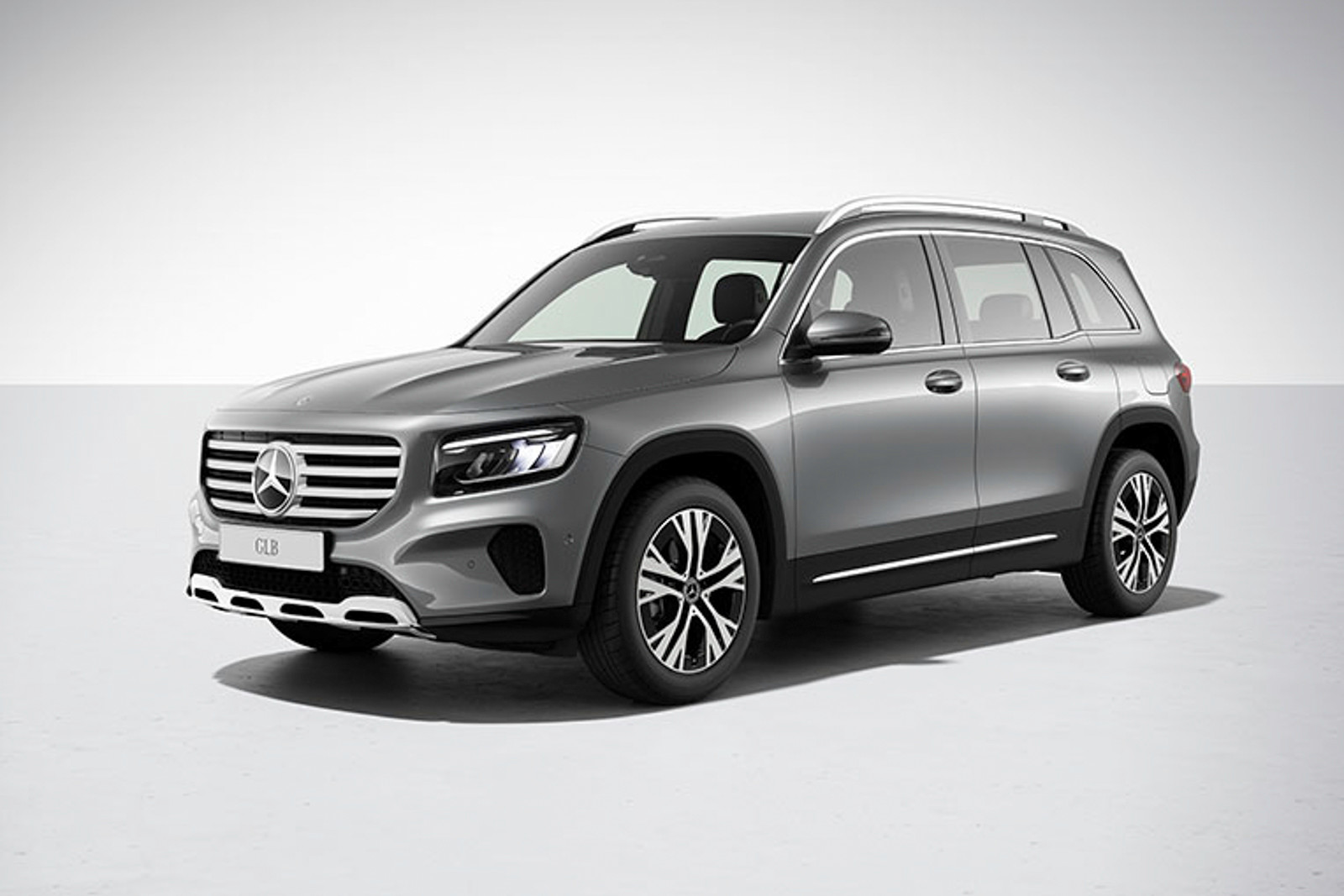
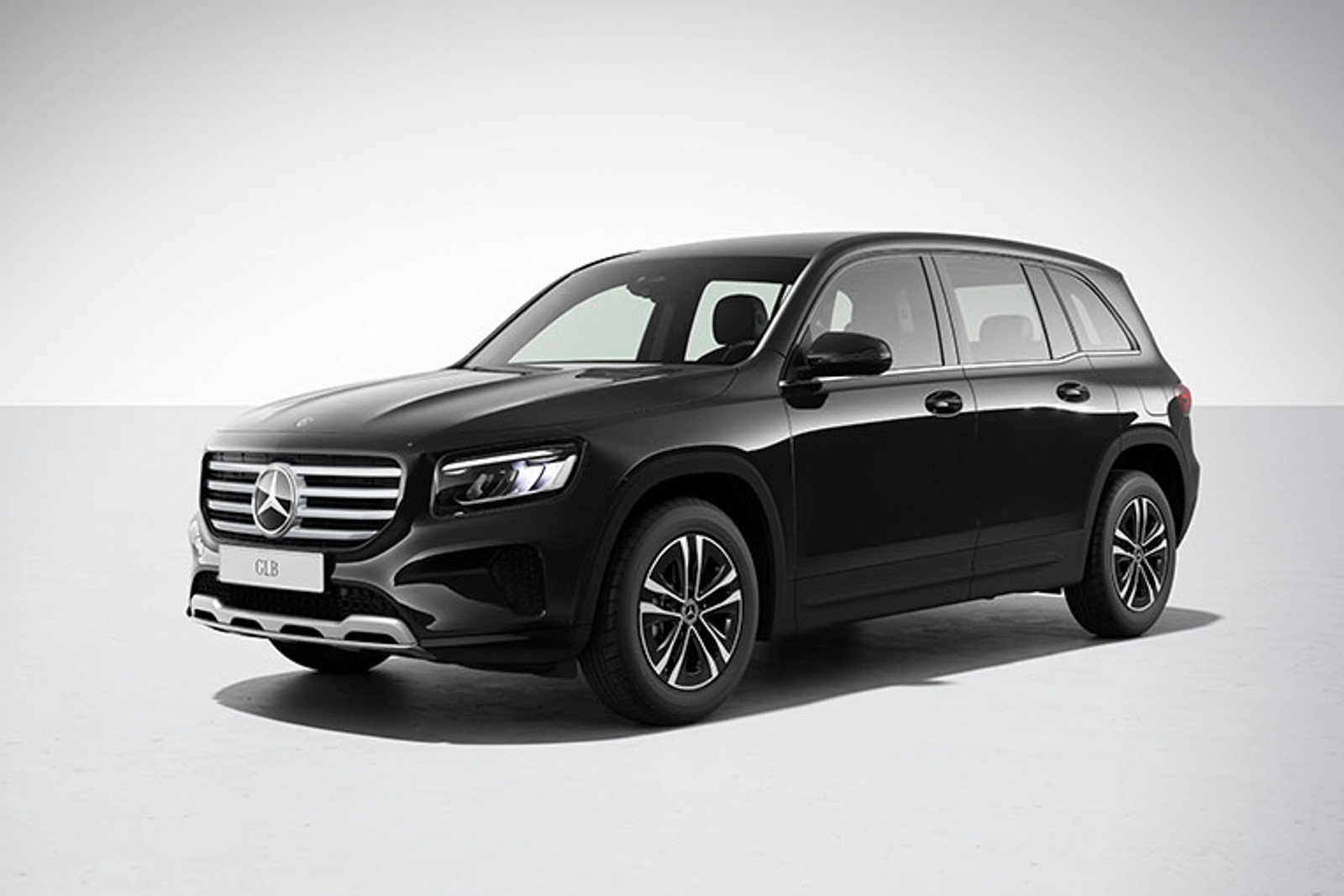
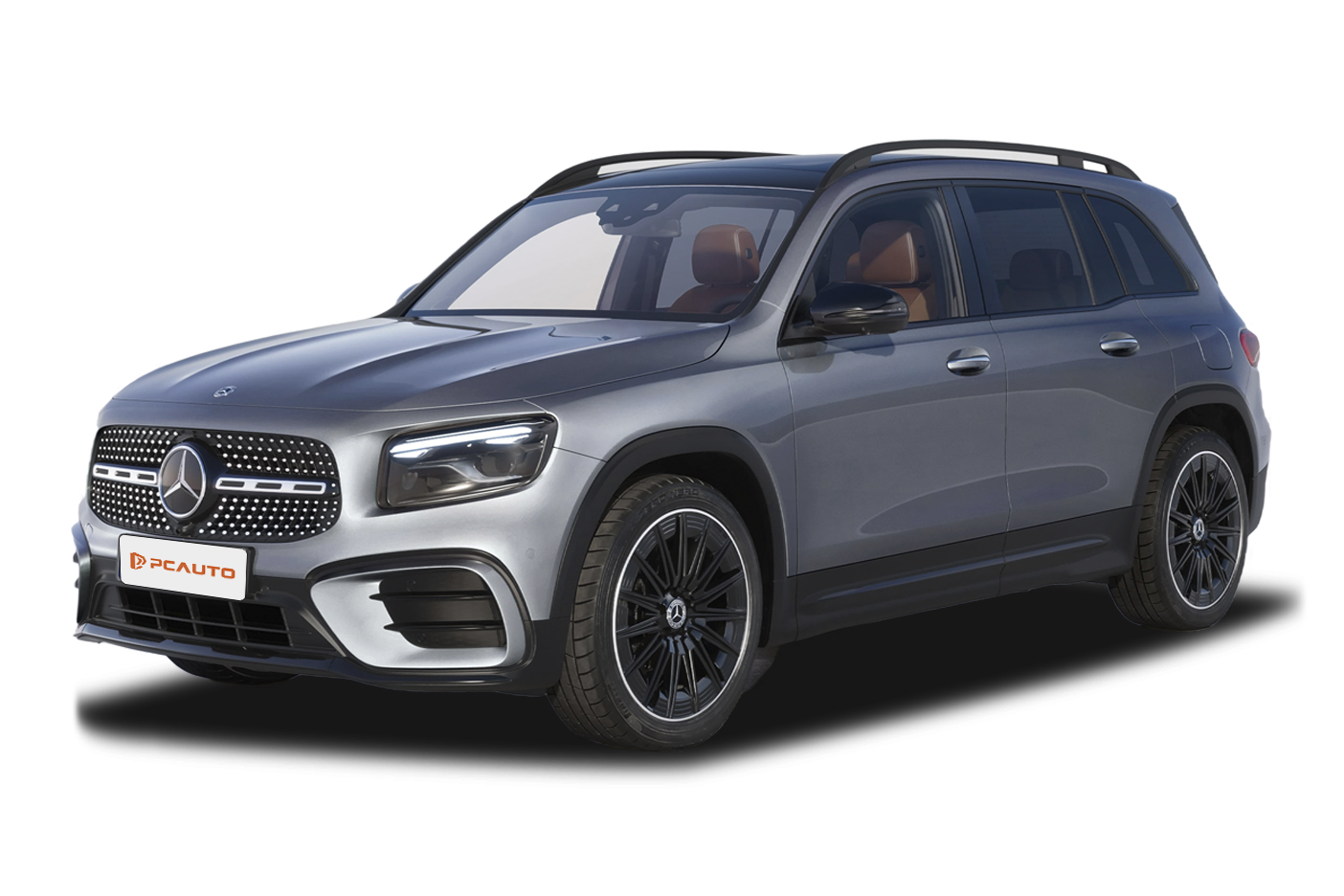
Starting with the exterior, the GLB 200 Progressive Line features a robust, boxy design. Compared to the GLA from the same brand, it carries a heavier SUV feel. The front face is dominated by a large-sized iconic Mercedes star grille, paired with LED headlights on both sides, which offer high recognizability. The side profile of the car has straight lines, with chrome decorations on the lower edges of the doors. The rims are an 18-inch multi-spoke design, which may not be particularly stunning but is quite pleasing to the eye. The rear design is relatively simple. The LED taillights are horizontally aligned, and the dual exhaust outlets at the bottom are decorative (the actual layout is concealed), though the overall design feels harmonious. Regarding the lighting system, LED headlights and taillights come standard, providing sufficient brightness and ensuring good recognition and safety during nighttime driving.
Sitting inside, the interior exudes the usual luxury standard of Mercedes-Benz. The dashboard features dual 7-inch screens (instrument panel and central control screen). Although the size is not particularly large, the display is clear, and operations feel smooth. The air conditioning vents have a circular turbine style, paired with piano black finish and silver accents, giving it a refined look. As for materials, the seats are a combination of leather and fabric, which feel comfortable, and the inner side of the door panels is wrapped in soft materials. In terms of configuration, paddle shifters, automatic parking, and rain-sensing wipers are all standard. A 220V/230V power outlet is also provided, making it very convenient for charging electronic devices during long trips. However, the central screen is only 7 inches, which is slightly lacking in tech appeal compared to some competitors in the same segment that feature screens larger than 10 inches.
Space performance is the GLB's core selling point. With a wheelbase of 2829mm, the actual experience indeed exceeds expectations. My height is 175cm, and after adjusting the front driver's seat to a comfortable position, sitting in the rear leaves over two fists' worth of legroom. The headroom, thanks to the straight roof design, also has about one and a half fists of clearance. Even with three adults in the rear, it doesn’t feel too cramped. The trunk's regular capacity is 570 liters, which can easily accommodate two 28-inch suitcases and a few backpacks. If you fold down the rear seats, the space can be expanded further, making it suitable for moving or carrying large items. In terms of storage details, the front central armrest box offers ample space, and the door storage compartments can fit large water bottles, maximizing practicality. The rear seats are also equipped with independent air conditioning vents, ensuring passenger comfort in the back.
As for performance, the 1.3T turbocharged engine delivers a maximum output of 165 PS and a peak torque of 250 N·m, paired with a 7-speed dual-clutch transmission. During daily driving, acceleration is relatively brisk. The power response is lively in the low RPM range (maximum torque is available at 1620 rpm), making it effortless for city driving and overtaking from a stop. Switching to Sport mode increases throttle sensitivity, providing a more pronounced sense of acceleration. However, at highway speeds above 100 km/h, the reserve power for further acceleration feels somewhat limited, which is understandable given the engine's displacement. The transmission's shift logic is fairly clear, and the smoothness is commendable. During low-speed traffic, there can be slight jerking at times, but it does not significantly affect daily usability.
The handling and chassis performance are moderate. The steering wheel is relatively light, making it easy for women to drive. The directional accuracy is decent, and there is little play. The suspension system consists of a MacPherson front and a multi-link rear, tuned for comfort. It can filter out most vibrations when going over speed bumps or uneven roads. However, when encountering large potholes, the rear passengers will still feel noticeable bumps. During cornering, the body lean is well-controlled, and the suspension offers enough support, so there’s no feeling of swaying.
The power performance is suitable for daily family use. The 1.3T engine feels agile in urban driving, and the dual-clutch transmission offers quick shifting. In stop-and-go traffic, the power delivery is relatively smooth. The official combined fuel consumption is 6.1L/100km. During this test drive, which mainly involved urban and suburban roads, the average fuel consumption displayed was around 7.2L, which is not extremely fuel-efficient but still acceptable. In terms of noise control, the cabin remains very quiet at low speeds. When the speed exceeds 100km/h, wind noise becomes slightly noticeable, but it does not affect normal conversations. The seats are quite comfortable, providing good support and cushioning, so long drives are not overly tiring.
Overall, the core advantage of the 2020 Mercedes-Benz GLB 200 Progressive Line is its spaciousness. Its 2829mm wheelbase offers exceptional rear-seat room that feels a class above, and the trunk volume is also ample — making it highly practical for family use. Secondly, the brand’s prestige and the luxurious interior design are highlights. While the features may not be top-of-the-line, they are sufficient for daily needs. Compared to competitors in the same segment, such as the BMW X1 sDrive20Li, the GLB offers more space and better interior quality, although the X1 has slightly better power specs (2.0T low-output engine). As for the Audi Q3, the GLB has a significant advantage in wheelbase, offering a more spacious rear seat.
This car is suitable for families who value spatial practicality and a sense of luxury from a reputable brand. For example, small families with children can handle daily commuting and weekend outings with ease, and occasional long trips won’t feel too tiring. However, if you are a young driver pursuing extreme performance or a cutting-edge tech display, you might find its power inadequate or the screen size too small. But for most family-use scenarios, its balance of features is more than sufficient.
To summarize: The 2020 Mercedes-Benz GLB 200 Progressive Line is an SUV that’s "precisely positioned for family use." Its biggest highlight is its space, while the luxurious feel and brand appeal add to its charm. Its powertrain and fuel consumption perform well for daily use. If you’re looking for a trustworthy brand, ample space, and decent quality in a family SUV, it’s worth considering.
Mercedes-Benz GLB Car Compare
Mercedes-Benz GLB Loan Calculator
More Mercedes-Benz Reviews
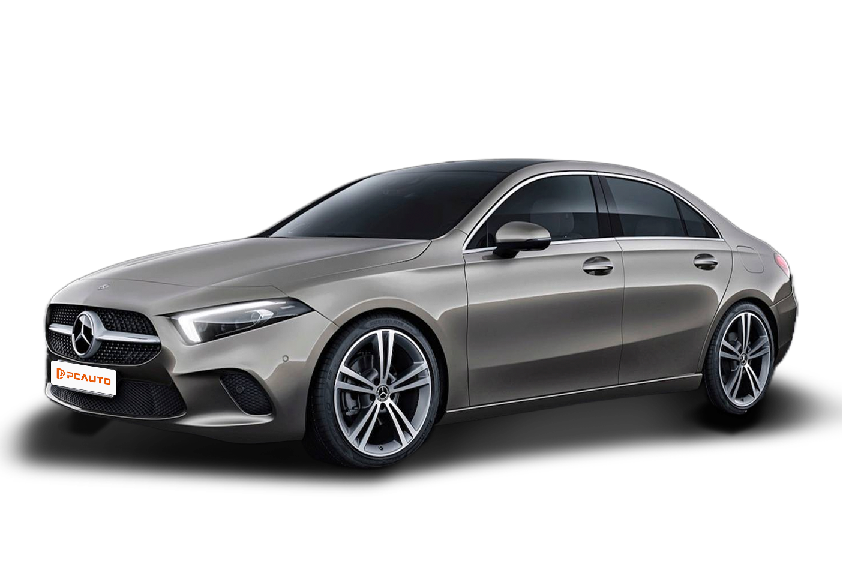
Cars With Similar Price And Features
8
Rank in SUV
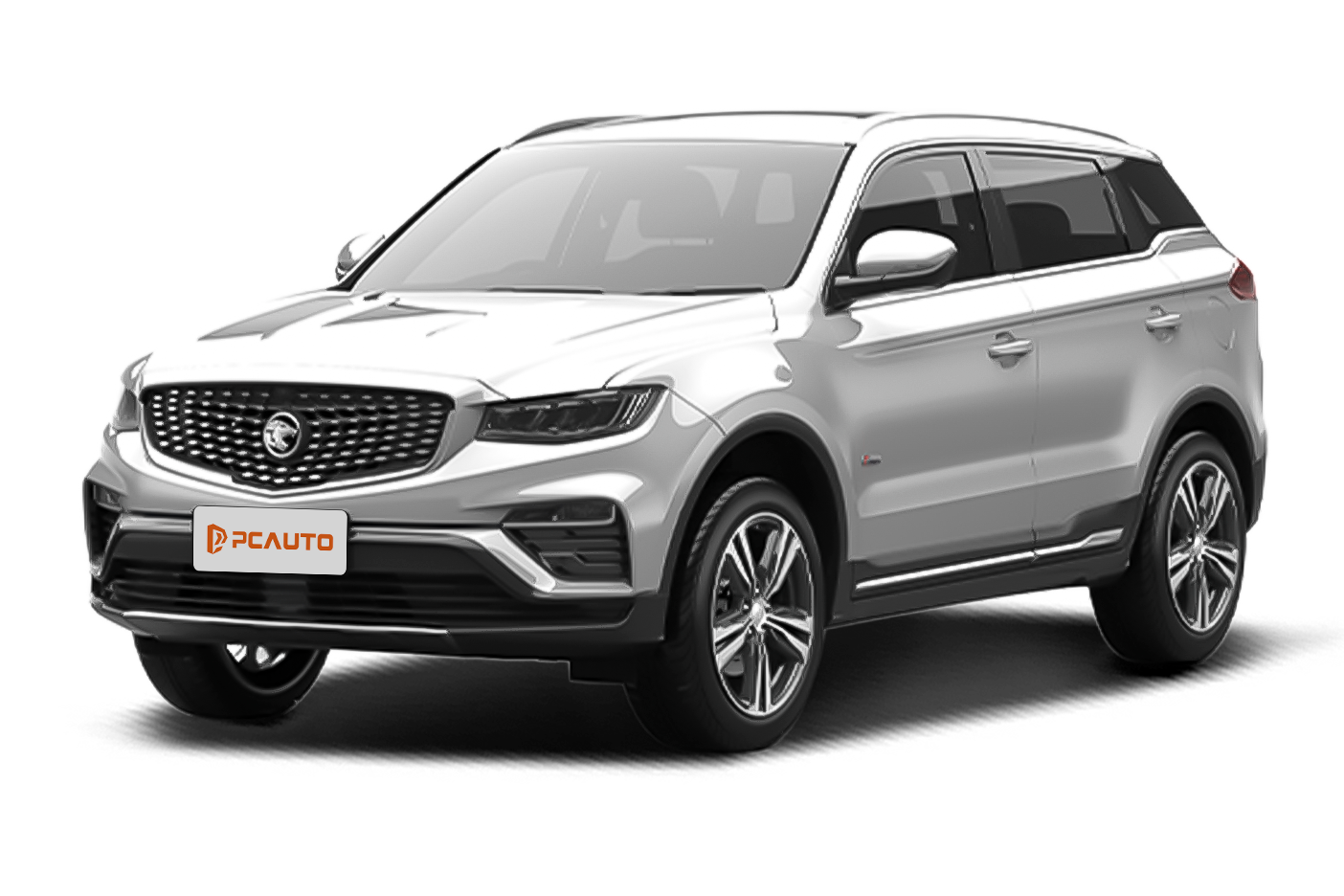
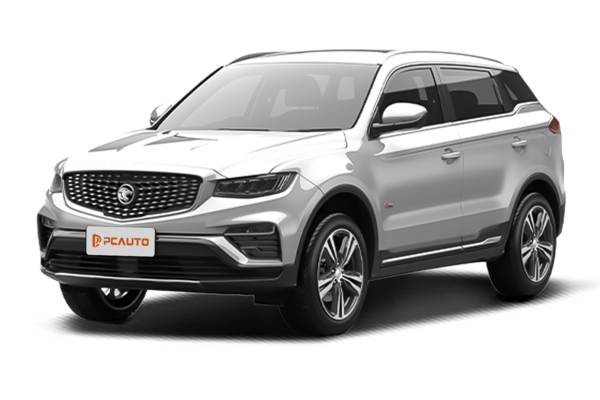
2026 Proton X70 1.5 TGDi Executive focuses on upgrading to a four-cylinder engine, practical configurations, and affordable pricing. It balances family commute practicality with value for money, making it a sensible choice among similarly priced C-segment SUVs.
10
Rank in SUV
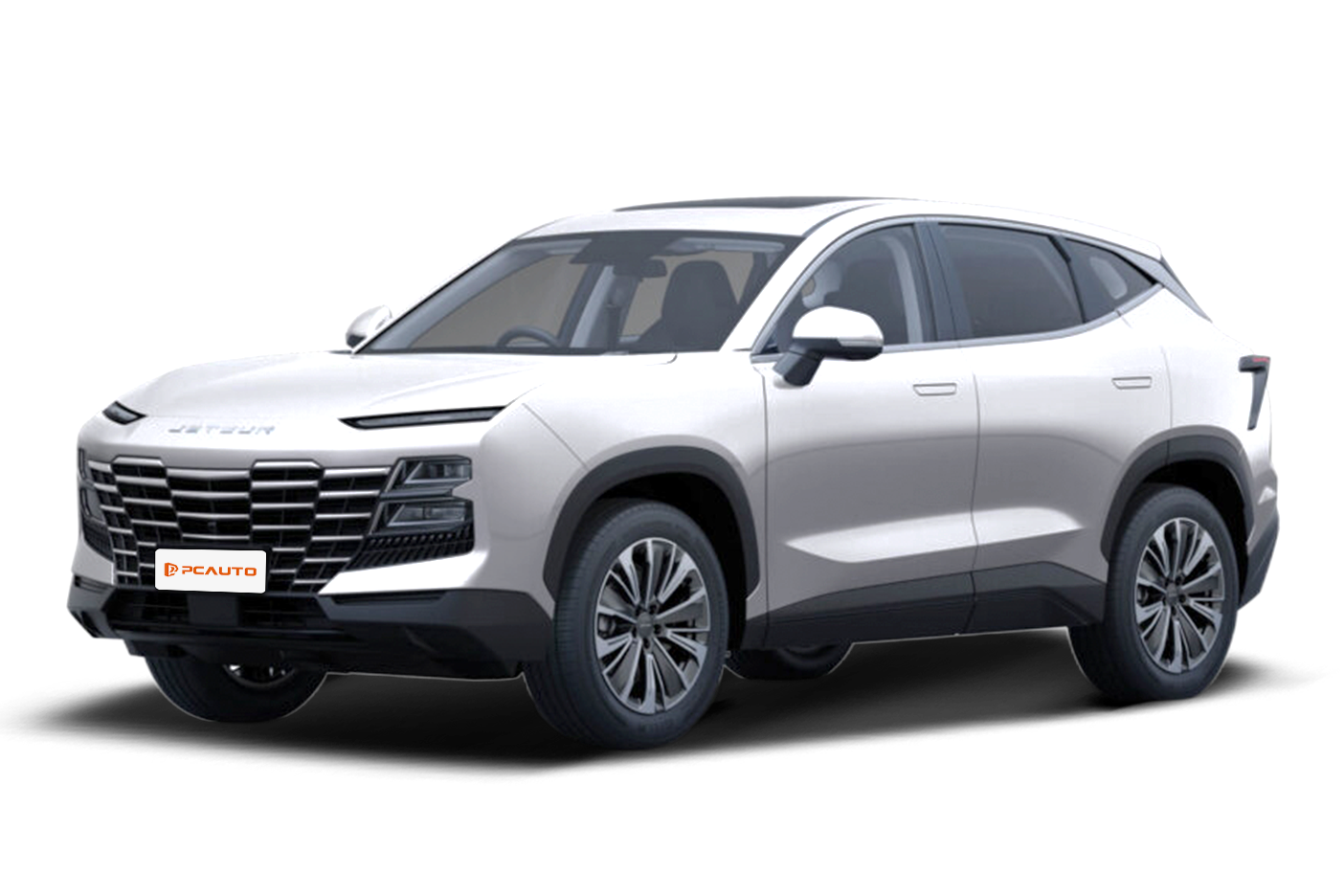
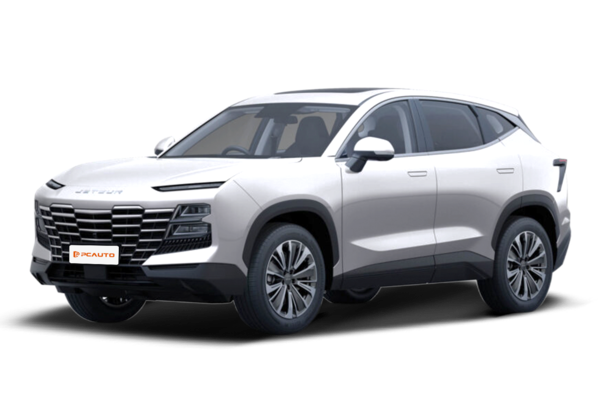
Jetour Dashing 1.5 TCI Comfort 2025 features a 2720mm long wheelbase and a 10.25-inch dual screen as its core, focusing on balanced cost performance to meet family practical needs.
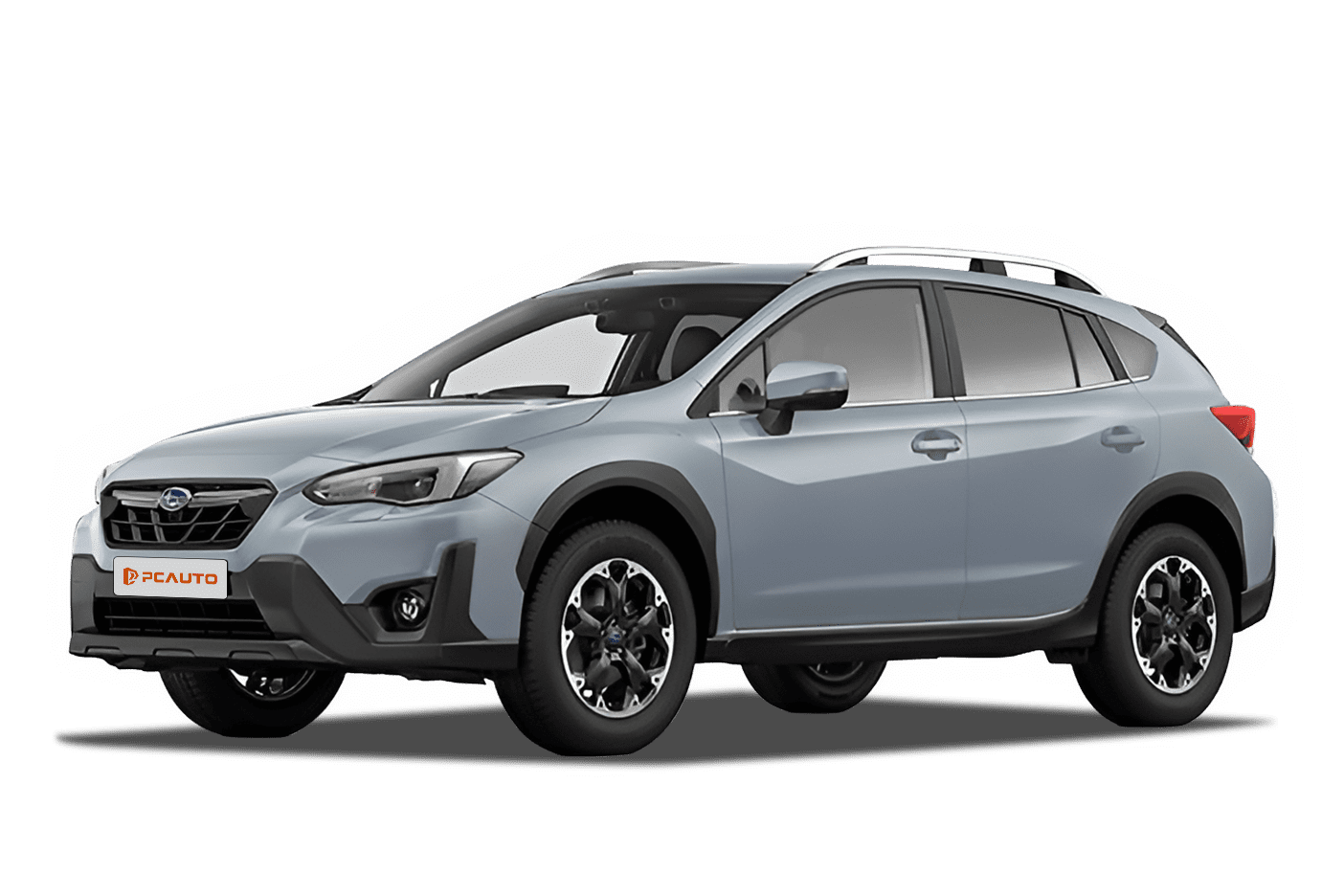
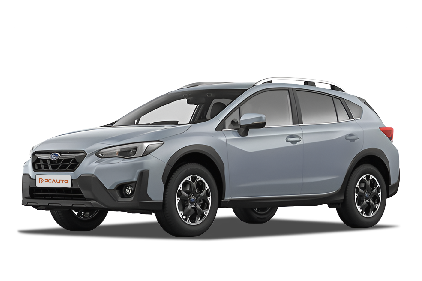
The 2021 Subaru XV 2.0i is a model targeting the C-segment crossover market, equipped with standard all-wheel drive and high safety features, balancing off-road capability and handling, with practical space.

2021 Hyundai Kona 2.0 Standard, as a high-value entry-level compact SUV, retains essential safety and practical features with an affordable price, meeting the daily commuting and loading needs of families.