

2020 Volkswagen Arteon 2.0 TSI R-Line Review

 Share
Share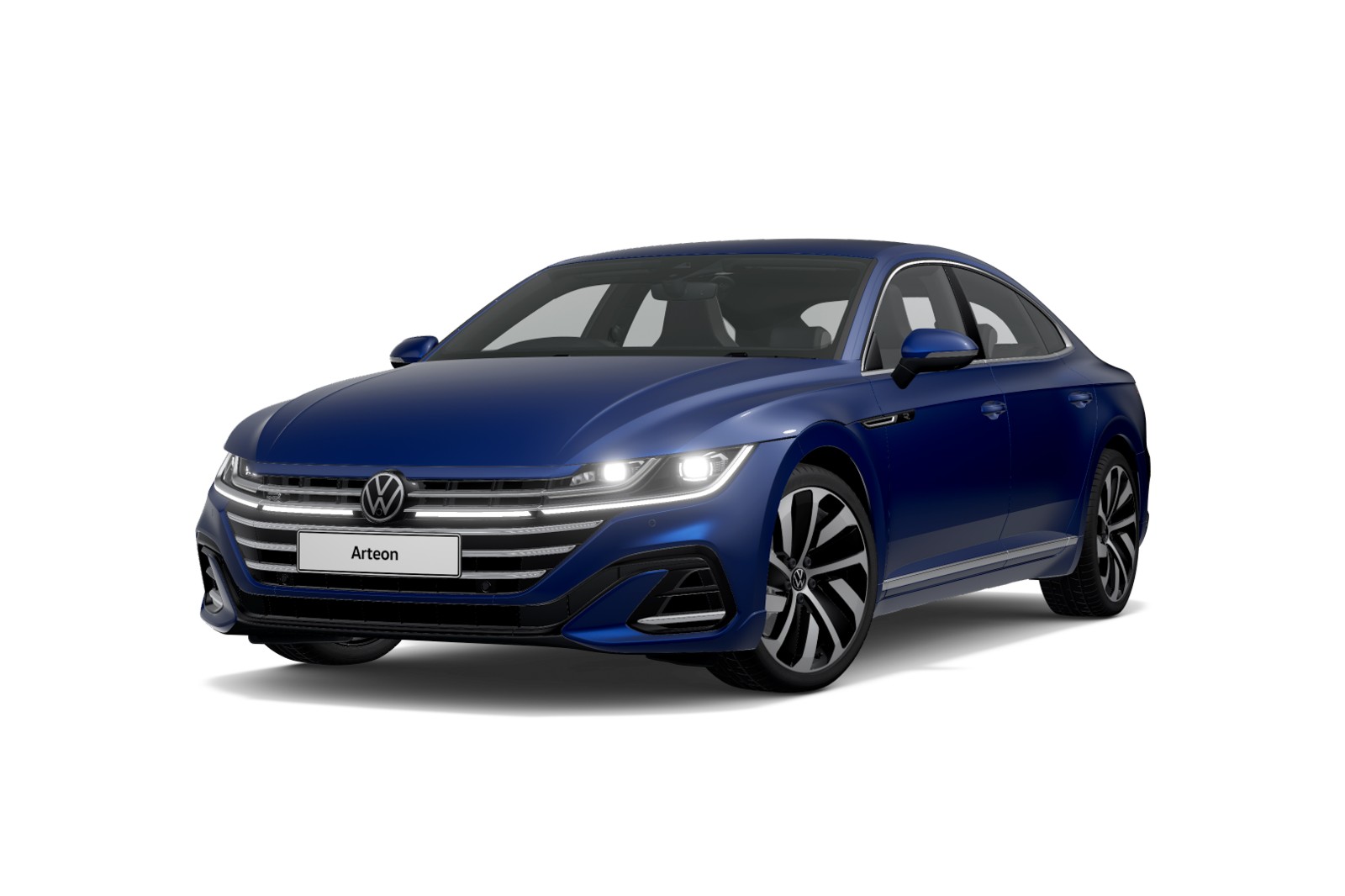
 Segment
 Body Type
 Capacity(L)
 Engine Power(PS)
 Transmission
 Driven Wheels
In today's Malaysian D-segment sedan market, it's no longer dominated by "pure business sedans." More and more family users and young professionals are seeking models that balance luxury and daily practicality — this is precisely where the Volkswagen Arteon 2.0 TSI R-Line aims to meet the demand. With its core selling points of a "coupe-like exterior + executive-level configurations," it addresses the traditional D-segment's stiffness without sacrificing rear space and comfort. This time, we got a test drive unit, and our main goal was to verify whether its design highlights are practical, whether its power performance matches its positioning, and whether its configuration advantages justify its nearly RM 220,000 price tag.
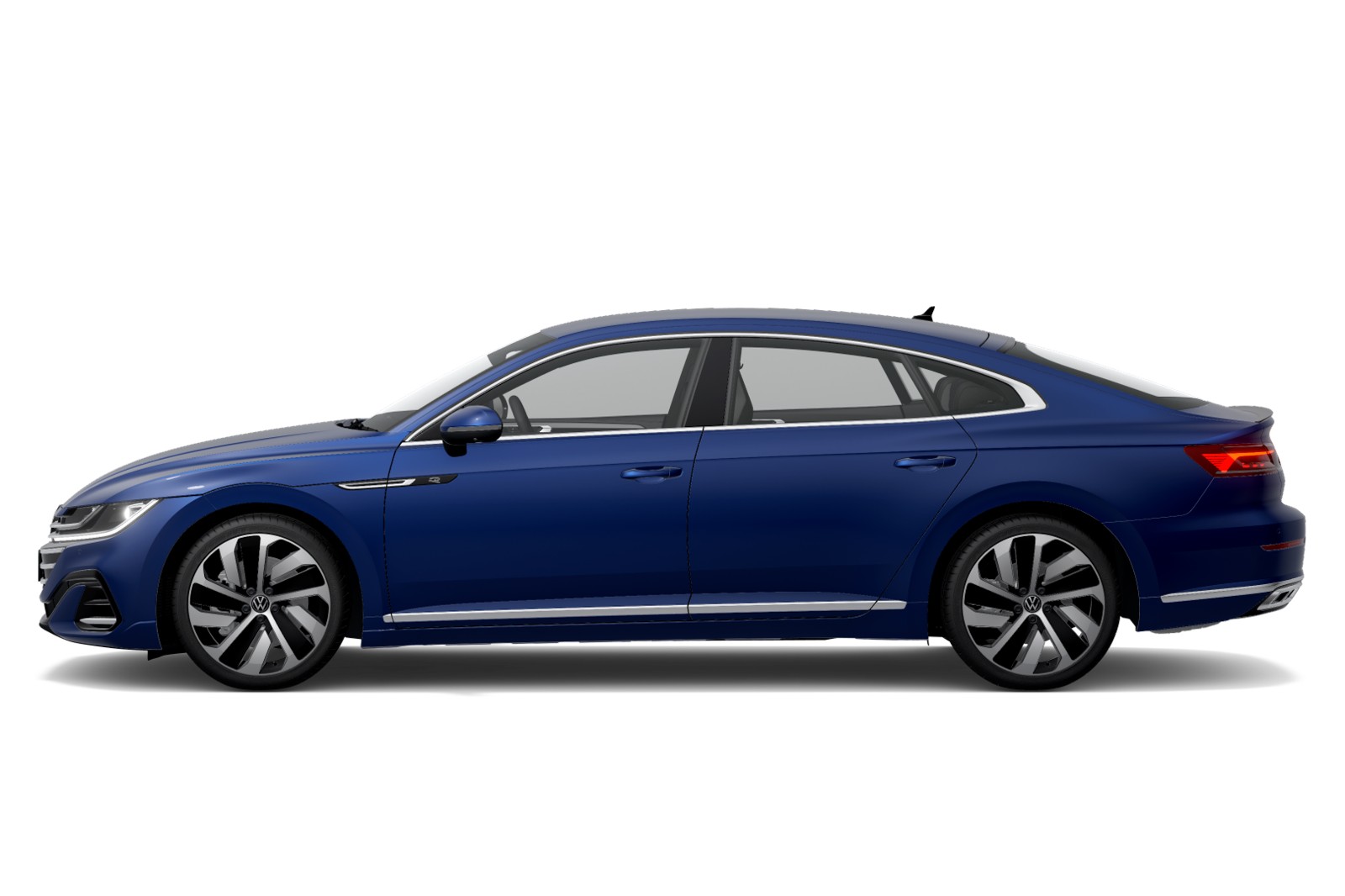
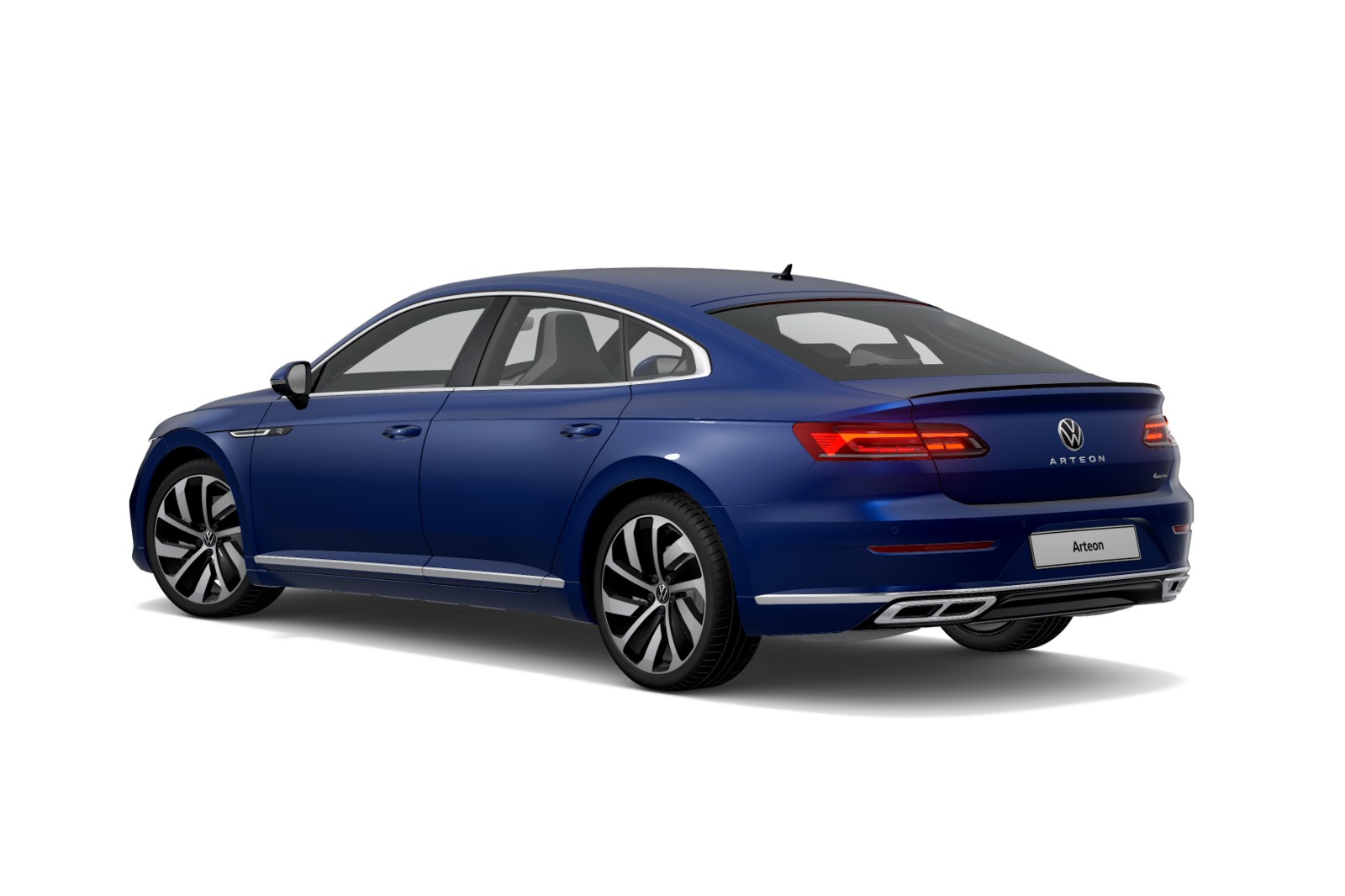
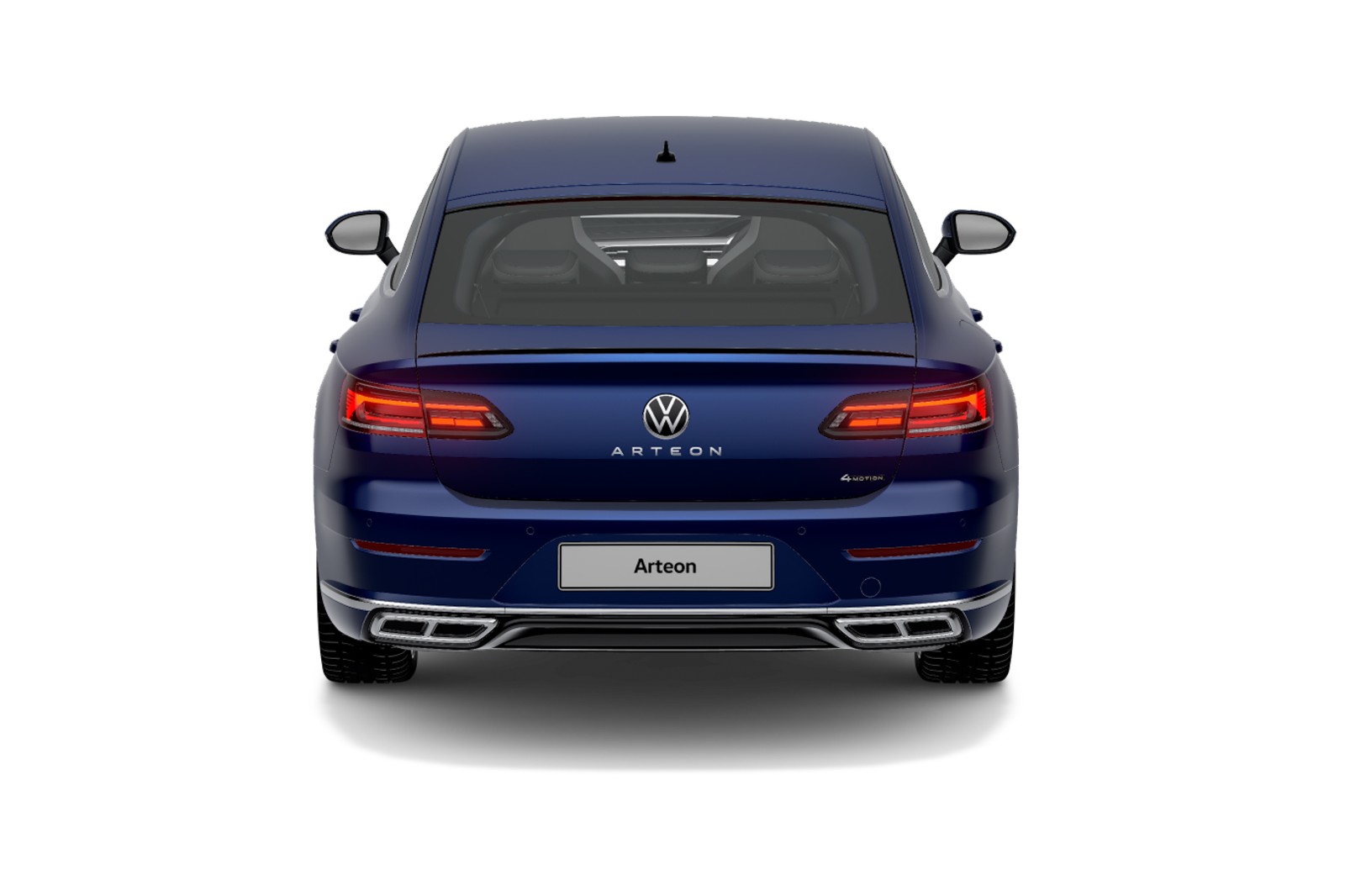
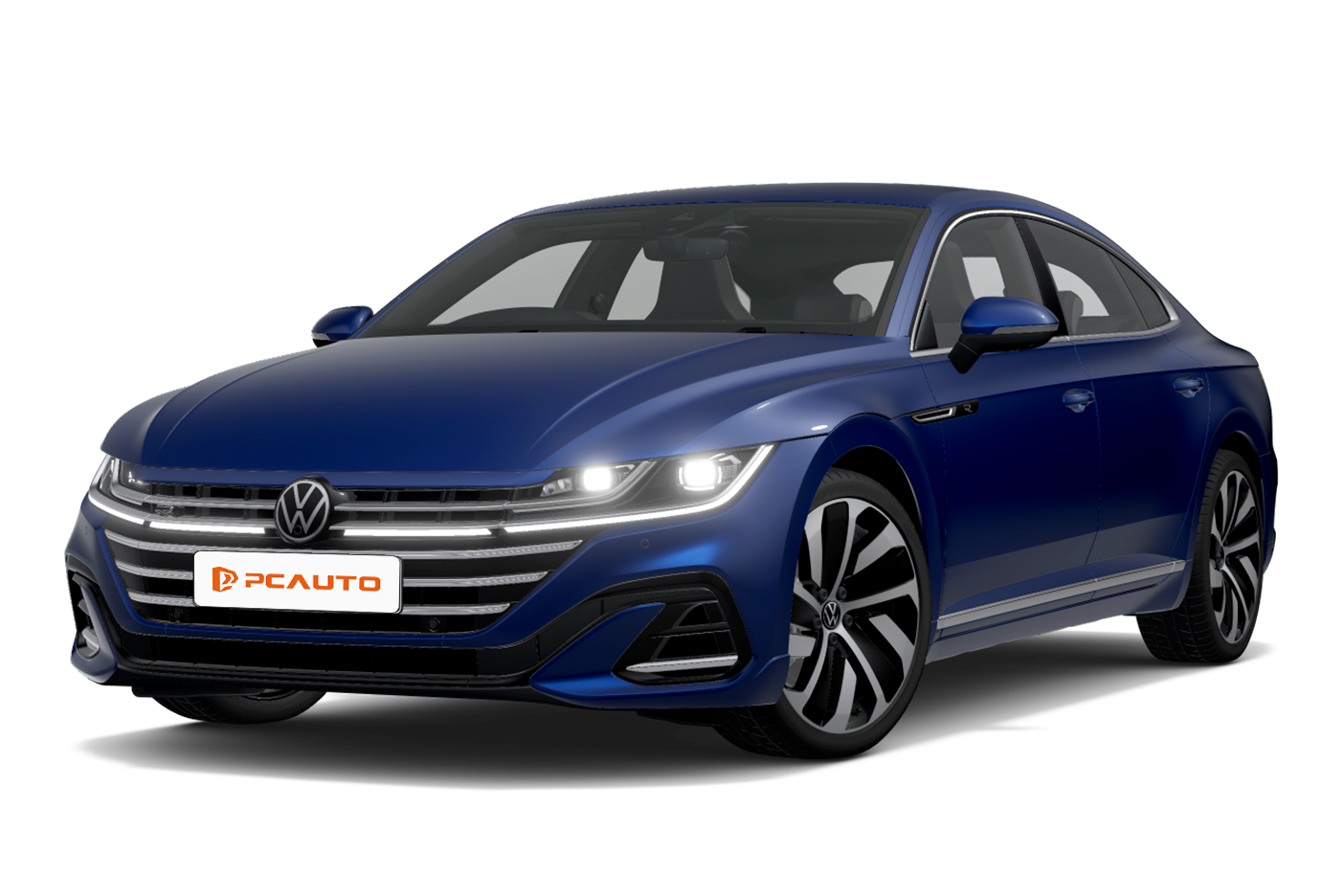
At first glance, it's hard not to be captivated by the fastback design of the Arteon R-Line. The overall lines extend seamlessly from the hood to the rear, without the rigid segmentation of traditional sedans. Coupled with the 4862mm length and 1871mm width, its stance appears low-slung and sleek. The R-Line exclusive sports package on the front is highly recognizable: the honeycomb grille flanked by eye-shaped LED headlights, with sharp lens and daytime running light lines inside the light clusters, exudes a futuristic feeling when illuminated. The air intake design below the front bumper enhances the sporty vibe. On the side profile, the 19-inch dual-tone wheels paired with 245/40 R19 tires fit perfectly within the wheel arches. The waistline runs from the front fender through to the tail lights, and the R-Line badge on the side skirts further emphasizes its identity. The rear design is relatively simple, with horizontally laid-out LED taillights that echo the design of the front lights when lit. The ducktail spoiler and dual exhaust outlets give the fastback shape a touch of sportiness.
Opening the car door, the luxury of the interior is even more apparent than the exterior. The dashboard features soft-touch materials seamlessly combined with metal trims, with most surfaces being made of soft materials. The 9.2-inch touchscreen is embedded on top of the center console. It offers high resolution, smooth operation, and even supports gesture controls — for instance, you can adjust the volume with a wave of your hand. The instrument panel is an 11.7-inch fully digital display with clear interfaces, capable of showing navigation, fuel consumption, driving modes, and more. When switching between driving modes, the theme colors change accordingly. The seat configurations are a highlight: the front seats support 14-way electric adjustments, with the driver’s seat offering a massage function. The backrests and cushions are well-contoured for excellent support, ensuring comfort even on long drives. While the rear seats lack electric adjustment, the space is sufficiently spacious. With a 2837mm wheelbase, a 180cm passenger can sit comfortably, with more than two fistfuls of legroom to spare; although the headroom is slightly tighter due to the fastback design, there’s still about one fist of space, so it doesn’t feel cramped. Regarding storage space, the trunk has a standard capacity of 563L, which can be expanded by folding the rear seats. It’s more than enough to store a stroller or golf bag. Additionally, the front central armrest box and door storage compartments are quite spacious, offering storage for essentials like phones and water bottles.
Starting the vehicle, the operation of the 2.0T turbocharged engine is very smooth, delivering a maximum output of 190PS and a maximum torque of 320Nm (readily available between 1500-4180rpm). Paired with a 7-speed DCT gearbox, the power response is quite dynamic. In “Normal” mode, the throttle feedback feels linear, with no jerkiness when starting, and a gradually progressive power output during acceleration, making it suitable for daily commuting. Switching to “Sport” mode sees the gearbox adopt a more aggressive shifting strategy, with quicker downshifts and a more pronounced push-back sensation when the accelerator is pressed deeply, making overtaking more confident. The official 0-100km/h acceleration is 7.7 seconds, which can be basically achieved during actual Sport mode tests. In terms of handling, the steering wheel has moderate weight and precision, with no noticeable dead zone. The chassis uses MacPherson struts at the front and a multilink independent suspension at the rear. The suspension setup is comfort-oriented but retains a certain level of firmness: when going over speed bumps, it can filter out most of the jolts without feeling overly harsh. Around corners, body roll is well-controlled, and the 245-width tires provide sufficient grip, keeping the vehicle stable during high-speed turns. Noise control during daily drives is also impressive; even at a speed of 120km/h, wind noise and road noise are minimal. Inside the car, the Dynaudio 11-speaker sound system delivers clear music output, virtually unaffected by external disturbances.
We also tested its fuel consumption: when driving in congested urban areas, the fuel consumption is about 8.5-9L/100km; on highways, it can drop to around 6L, and overall it's roughly the same as the official figure of 6.3L/100km. For a 2.0T D-segment car, this performance is quite reasonable. In terms of braking, the combination of ventilated front discs and rear disc brakes is very reliable, and the car body remains stable during emergency braking without noticeable nose-dive. Additionally, some details enhance the daily driving experience: the three-zone automatic air conditioning offers precise adjustments, with independent air vents and temperature control buttons for the rear seats to cater to the needs of different passengers; the sensitivity of the rain-sensing wipers and automatic headlights is very high, so there's no need for frequent manual adjustments; the 360-degree panoramic camera and automatic parking functions are very practical for new drivers or users who find parking difficult, making it easy to park in tight spaces.
Overall, the core advantages of the Volkswagen Arteon 2.0 TSI R-Line are very apparent: its fastback design offers more style than similarly ranked models like the Audi A4L and BMW 3 Series, while its features such as a fully digital instrument cluster, Dynaudio sound system, and front massage seats deliver a more luxurious experience compared to mid-size cars like the Toyota Camry and Honda Accord. With a wheelbase of 2837mm and a trunk capacity of 563L, it also meets the daily needs of family users. Compared to similarly priced D-segment cars, its sporty exterior and business-class configurations are distinct highlights—it avoids the stodginess of traditional business cars while being more practical than purely sporty sedans.
If you're a family user aged 30-40 who wants a car that feels prestigious to drive while also catering to your family's comfort, or if you're a young business professional who wants to avoid "old-fashioned" business cars while pursuing technological features and driving fun, the Arteon R-Line is a good choice. It has no significant shortcomings, with design, configuration, space, and power all positioned at the upper range among its peers. Although its price of nearly 220,000 MYR isn't particularly low, when considering its 5-year unlimited mileage warranty and extensive standard features, its value for money is actually quite impressive.
In summary, the Volkswagen Arteon 2.0 TSI R-Line is a "well-balanced contender": it breaks the stereotype of D-segment vehicles with its fastback design, meets quality demands with its luxurious features, and ensures comfort in daily driving with its smooth power delivery and stable handling. If you're looking for a D-segment car that offers more than just basic transportation, it deserves a spot on your consideration list.
Volkswagen Arteon Car Compare
Volkswagen Arteon Loan Calculator
More Volkswagen Reviews
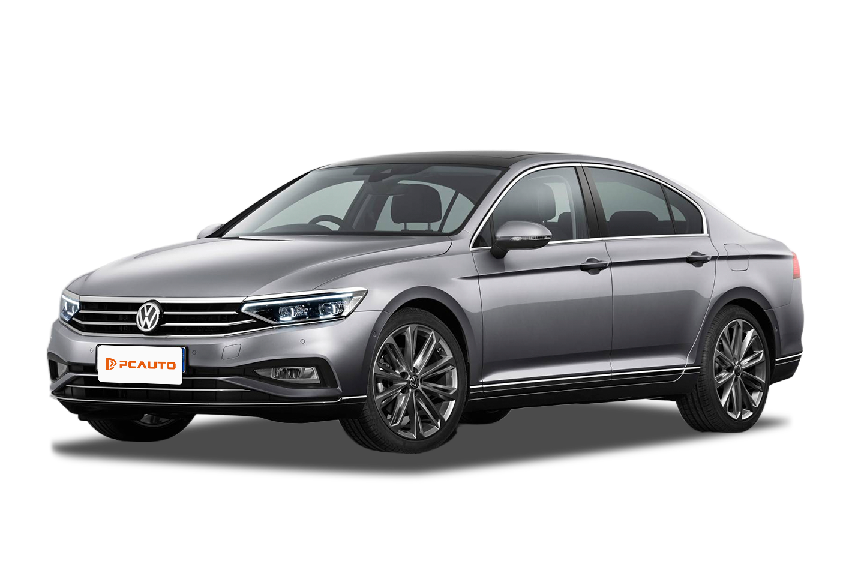
Cars With Similar Price And Features
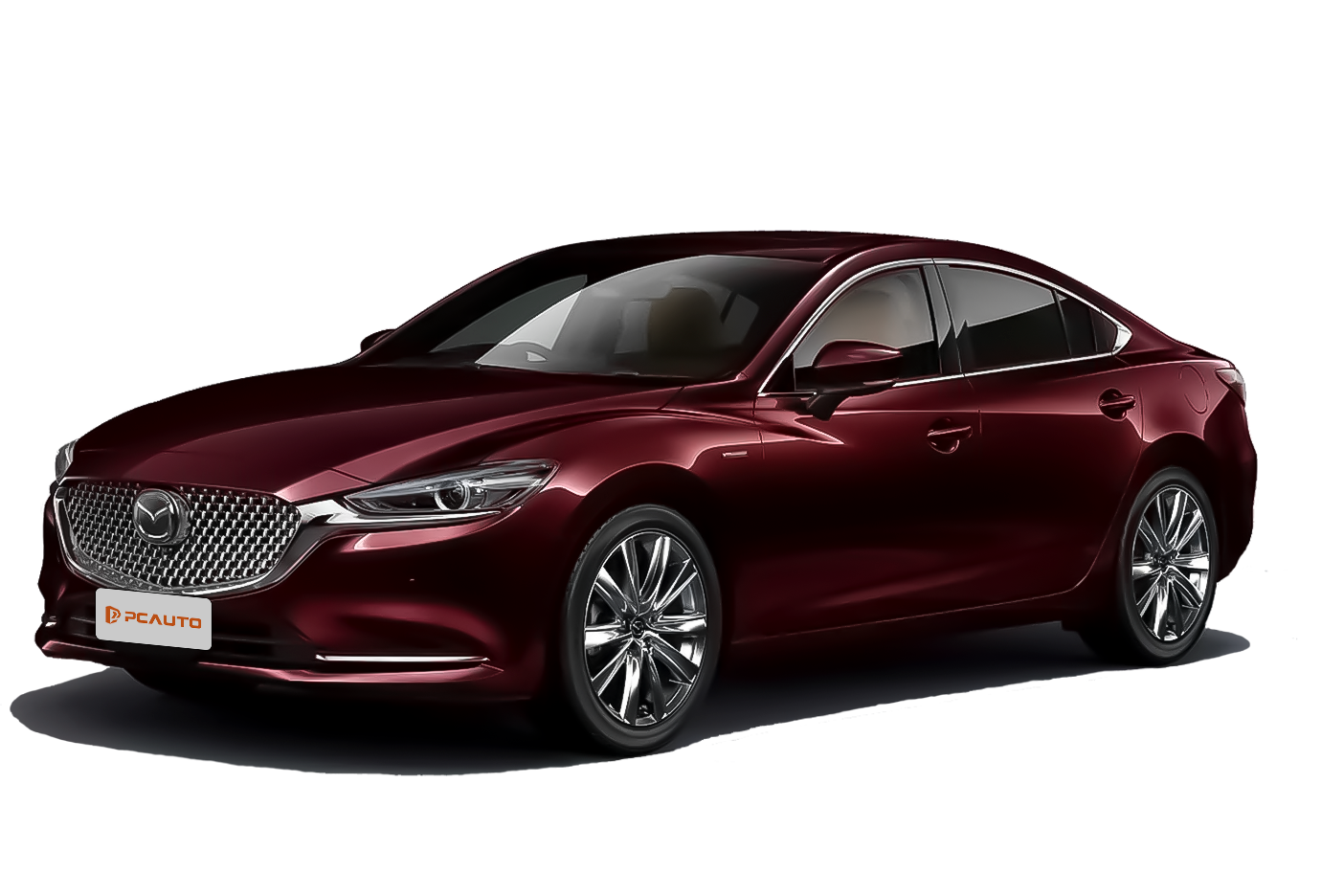
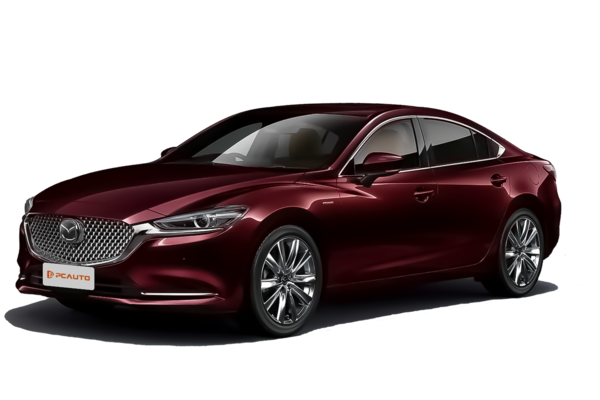
2023 Mazda 6 Sedan 2.0 SkyActiv-G meets the rational needs of family users for joint-venture quality, comfortable configurations, and fuel economy with its KODO design, practical space, and balanced driving control.

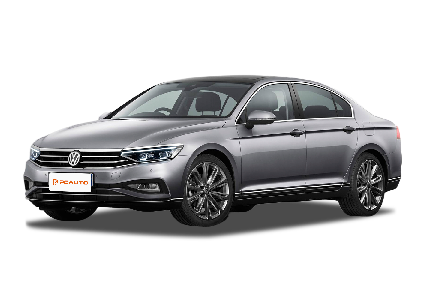
2022 Volkswagen Passat 2.0 TSI R-Line combines business elegance with sporty personality, featuring 220PS power, 14-way massage seats, and Harman Kardon audio system to meet the diverse needs of families and young professionals.
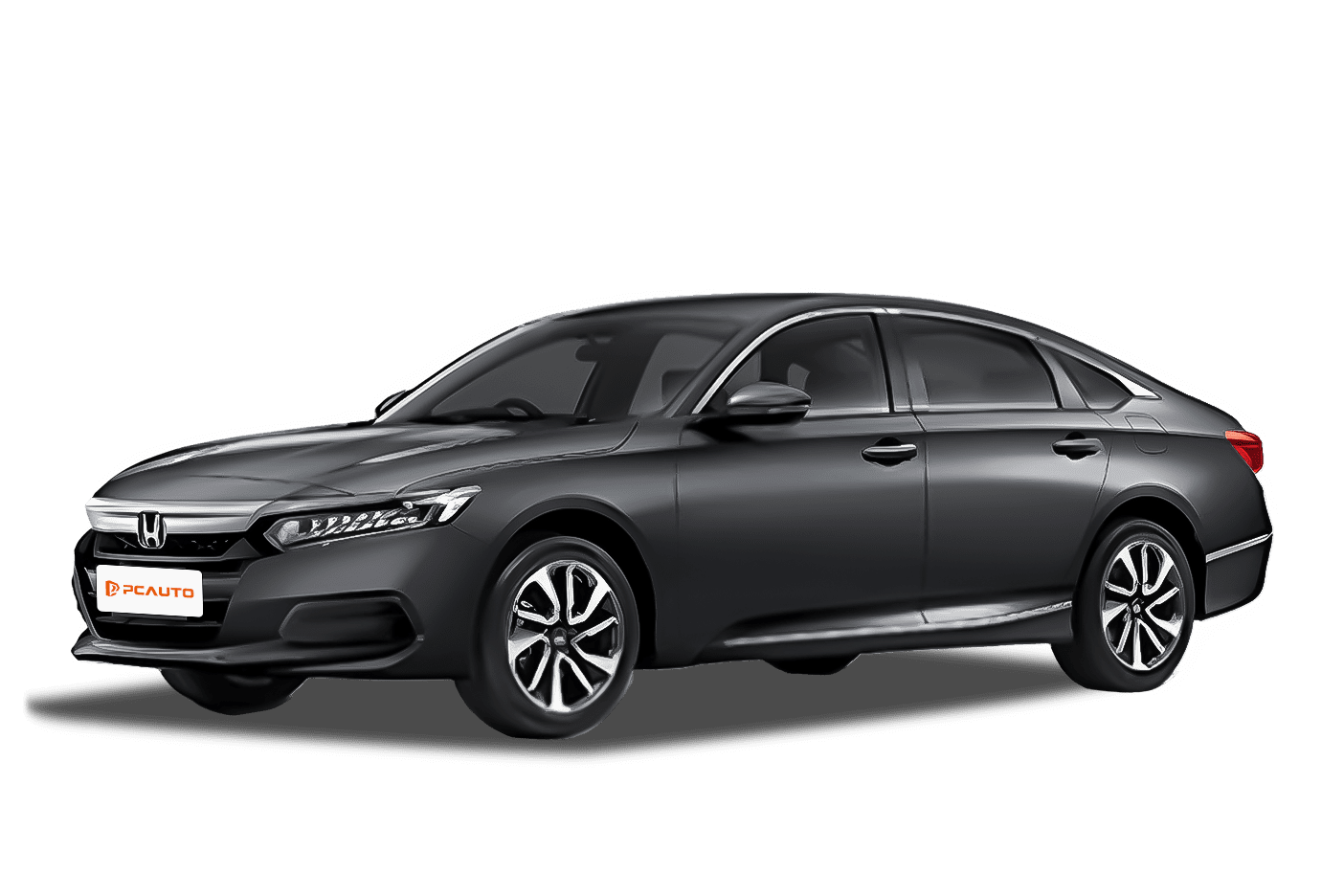
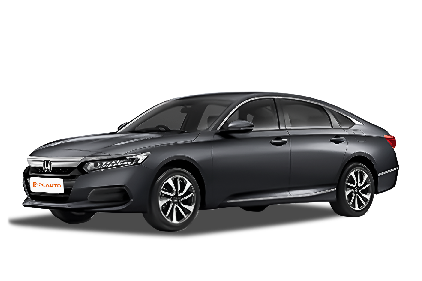
The 2023 Honda Accord 1.5 TC is a D-segment sedan that balances both business and family use, with core selling points of spacious interior, comfortable driving, and efficient performance, making it suitable for practical family users.
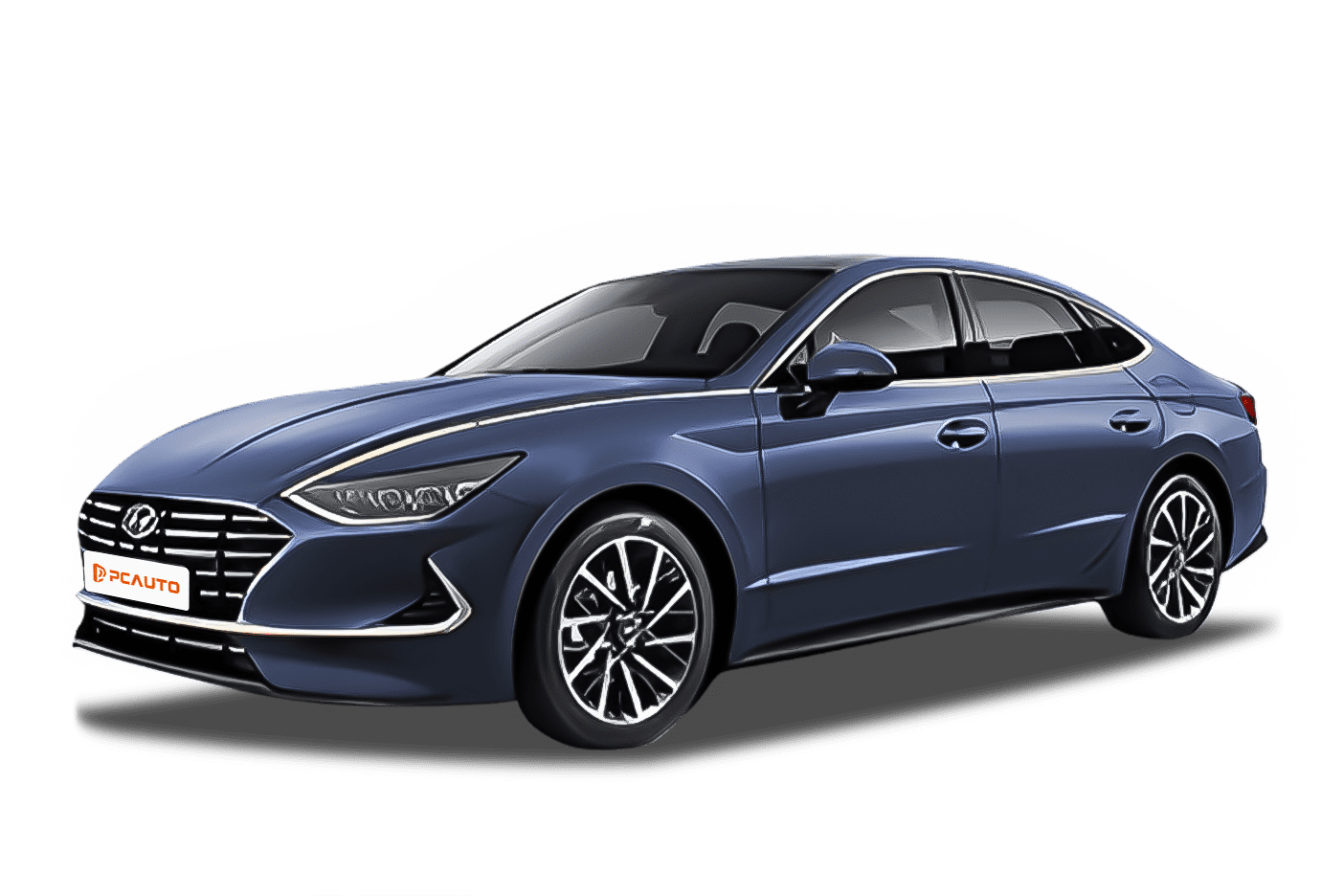
2024 Hyundai Sonata public is positioned as a D-Segment family and business sedan, combining dynamic design, practical configurations, and spacious space, balancing power and fuel consumption, safe and reliable.