

2020 Volkswagen Passat 2.0TSI R-Line Review

 Share
Share
 Segment
 Body Type
 Capacity(L)
 Engine Power(PS)
 Transmission
 Driven Wheels
The D-segment sedan market in recent years has placed more emphasis on "balance" – it needs to display steadiness for business occasions while ensuring comfort for daily commuting, and its features must align with current demands. The 2020 Volkswagen Passat 2.0TSI R-Line hits this point: equipped with a 2.0T turbocharged engine, enhanced by the R-Line sports package, and packed with practical features such as massage seats and a 360-degree camera system. In this test drive, I specifically focused on whether its dynamic performance truly delivers a "balance of sportiness and comfort," as well as whether the features are as practical as advertised.
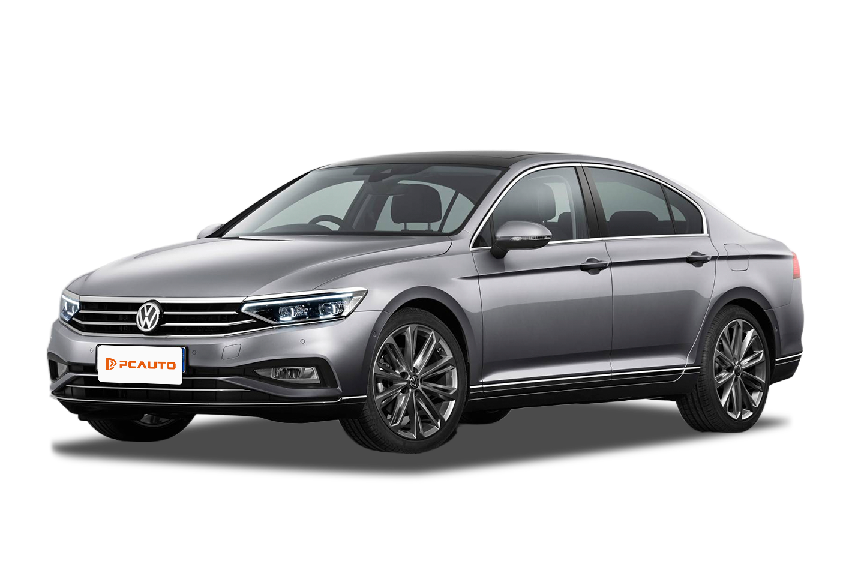
The exterior does not follow an exaggerated route, but the R-Line package makes it more dynamic compared to the standard version. The front end features a black honeycomb grille, complemented by chrome accents and a sporty front lip, giving it a high degree of recognition. The side profile showcases smooth lines, with the 19-inch multi-spoke wheels (fitted with 235/40 R19 tires) as a visual highlight. The rear includes a small spoiler and dual exhaust layout, emphasizing the sporty character. The lighting system is fully LED, including automatic headlights and daytime running lights, with a clean and structured look that aligns with Volkswagen's characteristic steady style.
Sitting inside, the first impression is that the sense of quality is there. The dashboard uses soft-touch materials, while the door panels and seats are covered in leather, which doesn’t feel cheap to the touch. The 11.7-inch fully digital instrument cluster is clear and supports switching between different themes; the 9.2-inch touchscreen center console operates smoothly and supports CarPlay and the Sound Plus feature, with eight speakers providing decent daily audio quality. The most practical configuration is the 12-way power-adjustable front seats, with a massage function for the driver seat that helps alleviate fatigue during long trips. The 3-zone automatic climate control allows front and rear passengers to set different temperatures, and the rear seats also have an independent air vent and a 220V power outlet, ensuring comfort for everyone during family trips.
The interior space lives up to the standards of its D-segment classification. With a wheelbase of 2786mm, there is more than two fistfuls of legroom in the rear after adjusting the front seats, and headroom is sufficient without feeling cramped. The trunk has a capacity of 586 liters, which can easily fit two large suitcases plus some backpacks, and the rear seats can fold down to expand the space. The storage compartments are also thoughtfully designed: the door panels can hold two water bottles, the center console armrest compartment is deep enough, and the front seats feature a wireless charging pad, providing convenient storage for everyday items.
In terms of power, the 2.0T turbocharged engine delivers a maximum output of 190PS and peak torque of 320N·m (official figures), paired with a 7-speed DCT gearbox. It accelerates quickly, with responsive throttle control. In normal mode, it's suitable for daily commuting; switching to sport mode reduces shift delay and makes the throttle more sensitive, delivering a noticeable pushback sensation when accelerating. The official 0-100km/h acceleration is 7.7 seconds, and the real-world experience matches the data closely. The steering wheel is precise with minimal play, and the body roll is well-controlled while cornering, inspiring confidence.
The chassis features a front MacPherson strut and rear multi-link independent suspension, tuned towards comfort while retaining a sporty feel. When going over speed bumps or bumpy roads, the suspension absorbs most of the vibrations without feeling stiff. At high speeds, the vehicle remains stable, with no swaying during lane changes. For fuel consumption, urban traffic conditions yield approximately 8.5L/100km, while highway driving can reduce it to about 6L, which is close to the official combined fuel consumption of 6.3L, making it economical for a 2.0T engine.
The driving assistance configurations are very comprehensive: lane assist, lane departure warning, 360-degree camera, and automatic parking are all standard, which makes daily driving much easier. Noise control is well-executed—wind noise and tire noise within driving speeds of up to 100 km/h are barely noticeable. At highway speeds, tire noise becomes more prominent but does not affect conversation. The seat comfort is excellent, especially with the massage function on the driver's seat, making long drives less tiring.
Overall, the key advantage of the 2020 Passat R-Line is that it has “no obvious shortcomings”: sufficient power, rich configurations, spacious interior, and good comfort. At the same time, the R-Line package brings a good sense of sportiness. Compared to the Toyota Camry and Honda Accord in the same class, it offers more features (such as massage seats and 3-zone climate control), stronger power, and a price of RM204,433, which is considered mid-range for the D-segment cars, making it highly cost-effective.
This car is suitable for two types of people: one is middle-aged users who need to balance business and family needs. Its stable exterior design and comfortable configurations meet business demands, while its spacious interior and low fuel consumption are well-suited for family commuting. The second group is younger drivers who enjoy sporty vehicles but do not want to compromise on comfort. The R-Line sports package and powerful performance satisfy driving desires, while the massage seats and quiet cabin ensure everyday driving is not exhausting.
In summary, the 2020 Volkswagen Passat 2.0TSI R-Line is a “well-rounded” D-segment car. While it doesn’t have any exceptionally stunning highlights, every aspect is solid, making it an ideal choice for consumers who value balance. If you're looking for a sedan with adequate power, rich features, and a comfortable and spacious interior, it’s worth considering.
Volkswagen Passat Car Compare
Volkswagen Passat Loan Calculator
More Volkswagen Reviews
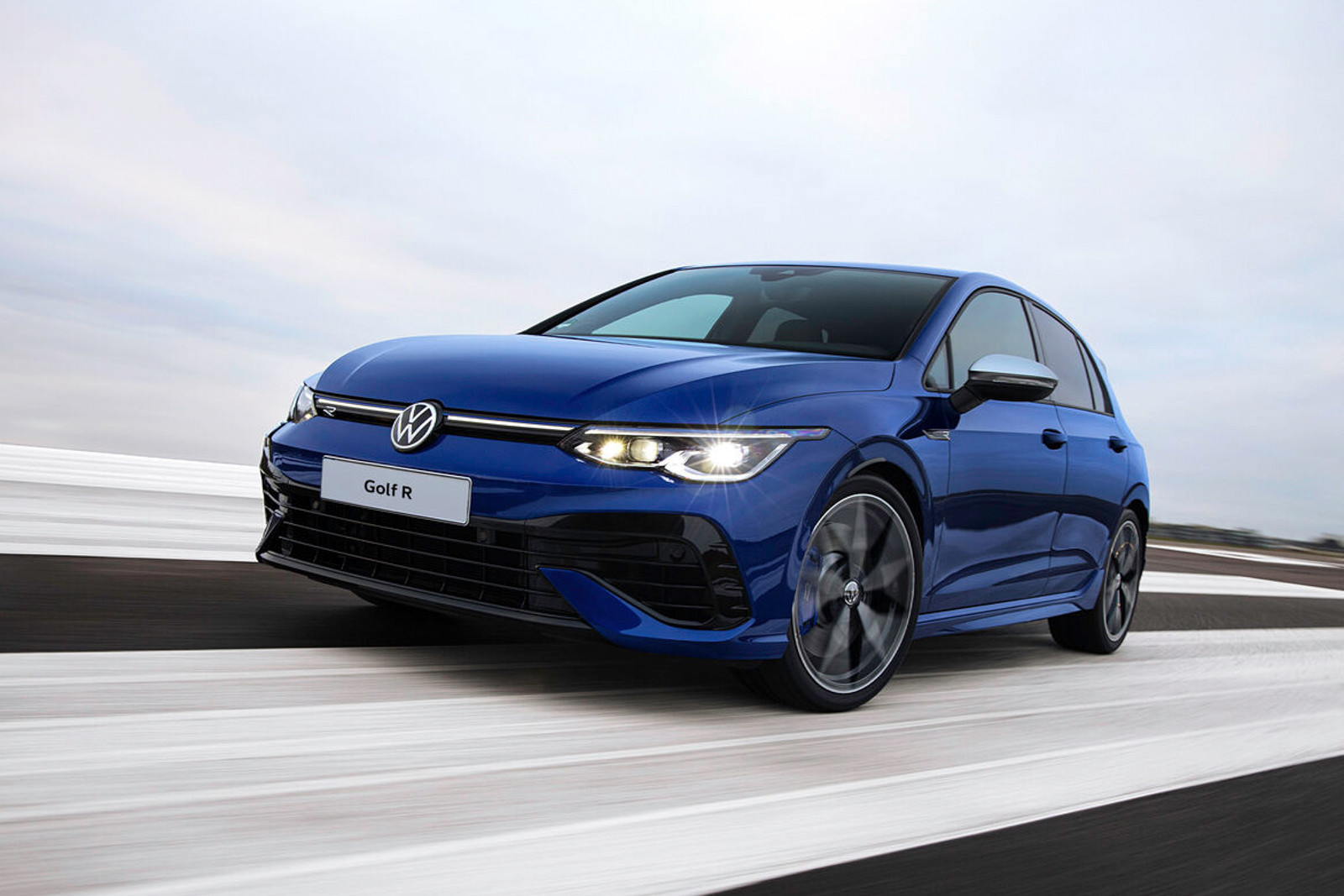
Cars With Similar Price And Features
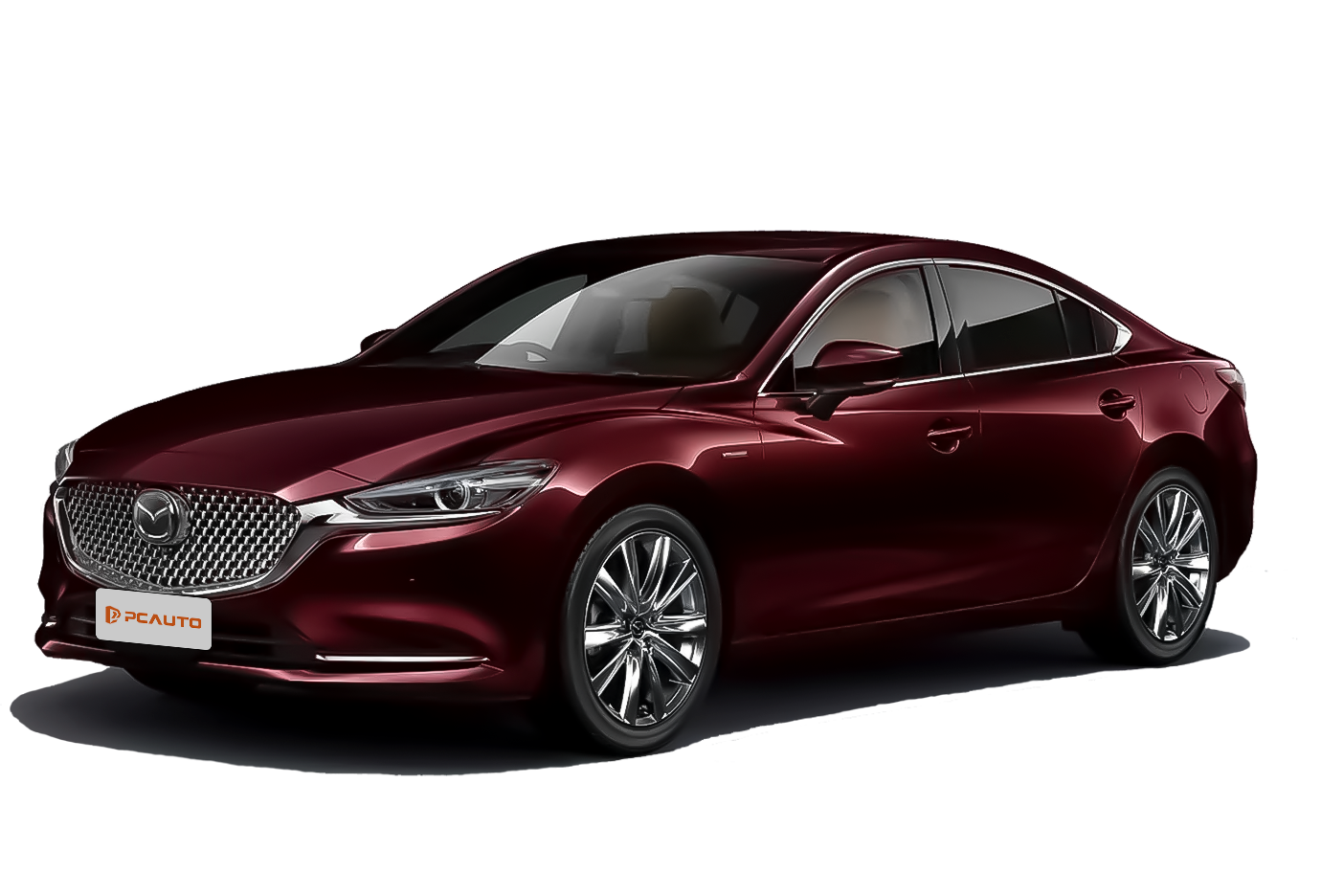
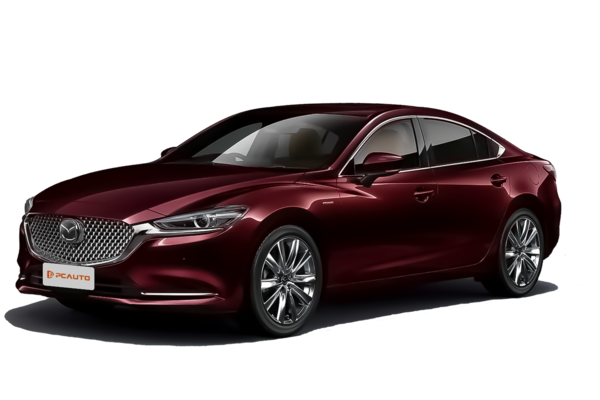
2023 Mazda 6 Sedan 2.0 SkyActiv-G meets the rational needs of family users for joint-venture quality, comfortable configurations, and fuel economy with its KODO design, practical space, and balanced driving control.
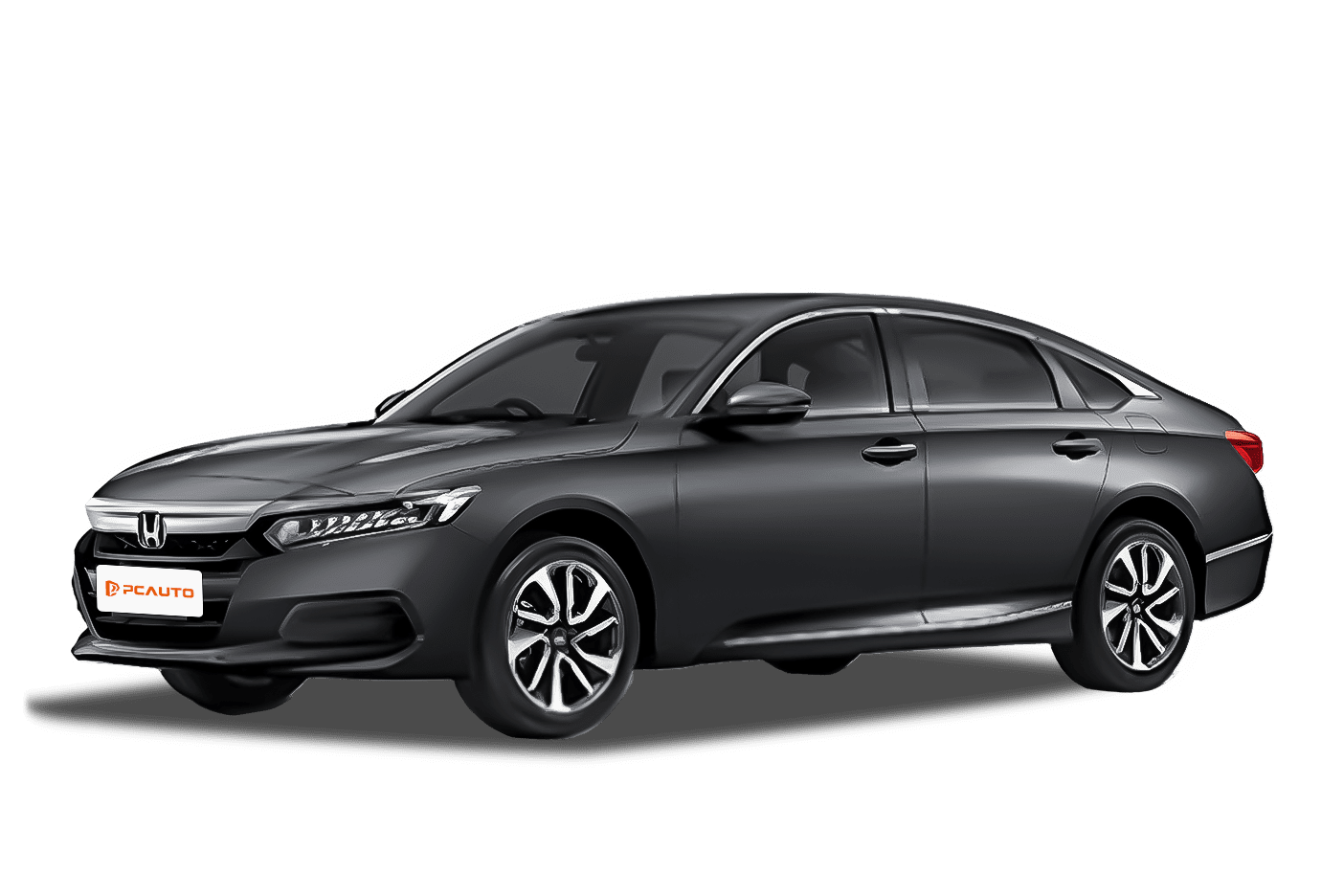
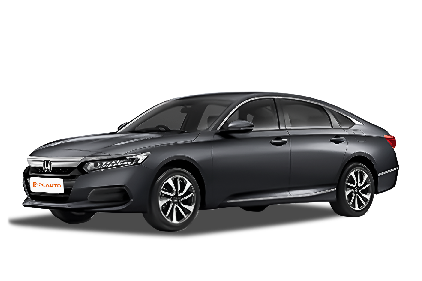
The 2023 Honda Accord 1.5 TC is a D-segment sedan that balances both business and family use, with core selling points of spacious interior, comfortable driving, and efficient performance, making it suitable for practical family users.
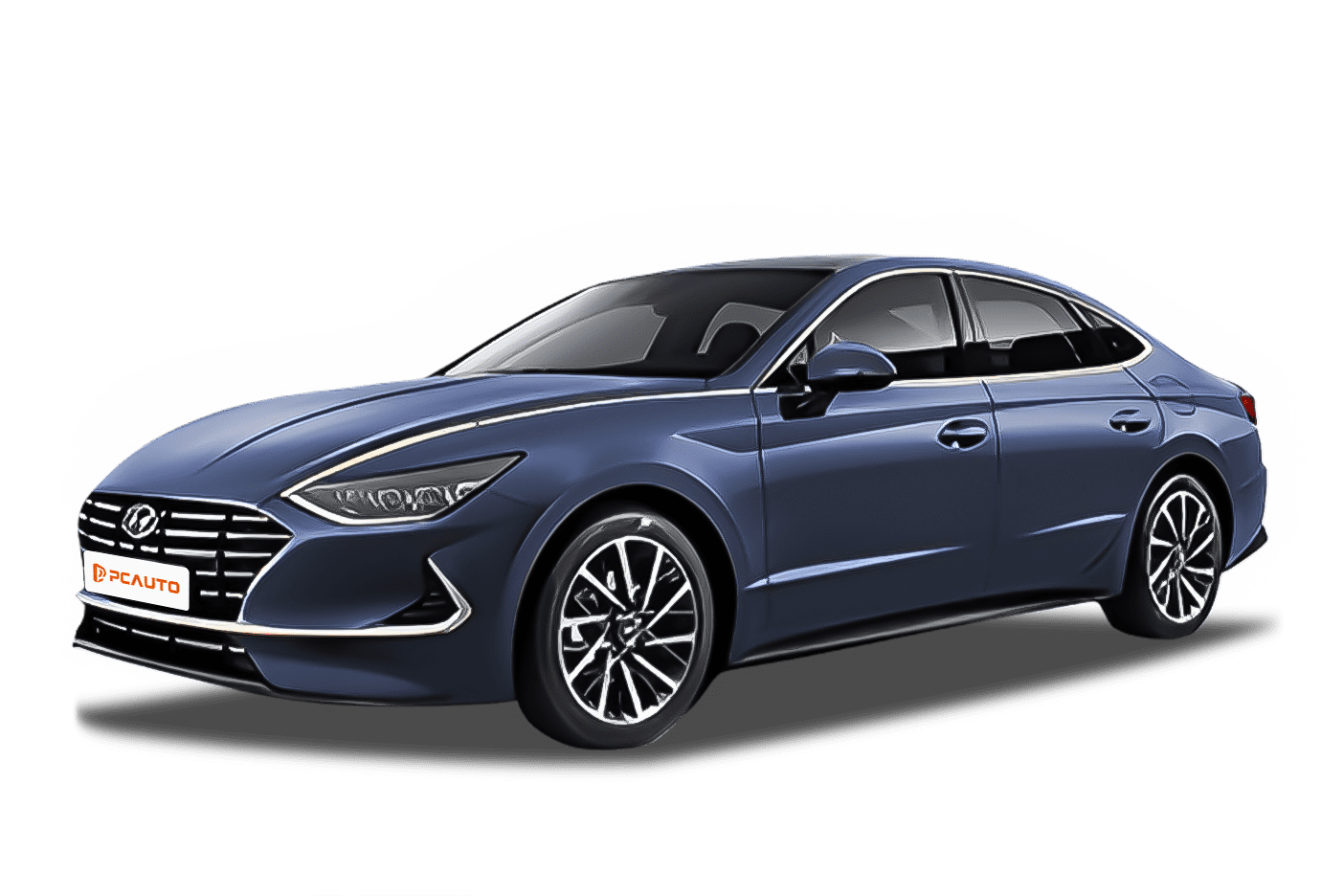
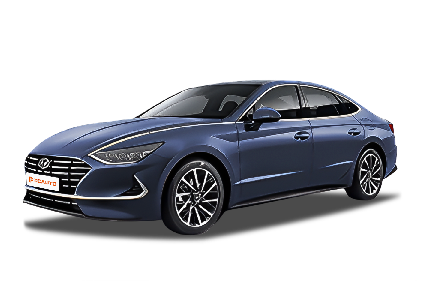
2024 Hyundai Sonata public is positioned as a D-Segment family and business sedan, combining dynamic design, practical configurations, and spacious space, balancing power and fuel consumption, safe and reliable.
23
Rank in Sedan
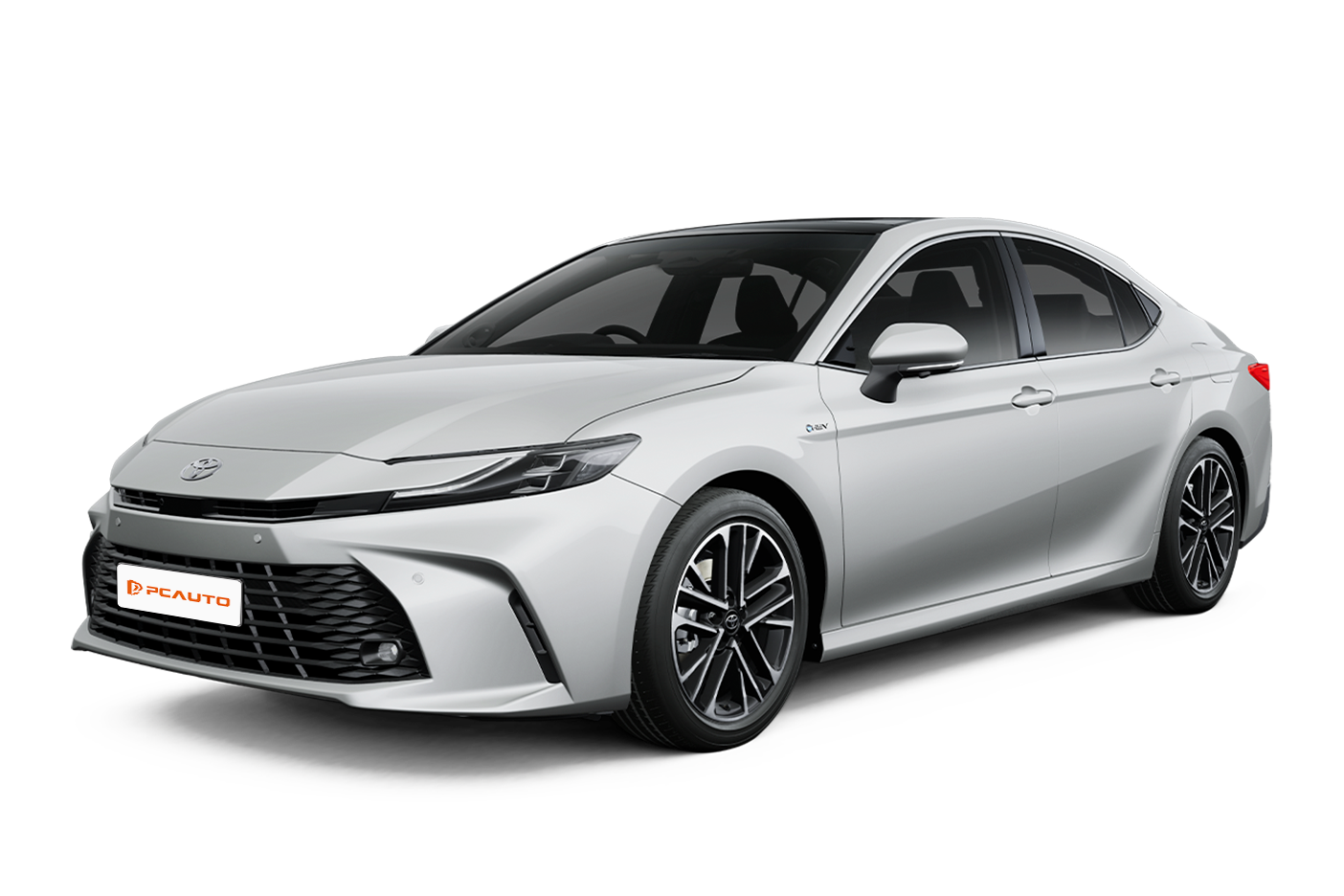
2025 Toyota Camry 2.5 V features an extended body, upgraded large-screen interior to enhance household comfort, 2.5L+8AT smooth power with more comprehensive intelligent driving, precisely meeting the reliable household needs of the D-segment.