

2021 Audi A3 Sedan public Review

 Share
Share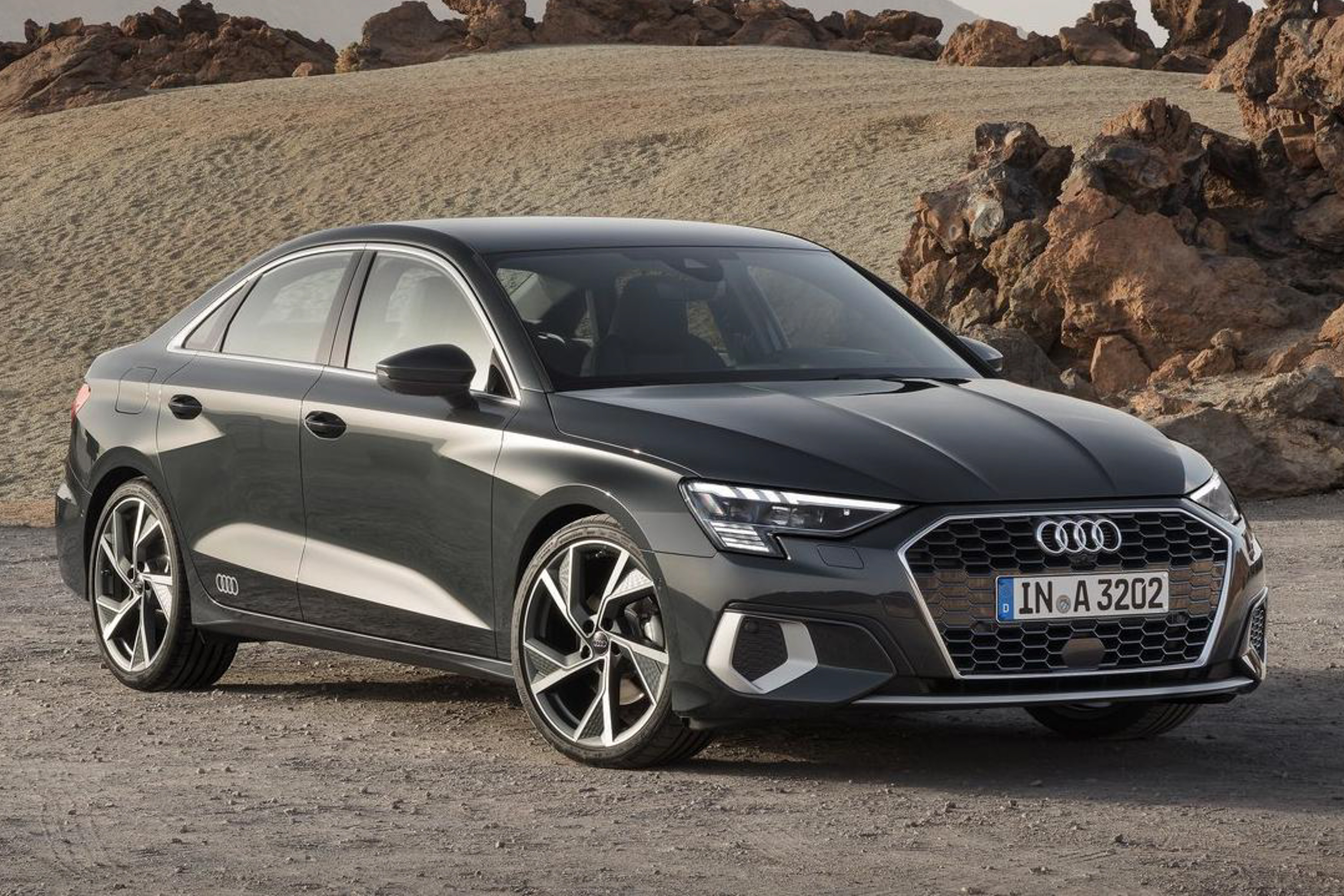
 Body Type
 Segment
 Capacity(L)
 Engine Power(PS)
 Engine Torque(Nm)
 Transmission
The compact luxury sedan market has always been fiercely competitive locally. Consumers not only demand brand prestige but also value a balance between features and driving comfort. As a popular contender in this segment, the 2021 Audi A3 Sedan public has attracted considerable attention from young families and professionals since its launch, thanks to its younger design language, upgraded tech features, and solid German handling. This time, we got a test drive of the car, focusing on evaluating its performance in daily commutes and weekend short trips to see if it stands firm among its peers in the same class.
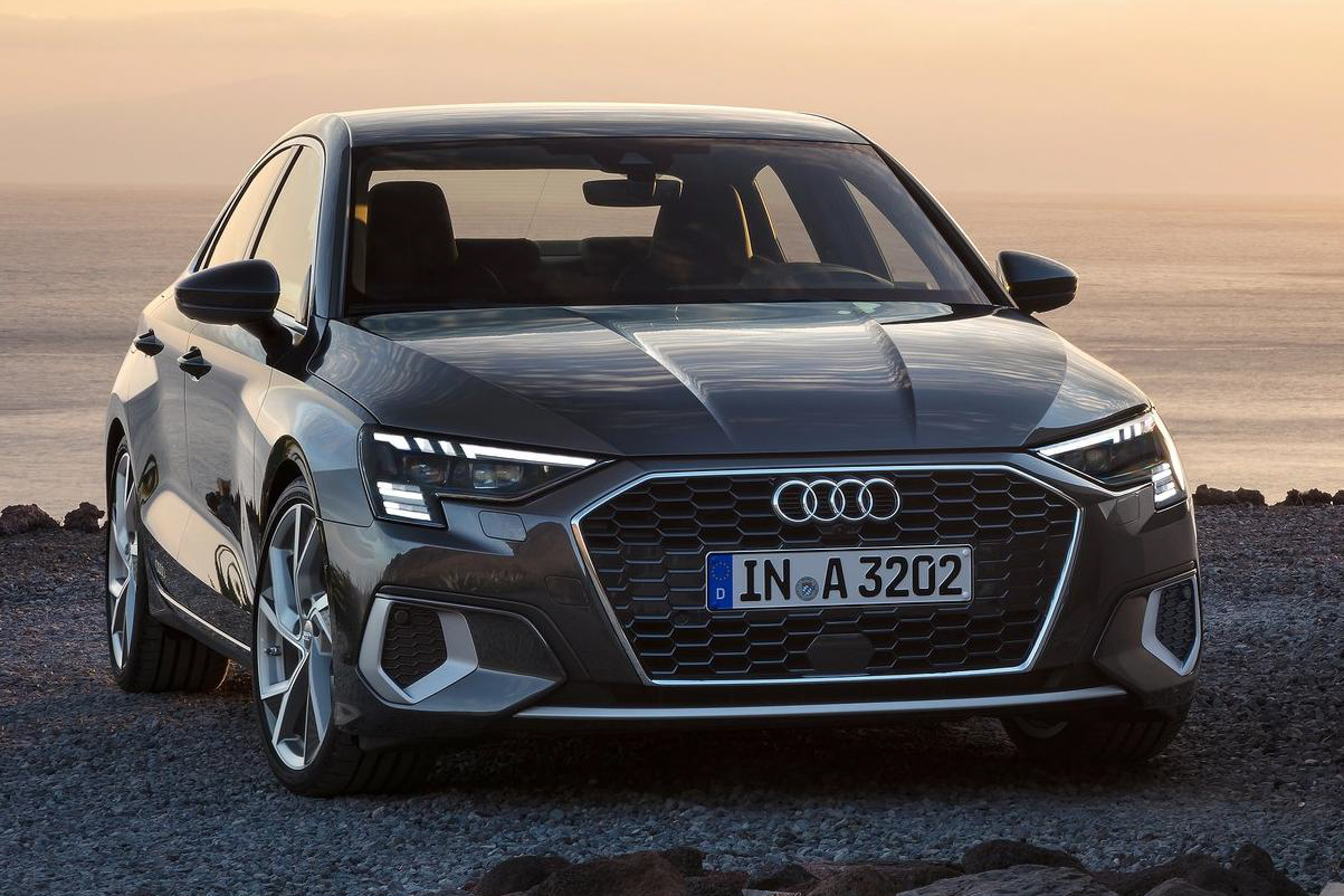
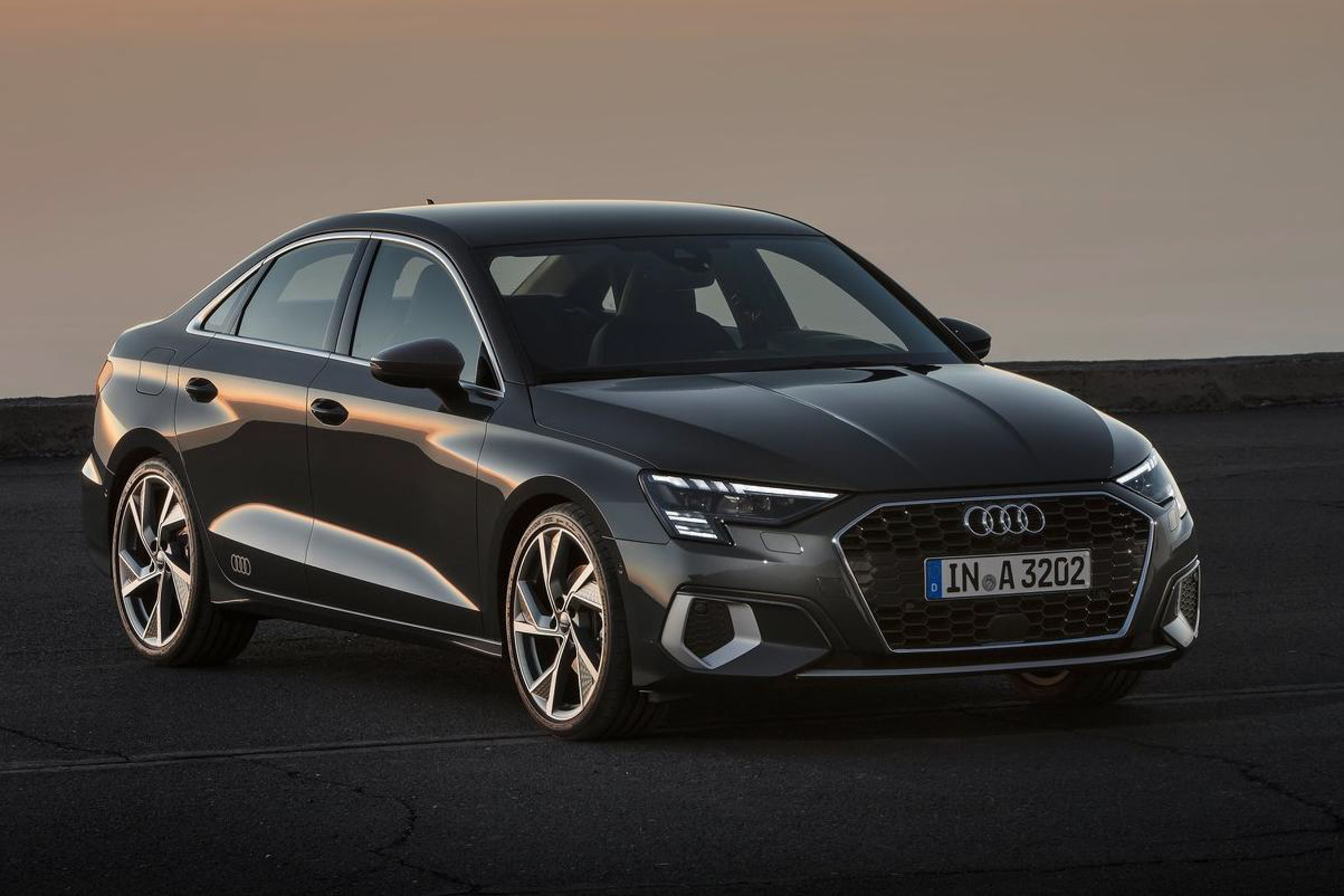
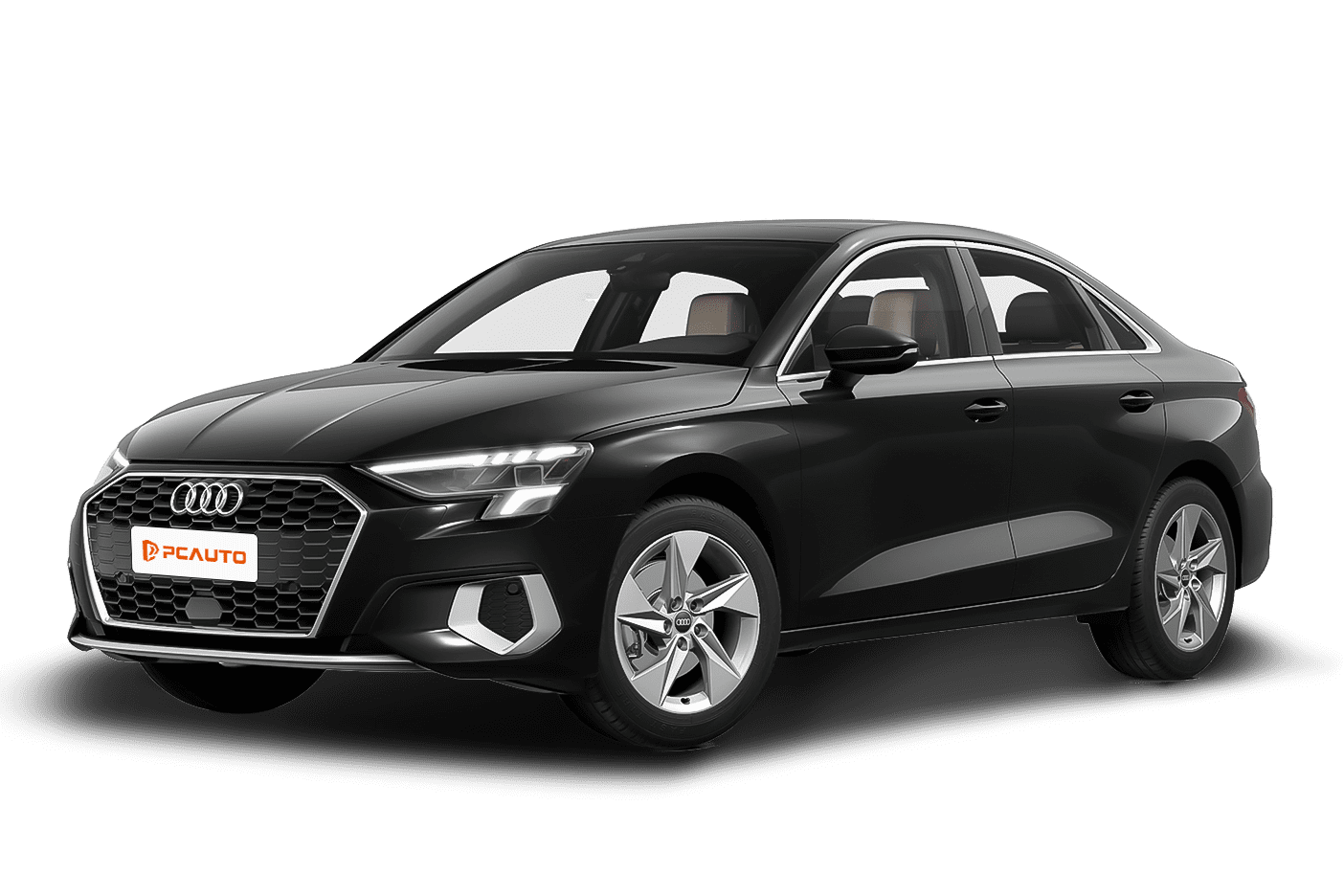
From the exterior, the 2021 Audi A3 Sedan public continues Audi's latest family design language, with sharper overall lines compared to the previous generation. The front features a large hexagonal single-frame grille with an internal black honeycomb structure, flanked by flat-shaped LED headlight clusters on both sides, offering high recognition. The hood's muscular lines extend from the A-pillar to the grille, enhancing the sense of strength at the car's front. The side of the car maintains the classic sedan fastback silhouette, with the waistline running from the front fender to the taillights, paired with 18-inch multi-spoke alloy wheels for a proportionate side profile. At the rear, the blackened LED taillight cluster adopts a through-line design, connected in the middle by a chrome strip. Below, there are hidden twin exhaust outlets, keeping the overall look clean yet sporty. As for the lighting system, the headlights support automatic on/off and adaptive high/low beam functions, providing clear illumination at night, while the dynamic turn signal strip in the taillights enhances nighttime recognition.
Stepping inside, the interior's sense of technology has significantly improved compared to the previous model. The dashboard adopts an asymmetrical design tilted towards the driver for easier operation. The entire dashboard is covered in soft-touch materials, paired with silver trims and piano black panels, offering an above-average texture among cars in the same class. The 10.1-inch floating central screen is the visual focus, integrated with the Audi MMI system, and supports CarPlay/Android Auto connectivity, voice control, and real-time navigation. The touchscreen is responsive, and the menu logic is clear. The instrument cluster is a 12.3-inch fully digital display, which can switch between multiple display modes such as classic and sport. It provides practical information like speed, RPM, and navigation. The seats are made of a combination of leather and fabric materials, with the front seats supporting electric adjustments and lumbar support. The backrest side bolsters provide good support, ensuring comfort for long periods of seating.
As for space performance, the vehicle dimensions are 4500mm×1820mm×1430mm, with a wheelbase of 2630mm, meeting mainstream levels for compact sedans. After adjusting the front seats to a comfortable position, a passenger standing 175cm tall has a headroom of approximately a fist and two fingers. The rear space is average, with legroom for a similarly tall passenger measuring about a fist and three fingers and headroom of approximately one fist, suitable for everyday family use without issues. As for storage space, the front central armrest container is moderately sized, accommodating small items like phones and wallets. The door panel storage pockets can hold two bottles of water. The trunk has a standard capacity of 425L, which can expand to about 1200L when the rear seats are folded down, sufficient for large luggage or strollers. The rear seat area is also equipped with air conditioning vents and USB charging ports, showcasing well-thought-out details.
The powertrain of the test model is equipped with a 1.4T turbocharged engine, delivering a maximum output of 150PS and a peak torque of 250N·m. It is paired with a 7-speed dual-clutch transmission. The power output is smooth, and the throttle response is direct during acceleration, with no noticeable lag. Acceleration below a speed of 60km/h is brisk, making it suitable for urban commuting. At speeds of 80-120km/h, a deep press on the accelerator reveals ample power reserves, providing confidence during overtaking. The transmission has a clear shifting logic with proactive upshifts. During daily driving, gear changes are barely noticeable, and when switched to sport mode, the shift timing is delayed, delivering a more aggressive power response.
The handling and chassis performance embody the typical characteristics of German cars. The steering wheel is precise, with minimal slack. It feels light during low-speed maneuvers and progressively heavier at high speeds, offering good driving stability. The suspension system employs a front MacPherson independent suspension and a rear multi-link independent suspension, tuned for a sporty yet comfortable ride. When passing speed bumps or uneven roads, the suspension quickly absorbs most vibrations, and the body remains well-controlled without unnecessary displacements. During cornering, the suspension effectively suppresses body roll, providing sufficient support and decent driving pleasure. Braking performance is stable, with a moderate pedal stroke. Initial pedal application generates noticeable braking force, and during emergency braking, the car maintains its posture well, without excessive nose-diving.
During the fuel consumption test, we selected a 50-50 mix of urban and highway conditions, running the air conditioning throughout the journey. The comprehensive average fuel consumption of the car was 6.2L per 100 kilometers, which is close to the official figure of 5.8L, reflecting an excellent level of fuel efficiency among its peers. Regarding noise control, at speeds below 60km/h, cabin noise is minimal and mainly originates from tire noise. At speeds above 80km/h, wind noise becomes increasingly apparent but does not interfere with normal conversations. The seats provide good support and wrap-around comfort, ensuring fatigue-free long-term sitting.
Overall, the core advantages of the 2021 Audi A3 Sedan public lie in its youthful design, abundant technology configurations, and balanced power and handling performance. Compared to competitors in the same class, such as the BMW 1 Series and Mercedes-Benz A-Class, it offers a broader range of features and has a more competitive price, making it stand out in terms of value for money. In terms of practical performance, it suits young families who prioritize a sense of technology and driving quality, meeting the needs of daily commuting and short weekend trips. For consumers who pursue brand appeal and value balanced performance, this car is worth considering.
Audi A3 Sedan Car Compare
Cars With Similar Price And Features
5
Rank in Sedan
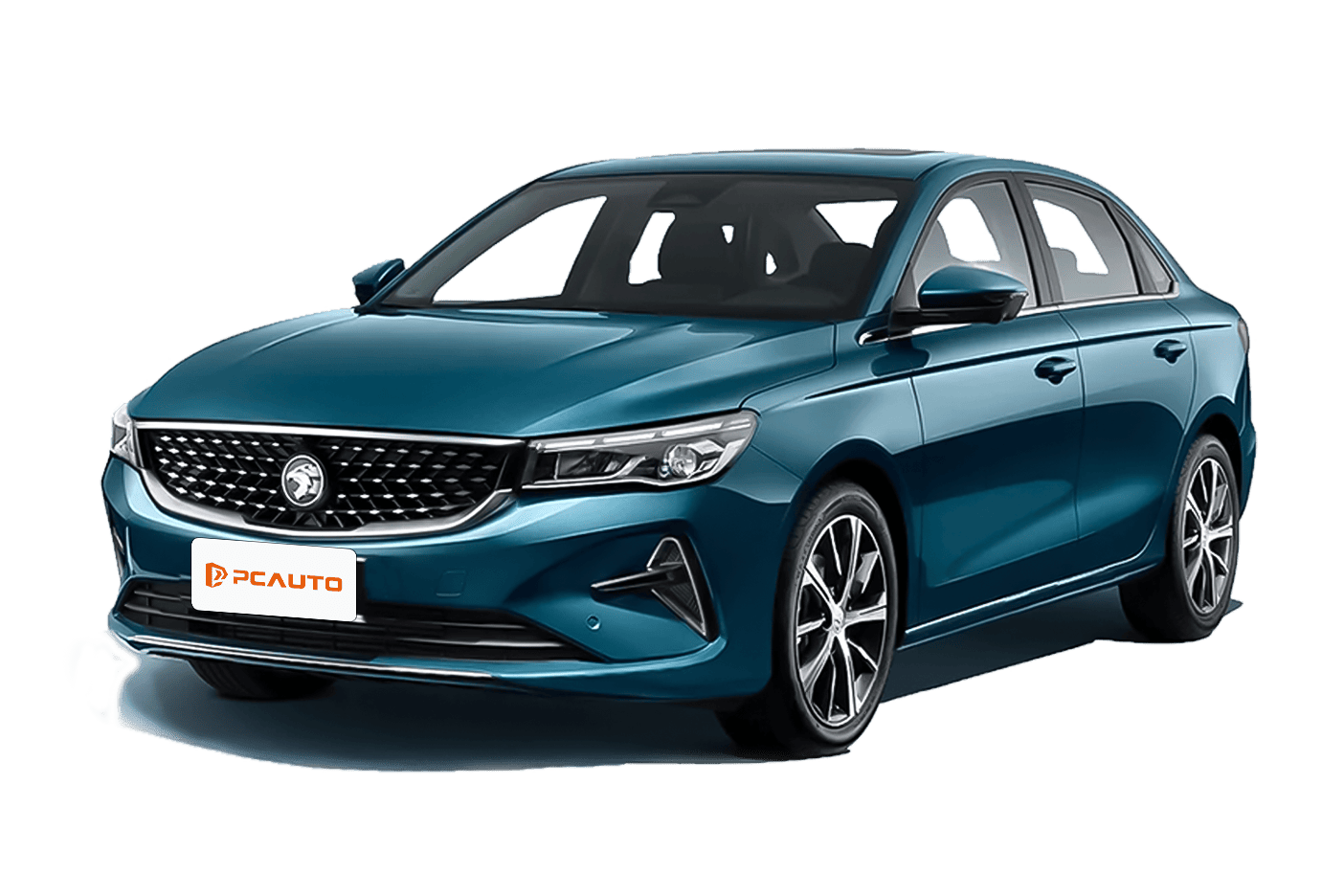
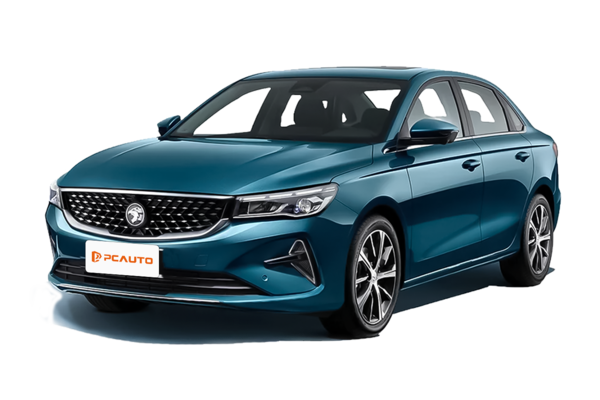
2024 Proton S70 1.5T Executive is an affordable entry-level family C-segment sedan with practical space and lively performance, balancing elegant design with basic safety features.
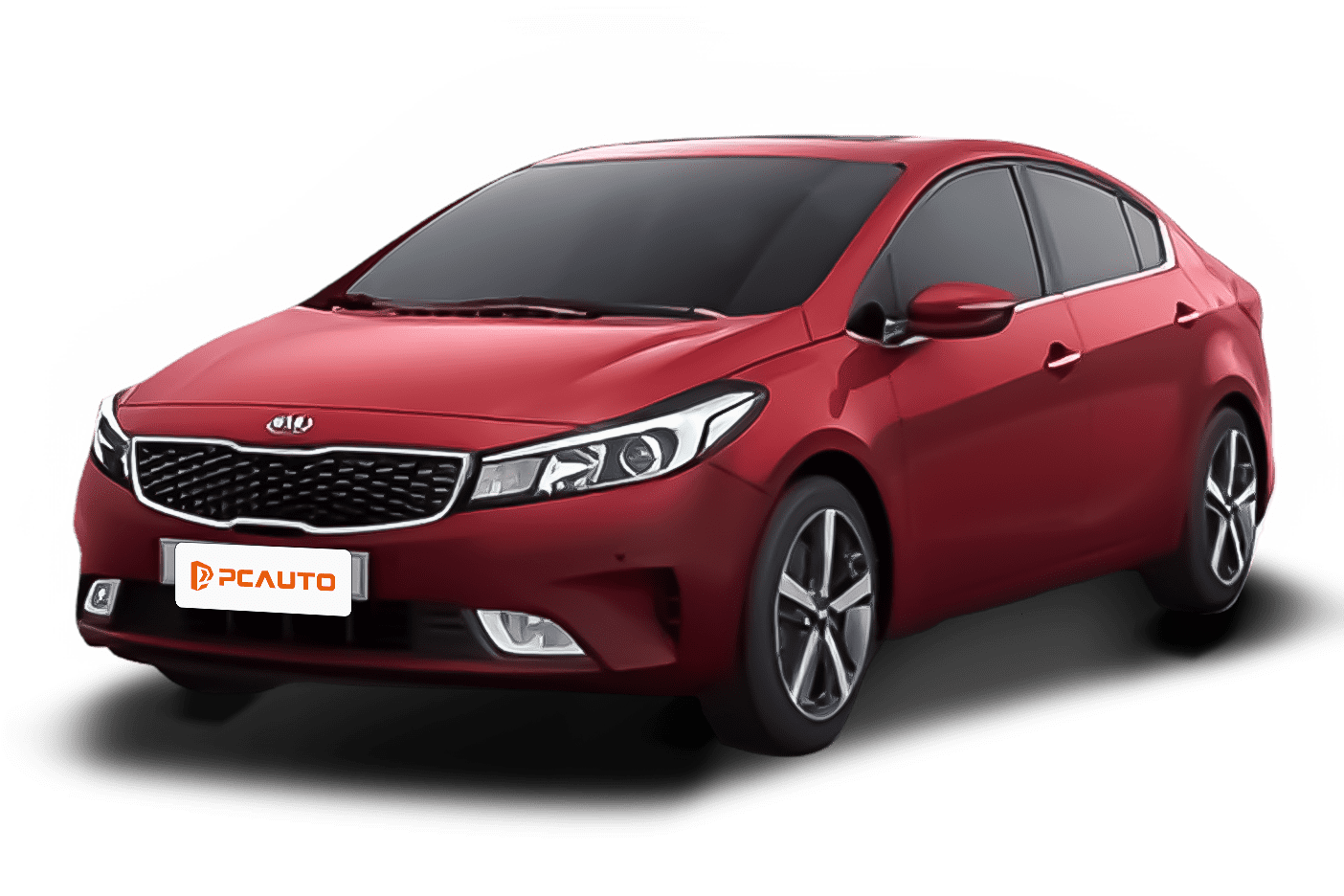
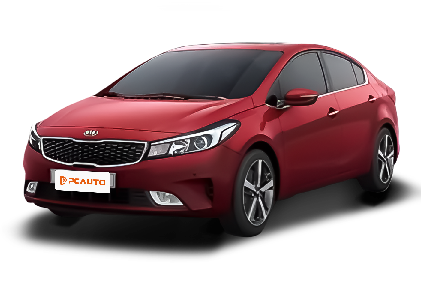
2020 Kia Cerato 1.6 SX is a high-value family sedan that retains core features at a lower price, offering practical space, reliable safety, and balancing the needs of commuting and family travel.
7
Rank in Sedan
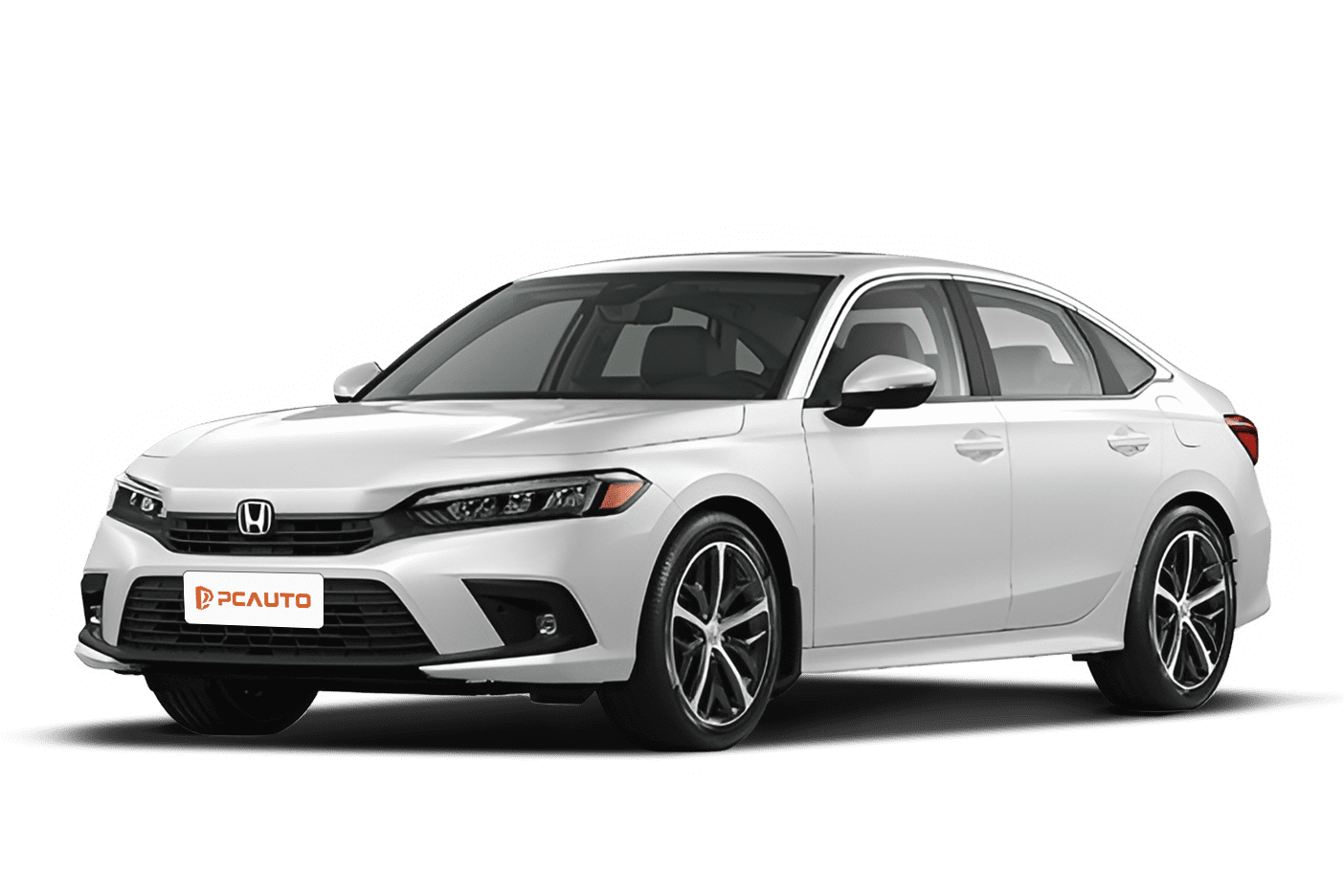
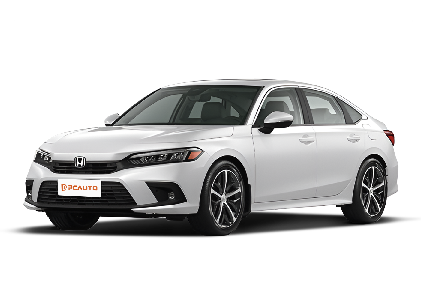
2025 Honda Civic 1.5L E is an entry-level family sedan that combines 1.5T power, a full set of active safety features, and practical space, suitable for city commuting and family outings.
14
Rank in Sedan
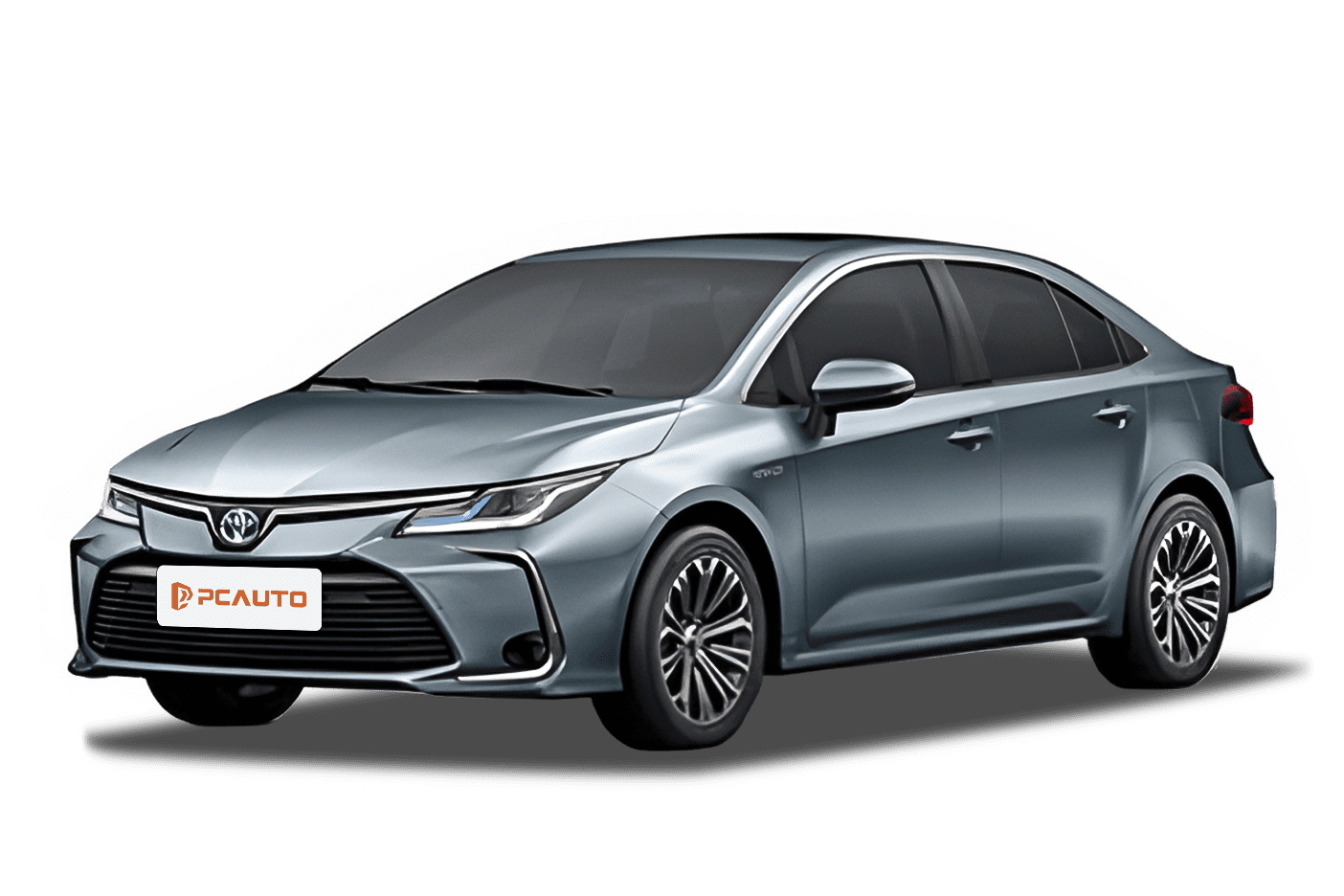
2025 Toyota Corolla GR Sport features a sporty design, upgraded intelligent configurations, and high cost performance, balancing practicality for family use and driving pleasure, making it an ideal choice for young families.