

Proton S70 Review

 Share
Share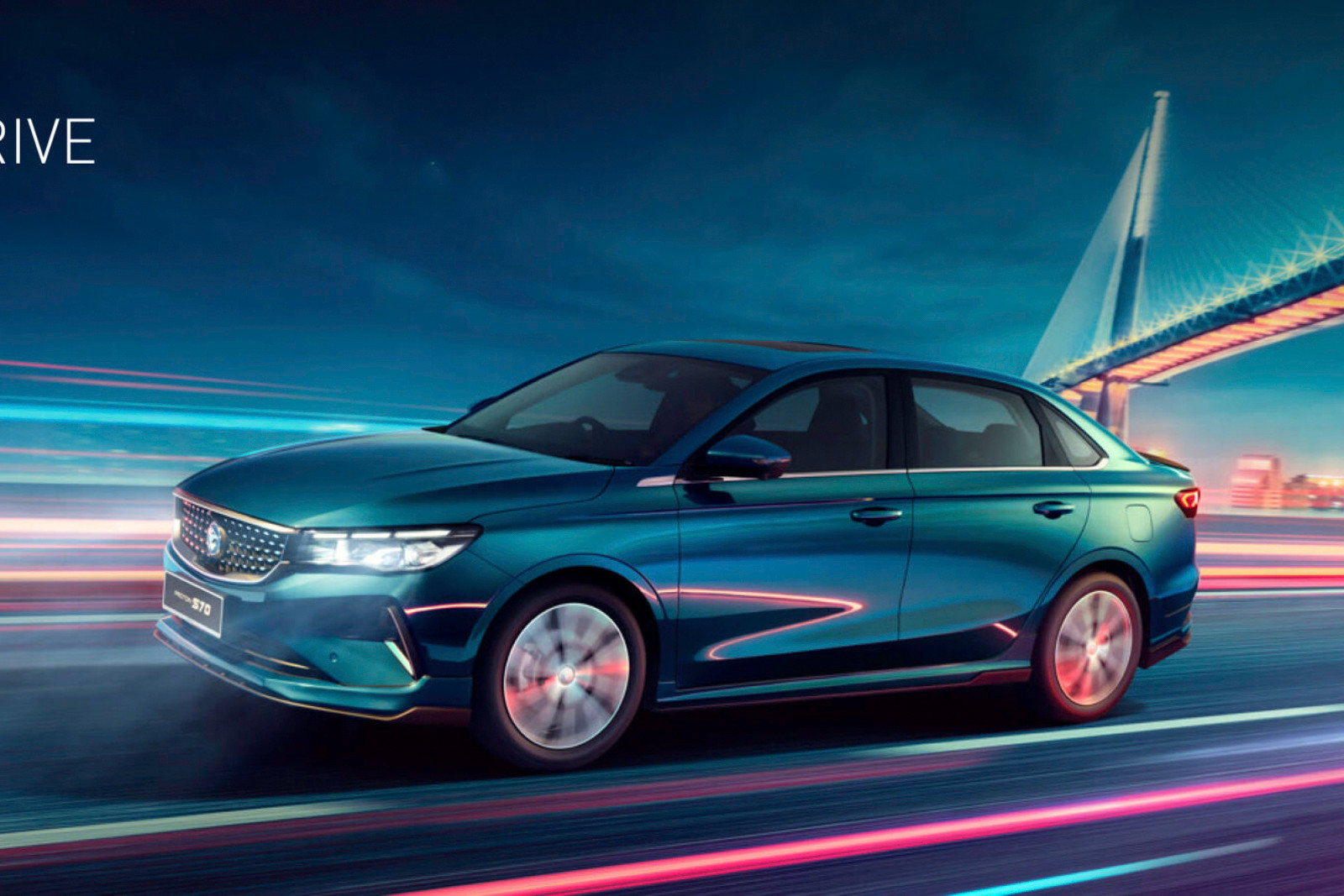

 Segment
 Body Type
 Capacity(L)
 Engine Power(PS)
 Engine Torque(Nm)
 Transmission
In the C-segment sedan market, many family users are looking for an option that is "decent, practical, and affordable"—it should have the stability of a sedan and enough space for the daily commuting of a family of five. The S70 launched by Proton last year aims to meet this demand, and the 1.5T Executive version, as the entry-level model, is priced at only RM 73,800, yet it comes equipped with a 150PS turbocharged engine and 6 airbags, making it look quite competitive in terms of value for money. This time we got the actual vehicle to see if it, as an entry-level model, can uphold the basics of a C-segment sedan and whether it's adequate for daily driving.
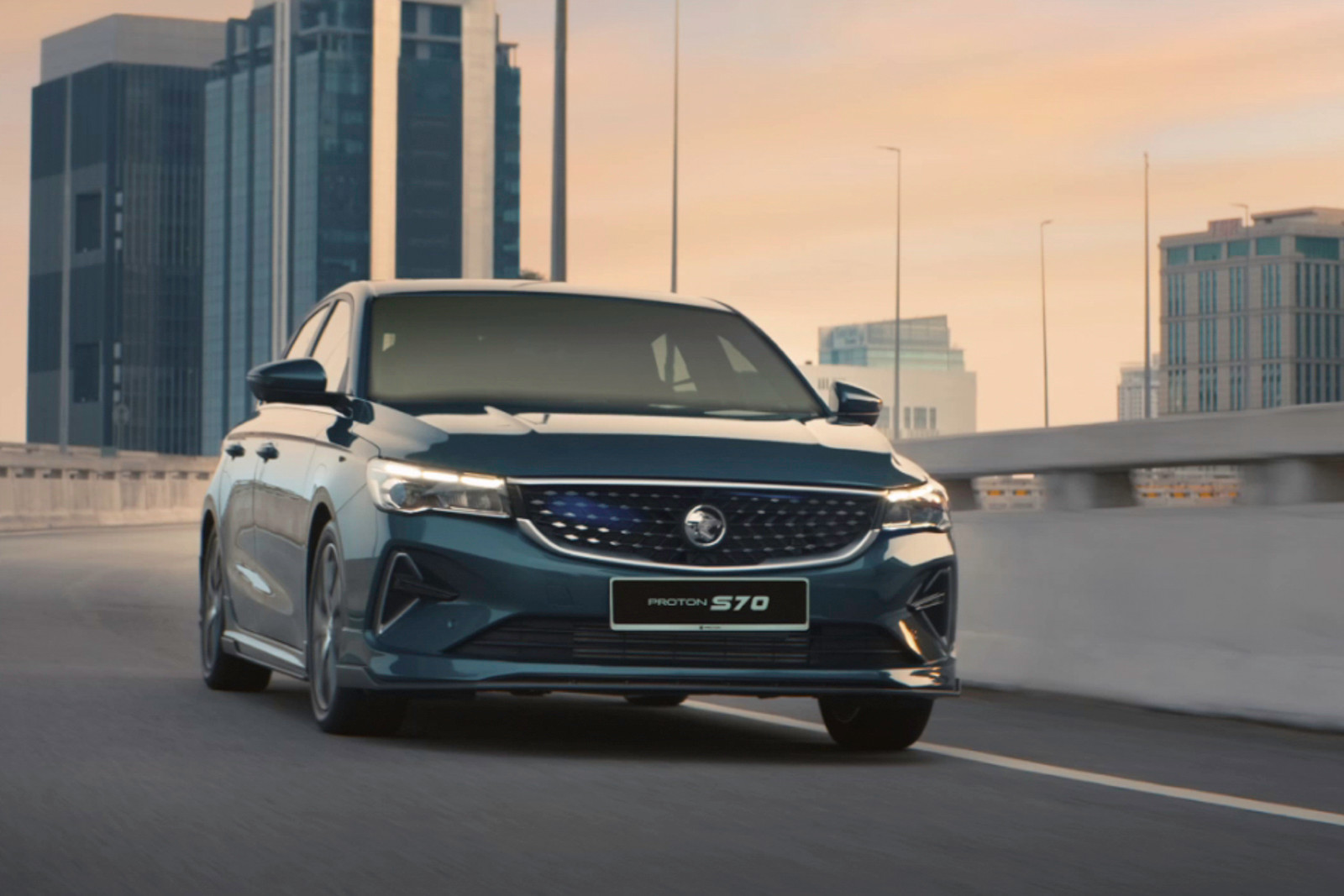
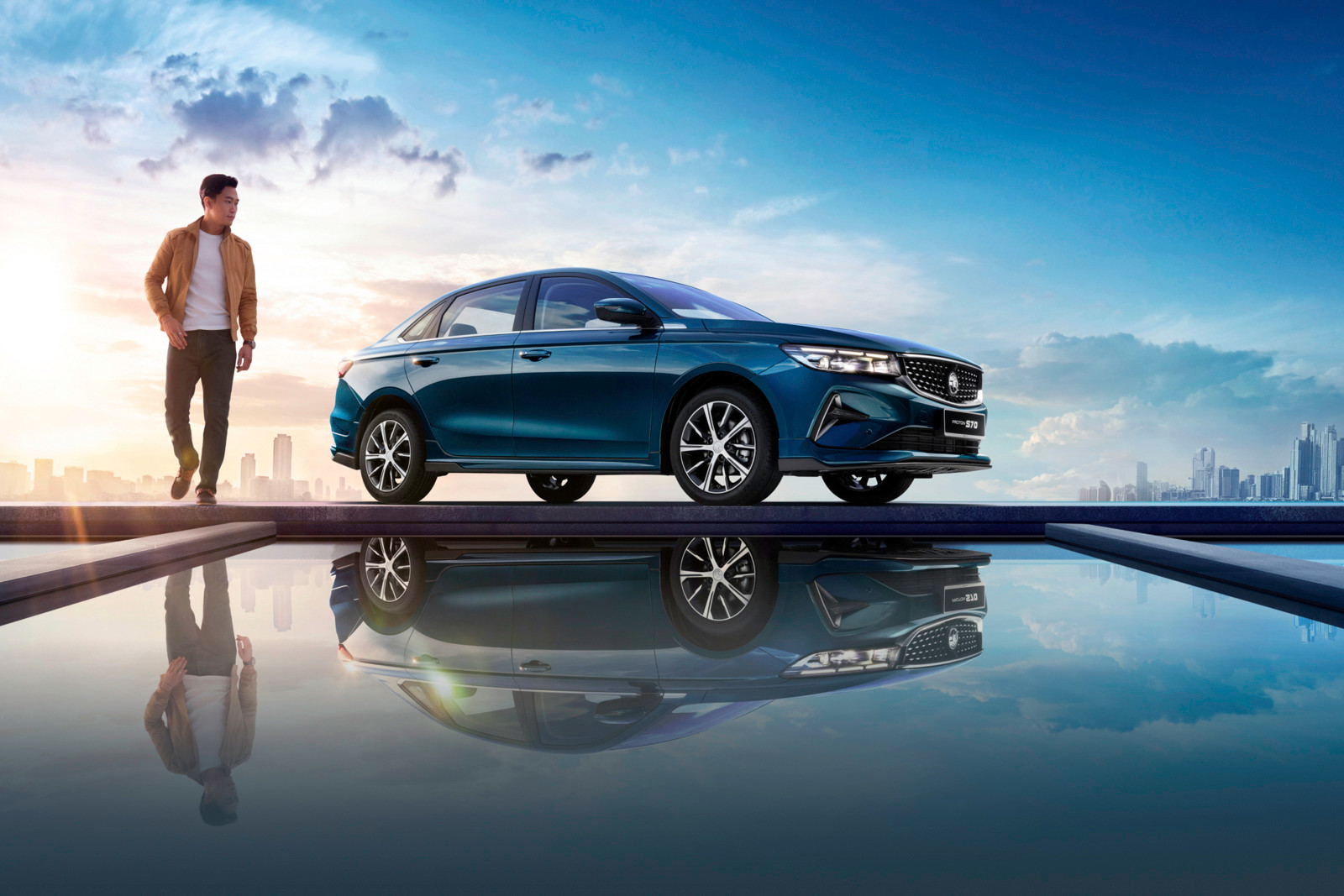
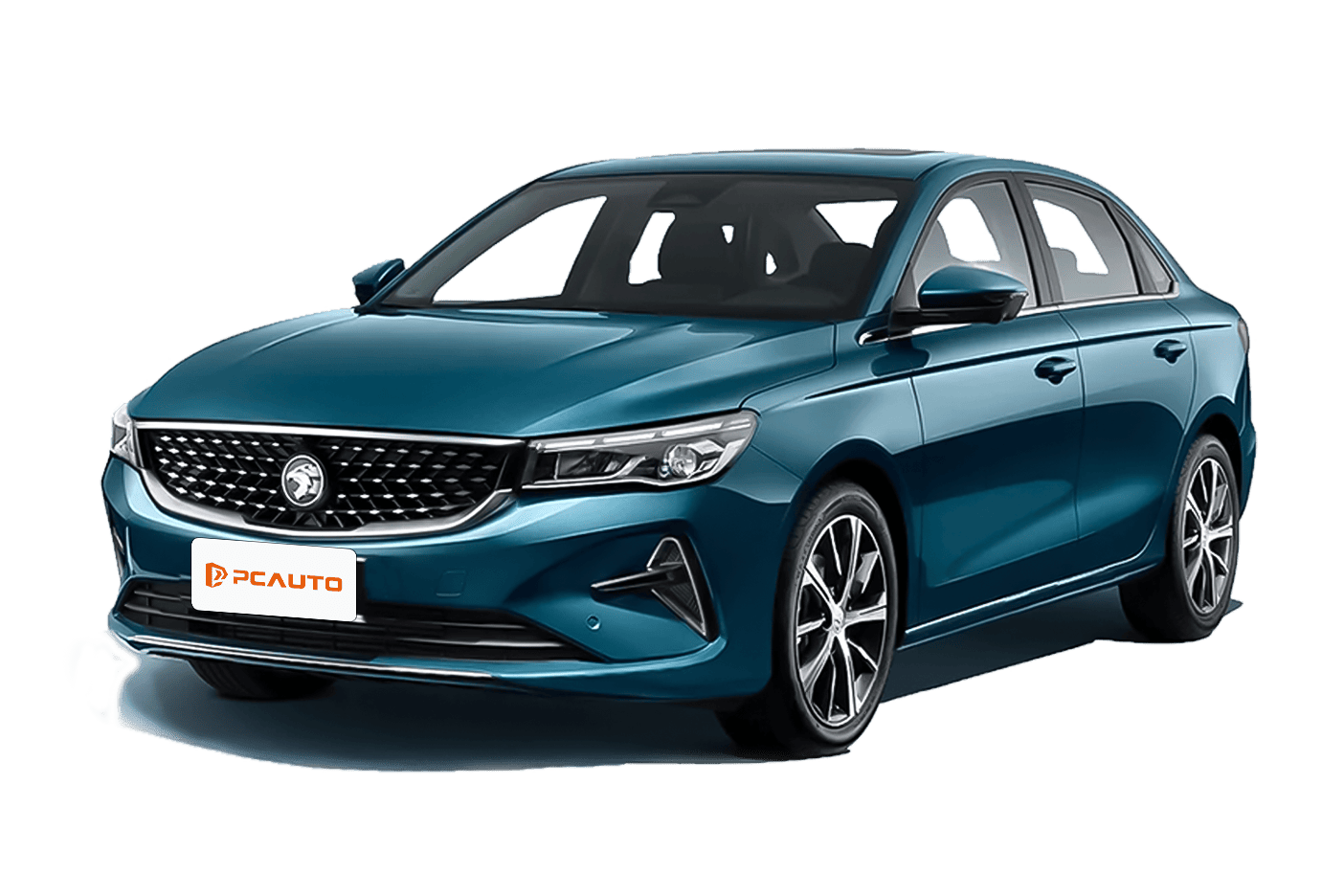
Looking at the exterior first, the overall lines of the S70 Executive are relatively elongated and smooth. With a length of 4602mm and a wheelbase of 2627mm, it appears quite decent within its price range. The front features Proton's family-style "Infinite Weave" grille, paired with halogen headlights and a through-type LED daytime running light, which provides decent recognition, although the brightness of the halogen headlights is indeed weaker compared to the LED headlights in the Premium version. It might require extra attention when driving on rural roads at night. The side profile features a waistline that extends from the front to the rear, paired with 16-inch wheels (tire specifications 205/55R16), ensuring it doesn't appear too plain from the side. The rear LED taillights are standard across all variants, featuring a horizontal light strip design that makes it easily recognizable when illuminated at night, and the rear fog lights are not missing, meeting safety requirements. The overall design is not overly elaborate but leans towards an understated and durable aesthetic, making it suitable for daily family use without losing any marks in appearance.
Stepping inside the car, the interior styling of the S70 Executive is relatively minimalist. The center console uses a mix of soft plastics and fabric materials; most of the touchable areas are hard plastic, but considering the price, this level of material is reasonable. The steering wheel is multifunctional in design, with the left side for controlling volume and Bluetooth, and the right side for the cruise control system. The control logic is simple, and it’s easy to operate without looking. The instrument panel uses backlit analog dials, clearly displaying basic information such as RPM, speed, and fuel levels. Although it lacks the tech-savvy feel of a full LCD dashboard, it compensates by making information quick to read. The center console screen is an 8-inch touchscreen, supporting Bluetooth connectivity and basic multimedia features. While the response speed isn't particularly fast, it's sufficient for daily use. The seats are made of fabric material, with manual adjustment for the front seats, and the driver’s seat also supports height adjustment. With my height of 175 cm, there’s a fist and two fingers of headroom when seated. After adjusting the seating position, the rear legroom is about two fists, which means it’s roomy enough for adults in both the front and rear, suitable for family use. The rear seats support a 60:40 split fold configuration, so when you occasionally need to load long items, you can fold down the seats to expand trunk space. The regular trunk capacity is not particularly large, but it can accommodate two 28-inch suitcases along with a few backpacks without any issues. In terms of features, keyless entry and ignition come as standard, so you don’t need to fumble for the key to unlock or start the car, which is very convenient. The rear air-con vents are also included, ensuring rear passengers don’t feel stifling in summer. The front has a manual air conditioning system—it requires turning a knob to adjust the temperature. Although it’s not as smart as an automatic air conditioning system, the controls are straightforward and less distracting.
The driving experience of the S70 Executive, equipped with a 1.5T three-cylinder turbocharged engine (150PS/226N·m) paired with a 7-speed dual-clutch transmission, feels more agile than expected. When starting, as long as you give it a bit of throttle, it can unleash maximum torque at 1750rpm, making it unhesitant when following city traffic or overtaking at the start. The gearbox may occasionally exhibit slight shift jerks at low speeds, but it smooths out once the speed picks up. On the highway, when reaching 100km/h and accelerating further to overtake, stepping harder on the accelerator causes the gearbox to downshift, and the power delivery is fairly prompt, making it capable of handling everyday highway cruising with ease. The steering wheel feels light, making it effortless for female drivers; the dead zone is not significant, and the directing accuracy is decent when changing lanes or making U-turns in daily driving. The chassis is composed of a front MacPherson and rear torsion beam setup, tuned to favor comfort. When going over speed bumps or uneven roads, the suspension absorbs most of the bumps, keeping rear passengers from being jostled excessively. However, body roll is noticeable when cornering quickly, which is expected since it’s a family car with a comfort-oriented tuning. The brake pedal has a linear feel, delivering braking force in proportion to how much you press it, and during emergency braking, the vehicle maintains a relatively stable posture without significant forward dive.
In terms of noise control, when driving at low speeds in the city, engine noise and tire noise are not particularly evident. However, when running at 120km/h on the highway, wind noise comes through from the A-pillar, though turning up the music slightly can mask it. Overall, the noise control is at a mid-range level compared to similar-priced options. After fuel consumption testing, the urban congested conditions consume approximately 7.5L/100km, while fuel efficiency can drop to 5.8L/100km during highway cruising. Using 95-octane petrol, its 50L fuel tank can cover about 650km, which is sufficient for weekly refills for daily commuting. In terms of safety features, it comes standard with 6 airbags (driver, passenger, front side airbags, front and rear curtain airbags), vehicle stability control, and a reminder for all passengers to wear seatbelts. These are all practical safety features and provide a higher standard compared to some competitors in the same price range that only offer 4 airbags.
In summary, the core strengths of the S70 1.5T Executive are clear: affordable pricing (RM 73,800), spacious interior, sufficient power, and standard features such as 6 airbags and a keyless system. Compared to competitors in the same price range, such as the high-end version of the Perodua Myvi or the entry-level Honda City, it has a longer body and wheelbase, offering a roomier rear space and stronger power. However, it does have some shortcomings, such as average brightness of halogen headlights, the use of hard plastic interiors, and the lack of automatic climate control.
This car is best suited for families with a limited budget but in need of a spacious C-segment, such as small families who need to take kids to and from school daily and go on short-distance trips with family on weekends. Its space and fuel efficiency can meet everyday needs, and its safety features are reliable. For young people pursuing technological or premium appeal, they might find its interior not trendy enough. However, as a practical "essential option" for family use, it has everything that’s needed.
All in all, the S70 1.5T Executive is a "practical" C-segment family car. Though it lacks fancy features, it satisfies the core family needs for space, power, and safety. At a price of slightly over RM 70,000, getting such dimensions and configurations makes it highly competitive.
Proton S70 Car Compare
Proton S70 Loan Calculator
More Proton Reviews
Cars With Similar Price And Features
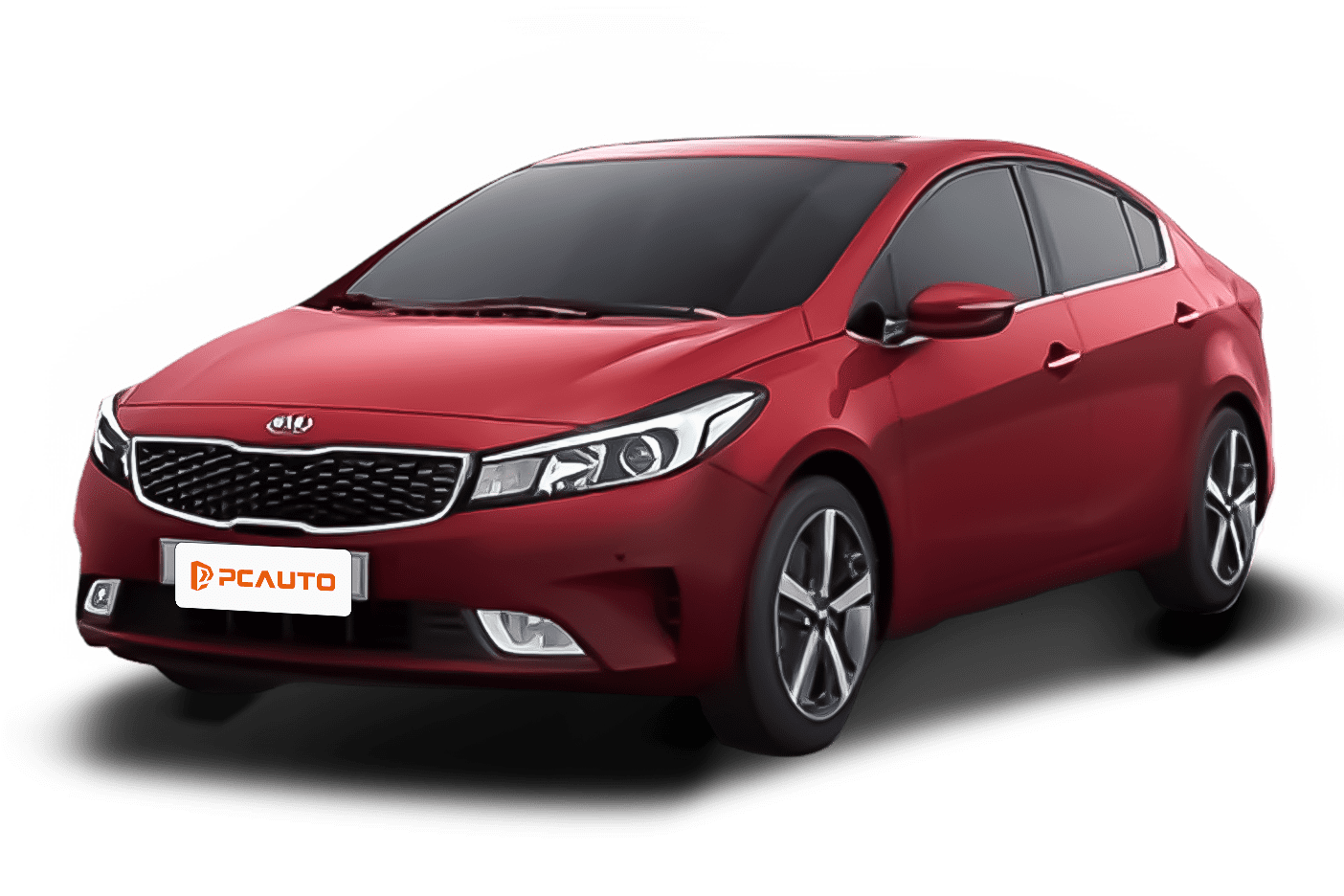
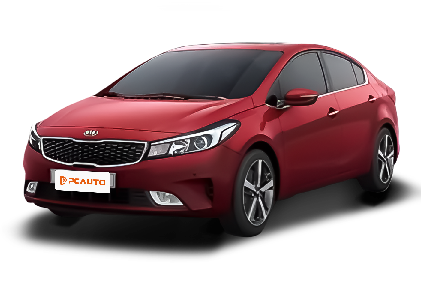
2020 Kia Cerato 1.6 SX is a high-value family sedan that retains core features at a lower price, offering practical space, reliable safety, and balancing the needs of commuting and family travel.
7
Rank in Sedan
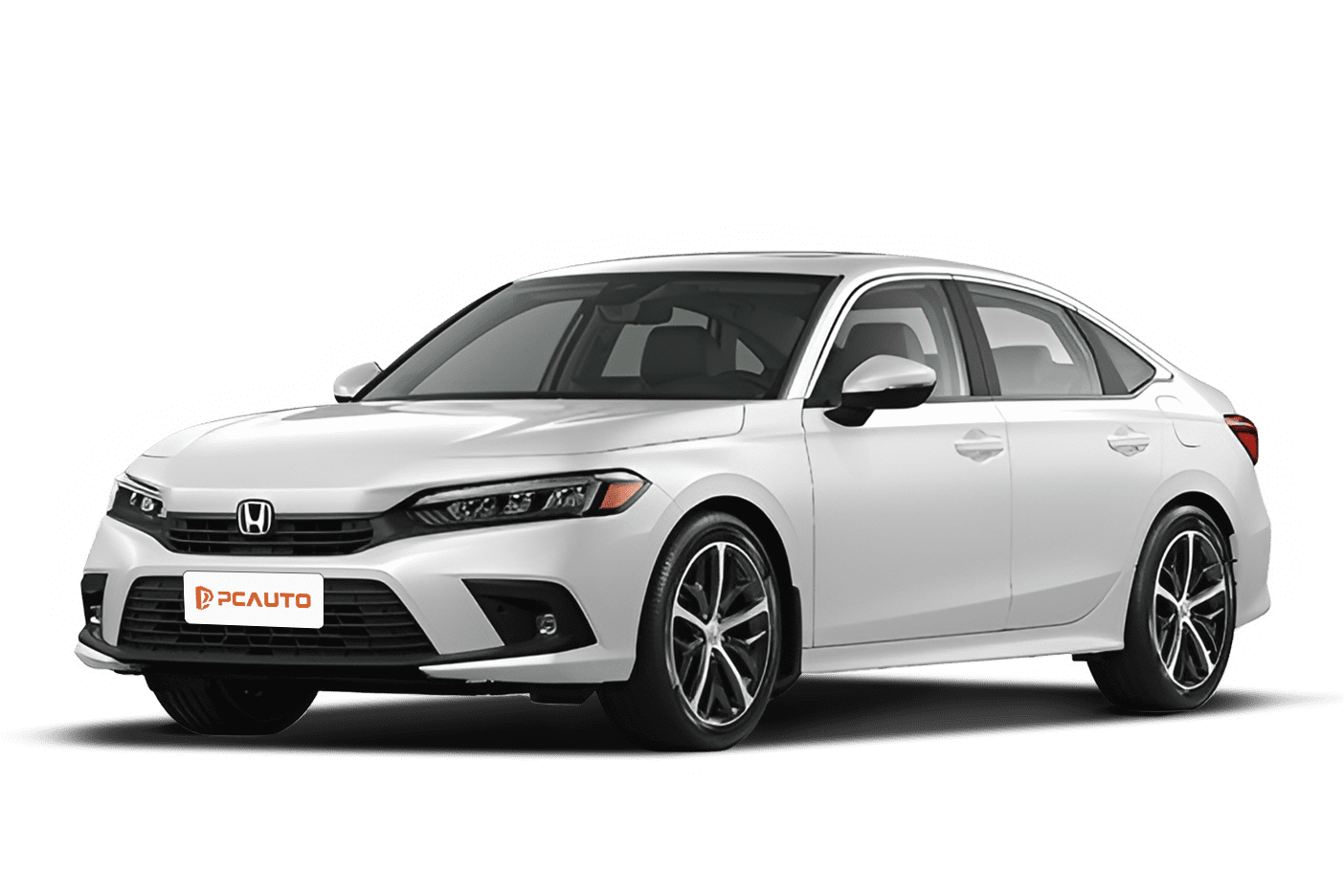
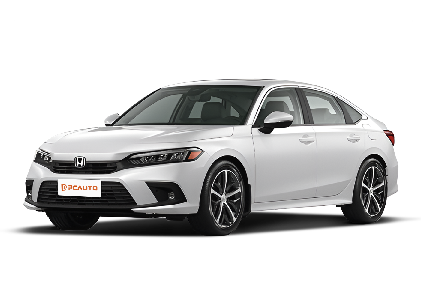
2025 Honda Civic 1.5L E is an entry-level family sedan that combines 1.5T power, a full set of active safety features, and practical space, suitable for city commuting and family outings.
25
Rank in Sedan
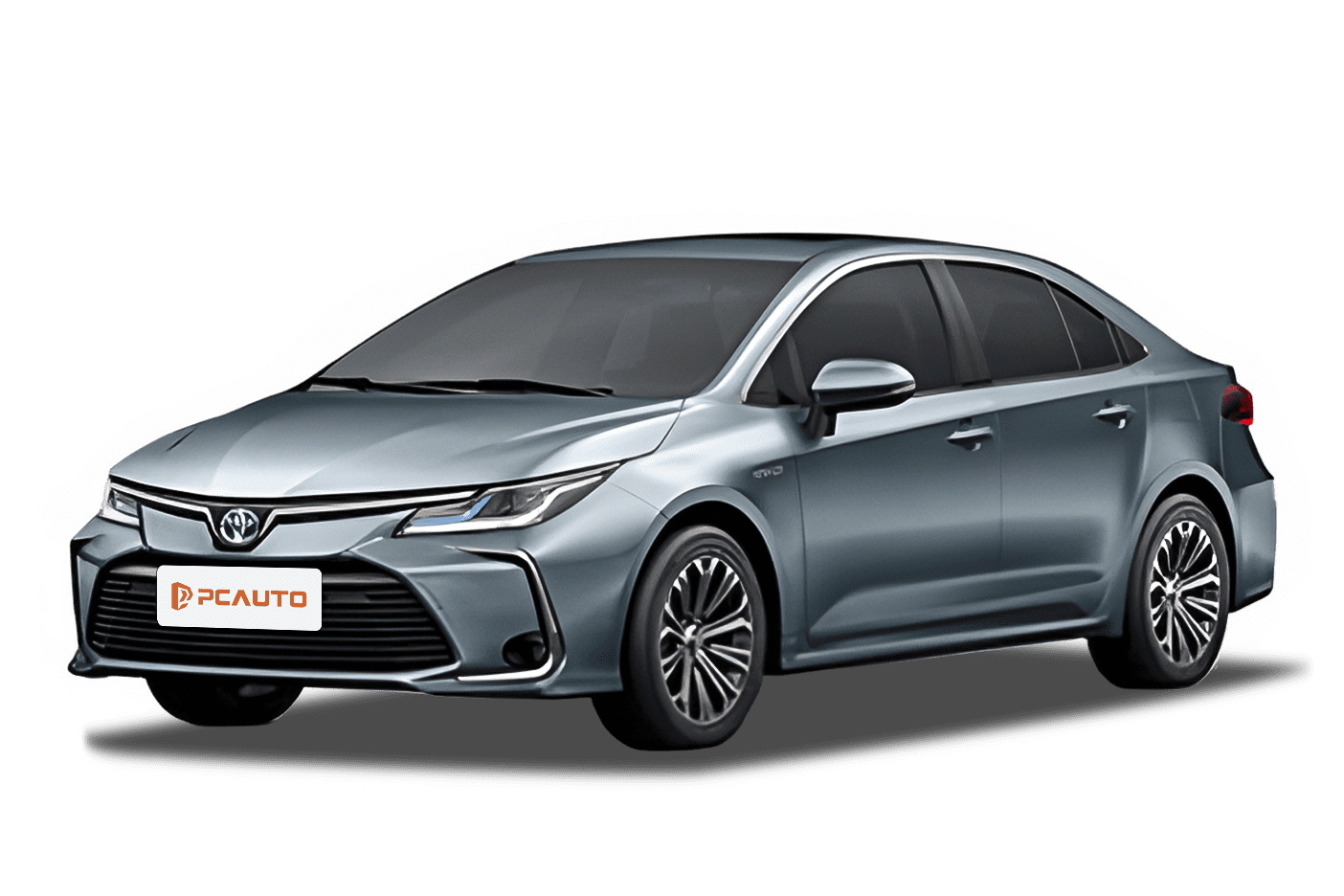
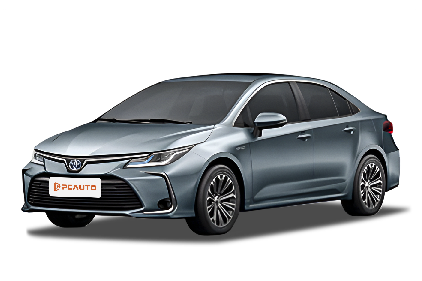
2025 Toyota Corolla GR Sport features a sporty design, upgraded intelligent configurations, and high cost performance, balancing practicality for family use and driving pleasure, making it an ideal choice for young families.
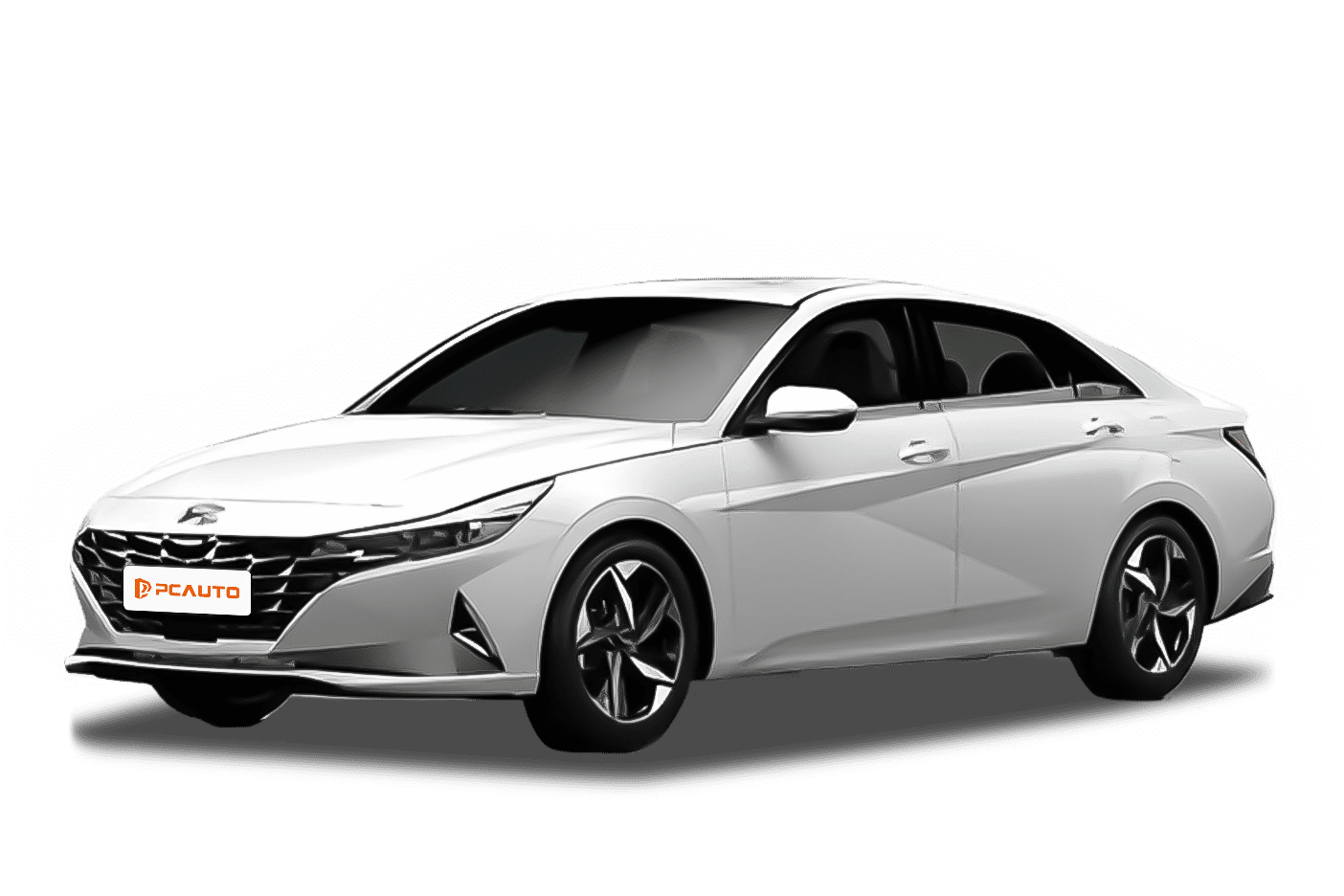
2024 Hyundai Elantra public is a C-segment sedan designed for Malaysian families and young professionals, focusing on class-leading safety features, flexible spaciousness, and balanced fuel efficiency, making it highly cost-effective.