

Honda Civic Review

 Share
Share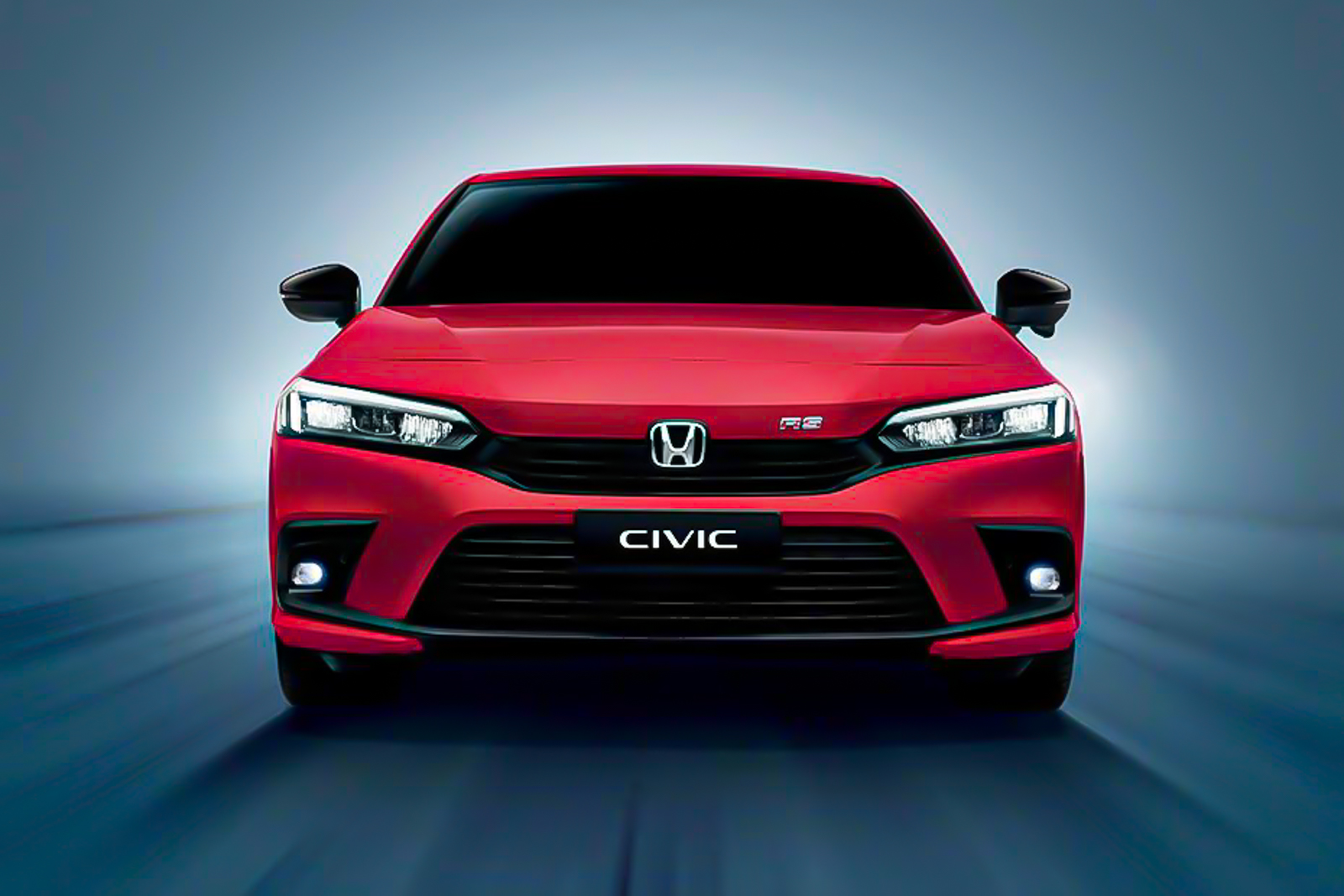
 Segment
 Body Type
 Capacity(L)
 Engine Power(PS)
 Engine Torque(Nm)
 Transmission
The competitive landscape of the C-segment sedan market in Malaysia is fierce today. Consumers not only prioritize fuel efficiency for daily commuting but also value safety features and spacious interiors. The Honda Civic 1.5L E, launching in January 2025 with a price tag of RM 133,900, enters the market with its core selling points, including the continuation of the Civic series' iconic 1.5T engine and a full suite of active safety systems as standard. The overall configuration demonstrates remarkable sincerity for an entry-level variant. This test drive will focus on evaluating the car's overall performance in urban commuting, highway cruising, and family usage scenarios to see if it can stand out among entry-level models in the same class.
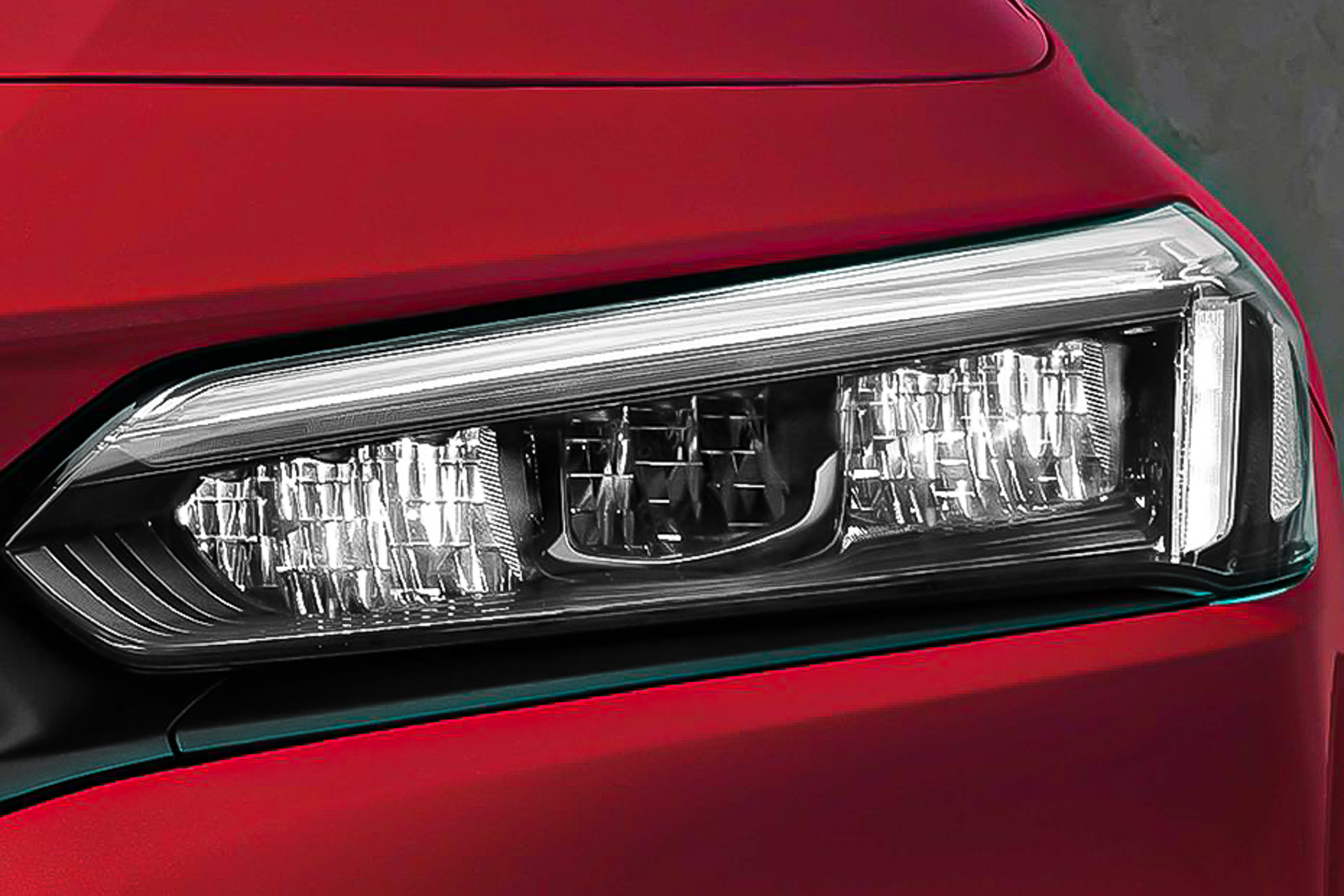
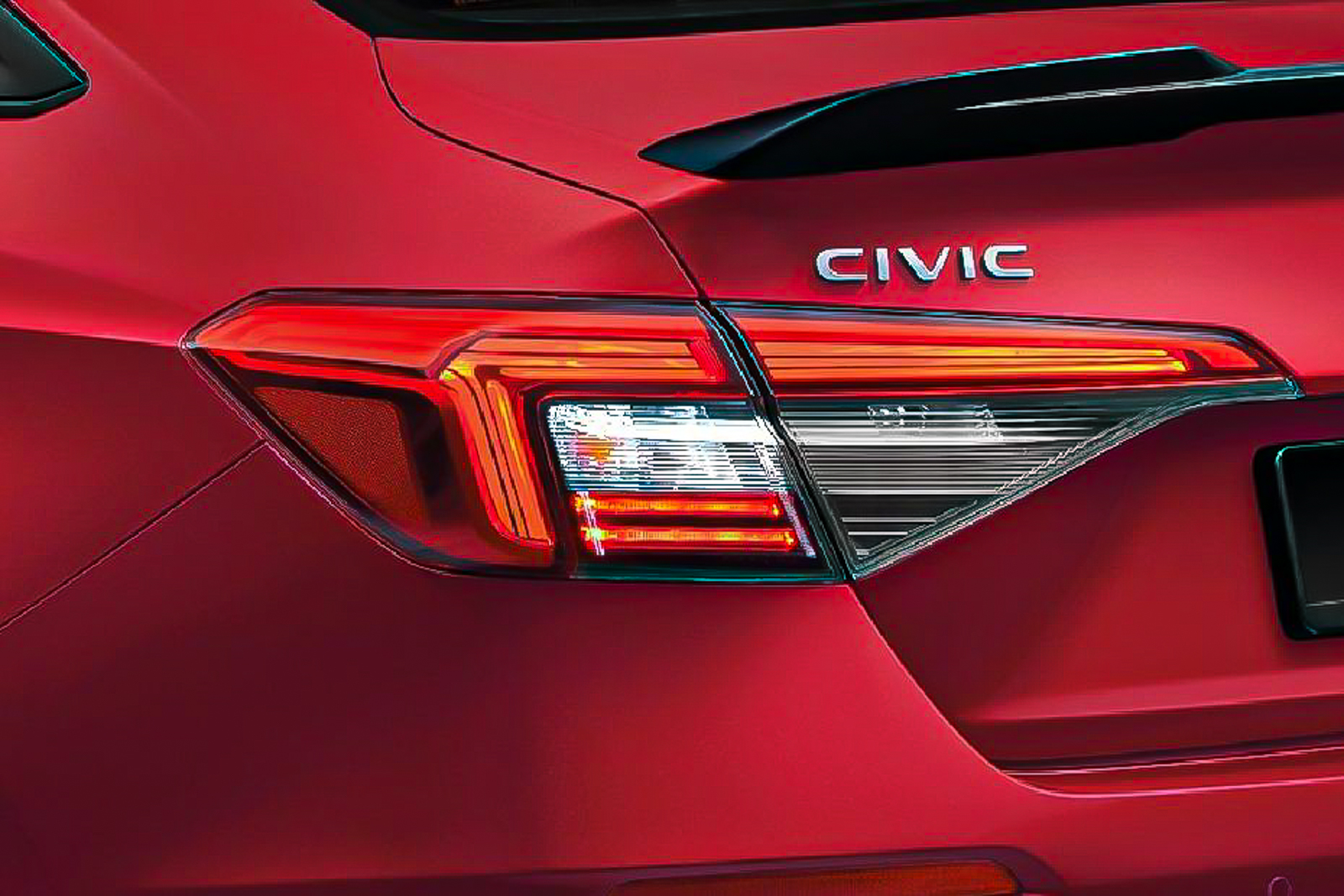
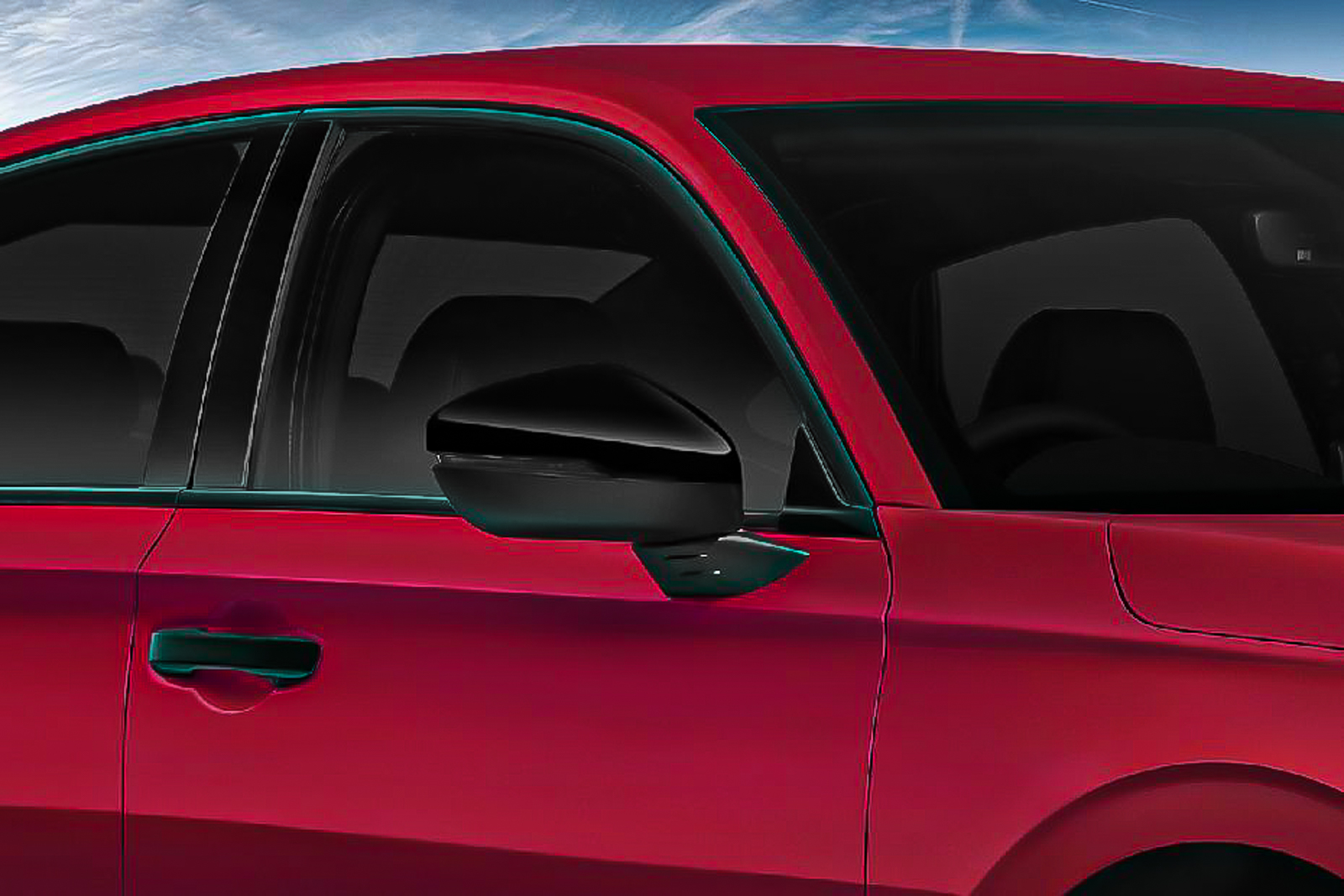
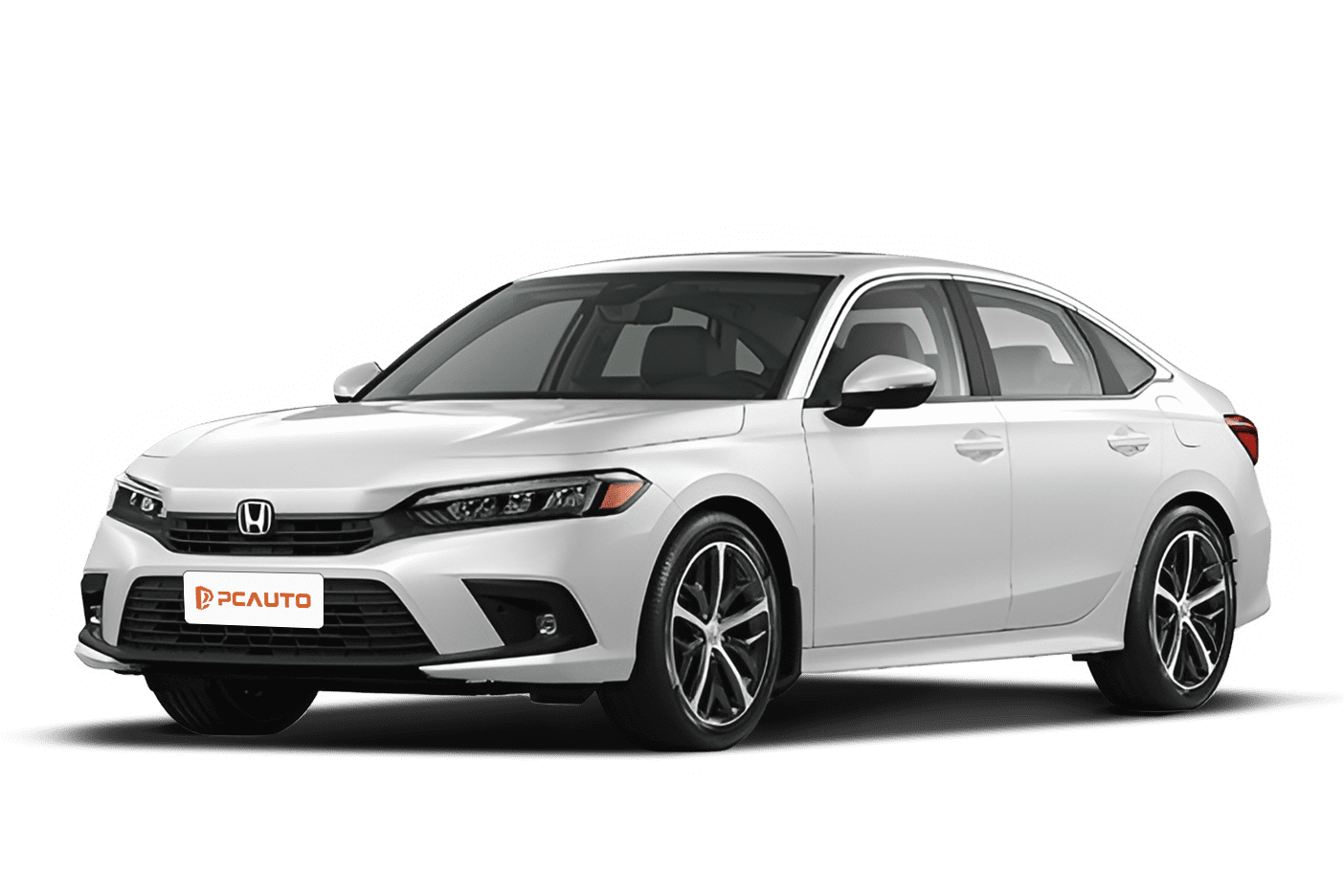
The exterior of the 2025 Civic 1.5L E continues the streamlined design of the Civic family, with an overall style that leans towards stability without losing its sporty feel. The front features slim LED headlights connected by chrome trim, visually stretching the width. The hood muscle lines extend from the A-pillar to the front, enhancing a sense of power. The side profile has smooth lines, with a waistline running from the front fender to the taillights, paired with 215/55 R16 tires, achieving harmonious proportions. The rear LED taillights adopt a horizontal design with high recognition when lit, and the small spoiler on the trunk adds a touch of sportiness. The overall design avoids overly ostentatious elements, aligning with what family users seek in a steady appearance.
Inside the car, the central console adopts a layered design. The top layer features a 9-inch floating central screen, while the lower layer is reserved for the air conditioning controls, offering a clear layout. The interior materials are mainly soft plastics with silver trim accents. While it does not include leather wrapping, the tactile and visual quality is decent. The front seats are manually adjustable, offering solid support that remains comfortable even during long rides. Core configurations such as keyless entry, push-button start, and a multifunction steering wheel come as standard. The 7-inch instrument panel provides clear displays, showing real-time feedback on speed, fuel consumption, and the status of safety systems. The rear row comes with standard air-conditioning vents, ensuring comfort for rear passengers. However, compared to the 2023 model with similar configurations, the 2025 version has removed the HUD (head-up display) and the 220V power outlet, which is slightly regrettable.
In terms of dimensions, the 2025 Civic 1.5L E measures 4,681mm in length, 1,802mm in width, and 1,415mm in height, with a wheelbase of 2,735mm, placing it at a mainstream level in its segment. The front row offers a spacious seating experience; a 175cm tall passenger can adjust the seat and still have a one-fist clearance above their head. Rear space is impressive, with legroom exceeding two fists and headroom still offering approximately one fist, ensuring comfortable seating for three adult passengers without feeling cramped. The trunk has a capacity of 497 liters and features a wide opening, easily accommodating two 28-inch suitcases and several bags. The rear seats support a 60:40 split-fold design, which can expand the storage space for family trips or transporting large items. For storage, the front and rear door bins, central armrest, and front cup holders provide practical space, making it convenient to store everyday small items.
In terms of performance, the 2025 Civic 1.5L E is equipped with a 1.5T turbocharged engine, delivering a maximum power of 134kW (182PS) and a maximum torque of 240N·m, paired with a CVT transmission. During actual driving, the engine achieves peak torque at 1,700rpm, offering responsive power at startup. A light press on the accelerator generates a noticeable push-back sensation, making it easy to overtake or change lanes during urban commutes. At highway cruising speeds of 120km/h, the engine maintains around 2,000rpm, providing ample power reserves and good acceleration capability. The CVT transmission performs exceptionally smoothly, with no noticeable gear-shifting jolts. Only during sudden acceleration is there a slight delay in rev increase, but it doesn’t significantly affect daily driving comfort.
In terms of handling, the steering is precise with minimal play and moderate feel. It provides clear road feedback when driving. The suspension system features a front MacPherson independent suspension and a rear multi-link independent suspension, tuned for comfort without compromising support. When passing speed bumps or bumpy roads, the suspension effectively filters out vibrations, making the bumps feel mild inside the car. During cornering, the body roll is controlled within a reasonable range, avoiding significant swaying and ensuring passenger comfort. The braking performance is stable, with a linear brake pedal travel and evenly distributed braking force, offering a strong sense of safety during daily driving.
In terms of fuel consumption, the official combined fuel consumption is 6L/100km. In actual test drives, fuel consumption in congested urban areas is about 7.2L/100km, while on highways it’s about 5.5L/100km. The overall performance meets expectations and is considered fuel-efficient among similar turbocharged models in its class. Regarding noise control, there is some road and wind noise transmitted at high speeds, but it does not affect normal conversations. Engine noise becomes more noticeable during rapid acceleration, but it remains relatively quiet during steady driving. Overall, the NVH performance is on par with mainstream levels in the same class.
In summary, the key advantages of the 2025 Honda Civic 1.5L E lie in its balanced performance: the 1.5T power meets the needs for daily commuting and highway cruising. It comes standard with a full suite of active safety systems (including ACC adaptive cruise control, active braking, lane departure warning, etc.), greatly enhancing driving safety. Its spacious interior and practical storage capacity make it suitable for family use. Compared to its competitor, the Toyota Corolla 1.8G in the same class, the Civic 1.5L E offers more powerful performance and more comprehensive safety features. Although the price has increased by RM 2,000 compared to the 2023 model with the same configuration, the overall update in features makes it a vehicle with high cost-performance value.
This car is ideal for family users who prioritize power, safety, and space, particularly those who frequently need to transport family members or go on long-distance trips. It doesn’t have any significant shortcomings, and its features meet the needs of daily use. It is a reliable family commuter car. If you are looking for a C-segment sedan with sufficient power, balanced features, and ample space, the 2025 Honda Civic 1.5L E is well worth considering.
Honda Civic Car Compare
Honda Civic Loan Calculator
More Honda Reviews

Cars With Similar Price And Features
3
Rank in Sedan
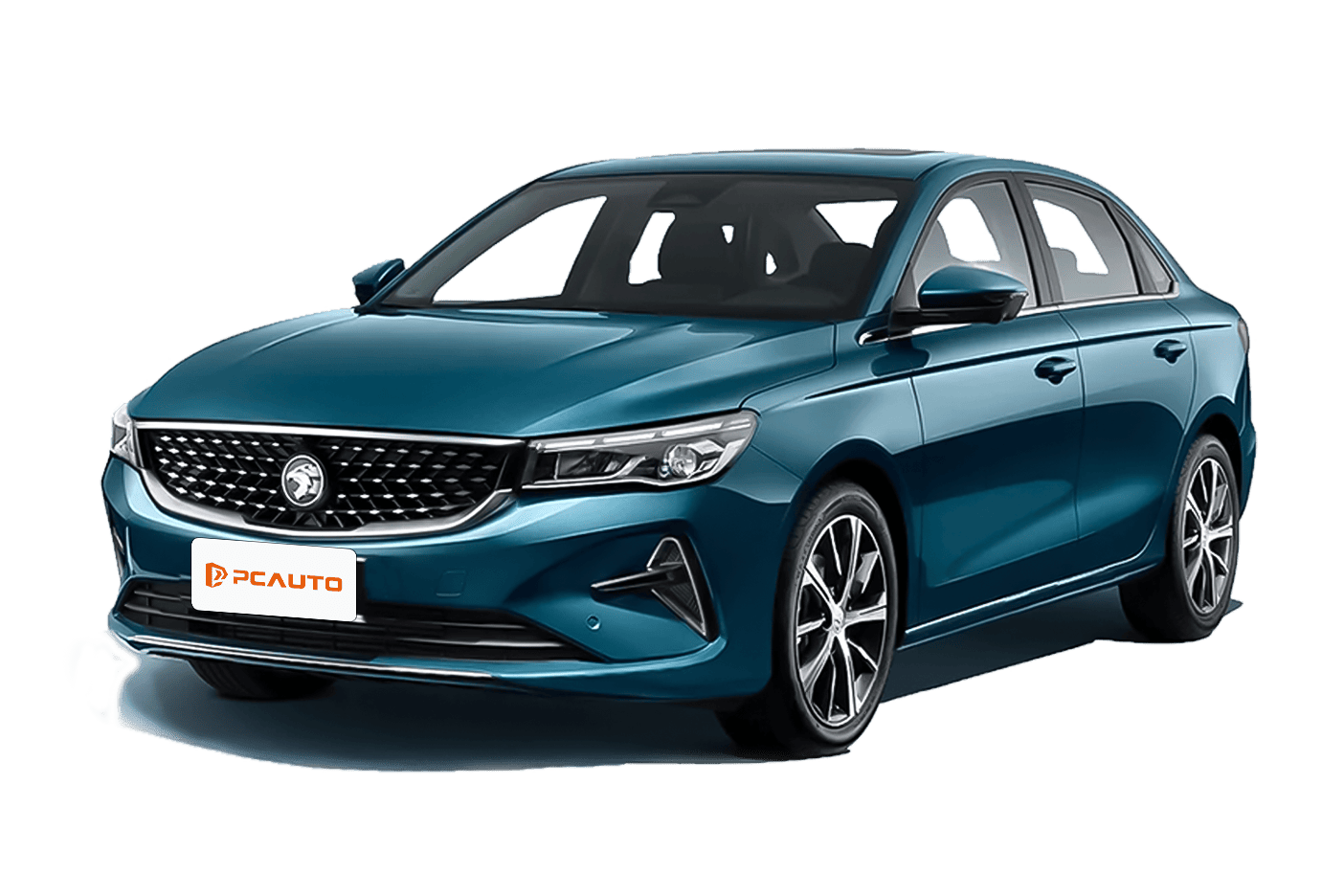
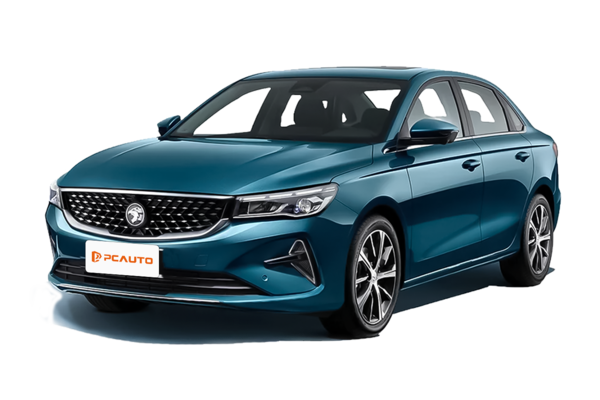
2024 Proton S70 1.5T Executive is an affordable entry-level family C-segment sedan with practical space and lively performance, balancing elegant design with basic safety features.
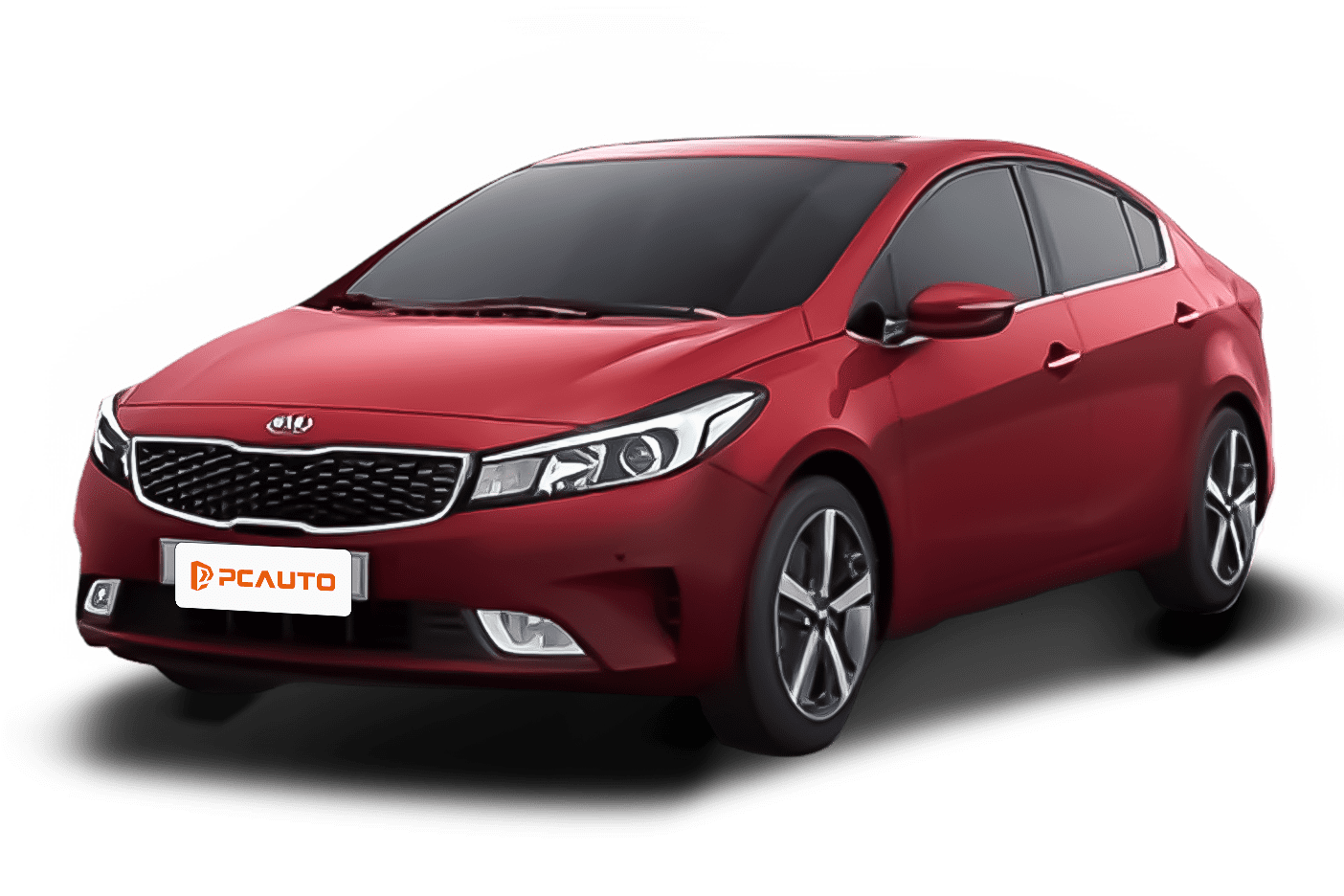
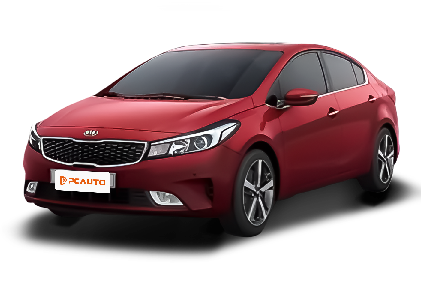
2020 Kia Cerato 1.6 SX is a high-value family sedan that retains core features at a lower price, offering practical space, reliable safety, and balancing the needs of commuting and family travel.
25
Rank in Sedan
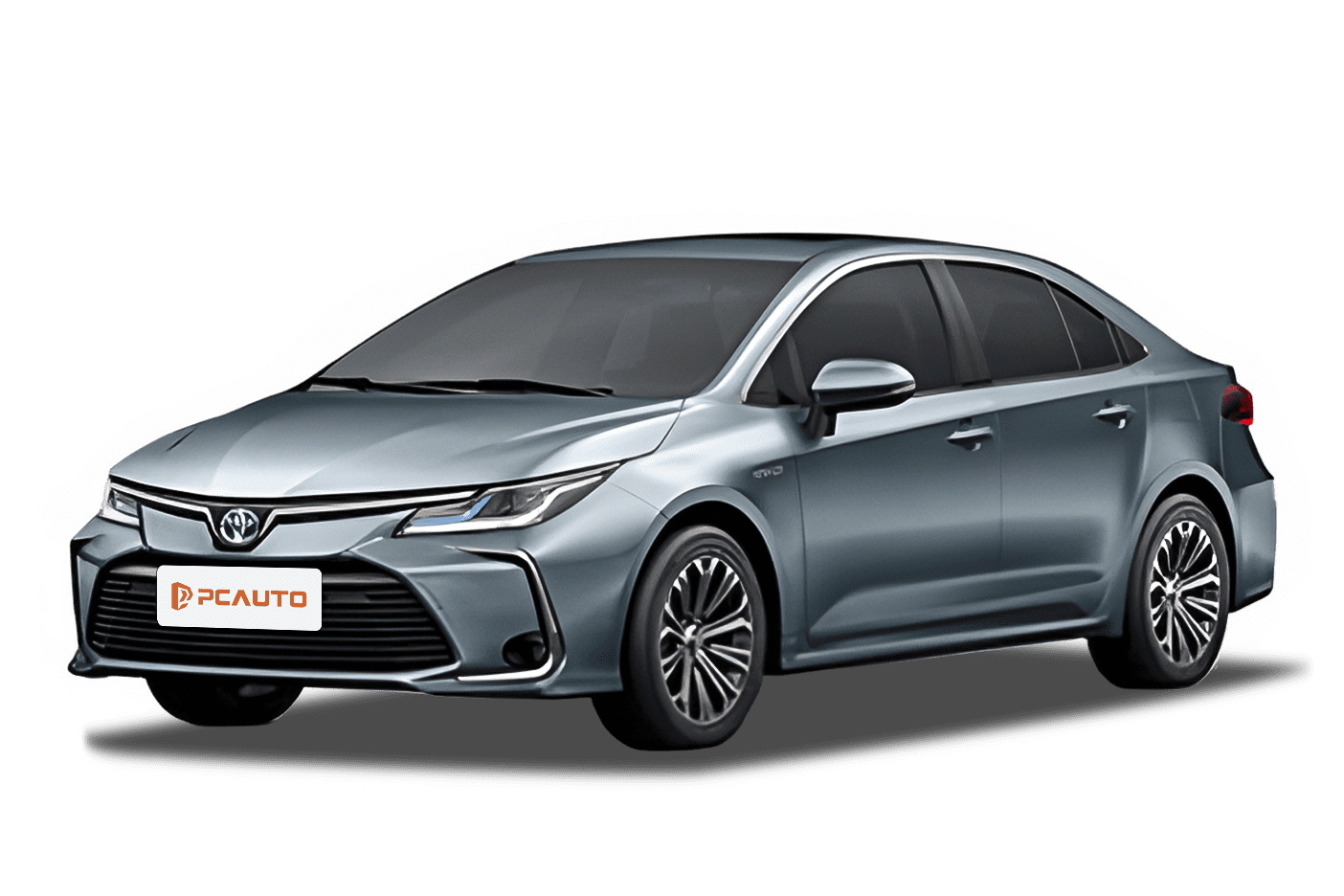
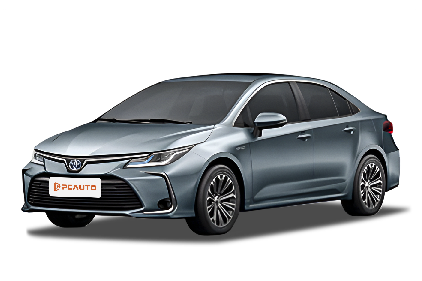
2025 Toyota Corolla GR Sport features a sporty design, upgraded intelligent configurations, and high cost performance, balancing practicality for family use and driving pleasure, making it an ideal choice for young families.
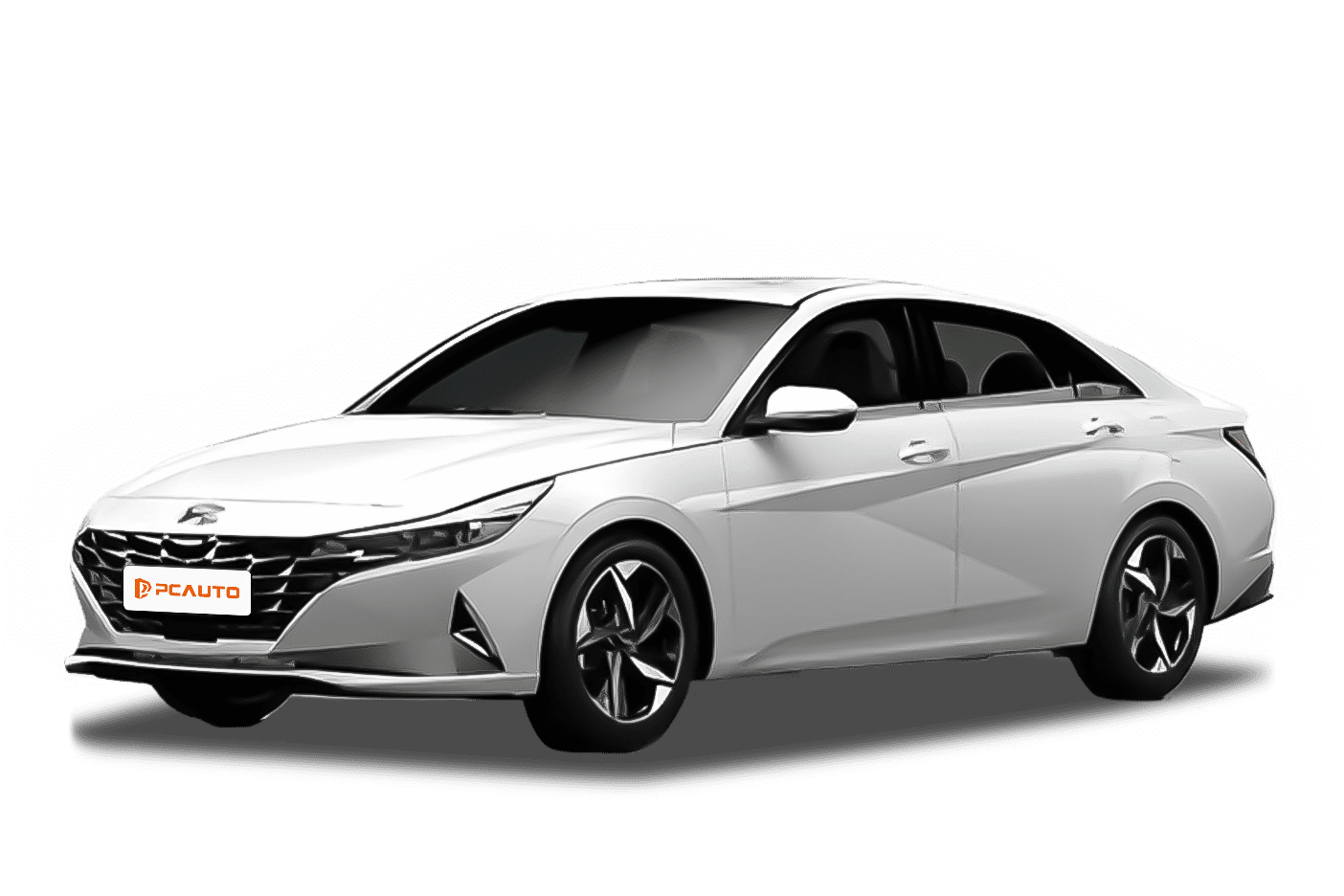
2024 Hyundai Elantra public is a C-segment sedan designed for Malaysian families and young professionals, focusing on class-leading safety features, flexible spaciousness, and balanced fuel efficiency, making it highly cost-effective.