

2021 Honda HR-V Hybrid Review

 Share
Share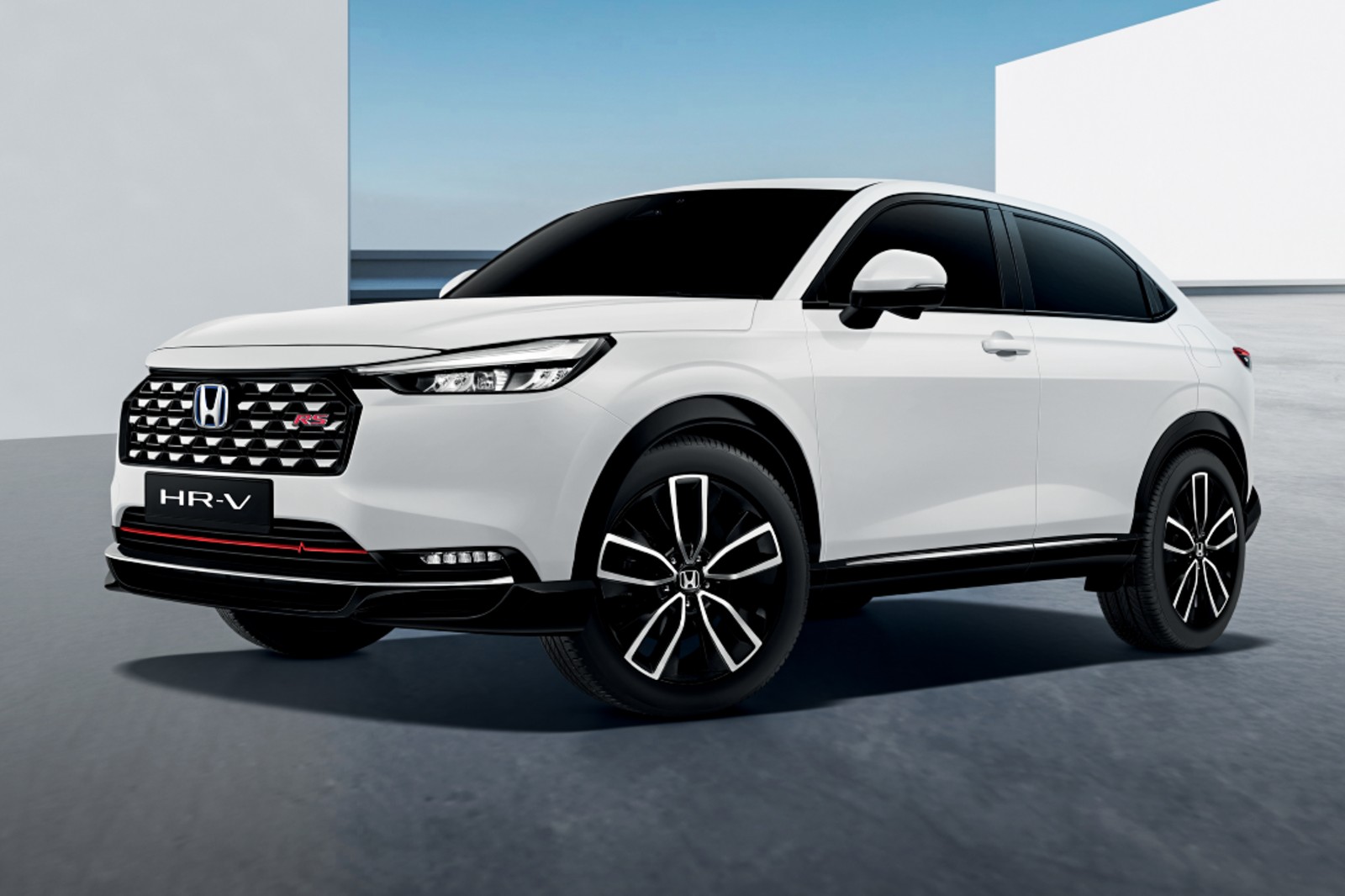
 Segment
 Body Type
 Capacity(L)
 Engine Power(PS)
 Transmission
 Driven Wheels
In Malaysia's B-Segment SUV market, there are increasingly more choices for users with household needs. However, most models either lack impressive features or are priced beyond budget. At this point, Honda's 2021 HR-V Hybrid seems to be a very targeted offering—it packages hybrid power, practical space, and Honda's consistent reliability together at a price of RM 113,955, which fits nicely within the psychological budget of many families. The main purpose of my test drive this time was to see whether this hybrid SUV really lives up to expectations in meeting the dual needs of daily commuting and family travel, whether its hybrid system balances power and fuel efficiency, and whether its space design is as flexible as advertised.
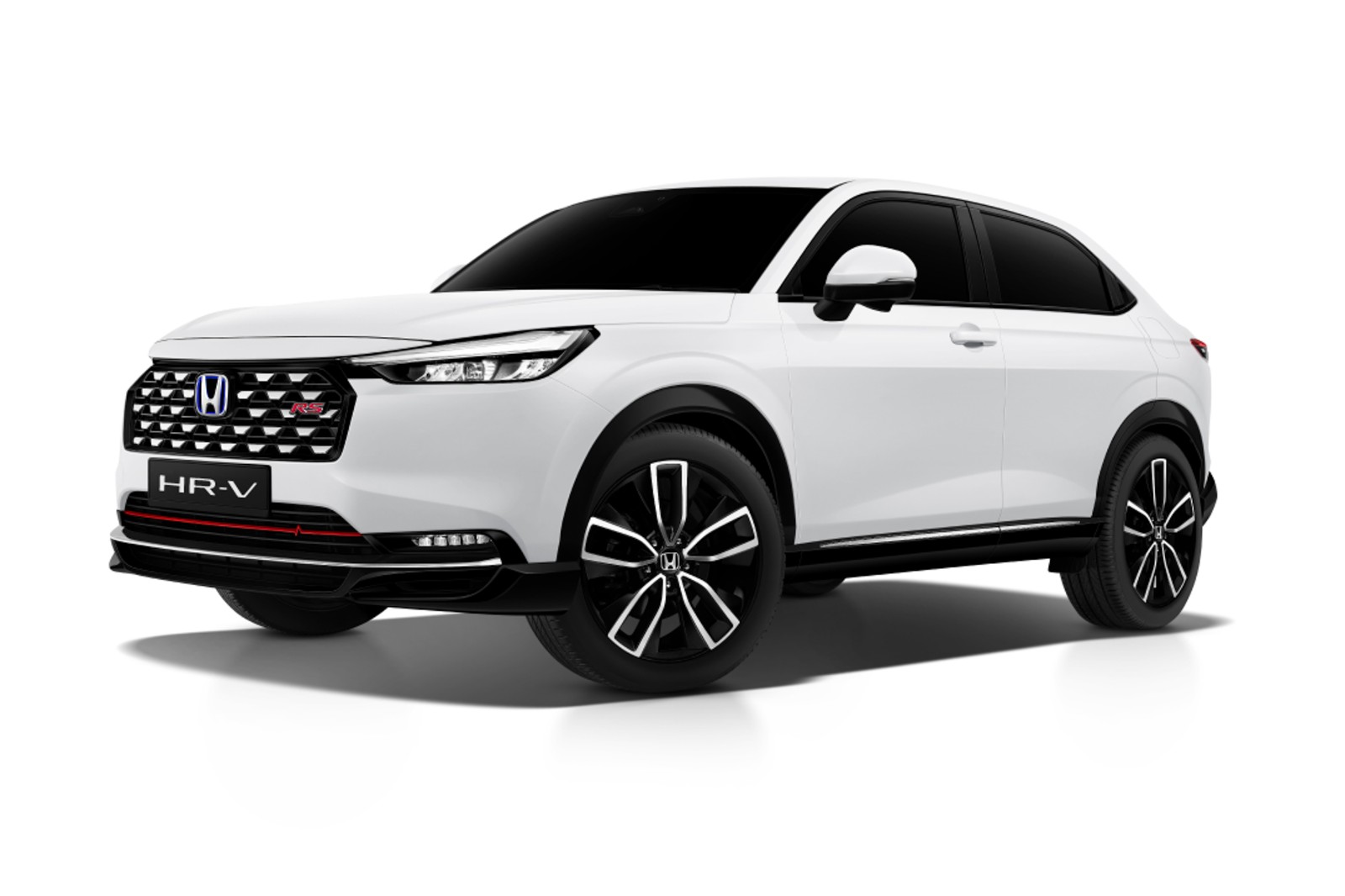
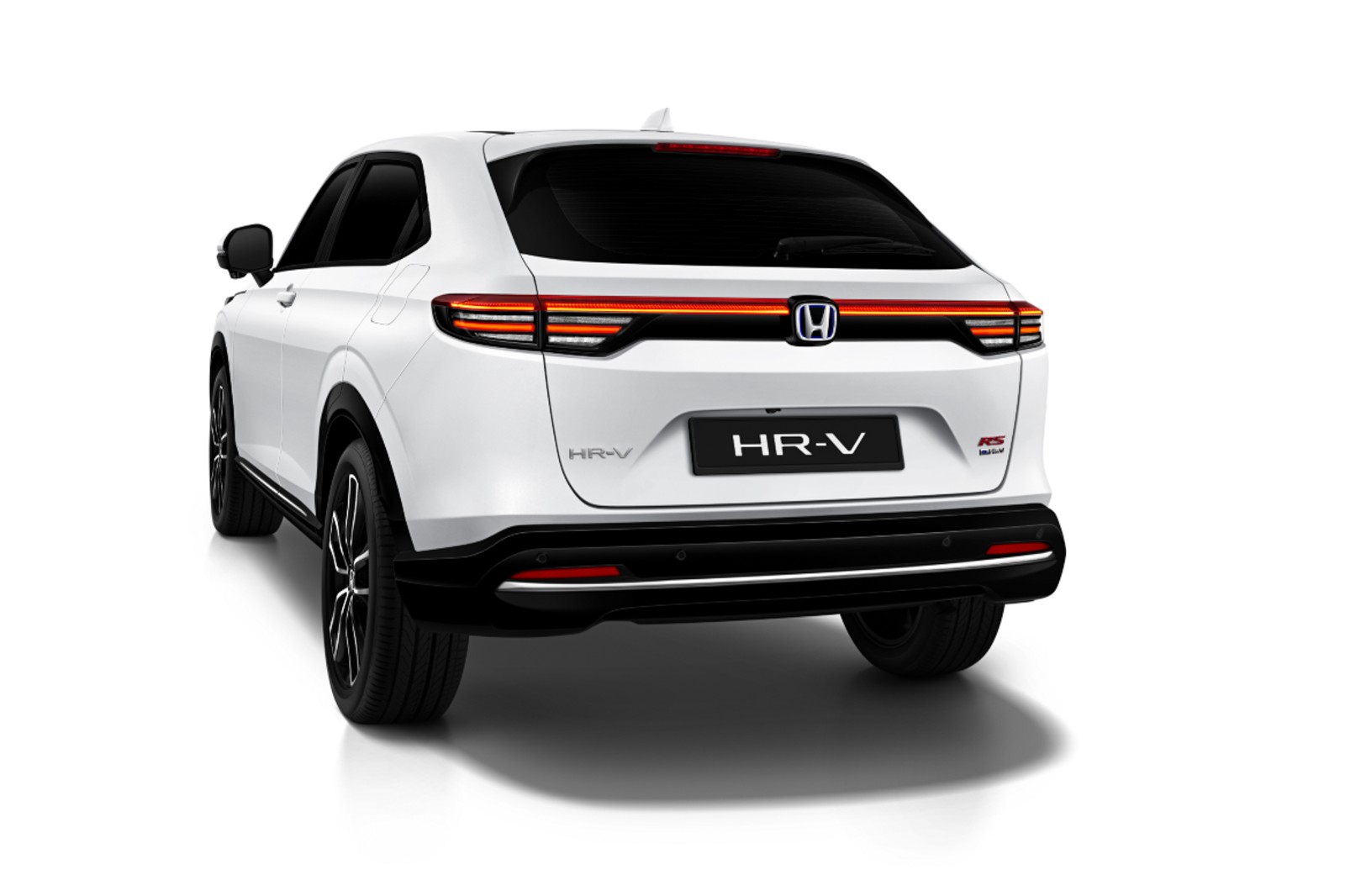
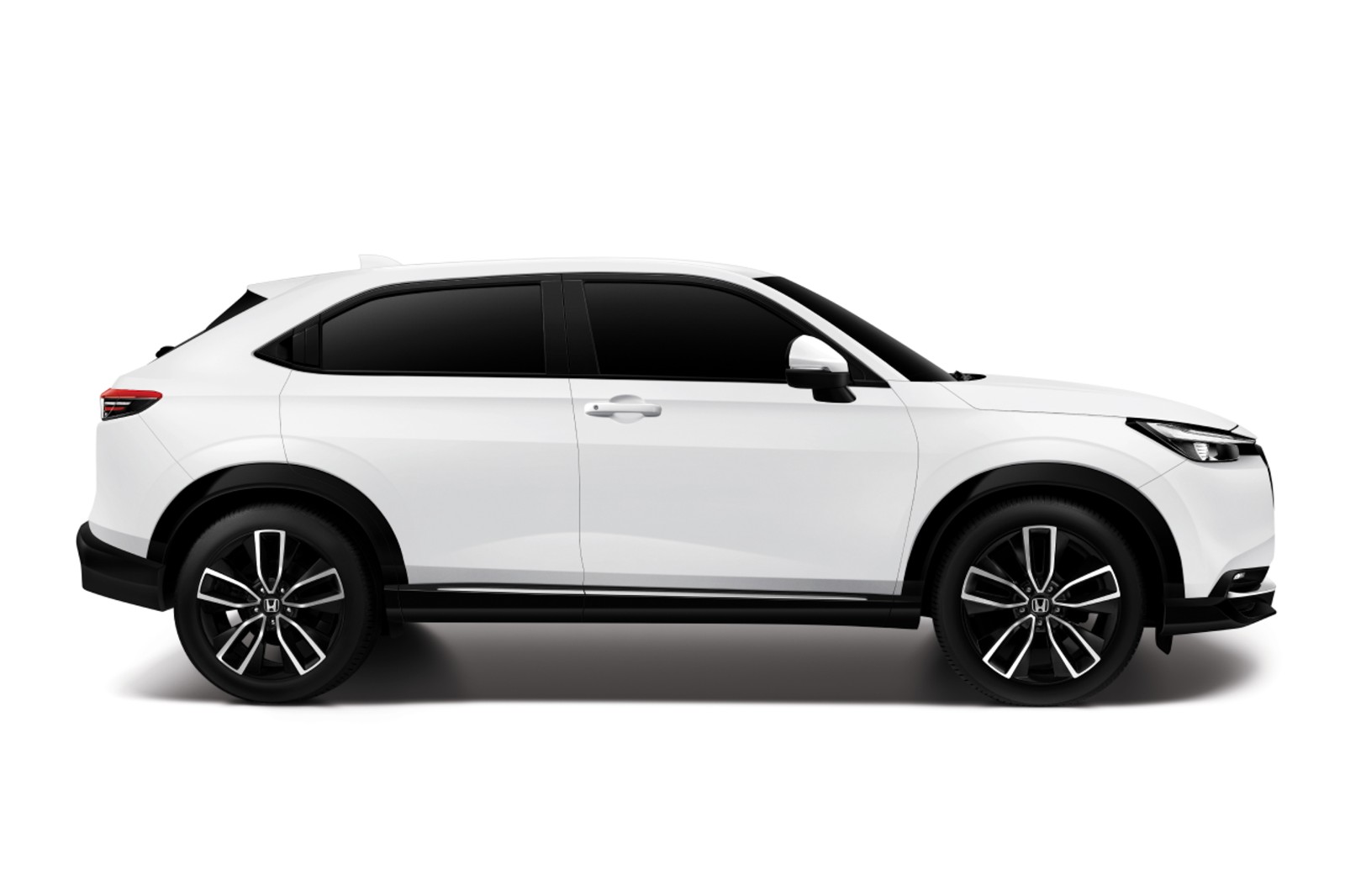
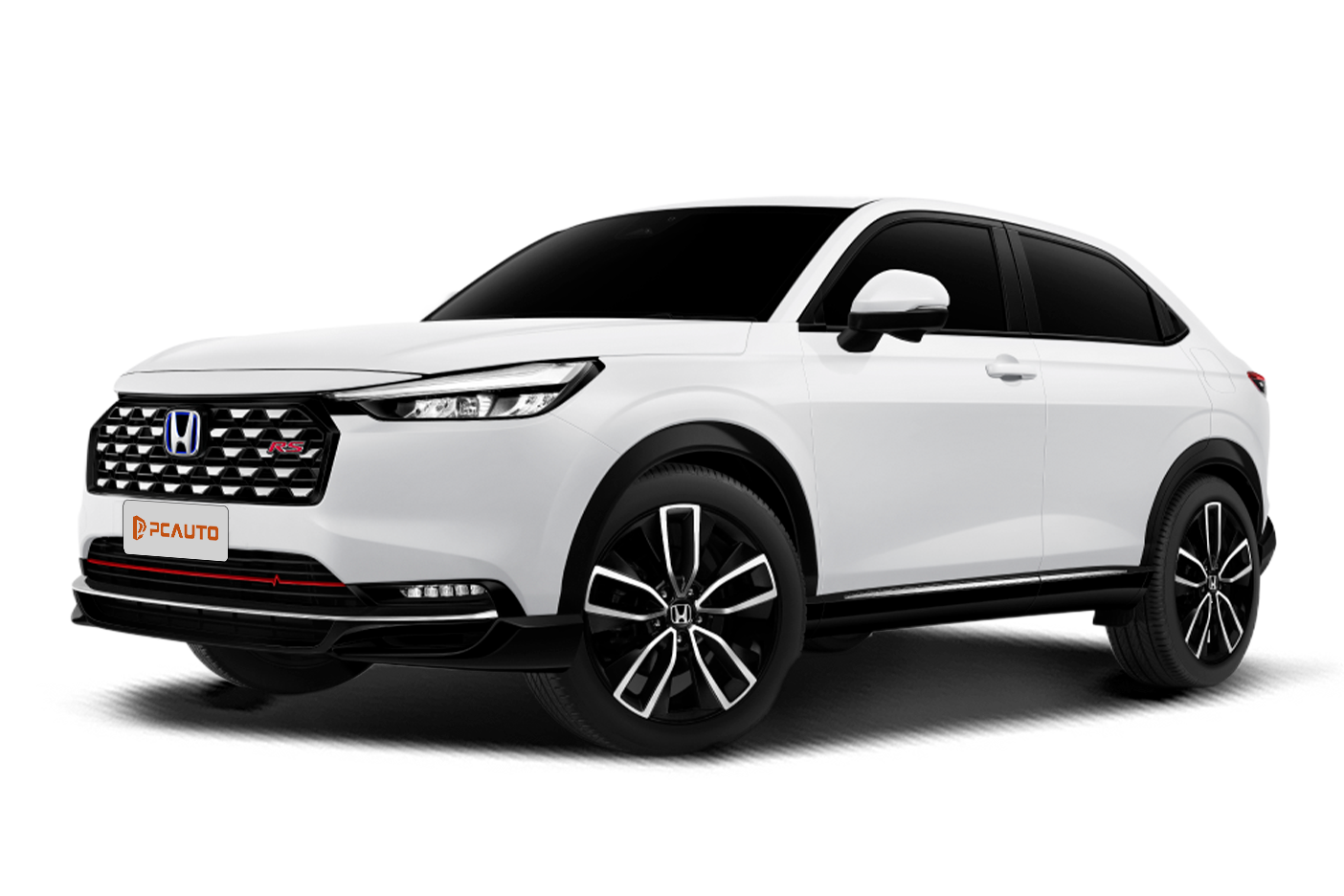
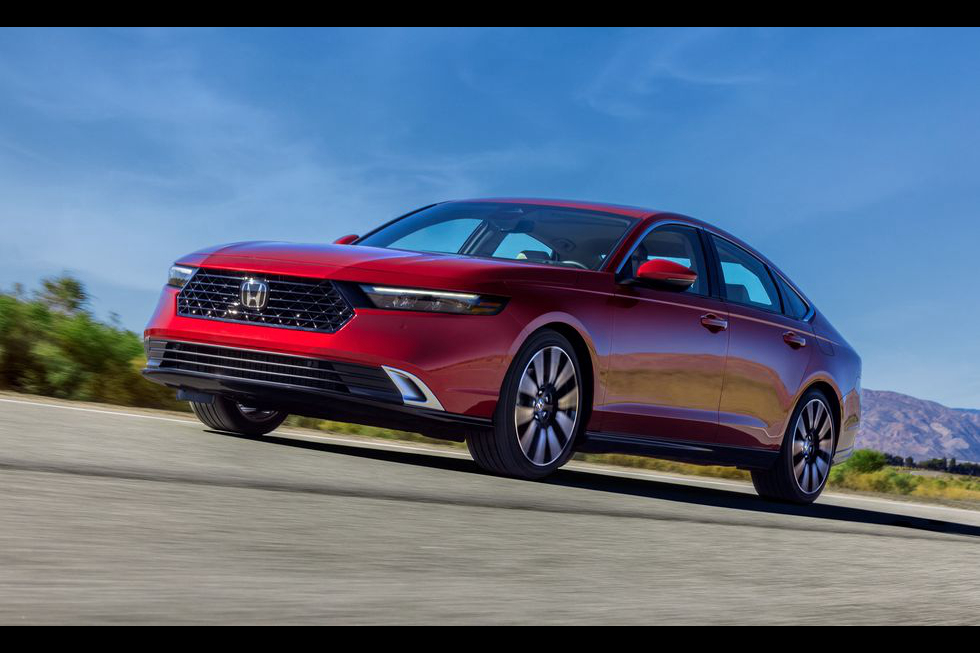
In terms of appearance, the 2021 HR-V Hybrid continues the rounded lines of the previous model but makes some tweaks in the details to highlight its hybrid identity. The chrome strip on the front is thinner, and the center H emblem has a blue background for high recognizability. The air intake below the front bumper is slightly larger, paired with LED fog lights on both sides, making it appear more refined than the fuel version. The waistline along the side of the body runs from the front to the rear, and together with the 17-inch multi-spoke wheels, the proportions are well-balanced. The chrome trim below the window extends all the way to the C-pillar, creating a floating roof effect, but it’s not too exaggerated, which aligns with its family car positioning. The rear design is relatively simple, with smoked black LED taillights connected by a thin chrome strip. The blue H emblem on the tailgate and the "HYBRID" badge at the bottom clearly indicate its hybrid identity. The lighting system is a highlight; it features standard LED headlights and daytime running lights across the range, while the automatic headlight function responds sensitively when entering tunnels, eliminating the need for manual switching.
Sitting inside, the interior layout is very familiar, still showcasing Honda's usual practical style. The materials used on the center console are mainly hard plastic, but the seams are well-controlled, avoiding a cheap feel. The 7-inch touchscreen infotainment system is positioned high, so you don’t have to lower your head to check navigation while driving. Its operational logic is simple, and Bluetooth connectivity and Sound Plus are standard features. Although there are only four speakers, it’s sufficient for daily radio or pop music listening. The multifunctional steering wheel feels very comfortable, with volume and phone controls on the left and instrument cluster information controls on the right. It also features paddle shifters, though on a hybrid model, those are primarily used to adjust regenerative braking strength. The instrument cluster adopts an illuminated analog style, with the left side displaying RPM and the working status of the hybrid system, while the small screen in the middle shows information like fuel consumption and range, which is clear and easy to read. The seats are upholstered in fabric material, and while there’s no electric adjustment, the manual range is sufficient, and the support is good enough to prevent fatigue during long drives. The highlight of the rear seats is the ULTRA Seats feature, which allows a 60:40 split when folded down, and the seat bases can also flip up, making it convenient for carrying bicycles or large flower pots. The standard trunk volume is 437L, which can be expanded for even more space by folding down the rear seats, making it entirely adequate for household use. The front features single-zone automatic air conditioning, which cools down quickly, and there are also air vents in the rear, so passengers won’t feel stuffy in the summer even when the car is full.
In terms of power, this car is equipped with a 1.5L naturally aspirated engine paired with an electric motor hybrid system, delivering a combined maximum horsepower of 152PS, matched with a DCT gearbox. For everyday commuting, use the ECO mode—at startup, the motor operates first, making the drive quiet and smooth. The engine only engages when the accelerator is pressed harder, with almost no jerking. When switched to SPORT mode, the power response becomes significantly faster. While overtaking, pressing down on the accelerator prompts the gearbox to downshift actively, allowing the speed to increase quickly. At highway speeds, the RPM remains steady at about 2000 RPM at 120 km/h, which feels very stable. The suspension features a front MacPherson independent setup, tuned more for comfort. It absorbs most bumps when going over speed bumps or uneven roads, ensuring a smooth ride. The steering wheel has minimal play and is relatively precise. When cornering, body roll is well controlled with no wobbling sensation. The fuel efficiency is a pleasant surprise. During this test drive, conducted mostly on city roads with occasional highway driving, the average fuel consumption was approximately 4.5L/100km, about 2L lower than comparable fuel-powered SUVs. With a 50L fuel tank, it can run around 1000 kilometers, saving considerable fuel costs for daily commuters. The brake pedal feel is very linear — the braking is proportional to how much pressure you apply, without feeling either too soft or too hard. The stopping distance is also very short, providing a strong sense of safety.
In terms of driving comfort, noise control is excellent. At low speeds, the motor is almost silent. At higher speeds, there’s some wind and tire noise, but it doesn’t interfere with conversations. The energy recovery system has three adjustable levels. At the highest level, simply releasing the accelerator causes noticeable deceleration, almost eliminating the need for braking, which is convenient in city traffic. The seats offer good support, and the rear legroom is about two fists’ space, comfortable enough for three adults without feeling crowded. Moreover, the almost-flat centered floor ensures that even sitting in the middle for long periods isn’t tiring.
In summary, the core advantages of the 2021 Honda HR-V Hybrid are clear: its hybrid system is fuel-efficient and smooth, and its ULTRA Seats offer class-leading flexibility in terms of space. While its features aren't the most luxurious, they are practical and include useful essentials like LED headlights, automatic air conditioning, and a rearview camera. Compared to its peers, such as the Toyota C-HR Hybrid, it is more affordable and has more space. Compared to the Proton X50, it offers better reliability and fuel efficiency. This car is particularly suitable for families that value practicality and fuel economy—especially those who have long daily commutes or frequently need to carry cargo. If you’re looking for a worry-free, fuel-efficient, and practical family SUV, the 2021 HR-V Hybrid is definitely a great choice.
Honda HR-V Car Compare
Honda HR-V Loan Calculator
Cars With Similar Price And Features
15
Rank in SUV
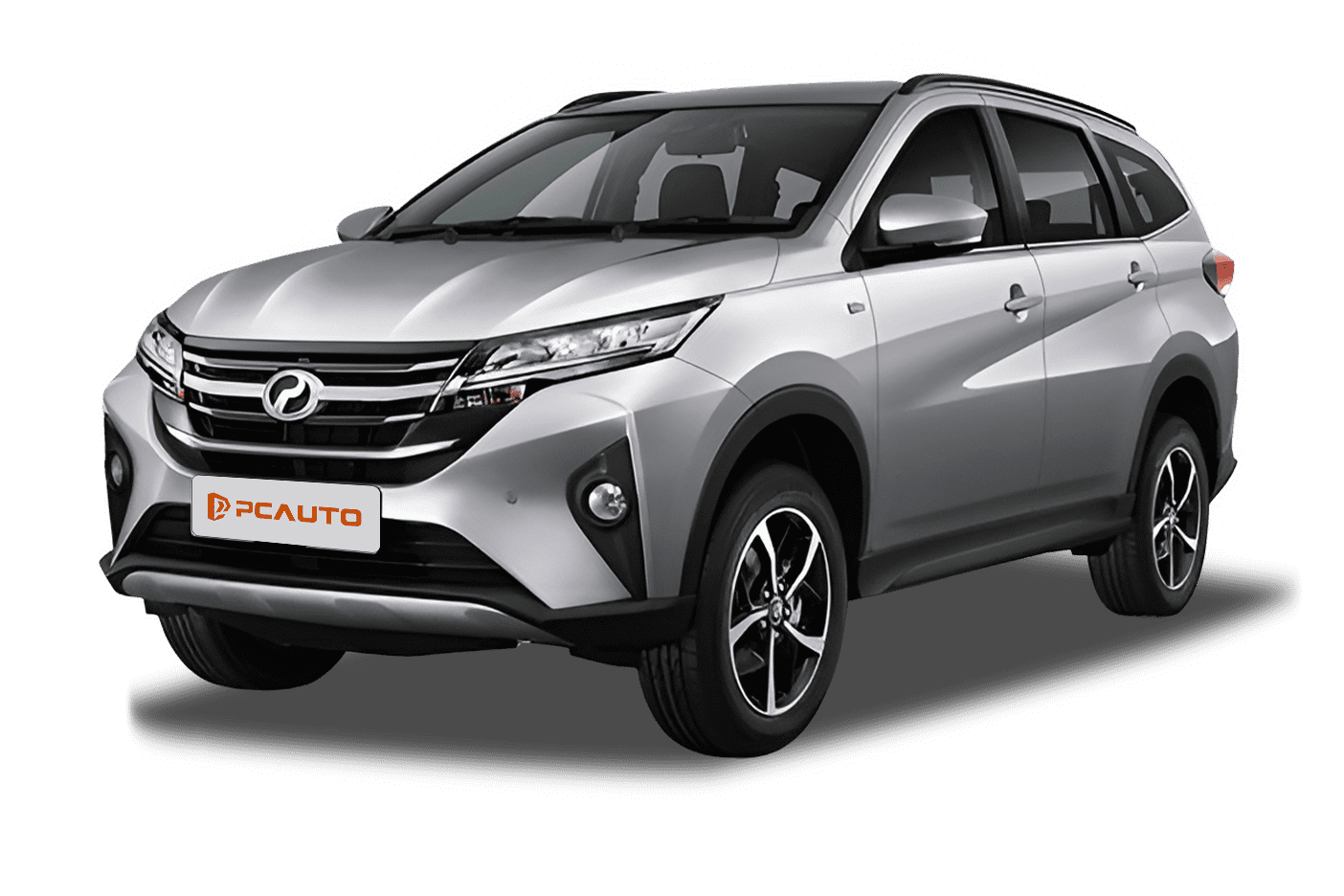
The 2023 Perodua Aruz 1.5L X is a high-value-for-money B-segment 7-seater SUV, offering 6 airbags and active safety systems as standard equipment for under RM63k. It balances practical space and daily commuting needs, making it a pragmatic choice for budget-conscious families.
4
Rank in SUV
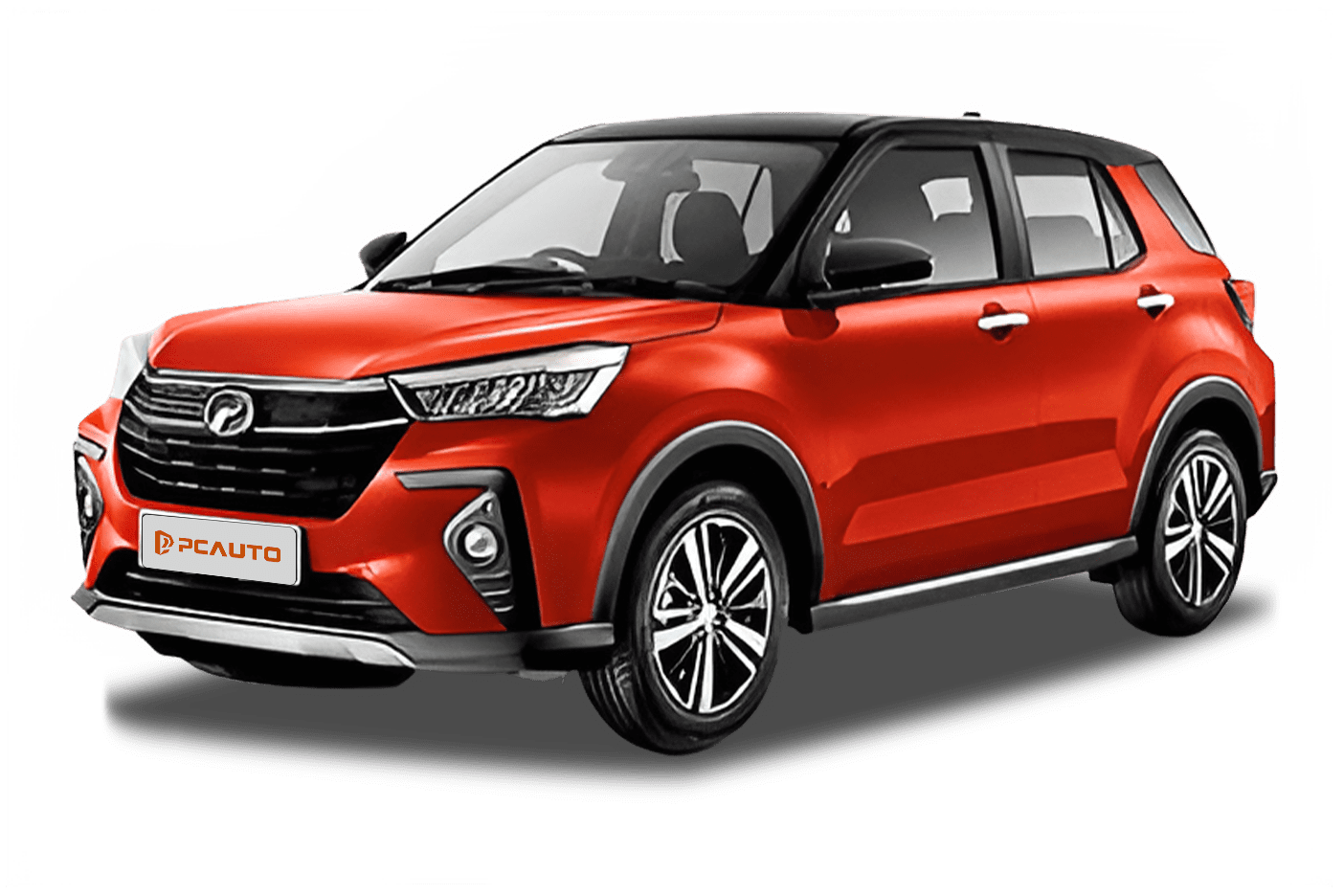
2023 Perodua Ativa 1.0L Turbo X, as a high-value-for-money entry-level B-SUV, meets the commuting and short-distance travel needs of family users with advanced safety features, practical space, and economical fuel consumption.
3
Rank in SUV
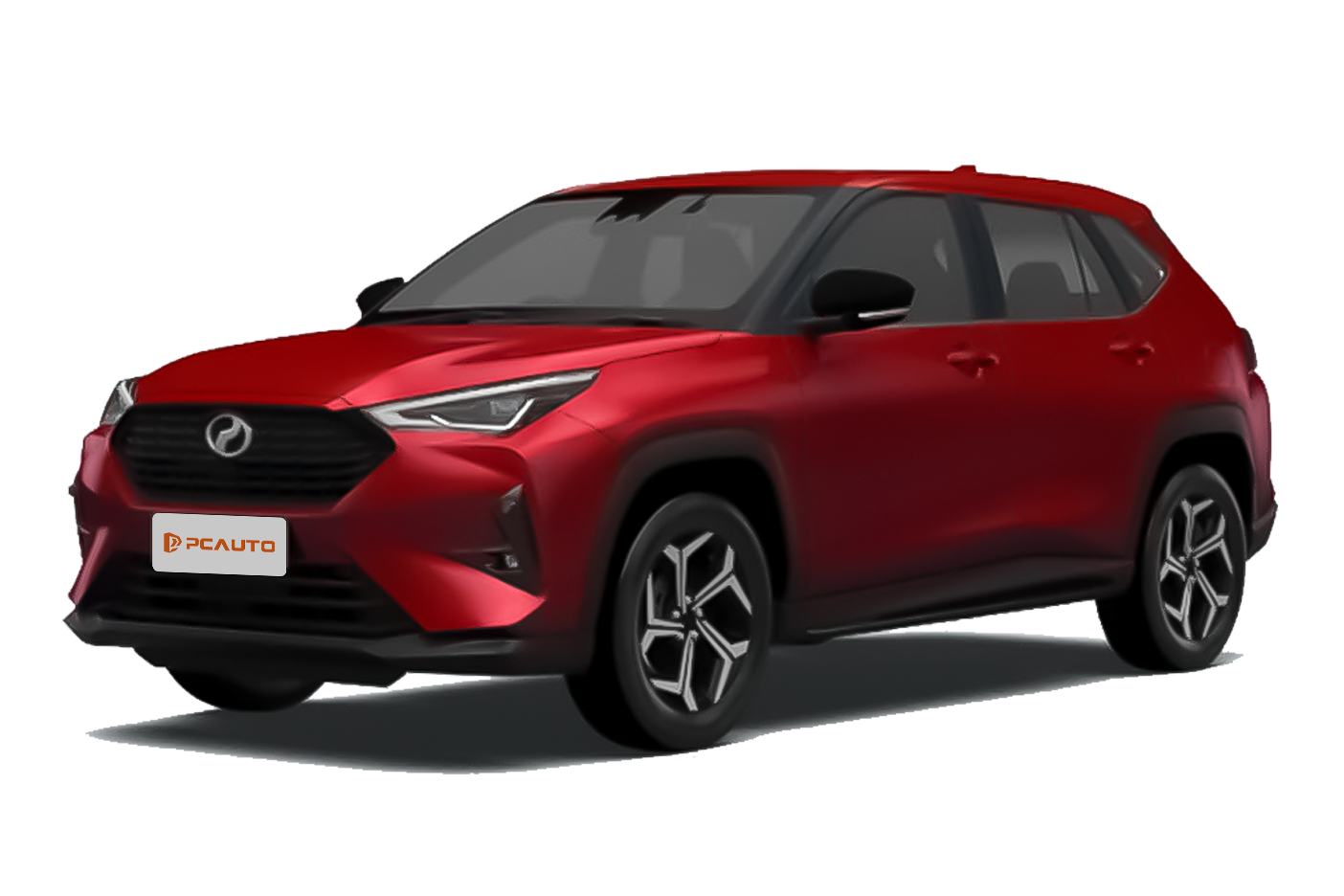
2025 Perodua Traz X, positioned as a B-segment SUV for family users, highlights advanced safety features, 210mm high ground clearance, and practical spaciousness as its main selling points, balancing flexibility and practicality.
2
Rank in SUV
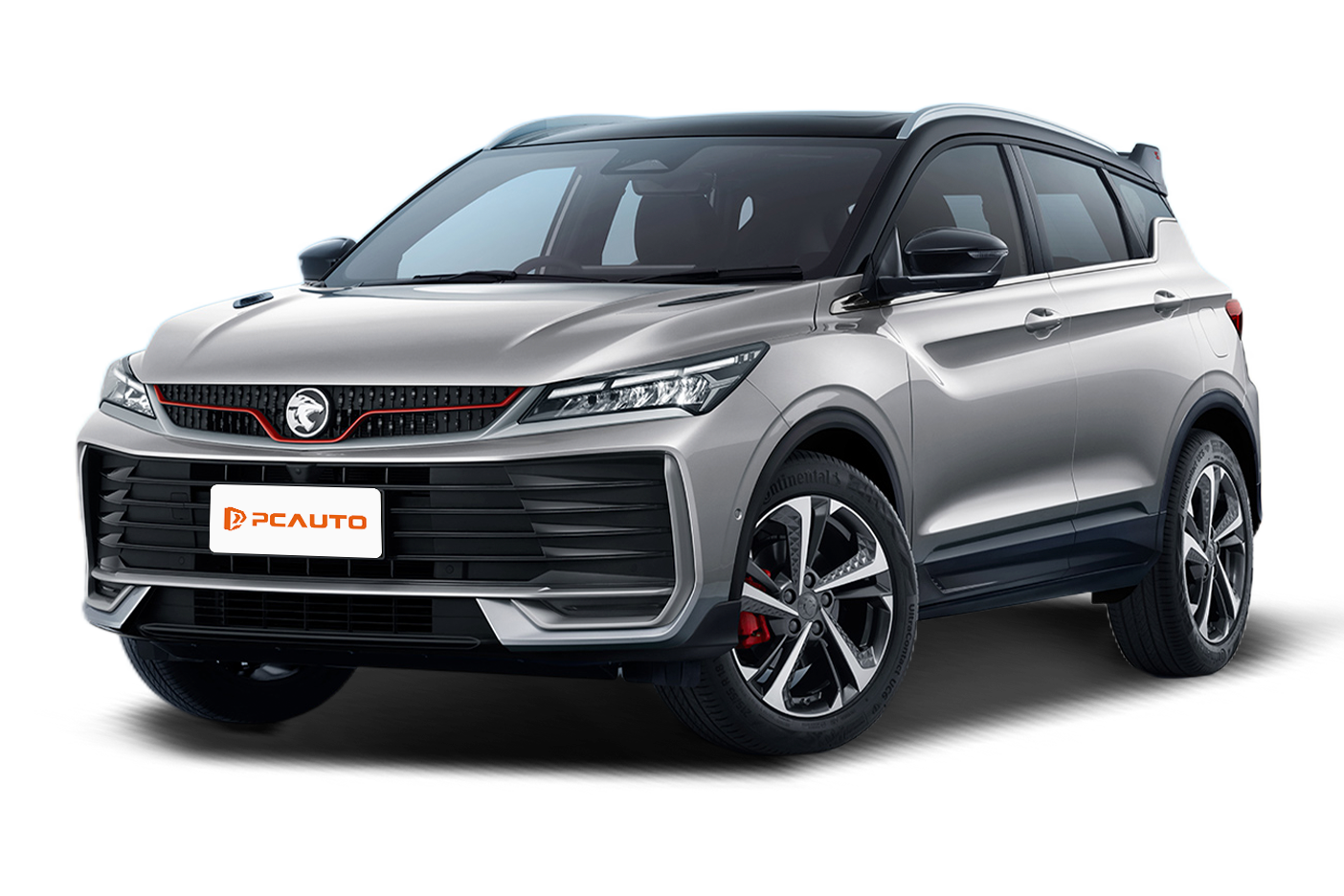
2025 Proton X50 Executive is an upgraded and price-reduced mid-size SUV that combines refined exterior, tech-savvy interior, powerful performance, and practical space, offering exceptional value for money.