

2021 Toyota Vios 1.5J Review

 Share
Share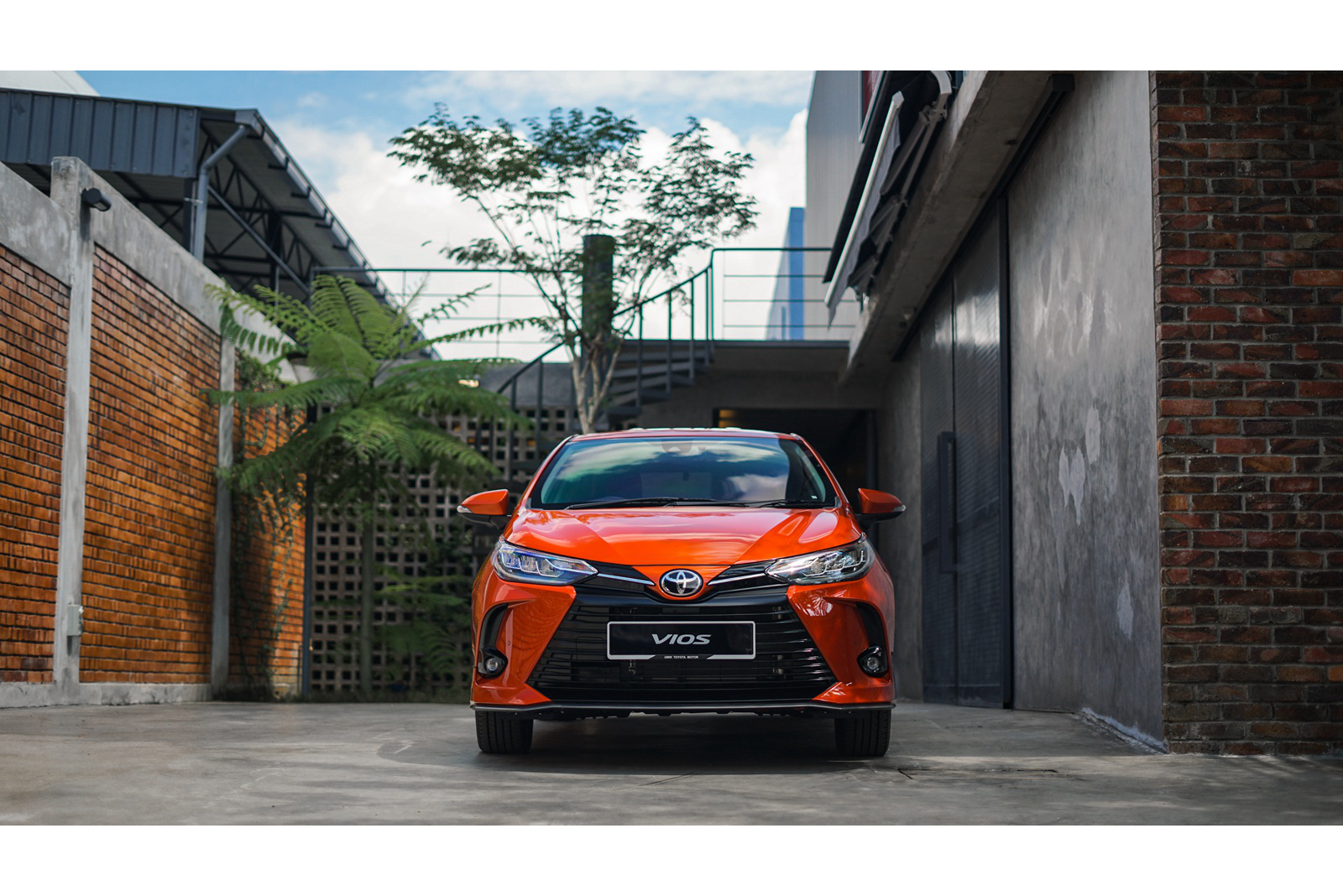

 Segment
 Body Type
 Capacity(L)
 Engine Power(PS)
 Transmission
 Driven Wheels
As one of the most popular B-segment sedans in the Malaysian market, every update of the Toyota Vios garners significant attention from household car buyers. The 2021 Vios 1.5J is priced at 74,623 RM and positions itself in the mainstream market. Featuring advanced safety configurations such as 7 airbags and a 360-degree parking camera as standard, along with a 5-year unlimited mileage warranty, it has become a key consideration for many family users. In this test, we will focus on its static practicality and dynamic performance to see if this entry-level trim can meet the core needs of daily commuting and family outings.
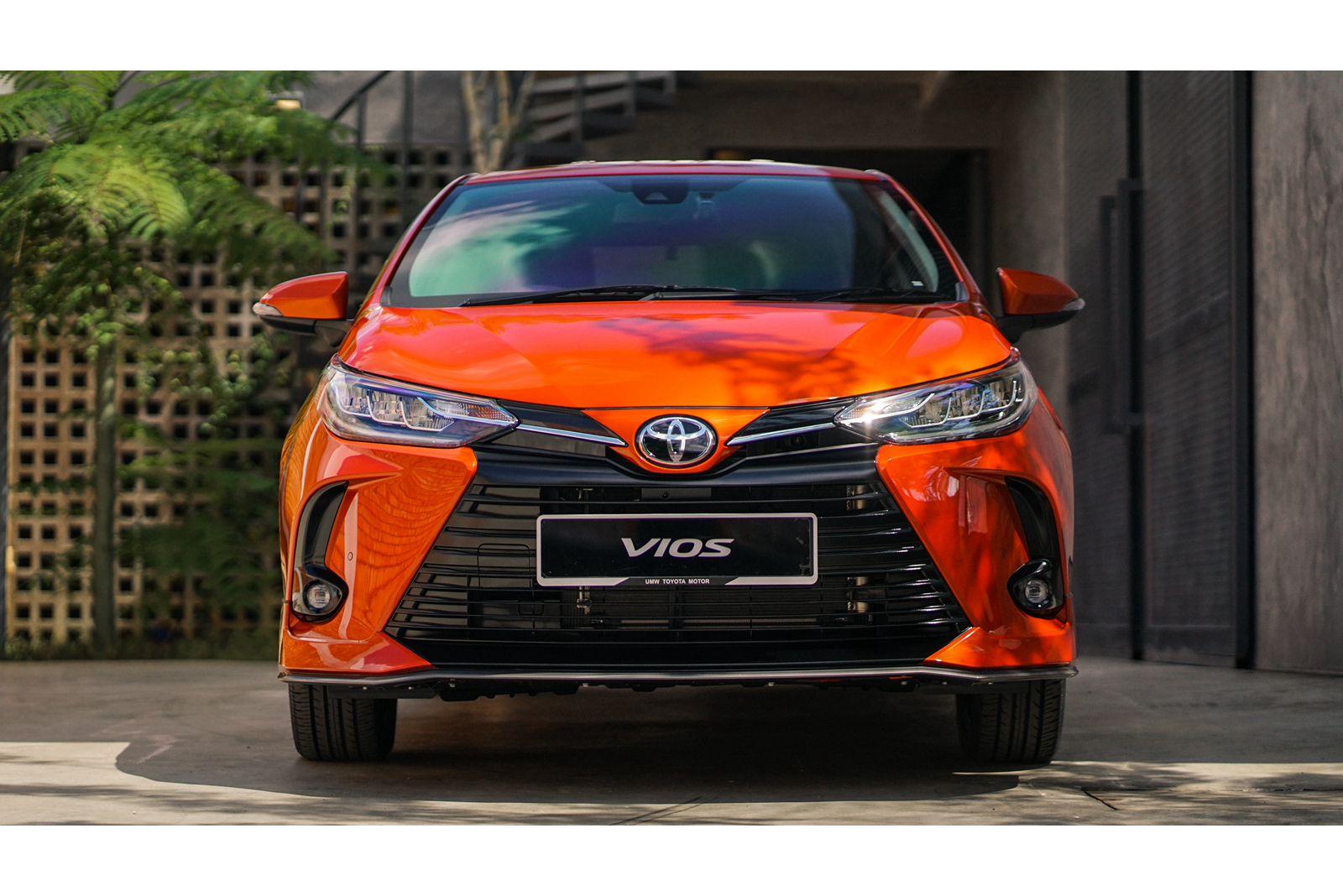
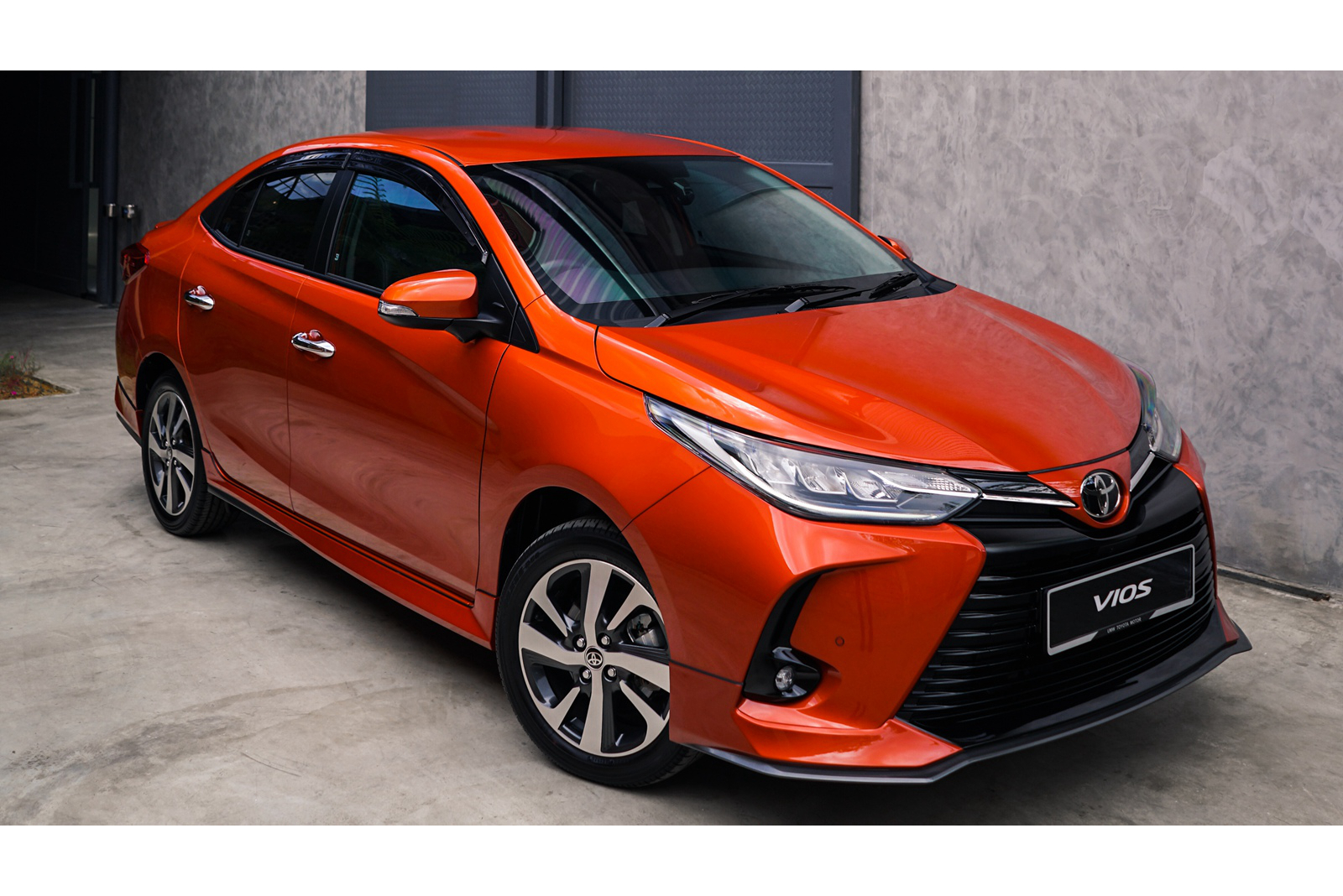
From the exterior perspective, the 2021 Vios 1.5J continues the family design language with an overall youthful and dynamic style. The front features a large trapezoidal lower grille, paired with sharp LED headlights on both sides, giving the vehicle a wider visual appeal. The side profile exhibits smooth lines, with the waistline extending from the front fenders to the rear, enhancing the three-dimensional look. The 15-inch wheels, while on the entry-level side, are proportionate to the dimensions of the car at 4425mm x 1730mm x 1425mm, and do not seem out of place. At the rear, the LED tail light clusters feature a horizontal layout, connected by a chrome strip to enhance the refined look, while the standard front and rear fog lights ensure visibility in adverse weather conditions. Overall, the design avoids excessive flamboyance, adhering to the practicality-oriented positioning of B-segment cars, with a level of distinctiveness that ranks moderately high within the segment.
Stepping inside, the interior of the Vios 1.5J predominantly adopts a dark color scheme, with a symmetrical layout for the dashboard. The upper portion uses rigid plastic materials, while the lower part is complemented by some soft-touch materials. Although the texture isn’t outstanding due to cost constraints, the assembly maintains Toyota’s usual precision. A 7-inch touch-capable central display sits in the middle of the dashboard, supporting basic multimedia and Bluetooth connectivity functions. The operational logic is clear, and the response time is moderate. The instrument cluster features a backlit analog design, presenting core data like RPM and speed in an intuitive manner for quick driver reference. In terms of configuration, this model comes standard with keyless entry, single-zone automatic air conditioning, a multifunction steering wheel, and paddle shifters, adequately covering daily functional needs—keyless entry reduces the hassle of fumbling for keys, the automatic air conditioning is especially practical in Malaysia's hot weather, and the paddle shifters offer convenience for those who enjoy manual control over RPM. Regarding space, the 2550mm wheelbase is standard within the B-segment range. A 175cm tall passenger sitting in the front will have about a fist's worth of headroom after adjusting the seating position; in the rear, there is about two fists’ worth of legroom and four fingers of headroom, which suffice for regular family outings. The rear seats support a 60:40 folding design, which, complemented by the 506L trunk capacity, enables accommodation of large items such as foldable strollers or small suitcases. Additionally, the interior storage areas are quite ample, with front and rear door panels that can hold water bottles, and sufficient capacity in the central armrest console and glove compartment for storing everyday items.
In terms of performance, the Vios 1.5J is equipped with a 1.5L naturally aspirated engine that delivers a maximum power of 107PS/6000rpm and a peak torque of 140N·m/4200rpm, paired with a CVT gearbox. During actual driving, the power output is smooth when starting off, with a linear throttle response and no noticeable lag. During low- to mid-speed accelerations (such as overtaking on city roads), stepping hard on the accelerator quickly brings the engine speed above 4000rpm, delivering torque in a relatively direct manner that suffices for daily overtaking needs. However, at higher speeds (above 100 km/h), the power reserves seem slightly lacking, requiring extra distance to prepare for overtaking. The transmission performs smoothly, with minimal shift shock during daily driving, though slight throttle response delays may occur during sudden accelerations. In terms of driving modes, the car offers both normal and ECO modes; in ECO mode, throttle response becomes noticeably slower, making it more suitable for long-distance cruising to save fuel.
In terms of handling and chassis performance, the Vios 1.5J uses a combination of front MacPherson independent suspension and rear torsion beam non-independent suspension, which is a common configuration in models of the same class. The suspension is tuned for comfort, effectively filtering out most vibrations when faced with Malaysia's common speed bumps or minor bumpy roads, ensuring that passengers inside the car do not feel significant discomfort. However, when traversing larger potholes, the rear suspension may exhibit slight residual vibrations, but it remains within an acceptable range. The steering wheel is light in terms of effort, with moderate precision, making it suitable for urban commuting. At high speeds, the steering wheel becomes slightly heavier, improving stability. In terms of braking, the front ventilated disc brakes provide linear braking force, and the brake pedal feedback is clear, giving ample confidence during daily driving. During fuel consumption tests, under a mix of urban and highway conditions, the vehicle's actual fuel consumption is approximately 6.2L/100km, close to the official figure of 5.8L/100km. Its fuel economy performs well within its class, and the 42L fuel tank capacity offers a range of about 670km, reducing the hassle of frequent refueling.
Regarding driving and ride comfort details, the vehicle's noise control performance is average. During low-speed urban driving, noise from the engine and wind is relatively minimal. At highway speeds of up to 110km/h, wind noise and tire noise become more noticeable but do not disrupt normal conversations inside the cabin. The seats are manually adjustable, with padding of moderate firmness, providing basic lumbar support. Long drives (such as over an hour) do not cause significant fatigue. The 360-degree parking assist system is highly practical in tight parking spaces. Combined with front and rear parking sensors, even novice drivers can easily complete parking maneuvers. The hill-start assist system prevents rolling back during hill starts, which is beginner-friendly.
Overall, the core advantages of the 2021 Toyota Vios 1.5J lie in its well-balanced configuration, reliable mechanical quality, and practical space performance. Compared to competitors of the same class such as the Honda City 1.5 S, the Vios 1.5J has an edge in safety features (standard 7 airbags vs. City’s 2 airbags), and it also boasts a more extensive after-sales network with lower maintenance costs. Although its power output and interior quality are slightly inferior to the City, it offers better overall value for money. In terms of usage scenarios, this car is suitable for family users who prioritize practicality and reliability—it can handle daily commuting, school pick-ups and drop-offs, and weekend short trips with ease. Consumers who do not have high demands for power and prefer a worry-free and durable vehicle can consider this model as a priority.
In conclusion, the 2021 Toyota Vios 1.5J is a "well-rounded" family sedan. While it may not have any particularly outstanding highlights, it meets core needs such as safety, space, and configuration with "adequacy and reliability." Coupled with the strong reputation of the Toyota brand in the Malaysian market, it is one of the standout choices in the B-segment family car market.
Toyota Vios Loan Calculator
More Toyota Reviews
Cars With Similar Price And Features
4
Rank in Sedan
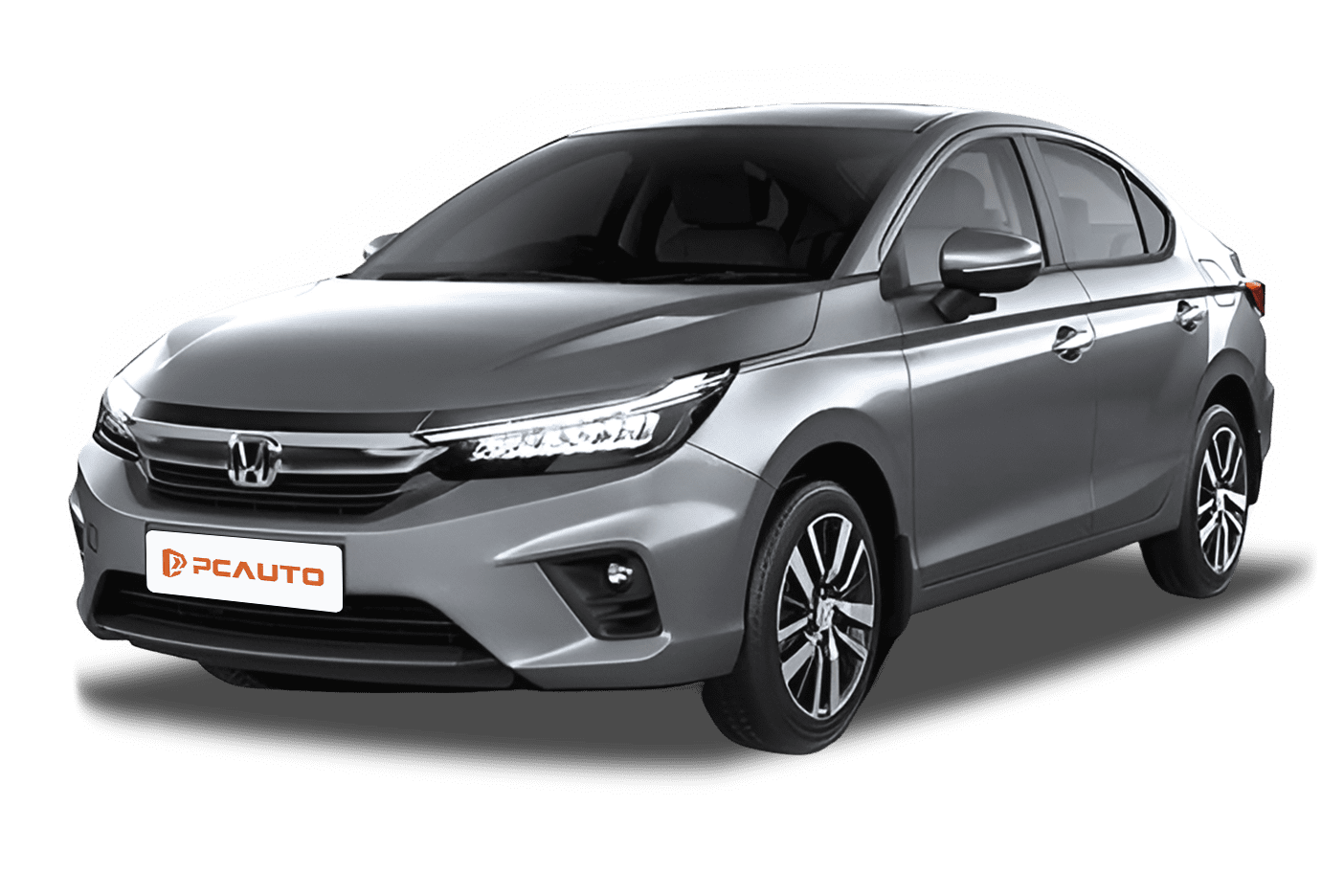
2023 Honda City 1.5 S, as an entry-level B-segment sedan, offers advanced L2 driving assistance and 6 airbags at an affordable price. With practical space and excellent fuel efficiency, it is a high-value choice for family users.