

2021 Toyota Vios GR-Sport Review

 Share
Share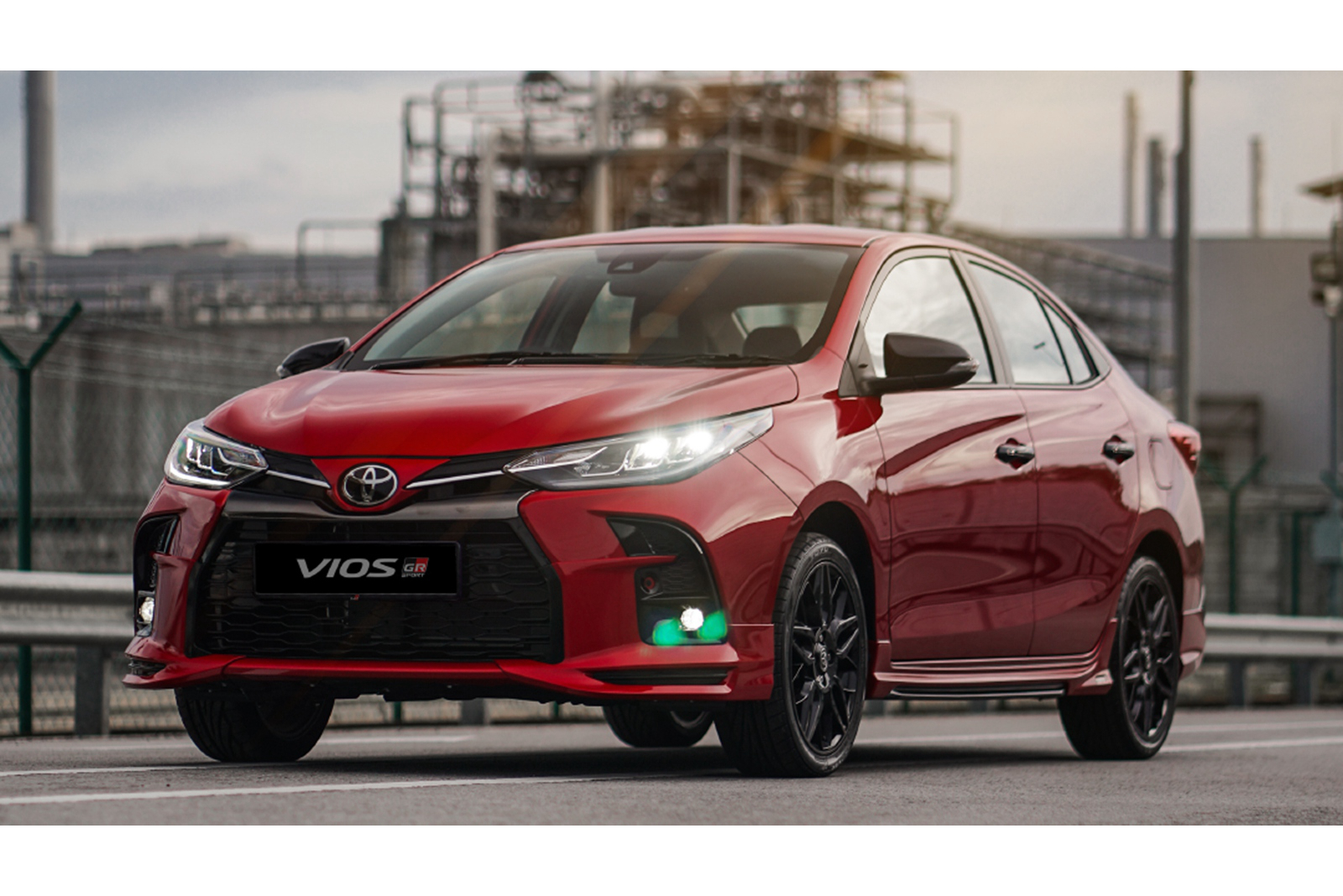
 Segment
 Body Type
 Capacity(L)
 Engine Power(PS)
 Transmission
 Driven Wheels
In Malaysia's B-segment sedan market, consumers not only want practical daily commuting but also crave a touch of sportiness. Toyota has clearly captured this demand - the 2021 Vios GR-Sport is designed for this purpose. This car not only bears the halo of the GR Sport series but also features targeted upgrades in configuration and design. Its core selling point is straightforward: a combination of sporty appearance + high safety features + practical space. Can it really meet young people’s expectations for an "affordable sporty sedan"? This test drive focuses on these three aspects to see if it lives up to its name.
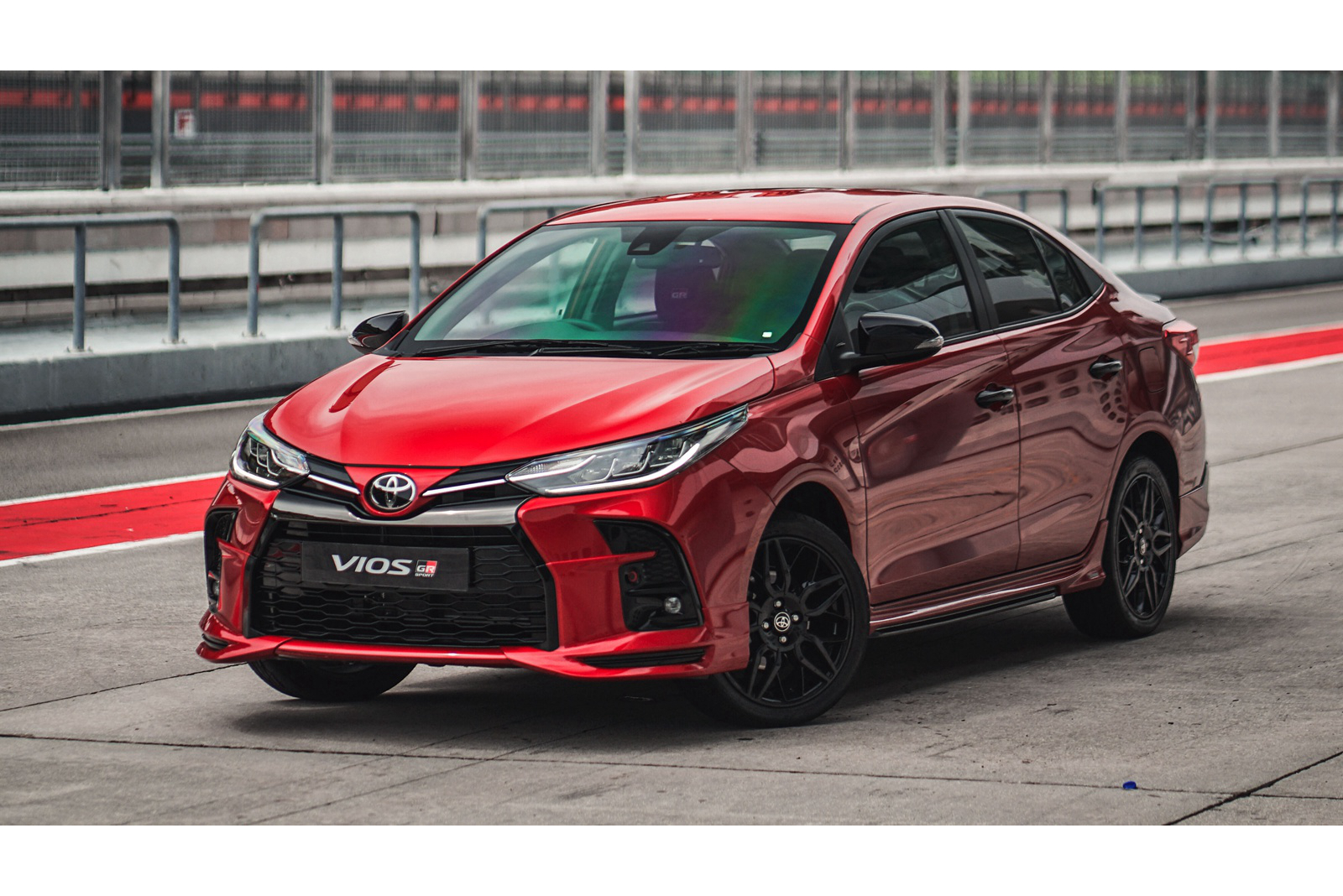
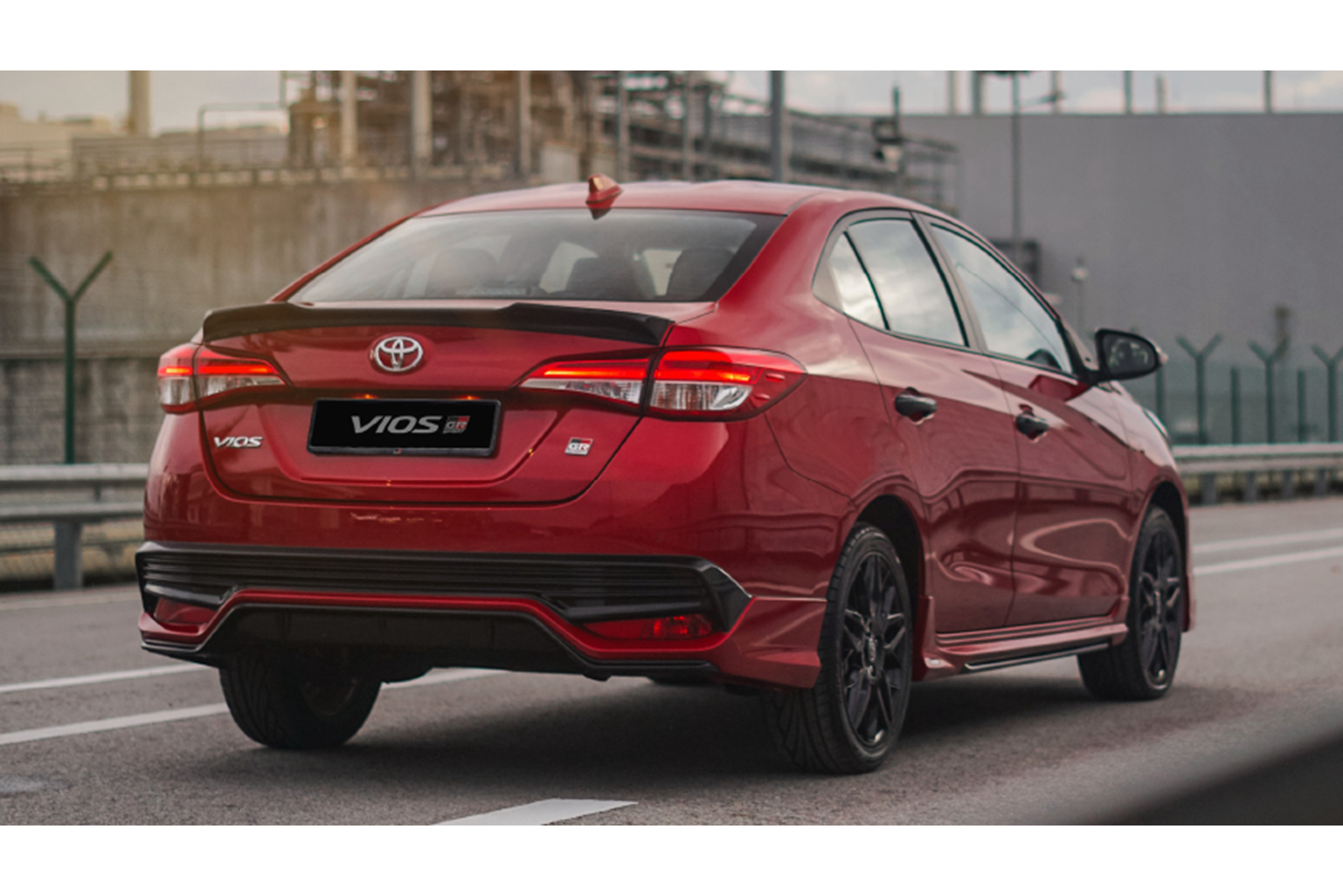
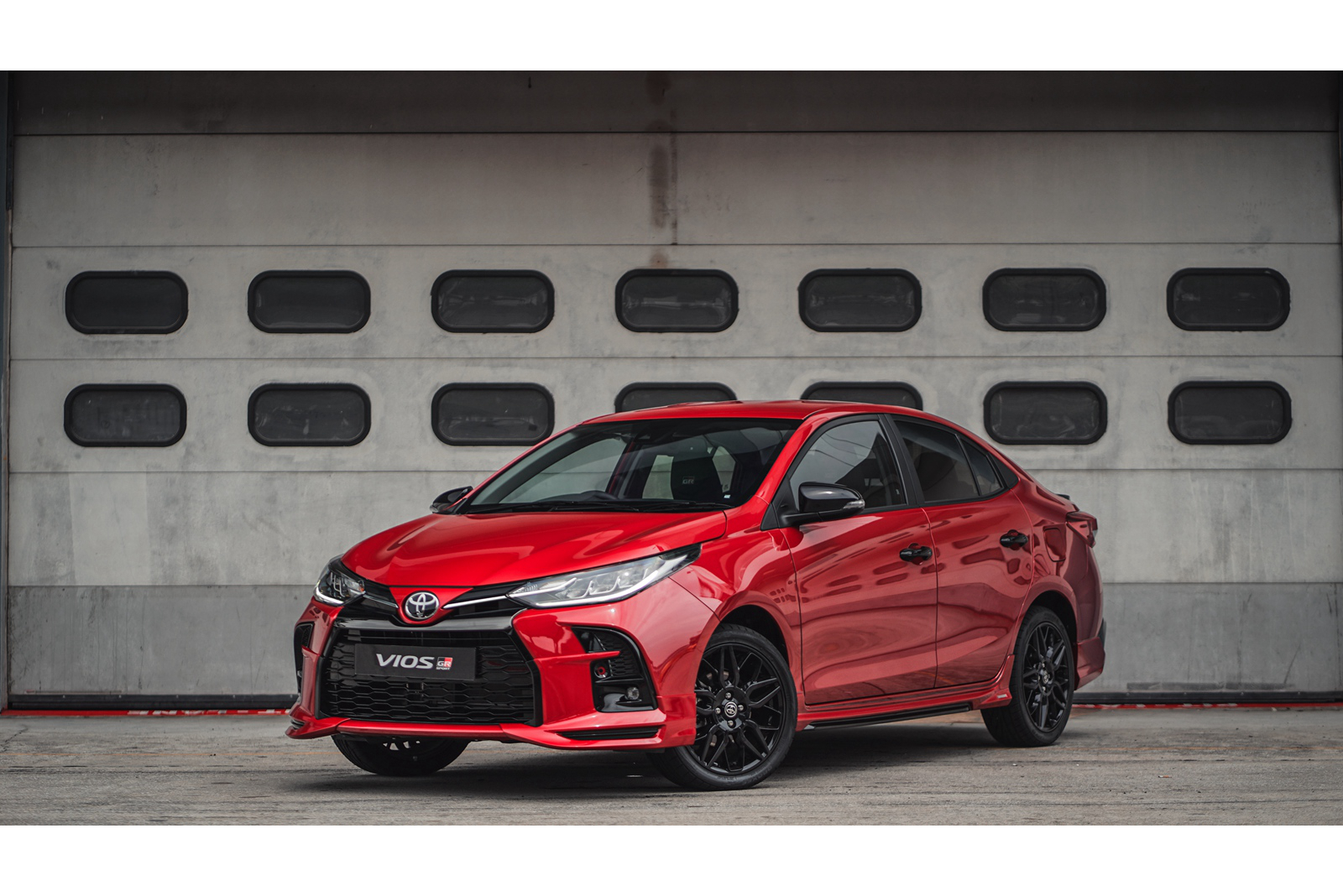
Starting with the exterior, the GR-Sport version is significantly more recognizable than the standard Vios. The front face features a larger black honeycomb-style grille paired with blacked-out LED headlights, giving it a more aggressive look. The sides of the front bumper are equipped with sporty air intakes, which may have limited aerodynamic effect but certainly enhance the sporty feel. On the side, the 17-inch black multi-spoke wheels combined with 205/45 R17 tires look fuller compared to the standard 16-inch wheels. Along with a slightly lowered body height (10mm lower than the standard version), the side profile appears more svelte. At the rear, the changes mainly include blacked-out LED taillights, a bumper with a diffuser design, and a small black spoiler. The overall style is not ostentatious, but it’s easy to tell it’s the sporty version. The lighting system features all-LED lights, with automatic headlights and daytime running lights as standard, ensuring practicality.
Inside, the interior layout doesn’t differ much from the standard Vios, but there are sportier touches in the details: the steering wheel is wrapped in genuine leather with red stitching and adorned with metallic paddle shifters on both sides. The seats are manually adjustable but adopt a sporty design with faux leather and fabric combination, offering slightly better side support than the standard version while remaining comfortable. The central multimedia screen is a 7-inch touch screen that supports Bluetooth and USB connections. The Sound Plus function paired with six speakers delivers sound quality that ranks slightly above average in its class. The configuration is a highlight: keyless entry/start, single-zone automatic air conditioning, a 220V power outlet, and a 360-degree panoramic camera are all standard. Particularly noteworthy are the safety features - 7 airbags, lane departure warning, automatic emergency braking, forward collision warning, and lane change assist are all included, which puts it among the top configurations in the B-segment. This is a very practical aspect. Its space performance meets the expectations for its class: a wheelbase of 2550mm, allowing a front-seat passenger of 175cm height to have a fist of headroom remaining; the rear legroom provides two fists, and headroom allows for one fist. Seating three adults in the back isn’t cramped. The trunk offers a volume of 506L, and the rear seatbacks can be folded in a 60:40 split, making it convenient for storing strollers or suitcases. The central armrest box and door panel storage compartments also offer ample space.
For the driving dynamics, the engine remains a 1.5L naturally aspirated engine delivering 107PS power and 140N·m of torque (not listed in the specs but matches the standard version), paired with a CVT transmission. The initial acceleration isn’t particularly quick, but the throttle response is very sensitive, making it easy to follow traffic in the city. Acceleration is smooth up to 80km/h, but after 100km/h, further acceleration feels a bit strained, and overtaking on the highway requires pressing the throttle in advance. There are two driving modes: Normal and Eco. In Eco mode, the throttle feels heavier, making it more suitable for fuel-efficient city driving, while the Normal mode is more balanced. Combined with the paddle shifters, although the simulated shifting of the CVT lacks noticeable shift shock, it can still add a bit of fun occasionally. The suspension utilizes a front MacPherson strut and rear torsion beam setup, with the GR-Sport version tuned to be stiffer than the standard variant. When driving over speed bumps or on uneven roads, the vibration absorption is not entirely thorough, but it keeps the body stable without excess swaying. Cornering body roll is better controlled compared to the standard Vios. The steering wheel offers moderate resistance and relatively precise handling, making daily driving comfortable and even suitable for occasional spirited driving on winding roads. The braking system features disc brakes at both the front and rear, providing linear braking power and inspiring confidence when applied.
In terms of fuel consumption, the official combined fuel consumption is 5.8L/100km. During actual test drives, the fuel consumption in congested urban areas is approximately 7.2L, while on highways it’s about 5.5L, which aligns with the level of a 1.5L naturally aspirated engine. The fuel tank capacity is 42L, which means a full tank can roughly last for about 650km. It’s adequate for daily commuting. Noise control is well-handled, with only tire noise noticeable at speeds below 60km/h in the city. Wind noise becomes slightly noticeable on highways at 120km/h, but it doesn't impede conversation. The comfort of the seats is also acceptable. While lumbar support isn’t particularly sufficient for long drives, it’s perfectly fine for short commutes and weekend outings.
To sum it up, the core advantages of the 2021 Vios GR-Sport are clear: first, the sporty design isn’t flashy but still distinctive, appealing to the aesthetics of young people; second, safety features are fully packed, with 7 airbags and a complete set of active safety systems rarely seen in the same class; third, the space and practicality haven't been compromised for the sporty design, making it fully capable for daily family use. Compared to the Honda City RS in the same class, the Vios GR-Sport boasts more comprehensive safety features and a slightly lower price (RM95,284 vs. City RS at RM96,800), giving it an edge in terms of value for money. However, in terms of power output, the City RS’s 1.5L turbocharger is indeed more powerful, which may appeal more to users who value acceleration.
This car is well-suited for a specific target audience: young families aged between 25-35, or young professionals who have just started working—they want a touch of sportiness without sacrificing the practicality of daily commuting, and they have high demands for safety features. If your budget is within RM100,000 and you’re looking for a “well-rounded” B-segment sedan, the Vios GR-Sport is a balanced choice. It doesn’t have any particularly obvious shortcomings, and its sporty appearance and high configuration are its biggest strengths.
In conclusion: the 2021 Vios GR-Sport is not a “performance car” (although the specs list labels it a sports car, it’s actually a sporty version of a family car), but it’s a family car that “understands young people” — grabbing attention with its sporty design, winning over family users with its high specs and safety features, while maintaining a perfect balance.
Toyota Vios Loan Calculator
More Toyota Reviews
Cars With Similar Price And Features
4
Rank in Sedan
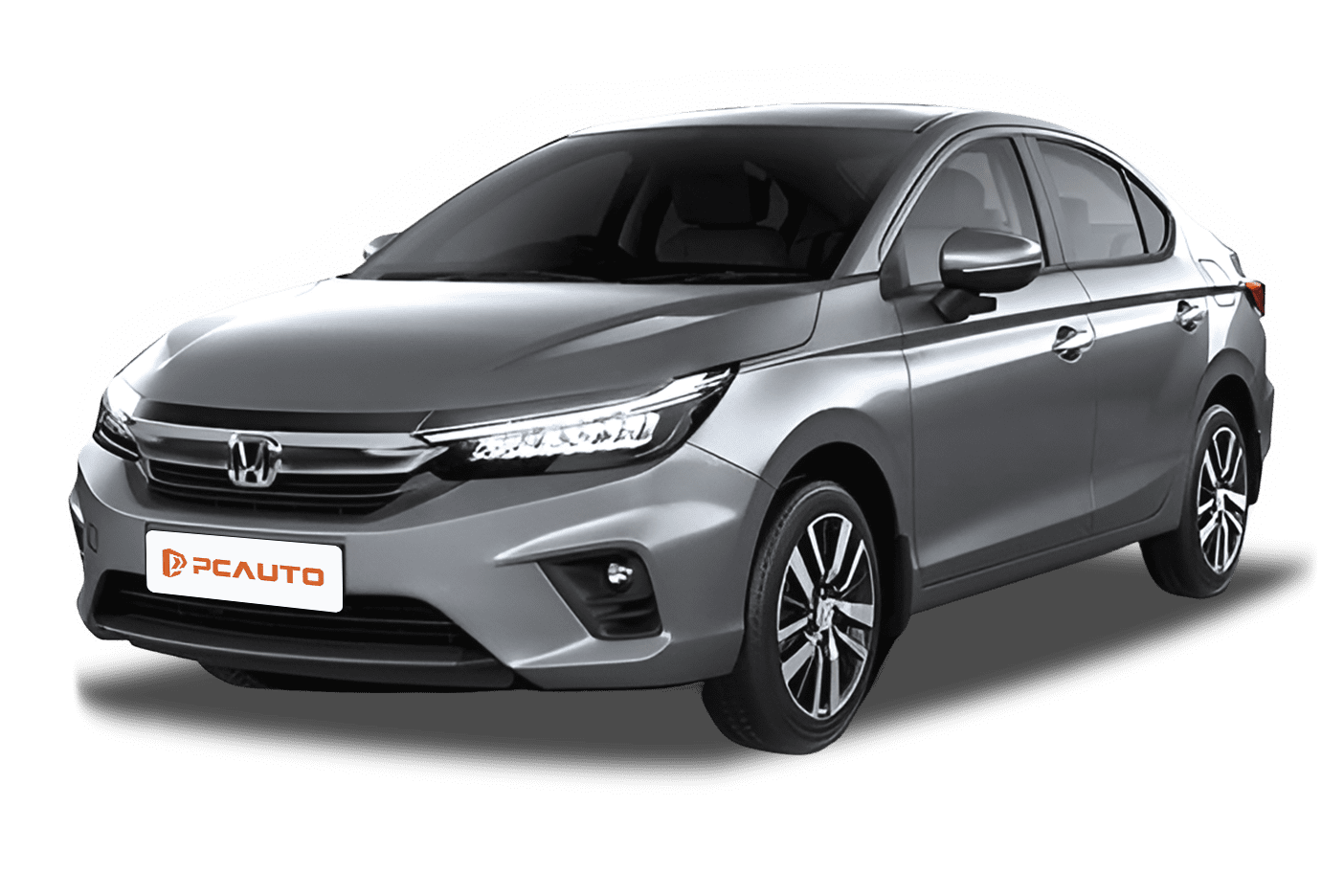
2023 Honda City 1.5 S, as an entry-level B-segment sedan, offers advanced L2 driving assistance and 6 airbags at an affordable price. With practical space and excellent fuel efficiency, it is a high-value choice for family users.