

2021 Volkswagen Arteon R-Line 4 Motion Review

 Share
Share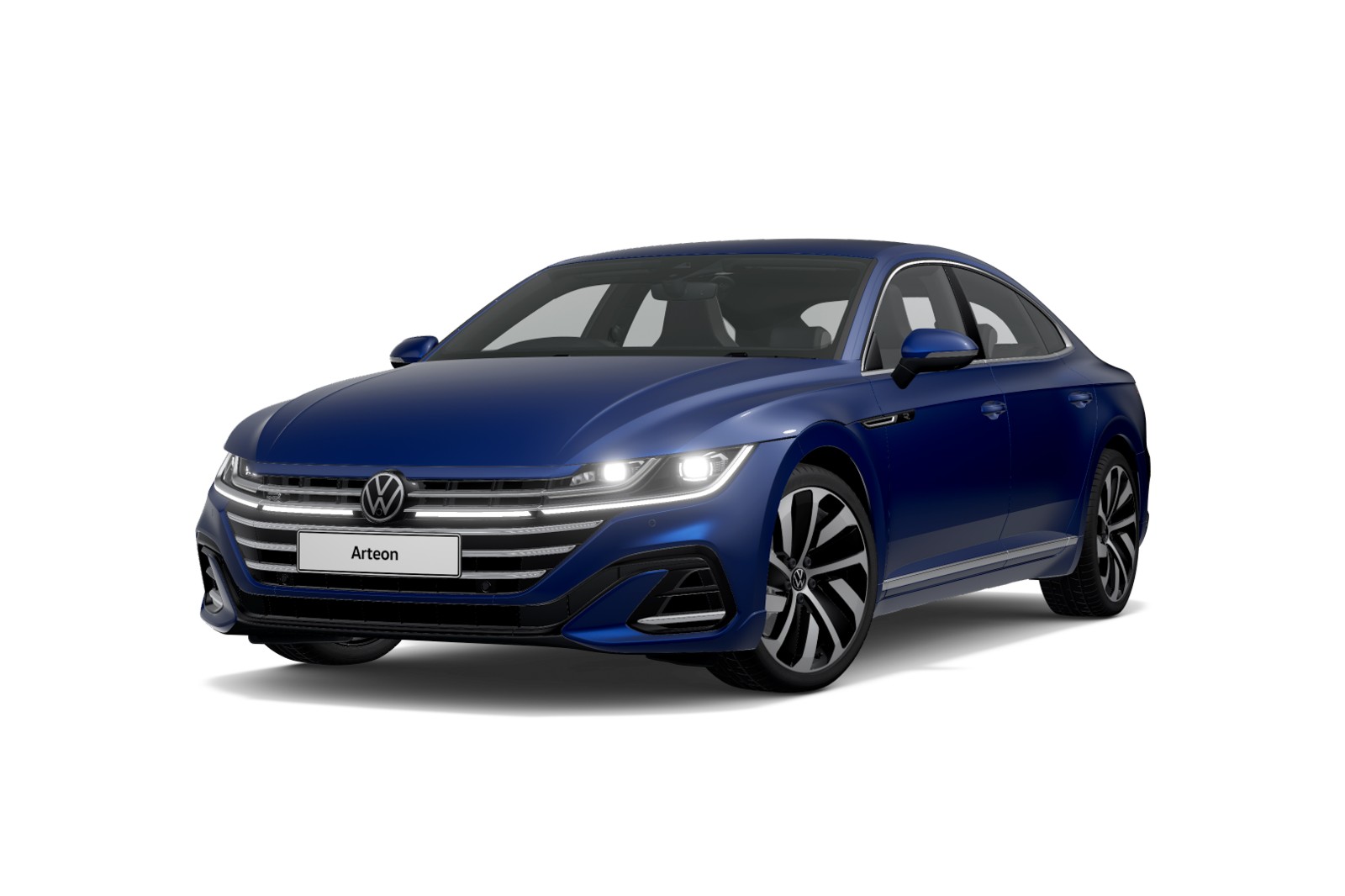
 Segment
 Body Type
 Capacity(L)
 Engine Power(PS)
 Transmission
 Driven Wheels
In Malaysia's D-segment sedan market, consumer demand for a combination of "coupe-like aesthetics" and "family practicality" is gradually merging—they want smooth fastback lines to show individuality without compromising space and comprehensive configurations. The 2021 Volkswagen Arteon R-Line 4Motion is a product aimed at this pain point: it features a high-powered 280PS 2.0T engine + all-wheel drive as its core selling points, while also offering class-leading configurations in an attempt to create a differentiation of "performance and luxury coexistence" among models in the same price range. The core of this test is to verify whether this car can indeed balance daily comfort and occasional driving passion.
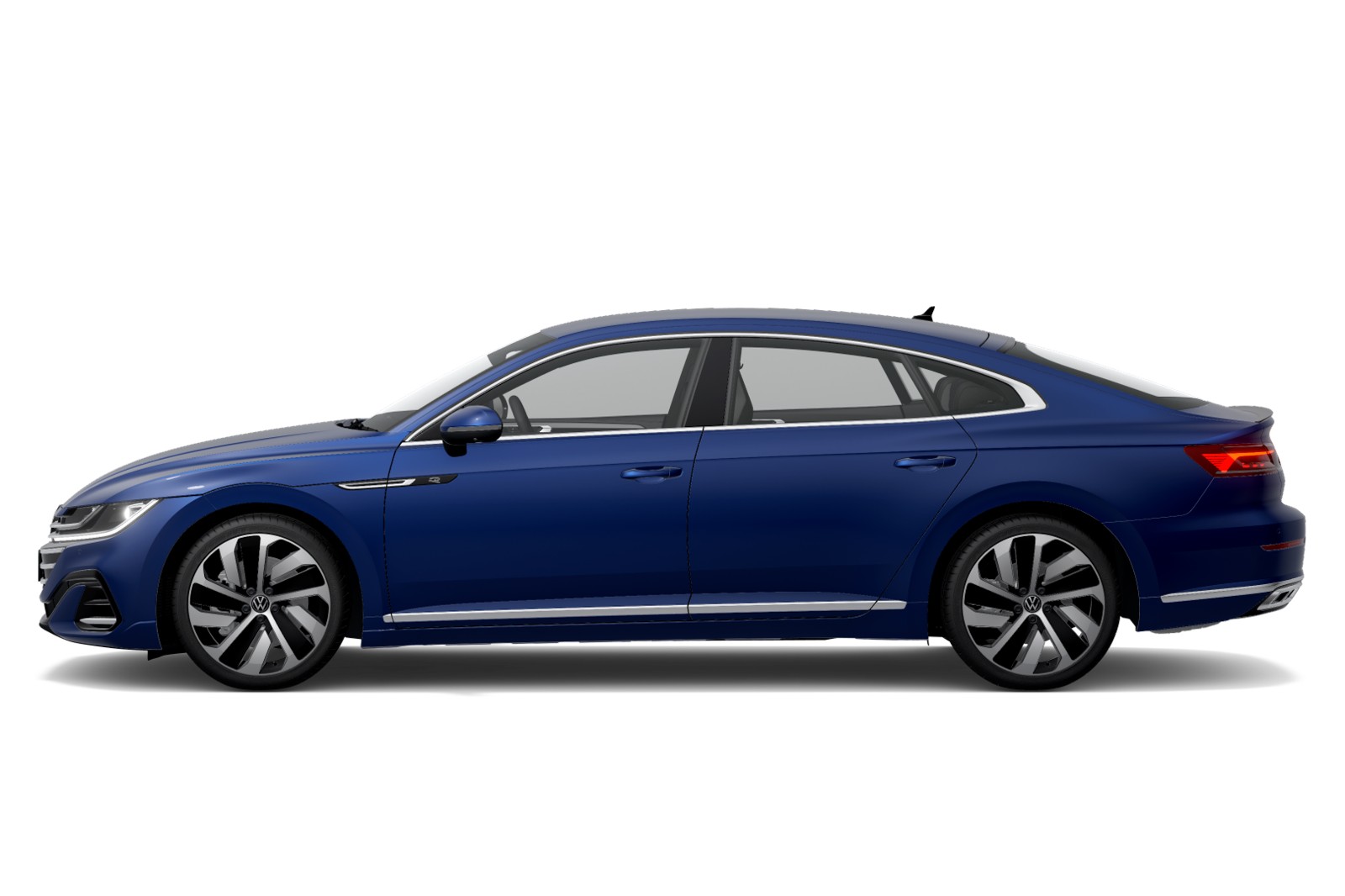
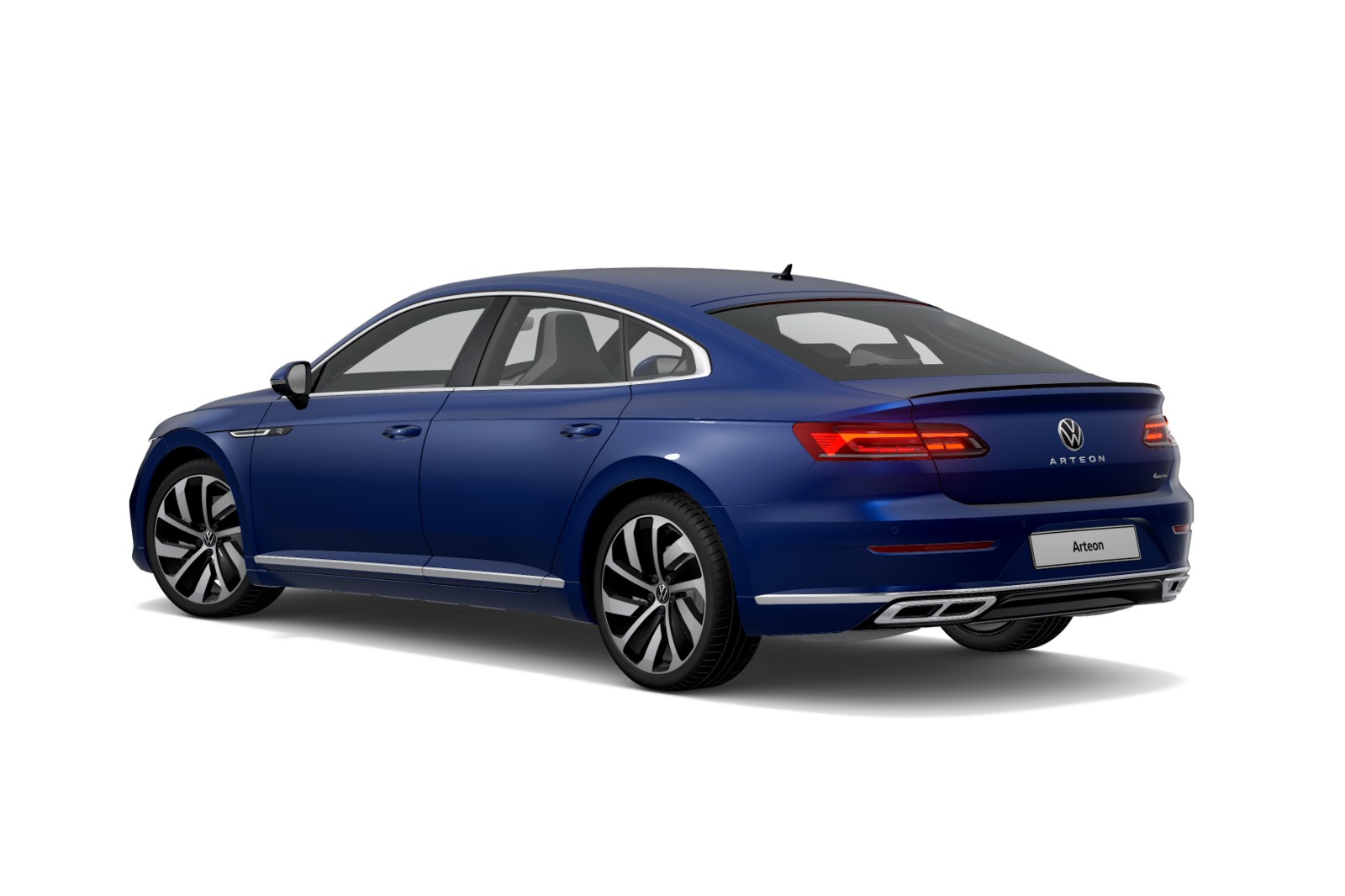
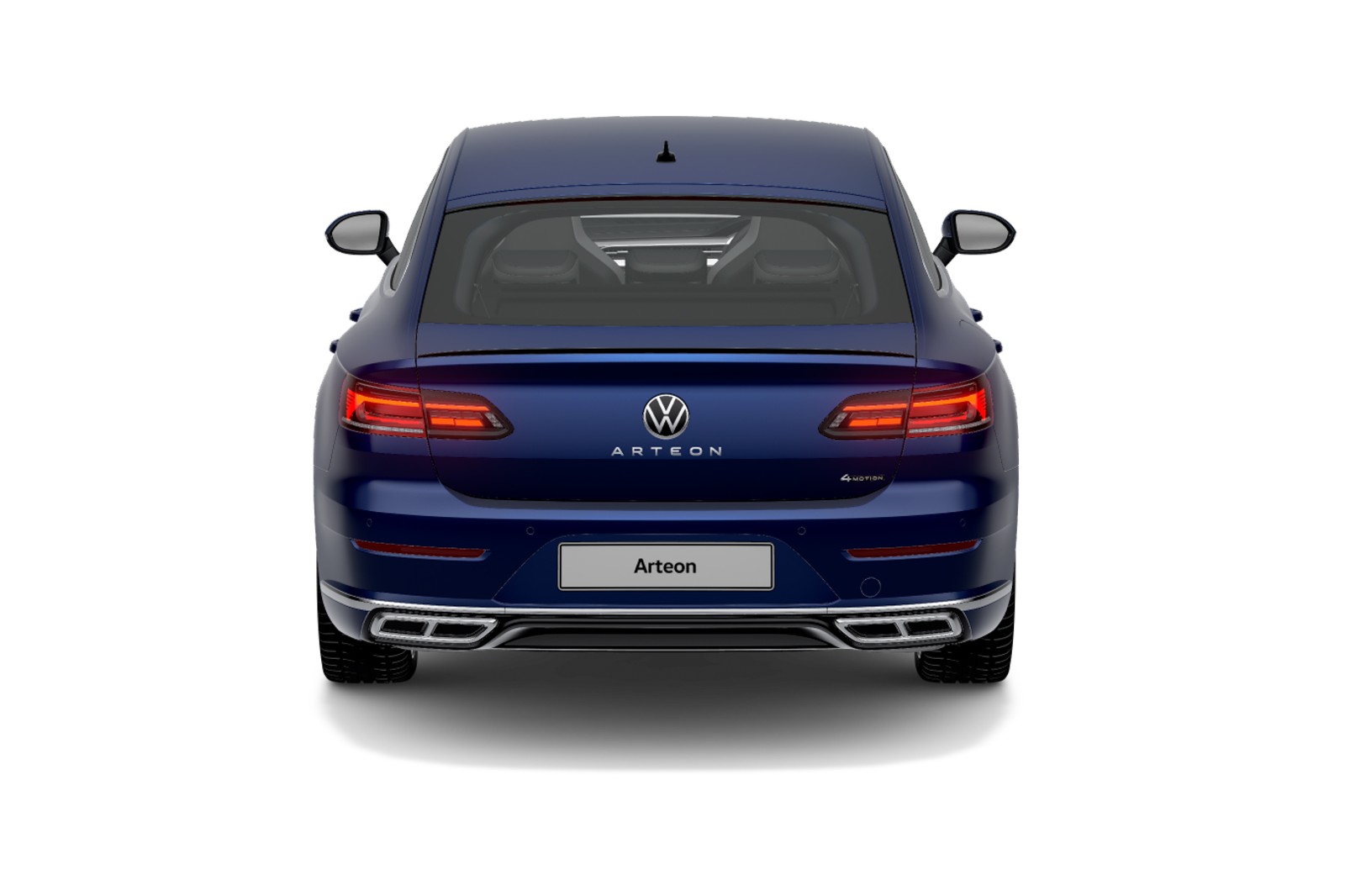
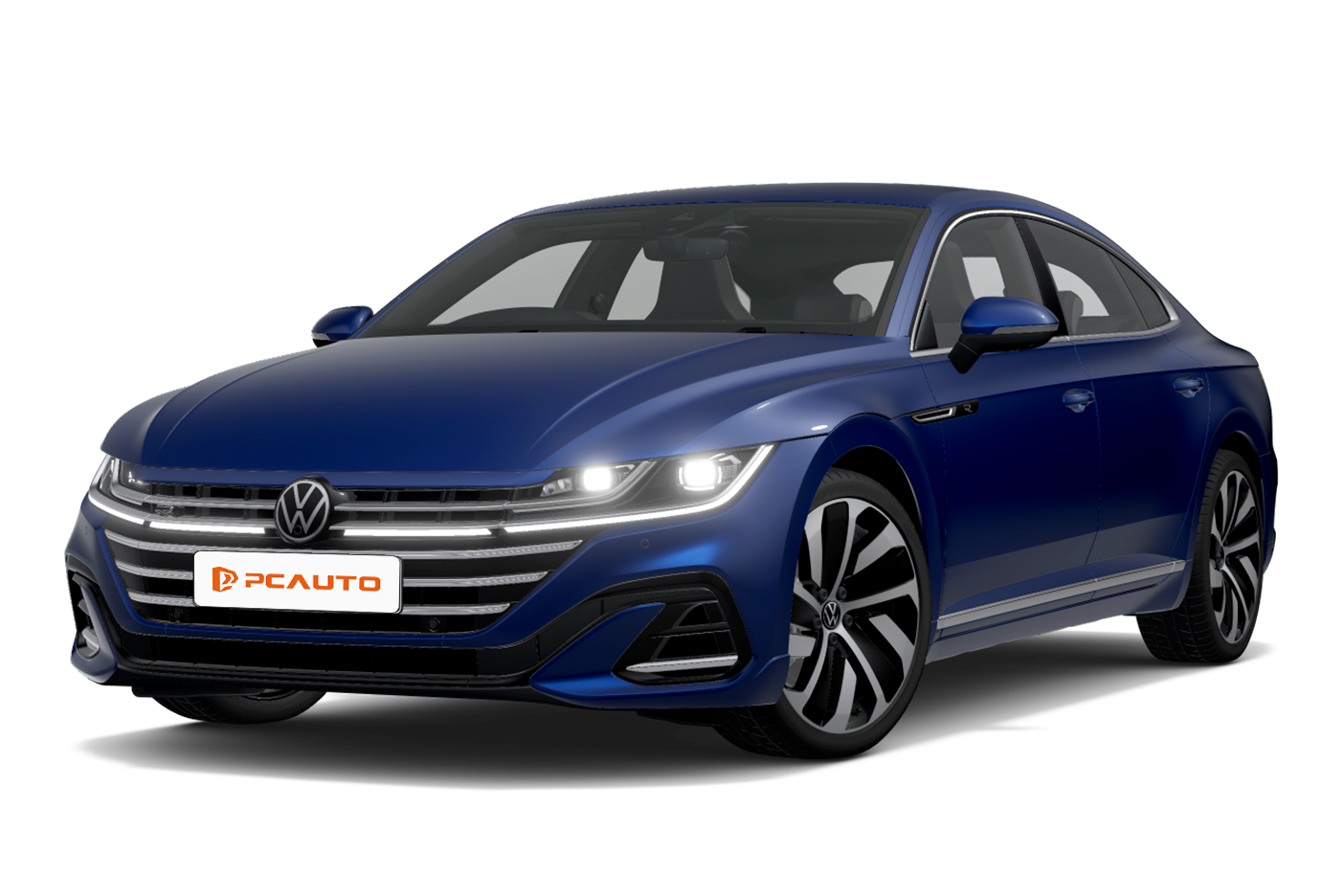
From a distance, the hatchback coupe silhouette of the Arteon R-Line 4Motion is highly recognizable. Its 4862mm length paired with a 2837mm wheelbase gives it a sleek feel without appearing bulky. The front face adopts the horizontal chrome strip design of the Volkswagen family, but the R-Line version adds a honeycomb lower grille and smoked LED headlights, giving it a more aggressive look compared to the standard version. The waistline on the side of the body runs from the fender to the taillights, combined with 19-inch wheels and a low stance, enhancing its sporty appearance. The rear small ducktail spoiler and dual exhaust layout are hallmark features of performance cars. However, the overall design retains the elegance of a coupe without being overly ostentatious. The lighting system is worth mentioning: the LED headlights come with an automatic on-off function, providing sufficient brightness at night and high recognition.
Stepping into the car, the first impression is of the solid materials used in the interior—almost all touchpoints are wrapped in soft materials, and the dashboard features stitching decorations, making the luxury feel more prominent compared to Japanese cars in the same price range. The 10.25-inch fully digital instrument cluster and the 9.7-inch touchscreen infotainment display are the visual focal points. Both have a clean and simple UI design and operate smoothly, although the touch responsiveness of the central screen has a slight delay. In terms of configuration, the Arteon performs generously: the front seats feature 14-way electric adjustments with memory functions, providing excellent support and wrapping, making long drives comfortable. The rear row offers air conditioning, a 220V power outlet, and Type-C ports, catering to family users' needs. The 11-speaker Dynaudio sound system delivers top-tier sound quality in its class, perfect for music lovers.
Space performance is one of Arteon's advantages. The 2837mm wheelbase provides ample rear legroom—passengers of 175cm in height will find over two fists of space between their knees and the front seats. Although headroom is affected by the fastback design, there is still about a fist's worth of space, ensuring it doesn't feel cramped. The trunk offers a standard capacity of 563 liters, sufficient to fit three 28-inch suitcases with ease. The rear seats support a 60:40 split folding configuration, which can expand storage space for occasional transportation of longer items. Storage details are also thoughtfully designed: the front center armrest box is deep, door storage pockets can hold large water bottles, and the position of the wireless charging pad for phones is conveniently placed.
The power specifications of the Arteon R-Line 4Motion are its "hard strength"—the 2.0T turbocharged engine delivers a maximum output of 280PS and a peak torque of 350N·m, paired with a 7-speed dual-clutch transmission and an all-wheel-drive system. During actual driving, the abundant low-end torque is noticeable right from the start; maximum torque is achieved at 1700rpm, and a light press on the accelerator provides good acceleration. When switched to sport mode, throttle response becomes sharper, and the transmission downshifts more proactively. The official 0-100km/h acceleration time is 5.6 seconds, and during actual testing, even in normal mode, depressing the accelerator deeply during overtaking delivers immediate power without any lag. However, during low-speed driving, the dual-clutch transmission occasionally exhibits slight jerkiness, a common issue with Volkswagen's dual-clutch systems, but it does not significantly impact daily usability.
In terms of handling, the performance of the Arteon exceeded expectations. The steering is precise with minimal play, providing the driver with clear road feedback when cornering; the chassis adopts front MacPherson and rear multi-link independent suspension, tuned towards sportiness but not overly stiff — when dealing with bumpy roads, the suspension can filter out most of the minor vibrations and maintain body stability; during high-speed cornering, the all-wheel-drive system distributes power between the front and rear wheels, reducing understeer and maintaining a stable body posture. The braking performance is also commendable, with a linear pedal feel and evenly distributed brake force. There is no deviation during emergency braking.
Fuel consumption performance is moderate, with an official combined fuel consumption of 7.4L/100km. In actual tests, fuel consumption in urban conditions is about 9-10L/100km, while on highways it can drop to 6-7L/100km. For a 280PS all-wheel-drive car, this is a reasonable result. Noise control is well-handled; at high speed, both wind noise and tire noise are effectively suppressed. Only during rapid acceleration does the engine sound penetrate the cabin, but it is not loud enough to disturb conversation among passengers.
To summarize, the key strengths of the 2021 Volkswagen Arteon R-Line 4Motion are evident: first, its powerful performance and all-wheel-drive system enhance handling stability; second, its rich set of features, such as the fully digital instrument cluster, Dynaudio sound system, and 360-degree panoramic imaging, are "bonus points" in its class; third, its spacious interior, with the fastback design balancing aesthetics and practicality. Compared to similarly priced Japanese cars like the Toyota Camry and Honda Accord, the Arteon stands out with better power and handling; compared to luxury brands like the BMW 3 Series and Mercedes-Benz C-Class, it offers more competitive features and space.
This car is suitable for two types of people: one is family users who value the driving experience, needing spacious interiors for their families but also wanting to enjoy the fun of driving during leisure; the other is young individuals seeking personality and quality, who are not satisfied with the blandness of ordinary sedans but also do not want an overly ostentatious sports car. However, it does have some minor drawbacks, such as the low-speed jerking of the dual-clutch transmission and higher maintenance costs compared to Japanese cars. Overall, the Arteon R-Line 4Motion is a "versatile" sports sedan that can meet the needs of most consumers and is a worthy choice in the D-segment market.
Volkswagen Arteon Car Compare
Volkswagen Arteon Loan Calculator
More Volkswagen Reviews
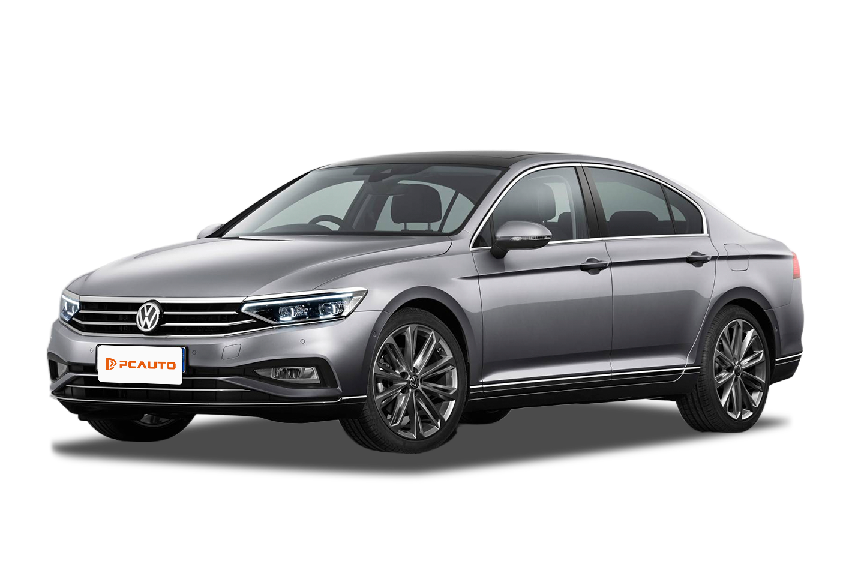
Cars With Similar Price And Features
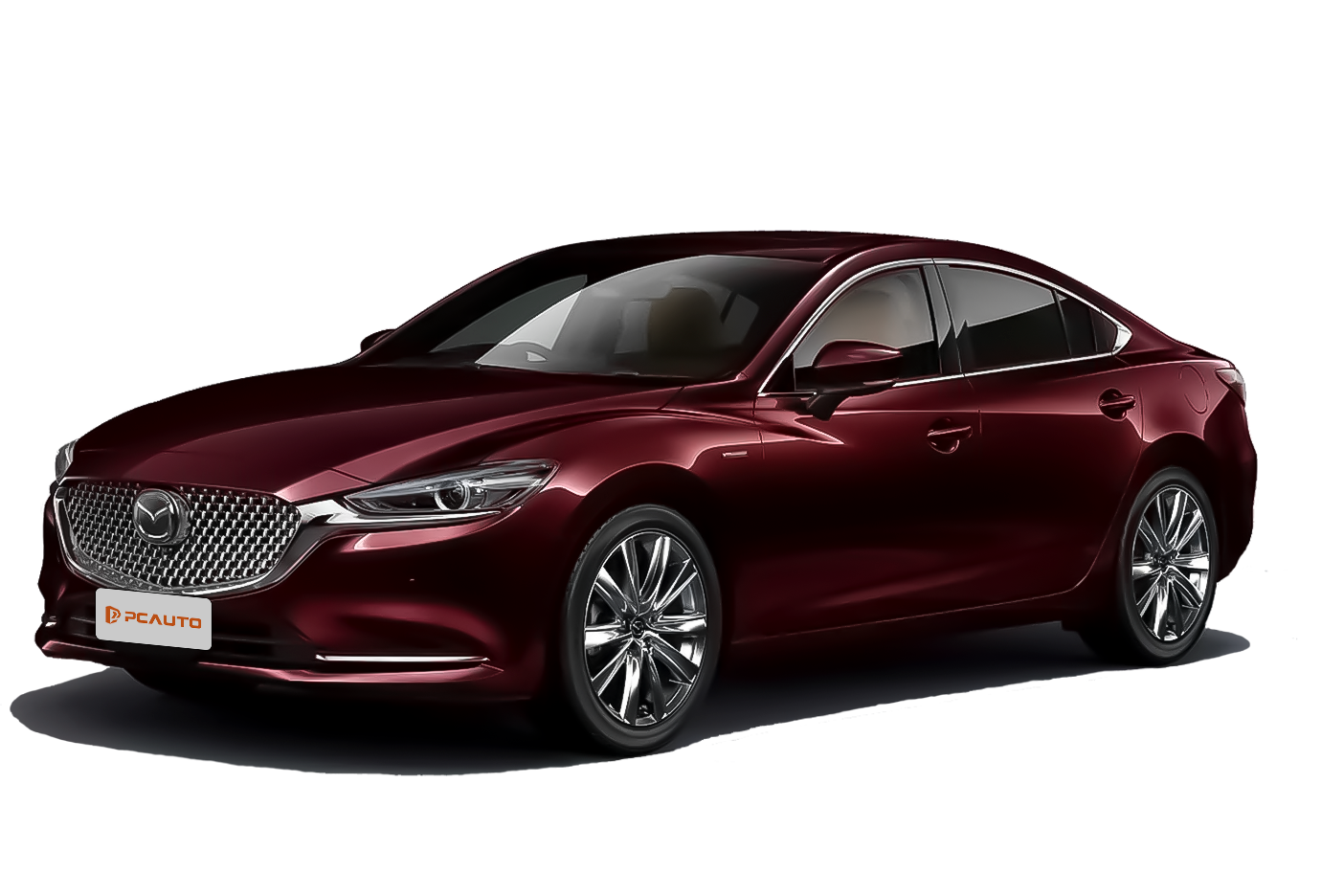
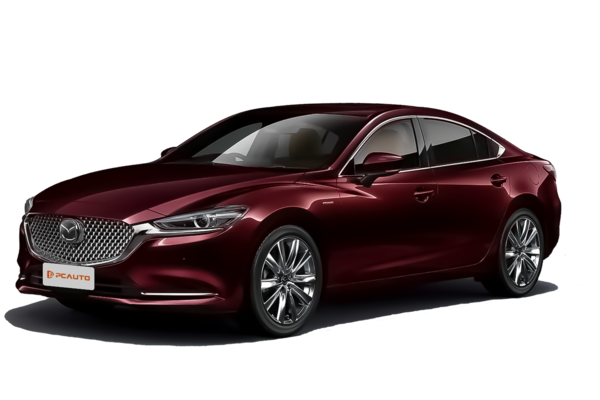
2023 Mazda 6 Sedan 2.0 SkyActiv-G meets the rational needs of family users for joint-venture quality, comfortable configurations, and fuel economy with its KODO design, practical space, and balanced driving control.

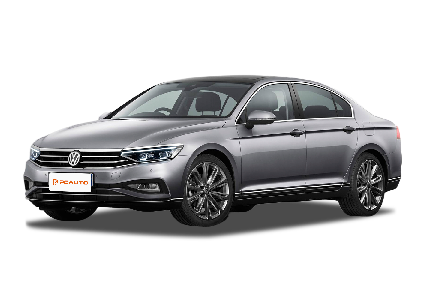
2022 Volkswagen Passat 2.0 TSI R-Line combines business elegance with sporty personality, featuring 220PS power, 14-way massage seats, and Harman Kardon audio system to meet the diverse needs of families and young professionals.
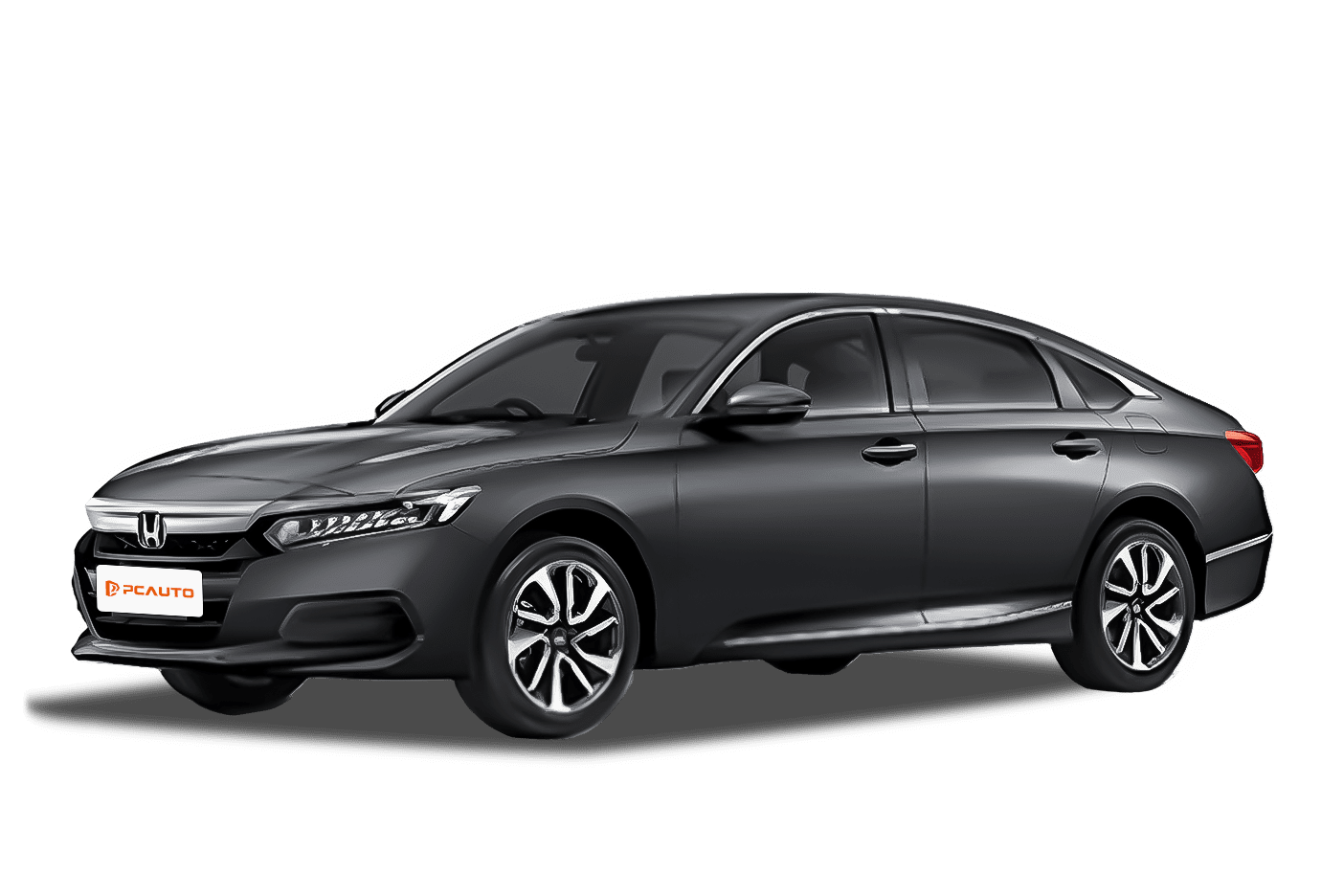
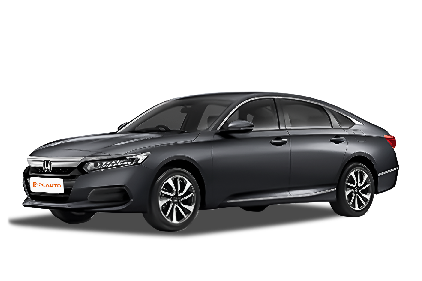
The 2023 Honda Accord 1.5 TC is a D-segment sedan that balances both business and family use, with core selling points of spacious interior, comfortable driving, and efficient performance, making it suitable for practical family users.
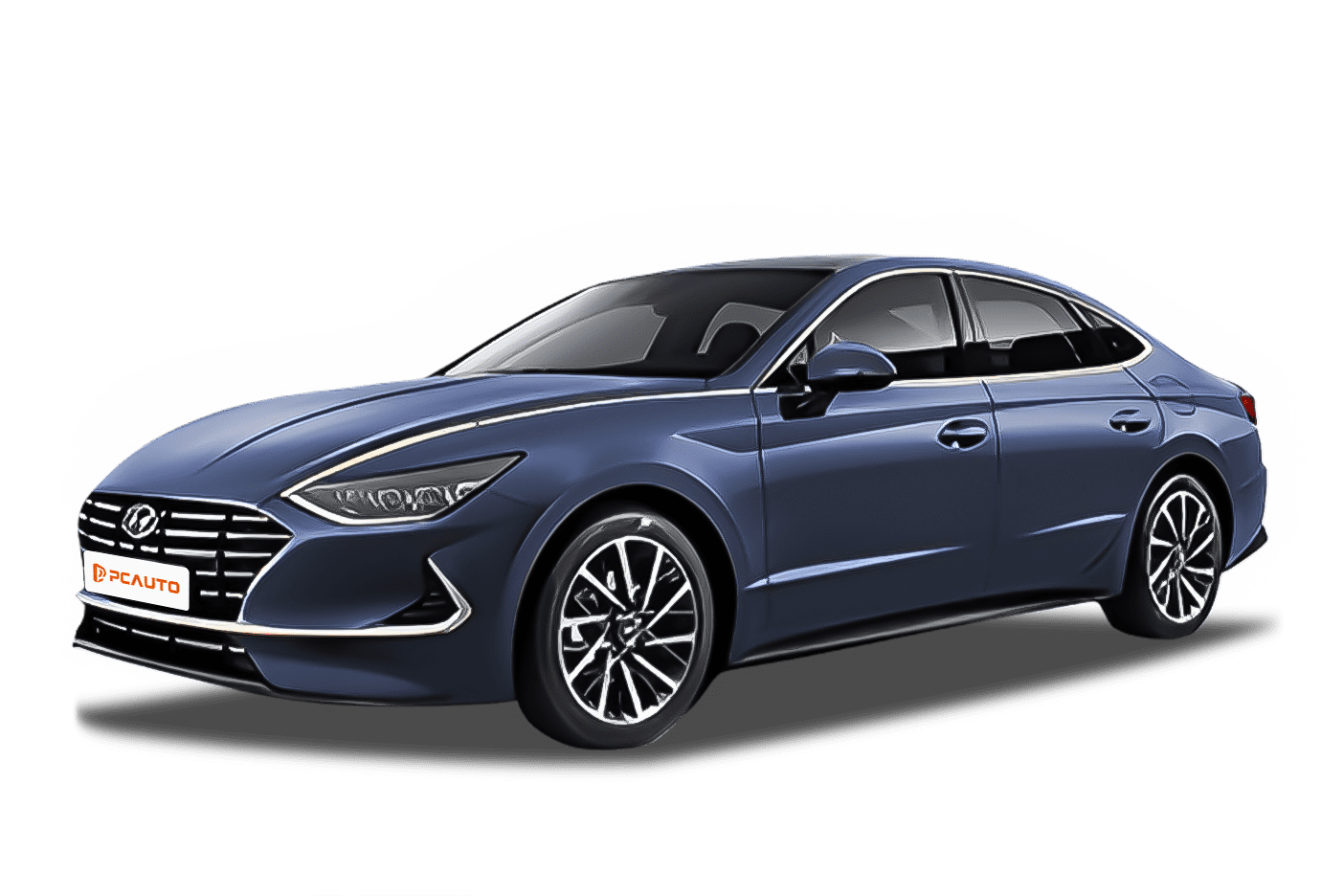
2024 Hyundai Sonata public is positioned as a D-Segment family and business sedan, combining dynamic design, practical configurations, and spacious space, balancing power and fuel consumption, safe and reliable.