

2022 Ford Everest 2.0L Bi-turbo 4x4 10AT Titanium Review

 Share
Share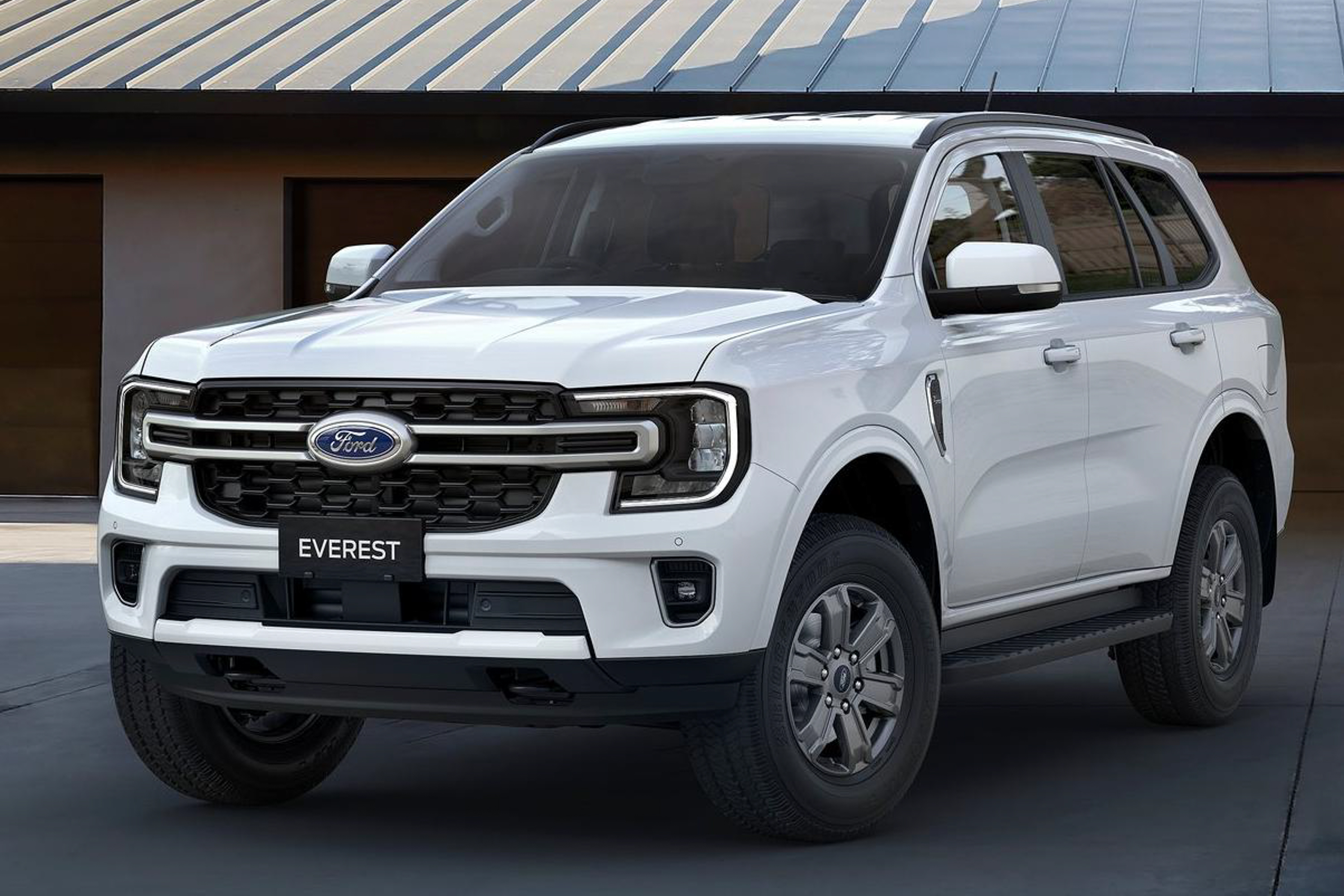
 Segment
 Body Type
 Engine Power(PS)
 Transmission
 Driven Wheels
 Capacity(L)
In the D-Segment SUV market, Malaysian consumers are increasingly valuing "ruggedness" while also requiring family comfort. After all, apart from occasional long drives or light off-roading, daily commuting and picking up kids are the main use cases. The 2022 Ford Everest 2.0L Bi-turbo 4x4 10AT Titanium targets this demand — a twin-turbo diesel engine with 210PS, paired with a four-wheel-drive system, and equipped at the top-tier Titanium level. In this test drive, we aim to assess whether it truly balances "off-road capability" and "family convenience," and to evaluate whether its RM308,800 price is competitive in its segment.
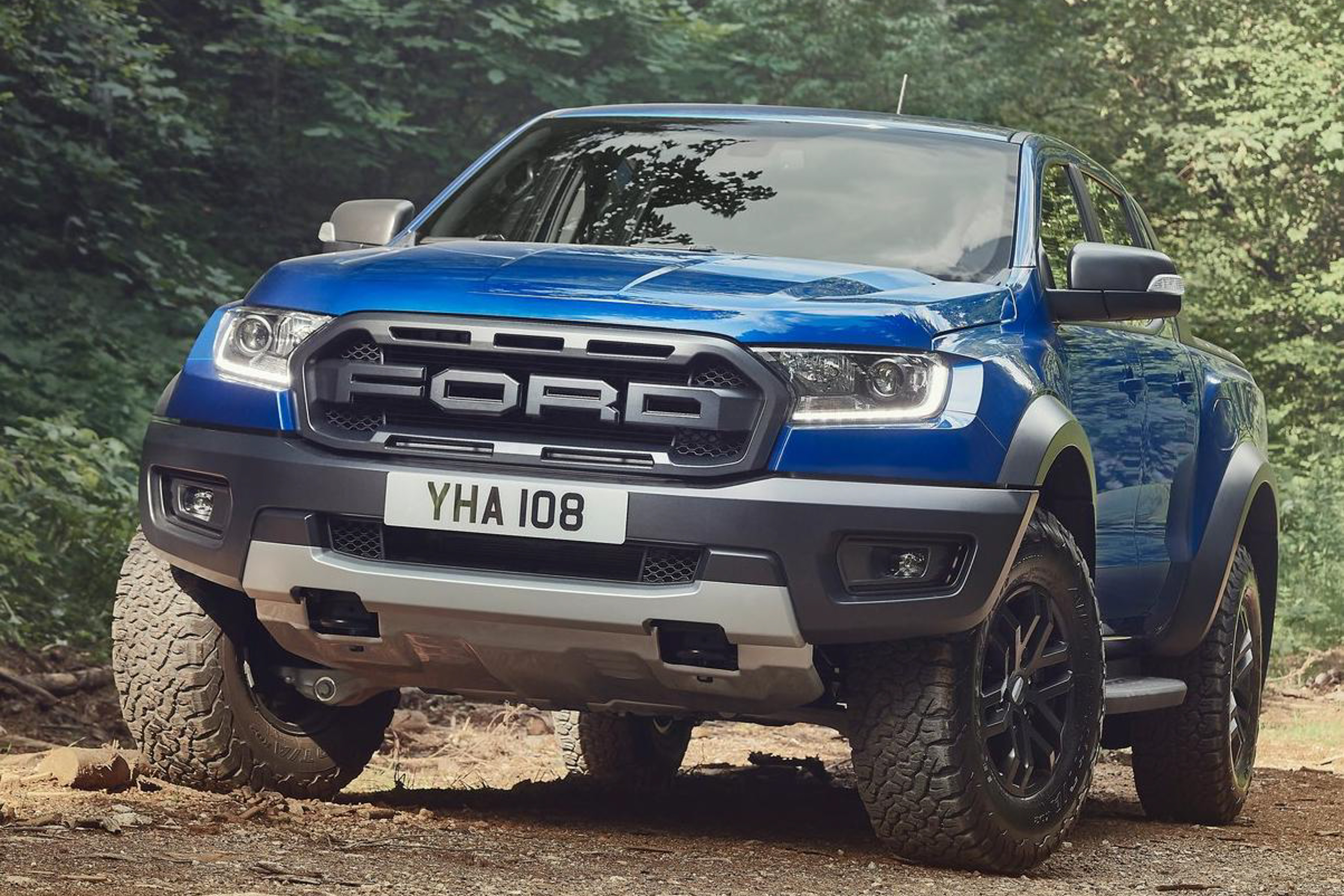
At first glance, the overall silhouette of this Everest maintains the rugged style typical of American SUVs, without overemphasizing an aerodynamic design. The most noticeable feature of its front is the large blacked-out grille combined with squared LED daytime running lights, offering high recognition; the silver skid plate at the bottom of the front bumper adds a touch of off-road flair. The sides feature straight lines, with a waistline running from the front fender to the rear, making the body look longer. The 20-inch multi-spoke alloy wheels, fitted with 255/55 R20 tires, maintain proportional balance without overly compromising off-road capability. The rear design is relatively simple, featuring vertically-arranged LED taillights that echo the rugged front-end design. The rear bumper is also equipped with a silver skid plate. Overall, the styling avoids excessive ornamentation and leans towards a "timeless appeal."
Upon entering the interior, the materials and layout feel more upscale compared to the previous generation. The Titanium version uses plenty of soft-touch materials and leather-wrapped surfaces. The center console has minimal physical buttons, with most functions integrated into the 12-inch touchscreen. The screen's response speed is decent, and daily operations like navigation or adjusting the air conditioning are smooth — though it does tend to collect fingerprints. The steering wheel is multifunctional, with the left side controlling cruise control and voice commands, and the right side managing multimedia controls. The grip is fairly solid. One delightful feature is the HUD (Head-Up Display): it lets you see speed and navigation info without needing to look down, significantly enhancing safety. The 8-inch TFT fully digital instrument cluster has a clear interface and allows users to switch themes to display information like fuel consumption and four-wheel-drive status. Both driver and passenger seats are 8-way electrically adjustable leather seats with heating functionality. They offer moderate cushioning and remain comfortable even on long trips. The rear seats are 60:40 split-folding, providing about two fists' worth of legroom for passengers around 175 cm tall. Additionally, the rear seats come with independent air conditioning vents and power outlets, significantly increasing family-friendliness.
For performance, the vehicle uses a 2.0L twin-turbocharged diesel engine, delivering a maximum horsepower of 210PS and a peak torque of 500N·m, paired with a 10-speed automatic transmission and intelligent four-wheel-drive system. During starts, the turbo engagement is smooth, with noticeable power output from a gentle press on the accelerator, especially when the rpm is between 1750-2000. The low-end torque is robust, making urban driving or tackling slopes effortless. In sport mode, the gearbox downshifts more readily, and acceleration delivers a stronger push, boosting confidence when overtaking. For daily commutes, the comfort mode is primarily used. In this mode, the gearbox shifts smoothly, with almost no noticeable jolting, and the rpm is kept around 1500. Noise control is satisfactory, though the diesel engine's growl becomes slightly prominent during hard acceleration. At highway speeds, the rpm is about 1800 at 100km/h. Fuel efficiency is decent; during this test drive, it averaged around 8.5L/100km, slightly higher than the official 8.2L/100km specification, mainly because of frequent urban traffic during the drive.
In terms of handling, the steering wheel feels steady and slightly heavier, with a bit more play compared to ordinary family SUVs, but this is also a common setting for hardcore SUVs. The chassis uses a non-load-bearing body paired with a multi-link rear suspension. When driving on highways, the vehicle is very stable, and body roll is better controlled than expected during cornering, without the "rocking boat" feeling. Facing bumpy roads or speed bumps, the suspension filters out most of the small vibrations, ensuring comfort for rear-seat passengers. The four-wheel-drive system supports both high-speed and low-speed modes, and includes hill descent control and hill start assist. During our test drive on a light crossed axle, the electronic limited slip intervened quickly, allowing it to pass easily without extra operations. This is more than sufficient for typical muddy rural roads or mountain roads often found in Malaysia. Additionally, the 360-degree panoramic camera and automatic parking features are very practical in city parking. The car, which is almost 5 meters long, can park effortlessly even in narrow spaces.
Overall, the 2022 Ford Everest 2.0L Bi-turbo 4x4 10AT Titanium has very obvious advantages: the 2.0T bi-turbo diesel engine is among the best in its class, the four-wheel-drive system provides confidence for outdoor scenarios, and the Titanium trim's configuration is top-notch. Features such as the HUD, fully digital instrument cluster, and electric seats are all standard, making it stand out in terms of value in the D-Segment SUV category. Compared to competitors like the Toyota Fortuner or Isuzu MU-X, its interior quality and tech features are superior, offering better convenience for family use.
If we must point out shortcomings, it would be that the vehicle's body size is still relatively large for city driving, with a slightly bigger turning radius. More attention is needed when passing through narrow roads. Additionally, the noise from the diesel engine can still be heard under heavy acceleration, but it is well-controlled during regular cruising. This car is most suitable for those "want-it-all" users – for instance, those who enjoy driving to the Cameron Highlands with their family on weekends, occasionally trying some light off-roading, while still needing a comfortable and well-equipped family car for daily use. At a price of RM 308,800, getting a large SUV that is both capable off-road and suitable for family use is quite worth it.
In conclusion, the 2022 Ford Everest 2.0L Bi-turbo 4x4 10AT Titanium has no weaknesses and is a "jack-of-all-trades" mid-size hardcore SUV – powerful, well-equipped, spacious, and backed by a four-wheel-drive system. For Malaysian families, it is undoubtedly a "can't-go-wrong" choice.
Ford Everest Car Compare
Ford Everest Loan Calculator
Cars With Similar Price And Features
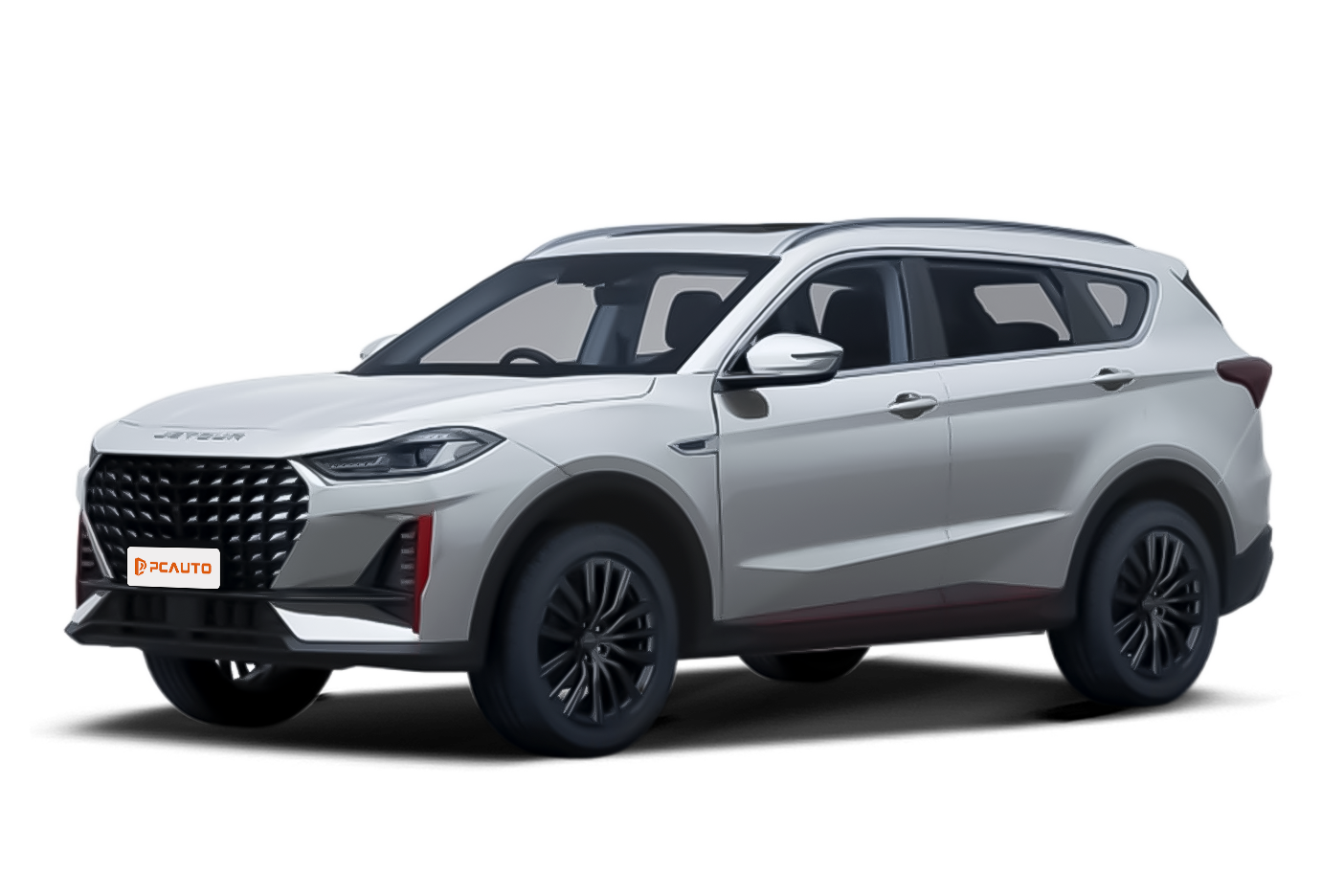
2025 Jetour VT 9 Comfort is a highly cost-effective 7-seater family SUV, featuring practical space, rich configurations, and balanced power, precisely meeting the needs of family short-distance travel.

11
Rank in SUV
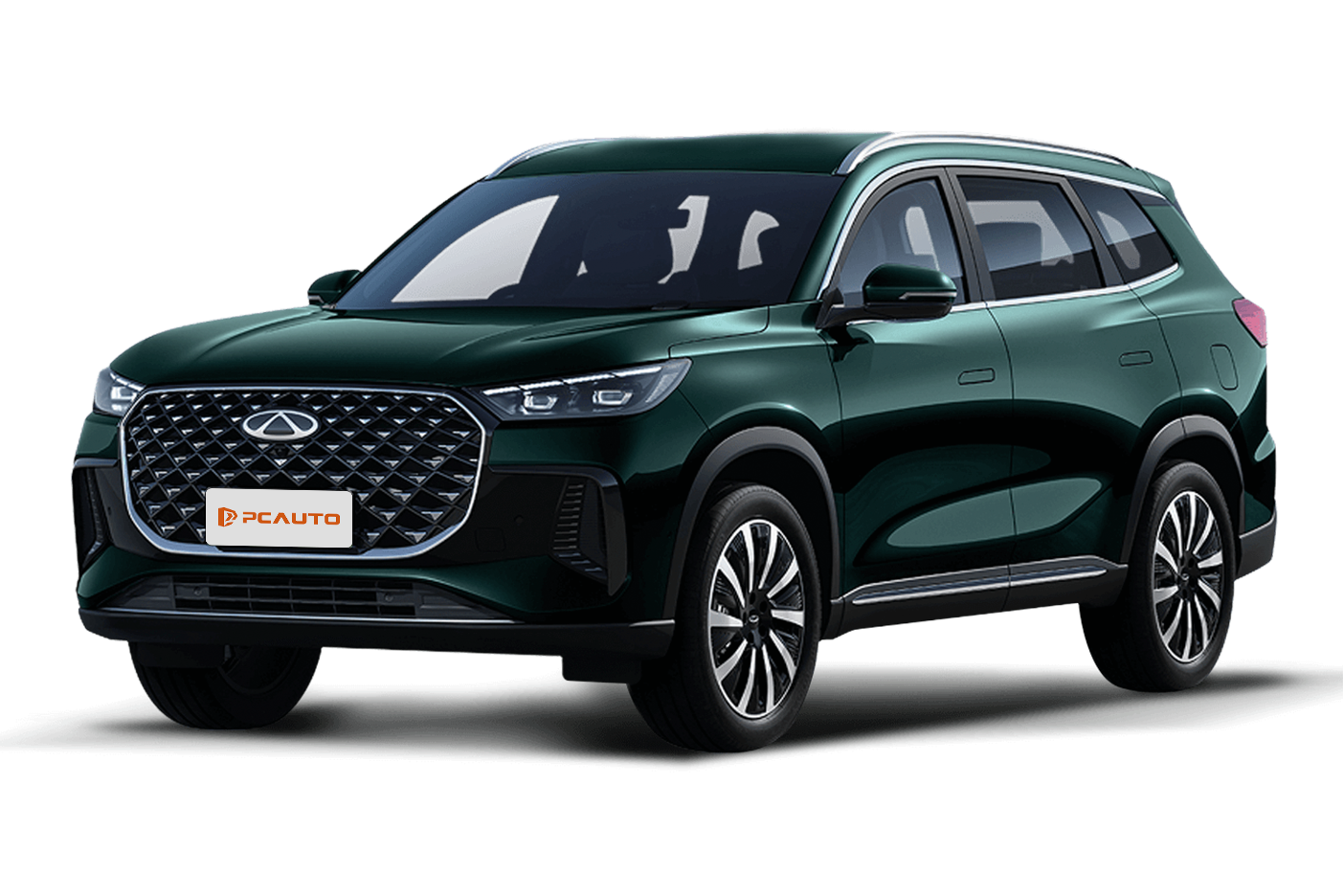
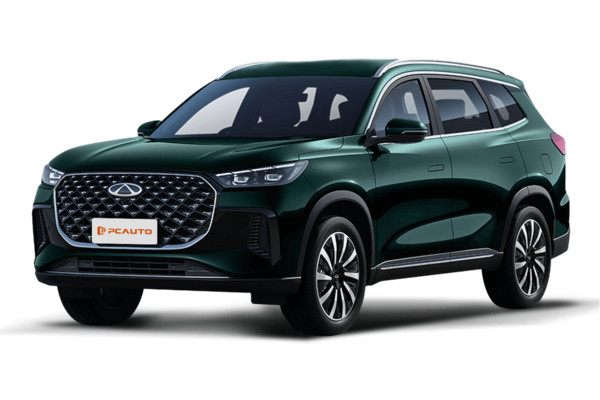
2026 Chery Tiggo 8 is a D-Segment SUV aimed at family users, offering superior configurations, practical space, and smooth power at a high cost-performance ratio, meeting both commuting and light off-road needs.
16
Rank in SUV

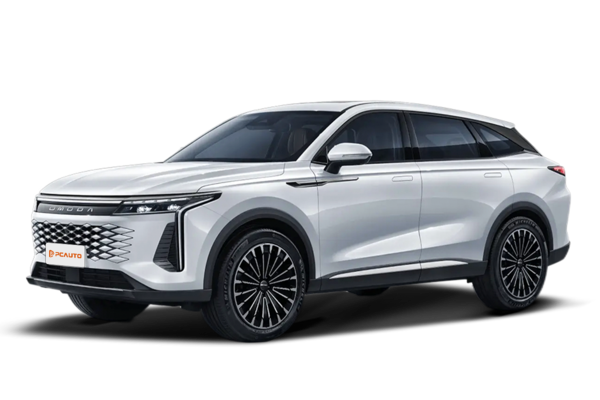
2024 Chery OMODA C9 2WD with 2.0T+8AT powertrain, L2 level assistance, and dual 12.3-inch screens, breaking the stalemate in the D-Segment market and becoming a high-value disruptor.
29
Rank in SUV
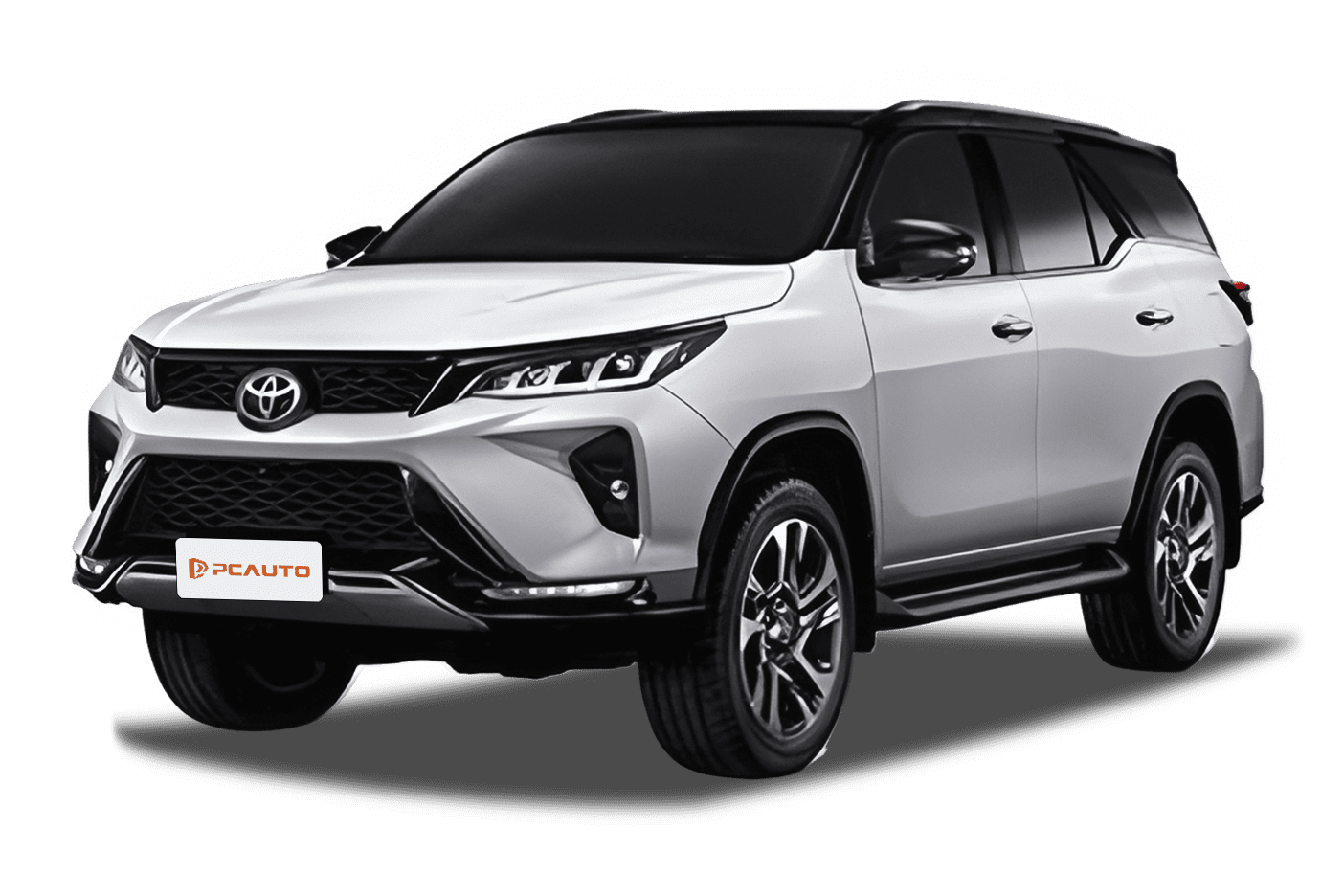
2021 Toyota Fortuner 2.7 SRZ AT 4x4 is a 7-seat SUV that balances family comfort and mild off-road capabilities, with smooth gasoline power and a practical 4x4 system, offering low maintenance requirements suitable for various family scenarios.