

2022 Ford Everest 2.0L Single turbo 4x2 6AT Sport Review

 Share
Share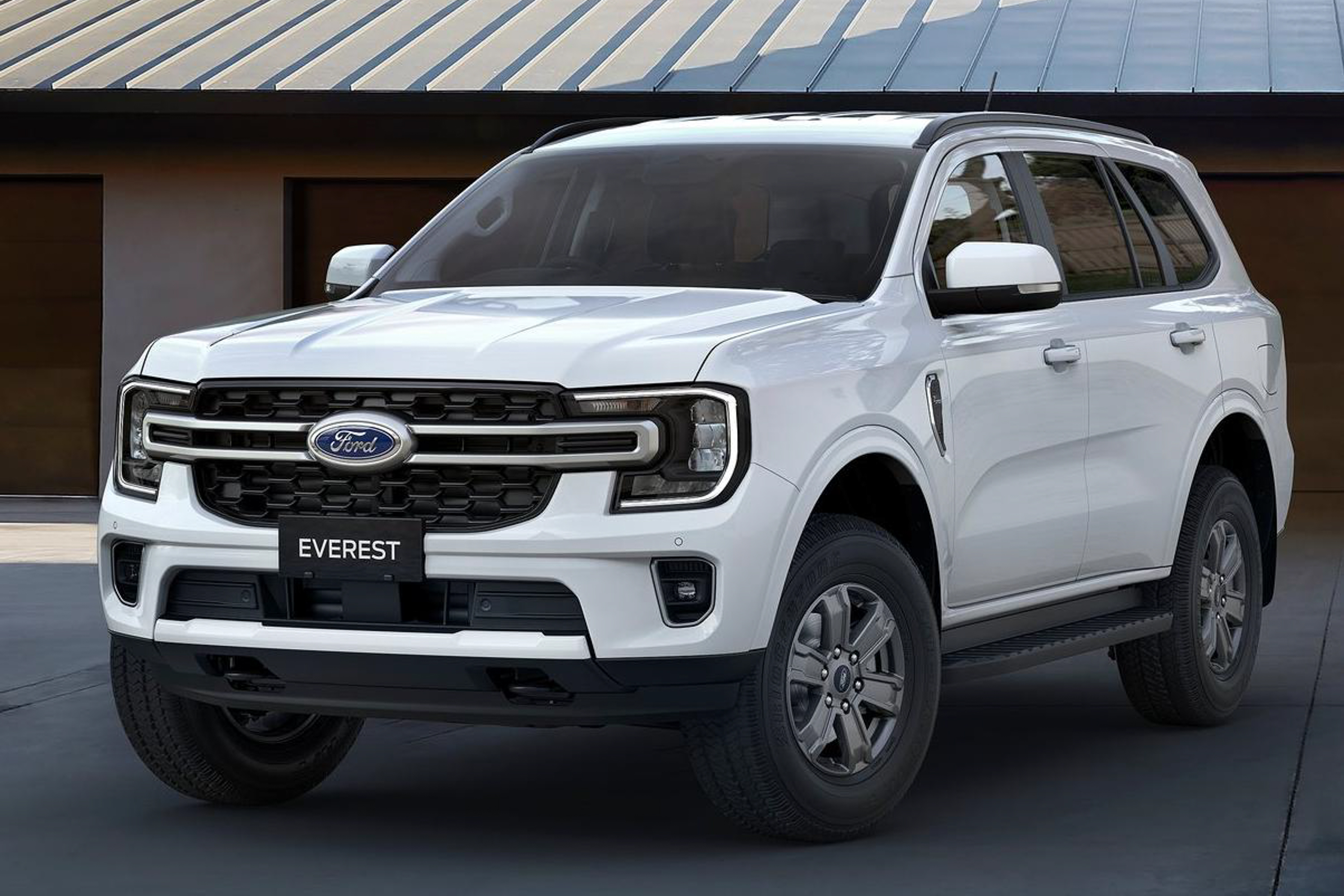
 Segment
 Body Type
 Engine Power(PS)
 Transmission
 Driven Wheels
 Capacity(L)
In Malaysia's D-segment SUV market, consumer demand for space practicality, rich configurations, and fuel efficiency is becoming increasingly clear. They seek comfort for daily family commutes, while also wishing to accommodate occasional outdoor trips. The 2022 Ford Everest 2.0L Single Turbo 4x2 6AT Sport, as one of the popular choices in this segment, catches significant attention with its "Sport" sporty exterior kit, standard 7 airbags, and a large 80-liter fuel tank. In this review, we will comprehensively experience it from static design to dynamic driving to see if it truly balances the dual needs of family use and light off-roading.
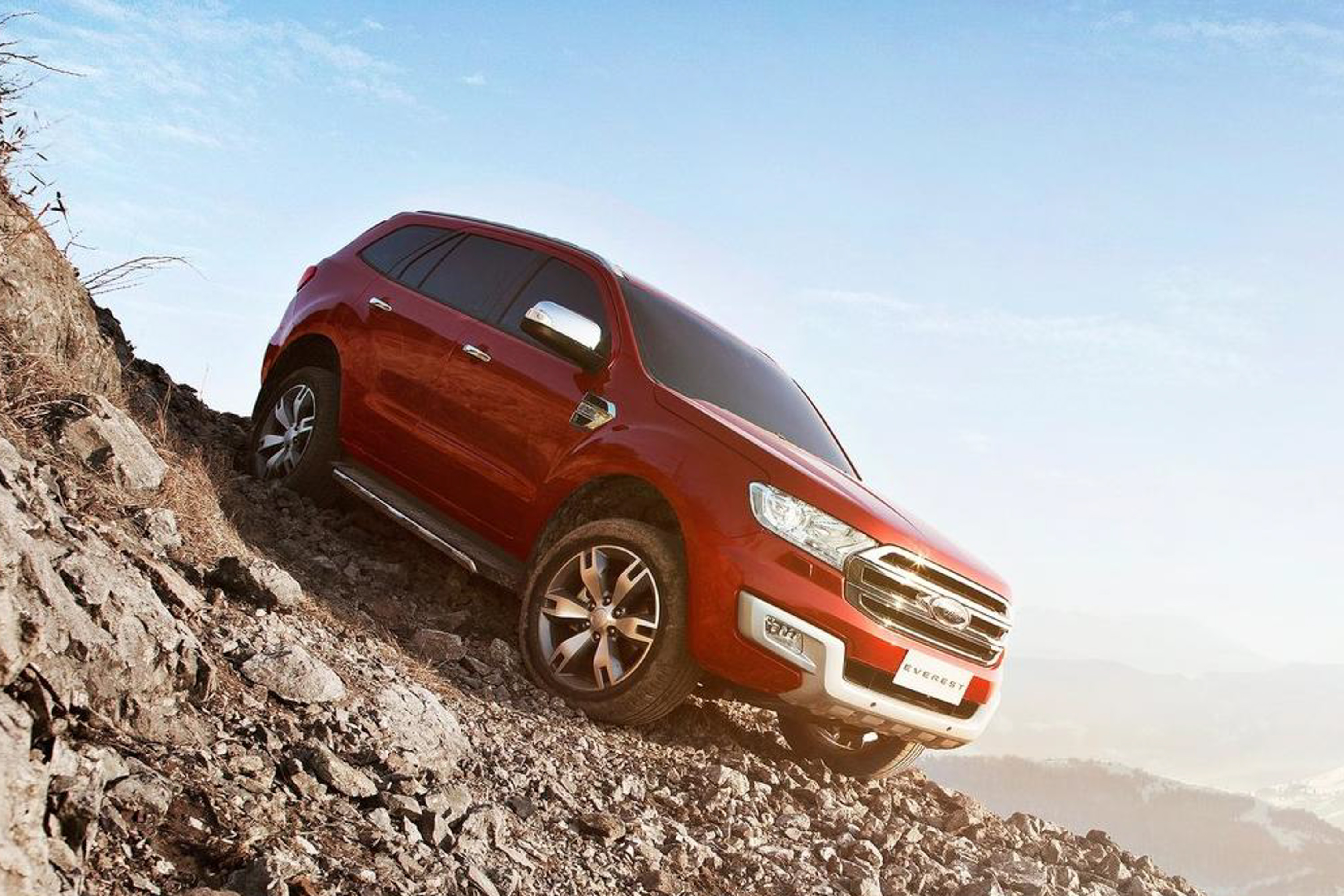
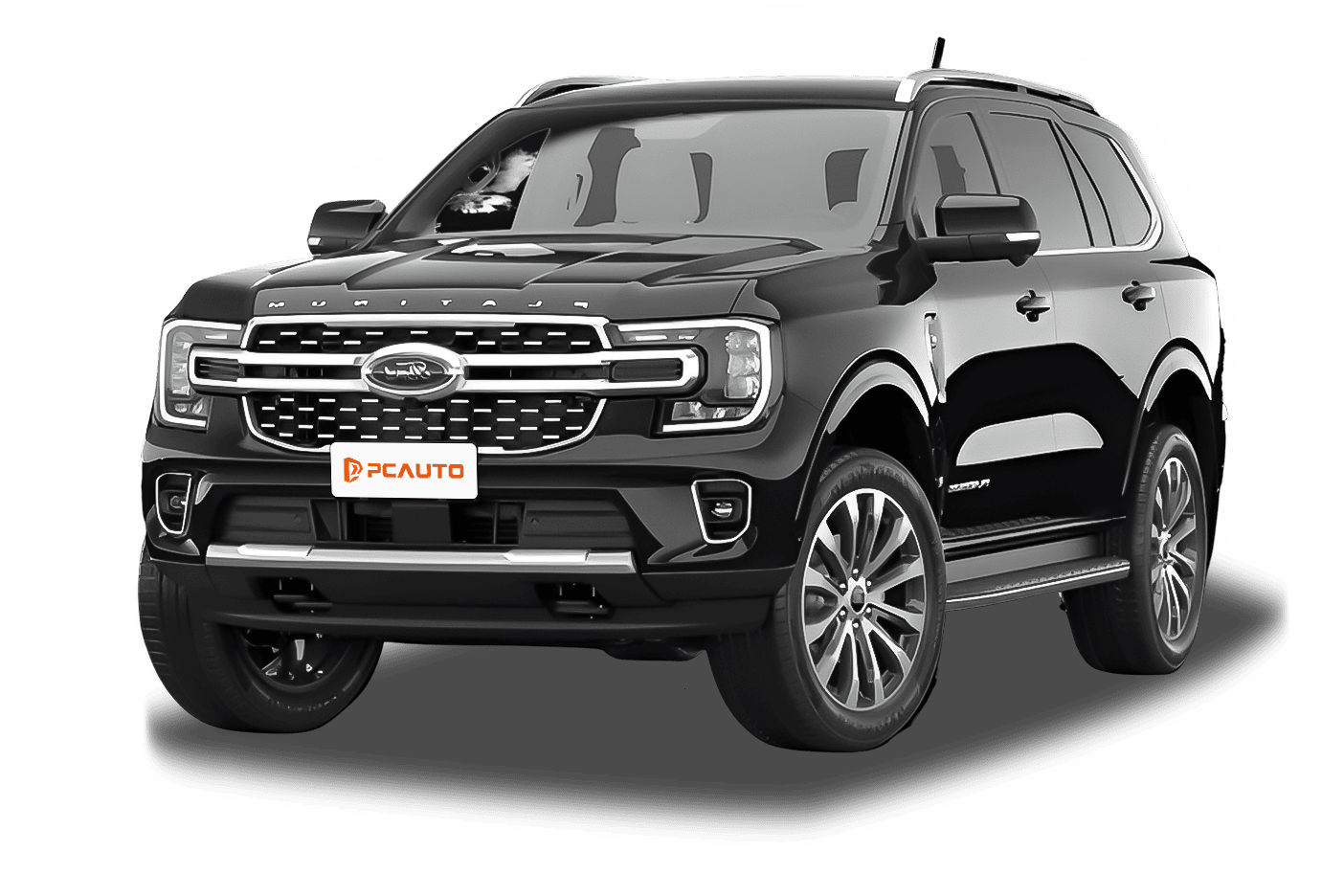
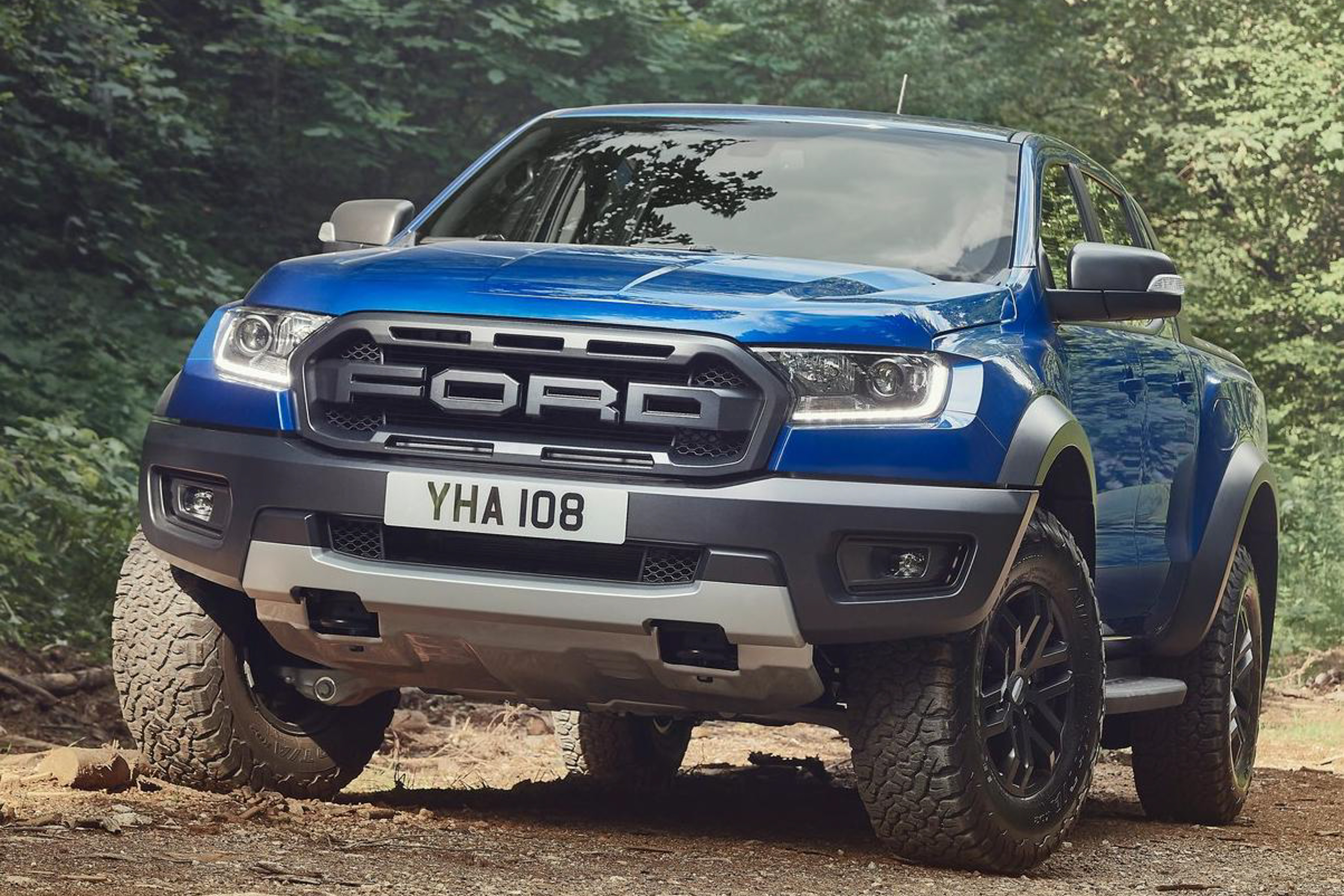
In terms of appearance, the most noticeable change to the Everest Sport edition is the use of many black elements. The honeycomb grille on the front has removed the chrome decorations and is directly covered in black plastic, paired with sharp LED headlights on both sides, giving it a more aggressive look compared to the standard version. The body side lines maintain the robust style typical of the Everest, with the 20-inch black multi-spoke wheels being the highlight. Along with black side steps, wheel arches, and door handles, the overall sporty feel is very prominent. At the rear, the LED tail light cluster has a clear internal structure, and the black under-bumper guard echoes the front design. The single-side single-exit exhaust layout is understated but suits the positioning of a family SUV. Regarding the lighting system, LED automatic headlights and daytime running lights are standard, offering high recognizability when lit at night.
Stepping inside, the interior style tends toward practicality, without overly flashy designs. The dashboard features a symmetrical layout with a soft-touch material on the upper section, a silver trim in the middle, and hard plastic on the lower section, though the seams are handled quite evenly. The 8-inch touch central control screen is located at the top of the dashboard, with a clear interface and good operational smoothness, but its size isn't the largest in the same segment. The full LCD instrument panel is an 8-inch TFT screen, which can display information such as fuel consumption, RPM, and navigation. The theme color also changes when switching driving modes, offering great practicality. In terms of configurations, keyless entry, one-button start, and HUD head-up display are all standard. The HUD projects speed and navigation prompts, reducing the need to look down at the dashboard while driving, significantly enhancing safety. As for the seats, the front ones are 8-way electrically adjustable leather seats with moderate support, ensuring comfort during long journeys. The rear seats support a 60:40 split-folding layout, and when folded down, the trunk space can expand from 509 liters to 1778 liters, accommodating items like baby strollers or large luggage easily.
Space performance is one of Everest's strengths. The vehicle measures 4914mm in length, 1923mm in width, and 1841mm in height, with a wheelbase of 2900mm, placing it in the upper-middle level among D-segment SUVs. The front row offers ample seating space; a passenger with a height of 175cm still has a remaining headroom of a fist and two fingers after adjusting the seat. The rear legroom is even more impressive; the same-height passenger sitting in the rear has a two-fist gap between their knees and the front seatback, with a headroom clearance of one fist. Even with a middle passenger, the floor bump is not very high, ensuring comfort during long rides. Regarding storage space, the storage slots on the front and rear door panels can hold two bottles of mineral water. The center armrest box is deep enough to fit a tablet, and there are two cup holders along with a wireless charging pad in the front row (although not a fast charger, it suffices for emergencies). For the rear passengers, there are air conditioning vents and two USB ports to easily charge devices.
Powertrain: Equipped with a 2.0L single-turbocharged diesel engine producing a maximum power of 170PS and a peak torque of 420N·m, paired with a 6-speed automatic transmission with manual mode. During daily driving, the initial acceleration feels quick, with maximum torque delivered at 1750rpm. In urban traffic or overtaking scenarios, pressing the accelerator prompts the transmission to downshift responsively, providing immediate power without delay. At highway speeds, cruising at 100km/h keeps the engine RPM at around 1800rpm, and accelerating to 120km/h remains effortless. There are three driving modes: Normal, Eco, and Tow/Haul. In Eco mode, throttle response slows down, making it suitable for congested city roads while slightly reducing fuel consumption. Normal mode balances power and fuel efficiency, making it the most commonly used mode for daily driving.
Handling: The steering wheel has a moderate weight with minimal play. Turning is light at low speeds and becomes heavier at highway speeds, ensuring good stability. The suspension setup features a front MacPherson and rear multi-link independent suspension, tuned for comfort. When driving over speed bumps or uneven roads, the suspension absorbs most of the shocks, avoiding noticeable jolts. However, due to the high body, there is some body roll during sharp turns, but it remains within acceptable limits and does not affect overall passenger comfort. The braking system is consistent, with a linear pedal feel. Brake engagement at the initial stage is not too soft, and during emergency braking, vehicle stability is well maintained.
Fuel consumption testing is a highlight. We drove 50 kilometers each in congested urban areas and on highways, running the air conditioning throughout. The fuel consumption in the city was approximately 8.5L/100km, while on the highway it was 6.8L/100km, giving a combined fuel consumption of 7.2L/100km, nearly identical to the official figure of 7.1L/100km. The fuel efficiency is outstanding. With an 80-liter fuel tank, a full tank can achieve a range of around 1100 kilometers, reducing the need for frequent refueling on long journeys. In terms of noise control, the cabin is very quiet at idle, with only slight engine vibrations. At highway speeds, wind and tire noise do enter the cabin but remain within acceptable levels and do not interfere with normal conversations.
Safety features are a highlight of this car. Standard equipment includes 7 airbags (including a knee airbag), a 360-degree camera system, automatic parking, and hill-start assist, which are rarely seen so comprehensively offered in this class. The 360-degree camera offers decent resolution, allowing clear visibility of obstacles during reversing. The automatic parking feature is particularly practical for parallel parking, automatically handling steering and braking, making it easy even for beginner drivers.
Overall, the 2022 Ford Everest 2.0L Single Turbo 4x2 6AT Sport has clear core strengths: the sporty exterior design enhances its appeal; the 2900mm wheelbase provides spacious seating; safety features such as 7 airbags and the 360-degree camera ensure peace of mind; and the diesel engine's fuel efficiency is well-suited for family use. Compared with the similarly priced Toyota Fortuner 2.4G, the Everest offers a more spacious rear seat and richer safety features, making it a stronger value proposition.
This car's target audience is very clear: those with a budget around 260,000 yuan who need an SUV that can meet daily family commuting needs and occasionally take the family on outdoor trips. Its space is ample, the configuration is practical, and the fuel economy is efficient. The only minor drawback might be that the size of the central control screen is slightly small, but it does not affect usability. If you are looking for a D-Segment SUV that balances family use and light off-road capabilities, the 2022 Ford Everest 2.0L Single Turbo 4x2 6AT Sport is worth considering.
Ford Everest Car Compare
Ford Everest Loan Calculator
Cars With Similar Price And Features
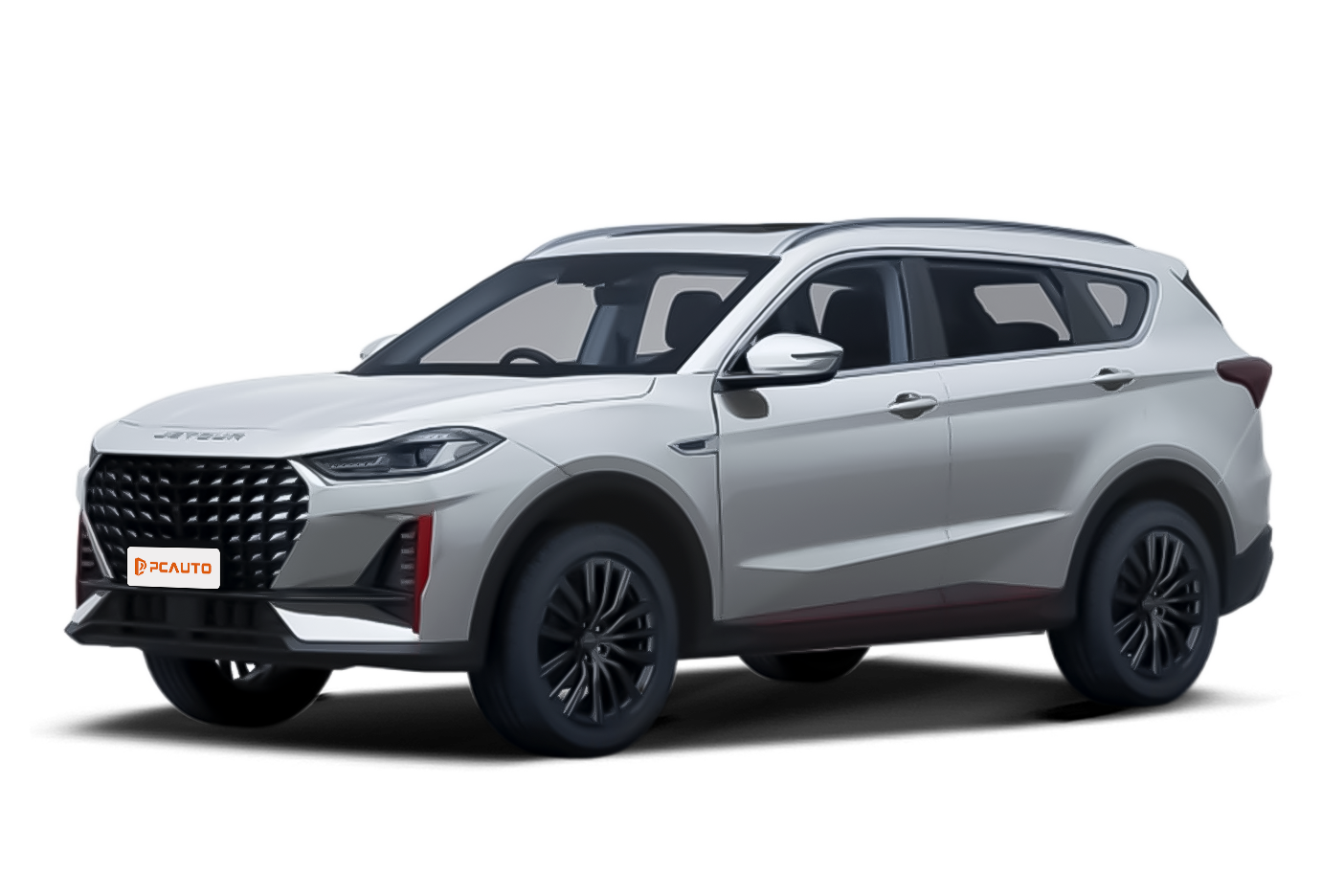
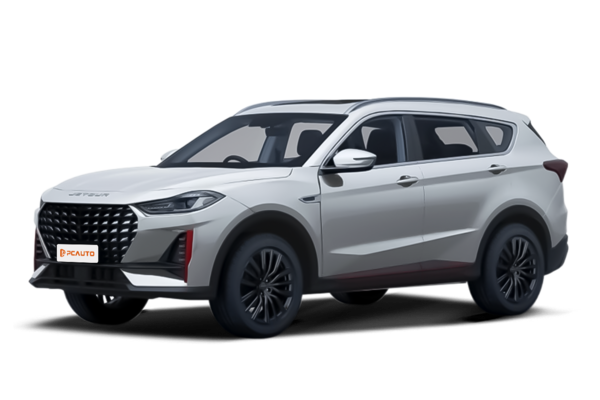
2025 Jetour VT 9 Comfort is a highly cost-effective 7-seater family SUV, featuring practical space, rich configurations, and balanced power, precisely meeting the needs of family short-distance travel.

11
Rank in SUV
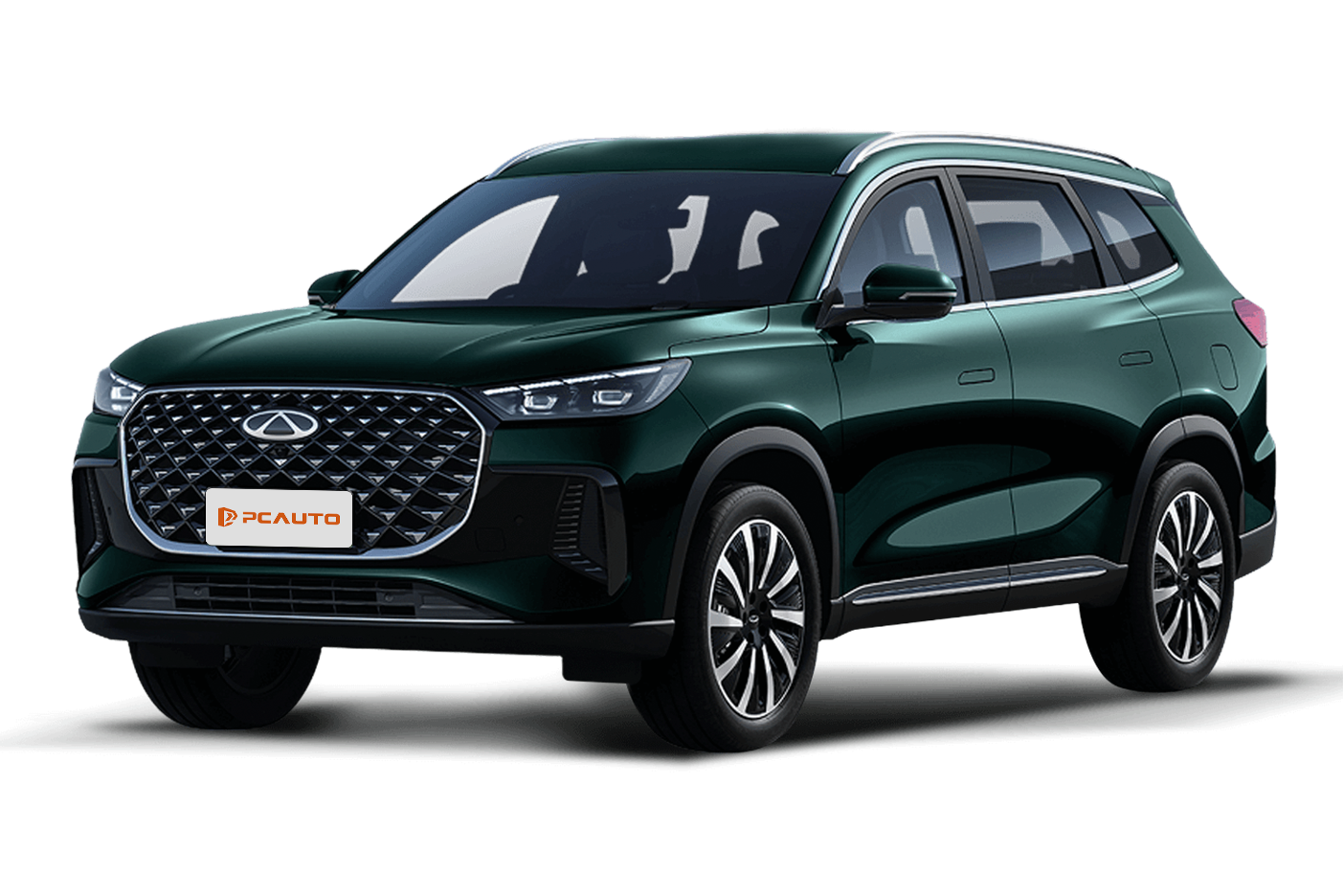
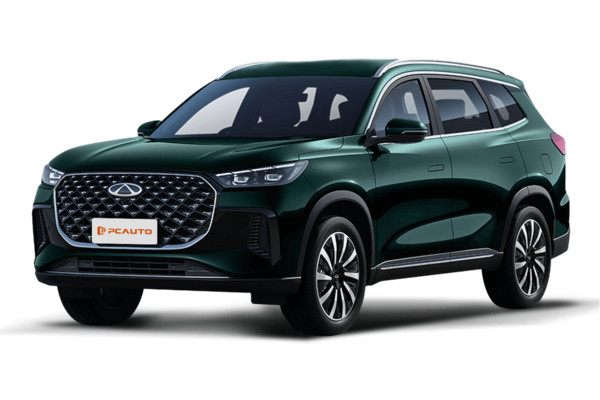
2026 Chery Tiggo 8 is a D-Segment SUV aimed at family users, offering superior configurations, practical space, and smooth power at a high cost-performance ratio, meeting both commuting and light off-road needs.
16
Rank in SUV

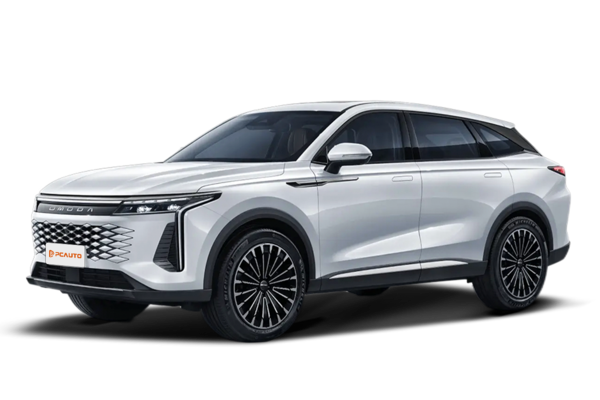
2024 Chery OMODA C9 2WD with 2.0T+8AT powertrain, L2 level assistance, and dual 12.3-inch screens, breaking the stalemate in the D-Segment market and becoming a high-value disruptor.
29
Rank in SUV
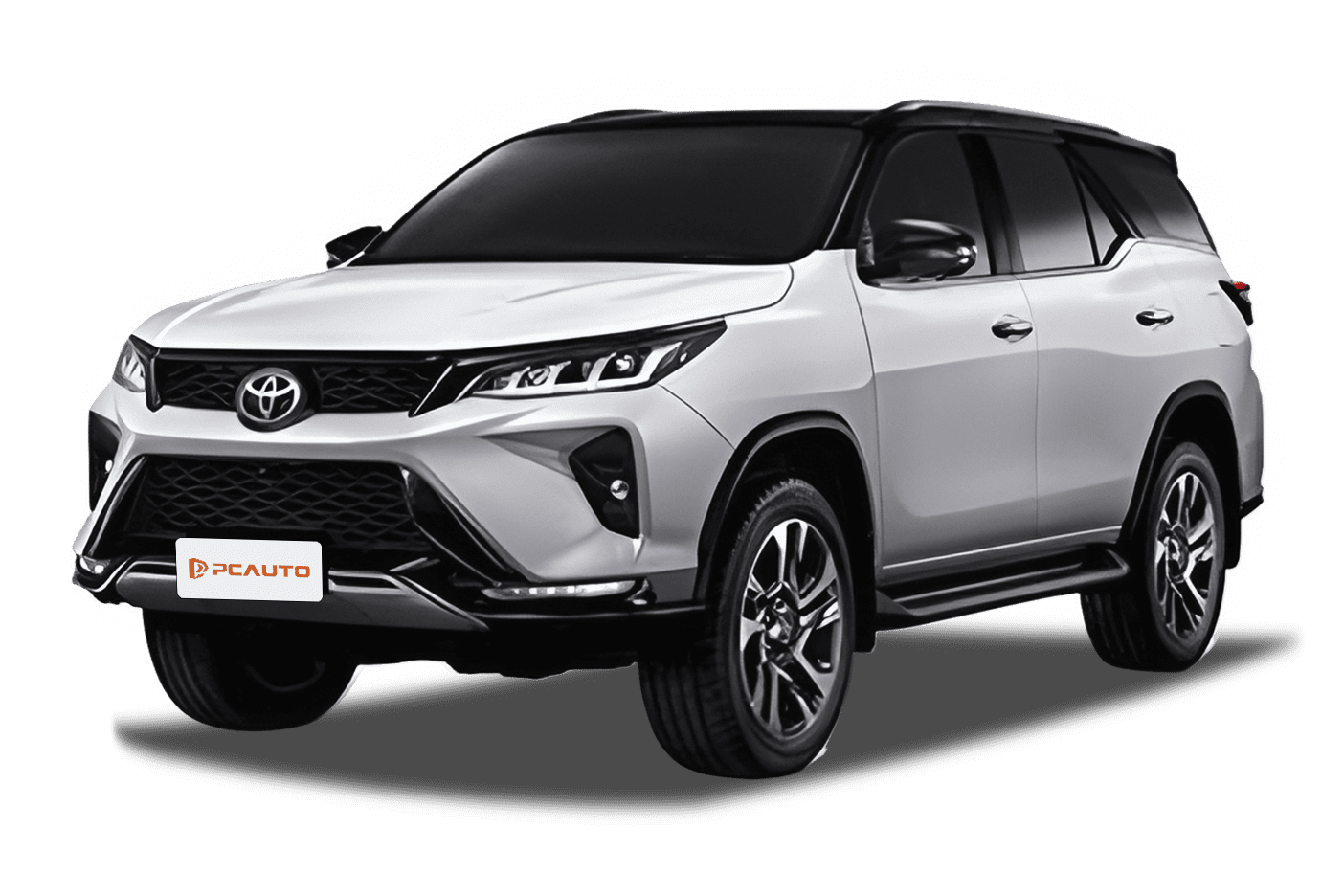
2021 Toyota Fortuner 2.7 SRZ AT 4x4 is a 7-seat SUV that balances family comfort and mild off-road capabilities, with smooth gasoline power and a practical 4x4 system, offering low maintenance requirements suitable for various family scenarios.