

2022 Honda HR-V 1.5 Turbo E Review

 Share
Share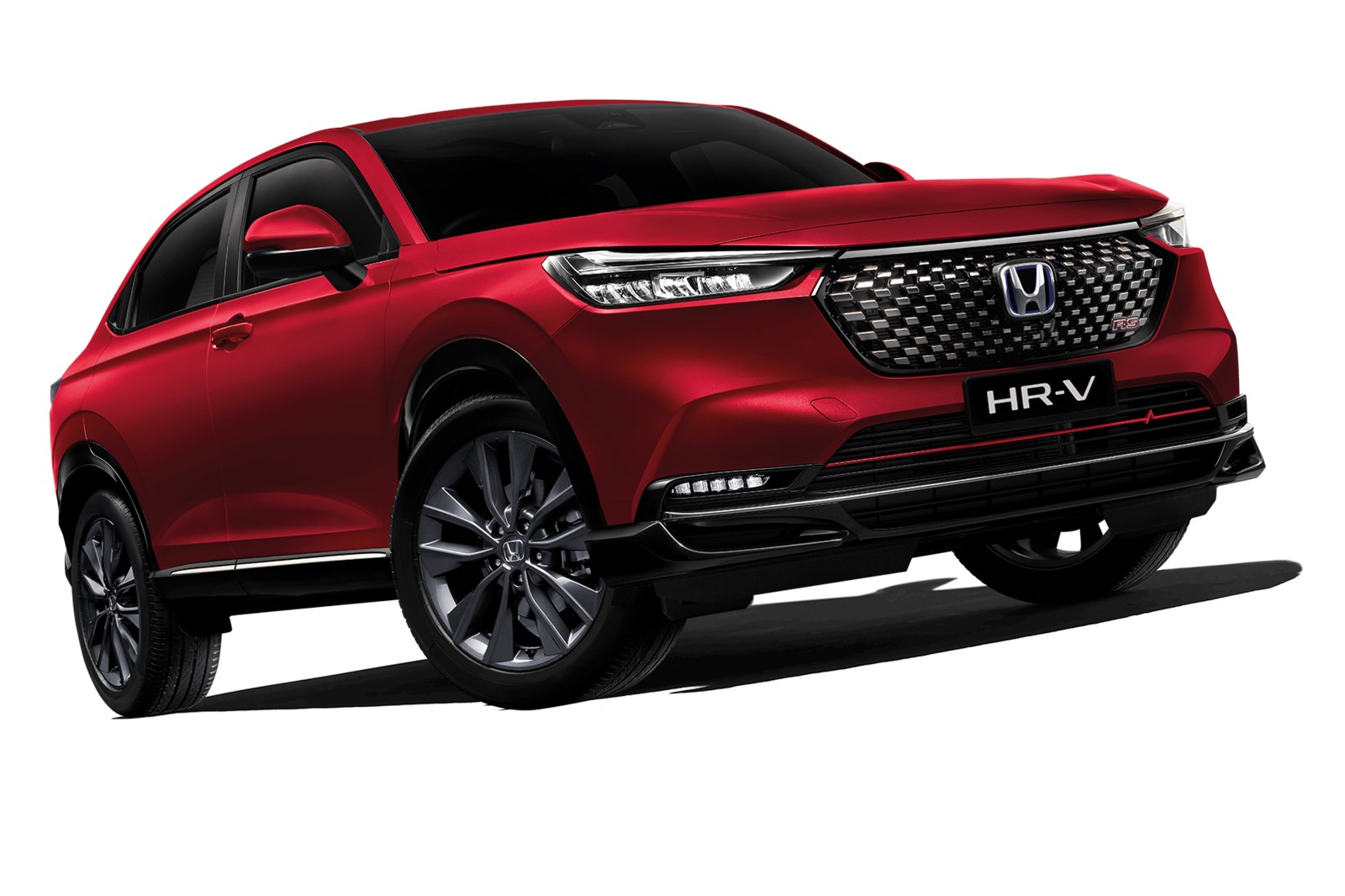
 Segment
 Body Type
 Capacity(L)
 Engine Power(PS)
 Transmission
 Driven Wheels
As competition in the B-segment SUV market becomes increasingly intense, consumers have higher demands for the overall performance of vehicles—they expect practicality for daily commuting, as well as sufficient power and configuration to enhance the driving experience. As a popular choice in this segment, the 2022 Honda HR-V 1.5 Turbo E gains significant attention from many family users due to the power output of its 1.5T turbocharged engine and comprehensive safety features. This time, we got our hands on the actual vehicle for an in-depth test. The main goal is to see whether it truly matches its market positioning in terms of static design, dynamic performance, and everyday practicality.
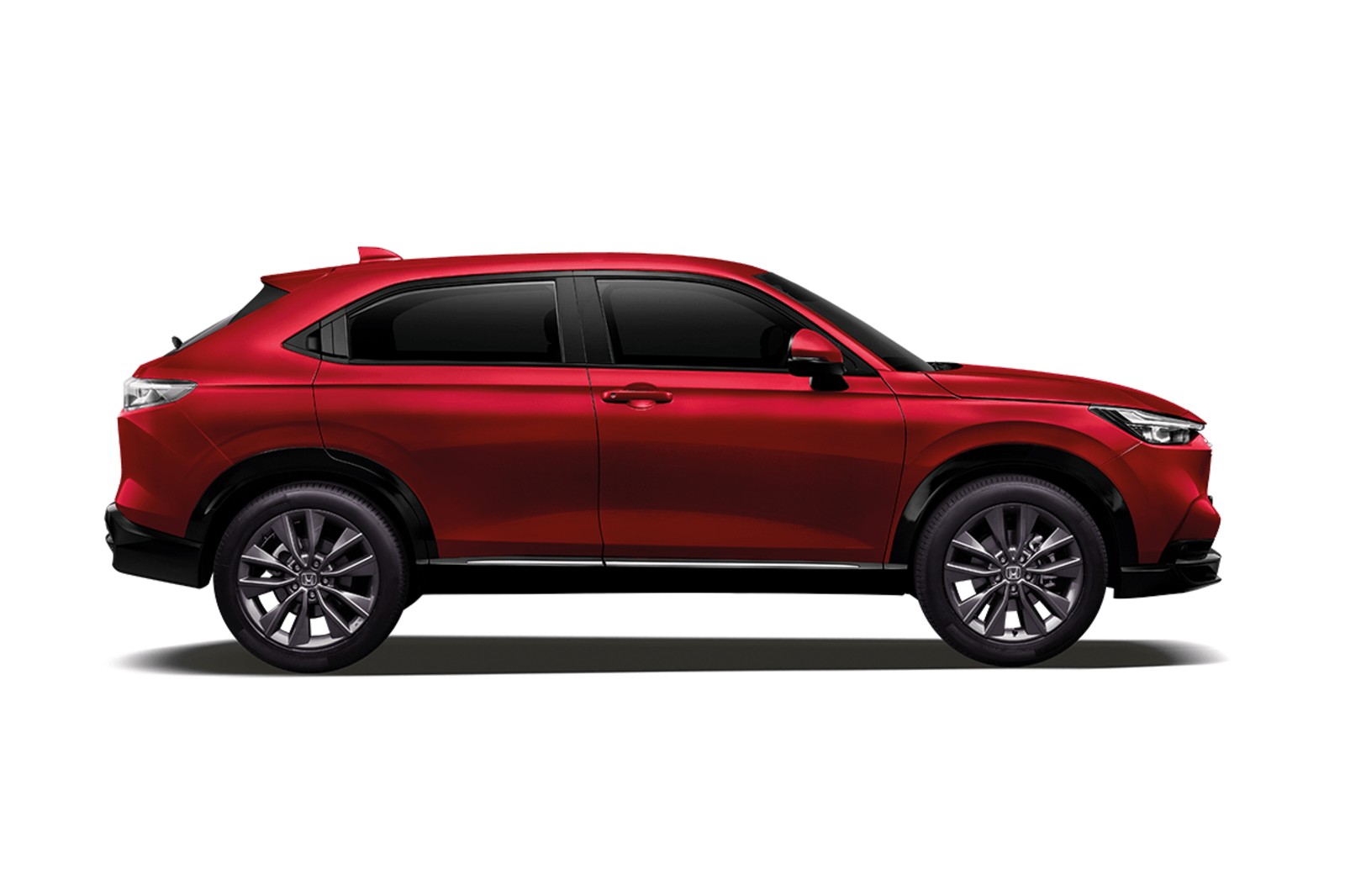
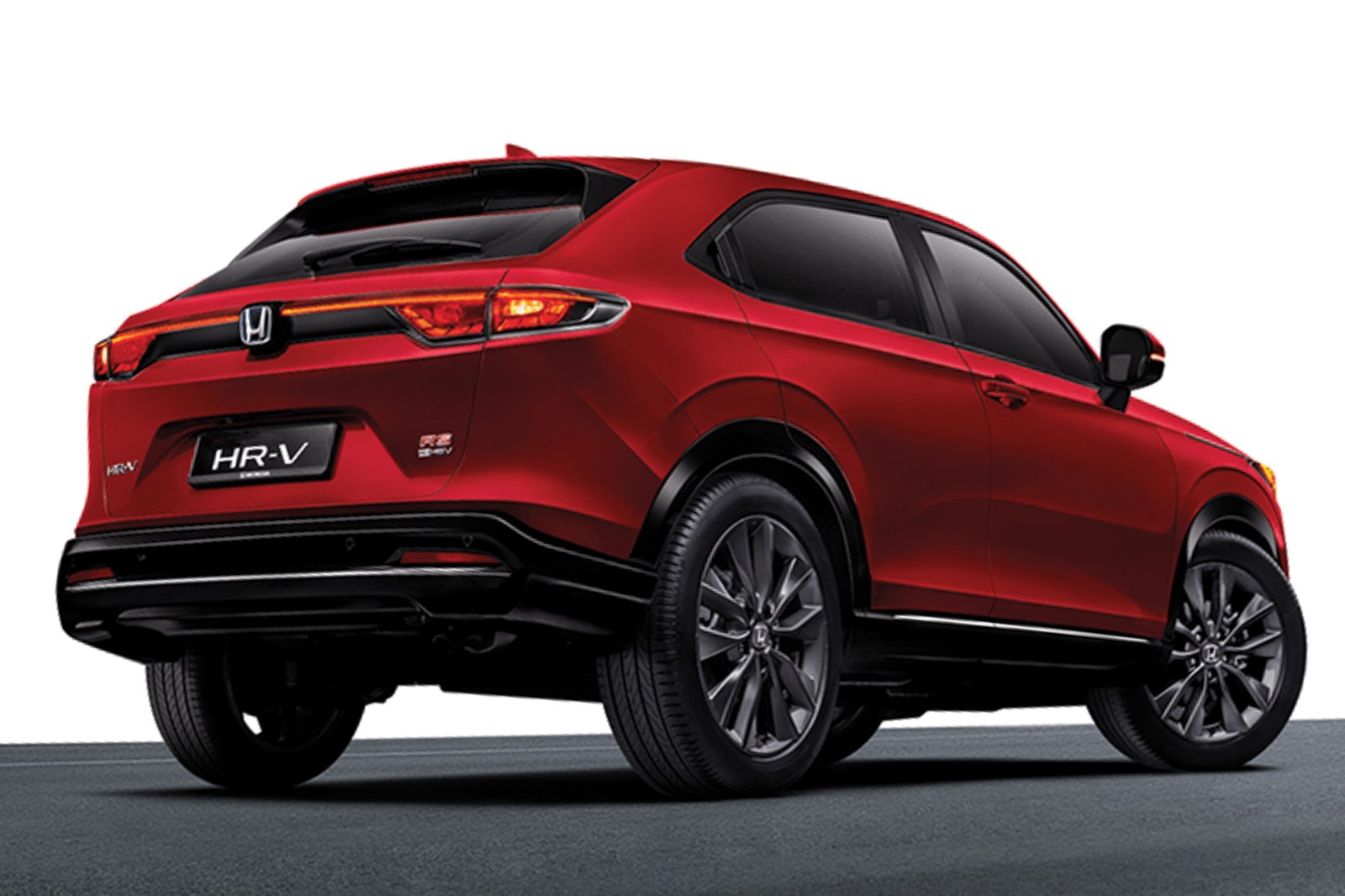
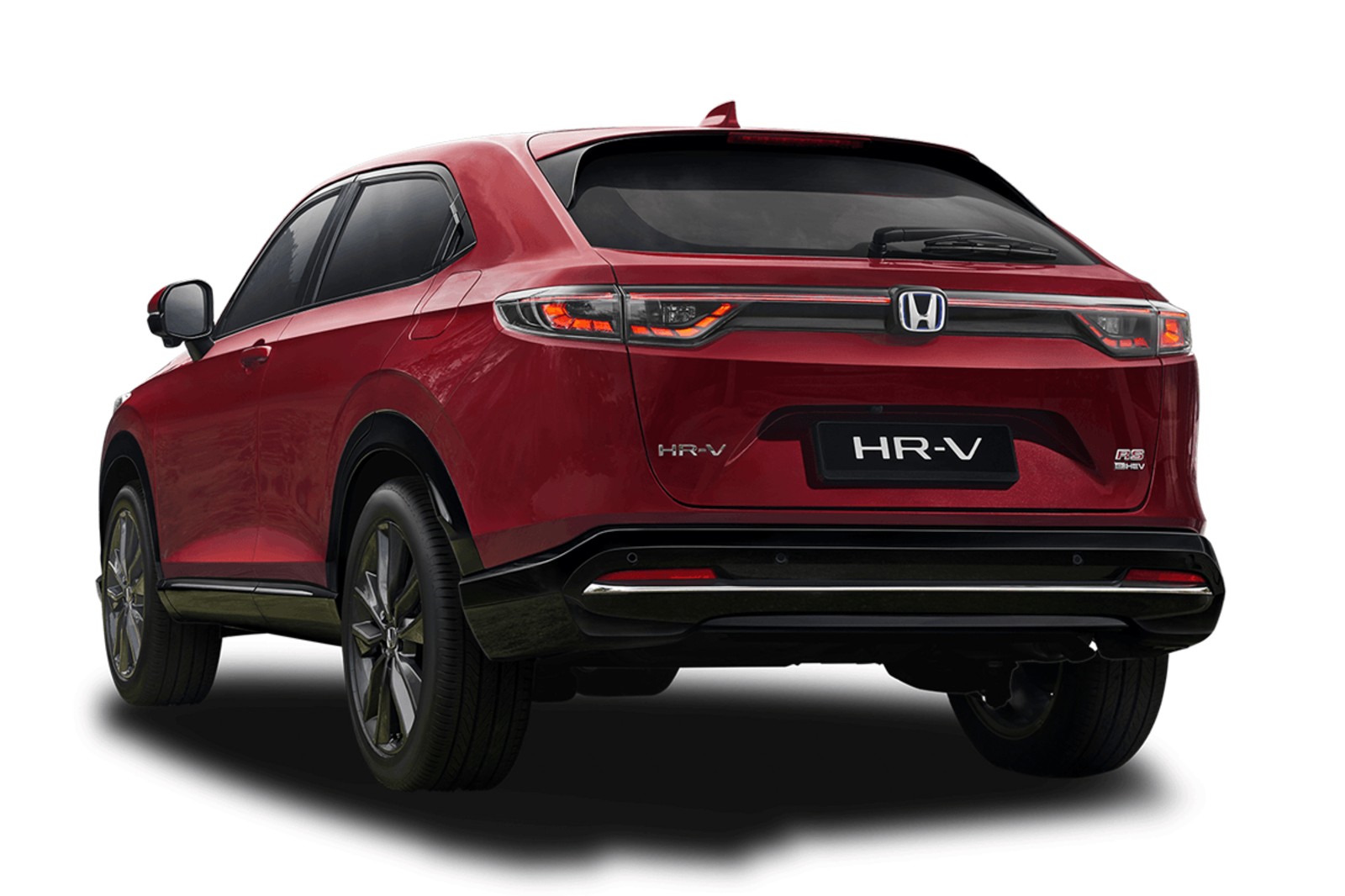
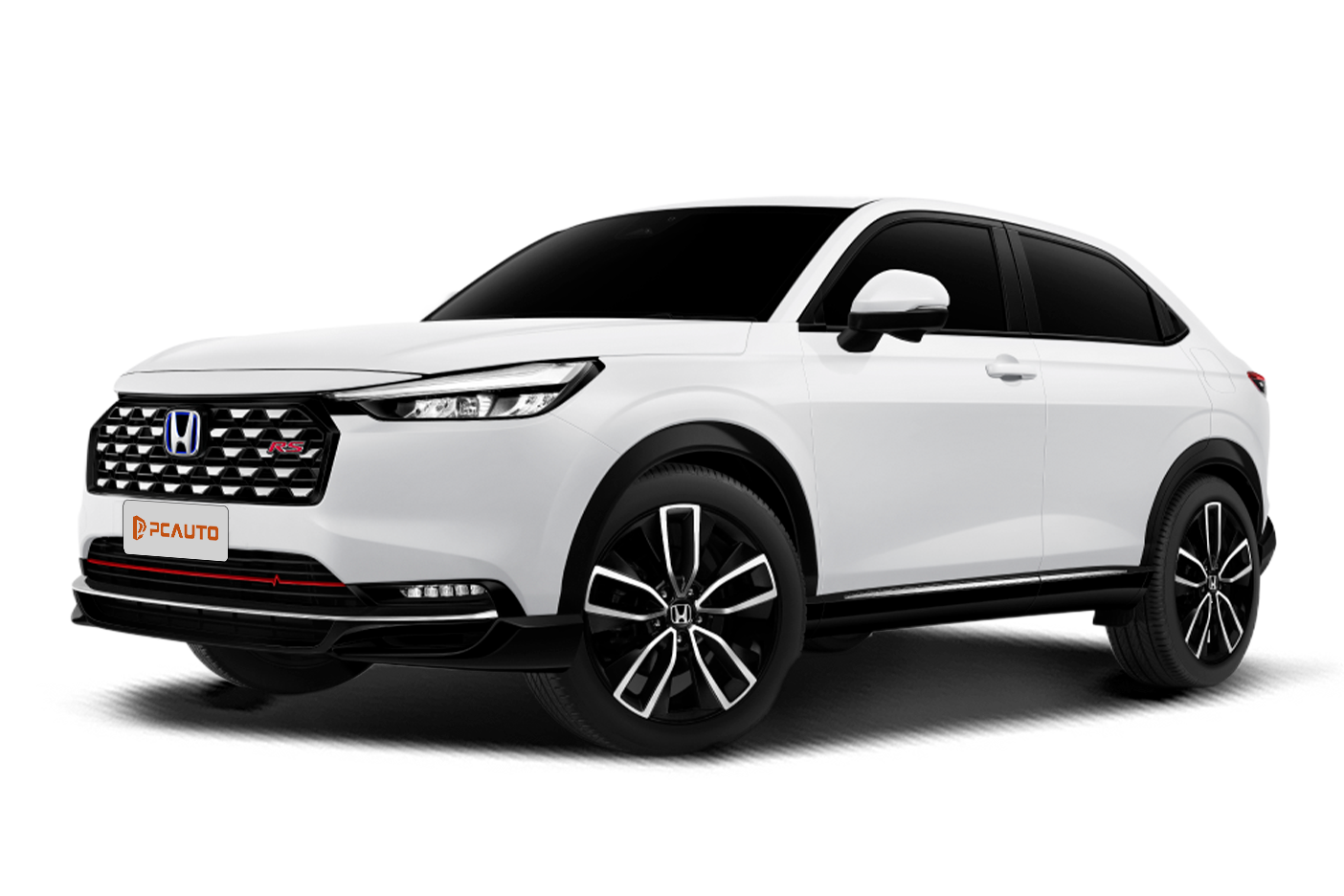
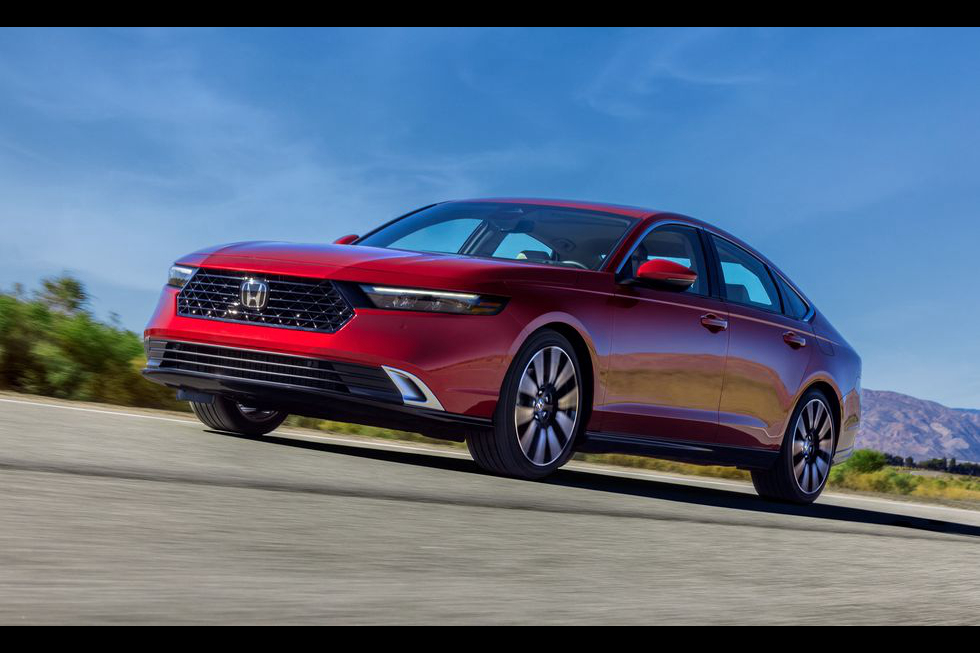
In terms of exterior design, the HR-V 1.5 Turbo E continues Honda's signature clean design style, with the front adopting a large trapezoidal grille accented with chrome strips, offering a unique look. The body lines extend smoothly from the hood to the rear, presenting a streamlined overall contour without overly complex lines, which aligns with its positioning as a family SUV. At the rear, the LED tail lights are designed with a through-type structure, connected to a chrome strip below the rear windshield, visually broadening the width of the vehicle. As for the lighting system, all models come standard with LED headlights and daytime running lights, while the automatic headlight function enhances everyday convenience.
Sitting inside, the overall interior layout emphasizes practicality, with a symmetrical design for the center console. The placement of the touchscreen and physical buttons is intuitive, making operation straightforward. Regarding interior materials, the upper parts of the door panels and dashboard are wrapped in soft materials, providing a decent tactile feel. However, due to cost constraints, some areas still use hard plastic materials. In terms of core features, the 8-inch touchscreen supports Bluetooth connectivity and the Sound Plus function. Although it lacks Internet of Vehicles capabilities, it sufficiently meets basic multimedia needs. The instrument panel uses a traditional electronic analog design, displaying clear information such as speed, RPM, and fuel consumption in real-time. The front seats are manually adjustable and offer good support, ensuring comfort even for long periods of driving. The rear seats support a 60:40 split-folding setup and come with a Tip-up Base design, offering an expanded cargo space when folded down, making it convenient for carrying large items daily.
As for space performance, the HR-V 1.5 Turbo E has body dimensions of 4385mm x 1790mm x 1590mm, with a wheelbase of 2610mm, placing it at an average level within the same class. The front seating space is ample—after a 175cm-tall passenger adjusts the seat, there is about a fist’s worth of headroom remaining. The rear legroom is approximately two fists, with about one fist of headroom, ensuring that even with three passengers in the back, it does not feel overly cramped. Regarding storage capacity, the front door pockets can fit two bottles of water, and there is a hidden storage compartment below the center console for phones and small items. The standard trunk space is not particularly large, but folding down the rear seats allows for considerable expansion, making it quite practical. Additionally, the rear row is equipped with air conditioning vents and power outlets, enhancing the comfort of rear passengers.
In terms of power, the 1.5T turbocharged engine delivers a maximum power of 181PS, with peak torque available as low as 1700rpm, paired with a CVT transmission. During actual driving, the power response when starting is fairly quick; a slight press on the accelerator provides noticeable thrust, and the acceleration is smooth without any jerks. When switching to sport mode, the sensitivity of the gas pedal improves further, with sufficient power reserves for overtaking. During highway driving, the engine maintains around 2000rpm, with noise levels well-controlled. Regarding fuel efficiency, the official combined fuel consumption is 6.5L/100km. In our test of driving 50km in both city and highway conditions, the actual combined fuel consumption was about 7.2L/100km, which meets expectations.
In terms of handling and chassis performance, the steering wheel is precise with minimal play. The steering is light at low speeds, making parking and maneuvering easier. At high speeds, the steering becomes heavier, enhancing driving stability. The suspension system features a front MacPherson independent suspension and a rear torsion beam non-independent suspension, tuned for comfort. It effectively absorbs minor bumps on city roads, but rear passengers will still feel noticeable jolts on larger potholes. In terms of braking performance, the brake pedal travel is moderate, the braking force output is linear, and the vehicle remains stable during emergency braking without significant nose-diving.
In terms of driving comfort, the noise control of the vehicle is well-managed. At speeds below 80km/h, wind and tire noise are minimal. When exceeding 100km/h, wind noise increases slightly but does not affect in-car conversations. The seats provide excellent support and cushioning, and the rear seatback angle is quite comfortable, making long trips less tiring. Additionally, the vehicle is equipped with an electric parking brake and hill-start assist function, which are convenient for daily use.
As for safety features, the HR-V 1.5 Turbo E comes standard with 6 airbags, lane departure warning, autonomous emergency braking, and forward collision warning, which are quite comprehensive compared to other vehicles in the same class. The clarity of the reverse radar and camera is good, enhancing parking convenience.
In summary, the 2022 Honda HR-V 1.5 Turbo E's core strengths lie in its smooth power output, comprehensive safety features, and practical interior space. Compared to its competitor, the Toyota C-HR, it offers larger rear space and richer features, providing a higher value for money. However, there is still room for improvement in terms of interior materials and technological features. Overall, this vehicle is more suitable for family users who prioritize balanced performance, particularly those who often travel with family members and have certain expectations for power and safety features. If you are looking for a practical and reliable family SUV, the HR-V 1.5 Turbo E is worth considering.
Honda HR-V Car Compare
Honda HR-V Loan Calculator
Cars With Similar Price And Features
15
Rank in SUV
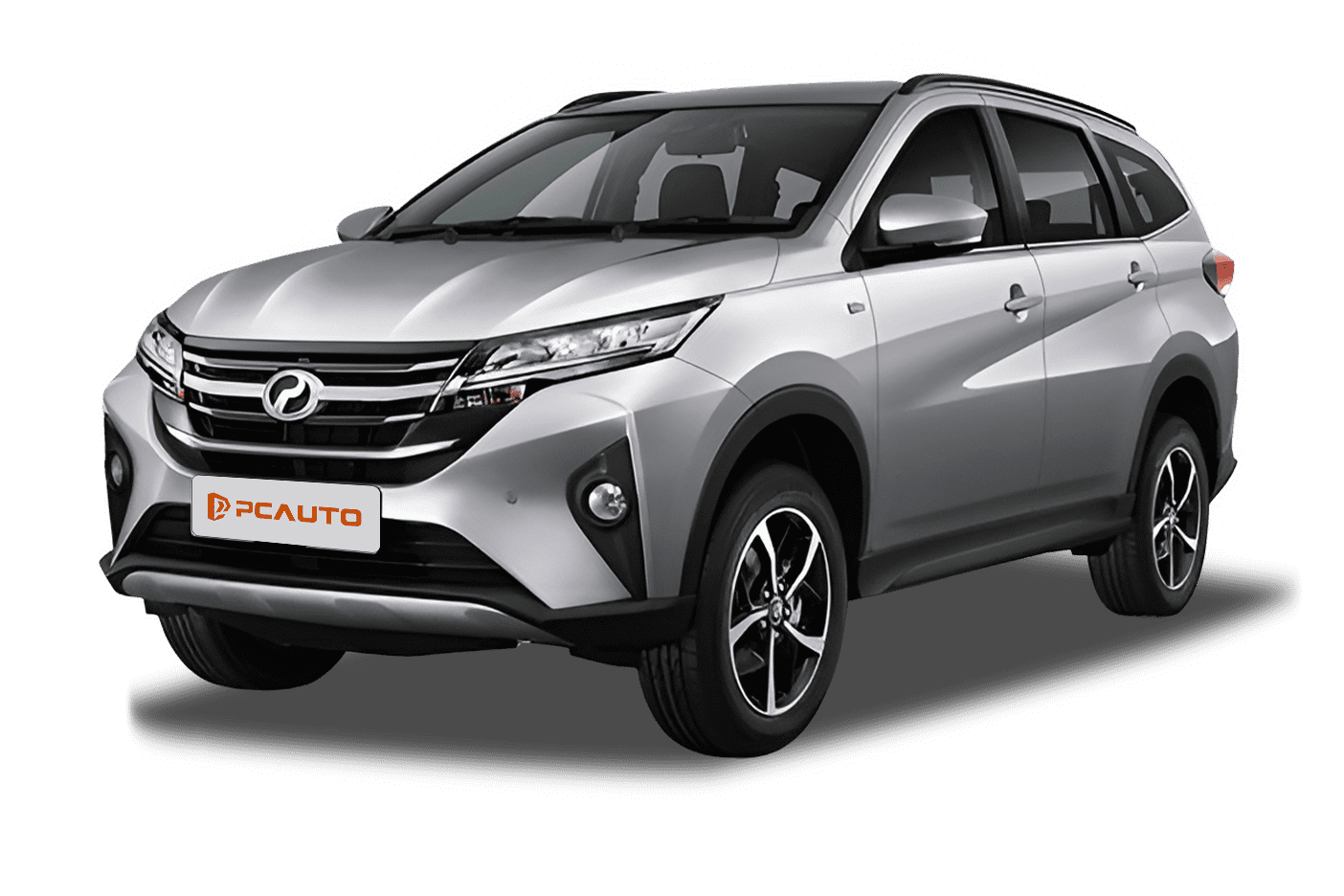
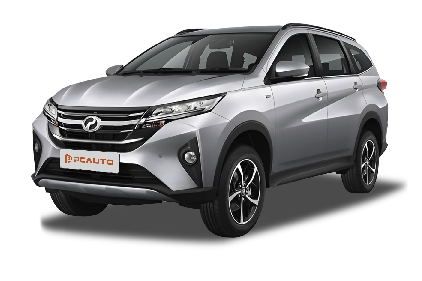
The 2023 Perodua Aruz 1.5L X is a high-value-for-money B-segment 7-seater SUV, offering 6 airbags and active safety systems as standard equipment for under RM63k. It balances practical space and daily commuting needs, making it a pragmatic choice for budget-conscious families.
4
Rank in SUV

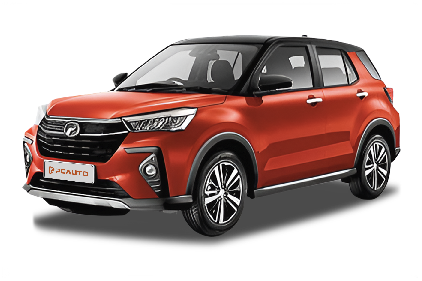
2023 Perodua Ativa 1.0L Turbo X, as a high-value-for-money entry-level B-SUV, meets the commuting and short-distance travel needs of family users with advanced safety features, practical space, and economical fuel consumption.
3
Rank in SUV
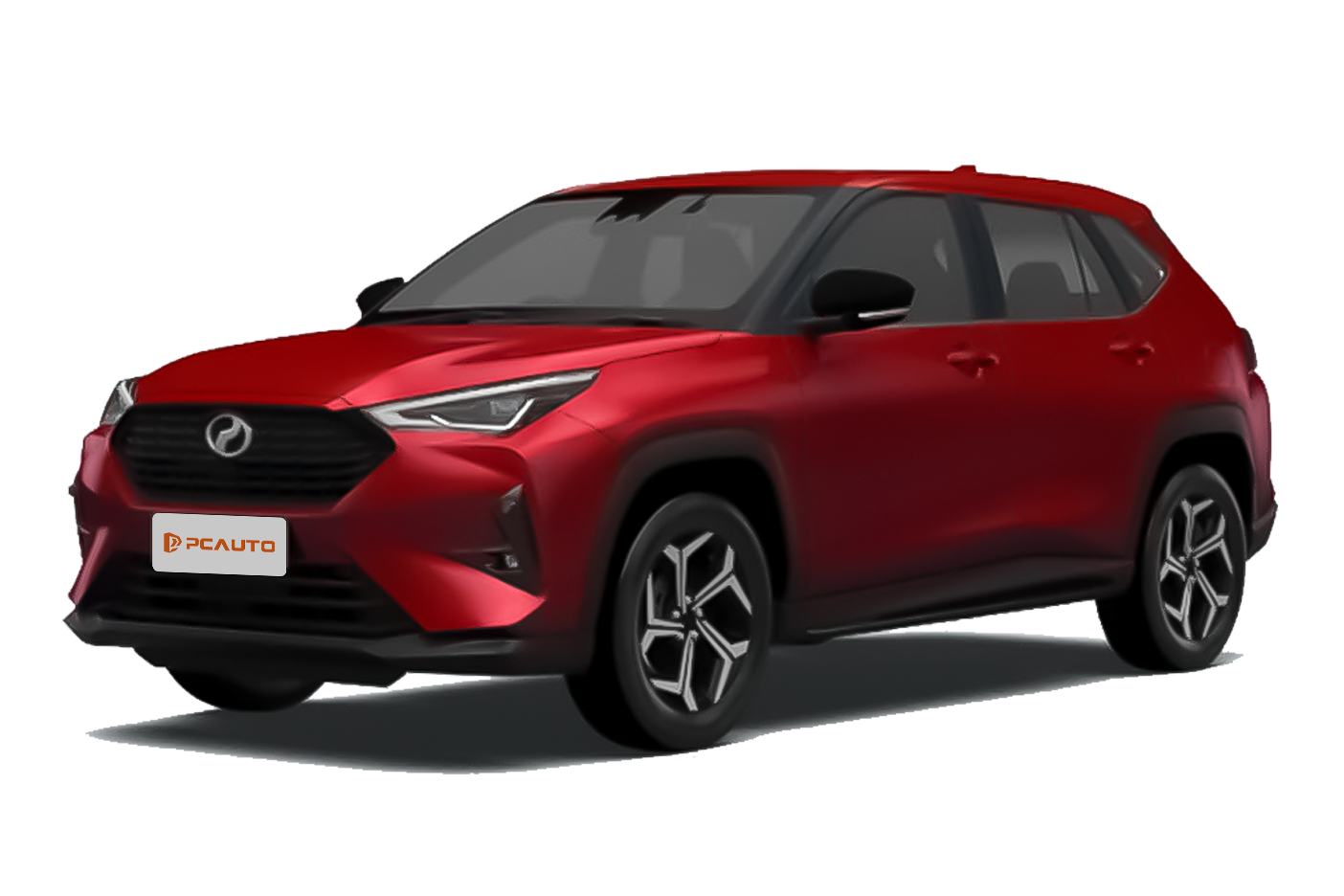
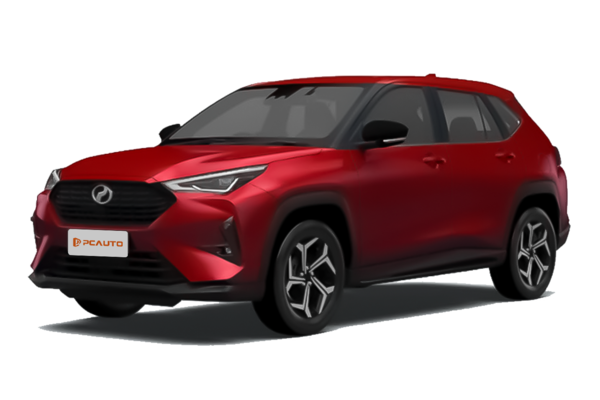
2025 Perodua Traz X, positioned as a B-segment SUV for family users, highlights advanced safety features, 210mm high ground clearance, and practical spaciousness as its main selling points, balancing flexibility and practicality.
2
Rank in SUV
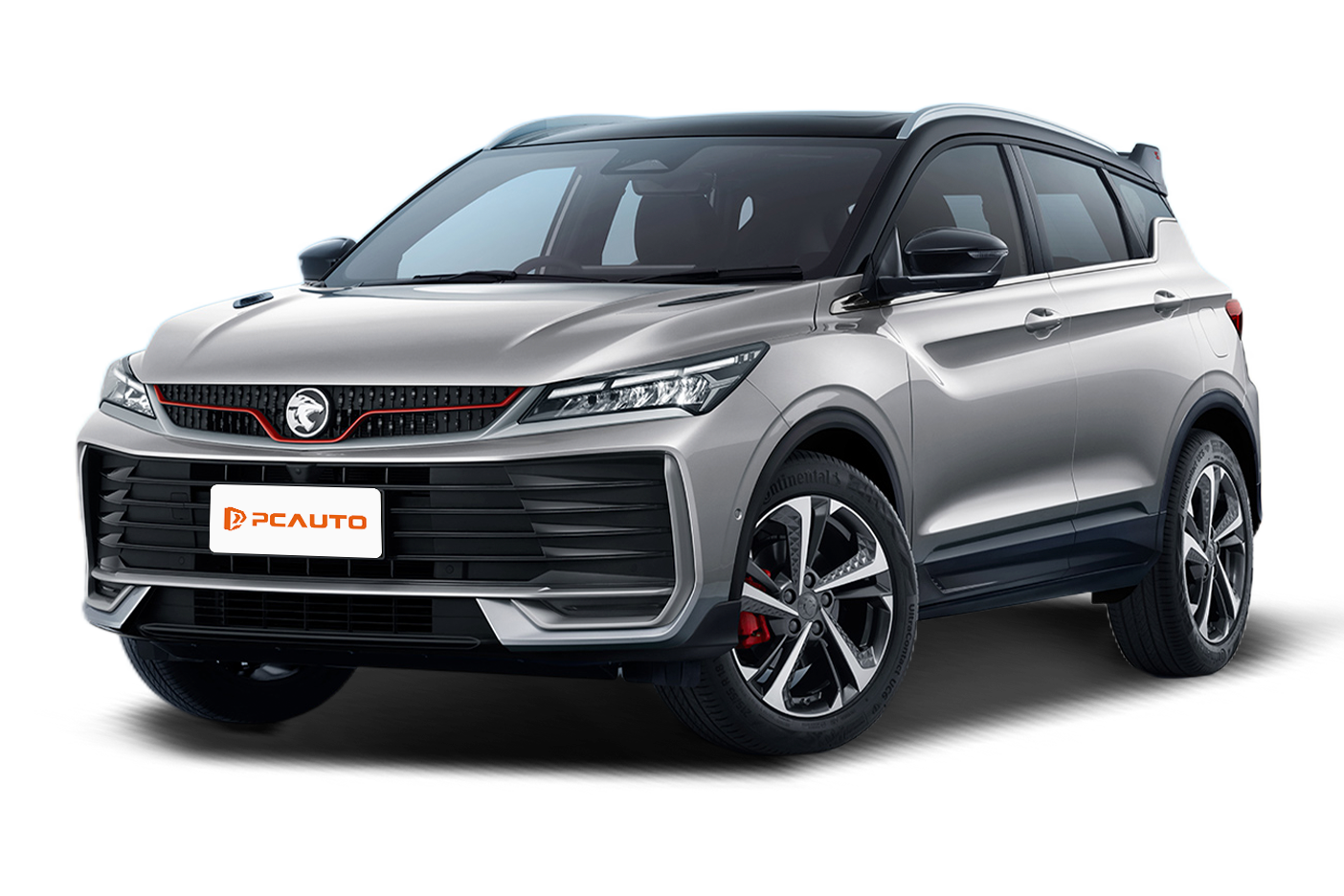
2025 Proton X50 Executive is an upgraded and price-reduced mid-size SUV that combines refined exterior, tech-savvy interior, powerful performance, and practical space, offering exceptional value for money.