

2022 Honda HR-V 1.5 Turbo V Review

 Share
Share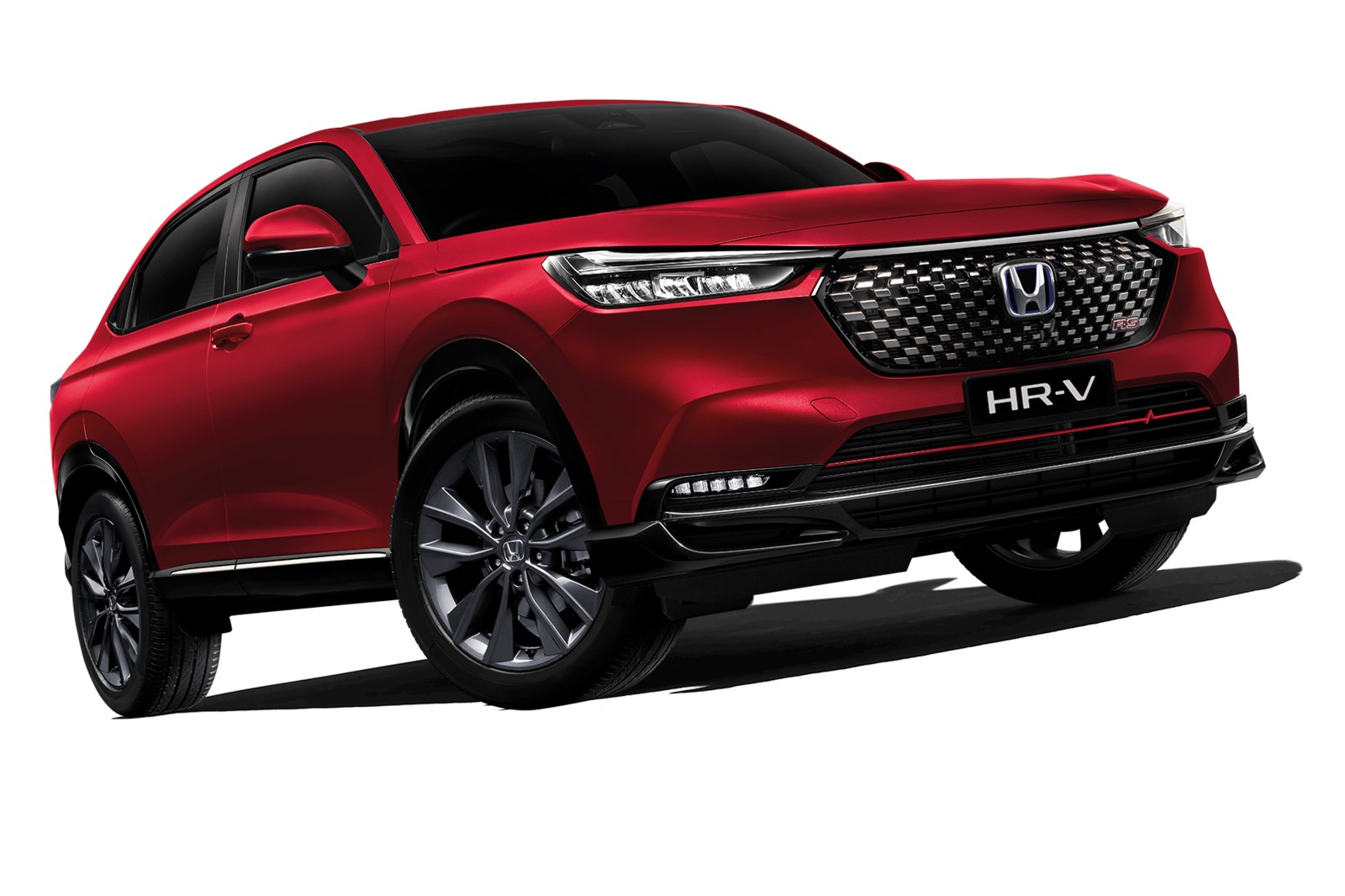
 Segment
 Body Type
 Capacity(L)
 Engine Power(PS)
 Transmission
 Driven Wheels
In Malaysia's B-Segment SUV market, consumers are increasingly demanding space practicality, intelligent configurations, and a balance of power, and the 2022 Honda HR-V 1.5 Turbo V model targets the user group pursuing "balanced value for money"—not only does it come equipped with a 1.5T turbocharged engine, but it also comes standard with the full suite of Honda Sensing safety systems. Can this wave of upgrades secure its market position? Today we will analyze the actual performance of this model through a static experience and dynamic test drive.
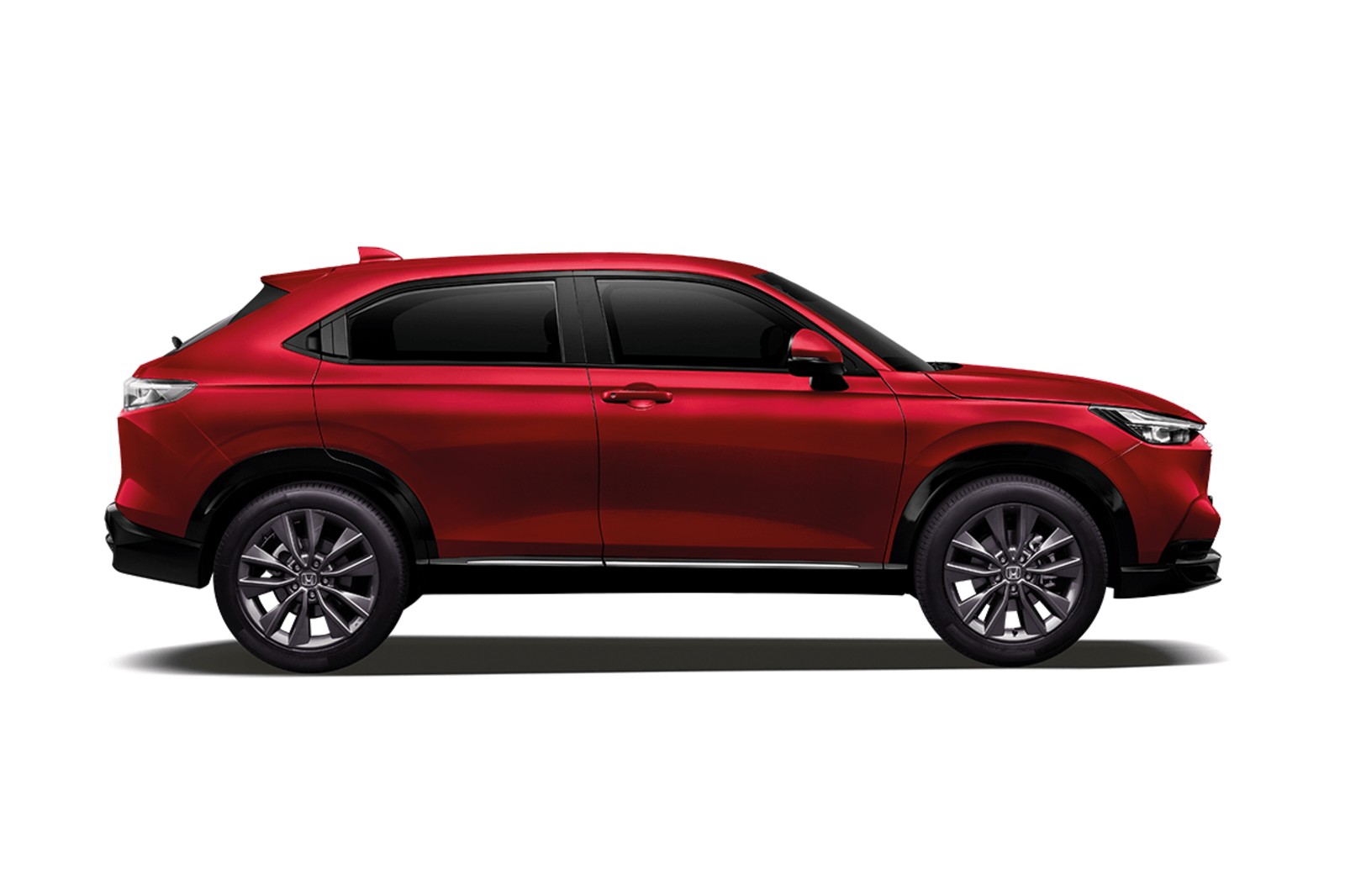
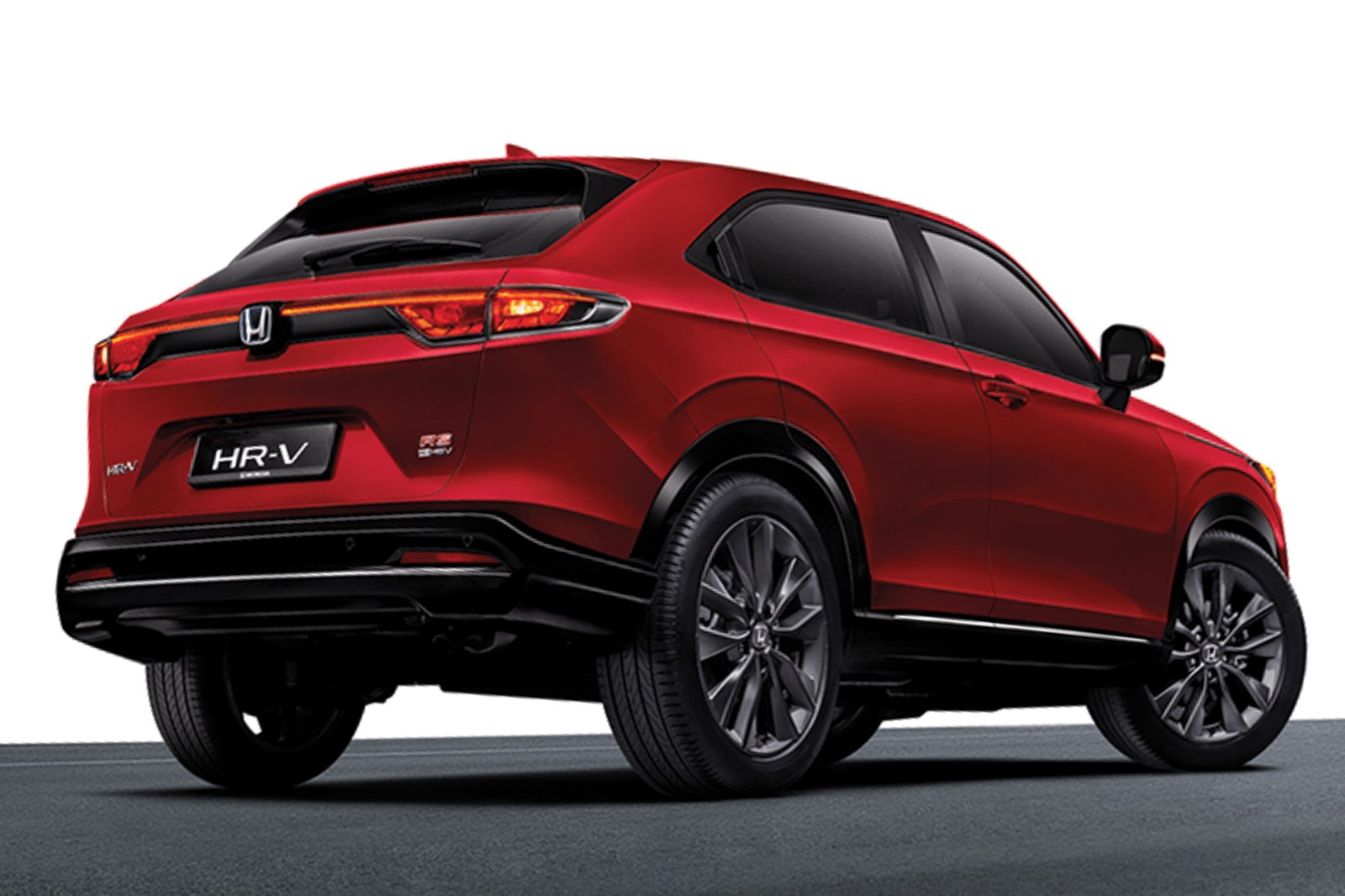
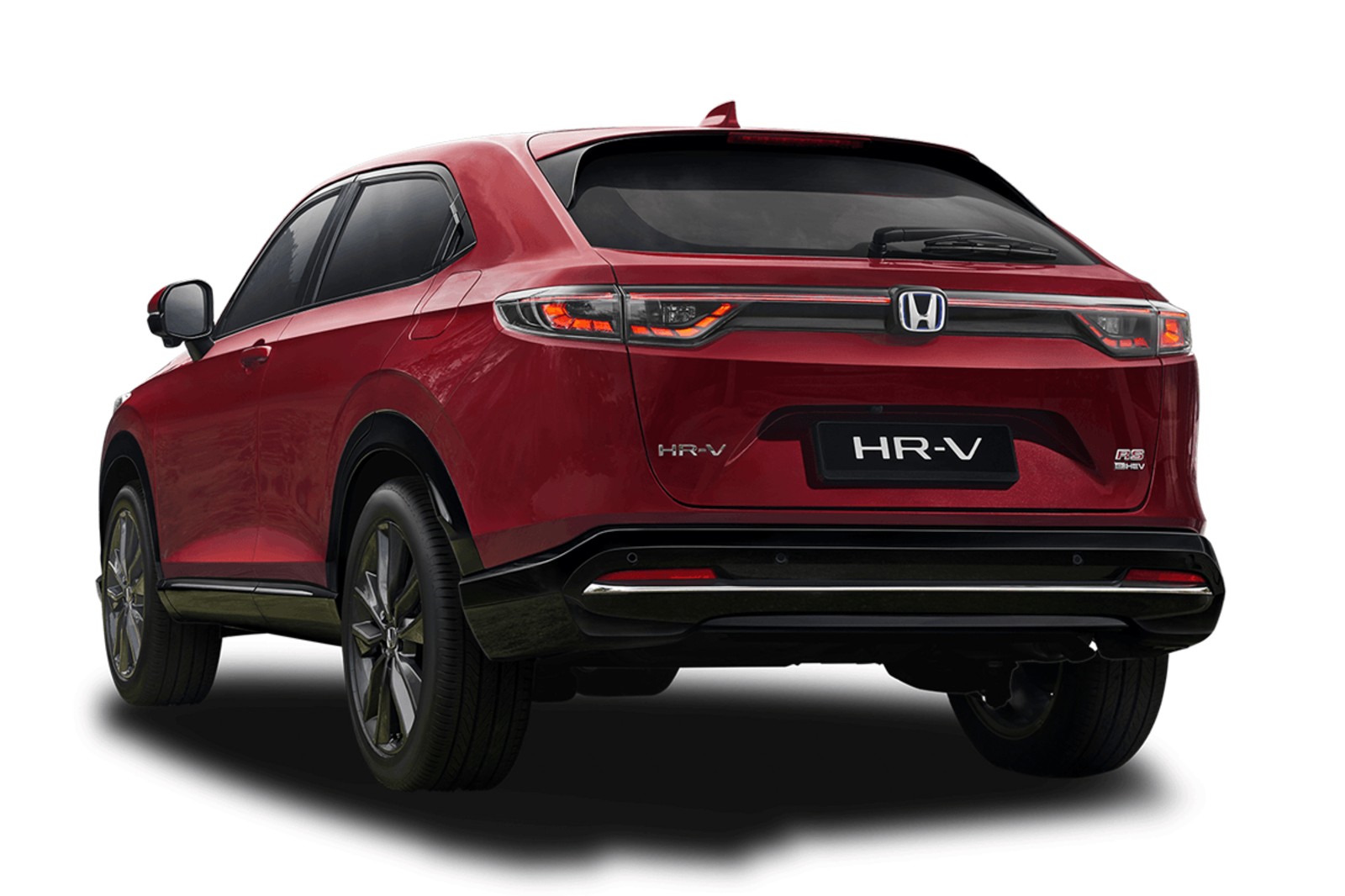
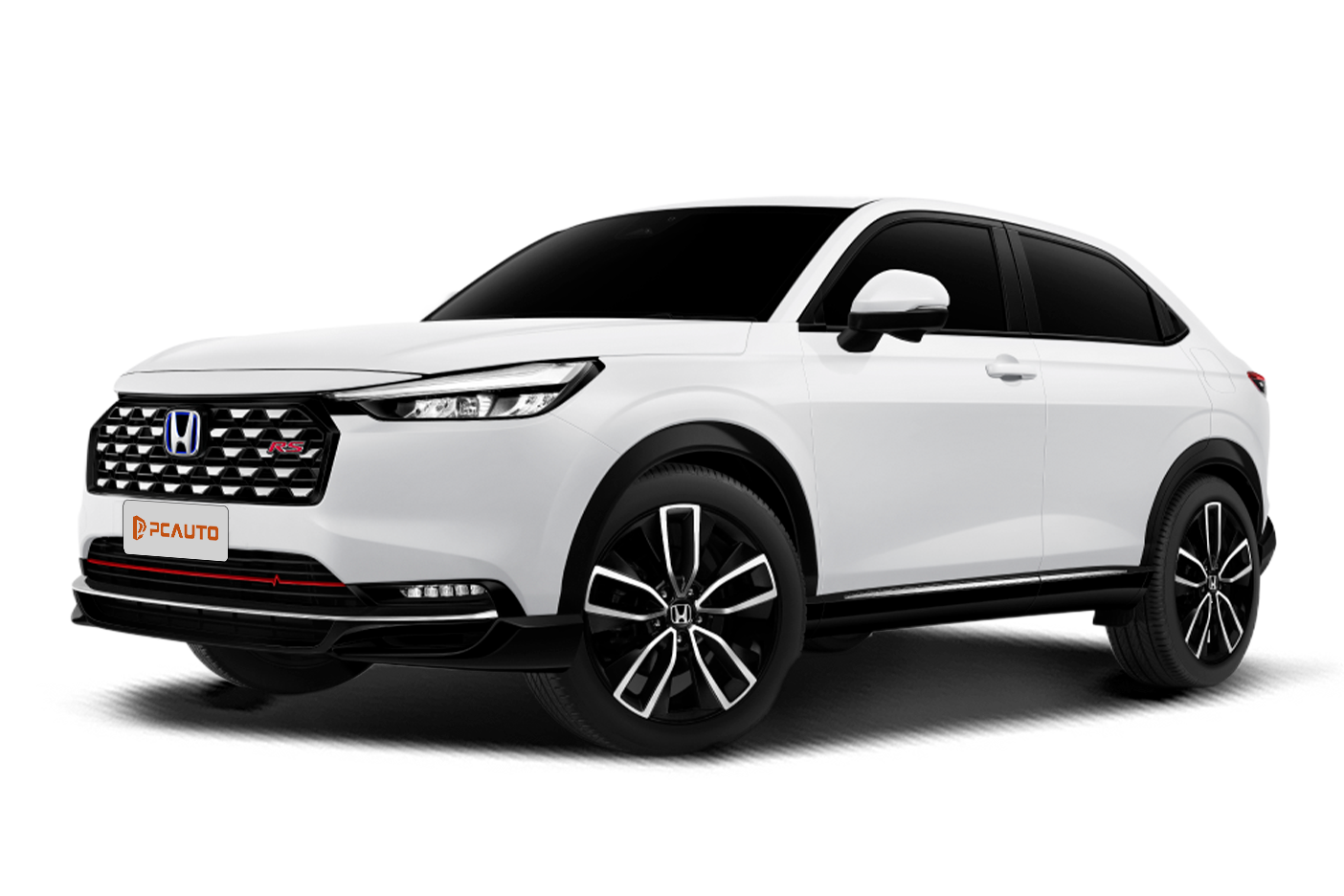
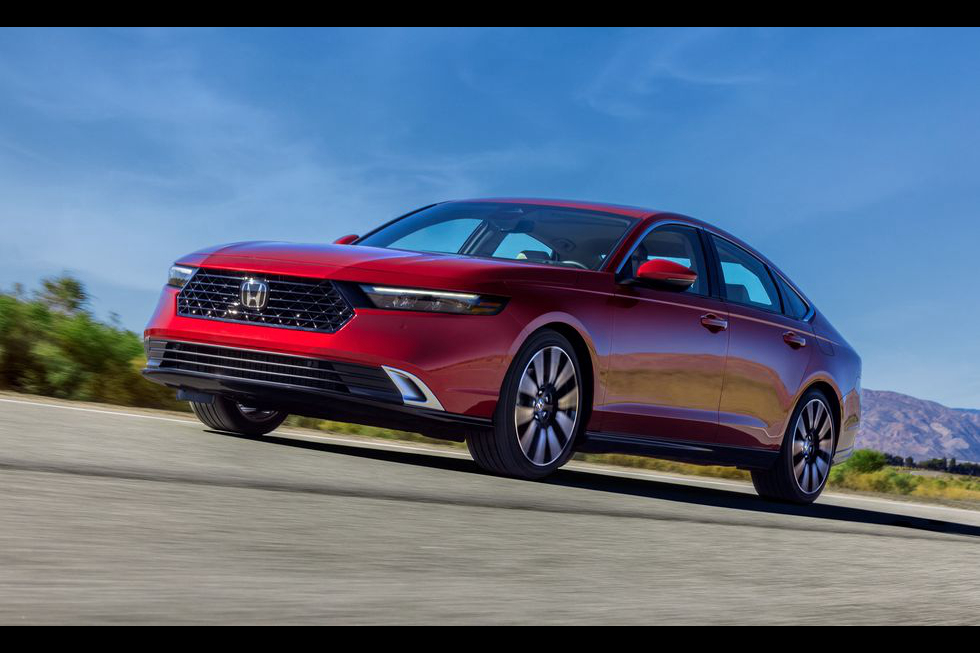
In terms of appearance, the 2022 HR-V 1.5 Turbo V continues Honda's family design language, with overall lines that are smooth and rounded, yet detailed with a sporty touch. The front features an H-shaped chrome accent connecting the LED headlights on both sides, complemented by a blackened grille, giving it a high level of recognition. The double waistlines on the side of the body extend from the front fender to the rear, paired with 18-inch alloy wheels, creating a compact and dynamic visual effect; the rear features a body-colored spoiler, and the taillight assembly is connected via a slender chrome trim, resulting in a simple and elegant design. The lighting system is a highlight, with full-LED headlights featuring automatic illumination, and the daytime running lights are streamlined in design. When lit at night, they provide both practicality and aesthetics.
Stepping inside, the interior adopts a symmetrical layout, with the dashboard primarily made of soft-touch plastic and leather materials, providing a relatively refined tactile sensation. The 8-inch touchscreen central display sits in the middle and offers a smooth interface. It supports Apple CarPlay and Android Auto connectivity, with straightforward and user-friendly controls. Beneath the screen, some physical buttons have been retained for convenient blind operation while driving. In terms of configuration, keyless entry/start, electrically adjustable driver's seat, single-zone automatic air conditioning, and rear air-conditioning vents are standard, making daily use very convenient. The space performance meets the expectations for a B-Segment SUV. With a 2610mm wheelbase, the front row offers ample seating space. For passengers who are 175cm tall, there is still a fist-width of headroom after adjusting the seat comfortably. The legroom in the rear is about two fists, and the nearly flat floor ensures comfort for the middle passenger. The rear seats support a 60:40 split fold with a flip-up seat base. When folded down, the trunk capacity can be expanded, easily fitting large suitcases or strollers. Additionally, storage spaces in the front and rear door panels, as well as the central armrest box, are sufficient for everyday usage.
As for power, this model is equipped with a 1.5T turbocharged four-cylinder engine delivering a maximum horsepower of 181PS and peak torque of 240N·m (Note: torque not specified in the configuration table; common specifications of the same Honda engine are added for reference). It is paired with a CVT transmission. At start-up, the power response is lively— a slight press on the accelerator delivers noticeable pushback, and the turbo kicks in smoothly without abruptness. Mid-to-high range acceleration performs steadily; when overtaking, pressing the accelerator deeply prompts the transmission to simulate gear shifts, ensuring consistent and linear power delivery. The official 0-100km/h acceleration takes 8.8 seconds, making it sufficient for daily city commuting or highway cruising. Regarding handling, the steering wheel is precise with minimal play, feeling light at low speeds and steady at high speeds. The suspension adopts a front MacPherson independent design, with decent damping when going over speed bumps or uneven surfaces. The vehicle avoids major shakes, though the rear passengers may still feel minor vibrations. When cornering, body roll is well-controlled within reasonable limits for overall stability. Fuel consumption is average, with an official combined rating of 6.5L/100km. In actual city driving, it ranges between 7.5-8L/100km, while highway driving can reduce it to about 6L, meeting expectations for vehicles in this class.
In terms of ride comfort, the sound insulation performance is average. After the speed exceeds 80 km/h, tire noise and wind noise will noticeably enter the cabin, but it is within an acceptable range. The seat wrapping is good, the padding is moderately firm, and long drives won’t feel too tiring. The Honda Sensing safety system is the core highlight, with features such as lane departure warning, active braking, and forward collision warning all being highly responsive, effectively enhancing driving safety.
Overall, the key strength of the 2022 Honda HR-V 1.5 Turbo V lies in its "balance"—adequate power for daily needs, practical space, and comprehensive configuration, with the standard inclusion of the full safety system standing out in its segment. Compared to the Toyota Corolla Cross 1.8G in the same class, the HR-V offers stronger performance and richer features, while the price difference is minimal. When compared to the Proton X50 1.5 TGDI, the HR-V has an edge in brand reputation and resale value. This car is suitable for families who value space practicality, safety features, and brand reliability, or for young couples who have just started a family. It is well-suited for daily commutes and weekend family outings.
In conclusion, the 2022 Honda HR-V 1.5 Turbo V has no significant shortcomings and is a "well-rounded" B-Segment SUV. If you're looking for a family car that offers sufficient power, comprehensive features, and reliability, it is worth considering.
Honda HR-V Car Compare
Honda HR-V Loan Calculator
Cars With Similar Price And Features
4
Rank in SUV
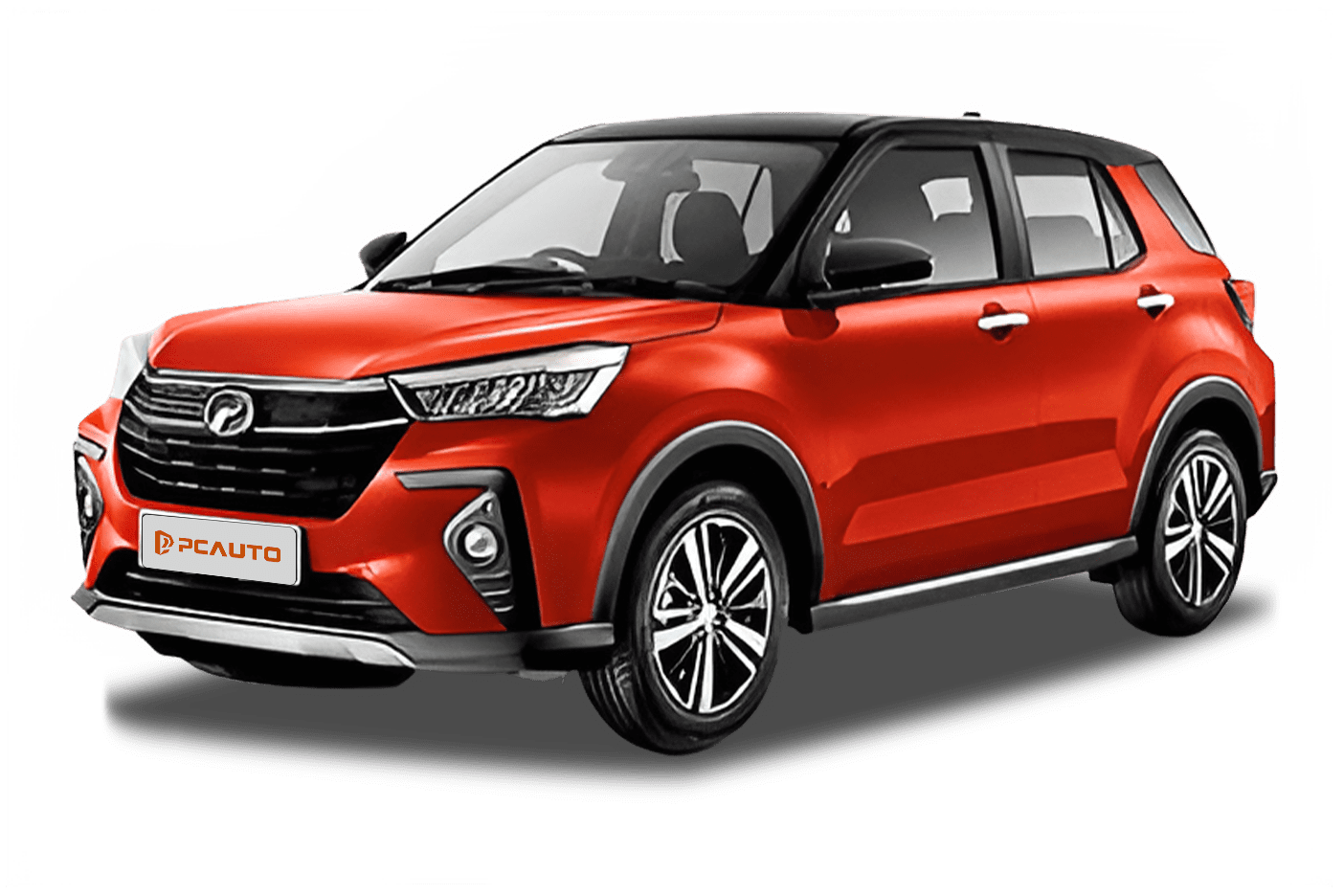
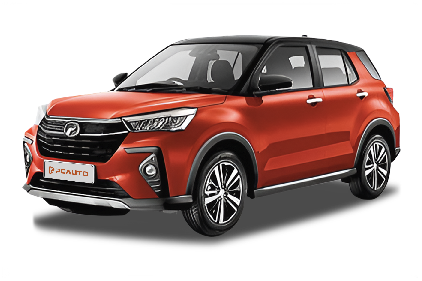
2023 Perodua Ativa 1.0L Turbo X, as a high-value-for-money entry-level B-SUV, meets the commuting and short-distance travel needs of family users with advanced safety features, practical space, and economical fuel consumption.
15
Rank in SUV
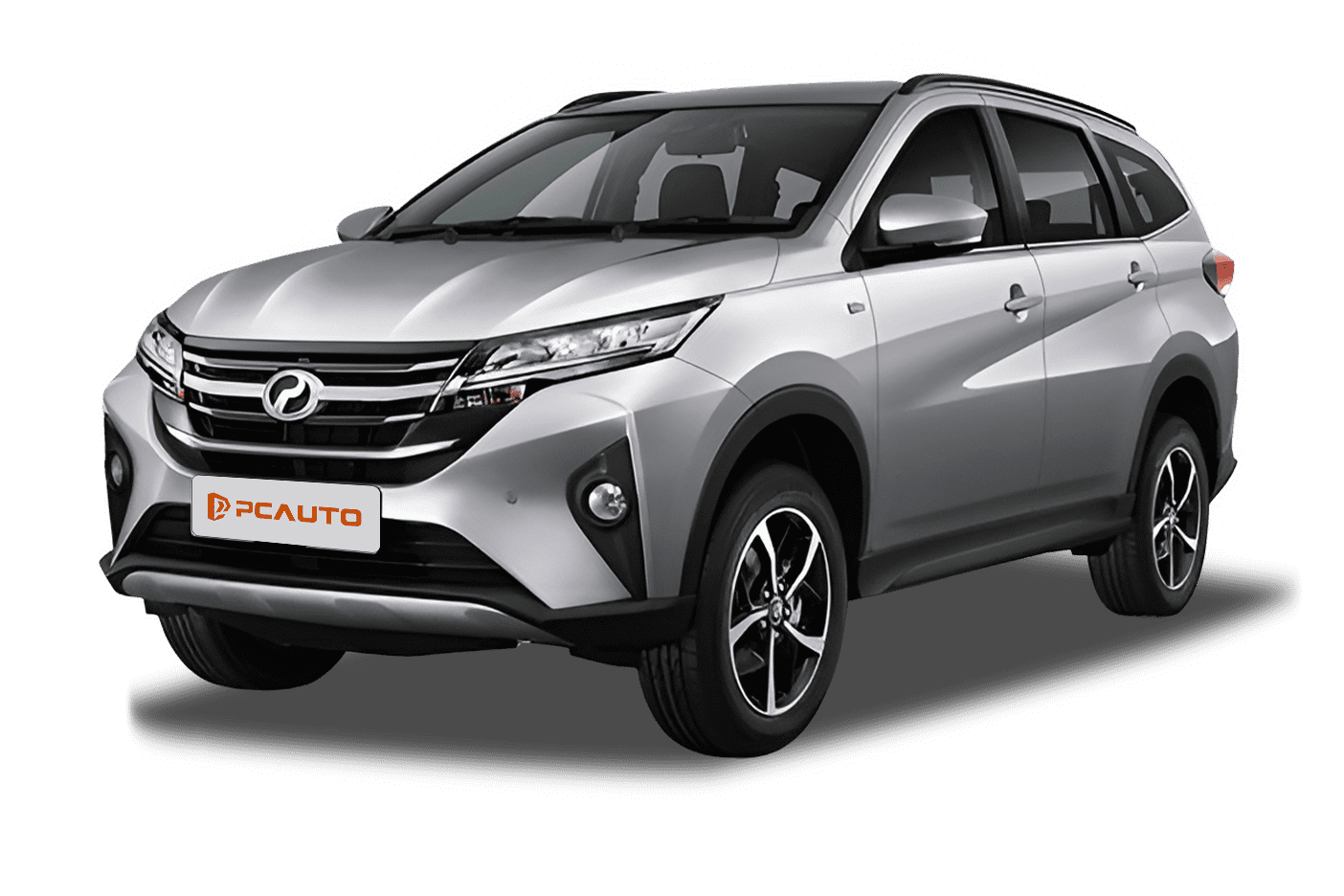
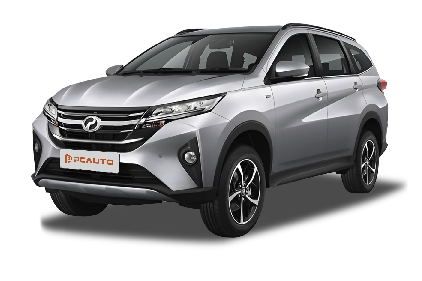
The 2023 Perodua Aruz 1.5L X is a high-value-for-money B-segment 7-seater SUV, offering 6 airbags and active safety systems as standard equipment for under RM63k. It balances practical space and daily commuting needs, making it a pragmatic choice for budget-conscious families.
3
Rank in SUV
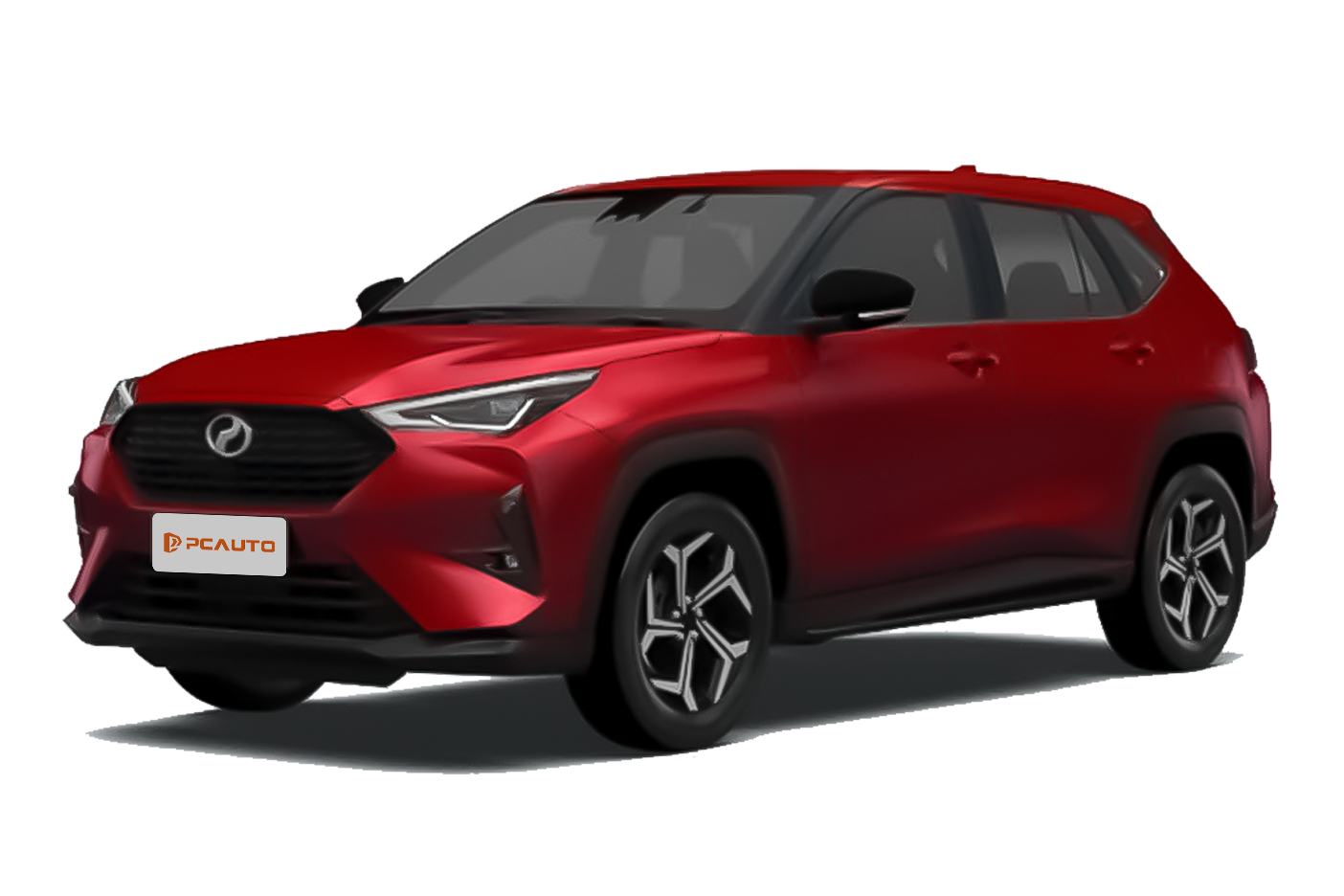
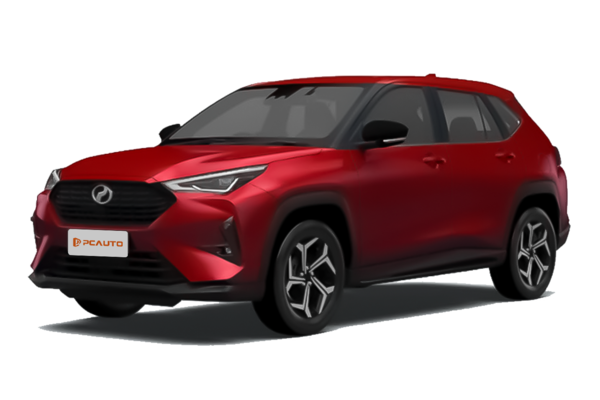
2025 Perodua Traz X, positioned as a B-segment SUV for family users, highlights advanced safety features, 210mm high ground clearance, and practical spaciousness as its main selling points, balancing flexibility and practicality.
2
Rank in SUV
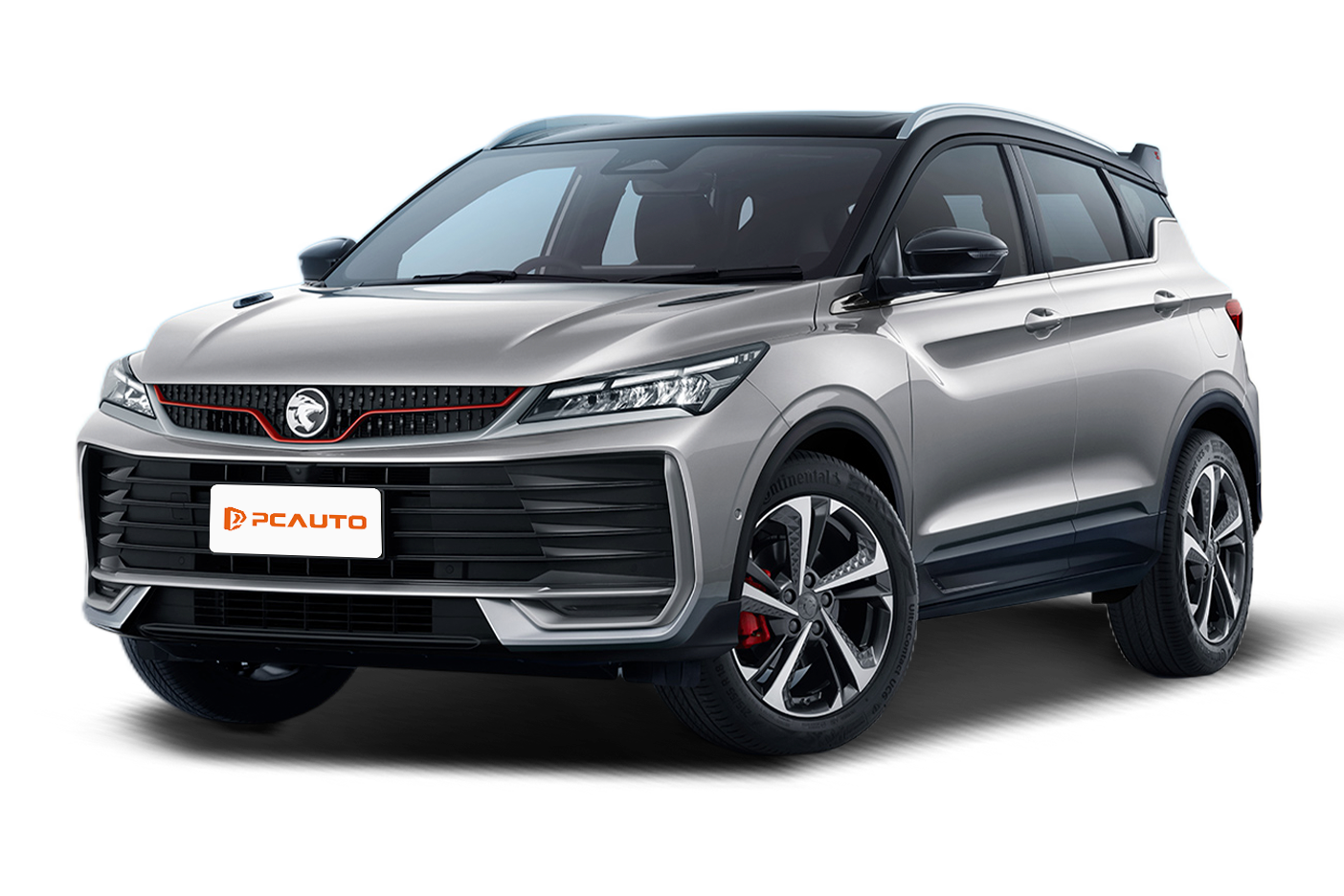
2025 Proton X50 Executive is an upgraded and price-reduced mid-size SUV that combines refined exterior, tech-savvy interior, powerful performance, and practical space, offering exceptional value for money.