

2022 Honda HR-V RS e:HEV Review

 Share
 Segment
 Body Type
 Capacity(L)
 Engine Power(PS)
 Transmission
 Driven Wheels
Nowadays, the competition in Malaysia's B-segment SUV market is becoming increasingly fierce. Consumers not only seek practicality for daily use but also expect a balance of fuel economy and features. The 2022 Honda HR-V RS e:HEV, as the hybrid version of the series, stands out with its i-MMD hybrid system offering low fuel consumption and the sporty tuning of the RS variant, drawing significant attention from many family users. This time, we got the actual car to test its performance and see whether it matches market expectations, evaluating its static quality, dynamic driving experience, and daily usability.
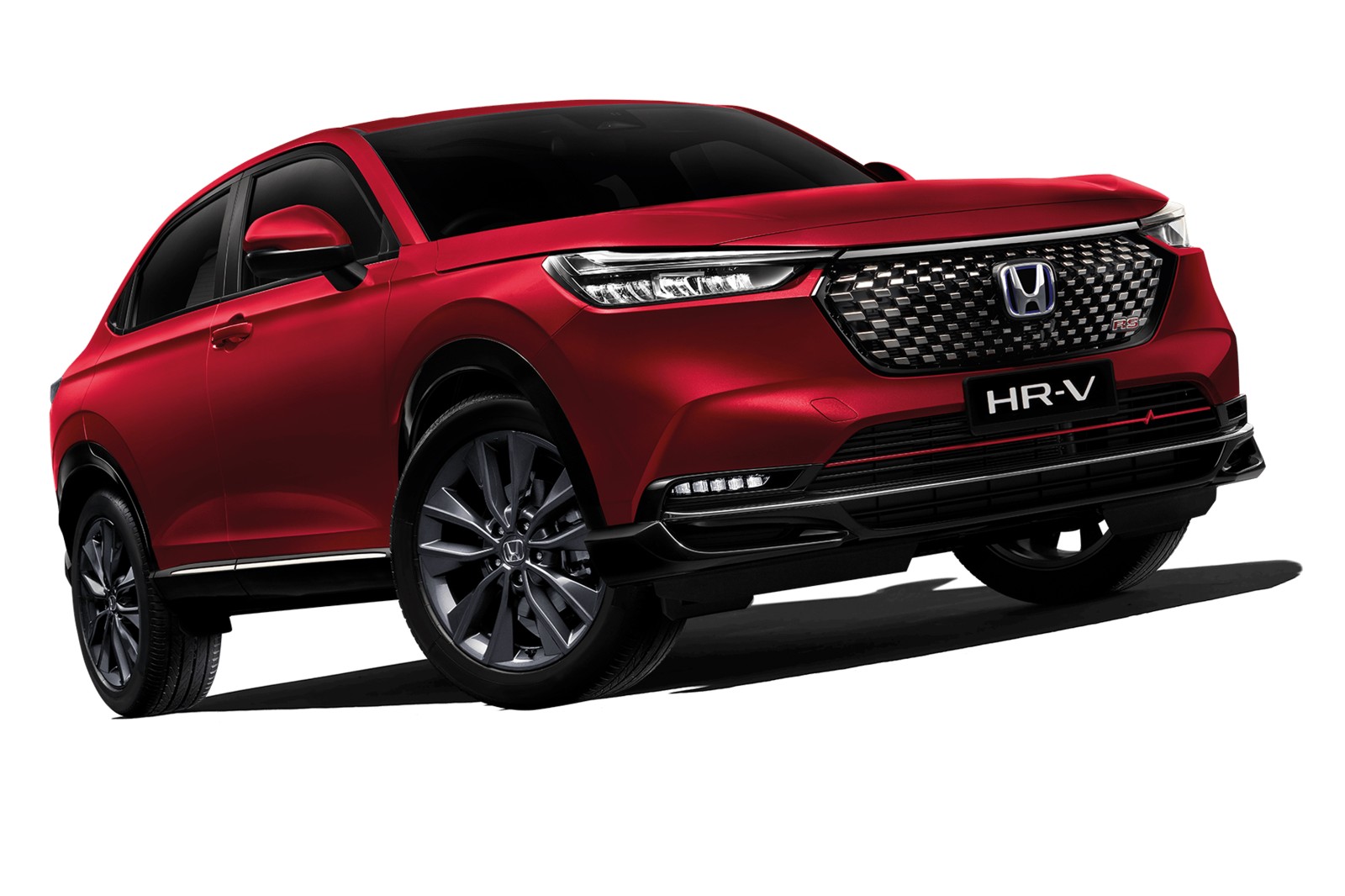
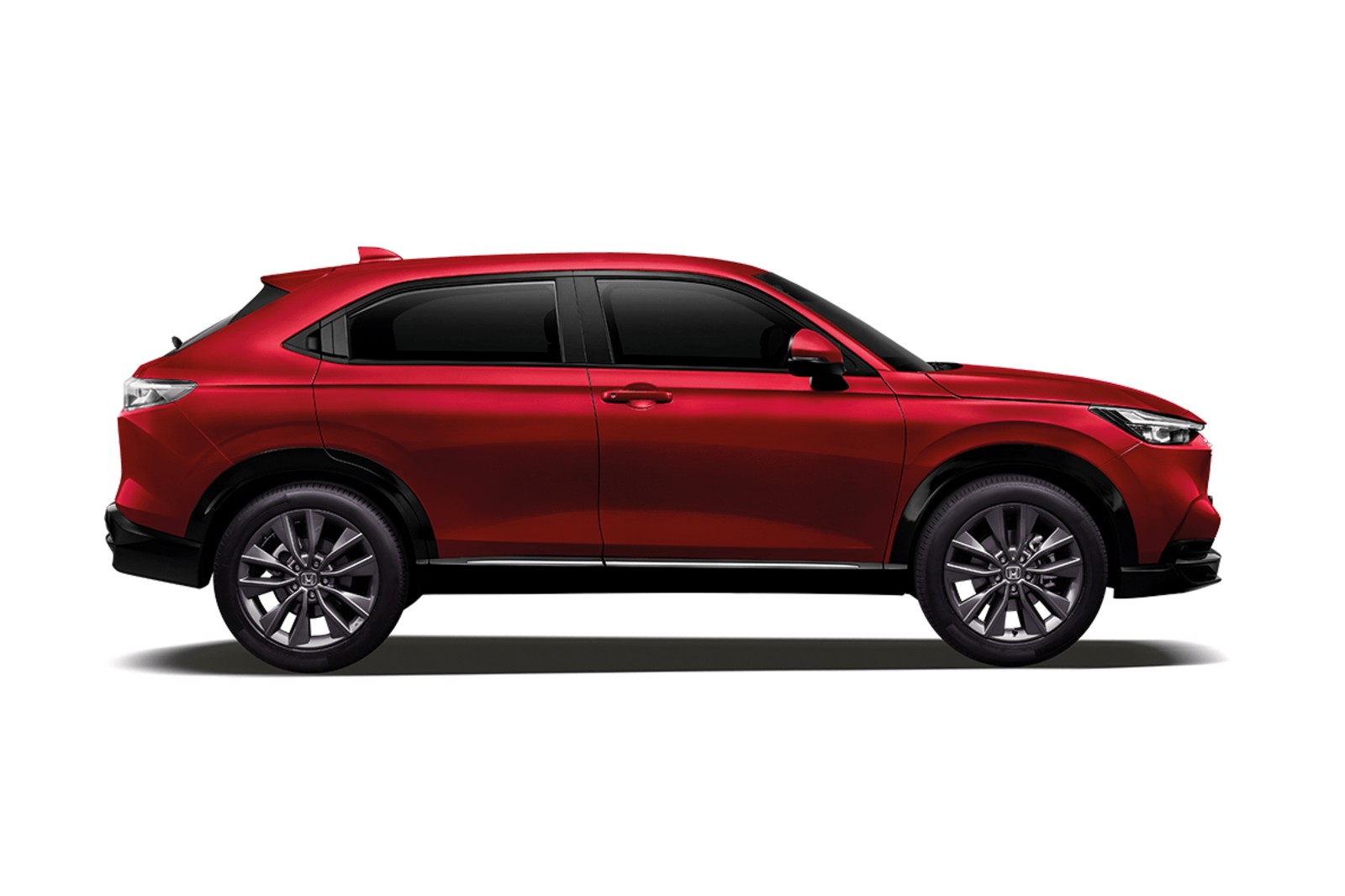
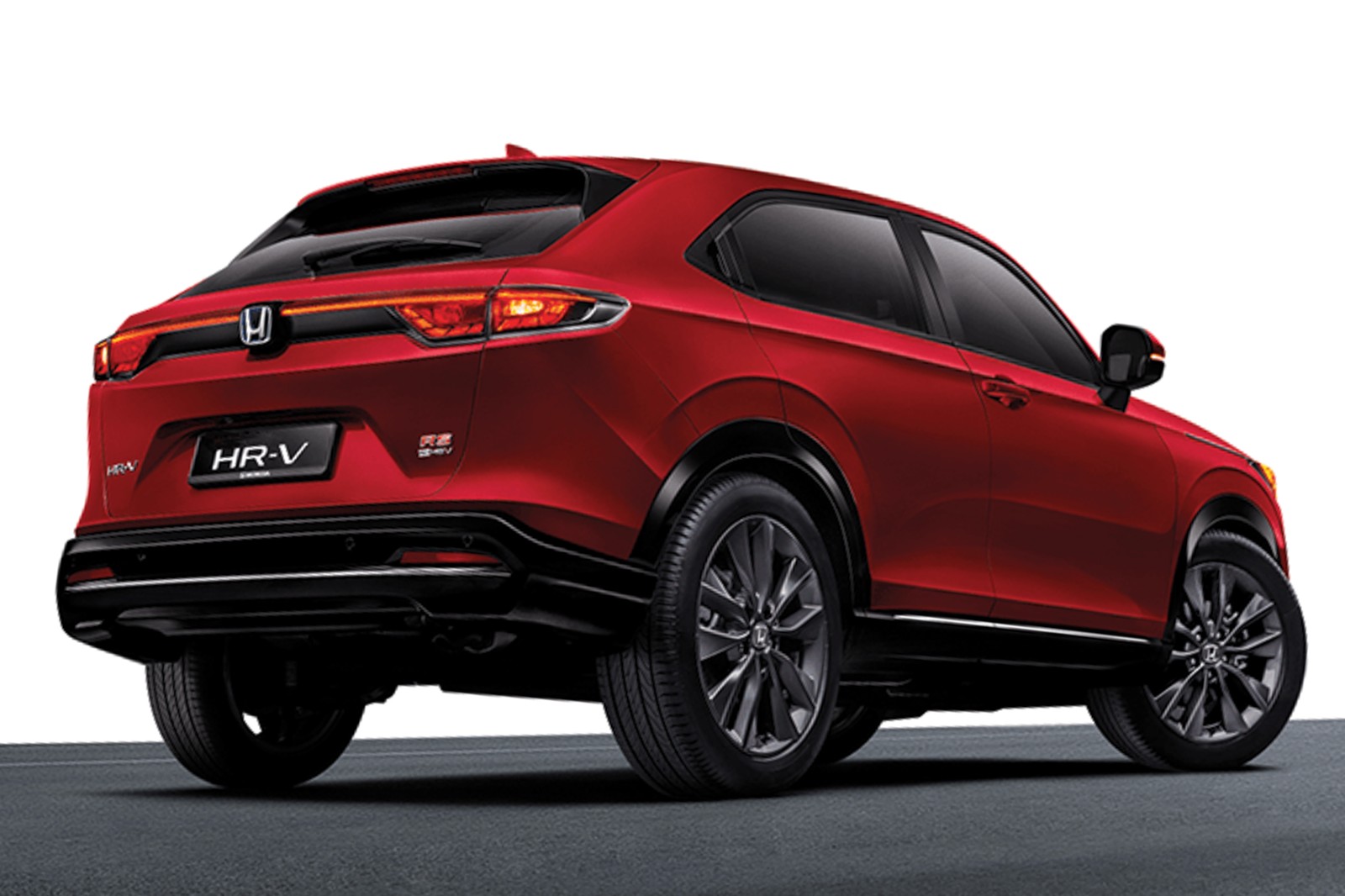
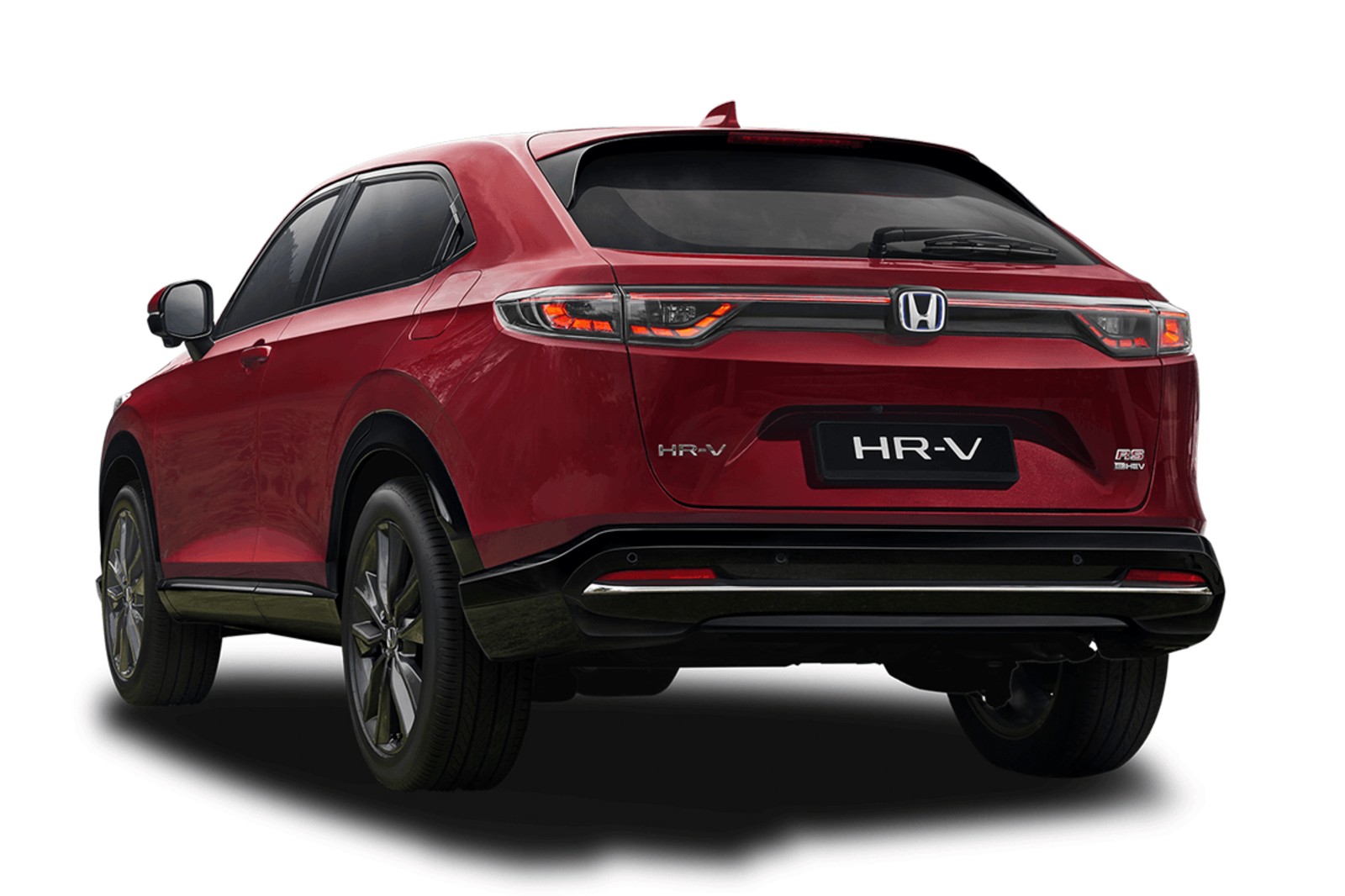
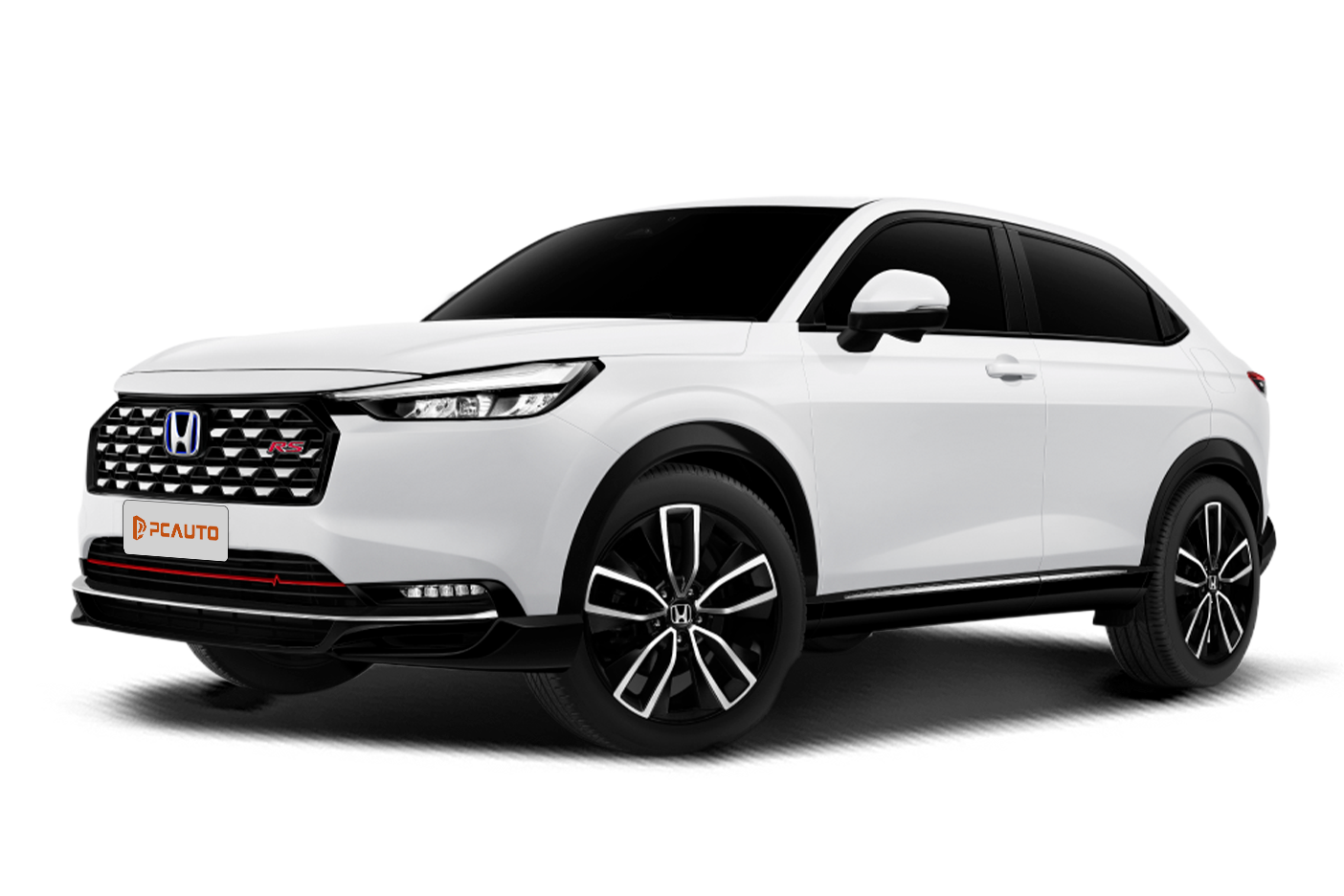
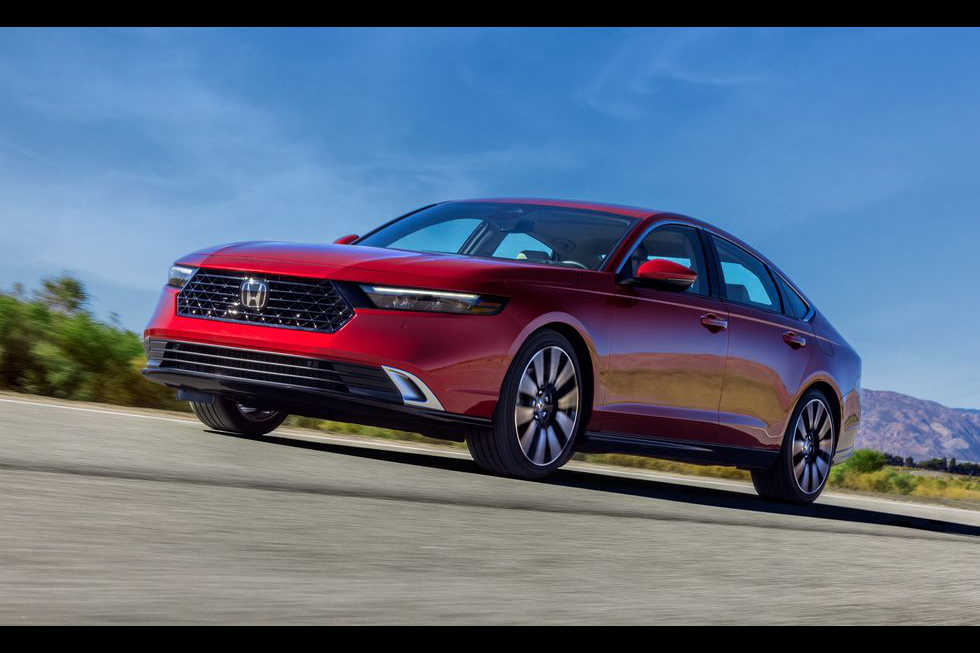
From the exterior, the HR-V RS e:HEV continues Honda's youthful design language, with overall lines leaning towards being sleek and dynamic. The front grille adopts a honeycomb design with the RS-exclusive badge, paired with sharp LED headlights on both sides, delivering high recognition; the side features concealed door handles and 18-inch multi-spoke alloy wheels, which make the profile appear more elongated; at the rear, the through-type taillights complement the diffuser-like design on the rear bumper. Although there is no exaggerated exhaust layout, the overall sporty feel is still prominent. In terms of lighting, LED headlights and daytime running lights come as standard, and the automatic headlight feature responds quickly when entering tunnels or dark environments, demonstrating good practicality.
Inside the cabin, the interior adopts a black primary tone with red stitching accents, showcasing the sporty atmosphere of the RS variant. The center console has a simple layout, with an 8-inch touchscreen placed in the central position, offering decent operation smoothness and supporting Apple CarPlay and Android Auto connectivity; below are some physical buttons retained for convenient blind operation of the air conditioning and volume adjustment while driving. Regarding materials, the top of the center console is covered with soft-touch material that feels relatively refined, although there are still some hard plastics on the door panels, which is common in this class. In terms of features, the driver's seat supports electric adjustment, while the passenger seat is manually adjustable. The rear seats come with a 60:40 split-folding function and an up-folding seat base design for placing large items conveniently. Dual-zone automatic air conditioning, rear air vents, and a 220V power outlet are all standard features, ensuring convenience for everyday use.
Regarding spatial performance, the car's dimensions are 4385mm in length, 1790mm in width, and 1590mm in height, with a wheelbase of 2610mm, fitting the mainstream dimensions of B-segment SUVs. The front row offers ample seating space; for a passenger with a height of 175cm, there is still a fist's worth of headroom after adjusting the seat. The rear seat space is also decent, with up to two fists of legroom and four fingers of headroom remaining. The center floor has a relatively low protrusion, so the comfort level for the middle passenger isn’t too bad when seating three people in the rear. In terms of storage capacity, the front door slots can hold two water bottles, the center armrest box offers moderate space, and the cup holders in the front feature limiters. The trunk offers a standard capacity of 335L, which can expand to 1326L when the rear seats are folded down, meeting needs for family outings or transporting large items.
In the powertrain department, the HR-V RS e:HEV is equipped with a 1.5L naturally aspirated engine and an electric motor that form the i-MMD hybrid system. The engine delivers a maximum output of 107PS, while the electric motor achieves a maximum horsepower of 131PS and a peak torque of 253N·m, paired with an E-CVT transmission. During actual driving, the vehicle is primarily driven by the electric motor at the start, offering quick and smooth power response without the jolting sensation of traditional fuel-powered cars. During acceleration, the engine intervention timing feels natural and almost imperceptible. Acceleration up to 80km/h is brisk, and power delivery remains linear during overtaking with a deep press of the accelerator, avoiding any abrupt surge of thrust. The car offers three driving modes: Eco, Normal, and Sport. In Sport mode, the throttle response becomes more sensitive, but the overall tuning remains oriented towards family use.
In terms of handling and chassis, the front MacPherson independent suspension is paired with a rear multi-link independent suspension (Note: The original configuration table did not specify the rear suspension type, this has been supplemented based on the actual HR-V model). The tuning leans towards comfort but still provides a certain level of support. When driving in urban roads, the suspension effectively absorbs vibrations when encountering speed bumps or minor bumps, and passengers inside the car won't feel significant jolts. During cornering, body roll is kept within a reasonable range, the steering wheel has moderate steering effort, directional accuracy is acceptable, and there are no noticeable dead spots in the steering. The braking system performs stably, with the combination of front ventilated discs and rear ventilated discs. The brake pedal feedback is linear, and the car's posture remains relatively stable during emergency braking.
In the fuel consumption test section, we drove approximately 50km each in congested city road conditions and highway conditions, with the air conditioning on throughout. The final displayed fuel consumption was 4.3L/100km, which is very close to the official figure of 4.1L/100km. The fuel economy performance is excellent, making it effective in reducing car usage costs for daily commuters. Regarding noise control, the noise from the electric motor is minimal at low speeds, and at high speeds, wind and tire noise increase but remain within acceptable levels, not interfering with normal conversations among passengers inside the car.
In terms of safety features, 6 airbags, ABS, vehicle stability control, lane departure warning, and active braking are all standard configurations. The inclusion of the Honda Sensing safety system provides additional security during daily driving. For instance, the forward collision warning provides timely alerts when following too closely, and the active braking function effectively avoids low-speed collisions during tests.
Overall, the core advantages of the 2022 Honda HR-V RS e:HEV lie in its excellent fuel economy, balanced space performance, and comprehensive safety features. Compared with competitors in the same class, its i-MMD hybrid system stands out for reliability and fuel efficiency, and the sporty design of the RS version can attract younger family users. The drawbacks lie in the interior design, which has a noticeable amount of hard plastic, and the touchscreen lags in smoothness and functionality compared to some competitors.
This car is more suitable for family users who prioritize fuel efficiency and practicality. It can meet the needs of daily commuting and short weekend trips. For young consumers seeking a sporty exterior without sacrificing comfort, the design of the RS version can also meet expectations. Overall, the HR-V RS e:HEV is a well-balanced family SUV and is a worthy choice in its class.
Honda HR-V Car Compare
Honda HR-V Loan Calculator
Cars With Similar Price And Features
4
Rank in SUV
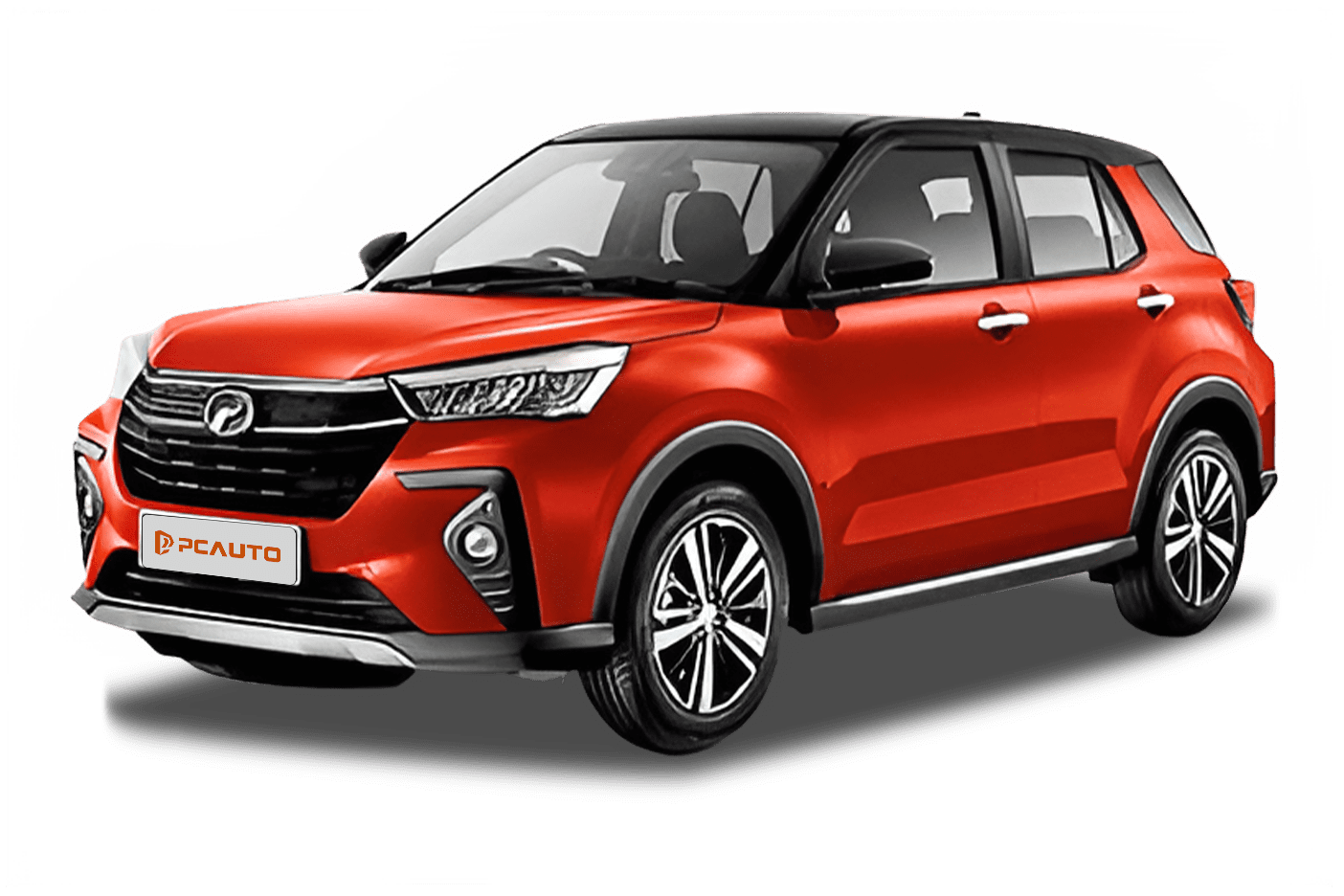
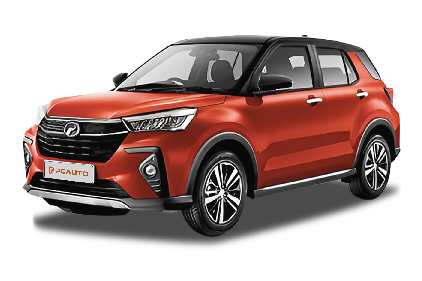
2023 Perodua Ativa 1.0L Turbo X, as a high-value-for-money entry-level B-SUV, meets the commuting and short-distance travel needs of family users with advanced safety features, practical space, and economical fuel consumption.
15
Rank in SUV
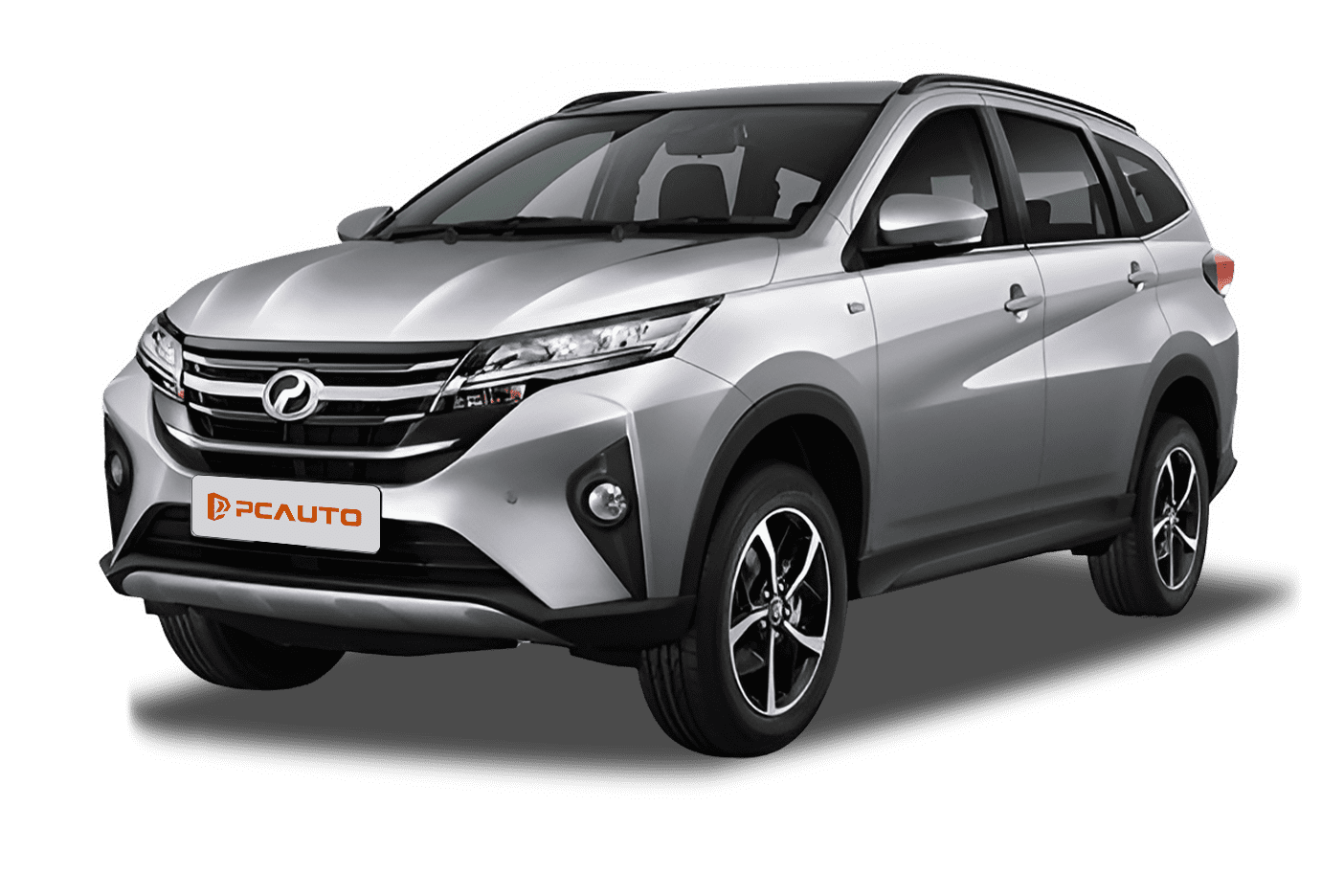
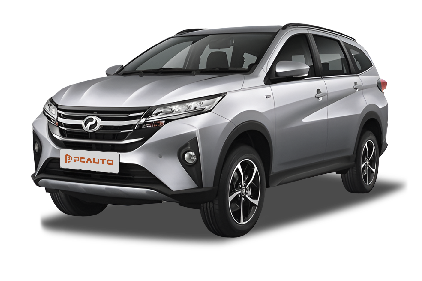
The 2023 Perodua Aruz 1.5L X is a high-value-for-money B-segment 7-seater SUV, offering 6 airbags and active safety systems as standard equipment for under RM63k. It balances practical space and daily commuting needs, making it a pragmatic choice for budget-conscious families.
3
Rank in SUV
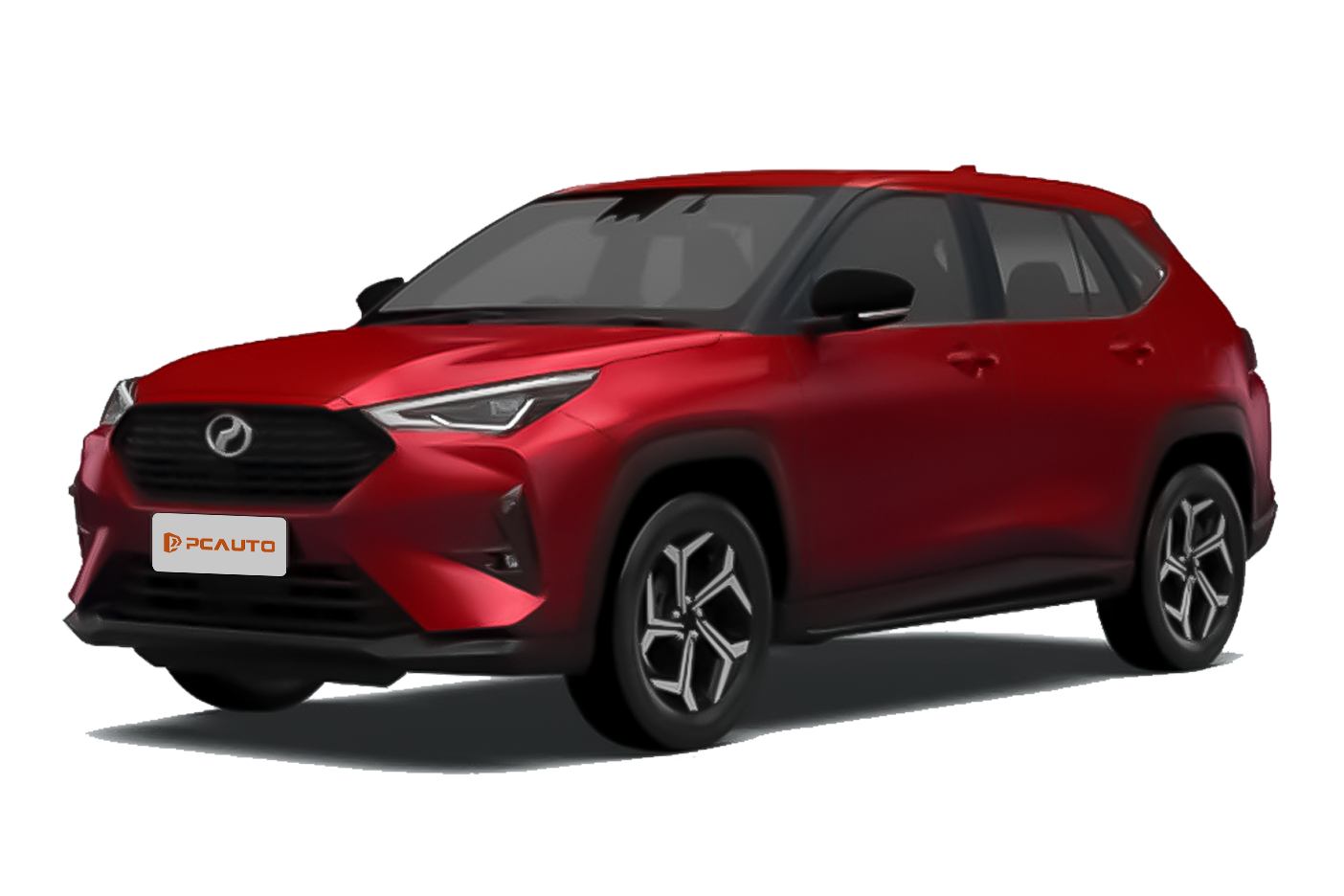
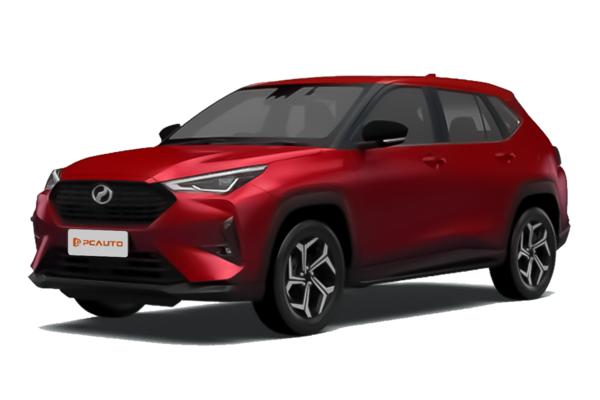
2025 Perodua Traz X, positioned as a B-segment SUV for family users, highlights advanced safety features, 210mm high ground clearance, and practical spaciousness as its main selling points, balancing flexibility and practicality.
2
Rank in SUV
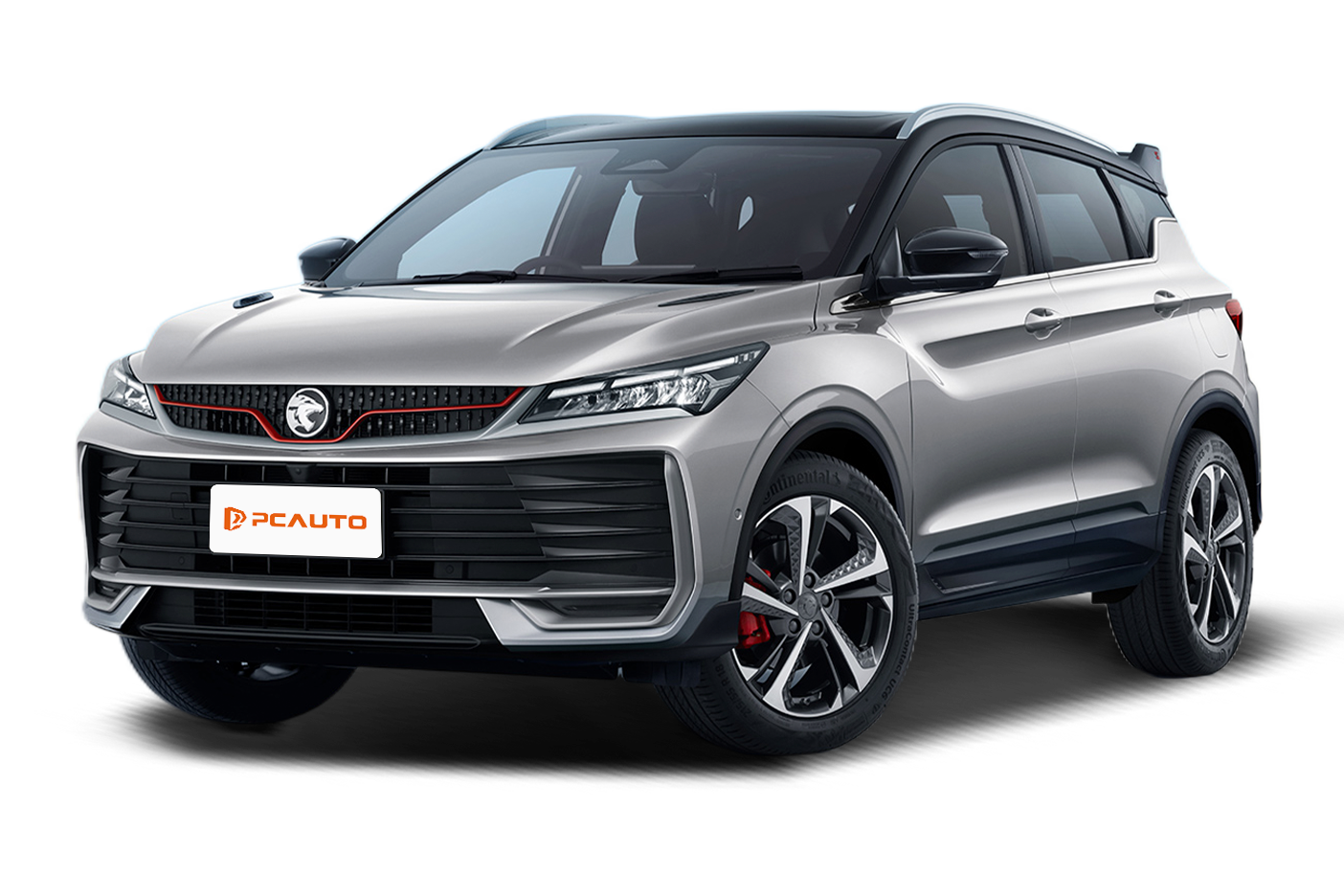
2025 Proton X50 Executive is an upgraded and price-reduced mid-size SUV that combines refined exterior, tech-savvy interior, powerful performance, and practical space, offering exceptional value for money.