

2022 Proton Exora 1.6T Premium CVT Review

 Share
Share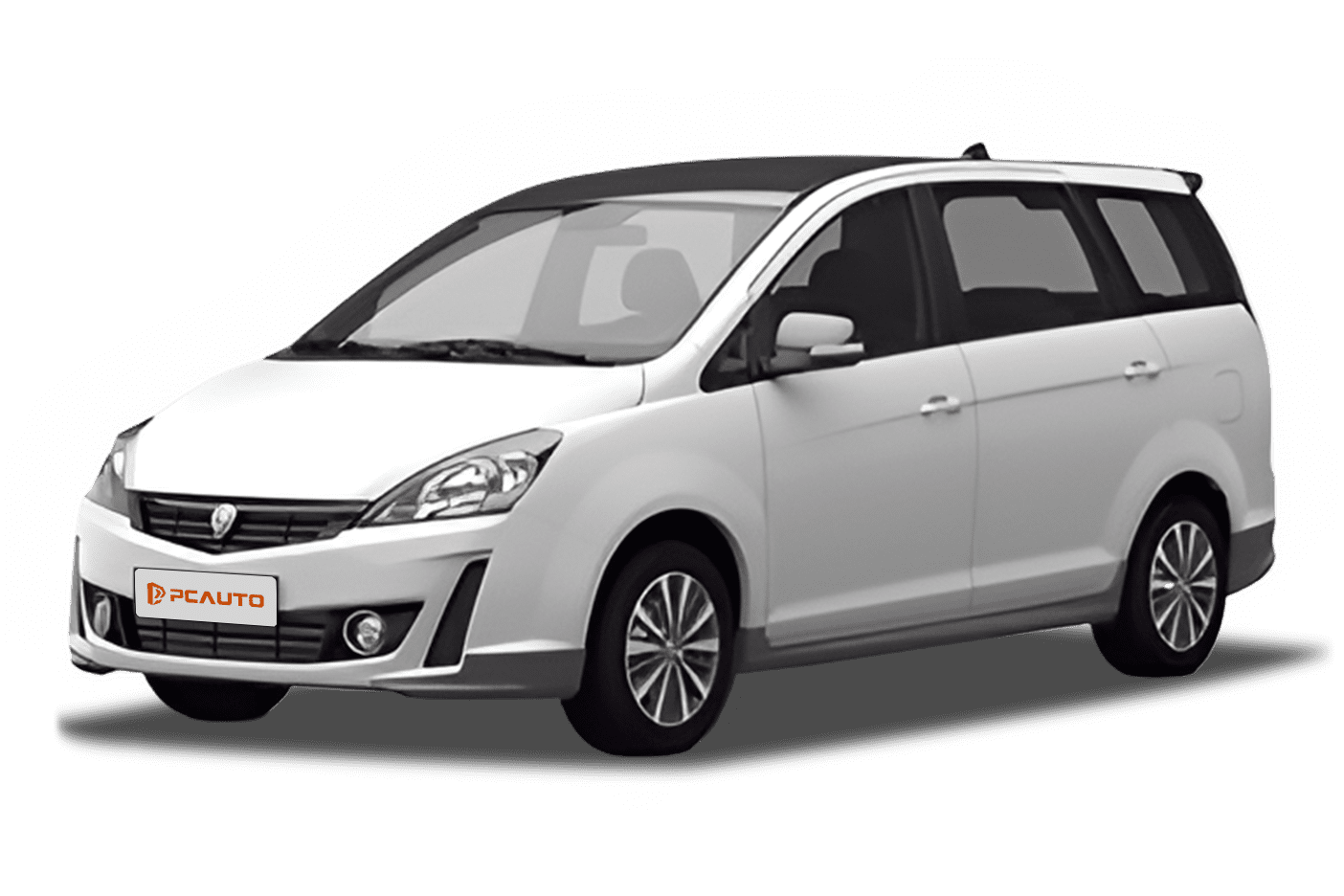
 Segment
 Body Type
 Engine Power(PS)
 Transmission
 Driven Wheels
 Capacity(L)
In Malaysia's seven-seater MPV market, the Proton Exora has always been a popular choice for family users—after all, it combines practical space with the cost-effectiveness of a local brand. As a mid-to-high spec version of the series, the 2022 Exora 1.6T Premium CVT returns with upgraded intelligent features and a stable drivetrain. Our core purpose during this test drive was to assess whether it can still firmly meet the needs of family users: Is the space sufficient? Are the features practical? Is it easy to drive on a daily basis?
Looking at the exterior, the 2022 Exora does not make significant design changes, maintaining the classic boxy shape of an MPV, with predominantly straight lines. The advantage of this design is the maximization of internal space. At the front, the large front grille with chrome accents connects to the combination of Halogen+LED headlights on both sides. Daytime running lights come as standard, and the automatic headlight function is also practical, as it automatically switches when entering and exiting tunnels. The waistline of the car body extends from the front to the rear, and with the 16-inch wheels, it doesn’t appear bulky visually. The rear design is relatively simple, with LED taillights that are quite recognizable. The rear fog lights are also standard, enhancing safety during rainy weather. Overall, the Exora’s exterior is understated and enduring, without excessive flashy designs, which aligns with its positioning as a family car.
Inside the car, the interior style leans toward practicality, with a clear center console layout that is easy to use. Regarding materials, the top part of the center console is wrapped in soft-touch materials, providing a decent texture upon touch, while the lower parts are made of hard plastic, which is reasonable given the price. A 7-inch touch screen sits at the center, responding fairly smoothly and supporting Bluetooth connectivity as well as basic multimedia functions. A multifunction steering wheel is standard, allowing control of volume and phone calls. The HUD heads-up display is a nice surprise, allowing the driver to see speed without looking down, improving driving safety. The instrument cluster is an LCD segmented type, displaying enough information for daily use, such as RPM, fuel level, and water temperature.
Space is one of Exora’s core advantages. The car’s dimensions are 4615mm in length, 1809mm in width, and 1691mm in height, with a wheelbase of 2730mm, which is considered mainstream for a C-Segment MPV. The front seats are manually adjustable but offer decent support. Passengers with a height of 175 cm will find ample headroom and legroom. The second row is even more spacious, offering approximately two fists of legroom from the front seats. The floor in the middle is almost flat, so seating three people isn’t too crowded. The third row is slightly cramped for adults but works perfectly well for children or short rides. Regarding storage, the door panels have ample compartments, and there is a small storage box under the center console, convenient for placing phones or wallets. The second and third-row seats support 60:40 split folding, and when folded, the trunk space expands significantly, making it capable of storing large luggage or furniture. Rear air conditioning is standard and allows independent temperature adjustments, ensuring passenger comfort in the rear.
In terms of powertrain, the 2022 Proton Exora is equipped with a 1.6T turbocharged engine, delivering a maximum horsepower of 140PS, with a peak power output at 5000rpm, and maximum torque output between 2000-4000rpm. It is paired with a CVT gearbox, offering smooth gear transitions with nearly unnoticeable jerks during everyday driving. The throttle response is quite lively when starting off, and a gentle press on the accelerator is enough to feel the power output, making it easy to follow traffic in urban areas. During acceleration, especially after 2000rpm, the turbo kicks in with a noticeable power boost. When overtaking, a deep press on the accelerator prompts the transmission to quickly adjust the ratio, delivering fairly linear power output. However, on highways, once the speed exceeds 120km/h, its further acceleration capability starts to weaken. After all, it is an MPV designed for family use, and this performance is quite acceptable.
In terms of handling, the Exora's steering wheel is relatively light, making it very easy for women to drive, while the directional accuracy is acceptable with no obvious dead zones. The front suspension is a MacPherson independent suspension, whereas the rear suspension is a torsion beam type non-independent suspension (though not stated in the spec sheet, this is its actual structure). When driving on bumpy roads in daily use, the suspension absorbs most of the minor vibrations, and when passing over speed bumps, the shocks are not overly harsh, ensuring comfort for passengers in the rear row. Its cornering performance is decent with not too much body roll. Being an MPV with a higher center of gravity, handling is not its strength; however, it remains sufficiently stable for everyday driving.
In terms of fuel consumption, the official combined fuel economy is 9.78L/100km. During our actual test drive, with 60% urban roads and 40% highways, the fuel consumption was around 10.5L per 100 kilometers, which is not far off from the official figure. For a 1.6T seven-seater MPV, this fuel efficiency is reasonable. In terms of braking, both the front and rear brake discs are ventilated, with a braking response that feels quite linear. The braking performance is proportional to the pressure applied, and the braking distance is on par with other vehicles in the same class.
In terms of driving comfort, the noise control of the Exora is quite decent. While driving in the city, tire noise and wind noise are minimal. At high speeds over 100km/h, wind noise becomes slightly more noticeable but remains within an acceptable range. The seats are comfortable, with relatively soft padding in the front and second-row seats, ensuring long-term comfort. The positioning of rear air-conditioning vents is reasonable, allowing for rapid cooling and providing a pleasant experience for rear passengers. The rain-sensing wipers come as standard, proving to be very practical on rainy days without the need for manual adjustment.
To summarize, the key highlights of the 2022 Proton Exora 1.6T Premium CVT are its practical space, balanced configuration, and high value for money. Compared to competitors in the same class like the Perodua Alza, the Exora has a longer wheelbase and more spacious third-row seating. When compared to the Toyota Innova, the Exora is more affordable and offers richer configurations, such as standard features like HUD head-up display and active safety systems. This vehicle is suitable for family users who value practical space and cost-effectiveness, especially for families that frequently travel with members or occasionally need to transport large items.
Overall, the 2022 Proton Exora 1.6T Premium CVT might not have many stunning designs, but it achieves a balance of space, features, and practicality that family users most need. If you are a family user who values cost-effectiveness and needs a seven-seater MPV to meet daily commuting and family demands, then the Exora is definitely a choice worth considering.
Proton Exora Loan Calculator
More Proton Reviews
Cars With Similar Price And Features
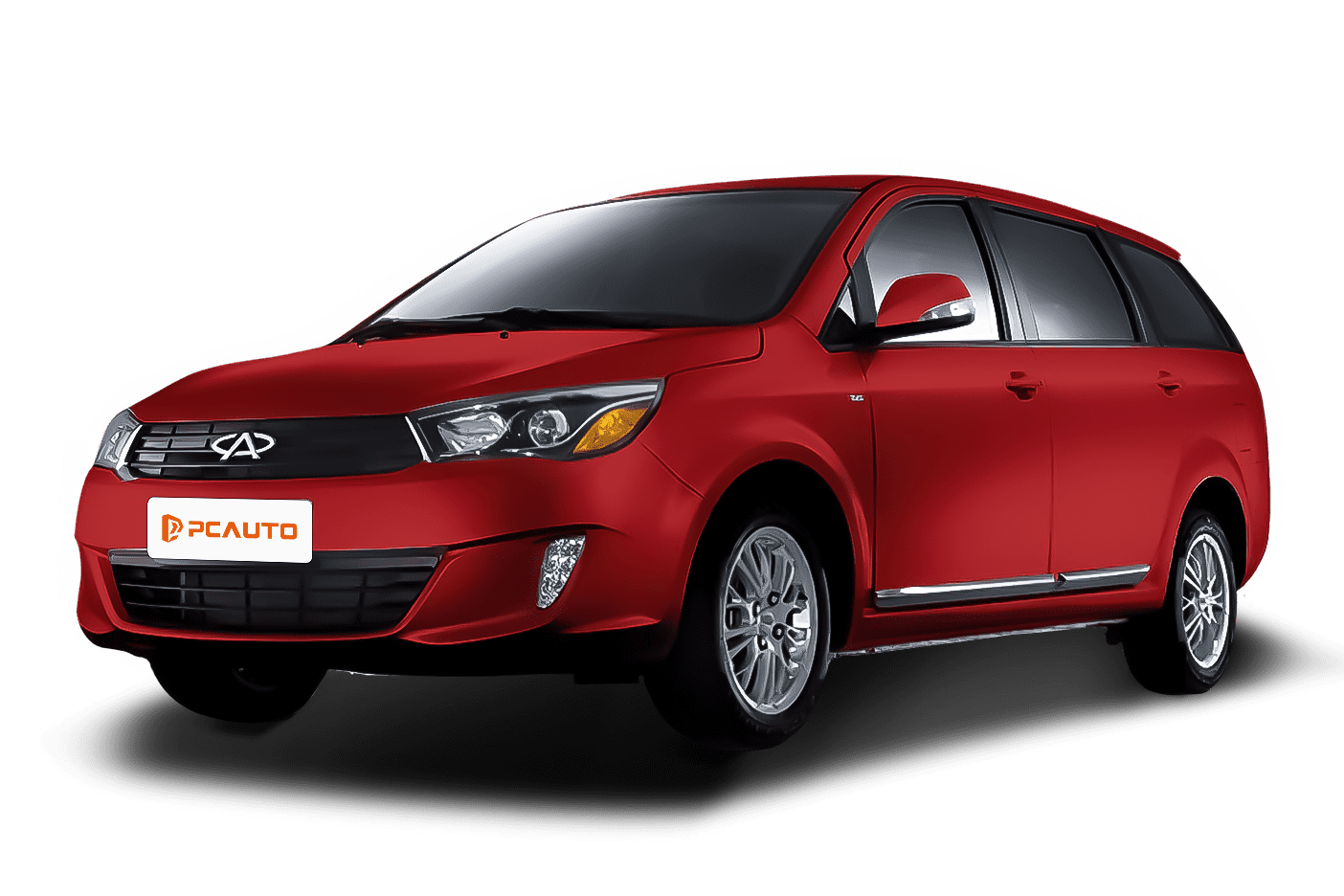
Chery Maxime 2.0 CVT Premium (2015) is a model targeting the household 7-seater segment, with a 2800mm long wheelbase, a 5-year/150,000-kilometer long warranty, and practical configurations as its core selling points.
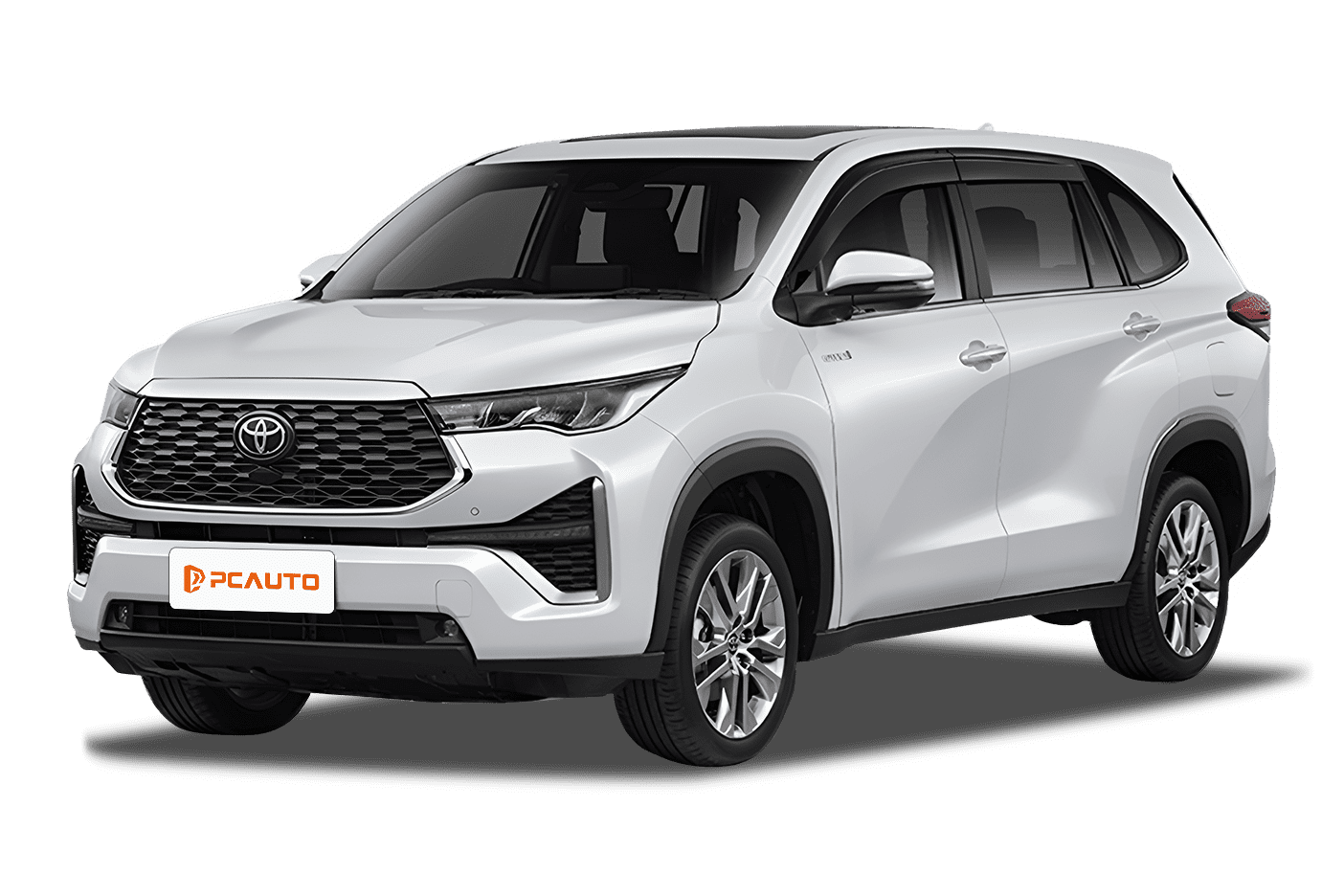
2023 Toyota Innova Zenix 2.0 V (Dynamic Force engine) is a spacious, practical, fuel-efficient, and cost-effective 7-seater family MPV, suitable for family users who value comfort and durability.