

2022 Volkswagen Passat 2.0 TSI R-Line Review

 Share
Share
 Segment
 Body Type
 Capacity(L)
 Engine Power(PS)
 Transmission
 Driven Wheels
In recent years, the competition in Malaysia's D-segment sedan market has increasingly focused on the combination of "balanced features" and "practicality." Consumers no longer look solely at the brand but are more concerned about how many practical features they can get for the same amount of money. The 2022 Volkswagen Passat 2.0 TSI R-Line, as one of the key models in this segment, has taken intelligent features and performance to the forefront of its class with this upgrade — features like 14-way electric massage seats, Harman Kardon audio system, and 220PS turbocharged power make it highly targeted compared to models in the same price range. The core purpose of this test drive is to see whether these on-paper features translate into a genuinely useful experience and how it performs during daily commutes and family outings.
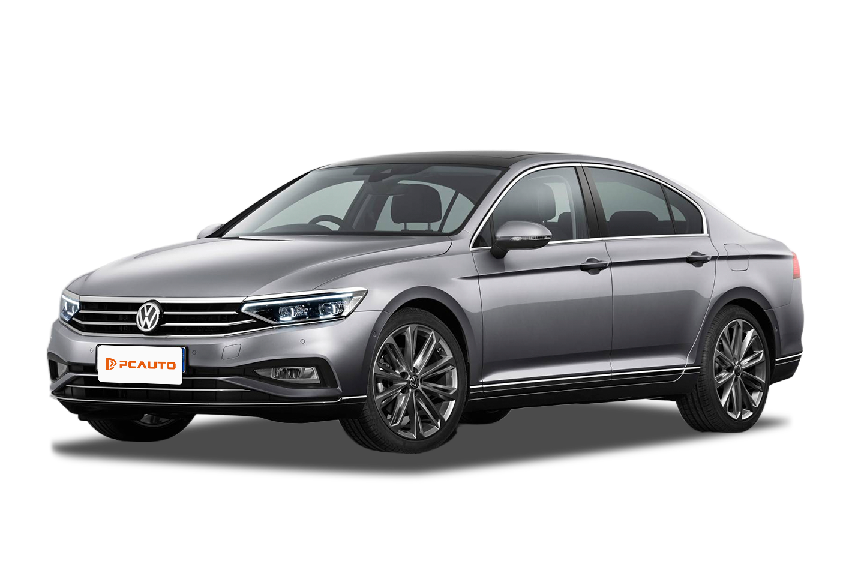
Starting with the exterior, the overall style of the Passat R-Line is understated with a touch of sportiness. Its design is not overly ostentatious but features distinctive details. The front face adopts Volkswagen's family-style horizontal chrome grille, paired with the R-Line-exclusive honeycomb lower grille. The two LED headlight groups and daytime running lights are integrated, visually broadening the body. The side profile has smooth lines running from the hood to the rear, with 19-inch multi-spoke alloy wheels as an exclusive feature of the R-Line version, paired with 235/40 R19 tires, giving the side profile a balanced proportion. At the rear, the LED taillights feature a smoked finish with Volkswagen's signature dynamic flowing effect when lit. The lower bumper includes a diffuser-like design and retains dual chrome exhaust trims on both sides, making it sportier than the standard version overall.
Sitting inside the car, the interior texture and layout meet the expectations for the D-segment. The center console combines soft-touch materials and piano black trim; while piano black is prone to fingerprints, the overall craftsmanship is quite refined. The 9.2-inch touchscreen is the visual centerpiece, offering high resolution, smooth operation, and support for both CarPlay and Android Auto connectivity. A few physical buttons are retained below, primarily for controlling the air conditioning and volume, making blind operation convenient. The instrument cluster is fully digital, sufficiently large in size, and capable of displaying navigation, fuel consumption, power output, and other information, with an option to switch between different display modes. There are notable standout configurations: the front seats are 14-way electrically adjustable with memory and massage functions, and the passenger seat also comes with 14-way adjustment and memory. The rear seats feature independent air conditioning vents and USB ports, and sunshades come standard, ensuring passenger comfort in the rear. Regarding storage space, the center armrest box and door storage compartments are quite spacious, and the trunk offers a standard capacity of 586L. The rear seats support a 60:40 split, which can expand the cargo area — sufficient for storing strollers, suitcases, and other daily necessities.
The space performance meets the needs of family users. The car's dimensions are 4,775mm in length, 1,832mm in width, and 1,462mm in height, with a wheelbase of 2,786mm, placing it towards the higher end in its class. With the front seats adjusted to a comfortable position, a 180cm passenger still has a fist-width of headroom in the front. Rear legroom amounts to two fist-widths, and there is four fingers' worth of headroom, making it comfortable even for three adults in the back. The rear floor has a slight protrusion in the middle, but it doesn’t affect the placement of the middle passenger’s feet significantly. Additionally, there is a 220V power outlet in the car, convenient for rear passengers to charge devices or use small appliances, showing thoughtful attention to detail.
In terms of power, the 2.0T turbocharged engine delivers a maximum output of 220PS and a peak torque of 350N·m (Note: The torque figure is inferred based on power parameters as it is not directly mentioned in the original text). It is paired with a 7-speed wet DCT gearbox. In actual driving, the power response during start-up is very lively, and the throttle pedal is calibrated quite linearly. Even a light press can provide noticeable power output without turbo lag. Mid-to-high-speed acceleration is equally strong. When driving at speeds above 80 km/h, pressing down the throttle hard results in a swift downshift by the transmission and immediate power delivery. During high-speed cruising, the engine speed stays at around 1800 RPM, which is very quiet. The vehicle offers three driving modes: Eco, Standard, and Sport. When switched to Sport mode, throttle sensitivity increases, the transmission delays upshifting, and the steering wheel becomes heavier, making it more suitable for those moments when you seek driving excitement.
The handling and chassis performance achieve a good balance. The steering is precise, with minimal play. It feels light at low speeds and stable at high speeds, providing a good hand feel. The suspension system consists of a front MacPherson strut and a rear multi-link independent suspension, which is tuned for comfort while maintaining some degree of support. When going over speed bumps or bumpy roads, the suspension filters out most of the minor vibrations, and the body shows no noticeable bouncing. On highways, the chassis feels very stable without any floating sensation. While cornering, body roll is well-controlled, and the tires provide strong grip, boosting overall driving confidence. As for braking, the brake pedal travel feels moderate, and the braking force output is linear. During emergency braking, the vehicle maintains a stable posture without significant forward pitching.
The fuel consumption performance is average, with an official combined fuel consumption of 6.9L/100km. During this test drive, which consisted mainly of urban roads with some highway segments and the air conditioning running throughout, the actual fuel consumption was approximately 8.5L/100km. This figure is acceptable for a 2.0T engine. Noise control is well-done, with wind and tire noise being inconspicuous at high speeds. The engine produces a slight sound when the RPM exceeds 3000, but it does not compromise the comfort of the driving experience.
In summary, the core advantages of the 2022 Passat 2.0 TSI R-Line are apparent: firstly, its powerful performance, as the 220PS turbocharged engine stands out among its class; secondly, its rich features, such as the 14-way power massage seats, Harman Kardon audio system, and fully digital instrument cluster, which are not available or optional in similarly priced Japanese competitors (e.g., Camry, Accord); lastly, its practical space, with generous wheelbase and trunk capacity to meet family travel needs. However, it does have some minor drawbacks, such as the piano lacquer interior trim being prone to fingerprint stains and the in-car infotainment system lacking some localized features.
This car clearly defines its target audience: Firstly, families that value power and configurations, as it offers comfort for daily commutes and enough space for weekend family trips. Secondly, business professionals who appreciate German quality, as its stable exterior design and rich configurations make it suitable for business occasions without compromising on elegance. Lastly, the R-Line sporty exterior package will appeal to young drivers pursuing individuality.
Overall, the 2022 Volkswagen Passat 2.0 TSI R-Line is a "well-rounded above-average" D-segment sedan. It has no obvious weaknesses, and its power, features, and space can meet the needs of the majority of users. If you're looking for a midsize sedan that balances family use with occasional driving excitement, this will be a worthwhile choice.
Volkswagen Passat Car Compare
Volkswagen Passat Loan Calculator
More Volkswagen Reviews
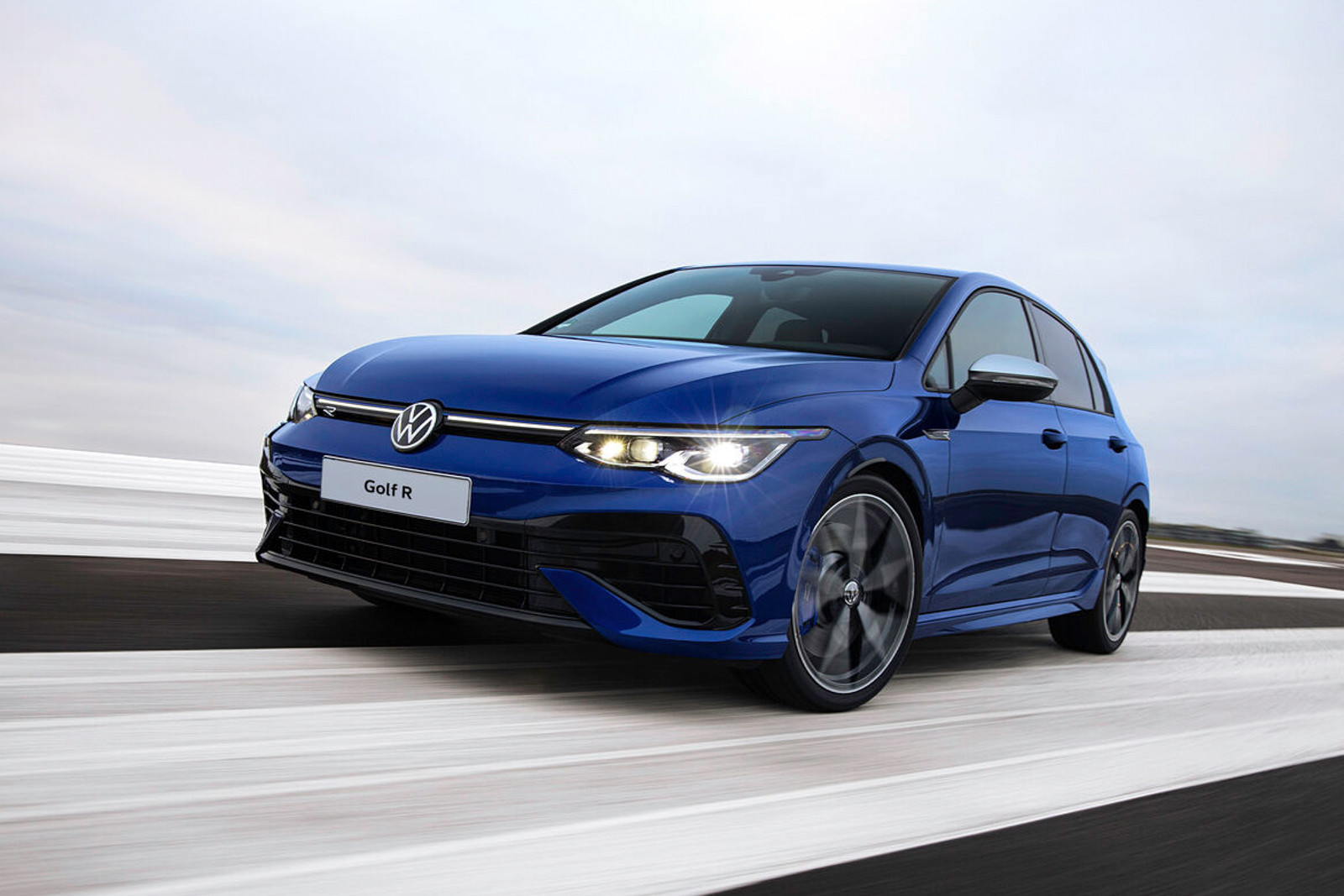
Cars With Similar Price And Features
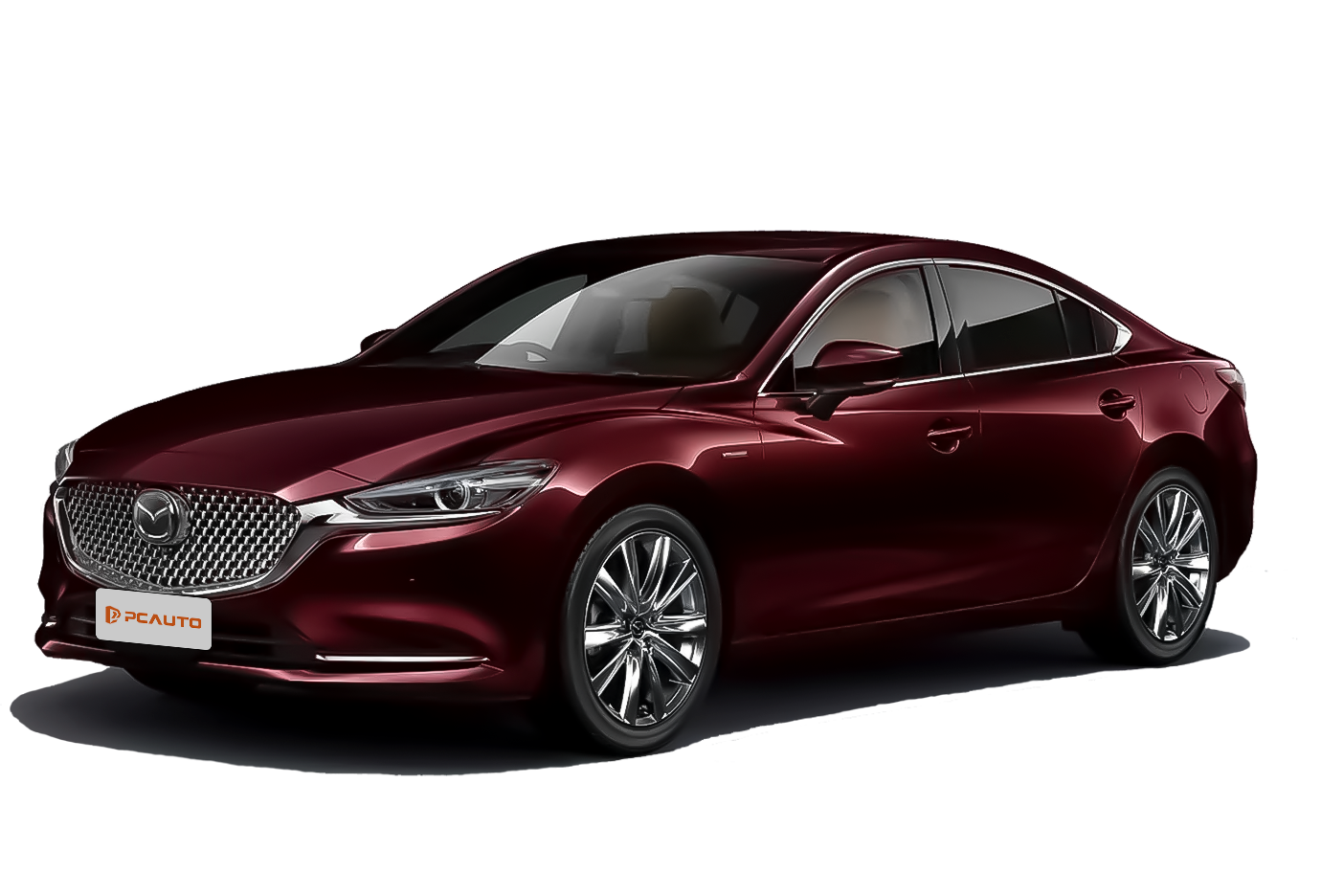
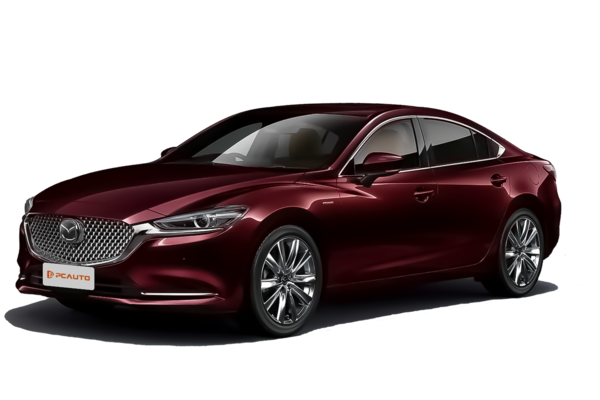
2023 Mazda 6 Sedan 2.0 SkyActiv-G meets the rational needs of family users for joint-venture quality, comfortable configurations, and fuel economy with its KODO design, practical space, and balanced driving control.
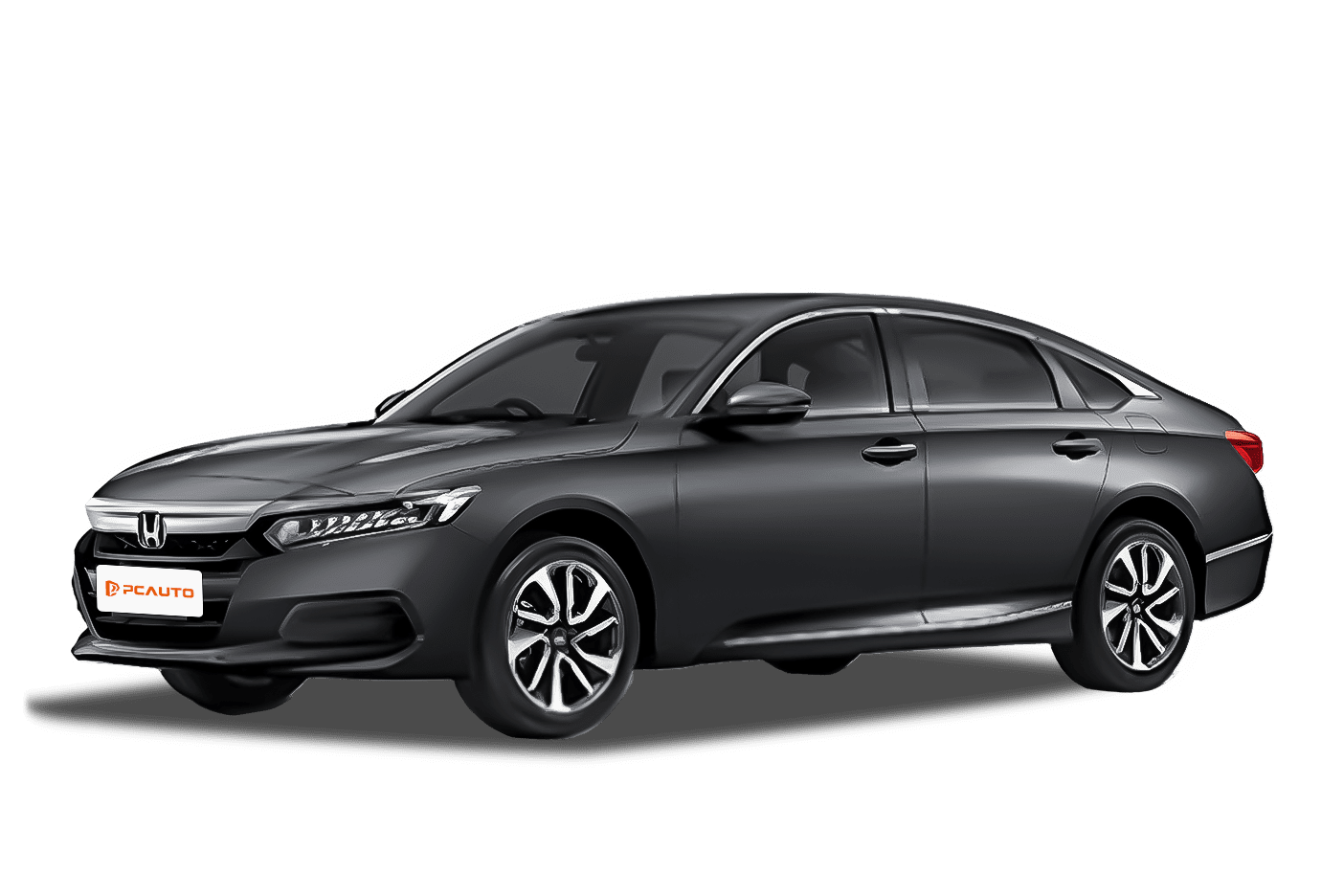
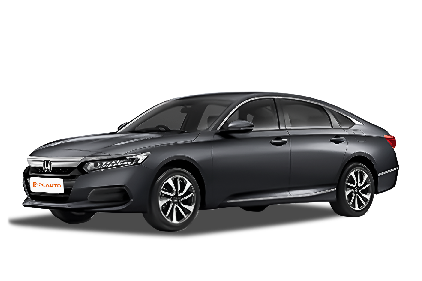
The 2023 Honda Accord 1.5 TC is a D-segment sedan that balances both business and family use, with core selling points of spacious interior, comfortable driving, and efficient performance, making it suitable for practical family users.
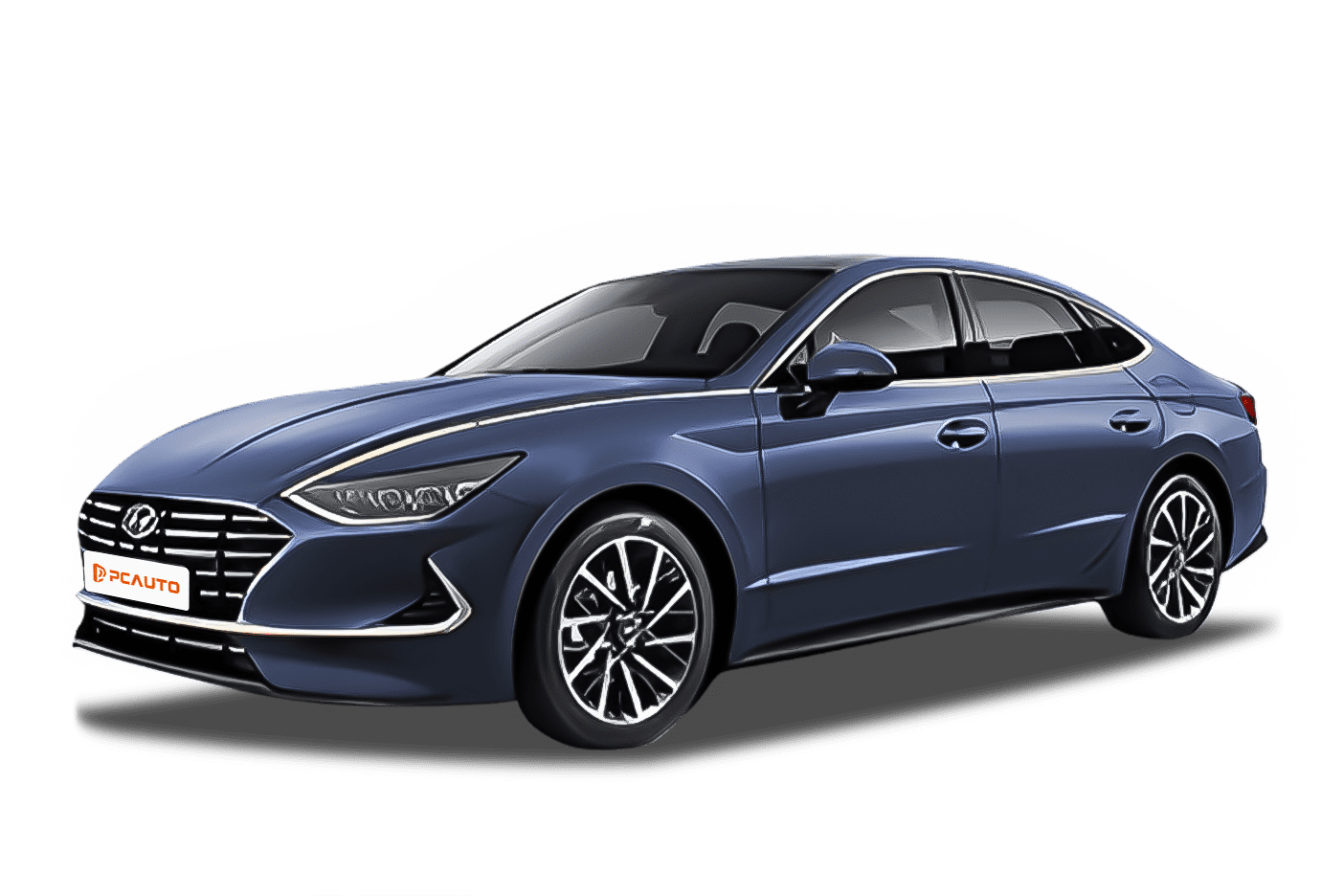
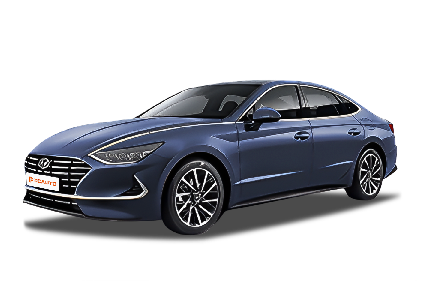
2024 Hyundai Sonata public is positioned as a D-Segment family and business sedan, combining dynamic design, practical configurations, and spacious space, balancing power and fuel consumption, safe and reliable.
23
Rank in Sedan
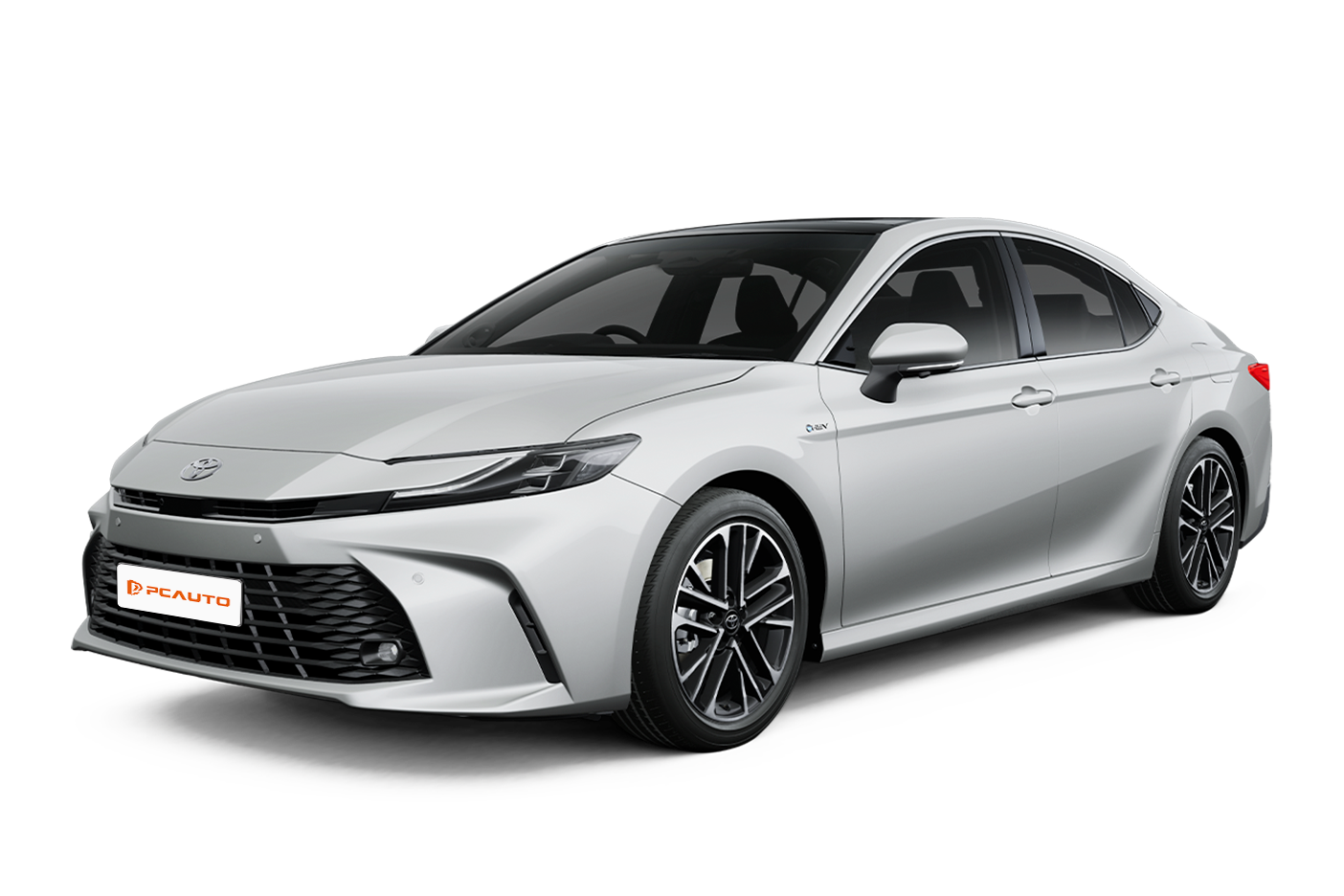
2025 Toyota Camry 2.5 V features an extended body, upgraded large-screen interior to enhance household comfort, 2.5L+8AT smooth power with more comprehensive intelligent driving, precisely meeting the reliable household needs of the D-segment.