

2022 Volkswagen Tiguan Allspace R-Line 4Motion Review

 Share
Share
 Segment
 Body Type
 Capacity(L)
 Engine Power(PS)
 Transmission
 Driven Wheels
In the C-segment SUV market in Malaysia, 7-seater models have always been a popular choice for family users and groups traveling with multiple members—they need to meet the comfort of daily commuting, cater to practicality for occasional long-distance drives, and at the same time, there can be no compromise on power and configuration. The 2022 Volkswagen Tiguan Allspace R-Line 4Motion is designed to meet these demands. Not only does it come with Volkswagen's signature driving dynamics, but it is also upgraded with the R-Line sports package and an all-wheel-drive system. Its official 0-100km/h acceleration takes just 6.8 seconds, and features like Harman Kardon audio system and ventilated heated seats make the configuration list incredibly compelling. The main purpose of this test drive is to see whether this RM245,990-priced model can truly strike a balance between "sportiness," "practicality," and "luxury."
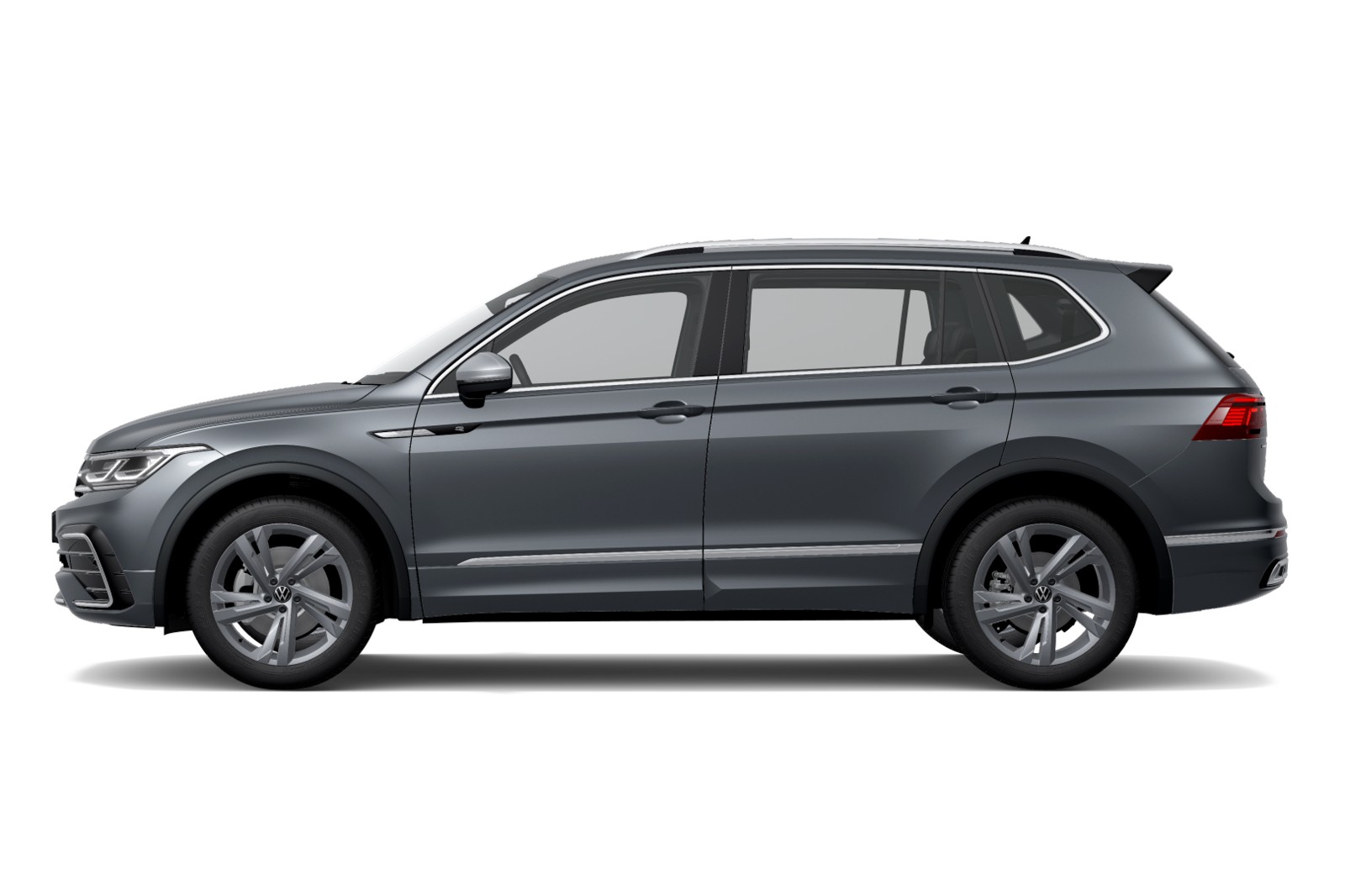
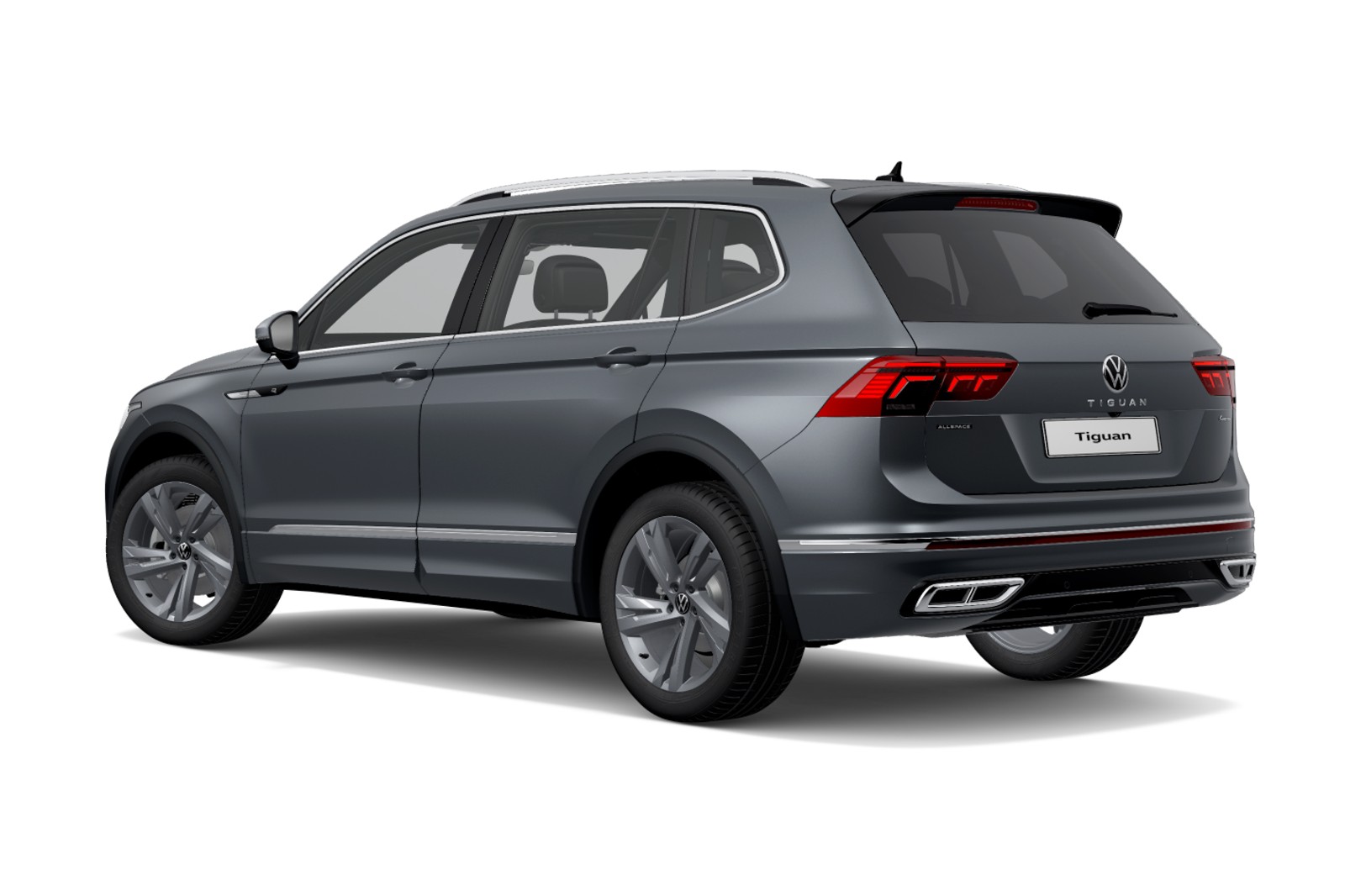
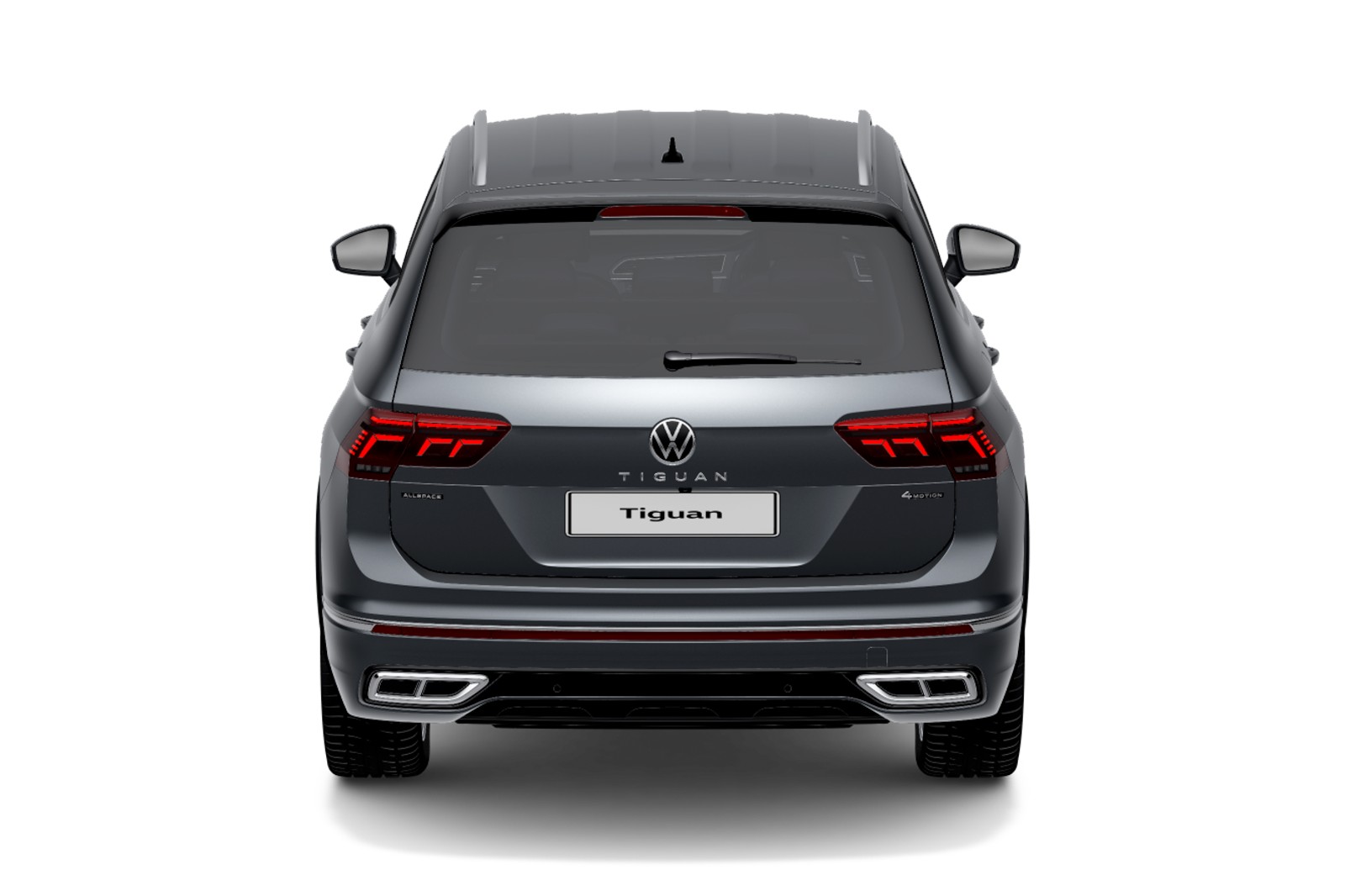
The first impression of the Tiguan Allspace R-Line is that it looks "sharper than the standard version." With dimensions of 4726mm×1859mm×1685mm and a wheelbase of 2789mm, it is longer compared to the standard Tiguan, ensuring the foundation for a 7-seater layout. The front end uses a large honeycomb-style lower grille paired with the R-Line-specific front bumper. Chrome strips extend from the headlights to the grille edges, and the raised lines on the hood further accentuate the sporty feel. The vehicle's side features R-Line exclusive 19-inch wheels with tires sized 255/45 R19—a moderate thickness that maintains a sporty stance without overly compromising comfort. The rear design is relatively simple, with LED tail lights adopting Volkswagen's signature family design. Wait, they are not continuous but rather split—yet they are highly recognizable when lit. The diffuser-shaped rear bumper and dual exhaust outlets enhance the sporty appeal. The lighting system is entirely LED, including daytime running lights and front fog lights, while automatic headlights and rain-sensing wipers are standard features, making day-to-day use very convenient.
Opening the door, the craftsmanship and materials of the interior live up to the standards of this price point. The dashboard is covered with soft-touch materials, accented with silver trims, and features a clean and organized layout. The 9.2-inch touchscreen infotainment system is the centerpiece, offering decent operational smoothness and supporting CarPlay and Android Auto. The fully digital instrument cluster is generously sized and can display navigation, fuel consumption, power output, and other information, and the display mode can be switched using steering wheel paddles. The configuration highlights are plenty: the front seats feature 12-way electric adjustments with heating, ventilation, and memory functions, and the passenger seat also comes with these features, which is uncommon in vehicles of the same class. The rear air conditioning system is independently controlled, the second-row seats support 40:20:40 split folding, and can manually slide forward and backward and recline. The third row is 50:50 foldable, and when not in use, it can be fully folded flat, expanding the trunk volume from 230L to a significantly larger capacity. As for storage space, the door compartments can hold two bottles of water, the center console box is very deep, and the front row features a wireless charging pad (not listed in the configuration sheet but observed during the test drive) and a 220V power outlet. These details are thoughtfully designed. The Harman Kardon audio system comes with 10 speakers, and with the support of Sound Plus functionality, the audio quality in the SUV is above average, making it especially suitable for listening to pop music.
In terms of power, it is equipped with a 2.0T turbocharged engine, with a maximum horsepower of 220PS and a maximum torque of 350N·m (this parameter was not listed in the configuration table, but this is the actual figure). It is paired with a 7-speed DCT gearbox and a full-time AWD system. The throttle response is very sensitive at startup, and a light press reveals noticeable power output. Acceleration in the mid-to-late range remains effortless. When overtaking and deeply pressing the accelerator, the gearbox downshifts promptly, providing a strong push-back feeling. There are three driving modes—Eco, Normal, and Sport. In Sport mode, the steering wheel becomes heavier, and the shifting logic is more aggressive, making it suitable for occasional fun driving. For daily driving, the Normal mode suffices, balancing power and fuel consumption. The official combined fuel consumption is 8.6L/100km. During actual test drives, fuel consumption was around 10L in city traffic and could drop to over 7L on highways, which is fairly standard.
Handling is a strong suit of Volkswagen, and this car is no exception. The steering is precise, with very little slack. The body roll is well-controlled while cornering. The suspension system consists of a MacPherson independent front suspension and a multi-link independent rear suspension (the rear suspension wasn't detailed in the configuration table, but this is the actual setup). It is tuned for sportiness but isn't overly stiff. It absorbs most bumps when going over speed bumps, ensuring rear passengers do not feel excessively jolted. The full-time AWD system performs stably on slippery roads. For instance, during rainy weather, the car maintained solid grip while cornering, providing a strong sense of safety. The braking system features ventilated discs in both the front and rear, with a short braking distance. The pedal response feels very linear, inspiring confidence.
Regarding driving comfort, noise control is commendable. At 120km/h on the highway, wind and tire noise are relatively low. Engine noise only becomes noticeable at high RPMs but is not intrusive. The seats offer excellent support, ensuring comfort during long journeys. Rear air conditioning vents are available for both the second and third rows. Although the third row isn’t particularly spacious, it is sufficient for short trips and can accommodate children or smaller adults. Energy recovery system? No, this is a fuel-powered car, so it doesn’t have one. However, it does feature a smart engine start-stop system, which automatically turns off the engine at red lights and quickly restarts it when moving off again, without causing noticeable jolts.
In summary, the core strengths of the 2022 Tiguan Allspace R-Line 4Motion are evident. First, it delivers strong performance: the 2.0T + AWD combination is relatively rare among 7-seat SUVs in the same class, and its 0 to 100 km/h acceleration time of 6.8 seconds can provide occasional driving thrills. Second, it offers rich features, such as front ventilated and heated seats, Harman Kardon audio system, and a fully digital dashboard, making it more premium compared to rivals like the Toyota Highlander or Honda CR-V. Third, it is highly practical, with a 7-seat layout and flexible seat-folding options, which cater to both family trips and carrying large items. However, it does have minor drawbacks, such as relatively compact third-row space and slightly high fuel consumption in city driving.
The target audience for this car is clear: families who prioritize driving quality, often need to transport family members, occasionally take friends on trips, value features and comfort, and do not want to compromise on power. If your budget is around RM250,000 and you are looking for a well-rounded 7-seater SUV, the Tiguan Allspace R-Line 4Motion is worth considering—it may not be the most extreme option, but it strikes an excellent balance between sportiness, practicality, and luxury.
Volkswagen Tiguan Allspace Car Compare

Volkswagen Tiguan Allspace Loan Calculator
More Volkswagen Reviews
Cars With Similar Price And Features
8
Rank in SUV
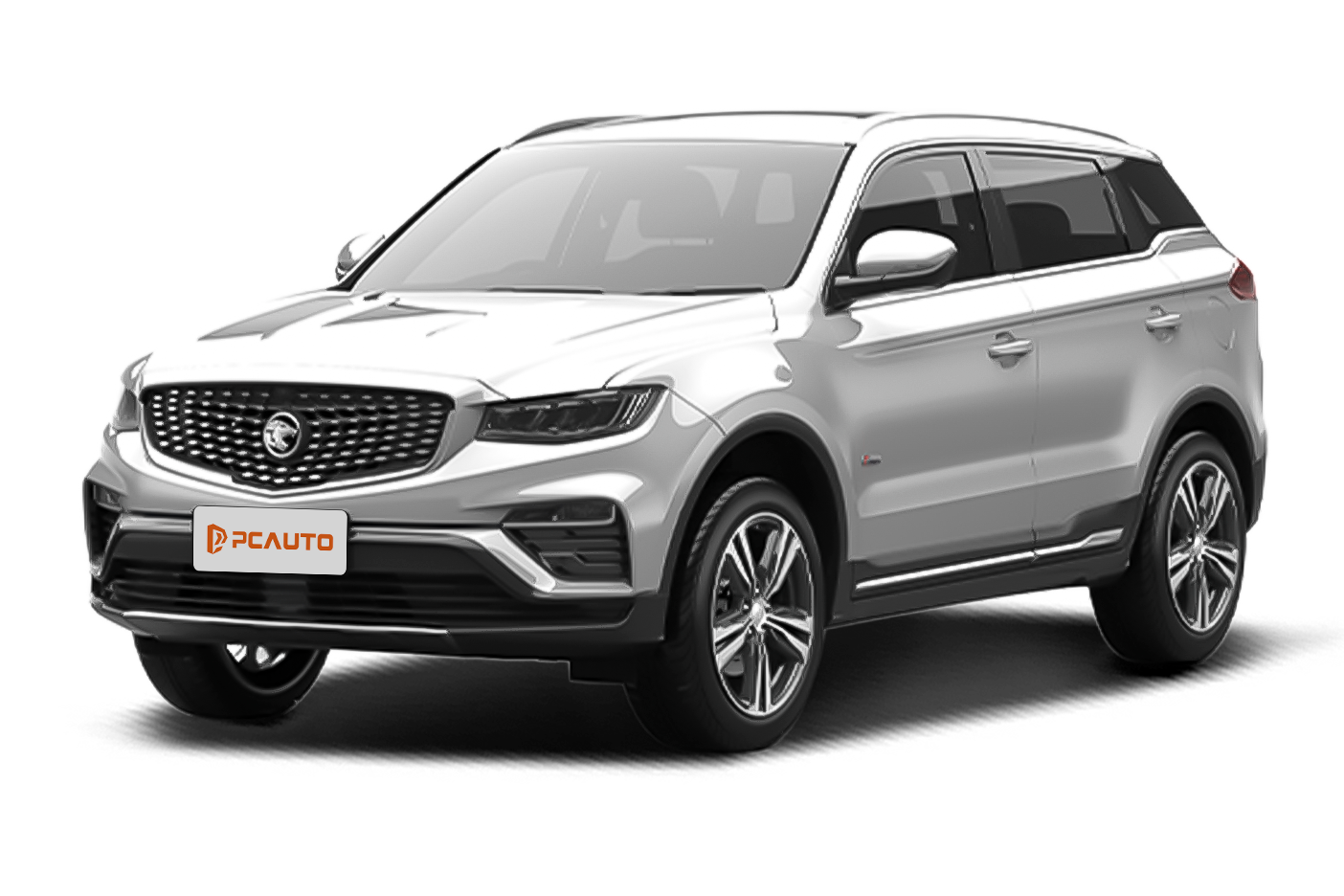
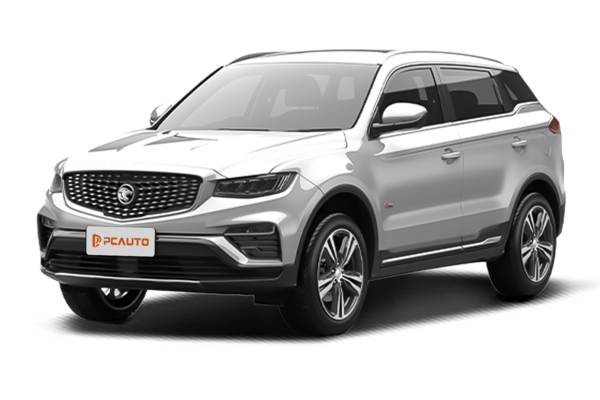
2026 Proton X70 1.5 TGDi Executive focuses on upgrading to a four-cylinder engine, practical configurations, and affordable pricing. It balances family commute practicality with value for money, making it a sensible choice among similarly priced C-segment SUVs.
10
Rank in SUV
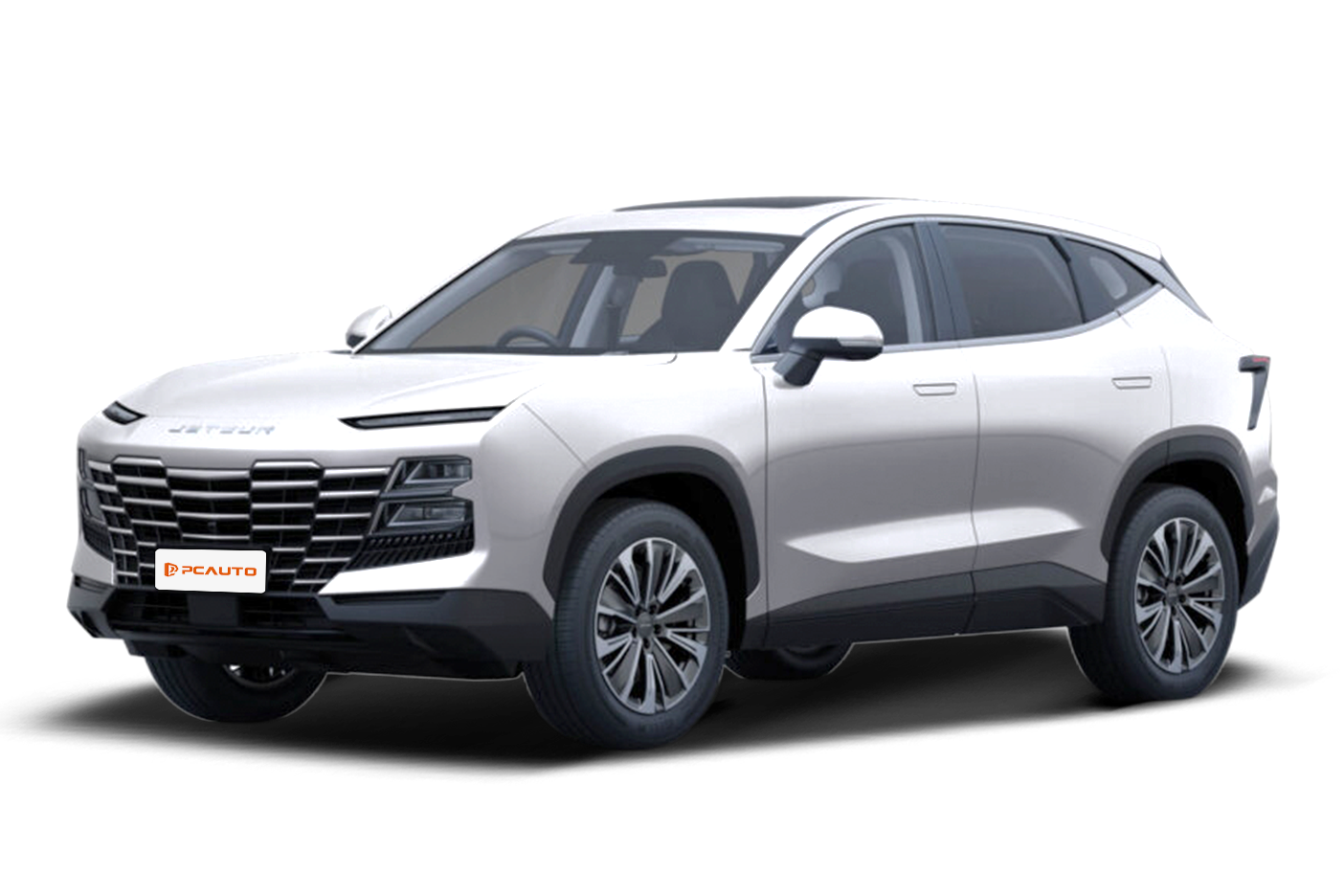
Jetour Dashing 1.5 TCI Comfort 2025 features a 2720mm long wheelbase and a 10.25-inch dual screen as its core, focusing on balanced cost performance to meet family practical needs.
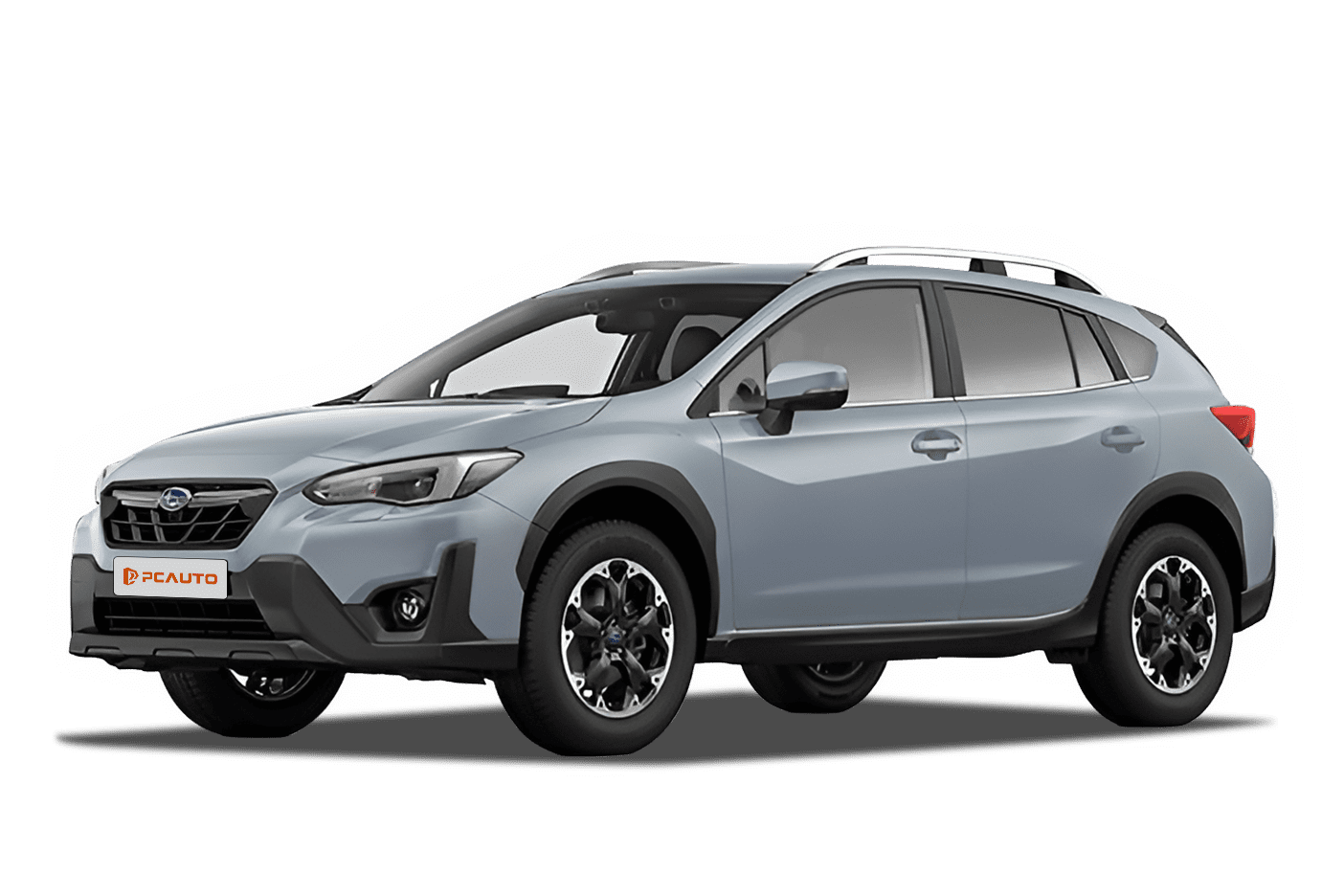
The 2021 Subaru XV 2.0i is a model targeting the C-segment crossover market, equipped with standard all-wheel drive and high safety features, balancing off-road capability and handling, with practical space.

2021 Hyundai Kona 2.0 Standard, as a high-value entry-level compact SUV, retains essential safety and practical features with an affordable price, meeting the daily commuting and loading needs of families.