

2023 Chery Omoda 5 C Review

 Share
Share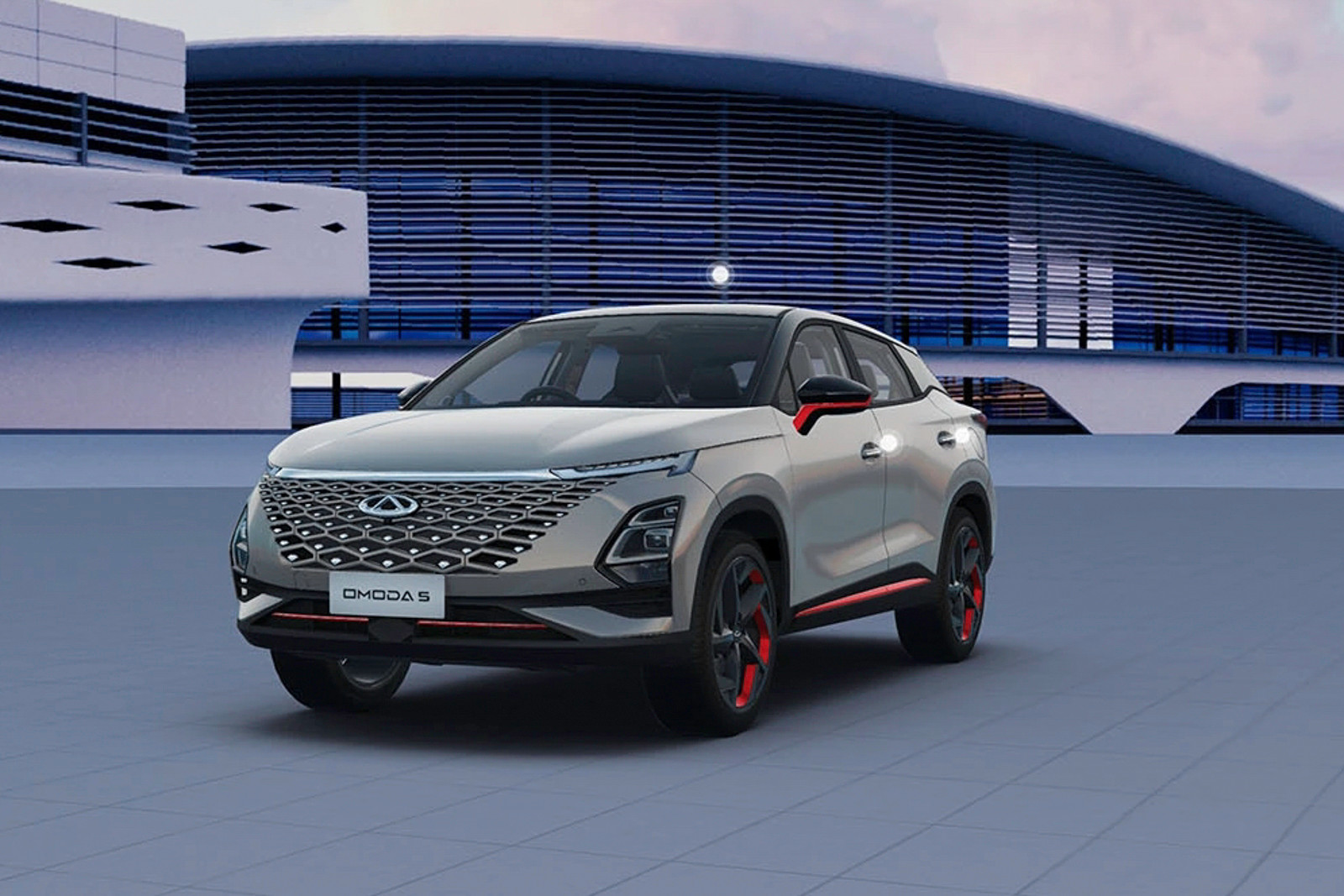

 Segment
 Body Type
 Capacity(L)
 Engine Power(PS)
 Engine Torque(Nm)
 Transmission
The competition in Malaysia's B-segment SUV market has always revolved around balancing value for money and configuration. Young families and first-time buyers tend to look for eye-catching designs and comprehensive safety features within a budget of RM110,000. As the brand's key model in this segment, the Chery Omoda 5 C focuses on standout features such as standard Level 2 driving assistance and fully electric seat adjustment. In this test drive, we will primarily assess its actual space performance, the adequacy of its power response for daily usage needs, and whether its configuration advantages truly translate into practical experience.
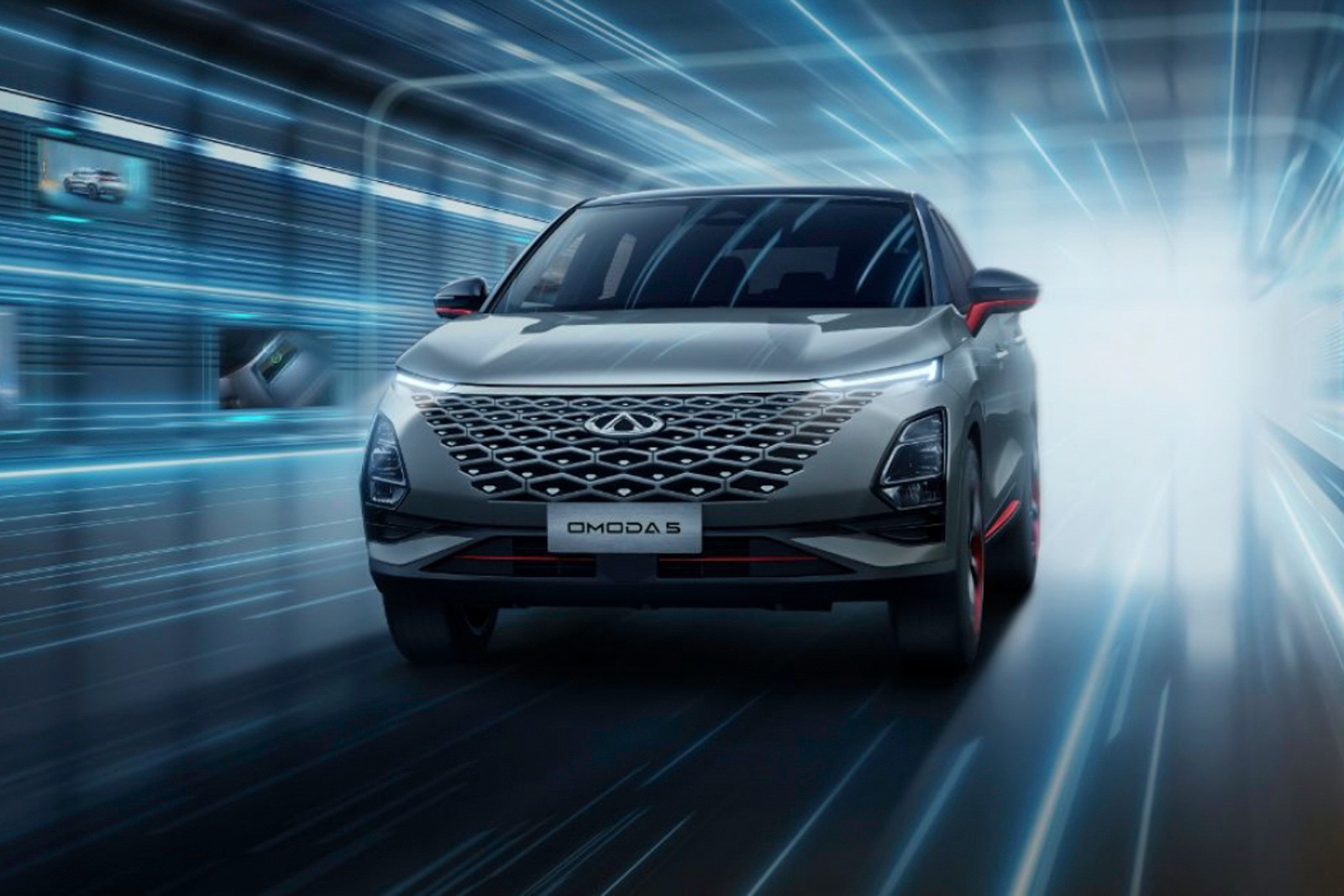
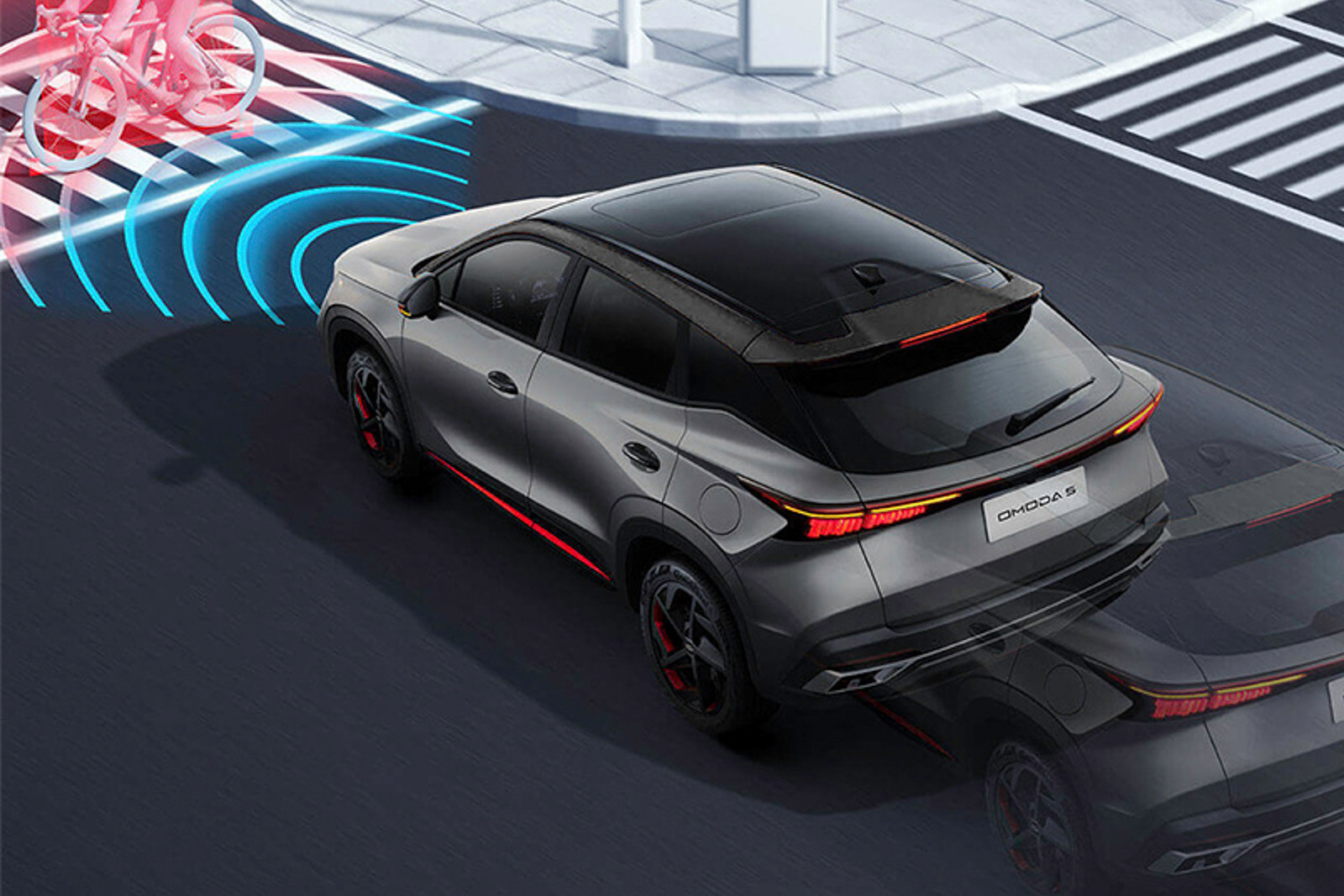
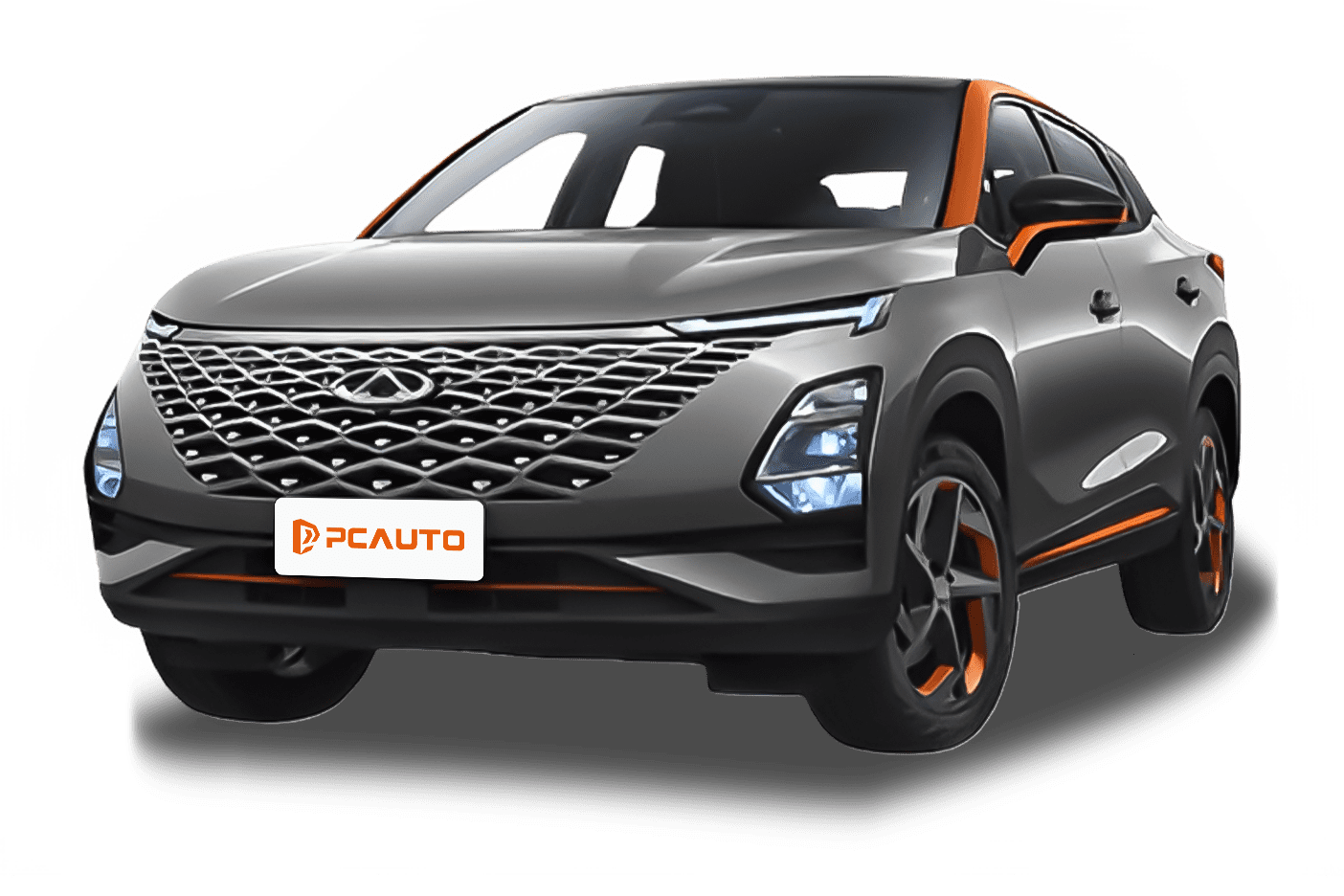
From the exterior, the design of the Omoda 5 C is highly recognizable in its class. The front features a large frameless grille, with an internal matrix-style chrome decoration, paired with sharp LED headlights on both sides, giving it a sporty and youthful overall style. The body side profile is smooth, with contour lines from the front to the rear adding a three-dimensional feel. The 18-inch multi-spoke wheels paired with 215/55 R18 tires are well-proportioned to the body, avoiding looking overly thin. The full-width LED taillights are a design highlight, providing an eye-catching visual effect when illuminated. The diffuser-style design below the rear bumper enhances the sporty feel, although its functional advantage is limited. As for the lighting system, LED headlights, daytime running lights, and automatic headlights are all standard, making daily use convenient enough.
Entering the vehicle, the overall interior layout is simple and orderly. The dashboard is wrapped in soft materials and adorned with silver trim, providing a texture that ranks in the mid-to-high range for its price level. The 10.25-inch touch central control screen and the full LCD instrument panel are integrated into one unit. The screen resolution is clear, and the operation fluency is decent, although the system interface design leans toward the traditional side and lacks novelty. The configuration highlights are quite prominent: both the front and rear seats support electric adjustment, which is rarely seen in B-segment SUVs, especially the rear electric seats, which are very practical for family users. The front automatic air conditioning and rear independent air outlets are also equipped, catering to the needs of different passengers. Features like 220V/230V power outlets, keyless entry, and rain-sensing wipers are not missing either. However, it is worth noting that it does not come with a parking camera system, so daily reversing solely relies on front and rear parking sensors, which may not be very user-friendly for novice drivers.
In terms of space performance, with dimensions of 4400mm×1830mm×1588mm and a wheelbase of 2630mm, it stands at the mainstream level in its class. When the front seat is adjusted to a comfortable position, a 175cm passenger still has a clearance of one fist and two fingers for headroom and ample legroom. Similarly, for a 175cm passenger seated in the rear, there is two-fist space for legroom and one fist for headroom, making the performance quite good. The middle floor's convex is not high, ensuring that a passenger seated in the middle during full occupancy won't feel overly cramped. In terms of storage space, the central front armrest box and door panel storage compartments are quite capacious, accommodating everyday items such as phones and water bottles. The standard trunk capacity is 292L, which is not particularly large, but by folding down the back seats, it can be expanded to provide more space, meeting the cargo needs for short family trips.
As for performance, the Omoda 5 C is equipped with a 1.5T turbocharged engine with a maximum power output of 115kW (156PS) and a maximum torque of 230N·m, paired with a 9-speed CVT transmission. During actual driving, the power response in the starting phase is quite responsive; a light press on the accelerator is noticeable with a clear sense of thrust, making it suitable for urban commuting. During mid-speed acceleration, the gearbox performs smoothly without evident jolts, and when accelerating by strongly pressing the accelerator, the power output is also quite linear, without abrupt surges. There are three driving modes available: Economy, Standard, and Sport. In Sport mode, the throttle sensitivity increases, and the rpm is maintained at a higher range, providing a more aggressive power performance. However, the Standard mode is sufficient for daily use.
In terms of handling and chassis, the combination of front MacPherson independent suspension and rear torsion beam non-independent suspension is tuned towards comfort. When passing over speed bumps or uneven roads, the suspension can filter out most minor vibrations, and the body does not exhibit noticeable bouncing. During high-speed cornering, the body roll is kept within an acceptable range, and the steering wheel has moderate steering effort while being relatively precise and easy to handle for daily driving. However, on continuously bumpy roads, the rear torsion beam suspension results in the rear end of the car jumping more noticeably, which affects comfort to some extent.
In the performance-specific tests, we focused on fuel efficiency: during city driving, fuel consumption is approximately 8.5L/100km; on highways, the fuel consumption can drop to 6.2L/100km, with an overall average fuel consumption of about 7.3L/100km, which is not far off from the official figure of 6.9L/100km. The performance is fairly average. Regarding safety features, the L2-level driving assistance system includes ACC adaptive cruise control, lane departure warning, and active braking. During actual usage, the ACC performed well in maintaining a stable following distance on highways, and the lane-keeping assist was relatively precise, reducing driver fatigue on long trips.
In terms of driving comfort, the seats offer good wrapping and support, and the electric adjustment function allows passengers of different body types to find a comfortable seating position. Noise control performance is average; wind noise and tire noise become more noticeable at high speeds, but are still within an acceptable range. The air conditioning system inside the car performs very well, and the rear air conditioning vents can quickly regulate the temperature, providing an overall comfortable ride experience.
In summary, Chery Omoda 5 C has several prominent advantages: features like standard L2-level driving assistance, fully electric seat adjustment, and rear air conditioning are virtually unmatched in similarly priced B-segment SUVs (around 110,000 MYR), offering excellent value for money. Its interior space meets the daily needs of a family, and the engine responsiveness is adequate for both city and highway driving. However, it does have a few minor shortcomings, such as the lack of parking cameras, a relatively small trunk capacity, and average noise control at high speeds.
Compared to competitors in the same class, such as the Honda HR-V or Toyota Corolla Cross, the Omoda 5 C offers significantly richer features at a lower price, making it an ideal choice for families that prioritize equipment and value for money. In particular, users who frequently carry family members will appreciate features like the rear electric seats and independent air conditioning, which greatly enhance passenger comfort. Additionally, young first-time car buyers may be drawn to its sporty exterior and comprehensive safety features.
Overall, the Chery Omoda 5 C is a "feature-focused" B-segment SUV that compensates for its minor drawbacks with premium features. If you’re on a budget of around 110,000 MYR and are looking for a well-equipped, spacious family SUV, this would be a great choice.
Chery Omoda 5 Car Compare
Chery Omoda 5 Loan Calculator
More Chery Reviews

Cars With Similar Price And Features
15
Rank in SUV
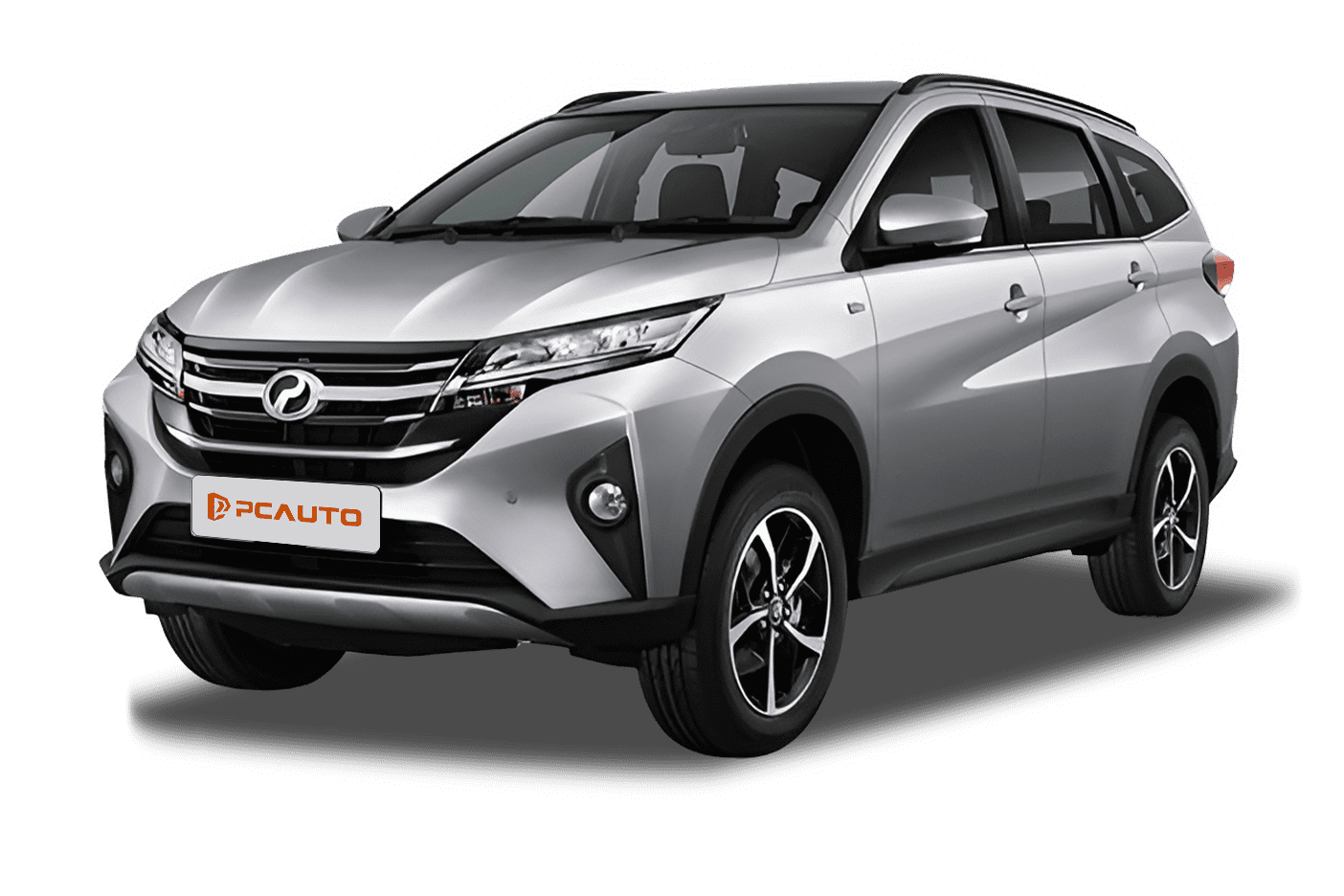
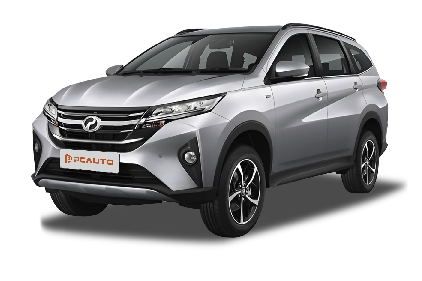
The 2023 Perodua Aruz 1.5L X is a high-value-for-money B-segment 7-seater SUV, offering 6 airbags and active safety systems as standard equipment for under RM63k. It balances practical space and daily commuting needs, making it a pragmatic choice for budget-conscious families.
4
Rank in SUV

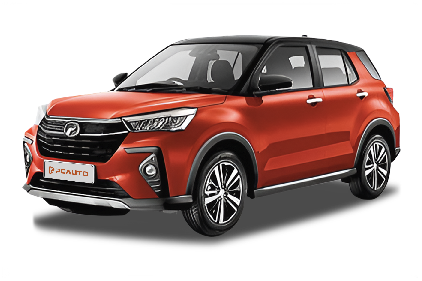
2023 Perodua Ativa 1.0L Turbo X, as a high-value-for-money entry-level B-SUV, meets the commuting and short-distance travel needs of family users with advanced safety features, practical space, and economical fuel consumption.
3
Rank in SUV
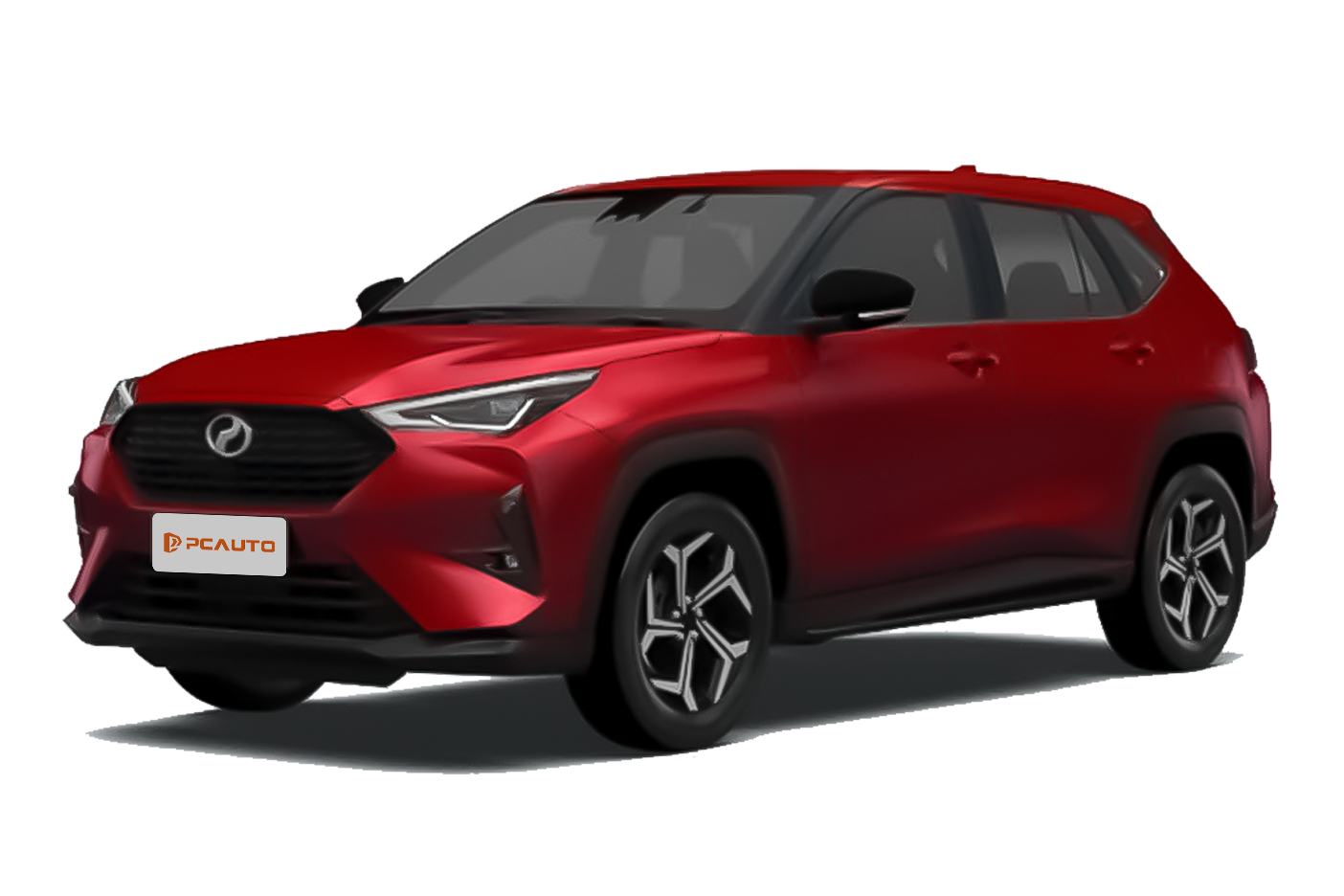
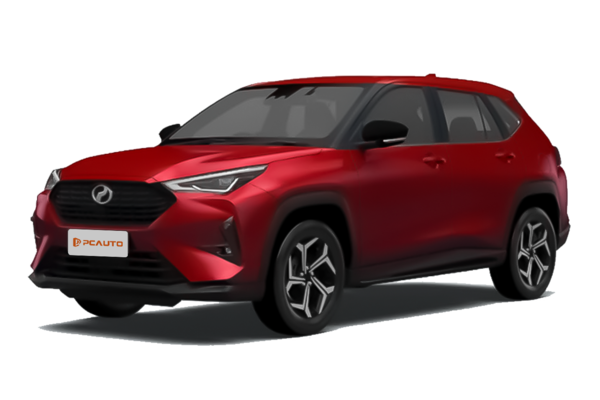
2025 Perodua Traz X, positioned as a B-segment SUV for family users, highlights advanced safety features, 210mm high ground clearance, and practical spaciousness as its main selling points, balancing flexibility and practicality.
2
Rank in SUV
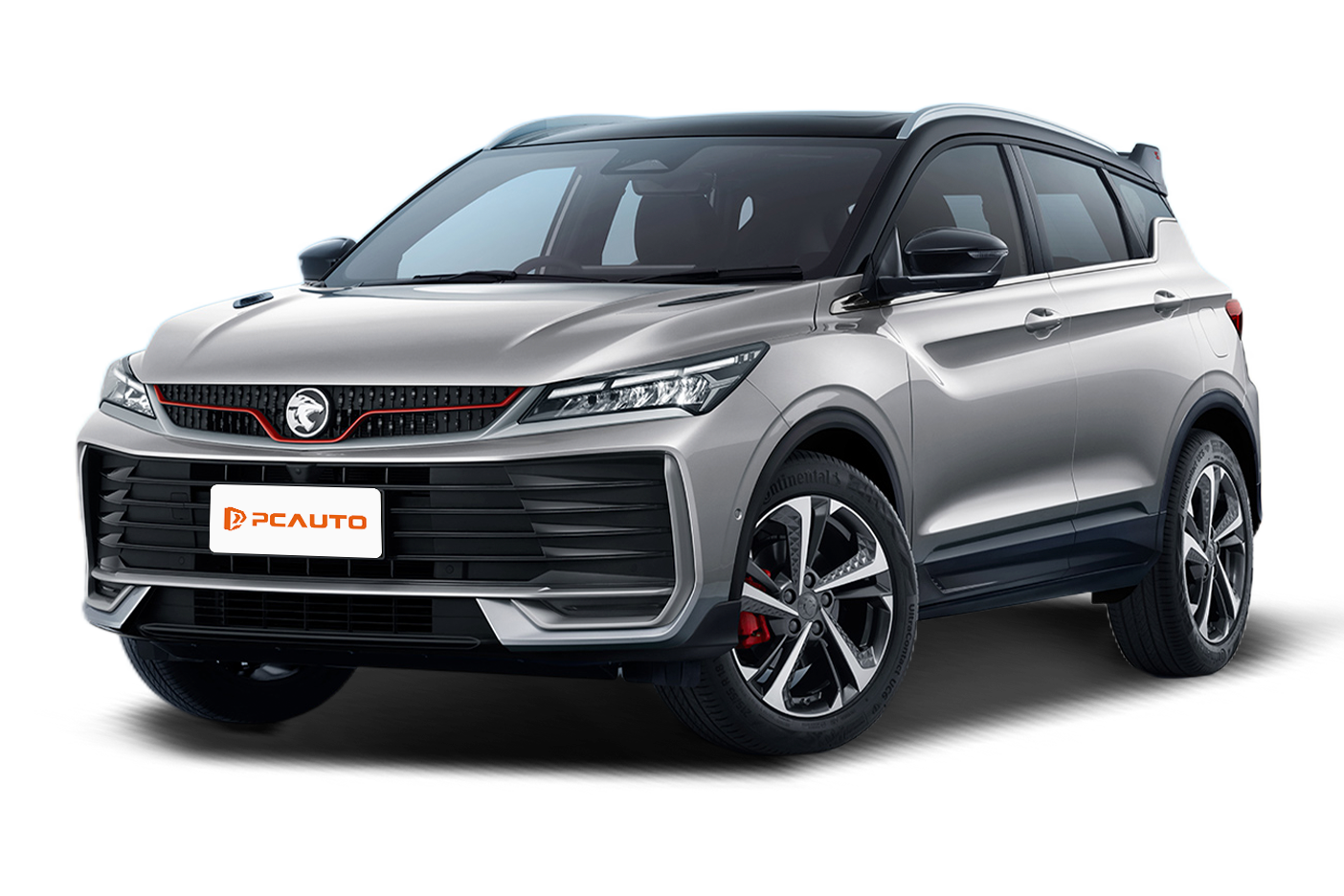
2025 Proton X50 Executive is an upgraded and price-reduced mid-size SUV that combines refined exterior, tech-savvy interior, powerful performance, and practical space, offering exceptional value for money.