

McLaren Senna 2019 Review

 Share
Share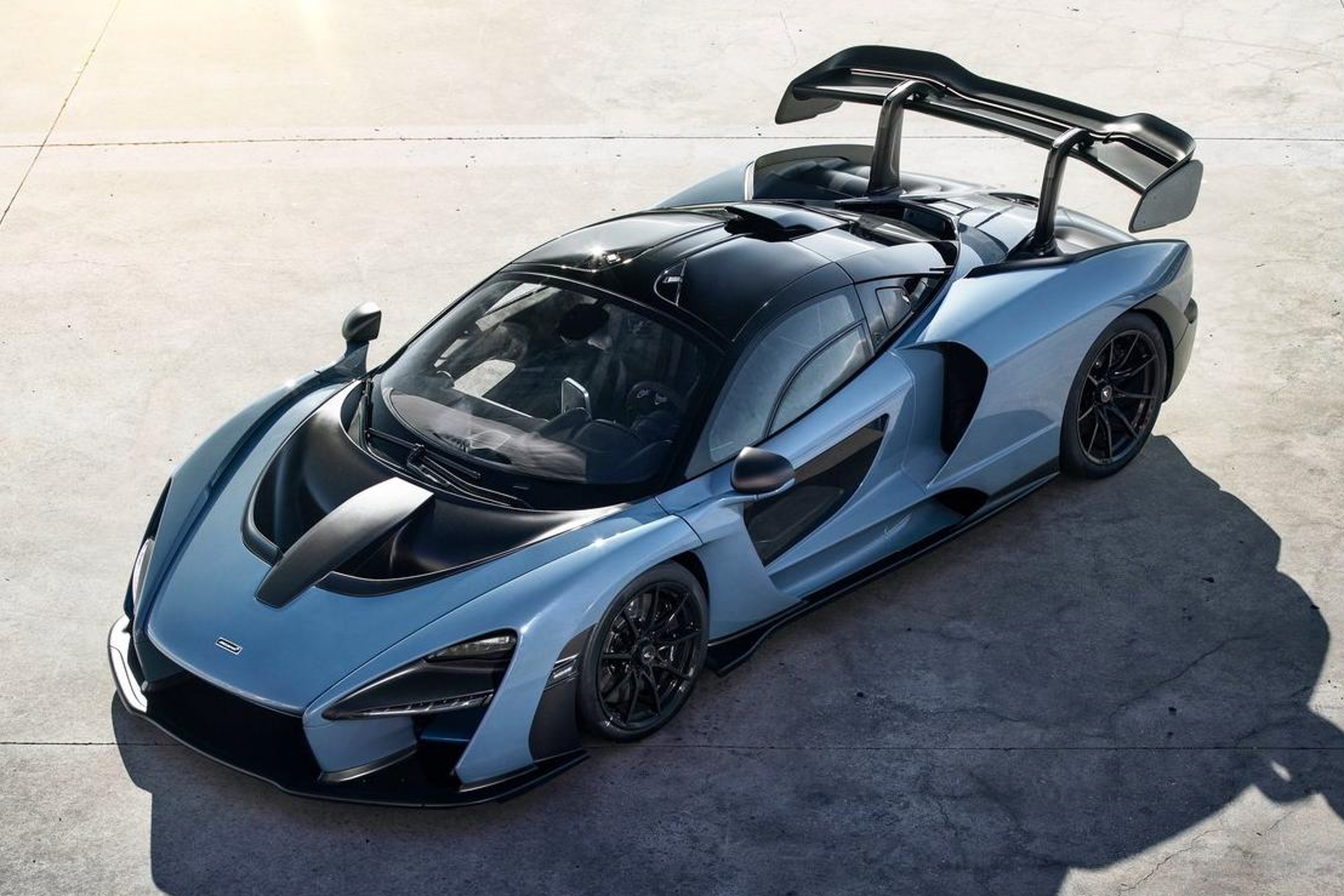
 Body Type
 Segment
 Capacity(L)
 Engine Power(PS)
 Engine Torque(Nm)
 Transmission
As the supercar market increasingly emphasizes the balance between track performance and road practicality, pure "track weapons" are gradually becoming a niche yet highly attractive sub-category—the 2019 McLaren Senna public is a representative model in this field. As the third creation of the McLaren Ultimate Series, it is named after the legendary driver Ayrton Senna, with its core selling point being "extreme performance under track-tuned calibration," while retaining the qualification for legal road use. The main purpose of this test drive is to verify how this car handles daily driving scenarios without sacrificing track performance and whether its performance truly deserves the name "Senna."
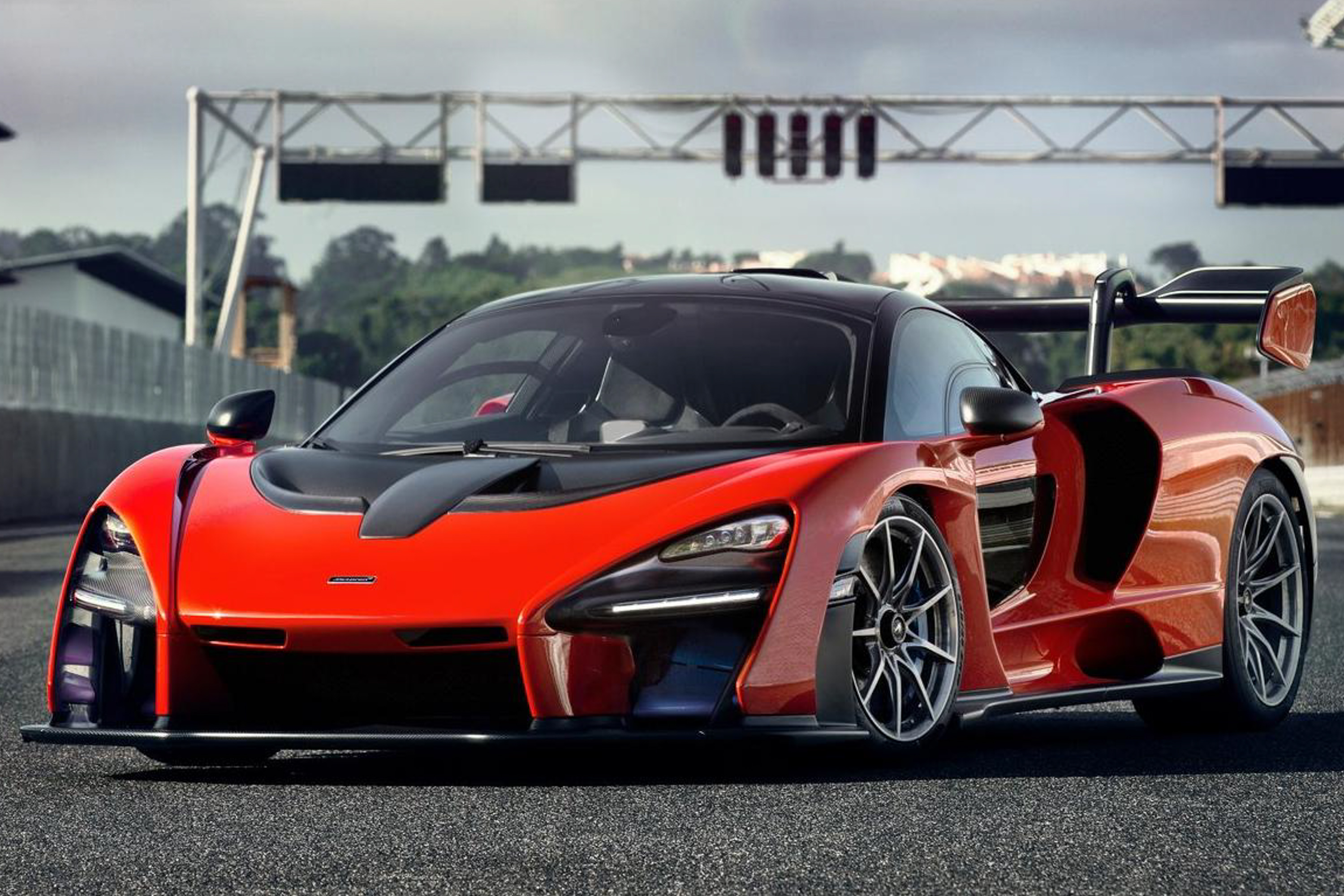
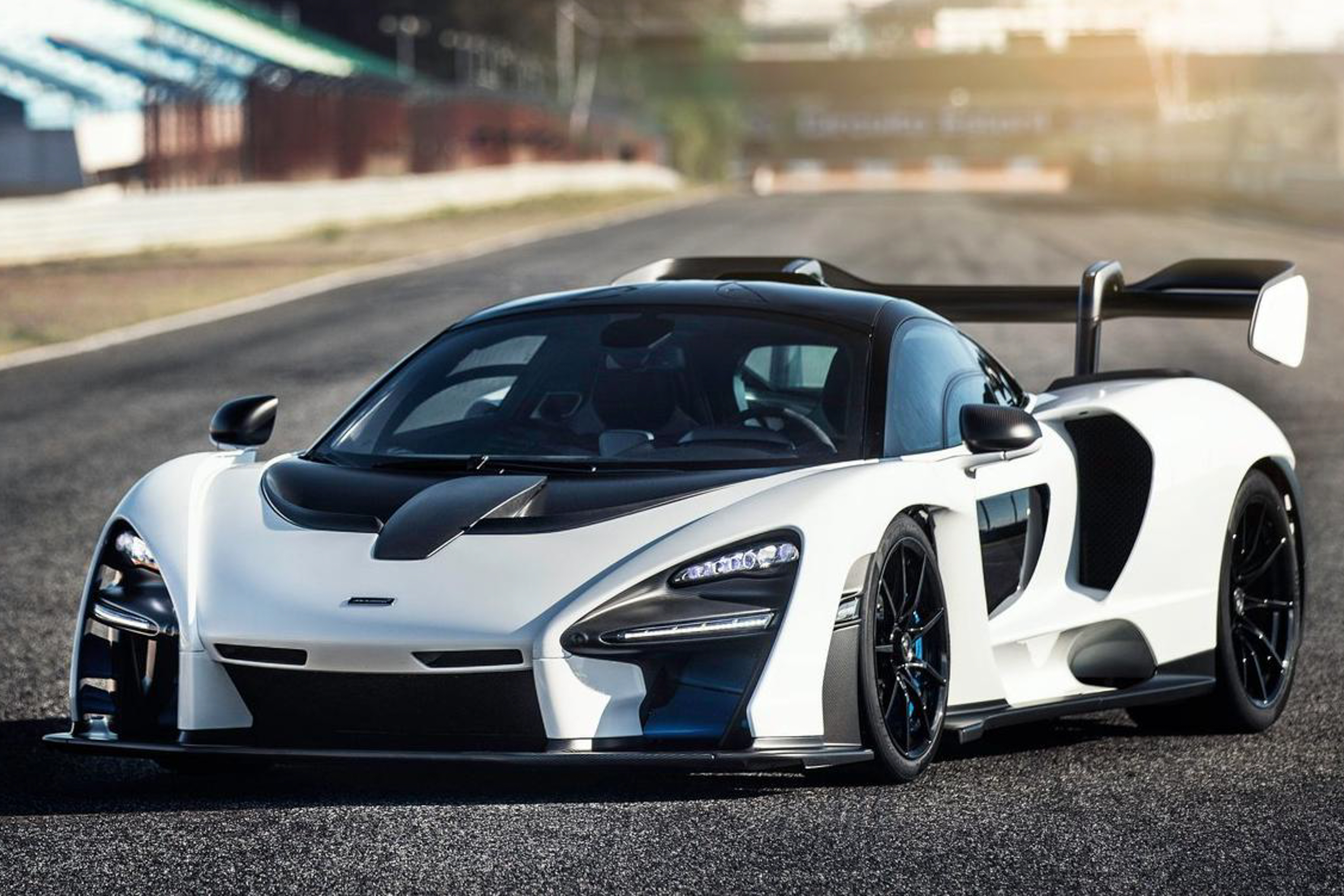
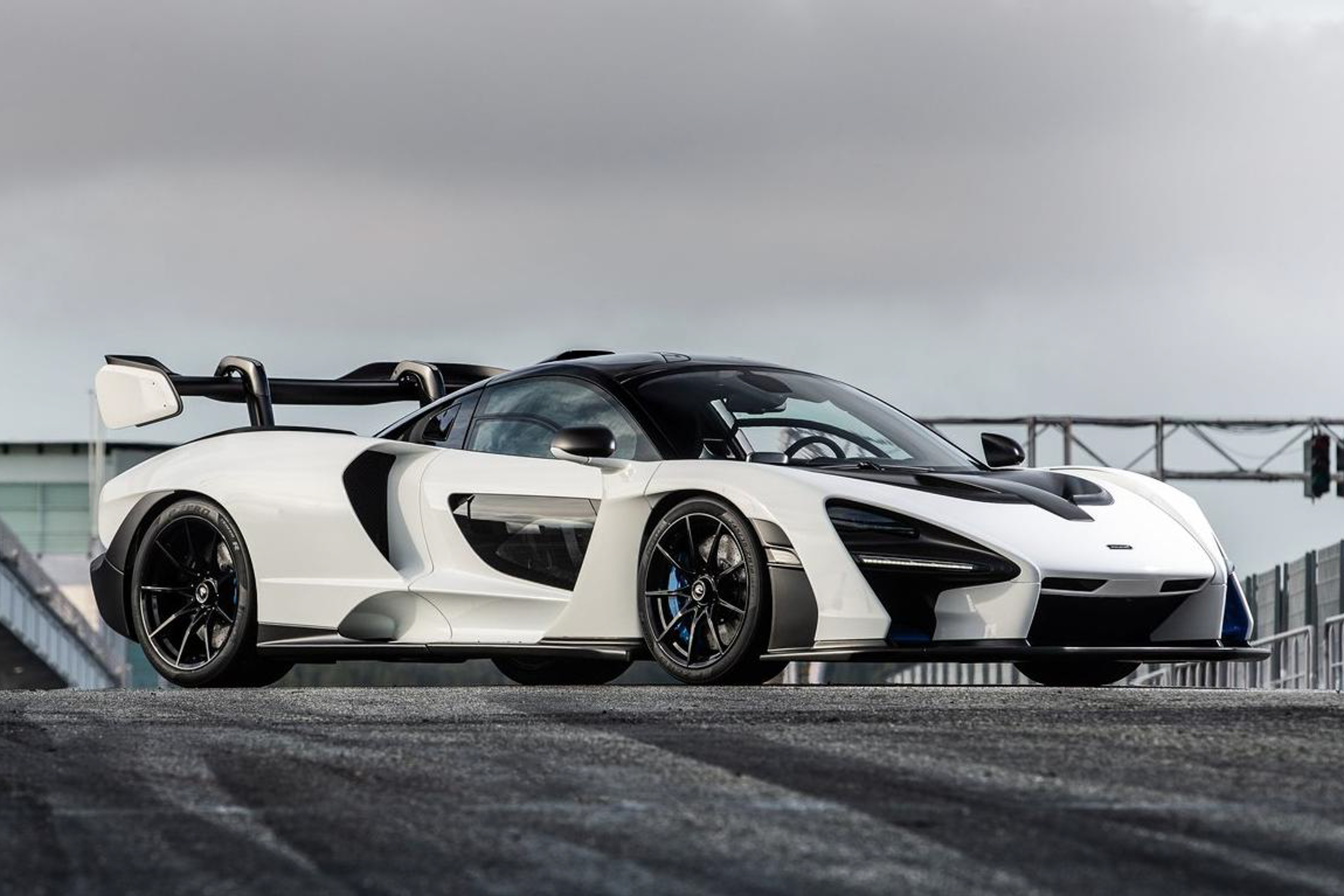
From a distance, the exterior of the 2019 McLaren Senna public is entirely dedicated to aerodynamics—the overall lines are sharp and aggressive, with no excessive decorations. The front face features a large honeycomb-style air intake grille, with exaggerated ventilation ducts on both sides that efficiently guide airflow to cool the brake system; the engine hood has two deep ventilation slots directly connected to the internal front compartment, further optimizing airflow efficiency. The side profile of the body is concise yet highly functional, with prominently raised arches over the front and rear wheels. Paired with 20-inch center-locking wheels (standard with Pirelli P Zero Trofeo R tires), the visual effect exudes power; the massive side air intakes behind the doors are key channels for supplying cool air to the mid-mounted engine. The rear is the highlight of the entire exterior design—its large active rear wing can automatically adjust its angle based on speed, providing up to 800 kilograms of downforce; the continuous LED tail lights are integrated underneath the wing, giving it high recognizability; the exaggerated diffuser at the bottom echoes the front airflow ducts, reinforcing aerodynamic performance. In terms of lighting, the front headlights use LED light sources with slender shapes tilted inward, blending seamlessly with the grille lines to enhance the sense of unity; the LED light strip in the tail lights offers sufficient brightness, creating a clear visual effect when lit at night.
Upon entering the car, the interior style of the 2019 McLaren Senna public leans entirely on being track-oriented—black is the dominant color, and extensive use of carbon fiber materials can be seen, including the center console, steering wheel, and seat frames. These not only reduce the vehicle weight but also enhance the sporty atmosphere. The interior materials predominantly consist of Alcantara and carbon fiber, with almost every reachable surface covered in Alcantara, offering a delicate and anti-slip texture. The seats are made of carbon-fiber bucket seats with excellent wrapping and lateral support, firmly holding the body during spirited driving; although the seats’ adjustments are manual, they support forward and backward movements and reclining angle adjustments, making them relatively convenient for daily use. The center console layout is minimalistic, with no excessive physical buttons—the 10-inch touchscreen is the interior's core element, integrating features such as navigation, multimedia, and vehicle settings, which are clearly organized and respond quickly to inputs. The steering wheel adopts a flat-bottom design, is moderately sized, and provides a solid grip. On the left side, there are two knobs for adjusting driving mode and power output mode, while the right side has paddle shifters (made of carbon fiber, offering a crisp tactile feel). In terms of core configurations, the car is equipped with an air conditioning system (supporting zone control), a reversing camera, and tire pressure monitoring. Though it lacks many luxury features, it meets basic daily use requirements. Notably, the interior storage space is extremely limited, with only a small compartment under the center console and virtually no other places to store items, which is a compromise of the track-oriented design.
In terms of space, the 2019 McLaren Senna public has body dimensions of 4544mm×2095mm×1195mm and a wheelbase of 2670mm, belonging to the class of two-door, two-seat sports cars. Regarding front-row seating space, a 180cm tall individual sitting inside has about one fist of headroom (thanks to the low seat design), and legroom is entirely determined by the seat position. Once adjusted to a comfortable driving posture, legroom is ample. In terms of storage capacity, aside from a small storage compartment beneath the center console, the vehicle's trunk is located under the hood (front trunk) with a capacity of approximately 100 liters, capable of holding only a small backpack or some scattered items, hence its practicality is limited. In terms of comfort features, the vehicle is equipped with air conditioning vents (located on both sides of the center console), but there are no rear air conditioning vents (since there are no rear seats); in terms of power outlets, there is a USB port beneath the center console to meet charging needs.
For performance, the 2019 McLaren Senna public is equipped with a 4.0-liter twin-turbocharged V8 engine, delivering a maximum power output of 789 horsepower (588 kW) and a peak torque of 800 Nm, paired with a 7-speed dual-clutch transmission and rear-wheel drive. During actual driving, power response is extremely immediate—when switched to "Race" mode, the accelerator pedal has almost no latency; a gentle press on the accelerator provides a strong surge of acceleration. During launch, the vehicle accelerates exceedingly quickly, taking only 2.8 seconds to go from 0-100 km/h and 6.8 seconds to reach 0-200 km/h. High-speed overtaking is effortless: pressing the accelerator deeply causes the transmission to downshift promptly, unleashing a surge of power and completing overtaking in an instant. In terms of driving modes, the vehicle offers four options: Normal, Sport, Race, and Track. The power output, gearbox responsiveness, and suspension stiffness can be adjusted differently in each mode — in Normal mode, power output is relatively gentle, the gearbox shifts smoothly, making it suitable for daily driving; in Sport mode, power response becomes more agile, the gearbox shifts faster, and suspension stiffness increases; Race and Track modes are designed entirely for the track, delivering unrestricted power output, a more aggressive shift logic, and maximum suspension stiffness, providing an ultimate handling experience.
In terms of handling and chassis performance, the 2019 McLaren Senna public's chassis adopts a carbon fiber monocoque structure with extremely high rigidity; the suspension system is an adaptive double-wishbone independent suspension that supports electronic adjustment. During daily driving, in Normal mode, the suspension can filter out minor bumps — while some road feedback is still felt, it is not overly bumpy; when encountering speed bumps or larger potholes, the suspension's rebound speed is quick, and the body does not experience excessive movements. During spirited driving, switching to Track mode noticeably increases suspension stiffness, providing exceptionally strong lateral support; the body roll during cornering is nearly negligible. The steering wheel's precision is extremely high, with no play, and its directional feedback is clear, accurately transmitting road information and enabling the driver to clearly sense the vehicle's dynamics. When negotiating curves, the vehicle's stability is excellent, with noticeable aerodynamic downforce. Even in high-speed cornering, the tires offer sufficient grip, the vehicle body remains steady, and it instills enough confidence in the driver.
In terms of special performance testing, as a fuel sports car, we focused on fuel consumption and braking performance. For fuel consumption, under normal driving conditions (Normal mode, with city and highway driving each accounting for 50%), the vehicle's combined fuel consumption is approximately 15L/100km; if driving aggressively (Sport or Race mode), the fuel consumption will soar to over 20L/100km. The fuel economy performance is average, which aligns with the characteristics of large-displacement sports cars. Regarding braking performance, the vehicle is equipped with a carbon-ceramic brake system, with a front brake disc size of 390mm and a rear brake disc size of 380mm, paired with six-piston front calipers and four-piston rear calipers. In actual testing, the braking distance from 100km/h to 0 is approximately 30 meters. The braking performance is excellent, and there is almost no heat fade after continuous braking, showcasing stable performance.
In terms of driving comfort, the noise control performance is average—during normal driving, the engine noise is transmitted into the cabin through the chassis and body, especially at high revolutions when the engine's roar is very noticeable. Tire noise and wind noise are acceptable at low speeds, but at high speeds (above 120km/h), wind noise gradually increases, mainly coming from the sides and rear of the vehicle due to its aerodynamic design. Regarding seat comfort, while the carbon-fiber bucket seats offer strong support, prolonged seating (over 2 hours) can result in discomfort in the lower back and hips, making them more suitable for short journeys or track driving. Additionally, the vehicle is not equipped with soundproof glass or an active noise cancellation system, and overall sound insulation leans towards a track-oriented setup, slightly affecting daily driving comfort.
In summary, the core highlight of the 2019 McLaren Senna public is its ultimate track performance—outstanding aerodynamic design providing ample downforce; powerful engine with rapid acceleration; precise handling and strong chassis rigidity; excellent braking performance with minimal heat fade. Compared to competitors in the same class (such as Ferrari 488 Pista, Lamborghini Huracán Performante), its track-focused tuning is more thorough, offering superior downforce, higher carbon fiber usage, and lighter weight (curb weight of only 1198kg), making it more advantageous on the track. However, in terms of daily practicality and comfort, it falls short of its rivals, featuring small storage space, average sound insulation, and less comfortable seating, which are its shortcomings.
Overall, the 2019 McLaren Senna public is a pure track-oriented sports car that places almost all of its design emphasis on performance, sacrificing some aspects of daily practicality and comfort. Its target audience is primarily track-driving enthusiasts who seek extreme performance, are willing to compromise on daily comfort for track experiences, and possess sufficient financial capability to purchase and maintain this vehicle. For ordinary consumers or users prioritizing daily comfort, this car is not suitable. However, for track enthusiasts, it is definitely a "weapon" that delivers ultimate driving pleasure.
In conclusion, the 2019 McLaren Senna public is a car born for the track. It uses extreme performance to embody the legendary spirit of "Senna." While its daily practicality is insufficient, its track performance makes it a standout among its class. If you are a track-driving enthusiast who doesn’t mind sacrificing daily comfort, this car is absolutely worth considering.
McLaren Senna Car Compare

More McLaren Reviews
Cars With Similar Price And Features
8
Rank in Coupe
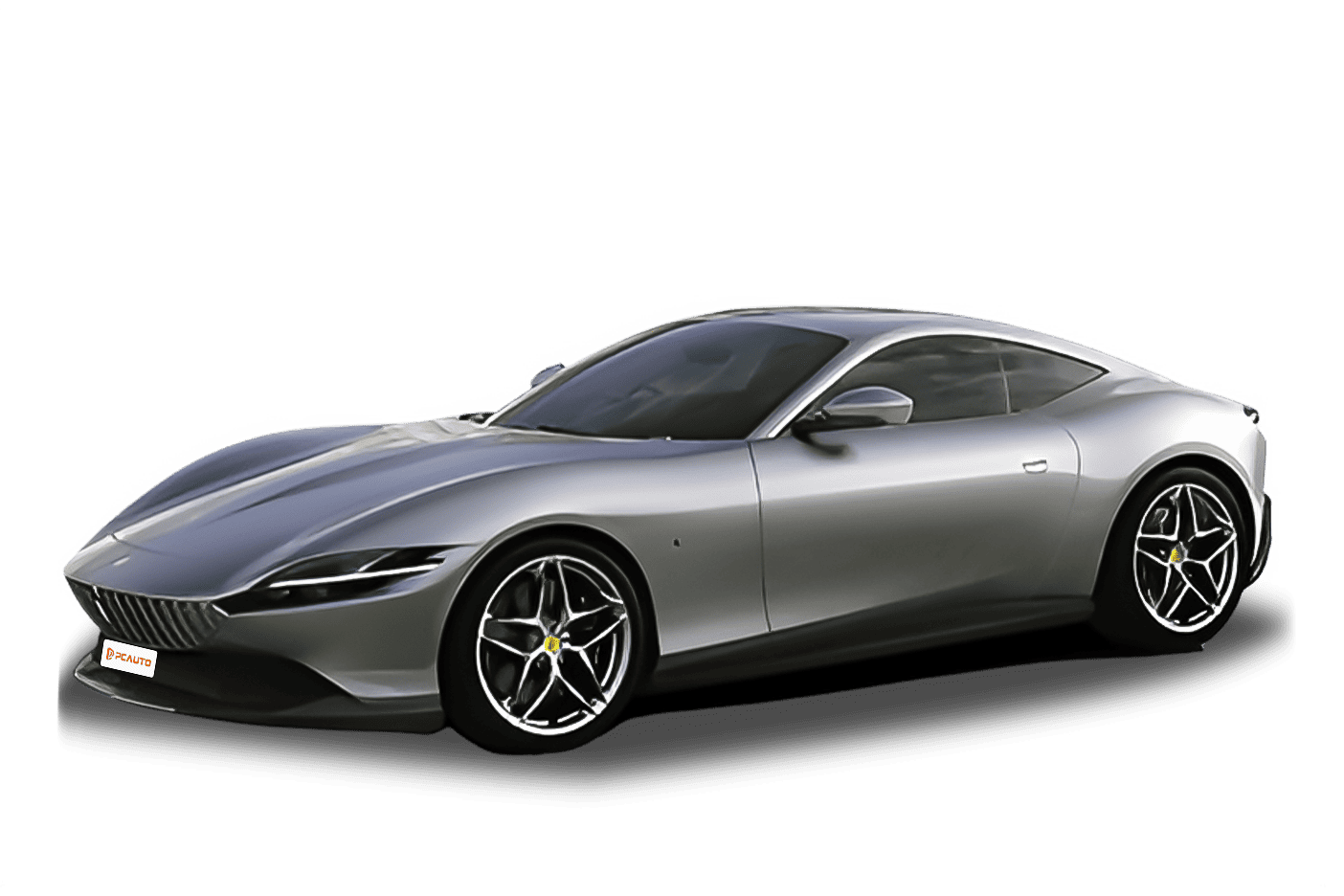
2023 Ferrari Roma Spider is a hardtop convertible GT supercar that combines elegant style with powerful performance, 13.5-second fast-opening soft top + 620PS power, practical for daily use and full of driving pleasure.

2023 Maserati MC20 Cielo is a two-seater supercar that combines track-level performance with convertible romance, equipped with a 630PS 3.0T V6 engine, a glass hardtop that opens and closes in 12 seconds, and accelerates to 100 km/h in 2.9 seconds.
2
Rank in Coupe

The 2025 Porsche 911 Carrera, as a classic entry-level coupe, features a 0-100 km/h acceleration in 3.9 seconds with its 3.0T+PDK performance, combining practical daily configurations and iconic design to balance track excitement with commuting convenience.
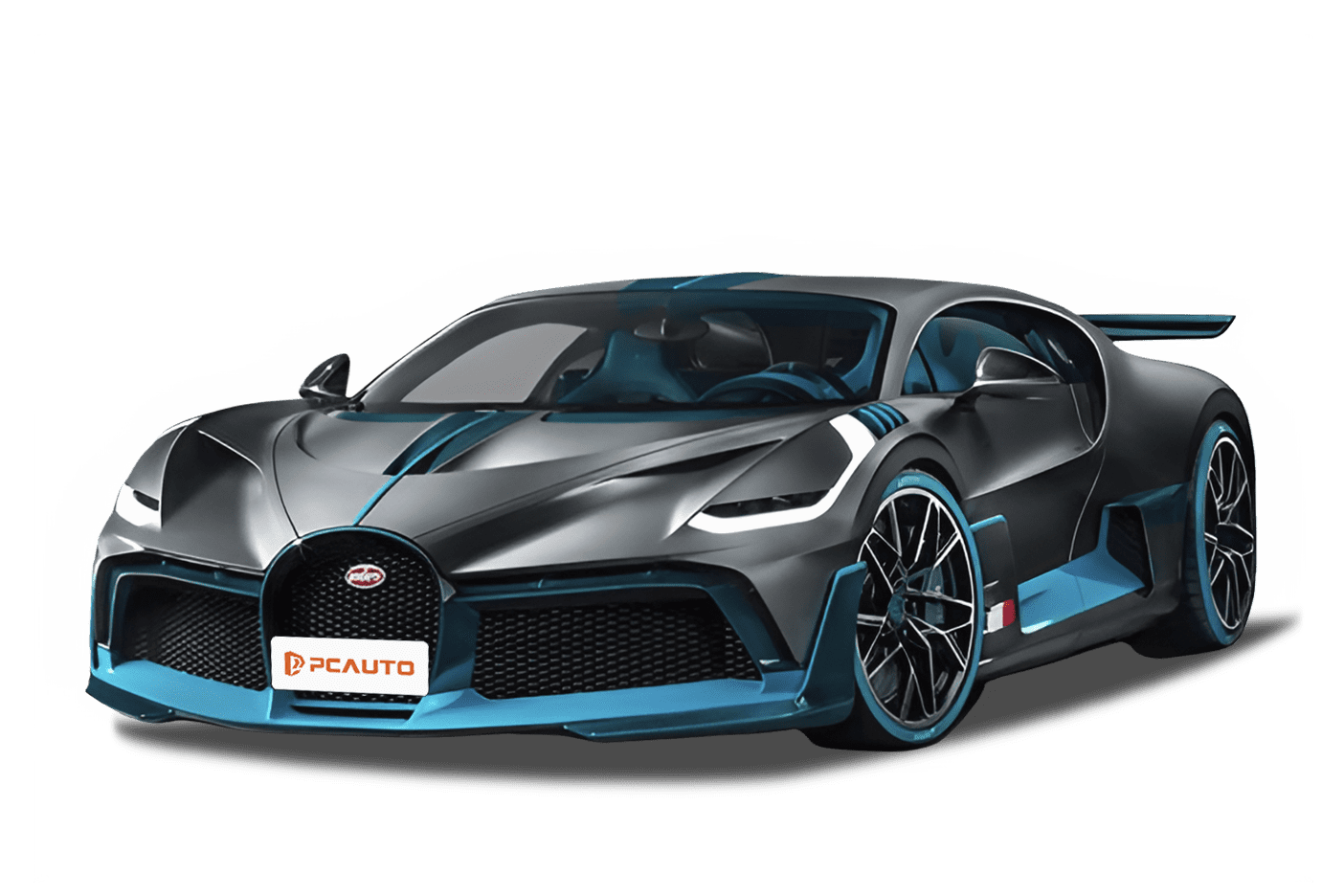
2023 Bugatti Divo, as a limited-edition hypercar and an advanced version of the Chiron, features track-focused aerodynamic design, 1520PS of brutal power, and precise handling, embodying the ultimate performance of being "born for the curves."