

2023 McLaren Senna GTR 4.0L V8 Review

 Share
Share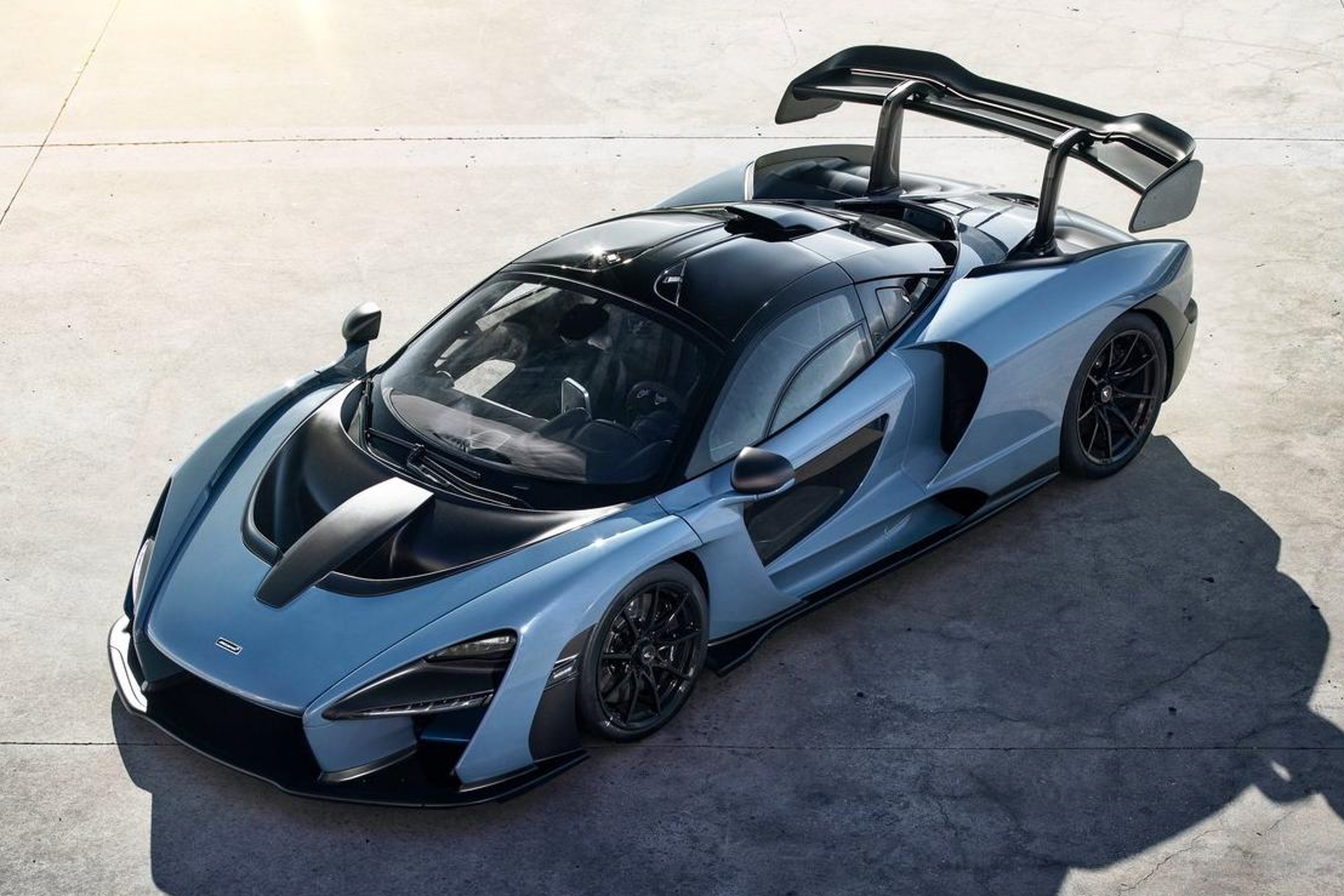
 Segment
 Body Type
 Capacity(L)
 Engine Power(PS)
 Transmission
 Driven Wheels
The current supercar market is still focused on the combination of extreme performance and track DNA. The 2023 McLaren Senna GTR 4.0L V8, as a track-tuned mass-produced supercar, targets high-end users with an extreme pursuit of pure driving experience. Its core selling points include the robust 825PS power output, lightweight body at 1198kg, and the precision control provided by the all-wheel-drive system, making it highly competitive among vehicles in the same class. The main purpose of this test drive is to verify whether its track performance can accommodate daily short-distance driving while also testing the practicality of its various configurations in real-world scenarios.
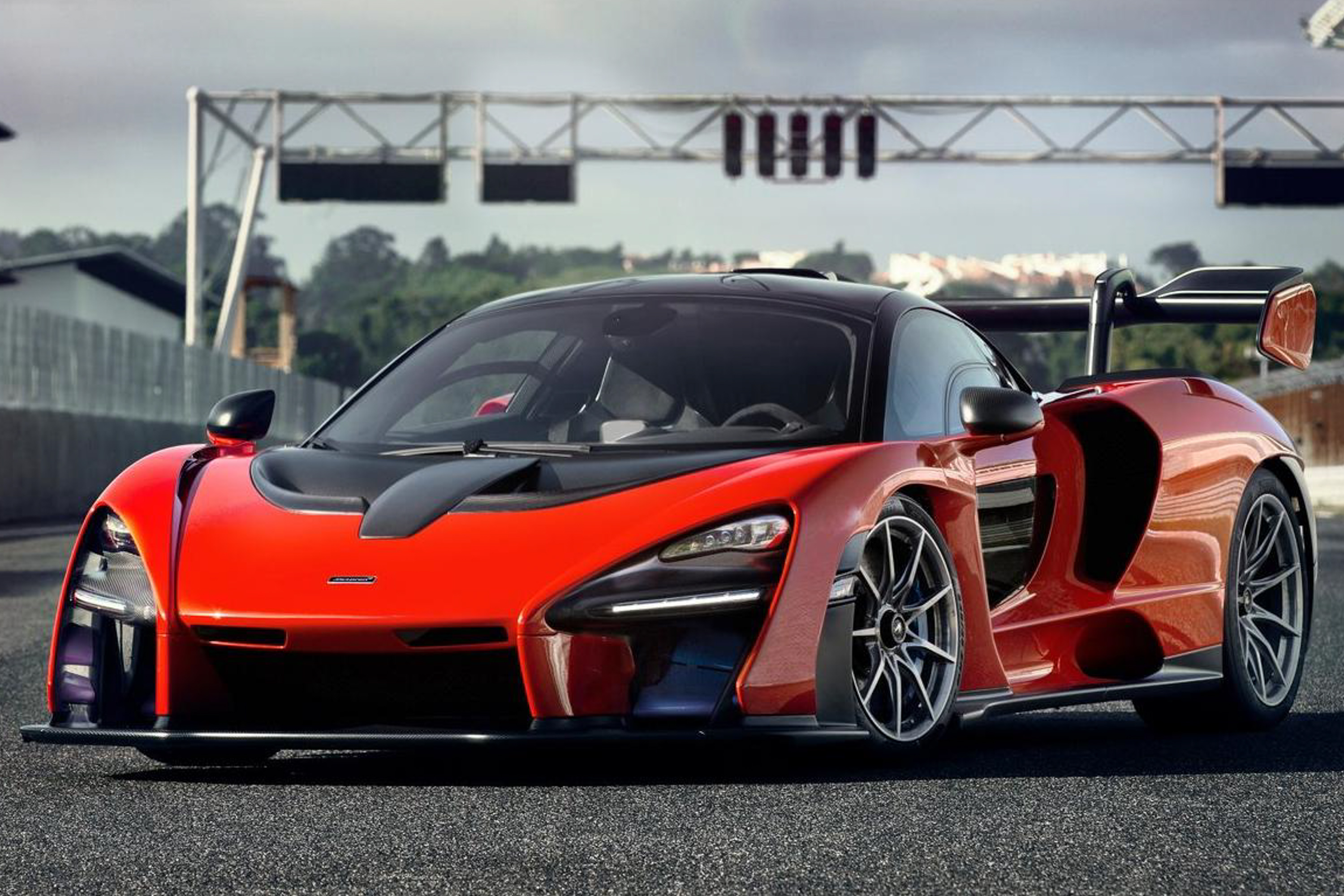
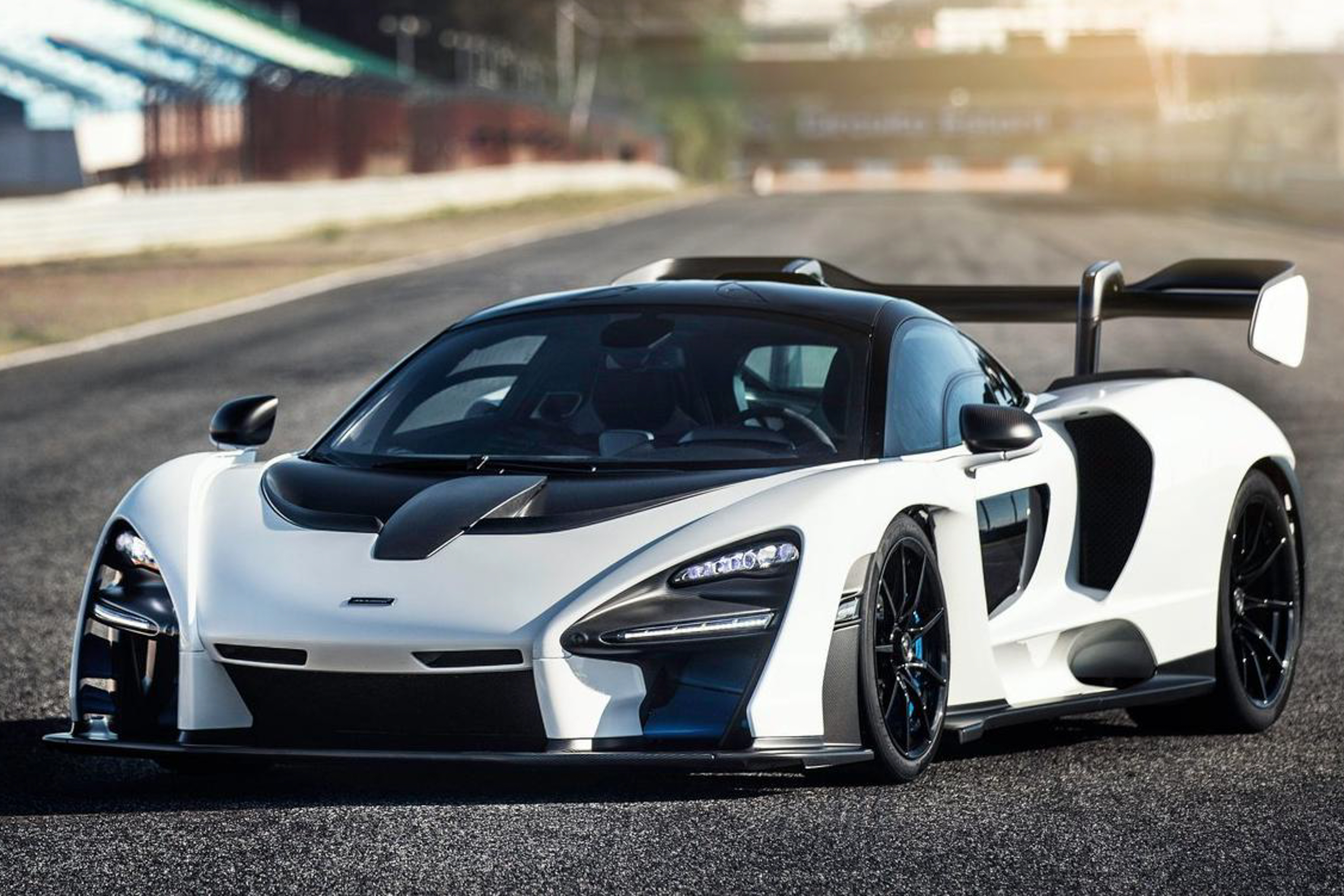
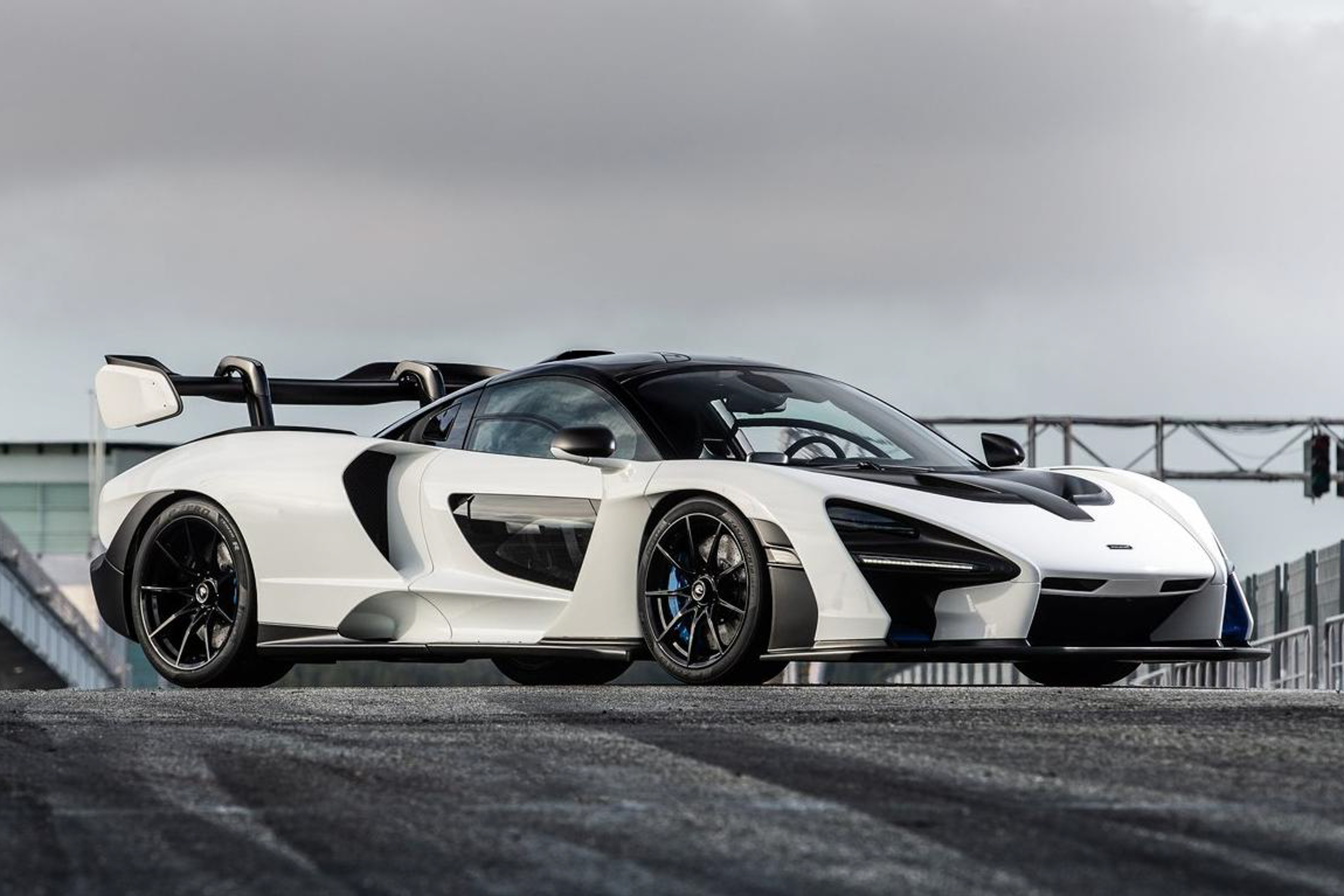
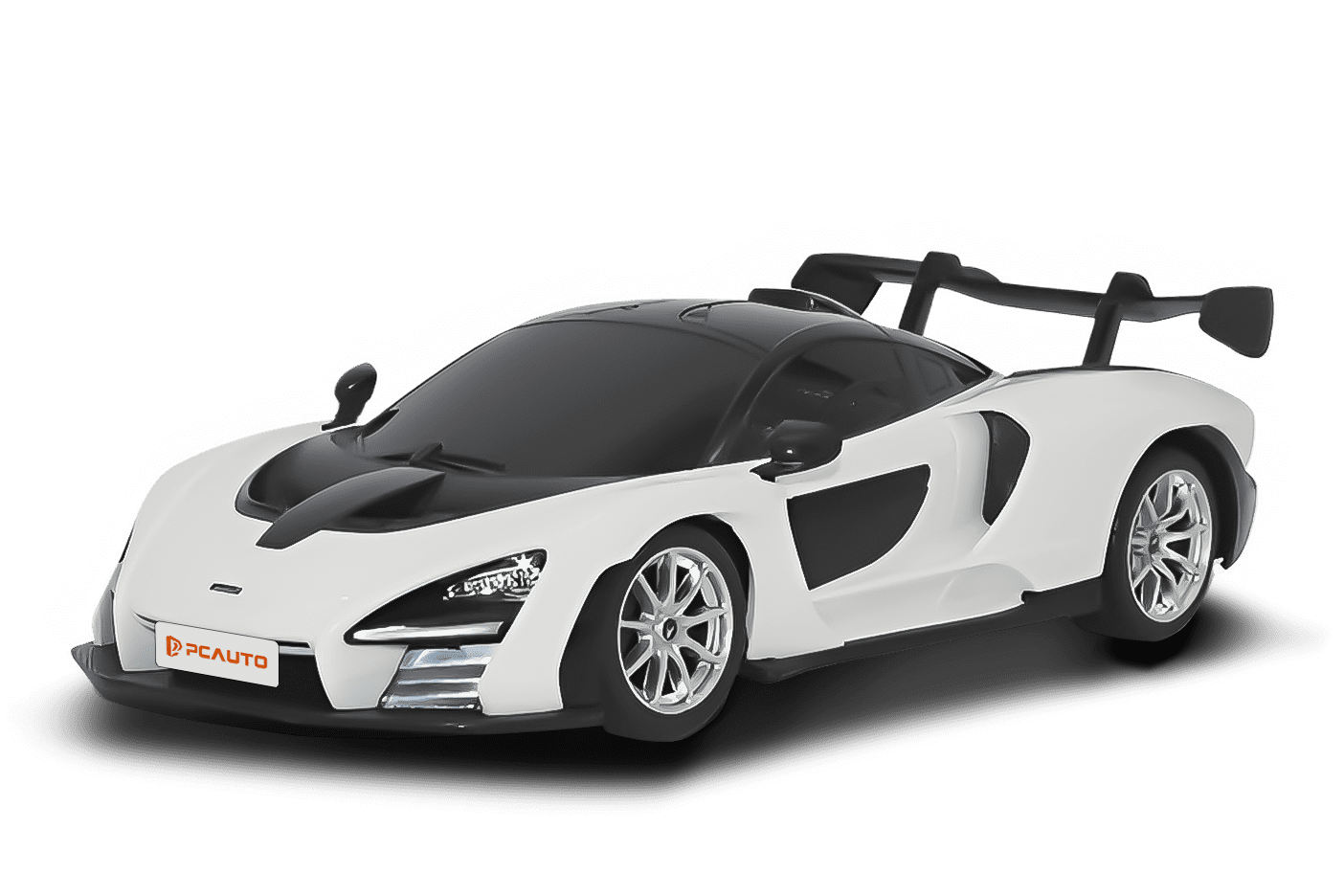
In terms of appearance, the 2023 Senna GTR continues the family-style track design, featuring low-profile and sharply-defined lines. The 4744mm length combined with a 2153mm width creates a strong visual impact. The front face adopts a large darkened grille, while the LED daytime running lights on both sides are scythe-shaped, echoing the large front splitter below, effectively enhancing aerodynamic efficiency. The carbon fiber side skirts and rear diffuser on the sides of the body, along with the ventilation design above the rear wheel arches, directly optimize the airflow at the rear. The large adjustable rear wing at the back is a design highlight, paired with vertically-arranged LED taillights on both sides, boasting high recognition. The lighting system is fully equipped with LED sources, and the automatic headlights and front fog lights provide stable illumination support during daily driving.
Upon entering the cabin, the interior primarily uses carbon fiber and Alcantara materials, with the overall layout leaning toward the driver’s side. The floating touchscreen design in the center console offers simple and direct operational logic. The multifunctional steering wheel is equipped with paddle shifters, and the HUD head-up display can present crucial information such as speed and RPM in real-time, reducing driver distractions. The instrument panel features a fully digital multifunctional display, and the interface style switches based on the driving mode. The front seats are manually adjustable bucket racing seats with strong wrapping, although the adjustment process is relatively cumbersome. Regarding storage space, the car door panels have small storage slots, and the space in the central armrest box is limited, mainly accommodating small items like phones and keys. There is no rear seat space behind the seats, strictly adhering to the positioning of a two-seater supercar.
In terms of power, the 4.0L V8 twin-turbocharged engine delivers a maximum power of 825PS at 7200rpm, with peak torque fully unleashed at 6750rpm, paired with an AT gearbox and all-wheel-drive system. During actual driving, the throttle response is extremely sensitive at the start, achieving 0-100km/h acceleration in just 2.8 seconds, and the pushing force persists above 7000rpm. When switched to sport mode, the gearbox shift logic becomes more aggressive, and downshifting with throttle blips is crisp and decisive. During overtaking, simply stepping on the gas pedal will instantly unleash power. The chassis features front and rear double-wishbone independent suspensions, tuned for track performance, offering limited cushioning against road bumps but delivering excellent support during high-speed cornering. The body roll is exceptionally well-controlled, and the steering feels precise with almost no dead zone, clearly transmitting road feedback.
In special testing, the official combined fuel consumption is 12.4L/100km, but with aggressive driving, the fuel consumption increases to over 18L, while gentle daily driving maintains around 14L. The braking system performs excellently, coupled with wide-size tires, achieving a braking distance of less than 30 meters from 100-0km/h. In terms of noise control, engine noise is more noticeable at low speeds, while wind and tire noise become the main sources at high speeds, aligning with the track-oriented supercar positioning. Although the seat provides strong wrapping, long-term driving can cause fatigue, making it more suitable for short trips or track experiences.
In summary, the core advantages of the 2023 McLaren Senna GTR lie in its extreme power performance, the handling precision brought by its lightweight body, and the track-oriented chassis tuning. Compared to its peers, it boasts superior power specifications and lightweight design, although its comfort features are relatively minimalistic. This car is better suited for supercar enthusiasts with track-driving needs who pursue a pure driving experience, or high-end users with a collection interest. As a performance-focused track-oriented supercar, it has certain limitations for everyday use scenarios, but it delivers an unparalleled driving pleasure for target users.
McLaren Senna Car Compare
More McLaren Reviews
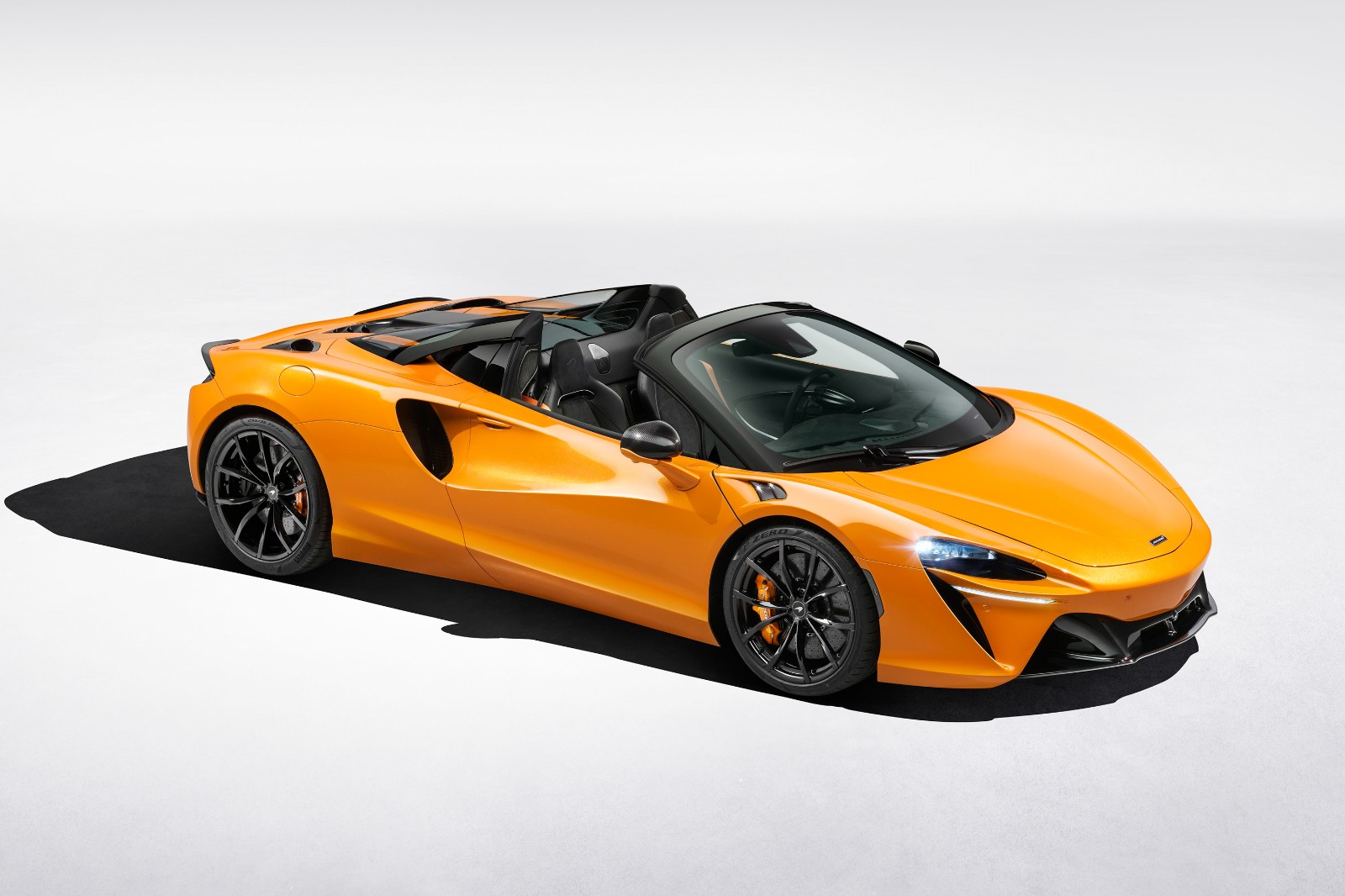
Cars With Similar Price And Features
8
Rank in Coupe
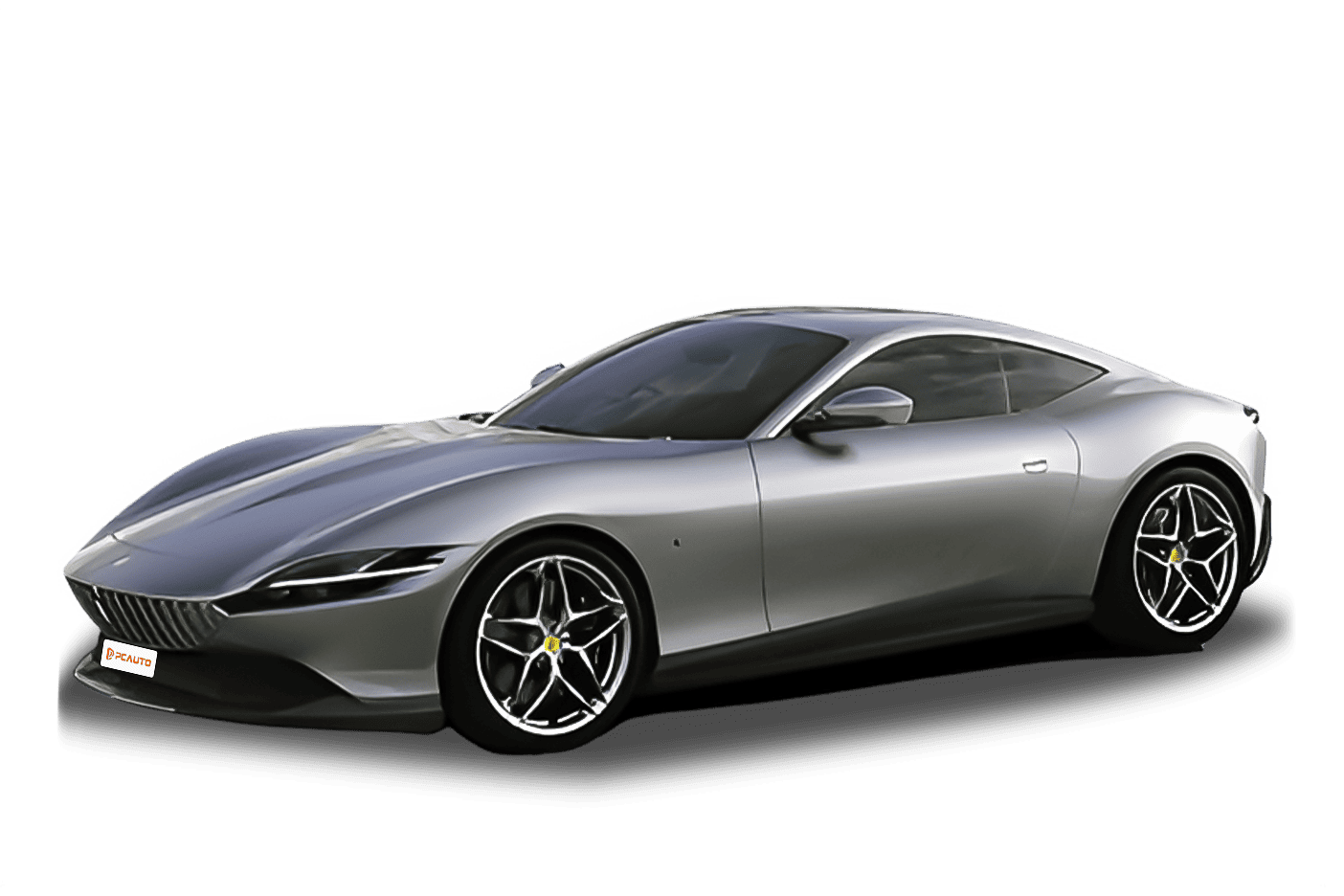
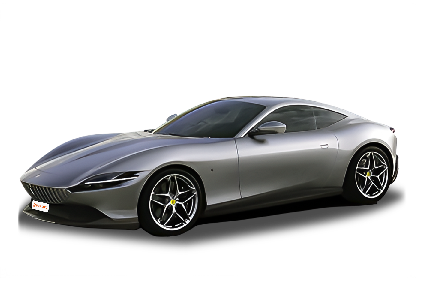
2023 Ferrari Roma Spider is a hardtop convertible GT supercar that combines elegant style with powerful performance, 13.5-second fast-opening soft top + 620PS power, practical for daily use and full of driving pleasure.

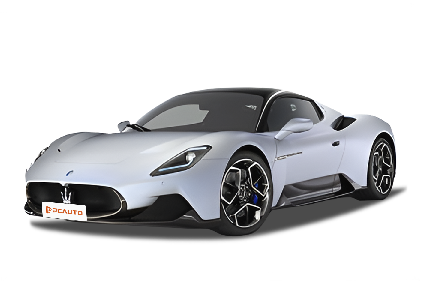
2023 Maserati MC20 Cielo is a two-seater supercar that combines track-level performance with convertible romance, equipped with a 630PS 3.0T V6 engine, a glass hardtop that opens and closes in 12 seconds, and accelerates to 100 km/h in 2.9 seconds.
2
Rank in Coupe
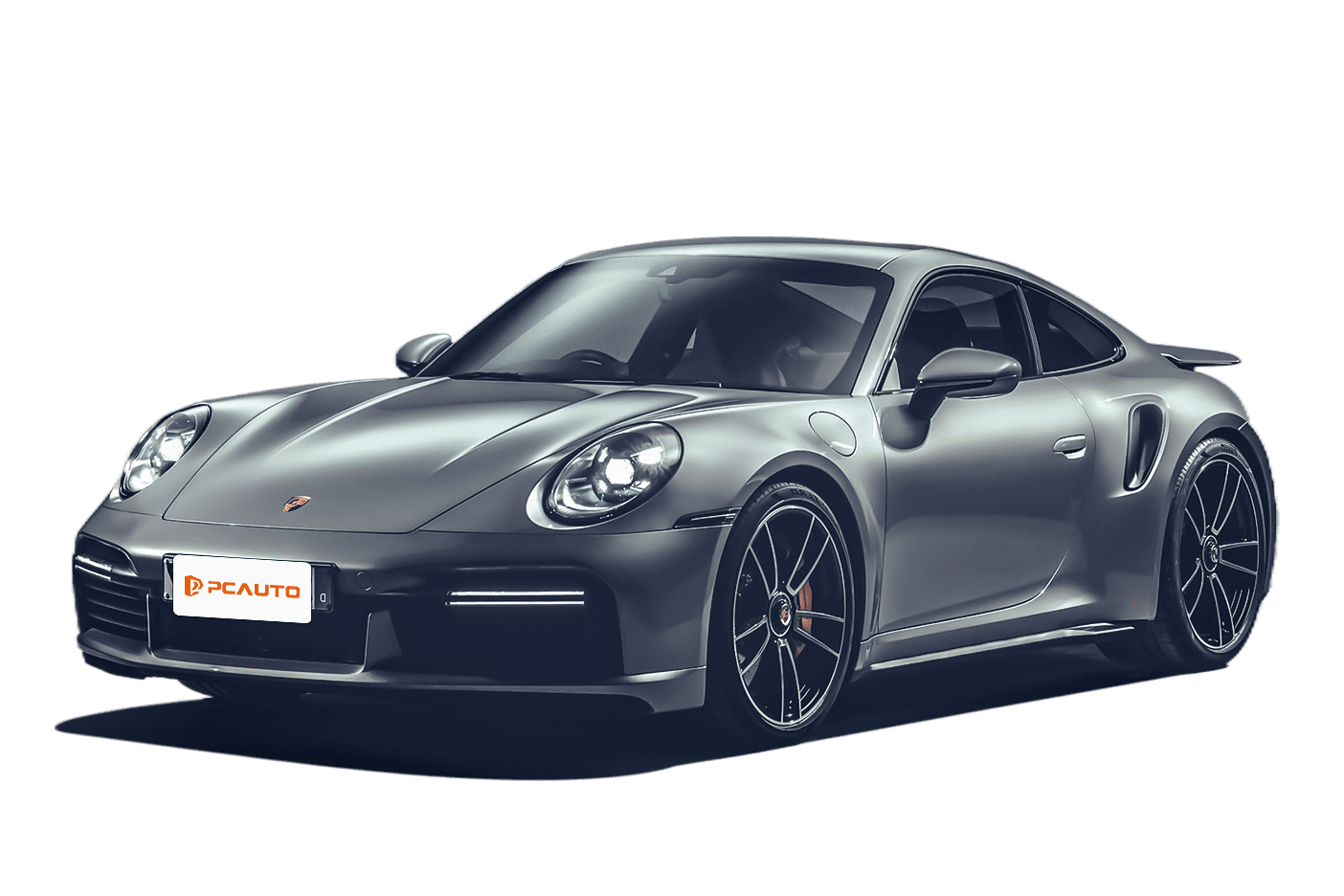
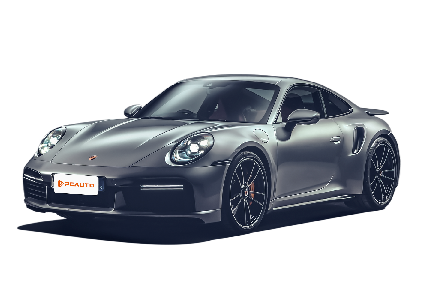
The 2025 Porsche 911 Carrera, as a classic entry-level coupe, features a 0-100 km/h acceleration in 3.9 seconds with its 3.0T+PDK performance, combining practical daily configurations and iconic design to balance track excitement with commuting convenience.
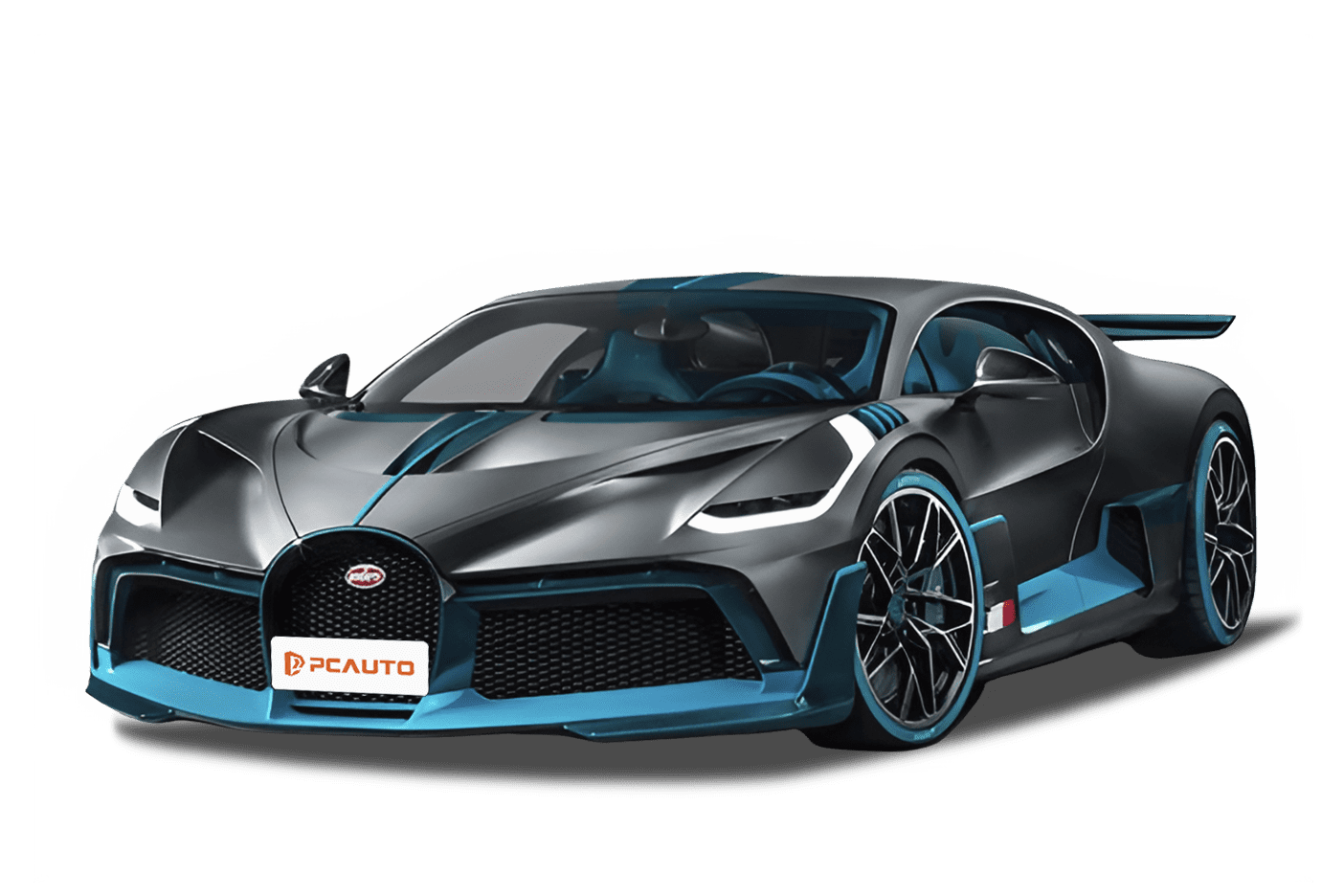
2023 Bugatti Divo, as a limited-edition hypercar and an advanced version of the Chiron, features track-focused aerodynamic design, 1520PS of brutal power, and precise handling, embodying the ultimate performance of being "born for the curves."